Alentejo Travel Guide — Where cork oaks, megalithic stones and bone-deep silence define Portugal's empty quarter
⏱ 11 min read📅 Updated 2026💶 €€ Mid-range✈️ Best: Apr–Sep
€50–120/day
Daily budget
Apr–Sep
Best time
4–7 days
Ideal stay
EUR
Currency
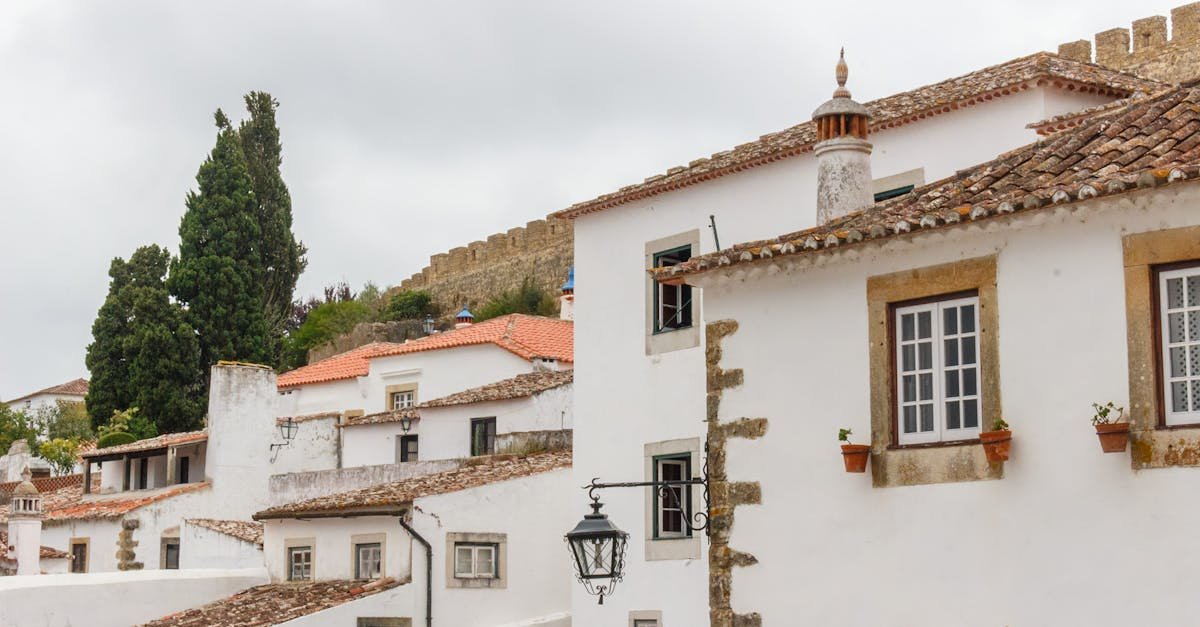
Alentejo unfolds slowly, like a secret whispered rather than announced. Step into this vast inland plateau and your senses recalibrate: the sharp green-silver shimmer of olive trees against ochre soil, the low drumbeat of cicadas on a July afternoon, the smell of wild lavender rising from roadsides that stretch unbroken toward the horizon. This is the largest of Portugal's historic provinces, accounting for nearly a third of the country's land yet holding fewer than 800,000 people. Whitewashed villages materialise atop granite ridges, their blue-trimmed doorways catching the light of a sun that seems to burn hotter and hang lower here than anywhere else in Europe. Alentejo is quiet, and it means it.
Unlike the Algarve's resort conveyor belt or Lisbon's tourist-saturated neighbourhoods, things to do in Alentejo reward patience and curiosity. You will not be shuffled between attractions on a tight schedule. Instead, visiting Alentejo means lingering over a clay pot of migas at a roadside tasca, wandering inside a hilltop fortress abandoned for centuries, and lying in a field at midnight watching the Milky Way arc over Europe's largest dark-sky reserve at Alqueva. It is an experience that competes less with the Douro Valley or Sintra, and more with Tuscany or the Luberon — except with half the crowds and a fraction of the price. Travellers who give it a week almost always wish they had booked two.
✦ Find your perfect destination
Is Alentejo really your perfect match?
Answer 12 quick questions about your travel style, budget and dates — we match you with the destinations that fit you best, from 600+ worldwide.
Alentejo belongs on any serious traveller's shortlist for a simple reason: it is one of the last genuinely unhurried corners of Western Europe. The region produces some of Portugal's finest wines — bold, mineral reds from Alentejo DOC — along with the world's largest continuous cork forest, megalithic monuments older than Stonehenge, and medieval walled towns like Évora, a UNESCO World Heritage Site. Alentejo's gastronomy, rooted in peasant ingenuity and extraordinary local ingredients, is earning recognition far beyond Portugal's borders. The region offers depth without hustle.
The case for going now: Alentejo is quietly entering a golden moment. The Alqueva reservoir dark-sky tourism zone has just expanded its certified stargazing network, adding new observatories and rural lodges specifically designed for astronomy tourism. International press coverage is climbing steeply, yet visitor numbers remain a fraction of comparable European slow-travel destinations — meaning 2026 is the window to experience Alentejo's hospitality, prices and solitude before the rest of the world fully catches on.
🏛️
Monsaraz Hilltop
The fortified village of Monsaraz sits so perfectly above the Alqueva reservoir that it feels sculpted rather than built. Its single cobbled main street, castle ramparts and medieval pillory make it one of Portugal's most cinematic locations.
🔭
Alqueva Stargazing
Europe's largest dark-sky reserve surrounds the Alqueva reservoir. Certified Starlight destinations here offer guided telescope nights where the Milky Way is vivid enough to cast faint shadows — an increasingly rare experience in mainland Europe.
🌿
Cork Oak Trails
Walking or cycling among Alentejo's ancient montado — the cork oak savannah ecosystem — is unlike anything else in Europe. Herds of Iberian black pigs graze beneath stripped trees whose deep-red bark peeling reveals the landscape's true character.
🏺
Megalithic Monuments
Alentejo holds one of Europe's highest concentrations of megalithic sites, including the Anta Grande do Zambujeiro, Portugal's largest dolmen. Cromeleques (stone circles) predate Stonehenge and stand in open fields with virtually no visitor queues.
Alentejo's neighbourhoods — where to focus
UNESCO Capital
Évora
Alentejo's centrepiece city wears its 2,000 years of history lightly. A Roman temple stands beside a Gothic cathedral, while the macabre Chapel of Bones draws curious visitors into its philosophical depths. Évora is compact enough to walk entirely in a day, yet rewards three.
Fortress Town
Marvão
Perched at 862 metres on a granite crag near the Spanish border, Marvão is one of Portugal's most dramatic mountain villages. Its medieval castle offers views across two countries, and the handful of restaurants and guesthouses within its walls create an almost time-stopped atmosphere.
Wine Country
Vidigueira & Reguengos
The twin wine heartlands of Alentejo DOC sit south of Évora amid rolling vineyards. Here, major quintas like Herdade do Esporão and small co-operatives alike welcome visitors for cellar tours and barrel tastings, pairing robust Alentejo reds with local cheeses and cured meats.
River Gateway
Serpa & the Guadiana Valley
Serpa is Alentejo's most underrated town — a whitewashed grid of lanes shadowed by a crumbling aqueduct, famous for its pungent sheep's cheese. The nearby Guadiana river valley forms a natural border with Spain and rewards slow drives and birdwatching for black stork and griffon vulture.
Top things to do in Alentejo
1. Explore Évora's Old City
A full day inside Évora's UNESCO-listed historic centre is the essential starting point for any Alentejo itinerary. Begin at the Roman Temple of Diana — improbably intact, its Corinthian columns rising from a municipal garden — then cross the square to the Cathedral of Évora, whose cloister offers quiet views across terracotta rooftops. The bone-lined walls of the Igreja de São Francisco's Chapel of Bones deserve time: the inscription above the entrance reads 'We bones that are here await yours,' which sets the Alentejo mood of unhurried contemplation rather effectively. Finish by navigating the maze of lanes around the Praça do Giraldo, where locals still conduct the evening passeio, coffee cups in hand, entirely indifferent to the tourists photographing their routine.
2. Cycle the Rota da Alentejo
The Rota da Alentejo is a network of well-maintained cycling trails stitching together more than 2,000 kilometres of landscape across the region. The most rewarding segments wind between whitewashed villages, through cork-oak montado and past ancient megalithic sites with almost no traffic. Bike rental is available in Évora, Beja and Moura, and several rural accommodation providers offer luggage transfers so you can ride light. The terrain is predominantly flat to gently rolling, making it accessible even for casual cyclists. Spring brings wildflowers — white cistus, yellow gorse and scarlet poppies — that transform the roadsides into something approaching a Dutch Masters painting relocated to southern Portugal.
3. Visit the Megalithic Sites
Few visitors realise that Alentejo holds one of the greatest concentrations of megalithic monuments in the world, many predating Egypt's pyramids. The Anta Grande do Zambujeiro, a vast dolmen near Évora, is Portugal's largest, its capstone weighing an estimated six tonnes. Nearby, the Cromeleque dos Almendres — a stone circle of 95 granite menhirs set on a hillside above cork trees — predates Stonehenge by roughly 2,000 years and can be visited on a quiet weekday morning with barely another soul present. The Menir dos Almendres, a single standing stone etched with Neolithic symbols, stands just a few hundred metres away. Guided tours from Évora cover all three sites in a half-day and provide essential archaeological context.
4. Sleep Under the Alqueva Stars
Planning at least one night at a Starlight-certified property around the Alqueva reservoir transforms the Alentejo experience from memorable to genuinely life-changing. The reservoir is Europe's largest artificial lake and forms the anchor of a dark-sky reserve where artificial light pollution is legally restricted across an area of roughly 3,000 square kilometres. Several rural herdades (estate lodges) have installed private observatories or work with certified astrotourism guides for evening sessions. On a clear night between April and October the zodiacal light is visible, satellites arc in visible chains and the sheer density of stars provokes something close to vertigo. Book at least a week in advance during summer — these small properties fill quickly.
What to eat in the Alentejo — the essential list
Açorda Alentejana
Alentejo's most iconic dish: a warm, bread-thickened soup scented with coriander, garlic and olive oil, topped with poached eggs. Peasant food elevated through patience and quality of ingredients, it is deeply restorative after a morning on the trails.
Carne de Porco à Alentejana
Cubed pork marinated in wine and paprika paste, then stir-fried with clams and garnished with coriander — a surf-and-turf that shouldn't work but absolutely does. Found on virtually every menu in the region, each version slightly different from the last.
Queijo de Serpa
A raw sheep's milk cheese from the town of Serpa, cured with wild thistle flower and producing an intensely pungent, semi-soft interior. Served at room temperature, spread thickly on rough bread, it is one of Portugal's great artisan cheeses.
Migas
A versatile side of bread fried with garlic, olive oil and often greens or pork fat, migas accompanies nearly every Alentejo main course. Each village and family has its own variation — some crumbly, some sticky — reflecting hyper-local tradition.
Ensopado de Borrego
A slow-cooked lamb stew soaked into thick slices of bread at the base of the bowl, this is Alentejo winter-comfort food at its most direct. The lamb is typically local, grass-fed on the same plains where it was raised, giving it clean, mineral flavour.
Sericaia com Ameixas
A baked egg custard flavoured with cinnamon and lemon zest, always served alongside Elvas plums preserved in sugar syrup. The combination of the fluffy, soufflé-like custard with the sharp-sweet plums is the definitive Alentejo dessert experience.
Where to eat in Alentejo — our top 4 picks
Fine Dining
Fialho
📍 Travessa das Mascarenhas 16, Évora
Fialho has been Évora's benchmark restaurant since 1945, holding its reputation as Alentejo's finest table across multiple generations. The dining room is formal and tile-lined, the service attentive without being stiff, and the açorda and black pork dishes consistently outstanding. Book at least two days ahead.
Fancy & Photogenic
Herdade do Esporão Restaurant
📍 Herdade do Esporão, Reguengos de Monsaraz
Set within one of Alentejo's most celebrated wine estates, this restaurant places seasonal Alentejo produce alongside estate wines in a spare, modern dining room overlooking vineyards. The lunch tasting menu is the move here — lighter than dinner and perfectly paired with estate whites.
Good & Authentic
Tasca do Zé Troncho
📍 Rua do Cano 7, Monsaraz
A tiny, family-run tasca in Monsaraz with a menu chalked daily on a board and the owner's grandmother reportedly still involved in the kitchen. The lamb stew and local sheep's cheese are reason alone to visit the hilltop village. Cash only, no reservations — arrive before 1pm.
The Unexpected
Botequim da Mouraria
📍 Rua da Mouraria 16A, Évora
An absurdly small wine bar-restaurant — eight tables maximum — where the owner selects just a handful of dishes per evening, all driven by what arrived at the market that morning. The natural wine selection is among the most interesting in Alentejo. Word-of-mouth bookings only; reserve two weeks out in high season.
Alentejo's Café Culture — top 3 cafés
The Institution
Café Arcada
📍 Praça do Giraldo 7, Évora
Arcada has occupied its arcade position on Évora's central square long enough to become part of the city's architectural identity. Morning coffee here — espresso, a pastel de nata, pigeons at your feet — is the canonical Alentejo arrival ritual. Slightly tourist-priced, entirely worth it for the setting.
The Aesthetic Hub
Mercearia Gadanha
📍 Praça Agostinho Albano 4, Estremoz
Part gourmet deli, part wine bar and part café, Gadanha in marble-rich Estremoz is the kind of place you plan to stop at for twenty minutes and leave two hours later. The cured meats, local cheeses and Alentejo wine by the glass make it an ideal midday break on any northern Alentejo itinerary.
The Local Hangout
Pastelaria O Aqueduto
📍 Rua de Serpa Pinto 33, Serpa
In Serpa, locals start every morning at O Aqueduto over a bifana sandwich and a galão. The pastries lean heavily toward the regional — queijadas and bone-fat biscuits — and the tables spill onto a lane with views toward the old aqueduct. No English menu, no tourist markup, maximum authenticity.
Best time to visit Alentejo
Jan
Feb
Mar
Apr
May
Jun
Jul
Aug
Sep
Oct
Nov
Dec
Peak season (Apr–Sep) — wildflowers in spring, long golden evenings in summer, harvest festivals in autumn; ideal for outdoor exploringShoulder season (Mar, Oct) — cooler temperatures, fewer visitors, excellent for hiking and wine tourismOff-season (Nov–Feb) — mild winters but some rural accommodation closes; Évora city is rewarding year-round
Alentejo events & festivals 2026
Whether you're planning around a specific celebration or simply want to know what's happening, this guide covers the best events and festivals in Alentejo — from major annual traditions to cultural highlights worth timing your trip around.
Feb 2026culture
Carnival of Évora
Évora's low-key carnival fills the Giraldo square with live music and fancy-dress parades. Less raucous than coastal equivalents, it is a genuine local event with strong community participation and no tourist choreography.
Mar 2026market
Feira de Março, Évora
One of the oldest fairs in Portugal, the March Fair brings artisans, livestock traders and food producers to Évora's fairground for two weeks. An excellent window into Alentejo's agricultural culture and local craft traditions.
Apr 2026culture
Ovibeja Livestock & Agriculture Fair
Held annually in Beja, Ovibeja is Alentejo's largest agricultural event, showcasing Merino sheep, Iberian black pigs, local cheese producers and Alentejo DOC wine brands. It draws rural communities from across the region for a week of tastings and livestock competitions.
May 2026religious
Festas do Espírito Santo, Évora
Holy Spirit festivities root Alentejo's spring calendar in tradition. Processions wind through Évora's medieval lanes with brass bands, offering visitors a genuine glimpse of Alentejo's deeply embedded Catholic rural culture.
Jun 2026music
Festival Bons Sons, Cem Soldos
Held in a tiny village in the greater Alentejo hinterland, Bons Sons is Portugal's most charming boutique music festival — using village houses as stages, mixing fado with electronic and world music, and selling local Alentejo food and wine throughout.
Jul 2026culture
Évora Classic Car Meeting
Vintage automobile enthusiasts from across Portugal and Spain converge on Évora for a parade and concours through the UNESCO historic centre. A visually spectacular and unexpectedly photogenic weekend event in Alentejo's capital city.
Aug 2026music
Sudowoodo Festival, Grândola
A growing alternative music festival held outdoors in Grândola, combining independent Portuguese and international acts with local food stalls and Alentejo wine.
Sep 2026culture
Wine Harvest Festivals (Vindimas)
September brings grape harvest celebrations across the Alentejo DOC zone — Reguengos de Monsaraz, Borba and Redondo all host public vindima weekends with grape-treading, free wine and live traditional music. A highlight of any Alentejo itinerary in early autumn.
Oct 2026market
Feira Internacional de Artesanato, Estremoz
Estremoz hosts its annual international crafts fair in the marble-paved castle square every October, gathering ceramic, cork and textile artisans from across the Iberian Peninsula. The marble town backdrop makes it one of Alentejo's most photogenic shopping events.
Dec 2026religious
Christmas Nativity Route, Marvão
Marvão's hilltop village stages a live nativity tableau winding through its medieval lanes in December, with local families playing roles in traditional Alentejo costume. One of Portugal's most intimate and atmospheric Christmas traditions in the Alentejo region.
Hostel dorms or agriturismo rooms, tasca meals, local buses and self-guided sightseeing using walking routes.
€€ Mid-range
€60–120/day
Boutique rural herdade stays, restaurant dinners, car rental to reach villages and vineyard visits with tasting fees.
€€€ Luxury
€150+/day
Design herdade lodges with pools, Michelin-recommended dining, private wine tours and stargazing observatory nights.
Getting to and around Alentejo (Transport Tips)
By air: The most convenient gateway for an Alentejo travel itinerary is Lisbon Humberto Delgado Airport (LIS), which receives direct flights from across Europe and the UK. Faro Airport (FAO) in the Algarve is a secondary option if you plan to begin your trip on the Alentejo coast. No major airports operate within the region itself.
From the airport: From Lisbon Airport, Évora is reachable in approximately 90 minutes by car via the A6 motorway, the fastest and most practical option. Flixbus and Rede Expressos run regular coach services from Lisbon's Sete Rios terminal to Évora (90 min), Beja (2.5 hrs) and Portalegre (3 hrs). A direct train from Lisbon Oriente to Évora takes around 90–100 minutes and is comfortable for travellers without luggage.
Getting around the city: Within Alentejo, a rental car is strongly recommended for visiting Alentejo's scattered villages, megalithic sites and wine estates — public transport between rural villages is extremely limited. Évora, Beja and Portalegre have local bus services, but frequency is low. Cycling the Rota da Alentejo network is an excellent way to connect villages over several days if you carry light. Taxis and ride-hail apps function in larger towns.
Transport Safety & Scam Prevention:
Unofficial Parking Attendants: In Évora's historic centre, unofficial individuals occasionally approach drivers to 'manage' parking for a fee. Use signed municipal car parks instead — they are cheap, legitimate and clearly marked throughout the city.
Restaurant Tourist Menus: In Évora's Praça do Giraldo, a handful of restaurants push overpriced tourist menus near the main square. Walk one or two streets back — quality rises and prices drop immediately, and these are the places locals actually use.
Motorway Toll Registration: Portugal's motorways use electronic tolling, and some rental cars require pre-registration for the Via Verde system. Always confirm toll arrangements with your car rental company before departure — unregistered plates incur fines that arrive weeks after returning home.
Do I need a visa for Alentejo?
Visa requirements for Alentejo depend on your nationality. Select your passport below for an instant answer — based on the Passport Index dataset for entry into Portugal.
ℹ️ Indicative only. Always verify with the official consulate before booking. Data: Passport Index, April 2026.
For detailed requirements, documentation checklists and processing times by nationality: TravelDoc →
Search & Book your trip to Alentejo
Find the best flight routes and hotel combinations using our partner Kiwi.com.
Frequently Asked Questions
Is Alentejo safe for tourists?
Alentejo is one of the safest travel destinations in Europe. Violent crime is exceptionally rare, and petty theft — the primary concern in Lisbon — is largely absent in rural Alentejo towns and villages. The main practical safety considerations are road-related: country lanes can be narrow with poor signage, and summer temperatures regularly exceed 40°C, requiring adequate water and sun protection on outdoor activities. Exercise normal caution in Évora's historic centre regarding valuables in tourist areas.
Can I drink the tap water in Alentejo?
Tap water across Alentejo is officially safe to drink and meets EU standards throughout. In Évora and larger towns, water quality is consistent and reliable. In very small rural villages or at remote herdades, water occasionally has a strong mineral taste due to local geology — bottled water is cheap and widely available if you prefer it. Locals themselves often drink tap water without hesitation.
What is the best time to visit Alentejo?
The best time to visit Alentejo is between April and June, when wildflowers blanket the plains, temperatures are comfortable (18–28°C) and the landscape is at its most photogenic. September is an excellent alternative — harvest season begins, wine festivals animate the villages and summer heat moderates. July and August deliver long golden evenings and stargazing conditions, but midday temperatures can be brutal at 38–42°C. Winter is mild and surprisingly rewarding for city-based Alentejo travel, particularly in Évora.
How many days do you need in Alentejo?
A minimum of four days in Alentejo allows you to cover Évora's historic centre, one or two hilltop villages such as Monsaraz or Marvão, and a wine estate visit. Seven days is the sweet spot for a proper Alentejo itinerary — enough time to reach Serpa in the south, explore the megalithic sites at leisure, and spend a night stargazing at Alqueva. Ten days or more lets you add the coast at Zambujeira, Mértola's Islamic heritage and the northern Serra de São Mamede. Alentejo consistently rewards travellers who stay longer than planned.
Alentejo vs Douro Valley — which should you choose?
Alentejo and the Douro Valley are both outstanding slow-travel destinations in Portugal, but they appeal to different sensibilities. The Douro is dramatic river scenery, terraced vineyards descending to boat-filled waterways, and port wine culture — it is more immediately cinematic and more heavily visited. Alentejo is flatter, quieter, historically deeper and gastronomically more adventurous, with megalithic monuments, UNESCO cities, dark-sky reserves and robust red wines at lower prices. Choose the Douro for a romantic river-focused wine break; choose Alentejo if you want cultural immersion, genuine solitude and the feeling of discovering somewhere largely your own.
Do people speak English in Alentejo?
English is spoken with reasonable confidence in Évora's tourist establishments, major wine estates and boutique hotels. However, Alentejo as a whole is a rural region where older residents and staff at local tascas, markets and small villages speak little to no English. A few key phrases in Portuguese — bom dia, obrigado/a, um café por favor — are warmly received and visibly appreciated. Younger Alentejans typically have functional English from school. A translation app is useful for navigating menus and market stalls in smaller towns like Serpa or Reguengos.
★ Hotel guide
Where to stay in Alentejo
7+ hand-picked hotels across luxury, mid-range and budget — verified by Max.
Hand-picked and verified by Max, who founded Vacanexus from Luxembourg in 2026. No sponsorships, no paid placements. Every recommendation — restaurants, neighbourhoods, things to do — is selected for authenticity over popularity.