Almaty Travel Guide — Tian Shan peaks, alpine skiing 20 minutes from downtown, and Central Asia's most unexpectedly cool
⏱ 11 min read📅 Updated 2026💶 €€ Mid-Range✈️ Best: Jun–Sep
€50–120/day
Daily budget
June–September
Best time
4–7 days
Ideal stay
KZT (Tenge)
Currency
Almaty is the kind of city that stops you mid-stride. Walk south along any major avenue and the Tian Shan mountains fill your entire field of vision — snow-capped, enormous, shockingly close. At over 1,000 metres above sea level, the air in Almaty carries a crispness that feels almost alpine, and the city leans into that identity with aplomb. Soviet-era opera houses stand beside glass-fronted specialty coffee bars; bazaars overflow with dried apricots and horsemeat sausage a short walk from rooftop cocktail terraces. Almaty rewards the curious traveller with layers that few Central Asian cities can match.
Visiting Almaty is a genuinely different experience from anything else on the Eurasian continent. Unlike Tashkent, which trades on ancient Silk Road architecture, Almaty pitches itself on nature, modernity and a rapidly maturing food and arts scene. The city lost its capital status to Nur-Sultan (Astana) in 1997 but kept its soul — and arguably its swagger. Things to do in Almaty range from a morning ski run at Shymbulak to an afternoon in a contemporary art gallery to a long dinner of beshbarmak at a family restaurant in Almaty's atmospheric old neighbourhoods. It is Central Asia with a cosmopolitan edge.
✦ Find your perfect destination
Is Almaty really your perfect match?
Answer 12 quick questions about your travel style, budget and dates — we match you with the destinations that fit you best, from 600+ worldwide.
Almaty belongs on your travel list because it offers something increasingly rare: a major, sophisticated city where the wilderness begins at the city limits. The Zailiysky Alatau mountain range, part of the Tian Shan system, looms directly over Almaty's southern suburbs and gives the city an outdoor agenda that most European capitals cannot rival. Add a food scene that has evolved at extraordinary speed — think Korean-Kazakh fusion, natural wine bars, and farm-to-table beshbarmak — and Almaty becomes genuinely compelling for travellers who want culture, adventure and comfort in the same destination.
The case for going now: Almaty is in the middle of a quiet tourism boom, with direct flight connections from Europe expanding and visa-free access recently broadened to citizens of many EU and UK countries. Infrastructure investment ahead of international sporting events has lifted hotel standards and transit quality. Prices remain significantly below Istanbul or Tbilisi for equivalent quality, making right now an exceptional value window before Almaty earns its place firmly on the mainstream travel map.
⛷️
Shymbulak Skiing
Central Asia's premier ski resort sits just 25 kilometres from the city centre. Shymbulak offers groomed pistes above 3,200 metres, reliable winter snow and jaw-dropping Tian Shan panoramas from every lift.
🏔️
Big Almaty Lake
This vivid turquoise glacial lake sits at 2,510 metres altitude in the Ile-Alatau National Park. The dramatic drive and short hike reward visitors with one of the most photogenic alpine scenes in all of Central Asia.
🛒
Green Bazaar
Zelyony Bazaar is Almaty's most vibrant covered market, stacked high with Kazakh cheeses, smoked fish, spice pyramids, and fresh produce. Arrive hungry, sample freely, and leave with enough dried fruit for the flight home.
☕
Craft Coffee Scene
Almaty's third-wave coffee culture punches well above its weight. Independent roasters and Scandi-influenced café interiors have turned Almaty into the most caffeinated capital of the steppe, delighting visitors on any Almaty itinerary.
Almaty's neighbourhoods — where to focus
Historic Core
Almaty Centre (Medeu District)
The city's civic spine runs along Dostyk Avenue, lined with Soviet-era neoclassical buildings, embassies and the landmark Ascension Cathedral. Medeu district is where you find the Opera House, major museums and the cleanest pavements in Almaty. It is walkable, photogenic and the natural starting point for first-time visitors.
Creative Hub
Almaty Arman & Esentai Area
The upscale corridor around Esentai Tower and Al-Farabi Avenue is where Almaty's contemporary face shows most clearly. Glass towers, designer boutiques and restaurant concepts drawing inspiration from Tokyo and Copenhagen give this district a distinctly international feel while still being rooted firmly in Almaty.
Bohemian & Artsy
Alatau & Panfilov Area
The streets around Panfilov Park hide Almaty's most characterful cafés, independent bookshops, and vintage clothing stalls. Soviet murals peel alongside fresh street art, and the Zenkov Ascension Cathedral anchors the park with extraordinary wooden craftsmanship. This neighbourhood rewards slow, aimless walking more than any other part of the city.
Local Life
Tole Bi & Lower City
Step a few blocks north of the main tourist corridor and Almaty becomes immediately more local. Tole Bi street and its surrounding grid offer Soviet-era apartment courtyards, authentic pelmeni canteens and the kind of neighbourhood bakeries that open at 6am. Less polished but more honest, this is the Almaty that Kazakhs themselves inhabit daily.
Top things to do in Almaty
1. Ride Shymbulak Mountain Resort
No Almaty itinerary is complete without a trip up into the Zailiysky Alatau range, and Shymbulak makes that ascent effortless. The gondola from the Medeu ice-skating rink whisks you from 1,691 metres to over 2,200 metres in minutes, and the ski area itself tops out near 3,200 metres. In winter, Shymbulak is a fully operational ski resort with a variety of groomed runs, equipment rental and slope-side restaurants serving hearty Kazakh soups. In summer, the gondola still runs and Shymbulak transforms into a hiking and mountain-biking destination with panoramic trails cutting through alpine meadows. Either season, the views back across Almaty towards the steppe are extraordinary. Allow a full day to do the experience justice; the Medeu rink itself is worth an hour before or after the gondola.
2. Explore Zelyony (Green) Bazaar
The Green Bazaar in the heart of Almaty is one of Central Asia's great market experiences and an unmissable thing to do in Almaty regardless of your travel style. Built under a sweeping Soviet-era roof, the bazaar is organised by section: gleaming mounds of spices give way to rows of churek flatbreads, then mountains of dried apricots, walnuts, and raisins from the south. The dairy section alone is worth the detour — look for kurt (dried salted cheese balls), suzme (strained yoghurt), and the pungent, aged varieties of irimshik. Meat counters display full horse legs alongside more familiar lamb and beef cuts. Arriving on a Saturday morning puts you in the company of Almaty's grandmother population doing their serious weekly shop, which is the best possible company. Eat a samsa (baked meat pastry) from the bakery stalls before you leave.
3. Hike to Big Almaty Lake
Bolshoye Almatinskoye Ozero — Big Almaty Lake — is one of the defining natural sights accessible from Almaty and is easily arranged as a half-day or full-day excursion. The lake sits at 2,510 metres above sea level in the Ile-Alatau National Park, roughly 28 kilometres south of the city centre. Its colour shifts between luminous turquoise and deep jade depending on the season and cloud cover, set against a backdrop of permanent glaciers and rocky peaks reaching towards 4,000 metres. You will need to pay a small national park entry fee and there are periodic restrictions on vehicle access close to the lake, meaning the final stretch is often walked. The surrounding trails extend upward to the Bolshoe Almatinskoye peak for those who want to extend the adventure. Spring and early summer bring extraordinary wildflower meadows along the approach; September offers crisp air and autumn colour with fewer crowds.
4. Visit Panfilov Park & Zenkov Cathedral
Panfilov Park is Almaty's most beloved public green space and contains two sites that stop every visiting photographer in their tracks. The Zenkov Ascension Cathedral is perhaps the most beautiful building in Almaty — a candy-coloured Russian Orthodox church built entirely from Tian Shan spruce timber in 1907 without a single nail, and miraculously undamaged by the devastating 1911 earthquake. It is photographed at every hour but glows best in the low morning light. Within the same park, the World War II Memorial of Glory houses an eternal flame and striking Soviet-era mosaics commemorating the Panfilov Heroes division, twenty-eight soldiers credited with holding the German advance on Moscow. The park itself is a lively public space where locals play chess, couples promenade and teenagers rollerblade past chess-players. Entry to the cathedral grounds is free; a small donation is appreciated inside.
What to eat in the Almaty Region and Kazakh steppe — the essential list
Beshbarmak
Kazakhstan's national dish: wide boiled noodles layered with slow-cooked lamb or horse, drenched in rich onion broth. The name means 'five fingers' — traditionally eaten by hand. Every Almaty restaurant worth its salt does a serious version.
Samsa
Baked or fried pastry pockets stuffed with spiced minced lamb, onion and fat. The best samsa in Almaty emerge from clay tandoor ovens at market stalls, crackling hot, with a thin flaky crust that shatters on first bite.
Shashlik
Skewered and charcoal-grilled chunks of marinated lamb or beef, served with raw onion rings and flatbread. Shashlik is Almaty's street-food heartbeat — the smoke from outdoor grills perfumes the air around every park and bazaar.
Kurt
Rock-hard dried balls of salted, fermented cheese made from sheep or cow milk. Salty, sour and intensely funky, kurt is the Kazakh traveller's snack. Locals suck rather than chew it; your first attempt at biting into one will make the distinction clear.
Lagman
Hand-pulled noodles served in a spiced meat and vegetable broth, shared across Central Asia but given a distinctly Kazakh character with extra lamb fat and bold cumin. A warming bowl of lagman from a local canteen is the perfect post-hike lunch in Almaty.
Kymyz
Fermented mare's milk with a slight fizz, sour tang and low alcohol content — the traditional drink of the Kazakh steppe. Kymyz is an acquired taste but drinking it in Almaty, especially at a yurt café, is a non-negotiable cultural experience.
Where to eat in Almaty — our top 4 picks
Fine Dining
Rodnik Restaurant
📍 Dostyk Ave 87, Almaty
One of Almaty's most celebrated addresses for elevated Kazakh cuisine in a polished setting. Rodnik (meaning 'spring') presents traditional ingredients — horse, lamb, mountain herbs — through a contemporary lens, with an extensive Kazakhstani wine list that surprises most guests.
Fancy & Photogenic
Chagala Restaurant
📍 Nurly Tau Business Centre, Al-Farabi Ave 19, Almaty
Chagala occupies a dramatically designed space inside one of Almaty's premium business complexes, drawing a well-heeled crowd for European-Kazakh fusion plates. Floor-to-ceiling windows overlook manicured grounds, and the dessert presentation alone justifies the price point.
Good & Authentic
Gakku Restaurant
📍 Gogol St 20, Almaty
A family-atmosphere favourite for genuine, unfussy Kazakh cooking that Almaty locals actually eat on birthdays and weddings. Portions are enormous, the beshbarmak is textbook, and the staff will guide first-time visitors through a menu written primarily in Kazakh and Russian.
The Unexpected
Kishlak Uzbek Kitchen
📍 Zhibek Zholy Ave 50, Almaty
Almaty's large Uzbek community has produced outstanding plov and manti specialists, and Kishlak is the go-to for travellers wanting to explore the broader Central Asian table. The slow-cooked Fergana-style plov here, using aged Devzira rice and cottonseed oil, is a revelation.
Almaty's Café Culture — top 3 cafés
The Institution
Coffeemania
📍 Dostyk Ave 12, Almaty
The Almaty outpost of this beloved chain has become the city's default meeting-point for professionals and creatives alike. Expect reliably excellent espresso, proper European-style breakfast plates and a buzzing terrace that fills by 9am on weekends. A fixture of the Almaty café circuit.
The Aesthetic Hub
Urban Espresso Bar
📍 Panfilov St 112, Almaty
Urban Espresso Bar is Almaty's most design-forward specialty coffee space — bare concrete walls, hand-built oak shelving and a ruthlessly curated single-origin filter menu. Baristas are trained to competition standard and will talk you through tasting notes with genuine enthusiasm.
The Local Hangout
Flamingo Café
📍 Alatau District, Rozybakiev St 247, Almaty
A neighbourhood institution beloved by students and young Almaty families, Flamingo serves generous portions of syrniki (cottage cheese pancakes) alongside solid cappuccinos at prices that will feel almost comical to European visitors. Queue on weekend mornings for a window seat.
Best time to visit Almaty
Jan
Feb
Mar
Apr
May
Jun
Jul
Aug
Sep
Oct
Nov
Dec
Peak season (Jun–Sep) — warm sunny days, all mountain trails open, festivals and outdoor dining in full swingShoulder season (Apr–May, Oct) — pleasant temperatures, fewer crowds, good value on accommodationOff-season (Nov–Mar) — cold and sometimes snowy, but Shymbulak ski resort opens and Almaty has a quiet, frost-bitten charm
Almaty events & festivals 2026
Whether you're planning around a specific celebration or simply want to know what's happening, this guide covers the best events and festivals in Almaty — from major annual traditions to cultural highlights worth timing your trip around.
March 2026culture
Nauryz Meiramy
Nauryz is Kazakhstan's most important traditional holiday, celebrating the spring equinox with outdoor yurt cities, dombra music, horse games and communal feasts of nauryz-kozhe porridge. Almaty hosts the country's largest Nauryz celebrations, transforming Republic Square into a vast cultural fair — one of the
May 2026culture
Almaty International Book Fair
The annual Almaty International Book Fair draws publishers, translators and literary figures from across Central Asia and beyond to the city's Atakent Exhibition Centre. Panel discussions, author readings and a large public fair make this a highlight for intellectually curious travellers visiting Almaty in spring.
June 2026music
Almaty Open Air Music Festival
Held in the green belt parks of southern Almaty each June, this outdoor music event brings together Kazakh indie acts, regional folk musicians and international electronic artists. The Tian Shan backdrop provides one of the most dramatically staged festival settings in Central Asia during the best time to visit Almaty.
July 2026culture
Qazaqstan National Games Festival
Traditional Kazakh nomadic sports — kokpar (goat-carcass polo), baige (horse racing) and togyz korgaul (board game) — are showcased at a major summer festival with international competitors. Held at the hippodrome and open spaces south of Almaty, it offers a completely unique spectator experience for foreign visitors.
August 2026culture
Almaty Arts Festival
A citywide summer arts programme bringing contemporary visual art, performance and installation work to galleries, parks and public spaces across Almaty. The festival has grown rapidly since its founding and now includes international artists from Europe and Asia alongside established Kazakh creatives.
September 2026music
Alma-Ata Jazz Festival
One of the best Almaty festivals for music lovers, the Alma-Ata Jazz Festival hosts Kazakh and international jazz musicians at the Abay State Academic Opera and Ballet Theatre and outdoor stages. September's cool mountain air and post-summer calm make this an ideal time to combine the festival with an Almaty itinerary.
October 2026culture
Almaty Film Festival
Kazakhstan's premier film event screens Central Asian and international cinema across multiple Almaty venues, with a dedicated competition for emerging directors from the region. Q&A sessions with filmmakers and industry panels attract a knowledgeable local and international audience to the city each autumn.
November 2026market
Almaty Winter Market
As temperatures drop and the Tian Shan receives its first heavy snow, Almaty's squares fill with stalls selling fur hats, handwoven felt goods, hot kymyz and traditional dried foods. The winter market atmosphere is cosy and photogenic, and marks the beginning of Shymbulak's ski season.
December 2026religious
Orthodox Christmas Celebrations
Almaty's significant Russian Orthodox community observes Christmas with candlelit midnight services at the Zenkov Ascension Cathedral, the city's most beautiful building. Visitors attending the cathedral service on Christmas Eve experience one of the most atmospheric and visually striking religious events in Kazakhstan.
February 2026culture
Shymbulak FreeRide Open
An international freeride skiing and snowboarding competition staged on the steep off-piste terrain above Shymbulak resort. Professional athletes descend near-vertical couloirs watched by crowds on the mountain and live streamed to a global audience — the most dramatic sporting spectacle in Almaty's winter calendar.
Hostel dorms, canteen lagman, public bus transport and free parks. Almaty is very affordable at this level.
€€ Mid-range
€50–120/day
Boutique hotel, sit-down restaurant dinners, guided mountain day trips and Shymbulak gondola included comfortably.
€€€ Luxury
€150+/day
Five-star Hyatt or Ritz-Carlton Almaty, private mountain guide, fine-dining tasting menus and airport transfers.
Getting to and around Almaty (Transport Tips)
By air: Almaty International Airport (ALA) is the main hub for Kazakhstan and receives direct flights from Frankfurt, Amsterdam, Istanbul, Dubai and multiple Asian cities. European travellers typically connect via Istanbul (Turkish Airlines), Frankfurt (Lufthansa) or via Central Asian hubs. Flight time from Western Europe is approximately six to eight hours depending on connections.
From the airport: Almaty International Airport sits roughly 15 kilometres northeast of the city centre. Official yellow taxis from the metered rank outside arrivals cost approximately 2,000–3,000 KZT (€4–7) to the centre. The bus route 79 connects the airport to the city's main Sayran bus terminal for under €0.50. Ride-hailing apps Yandex Go and InDriver work reliably in Almaty and are significantly cheaper than flagging a cab.
Getting around the city: Almaty has a functional public transport system built around buses, minibuses (marshrutky) and a two-line metro — one of Central Asia's few underground systems. The metro connects central stations including Almaly and Abay with the southern districts, running until midnight. A single journey costs around 80 KZT (€0.15). Yandex Go ride-hailing is the most practical option for reaching mountain sites like Medeu and Shymbulak, typically costing €3–6 for an in-city ride.
Transport Safety & Scam Prevention:
Avoid Unofficial Airport Taxis: Drivers approaching you in arrivals may quote fares ten times the correct rate. Walk past them to the official metered rank or use the Yandex Go app to book before exiting the terminal building.
Agree Prices Before Mountain Trips: For shared taxis to Medeu, Shymbulak or Big Almaty Lake, confirm the full round-trip price and waiting time before departure. Some drivers quote one-way fares and negotiate aggressively at the return point when you have no alternative.
Currency Exchange at Banks Only: Street money changers near the bazaar sometimes offer rates that look appealing but use sleight of hand or miscounting. Exchange currency only at licensed exchange offices inside banks or in shopping centres, where the rate is also typically more competitive.
Do I need a visa for Almaty?
Visa requirements for Almaty depend on your nationality. Select your passport below for an instant answer — based on the Passport Index dataset for entry into Kazakhstan.
ℹ️ Indicative only. Always verify with the official consulate before booking. Data: Passport Index, April 2026.
For detailed requirements, documentation checklists and processing times by nationality: TravelDoc →
Search & Book your trip to Almaty
Find the best flight routes and hotel combinations using our partner Kiwi.com.
Frequently Asked Questions
Is Almaty safe for tourists?
Almaty is generally a safe city for tourists and ranks among the most visitor-friendly destinations in Central Asia. Petty theft in crowded bazaar areas is the most common risk, so keep valuables secured in busy markets. The mountain areas require standard hiking precautions — proper footwear, water and awareness of altitude. Almaty's mountain trails occasionally see rockfall, so stay on marked paths. Solo female travellers report feeling comfortable in the city's main districts, though it is sensible to use ride-hailing apps rather than hailing unmarked cars late at night.
Can I drink the tap water in Almaty?
Tap water in Almaty is technically treated and the city's municipal water supply comes from the Tian Shan mountains, which is naturally clean at source. However, ageing pipe infrastructure in older residential areas means contamination risk is present, and most residents and visitors filter or boil tap water as a precaution. Bottled mineral water is inexpensive and widely available throughout Almaty. At mountain sites and in the national park, bring your own sealed water rather than drinking directly from streams.
What is the best time to visit Almaty?
The best time to visit Almaty is June through September, when days are long, mountain trails are fully open and outdoor dining and festivals are at their peak. July and August are warmest, with city temperatures around 25–32°C, though the altitude keeps evenings pleasantly cool. April and May offer a beautiful shoulder season with wildflowers on mountain slopes and far fewer tourists. Winter (December to March) is cold and snowy but opens Shymbulak ski resort to its full operation — an excellent alternative for skiers planning an Almaty itinerary around winter sports.
How many days do you need in Almaty?
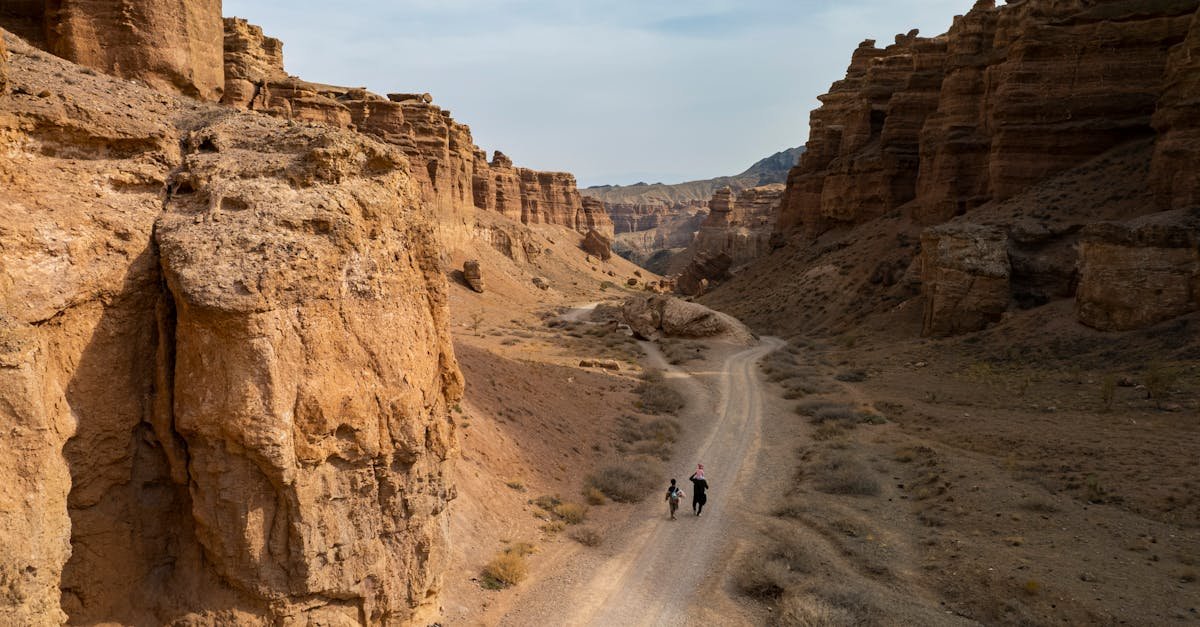
Four to five days is the ideal minimum for a satisfying Almaty travel experience, giving you time to explore the city's museums, bazaars and parks while fitting in at least two mountain excursions. With four days in Almaty you can cover Shymbulak, the Green Bazaar, Panfilov Park and Big Almaty Lake without feeling rushed. Seven days allows the addition of the Charyn Canyon day trip — one of Kazakhstan's most spectacular landscapes — and more relaxed evenings exploring Almaty's restaurant scene. Travellers with ten or more days can combine the city with a multi-day trip to the Kolsai Lakes, creating a comprehensive Kazakhstan itinerary.
Almaty vs Tbilisi — which should you choose?
Both Almaty and Tbilisi are currently among the most exciting cities in the post-Soviet world for independent travellers, but they offer fundamentally different experiences. Tbilisi is older, more architecturally ornate and has a more established wine and restaurant culture familiar to European tastes. Almaty feels newer, more spread out and uniquely positioned against its dramatic mountain backdrop — the Tian Shan views are simply unmatched in any comparable city. Tbilisi suits travellers drawn to history, medieval churches and the Georgian table. Almaty suits those seeking outdoor adventure combined with urban exploration in a destination that still feels genuinely undiscovered. Budget-conscious travellers will find Almaty marginally cheaper overall.
Do people speak English in Almaty?
English proficiency in Almaty is growing but remains patchy compared to European capitals. In hotels, upscale restaurants, the Esentai district and among younger city residents, English is spoken with reasonable confidence. At the Green Bazaar, in local canteens and with older residents, Russian is the working language and Kazakh is increasingly present. Download the Google Translate app with Russian and Kazakh language packs before visiting Almaty — the camera translation function is invaluable at menus and market stalls. Staff at most tourist sites now provide basic English signage, and ride-hailing apps remove the need for language negotiation with drivers entirely.
★ Hidden Gems Weekly
Like this? One place per week, in your inbox.
No spam, no fluff — just one underrated destination, every Tuesday.
Hand-picked and verified by Max, who founded Vacanexus from Luxembourg in 2026. No sponsorships, no paid placements. Every recommendation — restaurants, neighbourhoods, things to do — is selected for authenticity over popularity.