Antigua Travel Guide — Where colonial grandeur meets volcanic fire
⏱ 11 min read📅 Updated 2026💶 € Budget✈️ Best: Jan–Apr
€25–45/day
Daily budget
Jan–Apr
Best time
4–7 days
Ideal stay
GTQ (Quetzal)
Currency
Antigua Guatemala sits in a highland valley at 1,500 metres, cradled between three volcanoes whose silhouettes turn amber at dusk and whose rumbles occasionally shake the cobblestones beneath your feet. The city smells of wood smoke, fresh tortillas, and the bougainvillea that spills in violent pink waves over crumbling ochre walls. Church facades bleached by centuries of rain and earthquake face onto quiet plazas where shoeshine boys and Maya women in hand-woven huipiles share the same bench. Antigua is one of the best-preserved Spanish colonial cities in all of Latin America, and walking its grid of coloured streets feels genuinely unhurried, genuinely alive.
Visiting Antigua is a fundamentally different experience from Guatemala City — just 45 minutes away but a world apart in pace and character. Things to do in Antigua range from climbing an active volcano before dawn to learning Spanish in an open-air courtyard school, from watching Semana Santa processions carpet the streets in hand-laid flower petals to sipping single-origin coffee grown on the surrounding slopes. Unlike Oaxaca or Cartagena, which attract high volumes of luxury tourism, Antigua has maintained an authenticity and affordability that rewards budget-conscious travellers without skimping on beauty, history, or culinary depth.
✦ Find your perfect destination
Is Antigua really your perfect match?
Answer 12 quick questions about your travel style, budget and dates — we match you with the destinations that fit you best, from 600+ worldwide.
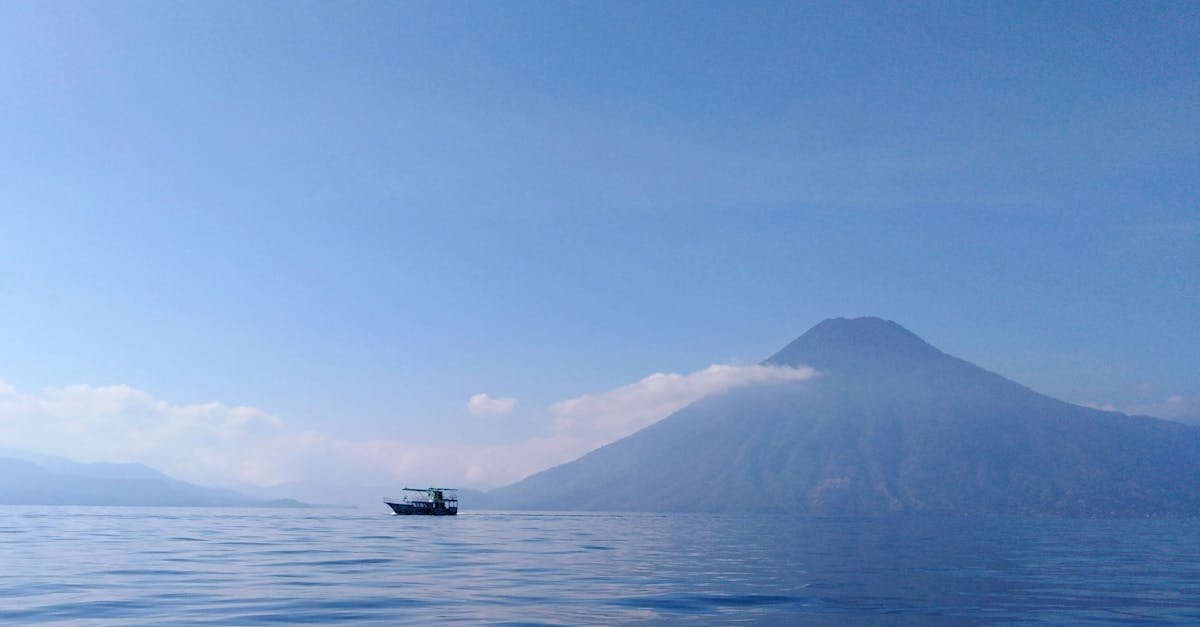
Antigua deserves a place on your travel list because it layers centuries of drama — conquest, earthquakes, revolutions — into a city that somehow still feels intimate and walkable. The backdrop of Volcán de Agua looming over tiled rooftops is one of the most photogenic in Central America, and the city's role as Guatemala's cultural heartbeat means world-class weaving markets, chocolate workshops, and rum distilleries all sit within fifteen minutes on foot. Antigua also punches well above its weight for food: farm-to-table restaurants serving Guatemalan highland cuisine have earned international attention without losing local soul.
The case for going now: Antigua is experiencing a quiet renaissance in boutique hospitality, with converted colonial mansions opening as design-forward guesthouses without the price tags of comparable cities in Mexico or Colombia. The Guatemalan quetzal offers exceptional value for European visitors right now, and new direct flight routes from several European hubs to Guatemala City have cut journey times meaningfully. Visit before the crowds that are already building around Semana Santa become year-round.
🌋
Acatenango Trek
Hike overnight to 3,976 metres and watch Volcán Fuego erupt in real time at sunrise. The ash clouds and lava glow make this one of Central America's most visceral adventure experiences.
🌺
Semana Santa Carpets
Each Holy Week, locals spend nights crafting intricate street carpets from dyed sawdust and flower petals. Massive purple-robed processions then cross over them — a deeply moving spectacle found nowhere else on earth.
☕
Coffee Culture
Antigua sits in one of the world's great coffee-growing regions, with volcanic soil producing complex, chocolatey beans. Farm tours and cupping sessions let you trace the cup from seedling to espresso on the same hillside.
🏛️
Ruined Convents
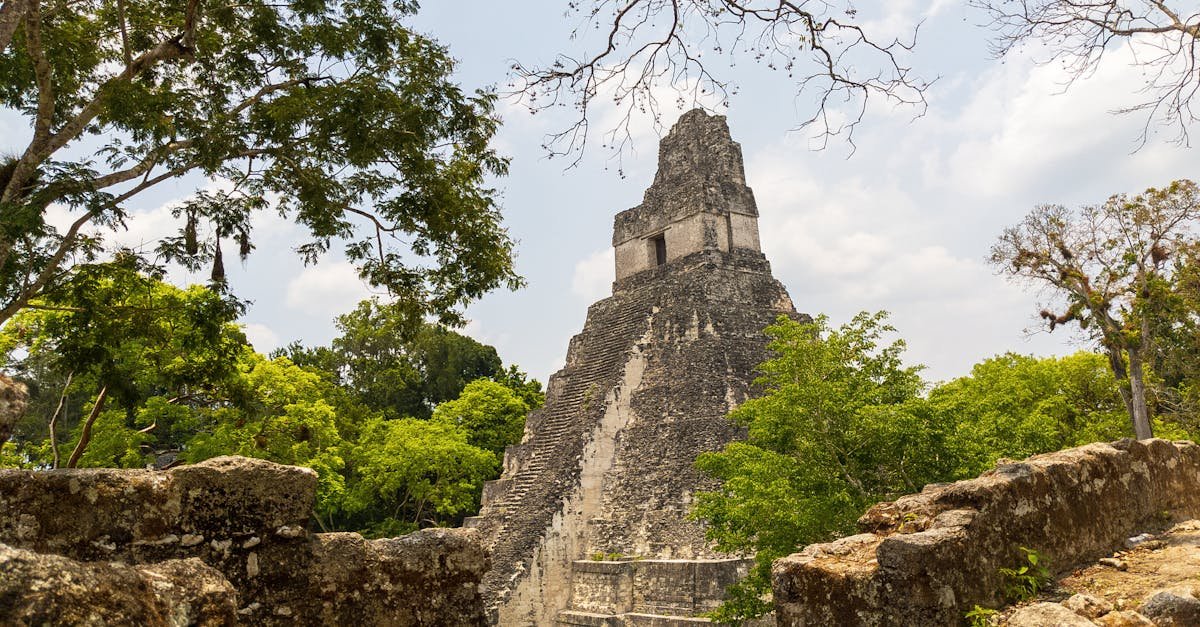
Earthquake-toppled convents like La Recolección and Santa Clara have never been rebuilt — their roofless baroque arches and overgrown cloisters are among the most hauntingly beautiful ruins in the Americas.
Antigua's neighbourhoods — where to focus
Historic Core
Parque Central
The geometric heart of Antigua, flanked by the yellow Cathedral, the Palacio de los Capitanes Generales, and the Ayuntamiento. Fountain-splashed and always busy with vendors and students, it's the best place to absorb the city's colonial rhythm, particularly in the early morning when light rakes across the carved stone facades.
Local Market Quarter
Mercado Central
The blocks surrounding the central market and the daily artisan market on 4a Calle Poniente are where Antigua feels most Guatemalan. Stalls overflow with hand-woven textiles, jade jewellery, dried chillies, and cheap comedores serving black bean soup. This is where locals actually shop, eat, and meet.
Bohemian & Foodie
Zona Viva (5a Avenida Norte)
Antigua's lively bar and restaurant strip runs along 5a Avenida Norte from the arch toward Cerro de la Cruz. Rooftop bars with arch views, craft beer gardens, and internationally acclaimed restaurants sit cheek-by-jowl with local juice stalls. Perfect for evening strolls and finding a table that suits every budget.
Quiet & Residential
San Felipe de Jesús
Ten minutes' walk north of the arch, this neighbourhood feels genuinely unaffected by tourism. Narrow lanes pass family workshops producing jade carvings and woven goods. A handful of guesthouses here offer tranquility and authentic neighbourhood life that the busier central streets no longer can.
Top things to do in Antigua
1. #1 Climb Volcán Acatenango
The overnight Acatenango trek is, without question, the headline experience of any Antigua itinerary. Guides depart from the village of La Soledad at around 7 a.m., and the ascent through pine forest, then cloud forest, then bare volcanic scree takes roughly six hours. Camp is set at 3,700 metres, where temperatures drop below freezing and the wind tears through tent fabric with focused violence. The reason every hiker endures this is the view of neighbouring Volcán Fuego, which erupts every 20 to 40 minutes throughout the night — columns of ash lit orange from below, lava cascading down black flanks, audible percussive booms felt in the chest. By sunrise, cloud sea fills the valley below Antigua while Fuego smokes and growls. Book through any reputable Antigua operator; budget around €30–45 all-inclusive for a guided overnight.
2. #2 Semana Santa Celebrations
Antigua's Semana Santa is widely considered the most elaborate Holy Week celebration in the Western Hemisphere, and planning a visit around it is one of the great decisions any traveller to Guatemala can make. Starting on Palm Sunday, brotherhoods called cofradías carry enormous hand-carved wooden floats — called andas — weighing up to seven tonnes, borne on the shoulders of hundreds of cucuruchos dressed in purple robes. The floats are processional works of art depicting the Passion of Christ, moving with agonising slowness over street carpets that local families have been constructing since midnight. These alfombras are made from coloured sawdust, flowers, pine needles, fruit, and vegetables in geometric patterns of extraordinary precision. The most visually intense days are Good Friday and Holy Saturday. Book accommodation three to four months ahead; prices double during this week, but the experience justifies every cent.
3. #3 Colonial Churches and Convents
Antigua contains more colonial-era ecclesiastical architecture per square kilometre than almost any city in the Americas, and exploring these buildings — both the intact and the gloriously ruined — is a full day's endeavour. The Cathedral of San José on the east side of Parque Central retains its baroque facade but was largely destroyed by the 1773 earthquake; the interior is only a fraction of the original structure. La Merced, with its striking white-and-yellow plasterwork facade, is the most photographed church in Antigua and contains a remarkable colonial-era fountain in its cloister. The ruins of the Convento de Las Capuchinas and the Convent of Santa Clara are both UNESCO-protected sites where you can wander roofless hallways and sunken cloisters. Save the dramatically collapsed Iglesia y Convento de La Recolección for late afternoon when the light through the ruined arches is extraordinary.
4. #4 Coffee Farm Tours and Chocolate Workshops
The volcanic slopes surrounding Antigua produce some of the world's finest Arabica coffee, grown at 1,500 to 1,800 metres in rich, mineral-dense soil. Several farms within thirty minutes of the city centre — including Finca Filadelfia and Finca El Pilar — offer guided tours that walk visitors through the entire production cycle: planting, picking, pulping, fermenting, drying, and roasting. Cupping sessions let you compare varietals side by side. Guatemala is also one of the birthplace regions of chocolate, and Antigua has become a hub for bean-to-bar producers. ChocoMuseo on 6a Calle Oriente runs hands-on workshops where you grind roasted cacao, add spices, and mould your own bars. Pairing the coffee and chocolate story in a single day gives you a deliciously educational lens on the agricultural landscape that surrounds Antigua — and sends you home with edible souvenirs.
What to eat in the Guatemalan Highlands — the essential list
Pepián
Guatemala's national dish — a rich, earthy stew of toasted seeds, dried chillies, tomatoes, and tomatillos served over chicken or pork. It dates to pre-Columbian Maya cooking and remains deeply comforting.
Kaq'ik
A ceremonial turkey soup from the Q'eqchi' Maya tradition, darkly coloured with chillies and achiote. Served with tamales, it is warming, complex, and found in highland comedores and nicer Antigua restaurants alike.
Tamales Colorados
Guatemalan tamales are larger and saucier than Mexican versions, steamed in banana leaves with a masa enriched by tomato and chilli sauce. Saturday is tamale day in Antigua — follow the steam from market stalls.
Revolcado
A nose-to-tail pork stew using the head and offal, slow-cooked with chillies, tomatoes, and herbs until deeply savoury. A polarising but rewarding dish that showcases the highland love of braised, complex meat preparations.
Atol de Elote
A warm corn drink blended with cinnamon and sugar — thick, sweet, and enormously comforting in Antigua's cool highland evenings. Vendors sell it from large clay pots in the central market from late afternoon.
Rellenitos
Fried plantain croquettes stuffed with spiced black bean paste, then dusted with sugar. Found in market stalls and street corners throughout Antigua, they are the definitive sweet-savoury Guatemalan snack.
Where to eat in Antigua — our top 4 picks
Fine Dining
Mesón Panza Verde
📍 5a Avenida Sur 19, Antigua Guatemala
Housed in a beautifully restored colonial mansion with candlelit garden tables, Panza Verde serves refined Guatemalan and continental cuisine using highland produce. The tasting menus are exceptional value and the wine list is the most serious in Antigua. Reserve ahead for weekend dinners.
Fancy & Photogenic
Café Sky
📍 6a Avenida Norte 43, Antigua Guatemala
Three rooftop terraces stacked above the city give Café Sky arguably the best view of the Santa Catalina Arch and Volcán de Agua in all of Antigua. The international menu plays second fiddle to the setting, but the grilled meats and cocktails are reliably good. Perfect at sunset.
Good & Authentic
Restaurante Doña Luisa Xicotencatl
📍 4a Calle Oriente 12, Antigua Guatemala
An Antigua institution for over forty years, Doña Luisa serves Guatemalan breakfasts, home-baked bread, and hearty lunches in a colonial courtyard that feels straight out of a García Márquez novel. The noticeboard downstairs has served as Antigua's traveller information hub for decades.
The Unexpected
Ni Fu Ni Fa
📍 5a Calle Poniente 15, Antigua Guatemala
A tiny, bustling Guatemalan-Asian fusion spot that manages to feel genuinely inventive without being pretentious. The menu changes frequently but typically features noodle bowls with local vegetables, creative small plates, and natural wines. One of the best-value meals in Antigua for something completely different.
Antigua's Café Culture — top 3 cafés
The Institution
Fernando's Kaffee
📍 7a Avenida Norte 43D, Antigua Guatemala
A long-running Antigua favourite that sources its beans exclusively from small Guatemalan farms and roasts them in-house. The espresso is one of the best in the country — sweet, low-acid, with notes of dark chocolate. Simple wooden tables and knowledgeable baristas make it the purist's choice in Antigua.
The Aesthetic Hub
Epicure Café
📍 6a Calle Poniente 14, Antigua Guatemala
A beautifully designed café occupying a converted colonial space with exposed stone walls and potted plants cascading from every surface. The coffee programme is serious — multiple brew methods, seasonal single origins — and the avocado toasts and grain bowls draw a creative, international crowd through the morning.
The Local Hangout
El Viejo Café
📍 5a Calle Poniente 12, Antigua Guatemala
Worn wooden chairs, local Spanish students hunched over grammar books, and a changing cast of neighbourhood regulars make El Viejo feel like a genuine lived-in Antiguan third place rather than a tourist stop. Coffee is cheap and honest; the daily lunch specials cost under three dollars and fill you up completely.
Best time to visit Antigua
Jan
Feb
Mar
Apr
May
Jun
Jul
Aug
Sep
Oct
Nov
Dec
Peak season (Jan–Apr) — dry, sunny, and cool; ideal for trekking and Semana SantaShoulder season (Nov–Dec) — drier than mid-year, pleasant temperatures, fewer crowdsRainy season (May–Oct) — afternoon downpours, lush landscapes, very cheap but muddy trails
Antigua events & festivals 2026
Whether you're planning around a specific celebration or simply want to know what's happening, this guide covers the best events and festivals in Antigua — from major annual traditions to cultural highlights worth timing your trip around.
March–April 2026religious
Semana Santa Antigua
The most spectacular Holy Week celebration in the Americas transforms Antigua's streets into living art. Brotherhoods carry seven-tonne floats over intricate sawdust-and-flower carpets. Plan this into your Antigua itinerary months ahead — it is the single most unmissable thing to do in Antigua all year.
March 2026culture
Festival del Chocolate Antigua
An annual celebration of Guatemala's deep cacao heritage, held in Antigua's colonial centre. Artisan producers, bean-to-bar makers, and culinary schools gather for tastings, workshops, and competitions. A perfect addition to any Antigua travel itinerary focused on food and culture.
July 2026religious
Fiesta de la Virgen del Carmen
Antigua's patron saint festival fills the streets around the Carmen church with traditional music, fireworks, costumed dances, and street food for several days in late July. A warm, community-focused celebration that shows a more local side of Antigua than the Semana Santa crowds.
August 2026culture
Fiesta de la Asunción
Assumption Day celebrations in Antigua include processions, traditional marimba performances, and neighbourhood street parties. Local families set up altars and the city takes on a festive, locally oriented character distinct from the tourist-heavy Semana Santa season.
October 2026culture
Huelga de Dolores
A satirical student parade originating from Guatemala's national university that has been celebrated for over a century. Floats lampoon politicians and society figures in elaborate papier-mâché form. The event is irreverent, funny, and deeply Guatemalan — a real cultural curiosity for visitors in Antigua.
November 1, 2026culture
Día de los Muertos — Sumpango Kite Festival
On All Saints' Day, the village of Sumpango near Antigua hosts the world's most impressive giant kite festival. Teams spend months constructing kites up to 20 metres across, decorated with Maya imagery. Things to do near Antigua in November rarely get more visually arresting than this.
December 2026religious
Las Posadas
The nine nights before Christmas in Antigua are marked by candlelit neighbourhood processions re-enacting Mary and Joseph's search for shelter. Churches and households open their patios, and the colonial streets feel genuinely magical. A quieter, more intimate alternative to Semana Santa for visiting Antigua in winter.
December 7, 2026culture
Quema del Diablo
On the evening of December 7th, Guatemalans burn effigies of the devil in front of their homes to purge evil before the Christmas season. Antigua's Quema del Diablo is a spectacle of bonfires, fireworks, and noise — chaotic, joyous, and utterly unlike anything in the European Christmas tradition.
January 2026music
Festival Internacional de Música Antigua
Baroque and classical chamber music concerts are held in Antigua's colonial churches and convents during January, with international ensembles performing inside La Merced, Las Capuchinas, and the Cathedral. The acoustics of 300-year-old stone buildings make these performances extraordinarily atmospheric.
February 2026market
Feria de Artesanías Antigua
A large artisan market held in the city centre in February showcasing the finest Guatemalan textiles, ceramics, jade, and wood carvings from across the country's regions. An excellent opportunity to buy directly from Maya weavers and craftspeople at fair prices in the heart of Antigua.
Colonial mansion hotel, fine dining at Panza Verde, private volcano guide, spa treatments.
Getting to and around Antigua (Transport Tips)
By air: The main entry point for Antigua is La Aurora International Airport (GUA) in Guatemala City, approximately 45 minutes to one hour by road. Most European travellers connect through Miami, Houston, Atlanta, or Madrid, with journey times from Western Europe typically running 14 to 18 hours including connections. Several low-cost US carriers serve GUA directly from multiple American hubs.
From the airport: The easiest and most common transfer from Guatemala City airport to Antigua is a shared shuttle, which costs around €7–12 per person and departs when the vehicle fills. Private taxis cost €30–40 and take roughly 45 minutes depending on traffic. Avoid unofficial taxi touts inside the terminal; book your shuttle through your accommodation or at the official desk before exiting arrivals.
Getting around the city: Antigua's colonial grid is small enough to walk almost everywhere — the city centre measures roughly 1.5 kilometres across, and nearly all major churches, ruins, and restaurants are within 20 minutes on foot. Tuk-tuks are the preferred local transport for longer distances or evening returns, costing Q10–20 (€1–2) per ride. For day trips to Lake Atitlán, Chichicastenango, or Volcán Pacaya, shared tourist shuttles depart from the main agencies on 6a Calle Poniente.
Transport Safety & Scam Prevention:
Unofficial Taxi Overcharging: Unofficial taxis at Guatemala City airport routinely quote two to three times the fair rate to travellers arriving in Antigua. Always pre-book a shuttle through your guesthouse or use the official counter inside arrivals — never accept unsolicited offers from drivers approaching you in the terminal.
Tuk-Tuk Fare Negotiation: Tuk-tuk fares within Antigua have no meters and should be agreed before boarding. The fair local rate is Q10–15 (approximately €1–1.50) for most central journeys. Drivers sometimes open negotiations at three or four times this rate with tourists — a friendly counter-offer of Q15 is almost always accepted without issue.
Street Money Changers: Informal money changers operating near the Parque Central offer seemingly attractive exchange rates but frequently use rigged calculators or switch notes during the transaction. Always use a bank ATM or the official exchange desks inside reputable guesthouses for converting euros to quetzales in Antigua.
Do I need a visa for Antigua?
Visa requirements for Antigua depend on your nationality. Select your passport below for an instant answer — based on the Passport Index dataset for entry into Guatemala.
ℹ️ Indicative only. Always verify with the official consulate before booking. Data: Passport Index, April 2026.
For detailed requirements, documentation checklists and processing times by nationality: TravelDoc →
Search & Book your trip to Antigua
Find the best flight routes and hotel combinations using our partner Kiwi.com.
Frequently Asked Questions
Is Antigua Guatemala safe for tourists?
Antigua is one of the safest cities in Guatemala, but travellers should still exercise normal urban caution. The historic centre is well-policed and heavily touristed, making it generally secure during daylight hours. Evening walks on main streets are typically fine, but solo wandering on poorly lit outer streets after dark is not advised. Petty theft — bag snatching and pickpocketing — occurs, especially near the central market. Use hotel safes for passports and keep cameras stowed when not actively shooting. Most Antigua travel tips from experienced visitors emphasise awareness rather than alarm: the city is welcoming, and incidents involving tourists remain relatively rare.
Can I drink the tap water in Antigua?
Tap water in Antigua is not safe to drink and should be avoided for drinking, brushing teeth, and rinsing produce. All hotels and guesthouses provide bottled or filtered water, and purified water stations in the city sell large refillable bottles cheaply, making it easy to stay hydrated without generating excessive plastic waste. Reputable restaurants use purified water for cooking and ice, but it is worth confirming this at smaller comedores. Bottled water costs around Q5–8 per litre in supermarkets throughout Antigua.
What is the best time to visit Antigua Guatemala?
The best time to visit Antigua is January through April, during the dry season. Skies are reliably clear, temperatures are pleasantly cool at altitude (18–22°C daytime), and hiking conditions on Acatenango and Pacaya are at their best. March and April coincide with Semana Santa — the most extraordinary cultural event in the Antigua calendar — but require advance booking. May through October brings the rainy season, with heavy afternoon showers that keep prices low and landscapes vivid green. November and December are a shoulder compromise: drier than mid-year, less crowded than peak season, and charming during the Christmas festival period.
How many days do you need in Antigua Guatemala?
A minimum of three days in Antigua covers the colonial core — the main churches, convent ruins, Parque Central, and a coffee tour — without feeling rushed. Four to five days is the sweet spot for most visitors: enough time to add the Acatenango overnight trek, a day trip to Lake Atitlán or Chichicastenango market, and still leave room for leisurely meals and wandering. Seven or more days suits those studying Spanish, doing a deep dive into the highland villages, or planning to use Antigua as a base for multiple volcano hikes. During Semana Santa, plan for at least four days to experience multiple processions properly.
Antigua Guatemala vs Oaxaca — which should you choose?
Antigua and Oaxaca are often compared as Latin America's twin jewels of colonial culture, food, and indigenous craftsmanship — but they offer meaningfully different experiences. Antigua is smaller, quieter, cheaper, and framed by active volcanoes that you can actually climb; its Semana Santa is unrivalled anywhere in the world. Oaxaca has a more developed gastronomic scene, better mezcal culture, and a broader range of nearby archaeological sites including Monte Albán. Antigua is better for adventure travel and budget backpackers; Oaxaca rewards food-focused travellers and those who want a slightly more polished infrastructure. If you have the time, both deserve a place on your Central American or Mexico itinerary.
Do people speak English in Antigua Guatemala?
English is spoken reasonably well in Antigua's tourist-facing businesses — hotels, tour operators, upmarket restaurants, and coffee shops catering to travellers will almost always have English-speaking staff. This makes Antigua notably easier to navigate than most Guatemalan cities. However, at local comedores, markets, and in residential neighbourhoods, Spanish is essential. Antigua is actually one of the world's most popular Spanish language learning destinations, with dozens of schools offering intensive one-on-one instruction for as little as €5–8 per hour. Even a few basic Spanish phrases go a long way with local vendors and will significantly enrich your experience visiting Antigua.
★ Hotel guide
Where to stay in Antigua
7+ hand-picked hotels across luxury, mid-range and budget — verified by Max.
Hand-picked and verified by Max, who founded Vacanexus from Luxembourg in 2026. No sponsorships, no paid placements. Every recommendation — restaurants, neighbourhoods, things to do — is selected for authenticity over popularity.