Bazaruto Travel Guide — Where the Indian Ocean hides its most untouched secret
⏱ 12 min read📅 Updated 2026💶 €€€€ Ultra-Luxury✈️ Best: Jun–Sep
€250–600+/day
Daily budget
Jun–Sep
Best time
5–10 nights
Ideal stay
MZN / USD
Currency
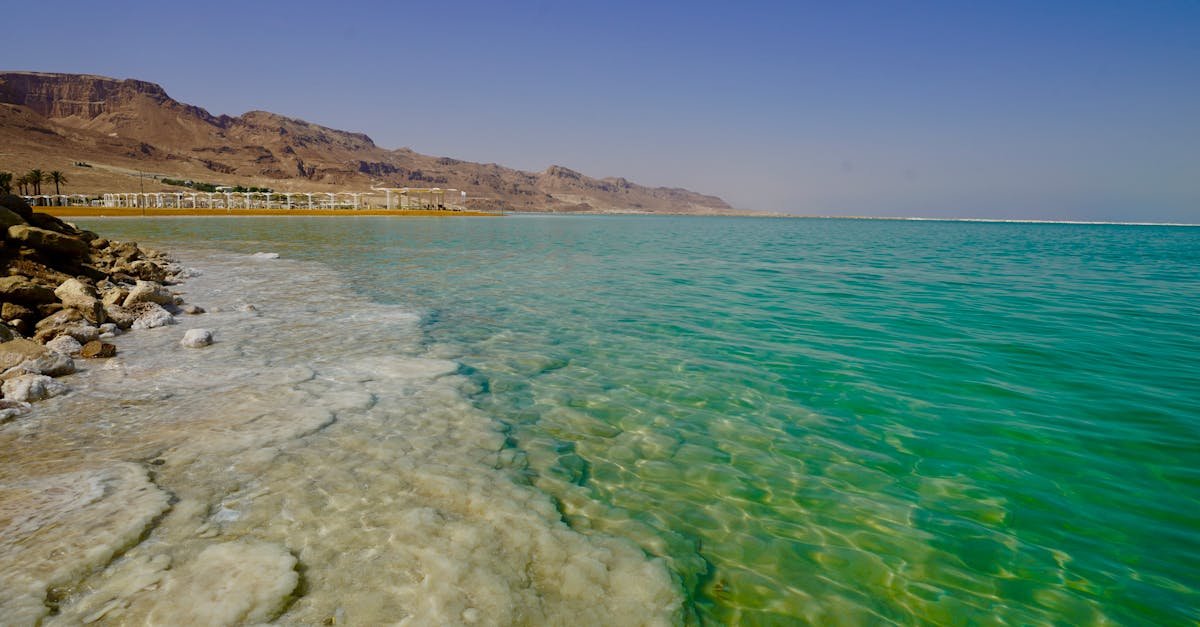
Bazaruto rises from the Indian Ocean like a secret the African continent kept for itself — a slender chain of dune islands draped in coral-pink sand, fringed by reefs the colour of a shallow swimming pool and backed by freshwater lakes that attract flamingos at dusk. The air here smells of salt and frangipani, and the only sounds competing with the ocean are the creak of a wooden dhow sail and the distant call of a fish eagle. Bazaruto Archipelago National Park, declared in 1971 and expanded since, protects one of the last viable dugong populations in the western Indian Ocean — a fact that gives this destination a wildlife dimension most tropical island escapes cannot match. Arriving by light aircraft over the channels, watching the sandbars shift colour from emerald to jade to ivory, you understand immediately that Bazaruto is extraordinary.
Visiting Bazaruto is fundamentally different from the typical Maldives or Seychelles holiday. Where those destinations have industrialised luxury into a global formula, Bazaruto still feels genuinely wild — lodges are deliberately few, fishing communities remain on the island's southern tip, and a snorkelling trip might end with a local fisherman offering you grilled crayfish on the beach. Things to do in Bazaruto cluster around the water: scuba diving on Two Mile Reef, fly-fishing the flats, horseback riding along dune crests at sunset, or simply doing nothing on a kilometre of sand you share with nobody. This is not a destination for travellers seeking nightlife, city exploration or bargain hunting. Bazaruto rewards those who come to disconnect completely, move slowly and pay attention to a marine ecosystem of staggering, quietly endangered beauty.
✦ Find your perfect destination
Is Bazaruto really your perfect match?
Answer 12 quick questions about your travel style, budget and dates — we match you with the destinations that fit you best, from 600+ worldwide.
Bazaruto belongs on your travel list because it sits at the intersection of supreme natural beauty and genuine scarcity. Fewer than a handful of lodges operate across the archipelago's five main islands, meaning the ratio of pristine coastline to visitor is almost absurdly generous. Two Mile Reef is regularly cited as one of the healthiest coral systems remaining in the Indian Ocean, and the islands' protected status as a national park has kept development off the table for over five decades. Bazaruto also delivers Africa's classic sense of space and authenticity alongside crystal water — a combination that makes it incomparable for honeymooners, serious divers and anyone exhausted by over-touristed alternatives.
The case for going now: Mozambique's tourism infrastructure has improved steadily since 2022, with refurbished light-aircraft connections from Vilanculos and new lodge openings on Benguerra Island raising the service standard without increasing island density. The Mozambican metical's weakness against the euro and dollar means lodge rates, though high in absolute terms, represent genuine value compared with equivalent Maldives properties. Conservationists also report stable dugong numbers since 2023 — a hopeful signal for long-term access that makes visiting now, while herds remain robust, a responsible choice.
🤿
Two Mile Reef Diving
Two Mile Reef is Bazaruto's crown jewel — a 36-kilometre coral wall hosting manta rays, dolphins and rare dugongs. Visibility frequently exceeds 30 metres, rewarding divers of every certification level.
⛵
Dhow Sailing Excursion
Traditional wooden dhows have plied Bazaruto's channels for centuries. Half-day sailing trips include snorkelling stops, freshly grilled seafood on a sandbar and the unhurried rhythm of a sail-powered crossing.
🐴
Dune Horse Riding
Riding bareback along Bazaruto's towering sand dunes at sunrise is one of Africa's most cinematic travel moments. Horses pick their way between freshwater lakes and coastal bush before emerging onto open ocean beach.
🎣
World-Class Fly-Fishing
The tidal flats surrounding Bazaruto are among Africa's premier fly-fishing destinations. Permit, bonefish and giant trevally stalk the shallows, and specialist guides from lodge fleets know every productive flat by heart.
Bazaruto's neighbourhoods — where to focus
Main Island
Bazaruto Island
The largest island in the archipelago gives the group its name and hosts the dramatic freshwater lakes that attract pink flamingos. Its eastern face is an uninterrupted dune wall; its western lagoon side shelters the calmest snorkelling in the park. Anantara Bazaruto and the historic Indigo Bay lodge both operate here, offering the widest range of activities on a single island.
Boutique Retreat
Benguerra Island
Benguerra is the archipelago's most refined address — a compact island of papyrus wetlands, baobab groves and two of Mozambique's most celebrated lodges. The &Beyond Benguerra Island and Azura Benguerra resorts sit on opposite shores, giving guests a choice between barefoot romance and contemporary elegance without ever leaving an island smaller than ten square kilometres.
Wild & Remote
Magaruque Island
Magaruque is the smallest of the inhabited islands and the most authentically local — a resident fishing community shares the island with day-tripping snorkellers from Vilanculos. Its shallow reefs are perfect for beginner snorkellers, and the absence of a resident luxury lodge keeps foot traffic genuinely low, preserving an atmosphere of unhurried discovery that larger islands sometimes lose.
Gateway Town
Vilanculos
On the mainland coast directly opposite the archipelago, Vilanculos is the practical hub for all Bazaruto-bound travellers. Its small airport receives daily connections from Johannesburg and Maputo, and the town's beachfront is lined with dive operators, dhow charter companies and mid-range guesthouses for pre- or post-island nights. The weekly market near the dhow harbour is a lively, colourful introduction to Inhambane Province.
Top things to do in Bazaruto
1. Snorkel With Dugongs
The dugong — a rotund, slow-moving marine mammal and the inspiration behind mermaid mythology — survives in critically low numbers across the western Indian Ocean. Bazaruto Archipelago National Park protects one of the last stable herds, and a guided snorkel or freedive encounter with these animals remains one of the most genuinely moving wildlife experiences in Africa. Early morning excursions from Bazaruto or Benguerra Island, led by licensed marine guides who track the herd's movements daily, offer the best chance of a close encounter without disturbing feeding behaviour. Numbers are not guaranteed — dugongs are wild and the water is open ocean — but the search itself, gliding over seagrass meadows in extraordinary visibility, is reward enough. Encounters typically last 20 to 40 minutes and are conducted under strict no-touch rules enforced by national park rangers.
2. Explore Lakes by Kayak
Bazaruto Island's interior hides a chain of freshwater lakes formed behind the island's dune barrier, a landscape that belongs more to the Okavango than to a tropical archipelago. Kayaking these calm, reed-fringed lakes at first light — when lesser flamingos wade in pink clouds and fish eagles perch on dead trees above the waterline — is an experience utterly unlike anything else the Mozambican coast offers. Lodge guides lead two-hour paddle circuits that weave between the main lake system, pointing out pied kingfishers, various herons and, if the season is right, breeding colonies of wading birds. The contrast of paddling a freshwater system with the Indian Ocean glittering just beyond the dune ridge never quite loses its surreal quality, no matter how many mornings you repeat the trip.
3. Sail to a Sandbar for Sundowners
The channels between Bazaruto's islands are dotted with transient sandbars that emerge at low tide — brilliant white crescents of compacted coral sand that exist for a few hours before the ocean reclaims them. Every lodge in the archipelago organises sundowner dhow excursions that anchor beside these ephemeral islands, where guests wade ashore to find a bar set up in the surf, chilled Mozambican 2M beer and local cashew liqueur arriving in the hands of a smiling crew member. The quality of light at sunset over the Mozambique Channel — deep amber fading through orange to a tropical dark — makes these evenings photographic events as much as social ones. Book your sundowner for the evening after a full day of diving or fishing, when the cold drink tastes completely earned.
4. Scuba Dive Two Mile Reef
Two Mile Reef begins just a short boat ride from the shores of Bazaruto Island and extends for an improbable 36 kilometres — the longest coral reef system in the western Indian Ocean and arguably the most biodiverse. Dive sites range from gentle 12-metre gardens of hard and soft coral ideal for open-water certified divers to dramatic walls and pinnacles that drop beyond 30 metres and attract schools of barracuda, eagle rays and seasonal whale sharks between October and March. The reef's healthy biomass — a direct consequence of national park protection — means fish density that would be considered exceptional anywhere in the world. All lodges operate PADI dive centres with modern equipment, and the standard of guiding, with briefings that include reef conservation context alongside site descriptions, reflects genuine commitment to the ecosystem rather than tourist throughput.
What to eat in the Bazaruto Archipelago and Inhambane Province — the essential list
Piri-Piri Grilled Prawns
Mozambique's most iconic dish: colossal tiger prawns split, marinated in garlic, citrus and bird's eye chilli, then chargrilled over coconut husks. Served everywhere from beach shacks in Vilanculos to white-linen lodge restaurants, they are the undisputed centrepiece of any Bazaruto meal.
Matapa
A rich, slow-cooked stew of cassava leaves ground to a paste and simmered with coconut milk, garlic and dried shrimp. Matapa is Mozambique's great comfort dish — earthy, fragrant and deeply satisfying alongside a mound of xima, the local cornmeal staple.
Crayfish on the Shell
Rock lobster pulled from the Bazaruto reef the same morning and grilled whole over an open fire is the archipelago's ultimate luxury. Lodges serve it simply — melted butter, a wedge of lime and a cold beer — because the sweetness of the meat needs no embellishment.
Caril de Caranguejo
A Mozambican crab curry fragrant with coconut milk, turmeric, fresh ginger and tomato — a dish that reflects the layered Portuguese and East African culinary inheritance of the coast. Best eaten messy and with hands at a beachside table in Vilanculos before boarding your transfer dhow.
Badjia
Fried black-eyed pea fritters spiced with chilli and served piping hot from roadside vendors in Vilanculos — a Mozambican street food of West African origin that makes the ideal snack between dive debrief and dinner at the lodge. Cheap, addictive and completely delicious.
Papaya with Lime
The simplest possible Bazaruto breakfast: half a ripe local papaya, squeezed with fresh lime and set on a veranda overlooking the Indian Ocean. No dish better captures the unhurried, sensory pleasure of island mornings, and the fruit quality on Mozambique's coast is genuinely exceptional.
Where to eat in Bazaruto — our top 4 picks
Fine Dining
Anantara Restaurant at Anantara Bazaruto Island Resort
📍 Anantara Bazaruto Island Resort, Bazaruto Island, Mozambique
The signature restaurant at Anantara Bazaruto serves a nightly changing menu of Indian Ocean seafood prepared with Asian and Mozambican technique — think grilled crayfish with lemongrass beurre blanc or seared yellowfin tuna with cassava purée. The open-sided dining room faces west over the channel, making every dinner a sunset event. Advance reservation through the lodge is essential.
Fancy & Photogenic
Blue Footprints at &Beyond Benguerra Island
📍 &Beyond Benguerra Island Lodge, Benguerra Island, Mozambique
Blue Footprints stages dinners directly on the beach under lantern-lit casuarina trees, with tables positioned at the ocean's edge so the tide runs close enough to feel. The menu focuses on the morning's catch presented with East African spicing — a theatrical setting matched by genuinely accomplished cooking. This is the archipelago's most romantically staged dining experience.
Good & Authentic
Palmeiras Restaurant
📍 Vilanculos Beach, Vilanculos, Inhambane Province, Mozambique
A long-running beachfront favourite in Vilanculos where piri-piri prawns are grilled over charcoal in the open kitchen and Mozambican 2M beer arrives ice-cold without being asked. The atmosphere is relaxed and genuinely local, with fishermen bringing the day's catch directly to the kitchen. Excellent value for pre-departure or post-arrival meals before and after the island transfer.
The Unexpected
Casa Rex
📍 Rua Marginal, Vilanculos, Mozambique
Casa Rex is a guesthouse with a restaurant that quietly serves the best Portuguese-Mozambican fusion food in Vilanculos — bacalhau fritters, piri-piri chicken prego rolls and a cashew nut tart that has become something of a local legend. The courtyard setting, strung with fairy lights around a mango tree, is charming rather than glamorous, and the bill will surprise anyone arriving from island lodge prices.
Bazaruto's Café Culture — top 3 cafés
The Institution
Bar Babalaza
📍 Vilanculos Beach Road, Vilanculos, Mozambique
Babalaza has been the gathering point for Vilanculos travellers, dive instructors and fishing guides for years. The coffee is strong and Portuguese in style, the fruit juices are made from whatever is ripe that morning, and the shaded veranda overlooking the beach is the ideal place to wait for your dhow transfer while watching pelicans patrol the shoreline.
Smugglers sits on the edge of the Vilanculos dhow harbour with unobstructed views of the channel and the archipelago islands shimmering on the horizon. Cold-brew coffee, fresh coconut water and homemade cashew cake make for an excellent late-morning stop, and the café's whitewashed, hammock-strung aesthetic photographs beautifully for anyone documenting their Bazaruto journey.
The Local Hangout
Café Mozambique
📍 Main Market Area, Vilanculos, Mozambique
A no-frills local café near the Vilanculos market that serves sweet, condensed-milk coffee in the Mozambican tradition alongside mandazi doughnuts and grilled corn cobs. Locals arrive from 6am for breakfast before the market opens, making it the best place in town to experience unhurried Mozambican morning life before the tourist day begins.
Best time to visit Bazaruto
Jan
Feb
Mar
Apr
May
Jun
Jul
Aug
Sep
Oct
Nov
Dec
Peak Season (Jun–Sep) — dry, clear skies, flat seas, optimal diving visibility and reliable dugong sightingsShoulder Season — warm and mostly dry but with occasional cloud; good value at some lodgesOff-Season (Oct–May) — cyclone risk Nov–Mar, heavy rain possible; whale sharks appear Oct–Mar as a trade-off
Bazaruto events & festivals 2026
Whether you're planning around a specific celebration or simply want to know what's happening, this guide covers the best events and festivals in Bazaruto — from major annual traditions to cultural highlights worth timing your trip around.
July 2026culture
Vilanculos Fishing Festival
An annual celebration of the dhow fishing heritage that defines Inhambane Province, held on Vilanculos beach with traditional boat races, seafood competitions and performances of local marrabenta music.
June 2026culture
Mozambique Independence Day Events
Mozambique celebrates independence on June 25th with national events across the country. In Vilanculos, the waterfront hosts community processions, music and street food stalls that provide rare access to local civic life. A meaningful cultural context for travellers arriving at the start of Bazaruto's peak season.
August 2026music
Marrabenta Music Weekend
Marrabenta — Mozambique's distinctive urban guitar music born in Maputo — spreads to provincial towns each August through informal weekend festivals. Vilanculos regularly hosts live sessions in beach bars and community spaces, giving Bazaruto-bound travellers an unexpectedly rich musical dimension to their island itinerary.
September 2026culture
Bazaruto Marine Conservation Day
The national park authority and resident lodges jointly organise an annual marine awareness day in September, coinciding with the peak visibility season. Activities include guided reef clean-ups, dugong population briefings by resident biologists and educational snorkel tours designed to connect guests with the science underpinning the park's protection.
October 2026culture
Whale Shark Season Opening
Whale sharks begin appearing in the waters around Bazaruto from October as water temperatures rise after the dry season. Lodges mark the season's arrival with organised pelagic snorkel excursions, and the confluence of whale shark sightings and uncrowded lodge conditions makes October one of the most compelling months for visiting Bazaruto.
December 2026religious
Christmas and New Year on the Islands
Bazaruto's lodges offer special Christmas and New Year programmes featuring beach bonfires, champagne sundowners and festive menus built around the season's lobster and reef fish abundance. Bookings fill over a year in advance for this period, and the warm December ocean makes it one of the most indulgent times to visit despite the shoulder-season rain risk.
February 2026culture
Manta Ray Season Peak
February marks peak aggregation of manta rays at Bazaruto's cleaning stations — a marine event of global significance that draws experienced divers specifically during the low season. Lodges offer reduced rates in February, making it a shrewd entry point for diving-focused travellers willing to accept occasional afternoon rain in exchange for empty reefs and exceptional manta encounters.
July 2026market
Vilanculos Weekly Dhow Market
Every Friday morning the Vilanculos dhow harbour fills with fresh catch offloaded directly from overnight fishing vessels — prawns, crayfish, kingfish and crab sold from upturned wooden boats. The market is both a working commercial event and Inhambane Province's most atmospheric food experience for travellers spending a night in Vilanculos before or after Bazaruto.
April 2026culture
Easter Beach Gatherings
Easter brings extended public holidays to Mozambique, and Vilanculos beach fills with families from Inhambane and Maputo celebrating with beach football, live music and communal seafood braais. For travellers transiting to Bazaruto over Easter weekend, the energy of the mainland beach provides a lively contrast to the archipelago's serene isolation.
June 2026culture
World Oceans Day, Bazaruto
June 8th's World Oceans Day is marked at Bazaruto with lodge-organised reef surveys, storytelling evenings where marine scientists share dugong research findings, and community beach art installations made from collected marine debris.
Mid-tier lodge on Bazaruto or Benguerra, meals and guided activities included in all-inclusive rates
€€€€ Luxury
€350–500/day
Premium lodge rooms at Anantara or &Beyond with full board, two dives daily and dhow excursions
€€€€€ Ultra-Luxury
€500–900+/day
Private villa suites, dedicated guides, helicopter transfers from Vilanculos and bespoke fishing or dive charters
Getting to and around Bazaruto (Transport Tips)
By air: The primary gateway to Bazaruto is Vilanculos Airport (VNX), which receives daily direct flights from Johannesburg O.R. Tambo (approximately 1 hour 45 minutes) with LAM Mozambique Airlines and SA Airlink. Connections from Maputo International to Vilanculos take around one hour and operate several times weekly. Direct European connections to Mozambique are limited, typically requiring a Johannesburg or Nairobi hub.
From the airport: From Vilanculos Airport, lodge transfer coordinators typically meet arriving guests and handle the short road transfer to the dhow harbour or Vilanculos airstrip, where light aircraft or speed boat transfers to the islands depart. The boat crossing to Bazaruto Island takes 30 to 45 minutes by speed boat depending on sea conditions; Benguerra Island is slightly closer at 20 to 30 minutes. Some premium lodges offer helicopter transfers bookable at additional cost, reducing island transit to under ten minutes and providing an exceptional aerial view of the archipelago.
Getting around the city: Within the archipelago, all inter-island transport is by boat or light aircraft operated through lodge fleets — there are no public ferries connecting the islands. On Bazaruto Island itself, lodges provide buggies or guided walking for guests moving between accommodation and beach sites. In Vilanculos, tuk-tuks and shared chapas (minibuses) serve the town centre and market area affordably, while the beachfront strip is easily walkable. Hiring a private taxi for a full Vilanculos day tour, including the dhow harbour and local market, costs approximately USD 30–50.
Transport Safety & Scam Prevention:
Book Lodge Transfers Directly: Unlicensed boat operators in Vilanculos harbour frequently approach independent travellers offering cheaper island crossings. These boats often lack safety equipment and are not insured for national park waters. Always use boat transfers arranged by your lodge or a licensed Vilanculos operator with national park permits, even if the cost is higher.
Confirm USD or Metical Before Paying: Pricing in Vilanculos shifts between US dollars and Mozambican meticais depending on the vendor, and some operators quote in USD then issue change in meticais at unfavourable exchange rates. Clarify currency explicitly before any transaction, and carry small USD bills alongside local currency for market purchases.
Airport Taxi Negotiation: Vilanculos Airport has no metered taxis. Drivers outside the terminal frequently quote elevated prices to independent travellers, particularly those arriving on international connections. Negotiate a fixed price before entering any vehicle, or arrange pickup through your lodge or guesthouse in advance — most properties offer this service at fair, pre-agreed rates.
Do I need a visa for Bazaruto?
Visa requirements for Bazaruto depend on your nationality. Select your passport below for an instant answer — based on the Passport Index dataset for entry into Mozambique.
ℹ️ Indicative only. Always verify with the official consulate before booking. Data: Passport Index, April 2026.
For detailed requirements, documentation checklists and processing times by nationality: TravelDoc →
Search & Book your trip to Bazaruto
Find the best flight routes and hotel combinations using our partner Kiwi.com.
Frequently Asked Questions
Is Bazaruto safe for tourists?
Bazaruto Archipelago is considered one of Mozambique's safest destinations for visitors. The national park's remote location and the all-inclusive lodge model mean guests spend most of their time in managed, secure environments. Vilanculos town is generally safe during daylight hours, though standard urban awareness — not displaying expensive equipment, using trusted transport — is advisable after dark. Mozambique's northern provinces have experienced sporadic instability, but Inhambane Province, which includes Bazaruto, has remained peaceful and stable for many years. Lodge security teams monitor conditions continuously and will advise guests of any concerns.
Can I drink the tap water in Bazaruto?
Tap water on the islands and in Vilanculos is not safe to drink without treatment. All lodges on Bazaruto and Benguerra Island provide purified drinking water and filter systems as standard, and guests on all-inclusive programmes need not worry about sourcing bottled water — it is provided throughout the day. In Vilanculos, stick to sealed bottled water purchased from established guesthouses or shops rather than street vendors. Brushing teeth with bottled water is a sensible precaution in both town and island settings.
What is the best time to visit Bazaruto?
The best time to visit Bazaruto is June through September — the dry season, when south-easterly trade winds keep temperatures comfortable (22–27°C), seas are calm for diving and boat trips, and rainfall is virtually nil. Visibility on Two Mile Reef peaks during this period, often exceeding 30 metres, making it optimal for dugong snorkelling and scuba diving. October and November are warm shoulder months worth considering if you want to combine a Bazaruto itinerary with whale shark season. Avoid December through March unless you are specifically chasing manta rays and accept the possibility of cyclone disruption and heavy rain.
How many days do you need in Bazaruto?
Most travellers visiting Bazaruto find that five to seven nights represents the sweet spot for a satisfying stay. This length of time allows for two or three serious reef dives, a dugong snorkel excursion, a full dhow day, horse riding, lake kayaking and at least one genuine beach day with no schedule — which is, for many guests, the most restorative experience on the archipelago. A two-night trip is possible but feels rushed given the travel logistics involved: arriving from Europe typically requires two flights and a boat crossing, which makes a short stay feel disproportionately expensive relative to the time actually spent on the islands. Ten nights is ideal for dedicated divers or fly-fishers wanting to explore multiple sites thoroughly.
Bazaruto vs Maldives — which should you choose?
Bazaruto and the Maldives both offer overwater luxury and exceptional coral reefs, but they deliver fundamentally different travel experiences. The Maldives has perfected the formula of five-star water villas, infinity pools and spa retreats in an almost frictionless environment — beautiful but increasingly predictable and intensely developed. Bazaruto, by contrast, remains genuinely wild: the dugong encounters, flamingo lakes, horse riding on open dunes and fishing village communities give the archipelago a sense of authentic Africa that the Maldives cannot replicate. Maldives wins on sheer resort density and flight access from Europe; Bazaruto wins on exclusivity, wildlife depth and the feeling that you have discovered somewhere truly off the beaten path. Choose Bazaruto if wilderness and authenticity matter as much as comfort.
Do people speak English in Bazaruto?
English is spoken to a high standard throughout the lodges and dive centres of Bazaruto Archipelago, where guides, managers and hospitality staff are accustomed to hosting European, American and Australian guests. In Vilanculos, English is widely understood at guesthouses, established restaurants and tour operators catering to international travellers, though Portuguese remains the working language of day-to-day commerce. At the Vilanculos market and among local fishing communities on the islands, Portuguese or Tswa (a local Bantu language) is more useful — though warm gestures and basic Portuguese phrases are received with considerable goodwill. Learning obrigado (thank you) and bom dia (good morning) goes a very long way.
★ Hidden Gems Weekly
Like this? One place per week, in your inbox.
No spam, no fluff — just one underrated destination, every Tuesday.
Hand-picked and verified by Max, who founded Vacanexus from Luxembourg in 2026. No sponsorships, no paid placements. Every recommendation — restaurants, neighbourhoods, things to do — is selected for authenticity over popularity.