Bogota Travel Guide — Where pre-Columbian gold meets street-art revolution
⏱ 11 min read📅 Updated 2026💶 € Budget✈️ Best: Jan–Apr
€25–45/day
Daily budget
Jan–Apr
Best time
4–6 days
Ideal stay
COP
Currency
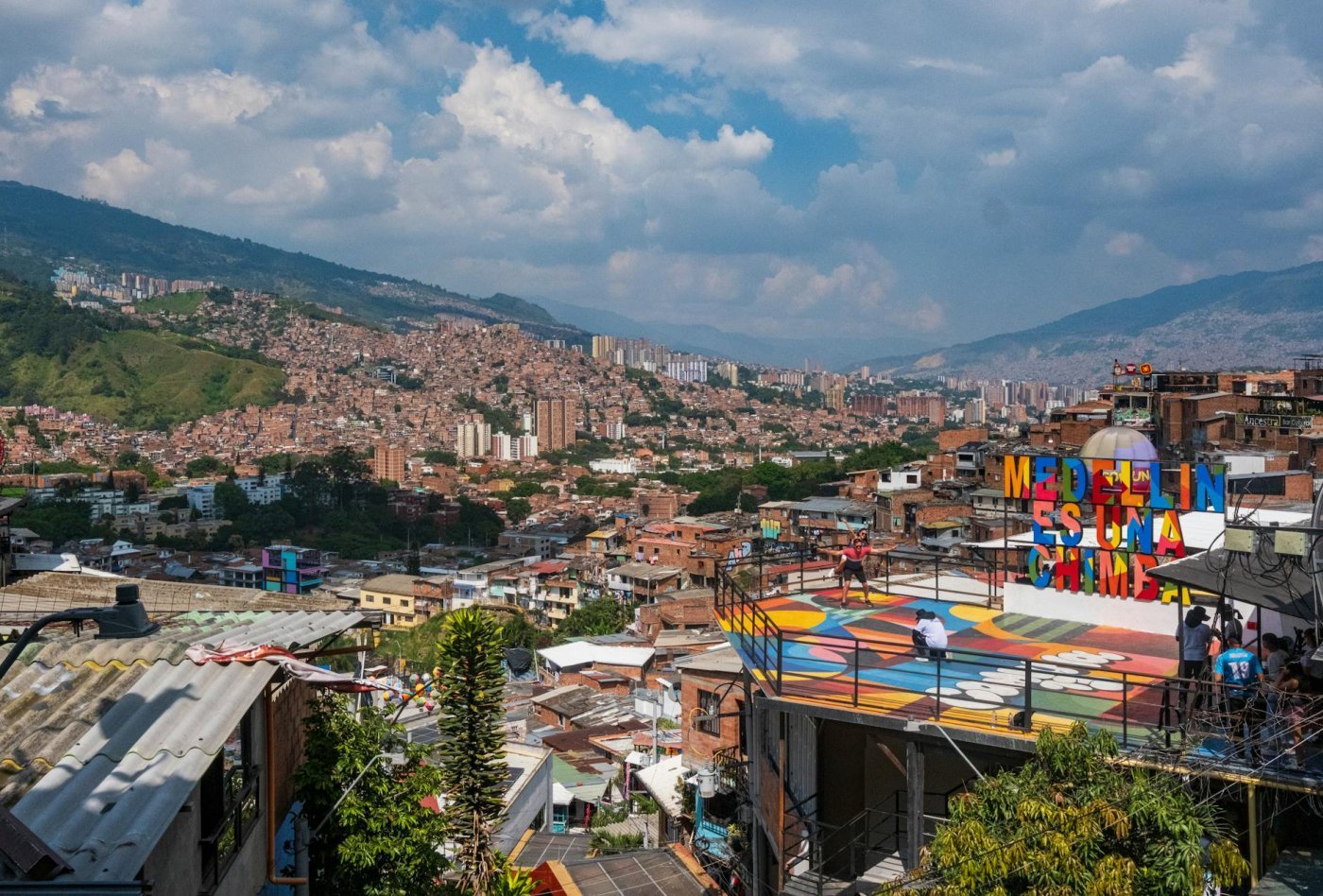
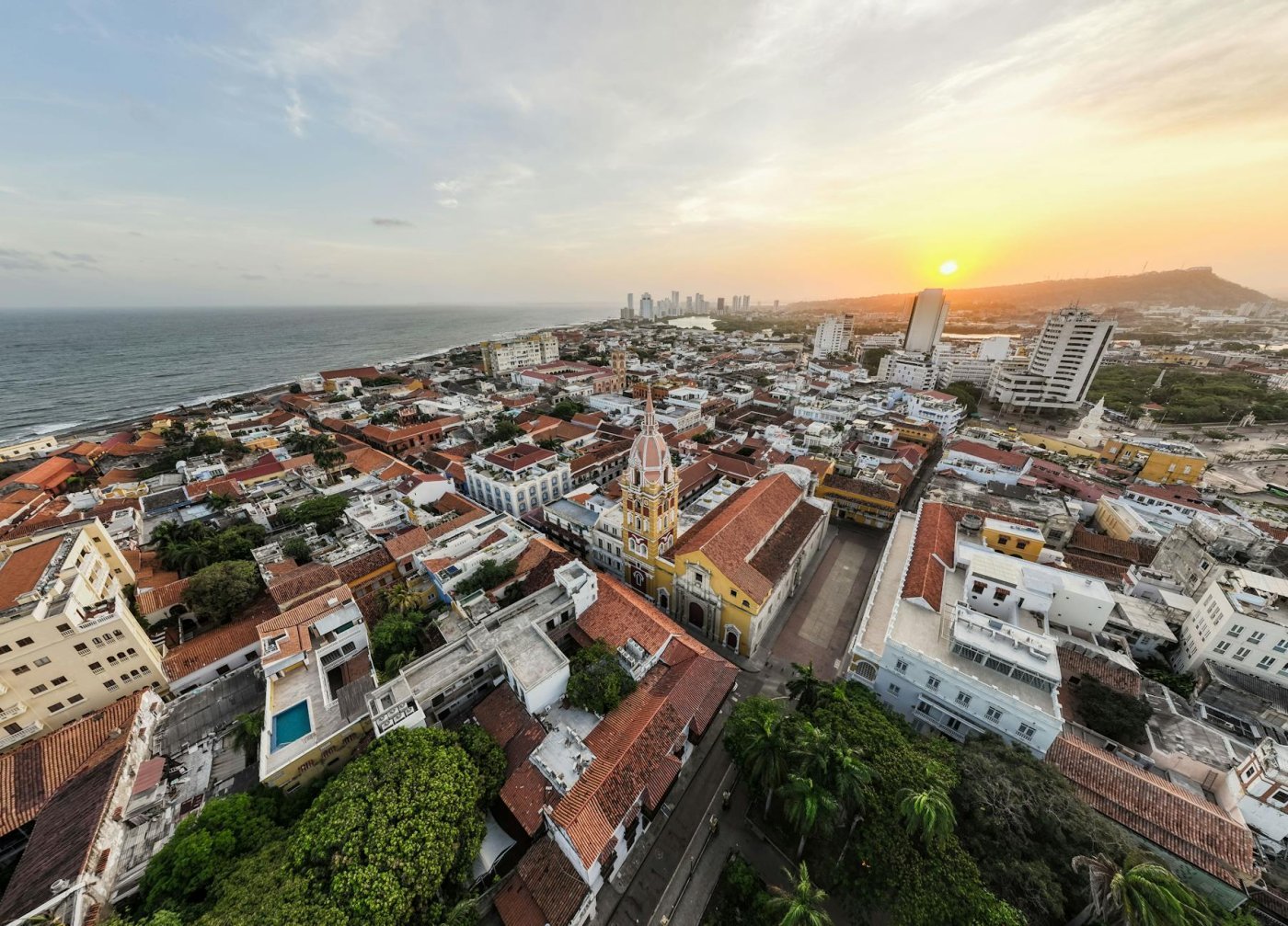
Bogota arrives at you from above — a sprawling, cloud-grazed metropolis pressing against the Andes at 2,600 metres, where the air bites cold and the light turns the city's terracotta rooftops a deep amber at dusk. Street murals the size of apartment blocks compete for your attention with colonial bell towers in La Candelaria, while the aroma of freshly brewed tinto drifts from corner tiendas. Bogota rewards patience: the more you walk its uneven pavements and duck into its alley galleries, the more it reveals. This is a city simultaneously wrestling with its past and exploding with creative energy, and that tension is precisely what makes it extraordinary.
Visiting Bogota means stepping into one of South America's most intellectually charged capitals, a city that tourists have historically underestimated in favour of Cartagena's beaches or Medellín's spring climate. But things to do in Bogota range from world-class museum-hopping and ciclovía cycling to cloud-forest hiking and late-night salsa in Chapinero. Unlike Medellín, which has been thoroughly packaged for international visitors, Bogota still feels wonderfully unfiltered — messy, ambitious, and genuinely itself. The city's altitude and weather keep away the casual crowd, meaning those who make the effort experience something far more authentic than the Colombia of tourist brochures.
✦ Find your perfect destination
Is Bogota really your perfect match?
Answer 12 quick questions about your travel style, budget and dates — we match you with the destinations that fit you best, from 600+ worldwide.
Bogota has one of the highest concentrations of major museums per capita in Latin America, anchored by the Museo del Oro's jaw-dropping collection of 55,000 pre-Columbian gold pieces — arguably the finest in the world. Beyond the museums, Bogota's street-art scene is internationally recognised, with Candelaria functioning as an open-air gallery curated by some of Colombia's most celebrated muralists. The cable car to Monserrate at 3,152 metres delivers panoramic views that contextualise the city's extraordinary scale. Add exceptionally affordable costs, a booming local restaurant scene, and the world's longest ciclovía cycling route every Sunday, and Bogota belongs on every serious traveller's list.
The case for going now: Bogota is mid-transformation: Bogotá's TransMilenio expansion and new cycle infrastructure are dramatically improving mobility, while a wave of boutique hotels and chef-driven restaurants has landed in the Usaquén and Quinta Camacho neighbourhoods. The Colombian peso remains historically favourable for European visitors, making 2026 an exceptional value moment. The city's international profile is rising fast — visit before the boutique-travel crowd catches on.
🏛️
Gold Museum
The Museo del Oro houses 55,000 pre-Columbian gold and metalwork pieces across three floors. The darkened Offering Room, where golden figures spin under a single spotlight, is genuinely unforgettable.
🎨
Candelaria Murals
La Candelaria's labyrinthine streets are blanketed in politically charged murals, many commissioned by the city itself. Free walking tours with local guides reveal the stories and artists behind each piece.
🚡
Monserrate Cable Car
The cable car to Monserrate's summit at 3,152 metres offers a sweeping panorama of Bogota stretching across the savanna. The white-domed church at the top is a pilgrimage site visited by locals every Sunday.
🚴
Sunday Ciclovía
Every Sunday, Bogota closes 120 kilometres of its main roads to cars and opens them to cyclists, skaters and joggers. It's the world's largest weekly ciclovía and one of the city's most joyful traditions.
Bogota's neighbourhoods — where to focus
Historic Core
La Candelaria
Bogota's colonial heart is dense with museums, churches, and university life. Cobblestoned streets wind past the Plaza de Bolívar, the neoclassical Capitol, and dozens of colourful murals. It's the obvious starting point for any Bogota itinerary, though keep valuables secured.
Foodie District
Chapinero
Bogota's most eclectic neighbourhood blends LGBT+ bars, craft-beer pubs, and serious restaurants along Carrera 13. By day it's a commerce zone; by night it becomes the city's most energetic social hub, where locals debate politics over aguardiente and imported wine.
Upscale Village
Usaquén
Once a separate town, Usaquén retains a village square and whitewashed colonial buildings now filled with boutique restaurants and antique shops. The Saturday flea market draws Bogota's creative class. It's the calmest, most polished neighbourhood for an afternoon lunch.
Design Quarter
Quinta Camacho
This compact enclave between Chapinero and the Zona Rosa holds Bogota's most exciting new restaurant and café openings, housed in converted 1950s villas with original tile floors and garden terraces. It's where Bogota's chefs are doing their most adventurous work right now.
Top things to do in Bogota
1. #1 — Museo del Oro
No visit to Bogota is complete without a full afternoon inside the Museo del Oro on Plaza de Santamaría. This is not merely a museum — it is one of the most significant cultural institutions in the western hemisphere. The collection spans 55,000 gold, tumbaga, ceramic and textile pieces from more than a dozen pre-Columbian cultures, including the Muisca, the Zenú and the Calima. The curatorial narrative moves from raw materials and metallurgical technique through to ritual meaning, building to the extraordinary Offering Room on the third floor, where hundreds of golden figurines rotate slowly in near-total darkness under a single beam of light. Entry costs under €2 for foreigners and the audio guide is genuinely excellent.
2. #2 — Monserrate Pilgrimage
Monserrate is Bogota's defining landmark — a mountain sanctuary at 3,152 metres connected to the city below by cable car, funicular, and a steep pilgrim's footpath. The cable car ride takes seven minutes and reveals the full, staggering extent of Bogota: eight million people arranged across a high-altitude savanna, ringed by darker Andean peaks. At the summit, the 17th-century church of El Señor Caído draws thousands of Catholic pilgrims each Sunday, and the juxtaposition of spiritual devotion and vertiginous tourist views is entirely Bogota. Restaurants at the top serve ajiaco and bandeja paisa with the city as backdrop. Go early on a clear weekday to avoid queues and maximise visibility.
3. #3 — La Candelaria on Foot
Bogota's old town rewards slow, deliberate walking. Begin at Plaza de Bolívar — the enormous central square flanked by the Congress, the Cathedral Primada, and the elegant Liévano Palace — then fan out into the surrounding streets. The Iglesia de la Tercera, the Chorro de Quevedo square (reputedly where Bogota was founded in 1538), and the Botero Museum — where Fernando Botero donated 123 of his characteristically voluptuous works along with an equally impressive collection of Picassos and Monets — all sit within comfortable walking distance. Free graffiti tours depart daily from Chorro de Quevedo and provide essential context for the murals. Allow a full morning and bring a crossbody bag rather than a backpack.
4. #4 — Sunday Ciclovía & Markets
Every Sunday from 7 a.m. to 2 p.m., Bogota transforms. The city closes 120 kilometres of its main arterial roads to motor vehicles, and the resulting ciclovía fills with cyclists, inline skaters, joggers, and families — an estimated 1.5 million people each week. Bicycle rental is available for under €3 from dozens of vendors along the route. Combine the ciclovía with a visit to the Usaquén Sunday market, where antique dealers, artisan food producers and local designers spread across the colonial square. It's among the finest things to do in Bogota on a weekend, giving you the rare experience of a city that has genuinely reclaimed its streets for human pleasure rather than traffic.
What to eat in the Andean highlands of Cundinamarca — the essential list
Ajiaco Santafereño
Bogota's signature dish — a thick, warming soup of three types of potato, shredded chicken, corn, and guasca herb. Served with cream, capers and avocado on the side, it is perfect fuel against the mountain cold.
Bandeja Paisa
A heroic platter of red beans, white rice, ground beef, chicharrón, chorizo, fried egg, avocado and arepa. Originally from Antioquia but beloved across Bogota, it is the Colombian meal that needs no menu explanation.
Changua
A gentle, milky breakfast soup made with eggs poached directly in the broth and served with stale bread soaked into it. Distinctly Bogotano and mildly baffling to first-time visitors, it is deeply comforting on a cold Andean morning.
Arepa de Chócolo
Bogota's street corners are dotted with vendors selling sweet corn arepas griddled until golden and filled with white cheese. The contrast of sweet corn dough and salty quesillo is one of Bogota's most satisfying casual bites.
Chocolate Santafereño
Bogota's traditional hot chocolate is made with panela-sweetened cacao, frothed tableside and served with cheese cubed directly into the cup. The cheese melts slightly and stretches dramatically — locals call this combination 'chocolate con queso'.
Obleas
Crispy wafer discs sandwiched with arequipe (Colombian dulce de leche), jam, cream cheese, or blackberry sauce. Sold by street vendors across La Candelaria, obleas are Bogota's most photogenic and addictive snack for under €0.50.
Where to eat in Bogota — our top 4 picks
Fine Dining
Leo Cocina y Cava
📍 Calle 27B #6-75, Bogota
Chef Leonor Espinosa's flagship restaurant consistently ranks among Latin America's best fifty. The tasting menu is a journey through Colombia's forgotten indigenous ingredients — termite larvae, fermented chontaduro, jungle roots — plated with extraordinary precision. Book weeks ahead.
Fancy & Photogenic
Criterion
📍 Calle 69A #5-75, Bogota
Twin brothers Jorge and Mark Rausch operate this Zona Rosa institution, blending French technique with Colombian produce in a cool, gallery-like space. The three-course lunch menu offers exceptional value, and the wine list is the most serious in the city.
Good & Authentic
La Puerta Falsa
📍 Calle 11 #6-50, La Candelaria, Bogota
Operating since 1816 on the corner of Plaza de Bolívar, this minuscule colonial tavern serves Bogota's most celebrated ajiaco alongside tamales and chocolate santafereño. The queue moves fast and the experience — history, humility and real flavour — is irreplaceable.
The Unexpected
Masa
📍 Carrera 4A #66-65, Bogota
A casual, plant-forward restaurant in Chapinero where the corn-based menu — masa dough manipulated into tacos, memelas, and soups — is quietly revelatory. The all-Colombian wine and spirits list and neighbourhood-local vibe make it feel like a discovery rather than a destination.
Bogota's Café Culture — top 3 cafés
The Institution
Café Pasaje
📍 Carrera 8 #15-98, La Candelaria, Bogota
One of Bogota's oldest coffee stops, installed inside a 19th-century commercial arcade with stained glass skylights and marble counters. Bogotanos have been reading newspapers and drinking tinto here for generations. Single-origin Colombian filter coffee costs under €1.
The Aesthetic Hub
Amor Perfecto
📍 Calle 66 #9-09, Chapinero, Bogota
Colombia's most obsessive specialty roaster, sourcing micro-lots from Nariño, Huila and Sierra Nevada and processing them with scientific precision. The Chapinero café is airy and minimalist, the staff deeply knowledgeable, and the aeropress single-origins are among Bogota's finest cups.
The Local Hangout
Azahar Café
📍 Carrera 13 #85-28, Usaquén, Bogota
A beloved Bogota micro-chain that pioneered specialty coffee culture in the city before specialty was fashionable. The Usaquén branch has a sunny terrace, excellent cortados, and house-baked pastries that draw a loyal neighbourhood crowd of architects and academics every morning.
Best time to visit Bogota
Jan
Feb
Mar
Apr
May
Jun
Jul
Aug
Sep
Oct
Nov
Dec
Best season (Jan–Apr & Dec) — dry, clear skies, cool air, Monserrate views at their sharpestShoulder season (Oct–Nov) — short dry spells between rains, fewer touristsWetter months (May–Sep) — afternoon showers most days, still fully visitable but pack layers
Bogota events & festivals 2026
Whether you're planning around a specific celebration or simply want to know what's happening, this guide covers the best events and festivals in Bogota — from major annual traditions to cultural highlights worth timing your trip around.
March 2026culture
Bogota International Book Fair (FILBO)
One of the largest book fairs in the Spanish-speaking world, FILBO transforms Corferias into a literary city for two weeks each April. Over 500 publishers and hundreds of author talks make it among the
April 2026culture
FILBO — Feria Internacional del Libro
Latin America's second-largest book fair draws over 600,000 visitors to Bogota's Corferias exhibition centre. International authors, Colombian literary prizes and a dedicated children's pavilion make it a genuinely cross-generational cultural event worth building your Bogota itinerary around.
January 2026culture
Festival Iberoamericano de Teatro
Held in even years, this biennial theatre festival brings over 100 companies from across the Ibero-American world to Bogota's parks, plazas and theatres. Street performances are free and occur across La Candelaria, making visiting Bogota in festival years particularly spectacular.
June 2026music
Rock al Parque
South America's largest free rock festival returns to Parque Simón Bolívar in Bogota each June, drawing over 80,000 people across three days. Local and international acts share stages in a fully democratic, no-ticket event that showcases Colombia's booming independent music scene.
August 2026music
Jazz al Parque
Bogota's beloved annual free jazz festival occupies Parque de los Novios for a weekend each August. Colombian jazz musicians share the outdoor stage with international guests, and the relaxed, picnic-blanket atmosphere is one of Bogota's most pleasant summer evenings.
December 2026culture
Festival de Luces (Alumbrado Navideño)
Bogota illuminates its parks and major avenues with millions of LED lights from early December through January. The Jardín Botánico hosts a dedicated lights installation, and the Parque Nacional display is among the most elaborate public Christmas spectacles in South America.
July 2026culture
Salsa al Parque
A free weekend salsa festival in Bogota's Parque El Tunal, celebrating the caleño style that Colombians have made their own. Dance workshops run all day and live orchestras perform into the night — an essential stop on any Colombia music lover's itinerary.
October 2026market
Mercado de las Pulgas de Usaquén
While Usaquén's flea market runs every Sunday year-round, October's special edition coincides with the Bogota Design Week and draws an exceptional concentration of vintage furniture dealers, independent designers and artisan food producers to the colonial village square.
September 2026culture
Bogota Audiovisual Market (BAM)
Colombia's leading film and audiovisual industry market gathers in Bogota each September, with public screenings of Colombian and Latin American cinema running alongside the professional programme. Several venues in Chapinero and La Candelaria offer free public film nights.
February 2026religious
Candelaria Feast Day (Virgen de La Candelaria)
On February 2nd, Bogota's La Candelaria neighbourhood celebrates its patron feast with a procession from the Iglesia de La Candelaria through the old town's cobblestone streets. The mass draws thousands of local devotees and the neighbourhood fills with food stalls.
Hostel dorm, set-lunch menus (menú del día), TransMilenio buses and free museums cover a full Bogota day.
€€ Mid-range
€40–80/day
Boutique guesthouse in Chapinero, restaurant dinners, private transfers and paid museum entries comfortably covered.
€€€ Luxury
€120+/day
Design hotels in Zona Rosa, tasting menus at Leo or Criterion, private guides and day trips to Zipaquirá in comfort.
Getting to and around Bogota (Transport Tips)
By air: Bogota's El Dorado International Airport (BOG) is South America's second-busiest hub, with direct flights from Madrid, London Heathrow, Amsterdam, Frankfurt and Paris CDG. Iberia, Air France, Avianca and Copa all operate transatlantic routes. Flight times from Europe are approximately 10–12 hours, with one-stop connections via Miami or Panama City adding flexibility.
From the airport: El Dorado Airport sits 15 kilometres west of the city centre. The most convenient option for new arrivals is the official taxi rank outside Arrivals — use the prepaid InDriver or yellow-cab booths to avoid overcharging. A metered taxi to La Candelaria costs around €8–12. TransMilenio bus route K connects the airport to the city's main trunk corridors in under an hour for under €0.80, though it is not recommended with heavy luggage.
Getting around the city: Bogota's TransMilenio BRT network covers the city's main arteries with articulated buses running on dedicated lanes — it is fast, very cheap (under €0.80 per journey), and gives access to all major tourist areas. The SITP feeder buses extend into residential neighbourhoods. Taxis and Uber/InDriver ride-hailing are widely available and inexpensive by European standards. Cycling is excellent on Sundays during ciclovía, and a growing network of bike lanes (ciclorrutas) makes two-wheeled exploration viable on weekdays in safer districts.
Transport Safety & Scam Prevention:
Use Prepaid Airport Taxis: Never accept rides from unofficial touts inside El Dorado arrivals. Use the official prepaid taxi desks or book InDriver via the app before landing. Overcharging at the airport is the city's most common tourist scam and easily avoided.
Avoid Transacting at ATMs After Dark: Express kidnapping linked to ATM use has been reported in Bogota, particularly late at night. Withdraw cash during daylight hours inside shopping centres or bank branches, and keep amounts modest. Paying by card is increasingly possible in restaurants and shops.
Know the Burundanga Warning: Bogota has a small but real problem with scopolamine, a drug slipped into drinks or offered on documents by strangers. Never accept drinks, cigarettes or pieces of paper from people who approach you unsolicited, particularly near nightlife areas in Chapinero or La Candelaria after dark.
Do I need a visa for Bogota?
Visa requirements for Bogota depend on your nationality. Select your passport below for an instant answer — based on the Passport Index dataset for entry into Colombia.
ℹ️ Indicative only. Always verify with the official consulate before booking. Data: Passport Index, April 2026.
For detailed requirements, documentation checklists and processing times by nationality: TravelDoc →
Search & Book your trip to Bogota
Find the best flight routes and hotel combinations using our partner Kiwi.com.
Frequently Asked Questions
Is Bogota safe for tourists?
Bogota is a city that requires awareness rather than fear. The tourist districts — La Candelaria by day, Chapinero, Usaquén and Zona Rosa — are generally safe when common-sense precautions are applied: use ride-hailing apps rather than hailing street taxis, don't flash expensive equipment, and avoid wandering beyond well-lit areas after dark. The city has improved its safety record significantly over the past fifteen years, and hundreds of thousands of European tourists visit each year without incident. Register your itinerary with your country's foreign office and stay updated on the latest travel advisories before departure.
Can I drink the tap water in Bogota?
Bogota's tap water is technically treated and considered safe by local standards, making it one of the few Latin American capitals where tap water meets WHO drinking standards. Most long-term foreign residents drink it without issue. However, visitors with sensitive stomachs or those arriving from destinations with different water profiles may prefer to stick to bottled water for the first few days, particularly given Bogota's altitude, which already places mild digestive stress on new arrivals. Restaurants universally serve filtered or bottled water.
What is the best time to visit Bogota?
The best time to visit Bogota is during the two dry seasons: December to February, and June to August. The longer and more reliable dry window runs January to April, when skies are clearest over the Andes, Monserrate views are at their sharpest, and the risk of afternoon downpours is lowest. December is festive and brilliant for the alumbrado light displays but considerably more crowded. Bogota sits at 2,600 metres and averages 14°C year-round, so pack layers regardless of season. The wetter months (April–May and October–November) still offer full visitor access with lower accommodation rates.
How many days do you need in Bogota?
A minimum of four days allows you to cover Bogota's essential highlights: the Museo del Oro, Monserrate, La Candelaria on foot, and one evening of local food and nightlife. Five to six days gives you the necessary breathing room to explore Chapinero's café and restaurant scene, visit the Usaquén market, and take a day trip to the Zipaquirá Salt Cathedral 45 minutes north. If your Bogota itinerary includes more serious hiking in the Cerros Orientales or a longer drive into the Colombian countryside, seven to ten days is ideal. Bogota is rarely a destination people feel they over-stayed — the city reveals layers slowly and rewards those who linger.
Bogota vs Medellín — which should you choose?
Bogota and Medellín attract different traveller profiles. Medellín has warmer, spring-like weather year-round, a famously efficient metro, a thriving expat scene and a more polished tourist infrastructure — it is Colombia's gateway city for first-timers. Bogota, by contrast, is cooler, more complex, and significantly less packaged for international visitors. It has superior museums (no city in South America matches the Museo del Oro), a world-recognised street-art scene, and a food culture that is considerably more adventurous. Serious travellers with more than ten days in Colombia typically do both, spending the first half in Bogota for culture and the second in Medellín for lifestyle. If you only have four to five days, choose Bogota for intellectual depth and Medellín for sun and ease.
Do people speak English in Bogota?
English proficiency in Bogota is growing but remains limited outside the upper-middle-class tourist zones. In Zona Rosa, Usaquén and upscale hotels and restaurants, English-speaking staff are common. In La Candelaria, local markets, TransMilenio and working-class neighbourhoods, Spanish is essential. Learning a dozen key phrases before arrival will dramatically improve your experience and is received warmly by locals. Most major museums have English audio guides or bilingual signage, and many graffiti and heritage tour operators conduct tours in English. A translation app with offline capability is a worthwhile addition to your Bogota travel kit.
★ Hidden Gems Weekly
Like this? One place per week, in your inbox.
No spam, no fluff — just one underrated destination, every Tuesday.
Hand-picked and verified by Max, who founded Vacanexus from Luxembourg in 2026. No sponsorships, no paid placements. Every recommendation — restaurants, neighbourhoods, things to do — is selected for authenticity over popularity.