Bumthang Valley Travel Guide — Four sacred valleys, ancient temples, and the world's most unhurried
⏱ 12 min read📅 Updated 2026💶 €€€€ Luxury✈️ Best: Jun–Sep
€250+/day
Daily budget
Jun–Sep & Oct–Nov
Best time
5–7 days
Ideal stay
BTN / INR
Currency
Bumthang Valley arrives slowly — a tapestry of crimson buckwheat fields, whitewashed farmhouses draped in prayer flags, and pine forests dissolving into cloud at 2,600 metres. The smell of juniper incense drifts from doorways of temples that are older than most European cathedrals, while monks in saffron robes cross stone courtyards without urgency. Bumthang is Bhutan's spiritual and cultural nucleus, a cluster of four interconnected valleys — Choskhor, Tang, Ura, and Chhume — each carrying its own monastic lineage, its own terraced fields, and its own unhurried rhythm that seems entirely immune to the pressures of the modern world.
Visiting Bumthang is unlike anything else in the Himalayan region. Where Kathmandu buzzes with trekking agencies and souvenir stalls, Bumthang offers temples you may wander alone, festivals attended almost entirely by local families, and landscapes that have changed little since the eighth-century saint Guru Rinpoche is said to have meditated in its caves. Things to do in Bumthang range from circumambulating thousand-year-old lhakhangs at dawn to cycling past yak herders on red-earthed tracks. Bhutan's mandatory Sustainable Development Fee means visitor numbers remain deliberately low, which is precisely the point — this is the least-globalized valley on Earth, and it intends to stay that way.
✦ Find your perfect destination
Is Bumthang Valley really your perfect match?
Answer 12 quick questions about your travel style, budget and dates — we match you with the destinations that fit you best, from 600+ worldwide.
Your Bumthang Valley itinerary — choose your style
🗓 Weekend Break — 2 days
🧭 City Explorer — 5 days
🌍 Deep Dive — 10 days
Your pace:
Why Bumthang Valley belongs on your travel list
Bumthang rewards travelers who have already ticked off the obvious. It is not a destination for checking boxes quickly — it is a destination for arriving slowly, staying long, and leaving with something difficult to name. The valley's four districts preserve a living tradition of Vajrayana Buddhism practiced in temples built directly into hillsides, beside rivers, and on promontories commanding views that seem cosmically arranged. Bhutan's strict sustainable tourism policy means Bumthang never feels overrun, and the warmth of local families who invite you inside farmhouses for butter tea and red rice is entirely genuine. For European travelers seeking depth over spectacle, Bumthang is singular.
The case for going now: Bhutan overhauled its tourism model in 2022, replacing the old royalty system with a Sustainable Development Fee of $100 per night — a change that initially reduced visitor numbers sharply, meaning 2025 and 2026 offer unusually uncrowded access to Bumthang's most celebrated festivals and trails. New direct flights from Paro via Druk Air have improved connections, and several intimate lodge properties in Choskhor Valley have quietly elevated the comfort level without compromising the valley's extraordinary silence.
🏛️
Ancient Temple Walks
Bumthang's Lhakhang Karpo and Lhakhang Nagpo — the White and Black Temples — date to the seventh century and remain active places of worship. Walking between them at dawn, passing butter-lamp shrines and spinning prayer wheels, is genuinely moving.
🎭
Tsechu Mask Dances
The Jambay Lhakhang Drup festival in October and the Bumthang Tsechu in autumn draw costumed cham dancers performing centuries-old morality plays in monastery courtyards. Local families dress in their finest kiras and ghos — attendance feels like a privilege, not a tourist event.
🚴
Valley Cycling Routes
Cycling Choskhor Valley's flat red-earthed tracks past buckwheat terraces and farmhouse hamlets is the single best way to understand Bumthang's scale and serenity. Bicycles can be hired in Jakar town, and the circuit past Kurjey Lhakhang takes around three hours at an easy pace.
🌲
Snowman Trail Approach
The trek from Bumthang toward Tang Valley's high passes offers a demanding but accessible introduction to Bhutan's wilderness trekking. Rhododendron forests give way to yak pastures and remote lhakhangs accessible only on foot — guides are mandatory and deeply worthwhile.
Bumthang Valley's neighbourhoods — where to focus
Cultural Core
Choskhor Valley
The widest and most visited of Bumthang's four valleys, Choskhor is home to Jakar town, the valley's main accommodation strip, and its most celebrated temples including Kurjey Lhakhang and Jambay Lhakhang. The flat valley floor makes it ideal for walking and cycling between sacred sites.
Remote & Mystical
Tang Valley
Tang is the most isolated of Bumthang's valleys, reached by a winding road that climbs through pine forest before dropping into a narrow valley of extraordinary beauty. Ogyen Choling Manor House — a functioning farmhouse and museum — is the highlight, alongside cave hermitages used by Guru Rinpoche.
Traditional Weaving
Ura Valley
Perched at 3,100 metres, Ura is Bumthang's highest and most architecturally unified village, its stone-paved lanes connecting traditional farmhouses around a central lhakhang. Local women weave intricate kishuthara textiles on backstrap looms, and the Ura Yakchoe festival in spring draws pilgrims from across Bhutan.
Pastoral & Gentle
Chhume Valley
The southern gateway to Bumthang, Chhume is a lush, wide valley known for its apple orchards, potato fields, and the Prakhar Lhakhang temple built against a forested hillside. It feels less visited than Choskhor yet rewards slow exploration, particularly in autumn when orchards turn golden and the air smells of pressed fruit.
Top things to do in Bumthang Valley
1. Kurjey Lhakhang at Dawn
Kurjey Lhakhang is arguably the most sacred site in all of Bumthang, a complex of three temples built into a rocky hillside beside the Chamkhar River. The name means 'body print' — inside the oldest temple, a body-shaped impression in the rock face is said to be left by Guru Rinpoche himself during his eighth-century visit. Arriving at dawn, when the first butter lamps are being lit and monks recite morning prayers in low rhythmic tones, is an experience that stays with you long after leaving Bhutan. The surrounding grounds contain a massive prayer wheel, ancient chortens, and a juniper tree of enormous age said to have grown from a staff planted by the guru. Dress modestly, remove shoes at every threshold, and walk the kora — the circumambulation path — clockwise before the tour groups from Paro arrive mid-morning.
2. Attending a Tsechu Festival
No visit to Bumthang is complete without witnessing a tsechu, the mask dance festivals held across Bhutan's monasteries to commemorate deeds of Guru Rinpoche and other Tantric masters. In Bumthang, the Jambay Lhakhang Drup in late October and the Bumthang Tsechu in autumn are the most spectacular, featuring atsara clowns, silk appliqué thangkas of extraordinary scale unfurled from monastery walls at dawn, and cham dances performed by monks in elaborate silk costumes and painted papier-mâché masks. Local families arrive in full traditional dress — women in richly patterned kiras, men in knee-length ghos — turning the monastery courtyard into a tableau of living culture. Your Bhutanese guide will explain the spiritual narrative of each dance, which transforms what might otherwise seem like spectacle into something genuinely illuminating. Booking your Bumthang itinerary around a tsechu date is strongly recommended.
3. Ogyen Choling Manor House Trek
The walk to Ogyen Choling in Tang Valley is one of the finest half-day excursions in Bumthang and arguably in all of Bhutan. From the road's end at Mesithang, a trail climbs through blue pine and fir forest, crosses a wooden bridge over a fast-running stream, and arrives at a 17th-century manor house that still functions as a family home, a museum, and a place of pilgrimage. The museum inside preserves masks, manuscripts, butter sculptures, and ritual objects used across generations of the Tang Trongkhag family. The matriarch's descendant sometimes receives visitors personally — a rare and moving glimpse into Bhutan's aristocratic monastic lineage. The walk back through Tang Valley's open grazing meadows, with yaks moving across the hillside above, is unhurried and deeply peaceful. Allow a full day and carry a packed lunch.
4. Red Rice Farming Villages
Bumthang is one of the few places in the world where Bhutan's celebrated red rice is grown at altitude, and cycling or walking between farming villages during the harvest season in late September and October reveals an agricultural landscape of extraordinary richness. Terraced fields glow copper-red against the valley's pine-covered slopes, while families work together to bring in the harvest using techniques that have changed little in centuries. Stop at any farmhouse along the route — in Bumthang, the tradition of Bhutanese hospitality means you are almost always offered butter tea and occasionally home-distilled ara, a barley spirit of variable heat and considerable charm. The village of Ngang Lhakhang, centered around a 15th-century temple, is particularly beautiful in harvest light. This kind of slow, agricultural wandering is what separates a Bumthang visit from anywhere else in the Himalayas.
What to eat in Bumthang Valley — the essential list
Puta (Buckwheat Noodles)
Bumthang's signature dish, puta are dense, grey-purple noodles made from locally grown buckwheat and served fried with egg, dried chilli, and spring onion. The nutty, slightly bitter flavour is unlike any noodle you've encountered elsewhere — deeply satisfying at altitude.
Phaksha Paa
Strips of pork belly slow-cooked with dried red chillies, radish, and fiddlehead ferns, phaksha paa is Bhutan's most beloved meat dish. In Bumthang farmhouses it is typically made with locally cured pork and served over red rice — smoky, fiery, and deeply comforting.
Ema Datshi
Bhutan's national dish — a stew of fresh green chillies and local soft cheese — arrives at every table in Bumthang as a matter of course. The version made with yak cheese in the highlands has a tangier, more complex flavour than lowland varieties. Treat it as a condiment at your peril.
Red Rice
Grown in Bumthang's own terraced fields, Bhutan's red rice has a nutty, slightly sticky texture unlike Thai or Indian varieties. It is the starch foundation of every meal in the valley and carries a genuine sense of terroir — this rice tastes of the altitude it was grown at.
Khuli (Buckwheat Pancakes)
Thick, dark pancakes made from buckwheat flour, khuli are Bumthang's answer to breakfast. Served with butter and local honey or with a side of ema datshi for those who prefer savoury mornings, they are extraordinarily filling and perfectly suited to cold valley mornings.
Swiss Cheese & Red Panda Beer
Bumthang's Swiss Farm — established by a Swiss development project decades ago — produces hard mountain cheese that appears on guesthouse tables across the valley. Paired with Red Panda, the valley's own craft beer brewed from Bumthang barley, it makes for an unexpectedly excellent evening combination.
Where to eat in Bumthang Valley — our top 4 picks
Fine Dining
COMO Uma Paro Restaurant (Bumthang lodge dining)
📍 Wangdicholing, Jakar, Bumthang, Bhutan
The dining room at Uma by COMO's Bumthang property sets the standard for refined Bhutanese cuisine in the valley. Dishes draw directly on Bumthang's larder — red rice from Tang Valley, yak cheese from highland farms — served in an elegant timber-and-stone dining room with fire-lit evenings.
Fancy & Photogenic
Wangdicholing Resort Restaurant
📍 Wangdicholing Palace Road, Jakar, Bumthang
Set beside the ruins of Wangdicholing Palace, this restaurant serves traditional Bhutanese set menus in a room with views across the valley to pine-covered slopes. The ema datshi is reliably excellent, and the buckwheat dishes arrive in glazed clay bowls that photograph as well as they taste.
Good & Authentic
Sonam Trekking House Restaurant
📍 Jakar Town, Bumthang, Bhutan
A no-frills local eatery in Jakar's small town center where guides and trekkers eat alongside farming families. The puta noodles and phaksha paa are prepared to home-cooking standards at a fraction of lodge prices. The owner speaks enough English to walk you through whatever arrived from the market that morning.
The Unexpected
Bumthang Brewery & Swiss Farm Shop
📍 Swiss Farm, Jakar, Bumthang, Bhutan
The unlikely legacy of a Swiss agricultural aid project, this farmhouse shop and informal tasting space sells Red Panda beer, hard mountain cheese, and local honey. Sit at a wooden table in the courtyard with a cold beer and a cheese board and marvel at the improbability of it all.
Bumthang Valley's Café Culture — top 3 cafés
The Institution
Jakar Town Bakery & Café
📍 Jakar Main Street, Bumthang, Bhutan
Bumthang's most reliable morning stop, this small bakery near Jakar's central chorten serves freshly baked buckwheat bread, strong Bhutanese butter tea, and — on good days — apple cake made from Chhume Valley fruit. It is where local school teachers and visiting trekkers share the same wooden benches without ceremony.
The Aesthetic Hub
Ogyen Choling Farmhouse Tea Room
📍 Ogyen Choling, Tang Valley, Bumthang
After the walk up to Ogyen Choling Manor House, a pot of suja — Bhutanese butter tea — served in a carved wooden room overlooking Tang Valley's meadows is genuinely restorative. The setting is incomparable: ancient wooden beams, yak-wool blankets on benches, and a view that money cannot manufacture.
The Local Hangout
Peling Guesthouse Café
📍 Chamkhar Town, Bumthang, Bhutan
A relaxed, family-run spot in Chamkhar where the owner's daughter makes excellent sweet milk tea alongside plates of khuli pancakes. Local farmers drop in after market hours, guides debate routes over momos, and the atmosphere is entirely unstaged — this is how Bumthang actually feels when the tour bus has left.
Best time to visit Bumthang Valley
Jan
Feb
Mar
Apr
May
Jun
Jul
Aug
Sep
Oct
Nov
Dec
Peak season (Jun–Sep) — festivals, green valleys, warm days despite afternoon rainShoulder season (Apr–May, Oct) — crisp skies, harvest colours, fewer visitorsOff-season (Nov–Mar) — cold nights, possible snow at altitude, some roads close
Bumthang Valley events & festivals 2026
Whether you're planning around a specific celebration or simply want to know what's happening, this guide covers the best events and festivals in Bumthang Valley — from major annual traditions to cultural highlights worth timing your trip around.
October 2026religious
Jambay Lhakhang Drup
One of the most Local pilgrims arrive from across Bhutan, making it the valley's most atmospheric annual gathering.
October 2026culture
Bumthang Tsechu
Held annually at Jakar Dzong, Bumthang Tsechu draws costumed cham dancers performing Tantric morality plays across two days of festival. Local families dress in finest kiras and ghos, monks perform elaborate ritual sequences, and the fortress courtyard fills with a color and energy rarely seen outside major Buddhist festivals. A cornerstone of any Bumthang itinerary.
April 2026religious
Ura Yakchoe Festival
Ura Valley's spring festival revolves around a single sacred image of Guru Rinpoche carried in procession through the village's stone lanes by masked dancers and robed monks. The festival is intimate by Bhutanese standards — attendance is largely local — which makes witnessing it feel like a rare privilege for the handful of visitors present.
September 2026culture
Tang Valley Harvest Festival
As buckwheat and red rice ripen across Bumthang's highest valley, farming communities in Tang gather for informal harvest celebrations involving communal meals, folk songs, and the distillation of fresh ara barley spirit. Not a formal ticketed event but an immersive cultural experience arranged through local guides for visiting travelers during September.
November 2026music
Bhutan Echoes Music Festival
A small but growing annual gathering held across sites in central Bhutan, Bhutan Echoes brings together traditional lozey poetry singing, dramyin lute performances, and folk ensembles from Bumthang and neighboring districts. The festival is designed to preserve oral musical traditions while sharing them with a small audience of culturally engaged visitors.
March 2026religious
Chhorten Kora Circumambulation
Though centered in Trashiyangtse, this annual pilgrimage draws Bhutanese Buddhists who travel through Bumthang en route to the great chorten, stopping at valley lhakhangs along the way.
June 2026culture
Bumthang Cultural Trek Opening
Each June, following the trail maintenance season, Bumthang's official cultural trekking routes — including the Ngang Lhakhang and Tang Valley circuit — formally open for the summer season. Local guides celebrate with small communal gatherings at trailhead lhakhangs, and the best Bumthang travel tips for trekkers center on joining these early-season departures when wildflowers are at their peak.
December 2026market
Jakar Winter Market
Held in Jakar's central square during December, this seasonal market brings together producers from all four Bumthang valleys selling dried buckwheat, red rice, handwoven textiles, yak cheese, and locally distilled spirits. It is one of the best opportunities to purchase authentic Bumthang produce directly from the farming families who grew or made it.
February 2026culture
Losar — Bhutanese New Year
Losar, the Bhutanese lunar new year, transforms Bumthang's monasteries and farmhouses with new prayer flags, freshly whitewashed walls, and communal feasting. Families gather for multi-day celebrations involving archery, traditional games, and ceremonial offerings at local lhakhangs. Visiting Bumthang during Losar offers an extraordinary window into domestic Bhutanese culture.
August 2026culture
Nimalung Tsechu
Held at Nimalung Monastery north of Jakar, this summer tsechu is smaller and more intimate than the October festivals, making it ideal for travelers who want an authentic mask dance experience without large crowds. The monastery's setting above Choskhor Valley is particularly photogenic in August when summer rains keep the surrounding meadows intensely green.
Bhutan's mandatory Sustainable Development Fee of $100/night applies to all tourists, covering accommodation, guide, transport, and meals through a licensed operator.
€€€€€ Luxury Lodges
€450–700/day
Properties like Uma by COMO Paro and exclusive Bumthang lodge camps add premium accommodation on top of the SDF — all-inclusive with a private guide and vehicle.
€€€ Regional Citizen Rate
€80–120/day
Citizens of India, Bangladesh, and Maldives are exempt from the SDF, paying only guesthouse and meal costs — making Bumthang significantly more accessible from South Asia.
Getting to and around Bumthang Valley (Transport Tips)
By air: The primary gateway to Bumthang is Paro International Airport, Bhutan's only international airport, served by Druk Air and Bhutan Airlines with connections from Bangkok, Delhi, Kathmandu, Singapore, and Dhaka. From Paro, an internal flight to Bathpalathang Airport near Jakar is available on select days, cutting the overland journey significantly — book well in advance as flights fill quickly.
From the airport: Bathpalathang Airport sits just 4 kilometres from Jakar town and is served by your licensed tour operator's vehicle as part of the mandatory package. If arriving overland from Paro, the drive through Dochula Pass and the Black Mountain range takes 8–10 hours through some of Bhutan's most dramatic landscapes. All transport within Bhutan must be arranged through a licensed tour operator — independent travel by foreign nationals is not permitted, and your operator will handle all transfers seamlessly.
Getting around the city: Within Bumthang, your tour operator's vehicle and driver remain at your disposal throughout the trip, which is both a practical necessity and a genuine advantage given the distances between the four valleys. Bicycles can be hired independently in Jakar for exploring Choskhor Valley's flat terrain — a liberating experience within the structured nature of Bhutan travel. Walking between Choskhor Valley's major temples is entirely feasible and deeply rewarding; the distances are short and the footpaths well maintained.
Transport Safety & Scam Prevention:
Use Only Licensed Operators: All tourism in Bhutan must be booked through a licensed tour operator — any offer of 'independent' or unofficial guided access to Bumthang is illegal and risks serious consequences for both visitor and guide. Verify your operator's license number on the Tourism Council of Bhutan's official website before booking.
Verify SDF Inclusion: The Sustainable Development Fee of $100 per person per night must be paid officially and will appear as a line item in your booking. Some unscrupulous agents pocket a portion — always request the official Tourism Council receipt showing your SDF has been remitted to the government.
Beware Unofficial Souvenirs: Antique religious objects — old masks, thangkas, manuscript pages — cannot legally be exported from Bhutan under cultural heritage law. Vendors occasionally offer 'genuine antiques' to tourists; decline firmly, as penalties at customs are severe. Purchase only items with a certified export clearance sticker from an authorized handicraft shop.
Do I need a visa for Bumthang Valley?
Visa requirements for Bumthang Valley depend on your nationality. Select your passport below for an instant answer — based on the Passport Index dataset for entry into Bhutan.
ℹ️ Indicative only. Always verify with the official consulate before booking. Data: Passport Index, April 2026.
For detailed requirements, documentation checklists and processing times by nationality: TravelDoc →
Search & Book your trip to Bumthang Valley
Find the best flight routes and hotel combinations using our partner Kiwi.com.
Frequently Asked Questions
Is Bumthang Valley safe for tourists?
Bumthang Valley is exceptionally safe for tourists — in fact, Bhutan consistently ranks among the safest countries in Asia for international travelers. Violent crime is extremely rare, and the mandatory licensed tour operator system means you are accompanied and supported throughout your visit. The main practical risks are altitude-related (Bumthang sits at 2,600–3,100 metres), so travelers with cardiac conditions should consult a doctor before visiting. Roads through the Black Mountains can be slow in heavy monsoon rains, but are generally well maintained. Solo female travelers report feeling entirely comfortable throughout Bhutan.
Can I drink the tap water in Bumthang?
Tap water in Bumthang is generally not recommended for drinking without treatment. Most lodge and guesthouse accommodations — particularly those catering to international visitors — provide filtered or bottled water, and your tour operator will ensure safe drinking water is available throughout your itinerary. Bhutanese butter tea and sweet milk tea are served boiling hot and are entirely safe, making them a practical and culturally authentic hydration choice throughout the day. Carry a reusable water bottle with a built-in filter if you are trekking in Tang or Ura Valleys.
What is the best time to visit Bumthang Valley?
The best time to visit Bumthang is between June and September for the richest green landscapes and the summer festival season, though afternoon rain showers are frequent during this period. October is arguably the single finest month — skies clear after the monsoon, the harvest turns fields copper-red, and the Jambay Lhakhang Drup and Bumthang Tsechu festivals fall within this window, making it peak season for cultural travelers. April and May offer pleasant temperatures and the Ura Yakchoe spring festival. December through February brings cold nights and occasional snow at altitude but a peaceful, uncrowded valley — ideal for travelers who prioritize solitude over festival access.
How many days do you need in Bumthang Valley?
A minimum of five days is needed to meaningfully explore Bumthang's four valleys without rushing, and seven days is the recommended stay for travelers who want to combine temple visits with a Tang Valley trek, Ura village exploration, and at least one tsechu or monastery festival. A ten-day Bumthang itinerary allows for deep immersion — high-altitude trekking, farmhouse overnights, textile village visits, and the kind of slow, contemplative wandering the valley genuinely rewards. Two or three days is possible if Bumthang is one stop on a wider Bhutan circuit, but you will leave wishing you had stayed longer. Given the cost and complexity of reaching Bumthang, extending your visit is nearly always worthwhile.
Bumthang Valley vs Paro — which should you choose?
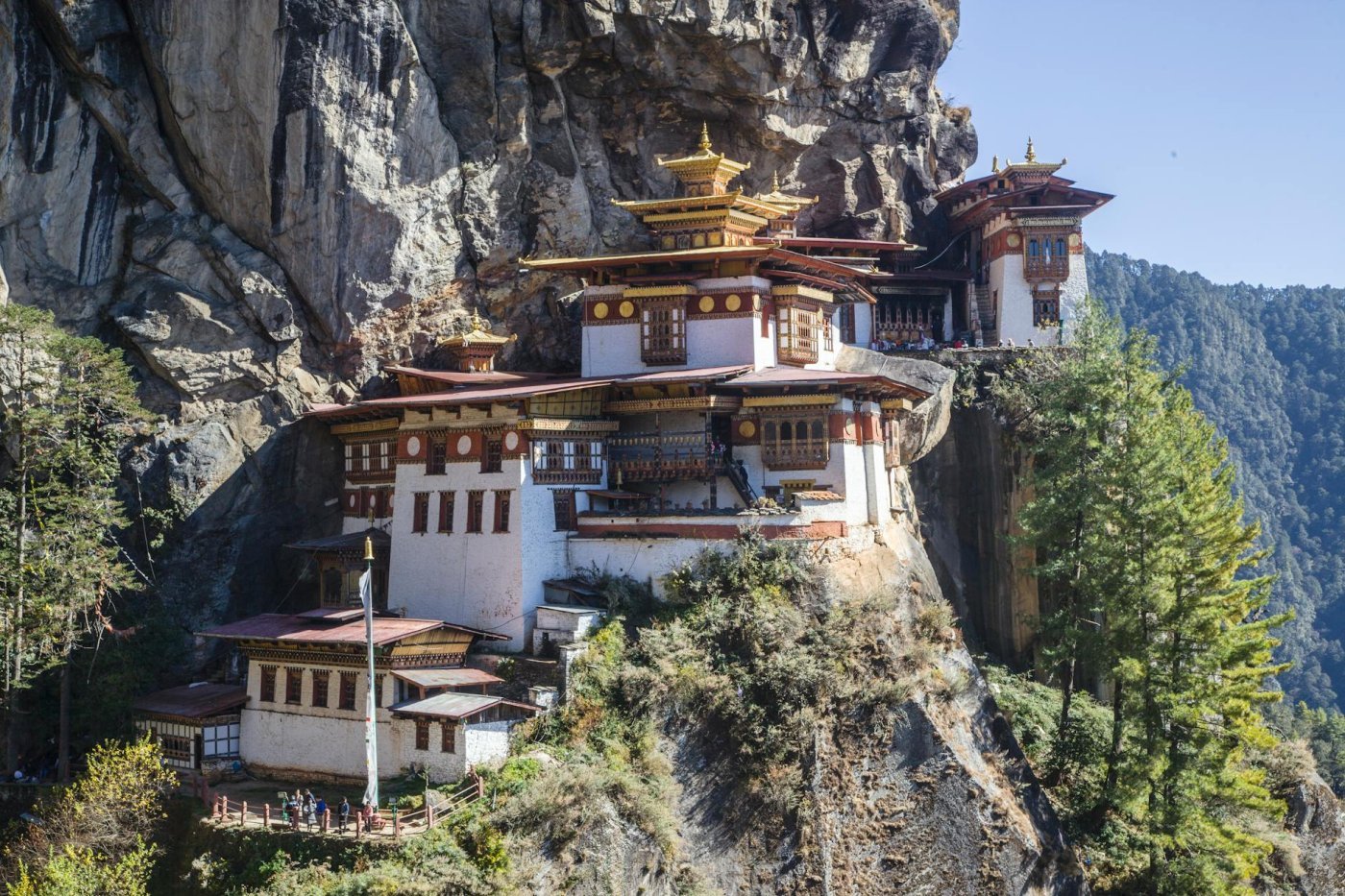
Paro and Bumthang serve very different purposes within a Bhutan trip, and for most visitors the answer is both — since Paro is the arrival point for all international flights. If forced to choose between spending additional days in one or the other, Paro rewards travelers interested in iconic Himalayan scenery and the Tiger's Nest Monastery hike, while Bumthang rewards those seeking deeper cultural and spiritual immersion. Bumthang has four valleys to explore against Paro's more concentrated attractions, and its festivals are more intimate. Paro is more accessible and better connected; Bumthang requires more commitment but delivers more profoundly. Serious cultural travelers consistently rate Bumthang as the highlight of their entire Bhutan visit.
Do people speak English in Bumthang Valley?
English is Bhutan's official language of instruction and is widely spoken by educated Bhutanese, including guides, hotel staff, and government officials. In Bumthang's main town of Jakar, English communication at lodges, restaurants, and shops is generally straightforward. In remote farming villages in Tang, Ura, and Chhume Valleys, English is limited to none, making your licensed guide — who will be fluent in English — genuinely essential rather than merely convenient. Dzongkha is the national language, and learning a few phrases — 'Kuzuzangpola' for hello, 'Kadrinchey' for thank you — is warmly received by local people across all four Bumthang valleys.
★ Hidden Gems Weekly
Like this? One place per week, in your inbox.
No spam, no fluff — just one underrated destination, every Tuesday.
Hand-picked and verified by Max, who founded Vacanexus from Luxembourg in 2026. No sponsorships, no paid placements. Every recommendation — restaurants, neighbourhoods, things to do — is selected for authenticity over popularity.