Camino de Santiago Travel Guide — 800 km of ancient trail, albergue camaraderie, and a cathedral finish that feels like pure magic
⏱ 12 min read📅 Updated 2026💶 € Budget✈️ Best: Apr–Aug
€25–50/day
Daily budget
Apr–Jun & Sep
Best time
30–35 days (full route)
Ideal stay
EUR
Currency
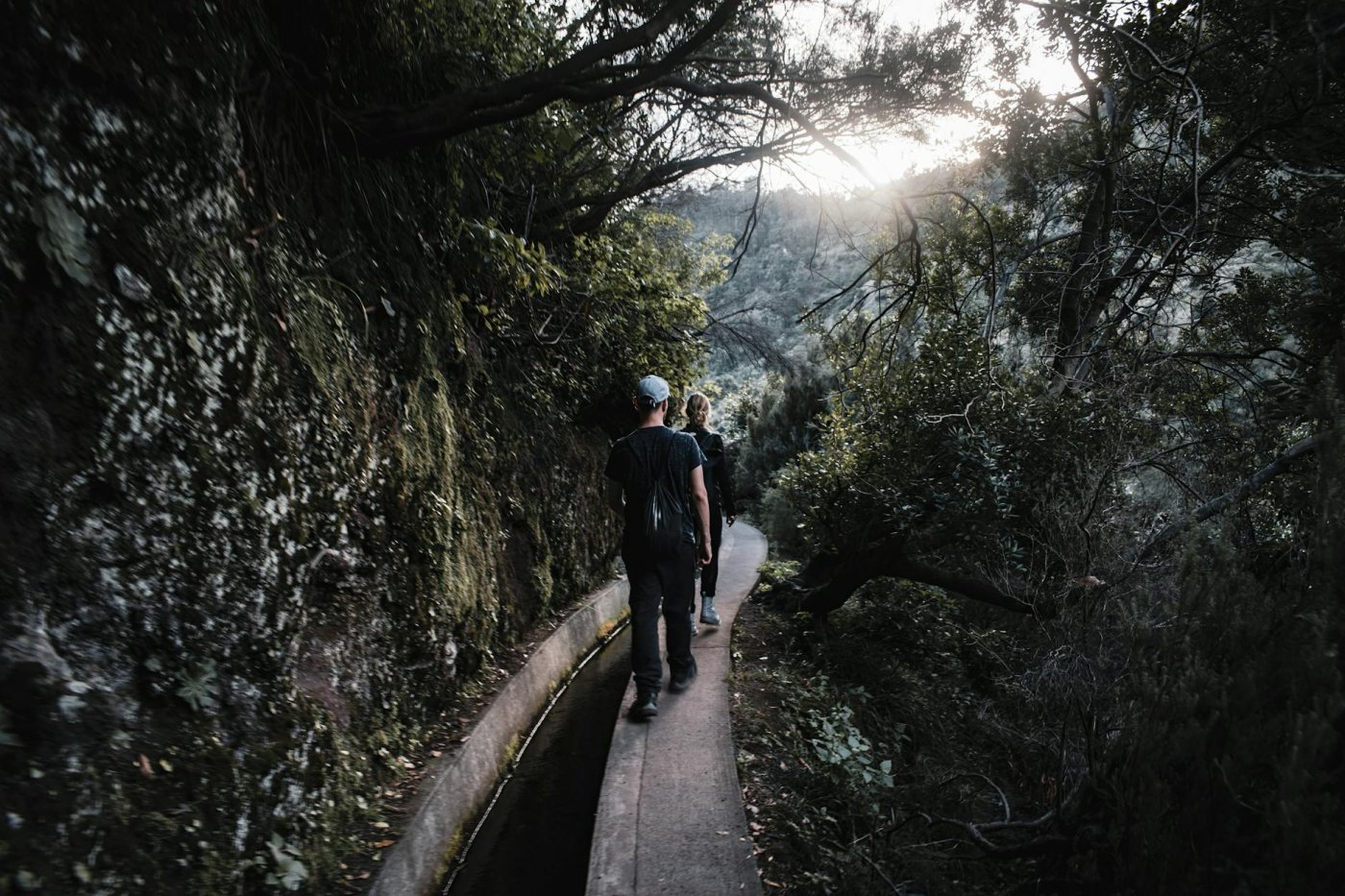
The Camino de Santiago begins with a single step out of Saint-Jean-Pied-de-Port and doesn't let you go until the incense-filled cathedral in Santiago de Compostela swallows you whole. Stretching 800 kilometres across the spine of northern Spain, the Camino Francés is Europe's oldest pilgrimage route and arguably its most transformative long walk. You smell pine forests and freshly turned earth before you even reach Pamplona. Yellow arrows guide your boots across wheat-gold meseta plateaus, stone villages that haven't changed since the Middle Ages, and the green, rain-washed valleys of Galicia. The Camino de Santiago is not a hike — it is a full recalibration of how slowly the world can move.
Compared to routes like the GR20 in Corsica or the Tour du Mont Blanc, things to do in Camino de Santiago extend far beyond physical challenge. This is a social pilgrimage as much as a trail — albergues fill each night with Germans, Koreans, Brazilians, and Australians sharing dinner, blisters, and life stories. Visiting the Camino de Santiago means joining a 1,200-year-old tradition that UNESCO recognised as a World Heritage Cultural Route. Unlike overcrowded tourist circuits, the Camino rewards patience and slowness: the slower you walk, the more you receive. Budget pilgrims can cover the full Camino Francés for under €35 a day, making it one of Europe's most accessible epic adventures.
✦ Find your perfect destination
Is Camino de Santiago really your perfect match?
Answer 12 quick questions about your travel style, budget and dates — we match you with the destinations that fit you best, from 600+ worldwide.
Your Camino de Santiago itinerary — choose your style
🗓 Weekend Break — 2 days
🧭 City Explorer — 5 days
🌍 Deep Dive — 10 days
Your pace:
Why Camino de Santiago belongs on your travel list
The Camino de Santiago belongs on your travel list because no other route in the world combines epic physical achievement with deep human connection at such an accessible price point. The Camino Francés passes through Burgos, León, and Logroño — each a full city worth days of exploration on its own. Pilgrims earn the Compostela certificate in Santiago de Compostela cathedral after walking at least 100 km, creating a finish-line moment unlike anything else in travel. The trail infrastructure is extraordinary: over 300 public albergues, pharmacies in every town, and waymarking so reliable you almost never need a map.
The case for going now: Spring 2026 is an ideal moment to walk the Camino de Santiago. The Spanish government has invested in new albergue facilities and digital pilgrim passports along the Camino Francés, reducing queues significantly. Pilgrim numbers dropped post-pandemic and haven't fully rebounded, meaning April and May 2026 offer quieter trails and easy bed availability. The euro's relative weakness makes the Camino even better value for UK and northern European walkers right now.
🏔️
Pyrenees Crossing
The opening stage from Saint-Jean-Pied-de-Port over the Pyrenees to Roncesvalles is the Camino's most dramatic day. Cloud-wrapped peaks and wild Basque landscapes set the entire journey's emotional tone.
🏛️
Cathedral Arrival
Entering the Plaza del Obradoiro in Santiago de Compostela after weeks of walking is the Camino's defining moment. Pilgrims weep, embrace strangers, and stare up at the baroque facade in stunned silence.
🍷
Rioja Wine Villages
Walking through La Rioja wine country between Logroño and Burgos, the Camino passes vineyards where pilgrim-friendly bodegas offer €1 wine from roadside dispensing machines — a genuinely surreal and wonderful stop.
🌅
Meseta Solitude
The vast Castilian plateau between Burgos and León frightens many pilgrims but rewards those who embrace it. Dawn light turns the wheat fields amber-gold, and the silence becomes a meditation in itself.
Camino de Santiago's neighbourhoods — where to focus
Gateway Town
Saint-Jean-Pied-de-Port
This Basque village in the French Pyrenees is where the Camino Francés officially begins. The pilgrim office on Rue de la Citadelle stamps your credential and hands you your first yellow-arrow briefing. Cobblestone streets, medieval walls, and a contagious first-night energy make this French town the Camino's most electric starting point.
Festival City
Pamplona
Pamplona is the Camino's first major Spanish city, famous for San Fermín but equally rewarding outside July. The old town's pintxos bars, the massive citadel park, and the warm Navarrese welcome make it a natural first rest day for pilgrims who want to absorb urban Spain before the meseta.
Gothic Grandeur
Burgos
Burgos marks the gateway to the meseta and houses one of Spain's finest Gothic cathedrals, a UNESCO World Heritage site in its own right. Pilgrims typically arrive exhausted but are revived by the city's lively tapas culture along Calle Sombrerería. The city's medieval military heritage adds a rich layer to the Camino narrative.
Pilgrim's Finish
Santiago de Compostela
Santiago de Compostela is the Camino's beating heart and its triumphant end. The old city — another UNESCO site — circles the magnificent cathedral where the Pilgrim Mass is held daily at noon. Beyond the spiritual climax, the city's covered market, granite arcades, and Galician seafood restaurants make staying an extra day feel absolutely necessary.
Top things to do in Camino de Santiago
1. Walk the Full Camino Francés
The complete Camino Francés from Saint-Jean-Pied-de-Port to Santiago de Compostela covers approximately 800 kilometres across five Spanish regions and takes most walkers between 30 and 35 days at a moderate pace of 22–25 km per day. The route is divided into 33 official stages, each ending in a village or town with at least one albergue. Unlike guided tours, walking independently means you set the rhythm — sleeping in €10 pilgrim hostels, collecting stamps in your Credencial del Peregrino at churches and cafés, and following yellow arrows or the scallop shell waymarks. Most pilgrims agree the first week through Navarre and La Rioja is the most scenically dramatic, while the final 100 km through Galicia's eucalyptus forests carries the most emotional intensity. No prior long-distance hiking experience is required, but two months of preparation walking is strongly recommended.
2. Collect Your Compostela Certificate
The Compostela is the Camino de Santiago's official completion certificate, issued by the Cathedral of Santiago de Compostela's Pilgrim Reception Office to anyone who walks at least the final 100 km (or cycles 200 km) for spiritual, religious, or spiritual-cultural reasons. To receive it, you must carry a Credencial del Peregrino — a pilgrim passport stamped at least twice daily in the final stages — and present it at the Oficina del Peregrino on Rúa das Carretas. The process is free, takes around 15 minutes, and produces a beautiful Latin parchment bearing your name. Pilgrims who complete the route for non-religious reasons can request the alternative Certificado de Distancia. The Pilgrim Mass held daily at noon in the cathedral is the emotional climax of collecting your Compostela, and it is free to attend regardless of faith.
3. Stay in Pilgrim Albergues
Albergues are the social backbone of the Camino de Santiago experience and what make the Camino so affordable for budget travellers. Public albergues (municipales) charge €6–12 per night for a bunk in a shared dormitory, often including access to kitchens, washing machines, and communal outdoor areas. Private albergues cost €12–20 and frequently offer smaller rooms, better showers, and sometimes a pilgrim dinner. The albergue culture is unlike any hostel elsewhere in Europe — arrivals as early as 2 pm, boot-drying rituals, communal dinners where pilgrims from a dozen nations share the pilgrim menu (three courses plus wine for €10–12), and pre-dawn departures by headtorch at 6 am. Booking ahead is not always possible — most albergues operate first-come, first-served — which creates its own low-stakes daily adventure. Key albergues to experience include the monastery at Roncesvalles on night one, the refugio at O Cebreiro for the emotional Galician entry, and any private albergue in Sarria for the final week's camaraderie.
4. Explore Camino Towns and Detours
The Camino Francés passes through enough remarkable towns that taking a rest day every five to seven days is genuinely rewarding rather than a concession to tired legs. In Logroño, the capital of La Rioja, Calle del Laurel offers the finest pintxos crawl outside San Sebastián — tiny bar after tiny bar, each with its own signature bite. Burgos demands at least half a day for its cathedral, the bones of El Cid, and the Archaeological Museum of Burgos. León's stained-glass cathedral is considered by many pilgrims the Camino's most beautiful single building, rivalling even the Santiago de Compostela cathedral for sheer visual impact. In Galicia, the small town of Melide is non-negotiable for pulpo a feira — octopus cooked in the traditional Galician style, served on wooden boards with paprika and olive oil. Optional detours include the Camino del Norte coastal variant for the final stages, or a walk from Santiago to Finisterre on the Atlantic coast — a 90 km addition to reach what medieval pilgrims believed was the end of the world.
What to eat in Northern Spain & Galicia — the essential list
Menú del Peregrino
The pilgrim menu is the Camino's defining meal — three courses plus bread, wine, and dessert for €10–13, served in restaurants along the entire route. Hearty, unpretentious, and perfectly calibrated to tired walkers needing calories, it typically features bean soups, roast chicken, and local wine.
Pulpo a Feira
Galician octopus boiled, sliced, and served on a wooden board with coarse salt, sweet paprika, and olive oil is one of Spain's great dishes and a Camino rite of passage. The town of Melide, 54 km from Santiago, is considered the undisputed capital of pulpo.
Pintxos (Navarre & Rioja)
In the Basque and Navarrese sections of the Camino, pintxos — small bread-based bites topped with cured ham, tortilla, or anchovy — are the essential bar snack. A glass of txakoli wine and three pintxos for under €5 is one of the great budget food pleasures in Europe.
Cocido Maragato
This extraordinary stew from the Maragatería region near Astorga is eaten in reverse — meat first, then chickpeas and vegetables, then broth — because muleteers historically ate it this way. Rich, filling, and completely unique to this stretch of the Camino.
Tarta de Santiago
Galicia's signature almond cake, decorated with the cross of Saint James in powdered sugar, is sold in every bakery in Santiago de Compostela. Dense, moist, and fragrant with lemon zest, it is the Camino's most appropriate souvenir and best eaten still warm from a market bakery.
Queimada
This flaming Galician punch — aguardiente set alight in a clay pot with coffee beans, orange peel, and sugar — is a late-night ritual in albergues approaching Santiago. The dramatic fire ceremony, traditionally accompanied by a witches' spell (conxuro), makes it the Camino's most atmospheric communal drink.
Where to eat in Camino de Santiago — our top 4 picks
Fine Dining
Restaurante Echaurren
📍 Calle Padre José García 19, Ezcaray, La Rioja
A Michelin-starred restaurant in the small Riojan village of Ezcaray, slightly off the main Camino route but worth the detour. Francis Paniego's cooking celebrates La Rioja's pantry with extraordinary precision. The tasting menu showcases local vegetables, game, and wine pairings that make a compelling case for taking a rest day here.
Fancy & Photogenic
Casa Marcelo
📍 Rúa das Hortas 1, Santiago de Compostela
One of Santiago de Compostela's most celebrated restaurants, Casa Marcelo serves a single shared-table tasting menu of creative Galician small plates. The intimate stone dining room, open kitchen, and convivial atmosphere make it the perfect celebratory dinner after arriving in Santiago. Book weeks in advance.
Good & Authentic
Restaurante Casa Irene
📍 Calle Mayor 2, Arties, Lleida (Baqueira area)
For a more accessible authentic experience on the Camino itself, seek out any restaurant in Burgos's old town serving morcilla de Burgos — the city's blood sausage with rice, grilled and served with local Ribera del Duero wine. Ask locals for the current favourite; the best spots change seasonally.
The Unexpected
Mesón de Melide
📍 Rúa Principal, Melide, A Coruña, Galicia
This no-frills pulpería in the small town of Melide has been boiling Galician octopus for pilgrims for decades. Communal wooden tables, paper tablecloths, and a €8 ración of pulpo served with Galician bread and Ribeiro wine — it is the Camino's most honest and satisfying meal, full stop.
Camino de Santiago's Café Culture — top 3 cafés
The Institution
Bar do Bispo
📍 Rúa do Vilar 35, Santiago de Compostela
A Santiago de Compostela institution beloved by pilgrims who have just collected their Compostela and need somewhere to sit and process what just happened. Strong Galician coffee, local pastries, and a terrace overlooking the old-town granite streets. The staff here have seen every possible pilgrim emotion, and they handle all of them graciously.
The Aesthetic Hub
Café Iruña
📍 Estafeta Kalea 44, Pamplona, Navarre
Opened in 1888, Café Iruña is Pamplona's grandest café and an Art Nouveau masterpiece of painted tiles, gilt mirrors, and carved mahogany. Ernest Hemingway drank here and immortalised it in The Sun Also Rises. For Camino pilgrims arriving in Pamplona on day three, stopping for a cortado beneath its painted ceilings is a ritual.
The Local Hangout
Cafetería Fitero
📍 Calle Ruavieja 32, Logroño, La Rioja
A favourite among pilgrims passing through Logroño, this no-frills neighbourhood café serves the best café con leche and fresh croissants in the city at genuinely pilgrim-friendly prices. Arrives in the morning to find half the albergue already here, comparing blisters and planning the day's kilometres over warm breakfast.
Best time to visit Camino de Santiago
Jan
Feb
Mar
Apr
May
Jun
Jul
Aug
Sep
Oct
Nov
Dec
Peak Season (Apr–Jun & Aug–Sep) — ideal weather, green landscapes, manageable crowdsShoulder Season (Mar & Oct) — quieter trail, cooler walking, some albergues closedOff-Season (Nov–Feb & Jul) — July is hot and crowded; winter cold but spiritually intense
Camino de Santiago events & festivals 2026
Whether you're planning around a specific celebration or simply want to know what's happening, this guide covers the best events and festivals in Camino de Santiago — from major annual traditions to cultural highlights worth timing your trip around.
January 2026religious
Feast of Saint James (Winter)
While the main Feast of Saint James falls in July, the cathedral in Santiago de Compostela holds solemn winter masses in January drawing hardcore off-season pilgrims. Things to do in Santiago de Compostela in January include experiencing the Pilgrim Mass with almost no tourist crowds — an intense, intimate version of the daily ceremony.
March 2026culture
Carnival in Pamplona
Pamplona's pre-Lenten Carnival fills the old town with costumes, brass bands, and street parties. For pilgrims timing their Camino start to catch this event, it adds a raucous, joyful first city stopover. The narrow streets of the casco antiguo become impromptu dance floors through the weekend.
April 2026religious
Semana Santa Burgos
Burgos hosts one of Spain's most atmospheric Holy Week processions, with hooded brotherhoods carrying centuries-old statues through the medieval streets at night. Arriving pilgrims who time their walk to reach Burgos during Easter week witness a deeply moving piece of living Spanish tradition.
June 2026music
Festival Internacional de Folklore de Galicia
This annual Galician folk festival brings traditional music groups from across Celtic nations — Ireland, Brittany, Scotland — to perform in cities including Santiago de Compostela. Galician bagpipes (gaitas) and folk dance fill plazas across the region, creating an unforgettable backdrop for arriving pilgrims.
July 2026culture
San Fermín Festival Pamplona
The world-famous Running of the Bulls transforms Pamplona each July 6–14 into the planet's most energetic street festival. For Camino pilgrims starting in early July, the explosion of red-and-white revellers, live music, and fireworks makes the Navarrese city an unmissable first major stop on the route.
July 2026religious
Feast of Saint James — Día del Apóstol
July 25 is the Feast of Saint James and the Camino de Santiago's most important annual date. Santiago de Compostela hosts fireworks over the cathedral, a spectacular son et lumière on the Plaza del Obradoiro facade, and a packed Pilgrim Mass with the full botafumeiro ceremony. Arriving on this date is the Camino's ultimate ambition.
August 2026music
Noite de Lumes — Night of Fires
A traditional Galician summer fire festival held in towns along the final Camino stages in August, where bonfires are lit and neighbours gather for music, dancing, and queimada ceremonies. Pilgrims walking the Galician section in August frequently encounter these spontaneous village celebrations after dark.
September 2026market
Logroño La Rioja Wine Harvest Festival
The grape harvest festival in Logroño each September turns the Camino's La Rioja section into an extended wine celebration. Free wine flows from fountains in the city centre, bodegas host open days, and the streets of the casco viejo fill with barrels, music, and pilgrim-friendly revelry.
October 2026culture
Outono Cultural Galego
Galician Cultural Autumn is a region-wide festival of theatre, cinema, literature, and traditional music held in October across Galicia, including Santiago de Compostela. Off-season pilgrims arriving in October find the city buzzing with local cultural life, making the quieter trail well worth the cooler weather.
December 2026religious
Christmas Pilgrim Mass Santiago
The cathedral in Santiago de Compostela holds extraordinary Christmas masses that draw pilgrims who have walked the Camino de Santiago in winter — a small, committed group experiencing the route stripped to its spiritual core. The illuminated Plaza del Obradoiro at Christmas is among the most beautiful sights in Spain.
Municipal albergues, pilgrim menu dinners, pack your own lunch, free cathedral entry.
€€ Mid-range
€50–80/day
Private albergues, occasional hotel nights, restaurant dinners, guided city tours.
€€€ Comfort
€120+/day
Boutique hotels, luggage transfer services, fine dining in Burgos, León, and Santiago.
Getting to and around Camino de Santiago (Transport Tips)
By air: The Camino Francés is served by three main gateway airports. Biarritz Airport (BIQ) in France is closest to Saint-Jean-Pied-de-Port for walkers starting the full 800 km. Bilbao Airport (BIO) is a budget-airline hub with direct connections across Europe. Santiago de Compostela Airport (SCQ) serves those flying directly to the finish point or starting a reverse walk.
From the airport: From Biarritz Airport, take a bus or taxi to Bayonne train station and then a regional train to Saint-Jean-Pied-de-Port — the journey takes around 1.5 hours and costs under €15. From Bilbao Airport, regular buses run to Pamplona (1.5 hrs, €15) for pilgrims joining the Camino at stage three. From Santiago de Compostela Airport, the city bus (Línea 6) reaches the old town in 30 minutes for under €3.
Getting around the city: The Camino de Santiago itself is the transport — you walk from town to town following yellow arrows and scallop shell waymarks the entire route. Within larger cities like Pamplona, Burgos, and León, local buses connect the Camino entry and exit points but most pilgrims walk everywhere. In Santiago de Compostela, the old city is entirely walkable; taxis and Uber are available for airport runs or albergue transfers.
Transport Safety & Scam Prevention:
Fake Pilgrim Credentials: Only obtain your Credencial del Peregrino from official pilgrim associations or the office in Saint-Jean-Pied-de-Port. Homemade or purchased credentials will not be accepted at the Pilgrim Reception Office in Santiago, and you will not receive your Compostela certificate without a legitimate stamped credential.
Luggage Transfer Overcharging: Many companies offer to transport your backpack between albergues for €5–8 per stage, which is legitimate and regulated. However, some unofficial operators in tourist-heavy sections charge double. Always confirm the price in writing and use providers recommended by albergue staff along the official route.
Taxi Overcharging in Santiago: Taxis at Santiago de Compostela's train and bus stations occasionally charge arriving pilgrims flat rates for the old-town transfer that significantly exceed the metered fare. Always insist on the meter or use the clearly marked city bus Línea 6 from the airport, which costs under €3 and is perfectly reliable.
Do I need a visa for Camino de Santiago?
Visa requirements for Camino de Santiago depend on your nationality. Select your passport below for an instant answer — based on the Passport Index dataset for entry into Spain.
ℹ️ Indicative only. Always verify with the official consulate before booking. Data: Passport Index, April 2026.
For detailed requirements, documentation checklists and processing times by nationality: TravelDoc →
Search & Book your trip to Camino de Santiago
Find the best flight routes and hotel combinations using our partner Kiwi.com.
Frequently Asked Questions
Is the Camino de Santiago safe for tourists?
The Camino de Santiago is one of Europe's safest long-distance trails and is considered very safe for solo travellers of all genders. The route is well-patrolled, densely populated with fellow pilgrims, and passes through towns with full emergency services. The main risks are physical — blisters, tendinitis, and heat exhaustion on the meseta in summer — rather than security-related. Solo women regularly walk the entire Camino Francés without incident, and the pilgrim community is notably vigilant about looking after one another. Standard travel precautions apply in larger cities like Pamplona and León.
Can I drink the tap water on the Camino de Santiago?
Tap water is safe to drink throughout Spain, including along the entire Camino Francés route. Most towns have public drinking fountains marked 'agua potable' where pilgrims can refill bottles for free. The notable exception is the famous wine fountain at Bodegas Irache near Estella — technically potable, but not recommended as your primary hydration source. Avoid unmarked rural springs unless a local confirms the water is safe, and carry a minimum of one litre between towns in the summer meseta section where villages can be 12+ km apart.
What is the best time to visit the Camino de Santiago?
The best time to walk the Camino de Santiago is April through June, when temperatures are mild (15–22°C), wildflowers cover the Navarrese hills, and albergues are full but not overwhelmed. September is the finest shoulder-season choice: summer heat has passed, harvest festivals are underway in La Rioja, and the light across the meseta is extraordinary. July and August bring crowds and heat — the meseta section can exceed 38°C — but July 25 (Feast of Saint James) is the emotionally unmatched finish date. Winter walkers (November–February) get profound solitude but must accept cold, rain, and many closed albergues.
How many days do you need to walk the Camino de Santiago?
The full Camino Francés from Saint-Jean-Pied-de-Port to Santiago de Compostela takes most walkers 30 to 35 days walking 22–25 km per day. Faster walkers completing 30+ km daily can finish in 25 days; those taking regular rest days may take 40. If time is limited, the last 100 km from Sarria to Santiago de Compostela (the minimum for the Compostela certificate) takes 5–6 days and is a genuine, rewarding experience — though the full route is incomparably richer. A 2-week Camino starting in León is also popular, covering the meseta and Galicia in 14 days at a moderate pace.
Camino de Santiago vs Via Francigena — which should you choose?
Both are ancient European pilgrimage routes, but they offer fundamentally different experiences. The Camino de Santiago (Camino Francés) has unmatched infrastructure — 300+ albergues, clear waymarking, dense pilgrim community — making it far more accessible for first-time long-distance walkers. The Via Francigena from Canterbury to Rome is longer (2,000 km), far less developed, requires careful planning for accommodation, and offers richer variety of landscapes across England, France, Switzerland, and Italy. Choose the Camino de Santiago if you want community, ease of logistics, and a defined finish-line moment. Choose the Via Francigena if you want solitude, greater challenge, and an Italian culinary journey at journey's end.
Do people speak English on the Camino de Santiago?
English is widely spoken along the Camino de Santiago route, particularly in towns that regularly host international pilgrims — Pamplona, Logroño, Burgos, León, and Santiago de Compostela all have strong English-language capacity in albergues, restaurants, and tourist offices. In small villages between stages, Spanish (or Galician in Galicia) is the only language, but basic pointing and a phrase book handle most pilgrim needs. The pilgrim community itself is remarkably multilingual — you will find fluent English speakers among your fellow walkers from dozens of countries. Learning 10–15 basic Spanish phrases before departure is recommended and greatly appreciated by locals.
★ Hidden Gems Weekly
Like this? One place per week, in your inbox.
No spam, no fluff — just one underrated destination, every Tuesday.
Hand-picked and verified by Max, who founded Vacanexus from Luxembourg in 2026. No sponsorships, no paid placements. Every recommendation — restaurants, neighbourhoods, things to do — is selected for authenticity over popularity.