Canggu Bali Travel Guide — Where Bali's surf culture meets digital nomad soul
⏱ 11 min read📅 Updated 2026💶 €€ Mid-Range✈️ Best: Jan–Apr
€50–120/day
Daily budget
Jan–Apr
Best time
5–10 days
Ideal stay
IDR (Rupiah)
Currency
Canggu arrives with the smell of coconut oil, fresh volcanic sand, and the low rumble of longboards rolling across black-pebbled beach breaks. This stretch of southwest Bali has quietly transformed from sleepy rice-paddy territory into the most talked-about beach village in Southeast Asia, and yet somehow it retains its barefoot soul. Mornings here begin with surfers paddling out at Echo Beach before the cafés have brewed their first cold brew, and evenings dissolve into blushing pink horizons over the Indian Ocean. Canggu is not merely a destination — it is a rhythm you fall into almost immediately.
Unlike Seminyak to the south, which skews toward high-gloss resort luxury, Canggu offers an energetic, community-driven atmosphere that appeals equally to travelling creatives, surf addicts, yoga devotees, and remote workers. Things to do in Canggu range from renting a scooter through green rice terraces to catching a movie night at a rooftop bar while the ocean breeze rolls in. Visiting Canggu feels different from visiting Ubud or Kuta — it occupies a genuine middle ground between laid-back village life and a fully modern, globally connected neighbourhood, making it the beating heart of New Bali for travellers who want substance alongside their sunsets.
✦ Find your perfect destination
Is Canggu really your perfect match?
Answer 12 quick questions about your travel style, budget and dates — we match you with the destinations that fit you best, from 600+ worldwide.
Canggu has earned its place on every savvy traveller's shortlist for reasons that go well beyond its photogenic beach clubs. The surf at Echo Beach and Batu Bolong consistently delivers rideable waves for beginners and intermediates, while the hinterland of Canggu is threaded with emerald rice paddies that you can explore by bicycle or scooter for almost nothing. The café scene here rivals Melbourne or Amsterdam for quality — single-origin espresso, plant-based bowls, and fast fibre Wi-Fi are the standard, not the exception. Add world-class sunset cocktail culture, an affordable cost of living, and a genuinely international yet neighbourly community, and Canggu becomes almost impossible to leave on schedule.
The case for going now: Canggu's infrastructure is maturing rapidly — new direct flight routes from European hubs via Doha and Singapore are cutting journey times, while a proposed Bali light-rail link to Denpasar airport is gaining momentum for 2027. The Indonesian rupiah remains favourable for European travellers, making Canggu exceptional value right now: a stunning villa with a private pool can cost less than a budget hotel room in Paris. Early 2026 is arguably the sweet spot before further development changes the character of this remarkable coastal village.
🏄
Surf Echo Beach
Echo Beach is Canggu's most consistent surf break, offering punchy right-handers best suited to intermediate surfers. Dozens of local surf schools run morning lessons directly on the sand at very reasonable rates.
🌾
Rice Field Walks
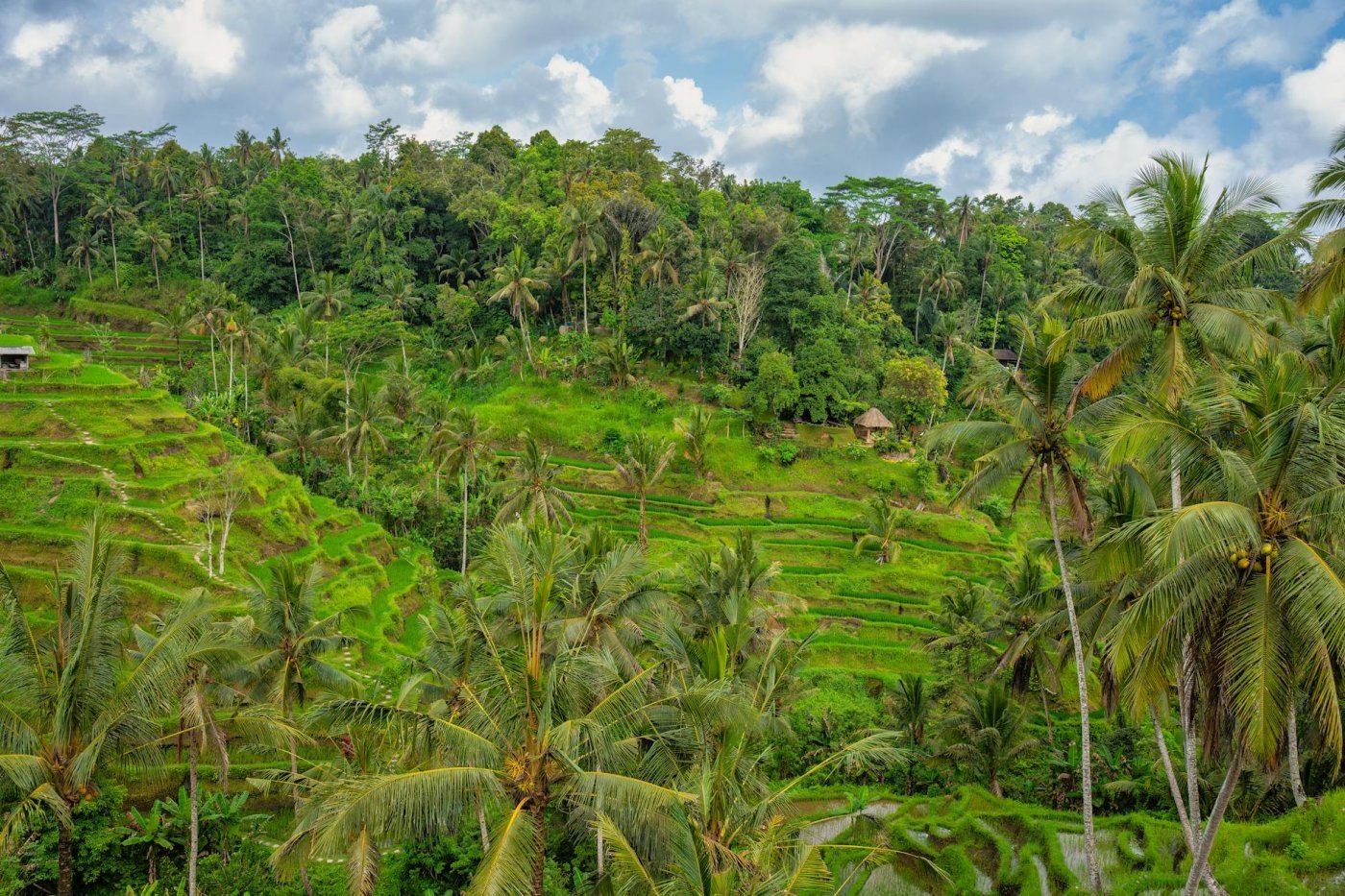
The Subak irrigation terraces winding through central Canggu are a UNESCO-recognised marvel. Walking or cycling the narrow bunds at golden hour, with egrets rising from the paddies, is one of Bali's most underrated free experiences.
☀️
Beach Club Sunsets
Canggu's beach clubs — from laid-back sand-floor venues to architecturally striking infinity pools — host legendary sunset sessions. A day bed, a Bintang in hand, and the horizon turning copper is the signature Canggu experience.
💻
Coworking Culture
Canggu hosts some of Asia's most innovative coworking spaces, many fusing open-air tropical design with gigabit internet. Spending a productive morning surrounded by fellow remote workers before surfing in the afternoon is perfectly normal here.
Canggu Bali's neighbourhoods — where to focus
Surf & Social Hub
Batu Bolong
Batu Bolong is the social nucleus of Canggu, centred on the famous temple-fringed beach of the same name. The main street is packed with independent cafés, surf shops, and smoothie bars that buzz from first light to midnight. It is the natural base for first-time visitors and long-stay nomads alike.
Trendy & Walkable
Berawa
Berawa sits just north of Batu Bolong and has become Canggu's most polished neighbourhood, home to upscale beach clubs, boutique fitness studios, and some of the island's best restaurants. The beach here is wider and slightly quieter, making it ideal for travellers who want style without the backpacker bustle.
Quiet & Local
Pererenan
Further north along the coast, Pererenan retains the old Canggu feel that much of the main strip has shed. Rice fields press right up to small warungs, guesthouses are cheaper, and the surf crowd is more local. Travellers seeking a slower pace without sacrificing proximity to Canggu's best scenes choose Pererenan.
Creative & Alternative
Canggu Village
The inland lanes of Canggu Village proper — away from the beach strip — are where artists, designers, and long-term residents have built a quieter creative community. Boutique pottery studios, independent galleries, and tiny family-run warungs sit beside rice paddies, offering a glimpse of authentic Balinese life alongside the modern scene.
Top things to do in Canggu Bali
1. 1. Take a surf lesson at Echo Beach
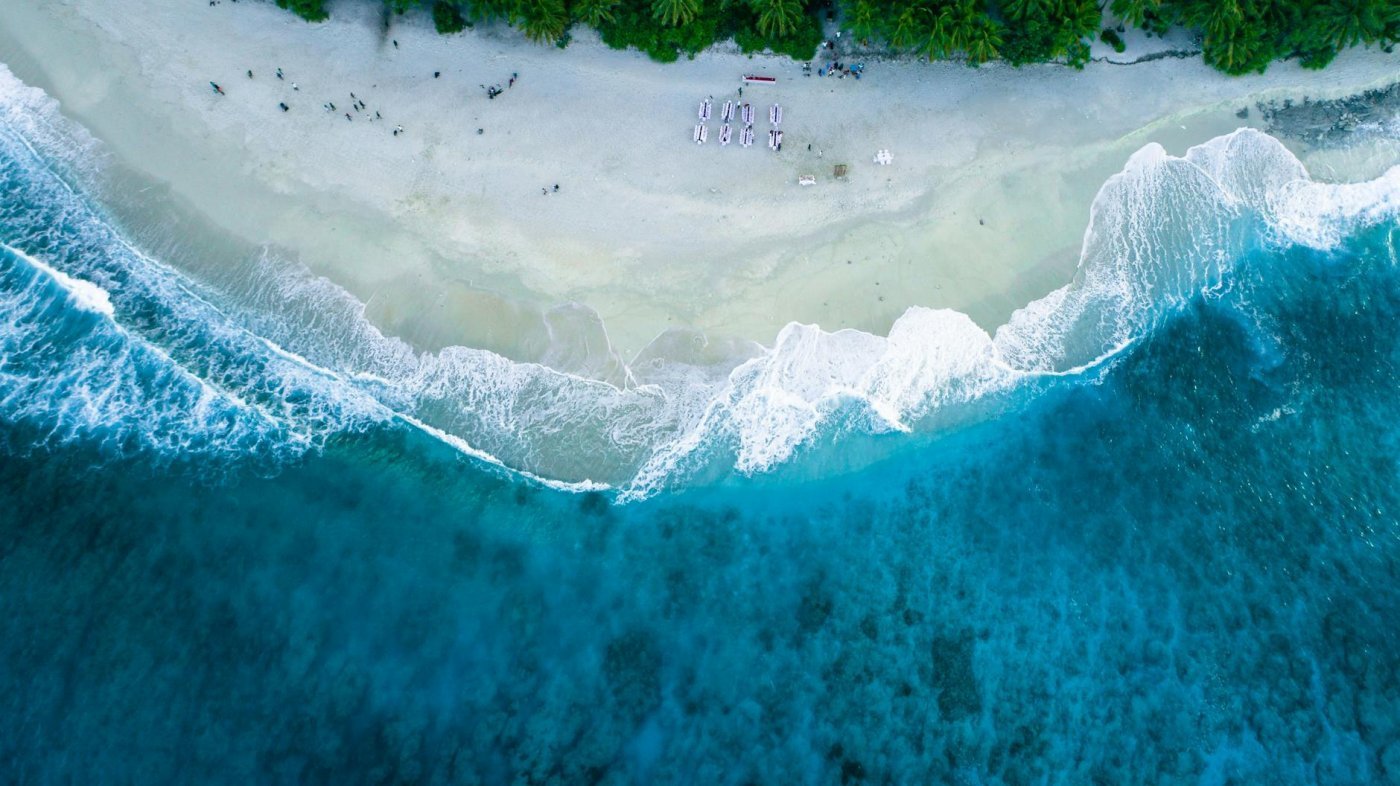
Echo Beach is where the Canggu surf story begins. The break here produces reliable lefts and rights that make it one of the best learning and intermediate progression spots on Bali's southwest coast. Dozens of licensed surf schools operate directly from the beach, offering two-hour morning sessions that include board rental, a rash guard, and a patient local instructor who has likely been surfing these waves since childhood. The best swells arrive between June and September, but Canggu's beach breaks remain surfable for beginners year-round. Even if you have never stood on a board in your life, the instructors at Echo Beach have an impressive track record of getting first-timers riding waves within a single session. After your lesson, grab a cold coconut from the vendors on the sand and watch the more experienced surfers take on the bigger sets — it is one of the most entertaining free shows in Bali.
2. 2. Explore rice terraces by scooter
Renting a scooter in Canggu costs as little as €5 per day and opens up an entirely different dimension of the destination. Head inland from the beach strip and within minutes the guesthouses and cafés give way to an intricate patchwork of rice paddies — bright green in the growing season, shimmering gold at harvest — threaded by narrow concrete tracks just wide enough for one scooter. The traditional Subak water-management system that feeds these fields has been recognised by UNESCO as part of Bali's cultural landscape. Stop at any of the small warungs perched on the paddy edges for a plate of nasi goreng and a glass of sweet black coffee, served at a table with an unobstructed view across the terraces. Early morning and late afternoon light transforms the paddies into something otherworldly, and if you time your ride for golden hour, the reward is photographic gold.
3. 3. Spend an afternoon at a beach club
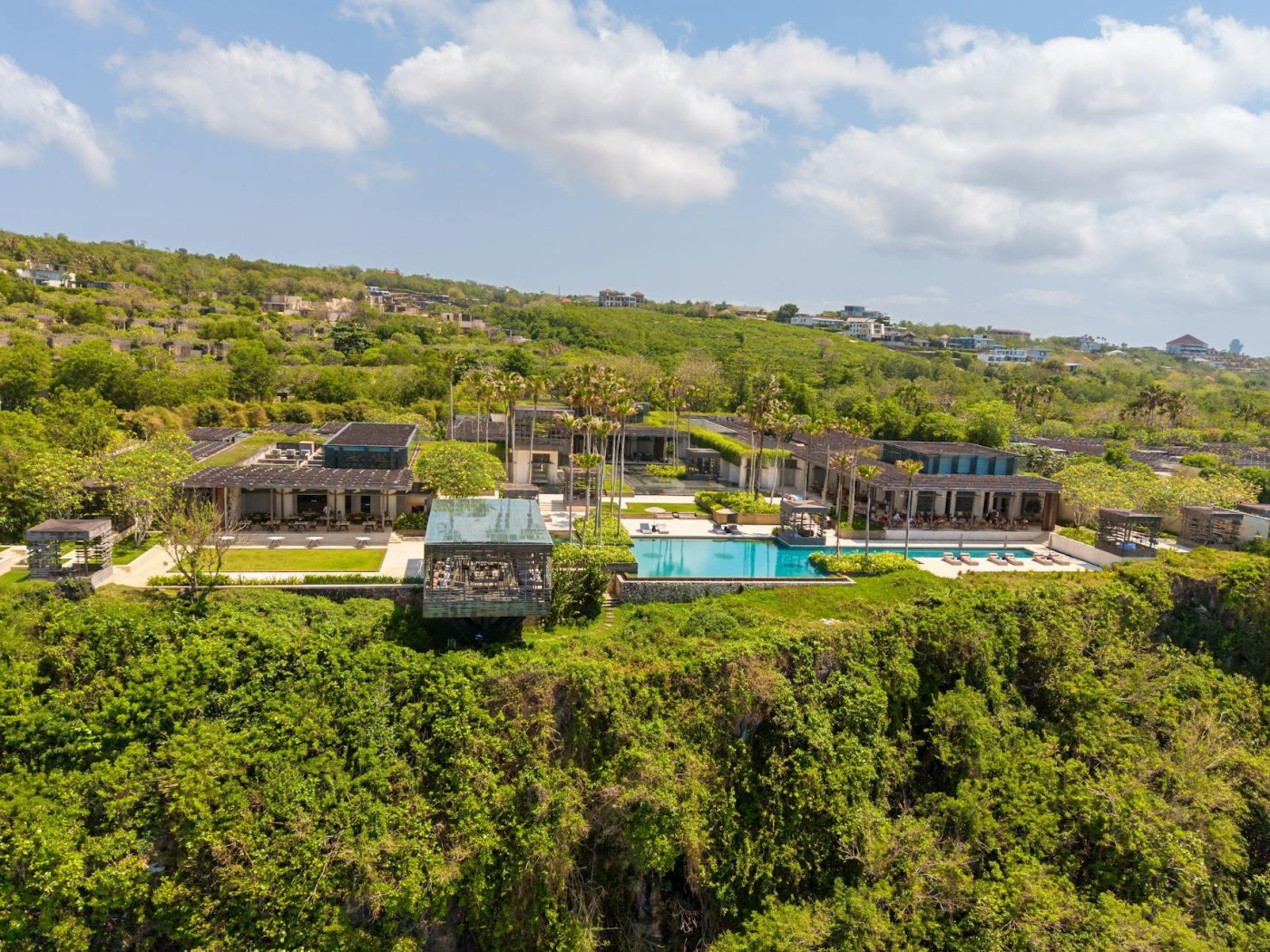
Canggu has elevated the beach club into an art form. Options range from chic infinity-pool venues in Berawa — where a day bed reservation, poolside cocktails, and a DJ set are the entire itinerary — to unpretentious sand-floor bars right on the Batu Bolong shoreline where you can order a Bintang beer for two euros and watch surfers until the sky turns pink. La Brisa, built almost entirely from reclaimed fishing boats, has become one of the most photographed venues in all of Bali, while Finn's Beach Club in Berawa offers waterslides, swim-up bars, and a full-day party atmosphere. Budget travellers should note that many beach clubs operate a minimum spend system, particularly on weekends, so check ahead. Whichever venue you choose, arrive by 5pm to secure a good spot for what are genuinely among the most spectacular sunsets in Southeast Asia.
4. 4. Work from a coworking café
Canggu has legitimately earned its title as the digital nomad capital of Asia, and spending at least one morning working from one of its remarkable café-workspace hybrids is an experience in itself, even for travellers who are not remote workers. Dojo Bali, one of the area's most established coworking spaces, offers day passes that include fast internet, meeting rooms, and a pool — a combination almost nowhere else in the world offers at this price. Numerous independent cafés along Jl. Pantai Batu Bolong blur the line between third-wave coffee shop and impromptu office, with communal tables, power sockets at every seat, and menus that sustain a productive morning. The culture of working, connecting, and collaborating in an open tropical setting is genuinely infectious; many travellers who arrive intending to spend just a week in Canggu find themselves extending their stay by months.
What to eat in Canggu and the Balinese southwest coast — the essential list
Nasi Goreng
Indonesia's national dish is ubiquitous in Canggu and deeply satisfying. Fragrant fried rice with kecap manis, shallots, chilli, and a fried egg on top — served at warungs for as little as €1.50, it is the breakfast of champions after an early surf.
Babi Guling
Balinese spit-roasted suckling pig is a ceremonial dish available daily at specialist warungs. The crackling skin, aromatic spice paste, and tender meat make this a non-negotiable meal for any visitor to Canggu willing to seek it out.
Acai Bowl
Canggu has arguably perfected the acai bowl into a genre of its own — thick frozen acai blended with banana, topped with house-made granola, dragon fruit, coconut flakes, and local honey. A complete meal and a photogenic one at that.
Mie Goreng
The noodle counterpart to nasi goreng, mie goreng is a wok-fried dish of egg noodles with vegetables, soy, and often prawns or chicken. Available everywhere in Canggu from street carts to upscale restaurants, always good, always cheap.
Sambal Matah
This raw Balinese shallot and lemongrass sambal is the condiment that makes everything better in Canggu. Made fresh with lime juice and coconut oil, it accompanies grilled fish at beachside warungs and adds a bright, fiery lift to any dish.
Arak Attack
Arak is Bali's traditional palm or rice spirit, and the Arak Attack — mixed with fresh passionfruit, lime, and a touch of honey — is the unofficial cocktail of Canggu's beach bar circuit. Best consumed while watching the sun sink into the Indian Ocean.
Where to eat in Canggu Bali — our top 4 picks
Fine Dining
Métis Restaurant
📍 Jl. Petitenget No.6, Kerobokan, near Canggu
Métis is Bali's most celebrated French-Mediterranean restaurant, set within an extraordinary colonial-style villa surrounded by lily ponds. The chef sources premium local produce and pairs it with an impressive European wine list. Dress smartly and book well in advance — this is Canggu's most coveted dinner reservation.
Fancy & Photogenic
La Brisa
📍 Jl. Pantai Batu Mejan, Echo Beach, Canggu
Built from 500 reclaimed Indonesian fishing boats, La Brisa is one of the most visually arresting restaurants in Southeast Asia. The menu focuses on fresh seafood and wood-fired dishes, and the tiered oceanfront terraces guarantee front-row sunset views. A flagship Canggu dining experience that fully delivers on its Instagram promise.
Good & Authentic
Warung Dandelion
📍 Jl. Pantai Berawa, Berawa, Canggu
Warung Dandelion is a beloved local favourite that balances authentic Indonesian cooking with the plant-based preferences of Canggu's international community. The tempeh dishes, fresh juices, and rice bowls are exceptional value. Arrive early for dinner as this compact spot fills fast and does not take reservations.
The Unexpected
Crate Café
📍 Jl. Subak Sari No.7, Canggu
What looks like a hip Australian brunch café turns out to be one of Canggu's most consistently excellent all-day dining spots. The smashed avocado with dukkah and the eggs Benedict with house-cured salmon are standout plates. The communal table layout and fast Wi-Fi make it an accidental social hub every single morning.
Canggu Bali's Café Culture — top 3 cafés
The Institution
Revolver Espresso
📍 Gang 51, Jl. Kayu Aya, near Seminyak–Canggu corridor
Revolver is the café that convinced Bali it deserved world-class espresso. Hidden down a narrow lane, this tiny space with exposed brick and reclaimed wood has been pulling exceptional single-origin shots since before Canggu became famous. The cold brew and cortado are benchmarks for the entire island's coffee scene.
The Aesthetic Hub
Organik Canggu
📍 Jl. Pantai Batu Bolong No.75, Canggu
Organik sits right on the Batu Bolong strip with an open-air design that frames the rice paddies behind and the café buzz in front. The matcha lattes and cold-pressed juices are exceptional, the plant-based menu is genuinely creative, and the overall aesthetic — rattan furniture, lush tropical plants, golden light — is consistently stunning.
The Local Hangout
Biasa Café
📍 Jl. Pantai Berawa, Berawa, Canggu
Biasa means 'ordinary' in Indonesian, but there is nothing ordinary about this relaxed neighbourhood café where local Balinese families, expat residents, and travelling surfers all share the same simple wooden tables. Strong Balinese black coffee, fresh coconut pancakes, and a genuinely unhurried pace make it the perfect antidote to Canggu's more performative café scene.
Best time to visit Canggu Bali
Jan
Feb
Mar
Apr
May
Jun
Jul
Aug
Sep
Oct
Nov
Dec
Best season (Jan–Apr & Dec) — dry northeast monsoon, sunny skies, calm mornings, ideal surf conditions for beginnersShoulder season (Oct–Nov) — transition months with occasional showers but fewer crowds and good surfWet season (May–Sep) — larger swells for experienced surfers but afternoon rains; still very popular, just wetter
Canggu Bali events & festivals 2026
Whether you're planning around a specific celebration or simply want to know what's happening, this guide covers the best events and festivals in Canggu Bali — from major annual traditions to cultural highlights worth timing your trip around.
March 2026religious
Nyepi — Balinese Day of Silence
Nyepi is one of the most extraordinary things to witness when visiting Canggu and all of Bali. The entire island shuts down for 24 hours: no traffic, no lights, no noise. The night before sees spectacular Ogoh-Ogoh monster parade processions through Canggu's streets, making it one of the most dramatic cultural spectacles in Asia.
June 2026culture
Bali Arts Festival
Running annually for over a month from mid-June, the Bali Arts Festival in Denpasar — a short scooter ride from Canggu — showcases traditional dance, gamelan orchestras, and Balinese painting. It is the island's largest cultural celebration and gives context to the artistic traditions that underpin modern Canggu's creative scene.
July 2026music
Deus Ex Machina Canggu Temple of Enthusiasm
The Deus Temple of Enthusiasm festival at the iconic Canggu motorcycle café brings together surf competitions, live music, art exhibitions, and custom motorcycle showcases. It perfectly encapsulates the surf-creative culture that defines the best Canggu festivals and draws international attendees every year.
September 2026culture
Ubud Writers & Readers Festival
One of Asia's most celebrated literary events, the Ubud Writers Festival draws internationally acclaimed authors, journalists, and thinkers to Bali each September. The one-hour drive from Canggu is entirely worth it for travellers who want cultural depth alongside surf and beach club pursuits.
October 2026music
Bali Spirit Festival
A world-renowned annual gathering focused on yoga, music, and healing arts held in Ubud with strong connections to Canggu's wellness community. The festival draws leading yoga teachers, world-music artists, and meditation practitioners from across the globe, making it a highlight for wellness-oriented visitors to Bali.
January 2026culture
Canggu Beach Clean-Up Month
Every January, Canggu's growing community of residents and conscious travellers organises coordinated beach and reef clean-up events. Visiting Canggu in January is a chance to contribute meaningfully to the destination you are enjoying. These community events often turn into social gatherings with shared food and live acoustic music afterwards.
February 2026religious
Galungan & Kuningan Festival
Galungan is one of Bali's most visually stunning Hindu festivals, celebrating the victory of dharma over adharma. During the ten-day period, Canggu's streets are lined with tall bamboo penjor poles decorated with offerings and woven coconut leaves. Witnessing the processions and temple ceremonies is deeply moving.
August 2026market
Canggu Sunday Market
The weekly Sunday market at various Canggu venues expands to a larger festival format during peak August season, featuring independent designers, organic food producers, vintage clothing, and local artisans. It is one of the
April 2026culture
Bali Vegan Festival
Canggu's thriving plant-based food scene takes centre stage at the annual Bali Vegan Festival held across multiple venues in April. Featuring cooking demonstrations, pop-up restaurants, wellness panels, and product launches, it reflects the major role that health-conscious international residents have played in shaping modern Canggu's identity.
December 2026culture
New Year's Eve Beach Celebrations
Canggu's beach clubs and bars host some of Southeast Asia's most memorable New Year's Eve parties, with thousands gathering on Echo Beach and Batu Bolong for fireworks, DJ sets, and fire dancers. It is the single busiest night of the year in Canggu, so book accommodation and restaurants months in advance.
Hostel dorm or guesthouse, warung meals, scooter rental, free beach time — Canggu is perfectly liveable on a shoestring.
€€ Mid-Range
€50–120/day
Private villa or boutique hotel, café breakfasts, coworking day passes, occasional beach club visits, and quality restaurants.
€€€ Luxury
€150+/day
Private pool villa, fine dining at Métis and La Brisa, personal surf coach, spa treatments, and exclusive beach club day beds.
Getting to and around Canggu Bali (Transport Tips)
By air: Ngurah Rai International Airport (DPS) in Denpasar serves Canggu and is connected to major European hubs via one-stop routes through Singapore (Changi), Kuala Lumpur, Doha, and Dubai. Flight times from Western Europe are typically 14–17 hours with one connection. Garuda Indonesia, Singapore Airlines, Qatar Airways, and KLM all serve DPS regularly.
From the airport: Canggu is approximately 30–45 minutes from Ngurah Rai Airport depending on Bali traffic, which can be unpredictable. The most reliable option is a pre-booked airport transfer via your accommodation or a reputable app such as Grab, costing €8–15. Official blue-bird taxis are also trustworthy and metered. Avoid unlicensed touts inside the arrivals hall, who will charge double.
Getting around the city: Within Canggu, the scooter is king. Rental costs approximately €4–6 per day from dozens of local agents along the main strips — an International Driving Permit covering motorbikes is technically required. Grab (Southeast Asia's Uber) is widely available and excellent for those who prefer not to ride. Walking is feasible within individual neighbourhoods but the distances between Batu Bolong, Berawa, and Pererenan make a scooter or rideshare essential for exploring freely.
Transport Safety & Scam Prevention:
Airport Taxi Touts: Never accept taxi offers from touts in the arrivals hall at Ngurah Rai Airport. Always walk to the official metered taxi desk or use a pre-booked Grab transfer. Tout prices can be three to four times the legitimate fare for the Canggu journey.
Money Exchange Scams: Always use licensed money changers displaying official Bank Indonesia rates — PT Dirgahayu is a trusted chain throughout Canggu. Street money changers using sleight-of-hand counting tricks are unfortunately common; always count your rupiah carefully before leaving the counter.
Scooter Damage Claims: Before renting any scooter in Canggu, photograph every existing scratch and dent on the vehicle and ensure the rental agent acknowledges them in writing. Some unscrupulous operators claim damage compensation for pre-existing marks upon return, particularly targeting inexperienced riders.
Do I need a visa for Canggu Bali?
Visa requirements for Canggu Bali depend on your nationality. Select your passport below for an instant answer — based on the Passport Index dataset for entry into Indonesia.
ℹ️ Indicative only. Always verify with the official consulate before booking. Data: Passport Index, April 2026.
For detailed requirements, documentation checklists and processing times by nationality: TravelDoc →
Search & Book your trip to Canggu Bali
Find the best flight routes and hotel combinations using our partner Kiwi.com.
Frequently Asked Questions
Is Canggu safe for tourists?
Canggu is generally very safe for tourists and ranks among the more relaxed destinations in Southeast Asia. Petty theft — including bag snatching on scooters — does occur, so keep valuables in a cross-body bag and avoid leaving anything visible in parked vehicles. The main safety risk for most visitors is road traffic: Canggu's narrow lanes are busy with scooters, and accidents involving tourists are not uncommon. Ride carefully, wear a helmet, and never ride under the influence of alcohol. The overall atmosphere in Canggu is friendly, welcoming, and community-oriented.
Can I drink the tap water in Canggu?
Tap water in Canggu is not safe to drink directly. Virtually all cafés, restaurants, and hotels use filtered water for cooking and beverages, so food safety is generally reliable at reputable establishments. Purchase large refillable water bottles from local supermarkets or minimarkets — many accommodation options also provide filtered water dispensers. Carrying a reusable water bottle with a built-in filter such as a LifeStraw model is strongly recommended as it reduces plastic waste in an already waste-challenged destination.
What is the best time to visit Canggu?
The best time to visit Canggu is during the dry season from approximately November through to April, when mornings are reliably sunny, humidity is manageable, and the sea conditions are calmer for beginner surfers. January through March represents the sweet spot — clear skies, fewer Western tourists than July and August, and the spectacular religious festivals of Nyepi and Galungan often falling within this window. December is festive and busy around New Year. The wet season from May to October brings afternoon downpours and larger ocean swells, which experienced surfers actually prefer but which can disrupt outdoor plans for general travellers.
How many days do you need in Canggu?
A minimum of five days is needed to properly experience what Canggu offers — any shorter and you will spend most of your trip finding your feet. Five days allows for two surf lessons, a day of inland rice paddy exploration, a beach club afternoon, and time to discover the café and restaurant scene properly. A ten-day stay is ideal and transforms Canggu from a beach holiday into something more immersive: you can fit in a day trip to Ubud, try a cooking class, develop a real surf progression, and experience the rhythms of the local community rather than just skimming the surface. Many travellers who budget ten days end up extending to three or four weeks.
Canggu vs Seminyak — which should you choose?
Canggu and Seminyak serve different travel personalities, even though they are only twenty minutes apart by scooter. Seminyak is Bali's most polished, commercialised beach resort strip — glossy international hotels, high-end boutiques, and restaurants that could exist in Ibiza or Miami. Canggu, by contrast, retains far more creative energy, independent character, and community feel. It attracts surfers, remote workers, yoga practitioners, and travellers who want to spend time in a real neighbourhood rather than a resort bubble. Seminyak is easier if you want everything handed to you; Canggu rewards those willing to explore on a scooter and discover their own favourite spot. If budget matters, Canggu offers significantly better value across accommodation, food, and experiences.
Do people speak English in Canggu?
English is widely spoken in Canggu at a level that makes daily life easy for international travellers. The large expatriate and digital nomad population means most café staff, shop owners, surf instructors, and restaurant workers communicate fluently. Older Balinese residents and workers in traditional family warungs may have more limited English, but basic communication through gestures and a few Indonesian words always works well. Learning a handful of Indonesian phrases — terima kasih (thank you), berapa harganya (how much), and tolong (please) — will earn you genuine warmth and is always appreciated in Canggu's friendly local community.
★ Hidden Gems Weekly
Like this? One place per week, in your inbox.
No spam, no fluff — just one underrated destination, every Tuesday.
Hand-picked and verified by Max, who founded Vacanexus from Luxembourg in 2026. No sponsorships, no paid placements. Every recommendation — restaurants, neighbourhoods, things to do — is selected for authenticity over popularity.