Beach & Adventure · Philippines · Central Visayas 🇵🇭
Cebu Travel Guide — Whale sharks, canyon rivers & the thresher shark capital
⏱ 11 min read📅 Updated 2026💶 € Budget✈️ Best: Jan–Apr
€25–50/day
Daily budget
January–April
Best time
7–10 days
Ideal stay
PHP (Philippine Peso)
Currency
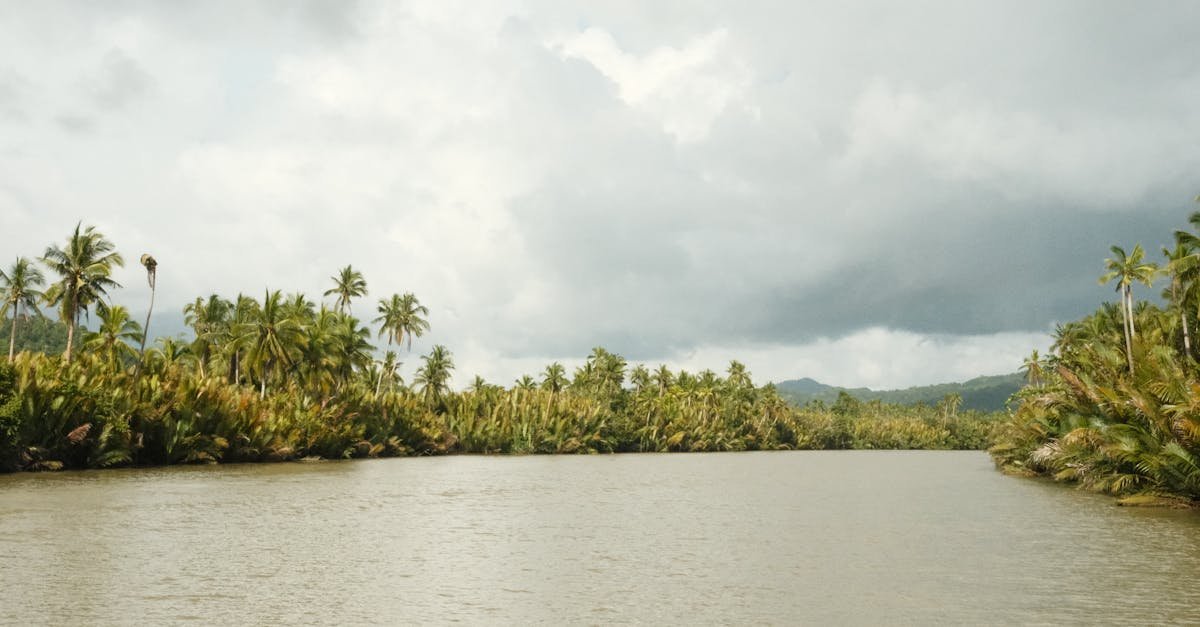
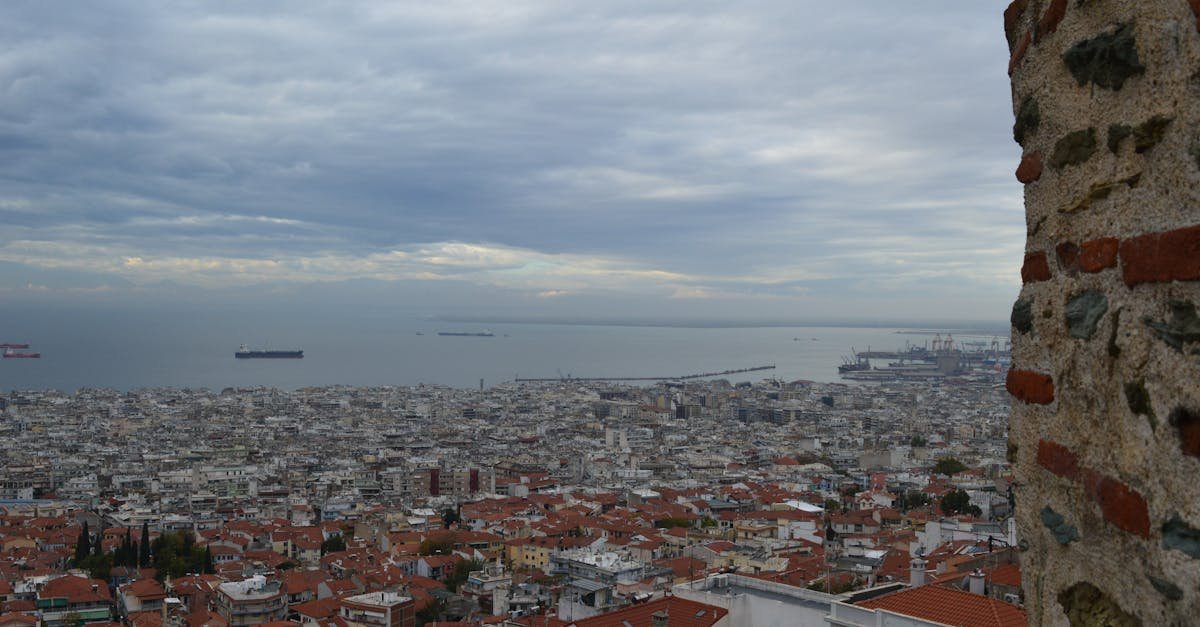
Cebu hits you with a warm blast of salt air, the smell of grilling pork, and the roar of tuk-tuks the moment you step off the plane. This elongated island at the heart of the Philippine archipelago is one of Southeast Asia's most varied destinations — a place where you can be knee-deep in a jungle waterfall at sunrise and clinking San Miguel beers on a white-sand beach by sundown. Cebu City buzzes with 400 years of Spanish colonial history pressed against glass towers and neon-lit night markets, while the island's southern and northern coastlines dissolve into a necklace of fishing villages, coral reefs, and sea caves. Few places in the Philippines pack this much geography into a single island.
Visiting Cebu rewards travellers who resist the urge to stay in one spot. Unlike Palawan, which asks you to pick between El Nido or Coron, or Boracay, which is essentially one beach with a party switch, things to do in Cebu span the full spectrum of outdoor adventure, history, and gastronomy. You can swim alongside the world's largest fish at Oslob, rappel into the turquoise gorge at Kawasan Falls, and surface next to a thresher shark at Malapascua — all without catching a single long-haul connecting flight. Add to this a food scene that legitimately rivals Manila's, a well-developed backpacker trail, and ferry connections to 30-odd nearby islands, and Cebu earns its reputation as the Philippines' all-in-one adventure base.
✦ Find your perfect destination
Is Cebu really your perfect match?
Answer 12 quick questions about your travel style, budget and dates — we match you with the destinations that fit you best, from 600+ worldwide.
Cebu delivers an extraordinary concentration of experiences for a budget that rarely exceeds €50 a day. The island is the Philippines' second-largest urban economy, meaning infrastructure — roads, ferries, ATMs, fast-food — is reliable without erasing the raw beauty just outside city limits. Cebu's reef systems are among the most biodiverse in the Coral Triangle, its canyoneering routes are world-class, and the culinary tradition of lechon de Cebu is internationally recognised as some of the finest roast pork on the planet. For adventure travellers, divers, food lovers, and anyone seeking an honest slice of Filipino culture, Cebu belongs firmly on the short list.
The case for going now: The Mactan-Cebu International Airport's expanded Terminal 2 now handles direct connections from more Asian hubs than ever before, cutting out Manila layovers entirely. Cebu's southern dive corridor around Moalboal has drawn raves from conservation divers after sardine runs hit record shoal sizes in recent seasons. The Philippine peso remains historically weak against the euro, making 2026 one of the most exceptional value windows the island has seen in a decade.
🦈
Whale Shark Swim
Slip into the warm shallows of Oslob and come face-to-face with butanding — whale sharks up to 12 metres long. An unmissable, bucket-list encounter available year-round.
🏞️
Kawasan Canyoneering
Traverse jungle gorges, jump off limestone cliffs, and float through electric-blue pools at Kawasan Falls. Cebu's most exhilarating half-day adventure draws thrill-seekers from across Southeast Asia.
🦈
Malapascua Diving
Malapascua island is one of the only places on earth with reliable daily thresher shark sightings. Early-morning dives at Monad Shoal deliver encounters with these elegant deep-water predators.
🏛️
Colonial Cebu City
Wander the oldest street in the Philippines, touch the Magellan's Cross, and explore Basilica del Santo Niño — 500 years of Spanish and pre-colonial history within a single walkable neighbourhood.
Cebu's neighbourhoods — where to focus
Historic Core
Downtown Cebu City
The oldest urban centre in the Philippines layers Spanish fortifications, Augustinian churches, and buzzing street markets into a compact grid. Colon Street — the country's oldest — connects heritage landmarks with chicharon stalls and everything in between. Dense, loud, and unapologetically alive.
Upscale Hub
IT Park & Lahug
Cebu's modern answer to Bonifacio Global City, this polished district mixes call-centre towers with rooftop bars, specialty coffee shops, and some of the island's finest restaurants. It's the go-to neighbourhood for a comfortable mid-range base within easy reach of the city's main ferry ports.
Beach Gateway
Mactan Island
Connected to the mainland by two bridges, Mactan is home to the international airport, a string of luxury beach resorts, and the Mactan Shrine marking Lapu-Lapu's famous 1521 victory over Magellan. It's the obvious first-night landing pad before you push deeper into the island.
Surfer & Diver Base
Moalboal
This scrappy west-coast town three hours south of Cebu City is the island's premier dive hub, famous for its resident sardine tornado and reef walls dropping to 40 metres. Panagsama Beach is lined with dive shops, cheap guesthouses, and open-air restaurants serving fresh catch at sunset.
Top things to do in Cebu
1. #1 Swim with Whale Sharks at Oslob
The whale shark interaction at Tan-awan, Oslob is the single most iconic activity in the Cebu itinerary, and it genuinely lives up to the hype. Boatmen guide you out to shallow water where butanding — the local name for whale sharks — have become habituated to morning feeding sessions. Snorkellers drift alongside creatures that dwarf the boat, their spotted backs gliding within arm's reach. The best time to visit Oslob for whale sharks is between 6 and 9 am, before crowds build. Conservation-conscious travellers should note the ongoing debate around the feeding practice and can opt for independent observation distance rather than the paid interaction. Combine the trip with a stop at nearby Tumalog Falls — a curtain waterfall hidden in a bamboo forest — to make a full-day excursion from Cebu City worth the four-hour round trip.
2. #2 Conquer Kawasan Canyoneering
The Kawasan Falls canyoneering route is Cebu's most physically demanding and visually spectacular experience, threading through a series of gorges carved into the western mountains above the town of Badian. Guides lead groups along river channels, over cliff jumps ranging from two to ten metres, and through waist-deep aquamarine pools before arriving at the jaw-dropping three-tiered Kawasan Falls itself. The full route takes four to five hours and requires basic swimming ability — no prior canyoneering experience is needed. Local tour operators based in Moalboal run the most reliable guided trips, typically departing at 7 am to beat the afternoon heat. Book one day in advance during peak season. This ranks among the best things to do in Cebu for adrenaline seekers and is regularly cited as one of the top adventure experiences in the Philippines.
3. #3 Dive Malapascua for Thresher Sharks
A tiny teardrop of white sand off the northern tip of Cebu, Malapascua island is revered in global dive circles for one specific reason: Monad Shoal, a submerged seamount where thresher sharks arrive reliably every morning to be cleaned by wrasse fish. Dive boats leave shore at 5 am to be on the seamount at first light, typically encountering two to five threshers on a single dive. Beyond threshers, Malapascua's house reef is rich with mandarin fish, ghost pipefish, and frogfish — making it a world-class macro photography destination. The crossing from Maya Port on Cebu's northern coast takes 30 minutes by outrigger bangka. Accommodation on the island is simple but charming, with several guesthouses right on the beach. Plan a minimum of two nights to maximise your shark encounters.
4. #4 Explore Cebu City's Colonial Heart
Cebu City is the oldest continuously settled city in the Philippines, and its downtown core holds an extraordinary density of colonial heritage within easy walking distance. Start at the Basilica Minore del Santo Niño, which houses a revered image of the Child Jesus brought by Magellan in 1521 — one of the oldest Catholic relics in Asia. Next door stands Fort San Pedro, a triangular Spanish fortification dating to 1565, now converted into a garden and small museum. Magellan's Cross sits inside an octagonal kiosk across the street, its ceiling painted with scenes from the Spanish conquest. The nearby Carbon Market is one of the Philippines' largest public markets, a sensory overload of tropical fruit, dried fish, and street food. The entire heritage loop takes two to three hours and is free or near-free — an ideal first morning in Cebu before heading for the beach.
What to eat in Central Visayas — the essential list
Lechon Cebu
Cebu's crowning culinary achievement — a whole pig slow-roasted over charcoal until the skin shatters like toffee. Unlike Manila lechon, the Cebu version needs no liver sauce; the meat is seasoned with lemongrass, garlic, and spring onions from the inside out.
Sutukil
A uniquely Cebuan dining concept combining three cooking styles: sugba (grilled), tuwa (souped), and kilaw (raw-cured). Order fresh fish and tell your cook how you want it — best experienced at the Lapu-Lapu City Sutukil strip along the Mactan seafront.
Kinilaw
Cebu's answer to ceviche: raw yellowfin tuna or tanigue mackerel cured in native coconut vinegar, ginger, chillies, and calamansi. The result is bracingly acidic and clean — a perfect accompaniment to cold San Miguel beer on a beach afternoon.
Ngohiong
A Cebu street-food staple of Chinese-Hokkien origin: a crispy spring roll filled with spiced pork and water chestnuts, eaten with a sweet-salty soy dipping sauce. Sold from carts outside schools and markets all day, they cost around ten pesos each.
Puso (Hanging Rice)
Diamond-shaped parcels of rice woven from coconut leaves and boiled until fragrant. Puso are Cebu's portable carbohydrate of choice, sold beside every lechon stall. The weaving technique is a local craft passed between generations in Cebu's villages.
Dried Mangoes
Philippine mangoes are considered among the world's sweetest, and Cebu's dried mango industry has turned this into a nationally exported product. Tangy, chewy, and intensely fruity — they make the definitive Cebu pasalubong (homecoming gift) to carry back to Europe.
Where to eat in Cebu — our top 4 picks
Fine Dining
Abaca Restaurant
📍 Mactan Newtown Boulevard, Lapu-Lapu City, Cebu
Cebu's most celebrated fine-dining room, Abaca pairs Asian-Mediterranean plates with a wine list that would embarrass Manila. The tasting menu changes with local catches, and the open-air terrace overlooks a private beach strip. Reserve at least three days ahead during peak season.
Fancy & Photogenic
Ibiza Beach Club
📍 Buyong Road, Maribago, Lapu-Lapu City, Cebu
White sunbeds, electric-blue pool, and a Mediterranean-inflected menu make Ibiza Beach Club the most Instagrammed dining spot in Cebu. The paella and fresh-catch ceviche are genuinely excellent, and the sunset cocktail hour draws a well-dressed Cebu expat crowd.
Good & Authentic
Rico's Lechon
📍 Don Gil Garcia Street, Capitol Site, Cebu City
The definitive address for lechon de Cebu — a no-frills canteen where whole roasted pigs sit gleaming behind glass counters. Rico's has fed everyone from Anthony Bourdain to provincial governors. Order by the kilo, add puso on the side, and eat with your hands.
The Unexpected
La Vie Parisienne
📍 Pope John Paul II Avenue, Cebu City
A French bakery-bistro run by a Cebuano-French family that has been producing croissants, quiche Lorraine, and café au lait since the 1990s. The unlikely contrast of buttery Parisian pastries served alongside a view of a jeepney-packed Cebu boulevard is thoroughly charming.
Cebu's Café Culture — top 3 cafés
The Institution
Bo's Coffee
📍 Ayala Center Cebu, Archbishop Reyes Avenue, Cebu City
Born in Cebu in 1996, Bo's Coffee is the Philippines' proudest homegrown coffee chain, built on single-origin beans from Benguet and Mt. Apo. The Ayala flagship is a reliable air-conditioned refuge with solid pour-overs and local barako espresso blends that convert most European visitors.
The Aesthetic Hub
Café Georg
📍 Gorodo Avenue, Lahug, Cebu City
Cebu's most design-conscious café, where exposed concrete, Scandinavian-influenced furniture, and careful lighting create the kind of space you linger in for hours. The filter coffee programme is serious, the egg toast is near-perfect, and the clientele is a mix of architects, creatives, and remote workers.
The Local Hangout
Sugbo Mercado
📍 IT Park, Apas, Cebu City
Not strictly a café, but Cebu's best night market gathering — a weekly pop-up of food stalls, craft beer tents, and artisan coffee carts inside IT Park every Thursday to Sunday evening. The communal tables fill with young Cebuanos sharing lechon pizza, dirty ice cream, and cold brew.
Best time to visit Cebu
Jan
Feb
Mar
Apr
May
Jun
Jul
Aug
Sep
Oct
Nov
Dec
Peak Season (Jan–Apr) — dry, sunny, calm seas; ideal for diving, whale sharks & beachShoulder Season (Nov–Dec) — quieter crowds, occasional showers, good diving still availableWet Season (May–Oct) — afternoon rains, rougher seas in typhoon months; budget deals abound
Cebu events & festivals 2026
Whether you're planning around a specific celebration or simply want to know what's happening, this guide covers the best events and festivals in Cebu — from major annual traditions to cultural highlights worth timing your trip around.
January 2026religious
Sinulog Festival
The grandest festival in Cebu — and one of the Philippines' most spectacular — takes place every third Sunday of January in Cebu City. One million costumed devotees parade through the streets honouring the Santo Niño, making it essential on any Cebu itinerary for January.
February 2026culture
Cebu International Dragon Boat Festival
Teams from across Asia race traditional dragon boats along the Mactan channel in February, drawing large crowds to the Cebu shoreline. The festive atmosphere, street food vendors, and nighttime celebrations make it one of the
March 2026culture
Pasko sa Sugbo Cebu Arts Festival
A month-long celebration of Cebuan visual arts, music, and street performance staged across heritage sites in downtown Cebu City. Local sculptors, painters, and theatrical groups transform the plazas around Basilica del Santo Niño into open-air galleries through March.
April 2026religious
Semana Santa (Holy Week) Processions
Cebu's Catholic parishes stage elaborate Holy Week processions through colonial streets during April, with centuries-old religious icons carried by candlelight. The Boljoon and Argao processions in southern Cebu are particularly atmospheric and draw devout visitors from across Visayas.
May 2026culture
Kadaugan sa Mactan Festival
Celebrated on 27 April each year, this re-enactment of the Battle of Mactan honours Lapu-Lapu's 1521 victory over Magellan on the beach near Mactan Shrine. Actors in period costumes stage the sea battle aboard traditional bangka, drawing large crowds along the Mactan waterfront.
June 2026music
SunStar Cebu Oktoberfest
Cebu's summer music and beer festival brings live bands, local breweries, and food stalls together in various outdoor venues across Cebu City during June. Local indie acts and cover bands perform nightly, making it a favourite with young Cebuanos and visiting backpackers alike.
August 2026culture
Cebu Food & Wine Festival
Celebrating Cebu's undeniable culinary reputation, this annual August event gathers the island's top chefs, lechon masters, and craft producers for tastings, cooking demos, and market stalls across Cebu City. It's an unmissable event for food travellers visiting Cebu in August.
September 2026market
Cebu Trade Fair (Cebu X)
The Philippines' largest regional trade and lifestyle expo lands at the Cebu International Convention Center each September, showcasing Cebuan crafts, food products, fashion, and design. It's the best place to buy authentic Cebu dried mangoes, rattan goods, and local handicrafts directly from producers.
November 2026culture
Cebu Pop Music Festival
Running since the 1980s, this original Cebuan songwriting competition takes place at the Cebu Capitol grounds each November, celebrating original OPM (Original Pilipino Music) compositions. The multi-night event draws tens of thousands to celebrate a genuinely local music tradition that predates Manila's pop scene.
December 2026culture
Cebu Christmas Village at Ayala
The Philippines is famous for the world's longest Christmas season, and Cebu leans into it hard — the Ayala Center transforms into a decorated village from December 1st with light shows, carolling competitions, and Noche Buena market stalls selling local holiday foods and gifts throughout the festive month.
Guesthouse dorm, street food meals, local jeepney transport, and free or cheap snorkelling from shore.
€€ Mid-range
€35–70/day
Private guesthouse room, sit-down restaurants, guided tours, and one or two scuba dives daily.
€€€ Luxury
€100+/day
Beachfront resort in Mactan, private island day trips, fine dining at Abaca, and chartered bangka excursions.
Getting to and around Cebu (Transport Tips)
By air: Cebu's Mactan-Cebu International Airport (IATA: CEB) is the Philippines' second busiest airport, with direct connections to Singapore, Hong Kong, Kuala Lumpur, Tokyo, Seoul, and Dubai. European travellers typically connect through one of these Asian hubs, with Singapore Airlines and Cathay Pacific offering the smoothest routings. Budget carriers AirAsia and Cebu Pacific cover the extensive regional network.
From the airport: The airport sits on Mactan Island, roughly 12 kilometres from Cebu City's downtown. Metered taxis from the official taxi rank cost around ₱300–450 (€5–8) to central Cebu City. Grab (the dominant ride-hailing app in the Philippines) is available outside the terminal zone and typically costs 20–30% less. Airport buses run to SM City Cebu for under ₱100. Arrange your Grab ride before exiting the arrivals hall to avoid tout pressure at the kerb.
Getting around the city: Within Cebu City, jeepneys are the cheapest and most authentic way to get around, with flat fares of ₱13–20 per journey along fixed routes. Grab motorbike (GrabBike) taxis are excellent for short hops and cost as little as ₱40. For day trips south to Oslob or Moalboal, air-conditioned buses depart from South Bus Terminal every 30 minutes from 5 am. For Malapascua, catch a north-bound bus from North Bus Terminal to Maya Port, then a bangka.
Transport Safety & Scam Prevention:
Unmetered Taxis at the Airport: Drivers outside the official taxi line at Cebu airport frequently quote flat rates five times higher than metered fares. Always use the metered queue inside the terminal, or book a Grab from the arrivals concourse before stepping outside.
Oslob Tour Price Inflation: Hotel desks and travel agents in Cebu City charge heavy commissions on Oslob whale shark tours. Going directly to the South Bus Terminal and booking the municipal boat at Tan-awan cuts the cost by 50%. The experience is identical — no middleman premium needed.
Tricycle Price Gouging in Small Towns: Tricycle drivers in towns like Moalboal and Oslob often quote tourist prices ten times the local rate. Ask your guesthouse what a fair fare is before you hop on, or agree on the price in writing before the trip begins to avoid disputes on arrival.
Do I need a visa for Cebu?
Visa requirements for Cebu depend on your nationality. Select your passport below for an instant answer — based on the Passport Index dataset for entry into Philippines.
ℹ️ Indicative only. Always verify with the official consulate before booking. Data: Passport Index, April 2026.
For detailed requirements, documentation checklists and processing times by nationality: TravelDoc →
Search & Book your trip to Cebu
Find the best flight routes and hotel combinations using our partner Kiwi.com.
Frequently Asked Questions
Is Cebu safe for tourists?
Cebu is generally safe for tourists, particularly in established visitor areas like Mactan, the IT Park district of Cebu City, Moalboal, and Malapascua island. Petty theft — bag snatching on busy streets, opportunistic theft at markets — is the most common risk and is easily managed with basic awareness. Avoid displaying expensive cameras or jewellery in crowded downtown areas, particularly around Carbon Market at night. The Philippines' Department of Tourism advises standard urban precautions, and most travellers complete their Cebu visit without any safety incident whatsoever. Solo female travellers report feeling comfortable in tourist areas, though evening transport via Grab rather than walking is advisable.
Can I drink the tap water in Cebu?
Tap water in Cebu is not considered safe to drink directly. Even locals typically drink bottled or purified water. Large 5-litre refill stations are available in every neighbourhood for around ₱15, making this affordable and environmentally preferable to buying single-use plastic bottles constantly. All reputable restaurants and guesthouses serve purified water, and ice in established venues is made from purified sources. Brush your teeth with bottled water if you have a sensitive stomach during your first few days of adjusting to the local environment.
What is the best time to visit Cebu?
The best time to visit Cebu is between January and April, when the dry northeast monsoon delivers clear skies, calm seas, and ideal conditions for diving, whale shark swimming, and beach days. January is peak season — coinciding with the massive Sinulog Festival — and should be booked well in advance. March and April offer the same weather with noticeably fewer crowds and better availability on accommodation. May to October brings the wet season, with afternoon downpours and rougher sea conditions, though diving at Malapascua and Moalboal remains possible. November and December are comfortable shoulder months with occasional showers and excellent value on accommodation.
How many days do you need in Cebu?
A minimum of 7 days is needed to experience Cebu's headline attractions without rushing: two days in and around Cebu City, one day for Oslob whale sharks, one day for Kawasan canyoneering, two days in Moalboal for diving, and a day trip to Malapascua. Ten days is the ideal Cebu itinerary if you want to add Bantayan Island, Osmeña Peak, and multiple dives at Malapascua for the thresher sharks. Budget travellers who want to truly absorb the island — including its slower southern fishing villages and northern hill towns — find that two weeks is comfortable and thoroughly worthwhile given the low daily cost.
Cebu vs Palawan — which should you choose?
Cebu and Palawan attract different types of travellers. Palawan, specifically El Nido and Coron, is unmatched for dramatic limestone karst scenery, lagoon island hopping, and UNESCO-protected wilderness — it's the choice for pure natural beauty and a more remote island experience. Cebu, by contrast, offers greater variety within a single island: colonial history, urban nightlife, world-class diving, canyoneering, and whale shark encounters all accessible without domestic flights. Cebu has better infrastructure, more budget accommodation, and more reliable transport. If you have ten days and can't decide, Cebu rewards travellers who want to do more; Palawan rewards those who want to see more. First-time Philippines visitors with diverse interests almost always prefer the Cebu experience.
Do people speak English in Cebu?
English is an official language of the Philippines and is spoken to an excellent standard across Cebu. School instruction from elementary level is conducted in English, making Cebu one of the most accessible destinations in Southeast Asia for English-speaking European travellers. In Cebu City, Mactan, Moalboal, and Malapascua, you will encounter no communication barriers whatsoever — menus, signs, tour briefings, and guesthouse interactions are all conducted naturally in English. Even in small fishing villages in southern Cebu, younger residents typically communicate comfortably in English. This linguistic accessibility is one of Cebu's most underrated travel advantages compared to Thailand or Vietnam.
★ Hidden Gems Weekly
Like this? One place per week, in your inbox.
No spam, no fluff — just one underrated destination, every Tuesday.
Hand-picked and verified by Max, who founded Vacanexus from Luxembourg in 2026. No sponsorships, no paid placements. Every recommendation — restaurants, neighbourhoods, things to do — is selected for authenticity over popularity.