Chiang Rai Travel Guide — Where surreal temples meet ancient borderlands
⏱ 11 min read📅 Updated 2026💶 € Budget✈️ Best: Jan–Apr
€20–45/day
Daily budget
Jan–Apr
Best time
3–5 days
Ideal stay
THB
Currency
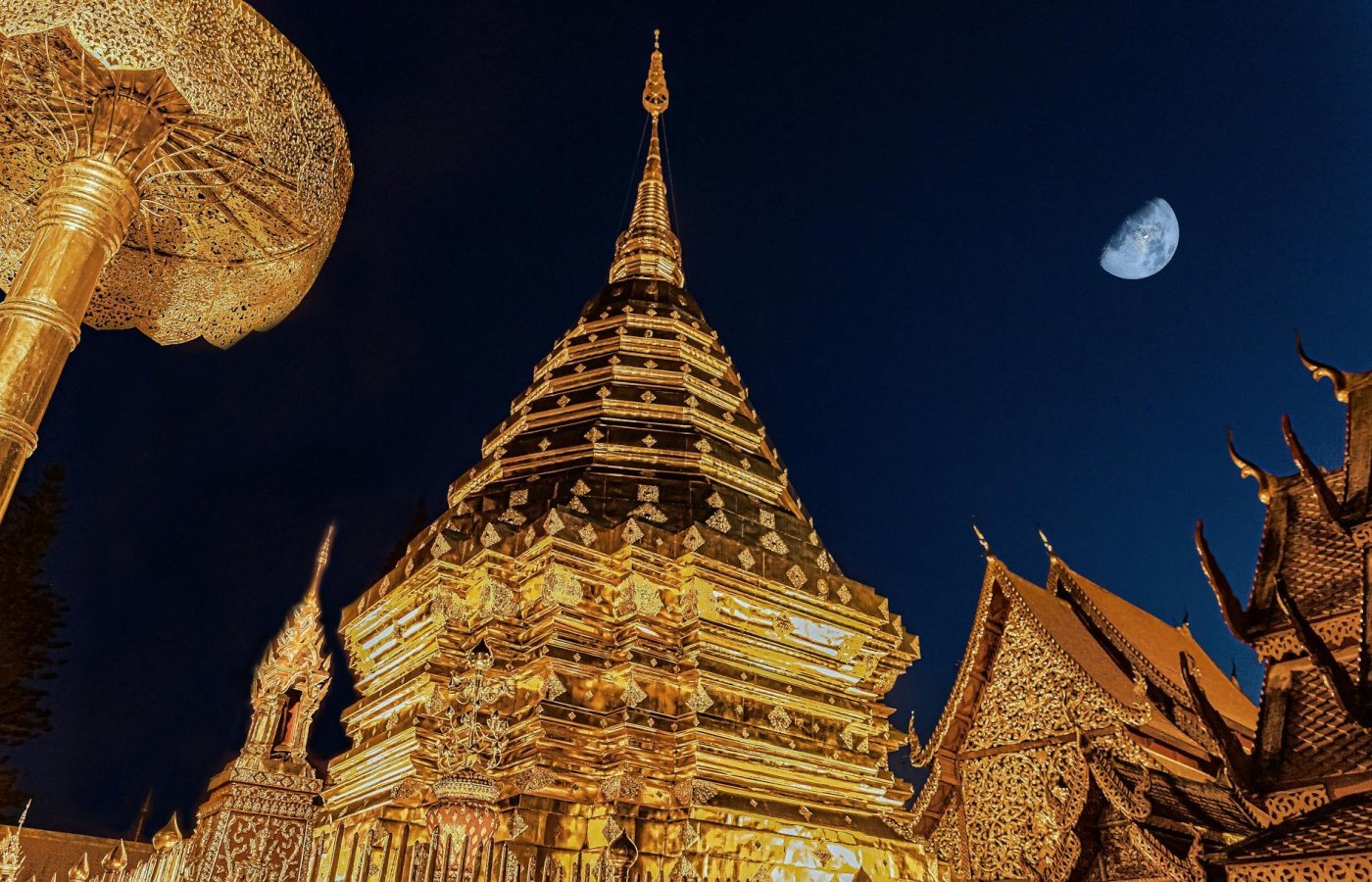
Chiang Rai greets you with incense smoke curling past mosaic-sheathed temple walls, mountain air sharp with the scent of freshly brewed Akha hill tribe coffee, and roads that ribbon northward into forested highlands few tourists ever reach. This compact northern Thai city is home to the Wat Rong Khun — better known as the White Temple — a dazzling contemporary masterpiece that looks lifted from a fever dream. Market stalls spill over with dragon fruit and sticky rice, tuk-tuks rattle past gilded gateways, and the Kok River shimmers beneath wooden bridges that link old quarter to new. Chiang Rai is smaller and quieter than its famous neighbour Chiang Mai, yet it delivers concentrated wonders that reward the curious traveller at every turn.
Visiting Chiang Rai means standing at the geographical crossroads of Southeast Asia, where Thailand, Laos and Myanmar converge at the legendary Golden Triangle. Things to do in Chiang Rai range from exploring elaborately decorated temples — the Blue Temple, the Black House museum — to trekking through Akha, Karen and Lahu villages in the hills above the Mekong River. Compared with the polished tourist infrastructure of Chiang Mai, Chiang Rai feels refreshingly unscripted: guesthouses are run by families, coffee is single-origin and shade-grown, and local night markets still cater primarily to Thai visitors rather than international crowds. This combination of accessibility, authenticity and affordability makes a Chiang Rai itinerary one of the most rewarding in all of Northern Thailand.
✦ Find your perfect destination
Is Chiang Rai really your perfect match?
Answer 12 quick questions about your travel style, budget and dates — we match you with the destinations that fit you best, from 600+ worldwide.
Chiang Rai punches far above its weight for a city of just 70,000 people. The White Temple alone justifies the journey — it is one of the most visually inventive religious buildings in the world, designed by artist Chalermchai Kositpipat and still under construction, meaning every visit reveals something new. But Chiang Rai is far more than a single attraction: the Golden Triangle offers genuine historical depth, and the surrounding mountains conceal highland communities preserving centuries-old weaving traditions, farming practices and spiritual ceremonies. Daily budgets remain among the lowest in Thailand, making Chiang Rai ideal for travellers who want quality without expense.
The case for going now: Chiang Rai's long-awaited new international airport expansion, completed in phases through 2024 and 2025, has added direct connections from several Asian hubs, cutting journey times significantly. The city's specialty coffee scene — built on beans grown by former opium-farming hill tribe communities — is gaining international recognition, attracting food-focused travellers before mass tourism arrives. Visit now while guesthouses stay family-run, temple grounds stay crowd-free by 8 a.m., and daily costs remain exceptionally low.
🏛️
White Temple Wonder
Wat Rong Khun's mirrored exterior blazes in the morning sun, its bridge of reaching hands and immaculate white spires creating a spectacle unlike any temple in Asia. Arrive early to beat coach tours.
🌿
Hill Tribe Trekking
Trek through bamboo forests to Akha, Karen and Lahu villages where traditional craftsmanship, silver jewellery and distinct animist ceremonies offer a window into Northern Thailand's remarkable ethnic diversity.
☕
Akha Coffee Culture
Sip single-origin arabica grown at high altitude by Akha hill tribe farmers, served in atmospheric cafés along Chiang Rai's Sankhong Lane — a specialty coffee scene that rivals Chiang Mai at a fraction of the price.
🛶
Golden Triangle Cruising
Board a longtail boat at the confluence of the Ruak and Mekong rivers where Thailand, Laos and Myanmar meet. The slow river drift past golden Burmese pagodas and riverside villages is unforgettable.
Chiang Rai's neighbourhoods — where to focus
Old Quarter Heart
City Centre & Night Bazaar
Chiang Rai's compact city centre clusters around the Night Bazaar and the historic Wat Phra Singh. Guesthouses, family restaurants and street-food carts sit cheek by jowl with travel agencies. The Walking Street on Saturdays transforms Thanalai Road into a lively open-air market of handicrafts, grilled meats and live folk music — the best introduction to local life.
Bohemian Coffee Strip
Sankhong Lane
This leafy lane southeast of the city centre has quietly become Northern Thailand's most interesting specialty coffee corridor. Independent roasters, art galleries and plant-filled terraces attract a young Thai creative crowd. The pace is slow, the lattes are exceptional, and the local ceramics sold in adjoining workshops make perfect lightweight souvenirs for the discerning traveller.
River & Ruins
Kok River Waterfront
Running along the northern edge of town, the Kok River waterfront offers evening boat trips, cycling paths and laid-back riverside restaurants serving northern Thai khantoke dinners. The area around the Bridge of Thong district is quieter than the bazaar, popular with Thai families, and frames the mountains of Myanmar in a painterly dusk panorama.
Border Country
Chiang Saen & Golden Triangle
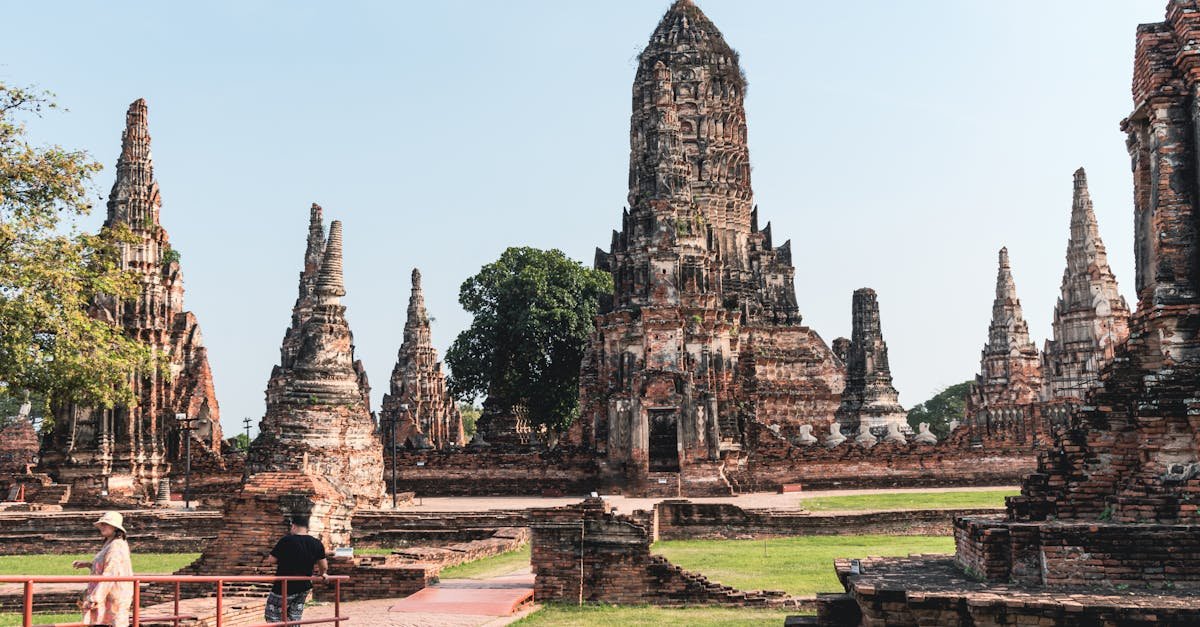
About 60 km north of Chiang Rai city, the ancient walled town of Chiang Saen preserves crumbling Lanna-era chedis and a museum beside the Mekong. The nearby Golden Triangle viewpoint at Sop Ruak lets you gaze simultaneously into three countries. This area rewards a full day trip, best combined with a longtail boat river cruise or sunset at the hilltop Hall of Opium museum.
Top things to do in Chiang Rai
1. Explore the White Temple at Dawn
Wat Rong Khun — universally known as the White Temple — is perhaps the single most photogenic building in Thailand, and visiting it in early morning light is a genuinely transformative experience. Artist and architect Chalermchai Kositpipat began construction in 1997 using his own funds, and the temple remains a living artwork, with new sections added every few years. The main building's surface is entirely encrusted with white plaster embedded with millions of mirrored glass pieces that catch sunlight and create an effect both blinding and sacred. Cross the bridge of sculpted hands representing souls in purgatory, pass through the Gate of Heaven, and step inside a ubosot whose ceiling murals controversially depict Star Wars characters, superheroes and aeroplanes alongside traditional Buddhist imagery. Arrive before 8 a.m. on weekdays to experience the grounds in near-solitude. The on-site golden restroom pavilion — an intentional satirical counterpoint to the white temple — is itself an Instagram landmark. Entry costs roughly 100 baht, making it one of the best-value attractions in all of Northern Thailand.
2. Cross Three Borders at the Golden Triangle
The Golden Triangle is the point where the Ruak River meets the Mekong, forming the simultaneous border of Thailand, Laos and Myanmar — a confluence steeped in the history of the opium trade that once made this region infamous across the world. Today the riverbanks are peaceful, the most dramatic remnants of that era preserved beautifully in the Hall of Opium museum near Sop Ruak, which is well worth the 200 baht entry fee for its thoughtful exploration of how the region transitioned from narcotic economy to coffee and tourism. Take a longtail boat from the Thai bank for a 30-minute loop past Laotian villages and a giant golden Buddha seated on the opposite shore. The boat trips cost around 60 baht per person and include a brief stop at a floating Lao market — a slightly tourist-oriented experience, but the river views are genuine and spectacular. The best time to visit the Golden Triangle as part of a Chiang Rai itinerary is late afternoon, when the Mekong turns gold and the mountains of Myanmar glow amber.
3. Visit the Blue Temple and Black House
Wat Rong Suea Ten — the Blue Temple — opened in 2016 and offers a striking visual counterpoint to Chiang Rai's famous white counterpart. Its interior is covered floor to ceiling in deep cobalt blue and gold leaf, with an enormous white Buddha seated amid dragon sculptures and intricate murals that blend Lanna, Burmese and Chinese artistic traditions. The temple receives far fewer visitors than Wat Rong Khun despite being arguably more impressive inside. Entry is free. A 20-minute drive north brings you to Baan Dam — the Black House — a complex of 40 dark teak buildings created by National Artist Thawan Duchanee over several decades. Unlike the White Temple's aspirational purity, the Black House wallows in bones, animal skins and primordial darkness — a meditation on death and earthly desire that feels genuinely unsettling and profoundly thought-provoking. The contrast between visiting these two Chiang Rai landmarks in a single day offers one of the most intellectually rich art experiences anywhere in Southeast Asia.
4. Trek to Hill Tribe Villages
The mountains north and west of Chiang Rai city are home to several distinct ethnic minority groups — including the Akha, Karen, Lahu and Yao — who have inhabited these highlands for centuries and maintain traditions distinct from lowland Thai culture. Ethical trekking operators based in Chiang Rai offer one- to three-day treks that visit villages practicing traditional weaving, silver smithing and subsistence farming, with overnight stays in simple wooden homestays that put money directly into community hands. Responsible operators can be identified by their membership in the Mae Fah Luang Foundation's sustainable tourism network. The best treks combine jungle hiking with visits to working tea or coffee plantations, where guides — often from the hill tribe communities themselves — explain how crop substitution programmes transformed former poppy fields into specialty arabica gardens. A one-day guided trek including transport and a home-cooked lunch typically costs around 1,200 to 1,500 baht — one of the most rewarding ways to spend money while visiting Chiang Rai.
What to eat in Northern Thailand's Lanna Kingdom — the essential list
Khao Soi
Northern Thailand's signature dish: egg noodles in a rich, coconut-curry broth topped with crispy fried noodles, shallots, pickled mustard and a squeeze of lime. Chiang Rai's version tends to be lighter and less sweet than Chiang Mai's.
Sai Ua (Northern Pork Sausage)
Coarsely ground pork sausage packed with lemongrass, kaffir lime, galangal and dried chillies, then grilled over charcoal. Every market stall and roadside barbecue in Chiang Rai sells its own recipe, and the variations are endlessly nuanced.
Naem Prik Ong
A slow-cooked relish of minced pork, tomatoes, dried chilies and fermented soybean paste, served warm with fresh cucumber, blanched vegetables and crispy pork rinds for dipping. This is Northern Thai comfort food at its most satisfying.
Khanom Jin Nam Ngeow
Fermented rice noodles in a tomato-based pork broth flavoured with fermented soybean cake, dried chilies and blood tofu — a distinctly Northern Thai preparation that tastes nothing like central Thai noodle dishes and rewards adventurous eaters.
Akha Arabica Coffee
Shade-grown at 1,200 metres by Akha hill tribe farmers, processed using washed and natural methods, then roasted small-batch in Chiang Rai's cafés. The resulting cup — bright, fruity, floral — is among the best in Southeast Asia.
Mango Sticky Rice
Sweet glutinous rice cooked in coconut milk, served beside slices of ripe Nam Dok Mai mango and drizzled with coconut cream. Chiang Rai's night market vendors often add a sprinkle of sesame seeds and a pinch of salt that elevates the classic.
Where to eat in Chiang Rai — our top 4 picks
Fine Dining
Teak Garden Restaurant
📍 620 Phahonyothin Rd, Chiang Rai
Set in a restored teak house amid a lush garden, Teak Garden serves elevated Lanna cuisine — slow-braised pork ribs in tamarind, blue butterfly pea rice, and a magnificent khantoke set dinner spread. The presentation is refined without abandoning authentic Northern Thai flavours.
Fancy & Photogenic
Baan Chivit Mai Bakery
📍 169/1 Kohklang Rd, Rim Kok, Chiang Rai
Perched on the Kok River bank with sweeping mountain views, this social enterprise bakery funds local children's education. Croissants, European-style cakes and excellent single-origin coffee are served on a terrace that photographs beautifully at golden hour. The cause and the coffee are both worth celebrating.
Good & Authentic
Lung Eed Locol Food
📍 Wiang, Mueang Chiang Rai District
A tiny, no-frills shophouse beloved by Chiang Rai locals for its flawless khao soi and incendiary laab moo — minced pork salad with toasted rice powder, lime and fresh herbs. Queue early or expect to wait. Meals rarely exceed 80 baht and consistently rival anything in the region.
The Unexpected
Cabbages & Condoms Chiang Rai
📍 620/25 Thanalai Rd, Chiang Rai
The Northern Thailand outpost of Thailand's most memorably named restaurant chain, founded by population-health activist Mechai Viravaidya. Good Thai food in an eccentric garden decorated with condom art, with profits funding rural health programmes. An oddly enjoyable dinner with genuine social impact.
Chiang Rai's Café Culture — top 3 cafés
The Institution
Akha Ama Coffee
📍 59/1 Sankhong Lane, Chiang Rai
Founded by Lee Ayu Chuepa of the Akha hill tribe, this pioneering café sources beans directly from his home village of Maejantai at 1,400 metres. The pourover filter coffee is exceptional, the interiors are warm wood and natural light, and every purchase supports the farming community directly.
The Aesthetic Hub
Doi Chaang Coffee
📍 Phahonyothin Rd, Chiang Rai city centre
The original Chiang Rai outpost of Northern Thailand's most internationally recognised coffee brand, co-owned by Akha farmers from Doi Chaang village. The white-washed interiors and curated merchandise make it a design-forward experience, while the estate-grown single-origin espresso drinks are reliably delicious.
The Local Hangout
Aye's Café
📍 Sankhong Lane, Wiang, Chiang Rai
A relaxed neighbourhood spot on Sankhong Lane popular with university students and young creatives, serving cold brew, fruit sodas and Thai tea alongside toasted sandwiches. The mismatched vintage furniture, vinyl records and hand-lettered menus give it an unpretentious creative energy distinct from the polished specialty chains.
Best time to visit Chiang Rai
Jan
Feb
Mar
Apr
May
Jun
Jul
Aug
Sep
Oct
Nov
Dec
Best Season (Jan–Apr) — Cool, dry and clear with excellent visibility for temple visits and trekkingShoulder Season (Nov–Dec) — Freshly washed landscapes after rains, cooler evenings, fewer touristsOff-Season (May–Oct) — Hot then rainy, jungle lush but trails muddy; some roads impassable
Chiang Rai events & festivals 2026
Whether you're planning around a specific celebration or simply want to know what's happening, this guide covers the best events and festivals in Chiang Rai — from major annual traditions to cultural highlights worth timing your trip around.
January 2026culture
Chiang Rai Flower Festival
One of the The cool-season timing ensures perfect weather for outdoor celebrations and photography around the decorated temple grounds.
February 2026culture
Chiang Rai Lychee & Coffee Fair
Northern Thailand's hill tribe coffee farmers and lychee growers gather at this annual agricultural fair near the city centre. Visitors can taste freshly processed single-origin coffees, purchase highland produce directly from growers, and watch traditional Akha and Lahu cultural performances on the main stage.
February 2026religious
Makha Bucha Day
A major Buddhist public holiday marked across Thailand, with Chiang Rai's temples hosting candlelit circumambulation ceremonies at dusk. Wat Phra Kaew and Wat Rong Khun draw particularly atmospheric crowds of worshippers carrying candles and incense — a moving and photographically beautiful evening event.
April 2026culture
Songkran Water Festival
Thailand's most exuberant holiday transforms Chiang Rai's streets into a city-wide water fight for three days in mid-April. The festivities here have a more local, community feel than in Bangkok or Chiang Mai, with traditional sand chedi building at temple grounds alongside the good-natured soaking.
May 2026religious
Visakha Bucha Day
Commemorating the Buddha's birth, enlightenment and death, this evening ceremony at Chiang Rai's major temples involves candlelit processions and merit-making. The White Temple and Wat Phra Singh are particularly atmospheric destinations for witnessing how Northern Thai communities honour this sacred occasion.
July 2026religious
Asanha Bucha & Khao Phansa
The beginning of Buddhist Lent sees Chiang Rai's monks retreat into their temples for three months of intensive meditation. Ceremonies include candlelit parades and offerings of robes and provisions to monasteries, offering visitors rare insight into the rhythms of Northern Thai monastic life.
September 2026culture
Golden Triangle Art & Culture Week
An annual showcase of the ethnic minority arts traditions of the tri-border region, held in Chiang Rai with exhibitions of Akha silverwork, Yao embroidery, Karen weaving and Lahu musical instruments. Workshops allow travellers to try traditional craft techniques under guidance from hill tribe artisans.
October 2026culture
Ork Phansa & Boat Races
The end of Buddhist Lent is celebrated on the Kok River with illuminated longtail boat races, fireworks and riverside food stalls. The best Chiang Rai festivals of the autumn season, the races draw enormous local crowds and provide spectacular evening photography opportunities from the Kok River bridges.
November 2026culture
Loy Krathong Festival
Chiang Rai celebrates the full-moon festival of light by releasing thousands of paper lanterns into the night sky alongside banana-leaf floats on the Kok River. The spectacle in Northern Thailand is considered among the most beautiful in the country, particularly viewed from the riverside park.
December 2026market
Chiang Rai Winter Market
A seasonal night market running through December celebrating Northern Thailand's cool-season produce, handicrafts and highland coffee. Farmers from Doi Chang and Doi Tung bring freshly harvested beans, while hill tribe vendors sell embroidered textiles, silver jewellery and handmade ceramics at excellent prices.
Guesthouse dorm or fan room, street food, motorbike rental and free temple entry cover most costs.
€€ Mid-range
€30–65/day
Boutique guesthouse with pool, restaurant meals, guided day trips and specialty coffee at comfortable pace.
€€€ Luxury
€90+/day
Riverside resort, private trekking guide, fine dining khantoke dinners and premium coffee plantation tours.
Getting to and around Chiang Rai (Transport Tips)
By air: Chiang Rai International Airport (CEI) receives direct flights from Bangkok's Suvarnabhumi and Don Mueang airports via Thai AirAsia, Thai Lion Air and Nok Air, with flight times of approximately 75 minutes. From Chiang Mai, the journey by bus or shared van takes three to four hours and costs a fraction of the airfare, making ground travel a popular choice for travellers already in Northern Thailand.
From the airport: Chiang Rai airport sits just 8 km north of the city centre. Metered taxis charge approximately 150–200 baht for the 15-minute ride. Red songthaew shared trucks depart the airport forecourt for around 40 baht per person when shared. Several guesthouses offer free pick-up for advance bookings. Ride-hailing apps including Grab operate reliably at the airport and are recommended over unmarked taxis.
Getting around the city: Chiang Rai's compact city centre is easily walkable, but red songthaews — shared pick-up trucks running fixed routes — are the most popular local transport at 20–30 baht per ride. Motorbike rental from guesthouses costs around 200–250 baht per day and unlocks the surrounding temples and countryside independently. Tuk-tuks are available for short trips and should be fare-negotiated before boarding. Bicycle rental is available at several guesthouses for 60–80 baht daily.
Transport Safety & Scam Prevention:
Negotiate Tuk-Tuk Fares First: Unlike Bangkok, Chiang Rai's tuk-tuks do not use meters. Always agree a price before boarding and expect to pay 60–100 baht for short city journeys. Drivers outside the Night Bazaar and train station sometimes quote double the fair rate for tourists.
Use Grab for Airport Transfers: The Grab app operates in Chiang Rai and provides fixed, transparent pricing for airport transfers and cross-city journeys. This eliminates fare negotiation entirely and is typically 10–20% cheaper than flagging unlicensed private cars near tourist areas.
Check Songthaew Destinations Carefully: Shared red songthaews follow loose routes rather than fixed schedules, and drivers may redirect to commission-paying shops on the way to tourist temples. Confirm your destination clearly in advance and decline unsolicited detours to jade shops or travel agencies.
Do I need a visa for Chiang Rai?
Visa requirements for Chiang Rai depend on your nationality. Select your passport below for an instant answer — based on the Passport Index dataset for entry into Thailand.
ℹ️ Indicative only. Always verify with the official consulate before booking. Data: Passport Index, April 2026.
For detailed requirements, documentation checklists and processing times by nationality: TravelDoc →
Search & Book your trip to Chiang Rai
Find the best flight routes and hotel combinations using our partner Kiwi.com.
Frequently Asked Questions
Is Chiang Rai safe for tourists?
Chiang Rai is one of the safest destinations in Southeast Asia for independent travellers. Violent crime against tourists is extremely rare, and the city has a relaxed, friendly atmosphere with a strong community feel. The main risks are typical of any tourist area: petty theft in crowded markets, motorbike accidents on mountain roads, and occasional overcharging at unlicensed taxis. Female solo travellers generally report feeling comfortable throughout the city and on organised treks. The Golden Triangle border area is entirely safe to visit as a day trip, with no security concerns for travellers remaining on the Thai side.
Can I drink the tap water in Chiang Rai?
Tap water in Chiang Rai is not safe to drink untreated. All hotels and guesthouses provide complimentary filtered drinking water, and bottled water is available everywhere for around 7–10 baht per litre. To reduce plastic waste, consider carrying a filtered water bottle — brands like LifeStraw and LARQ work well in Thailand. Ice served in restaurants and cafés in tourist areas is generally machine-made from filtered water and safe to consume, though caution is advised at very remote rural food stalls.
What is the best time to visit Chiang Rai?
The best time to visit Chiang Rai is between November and April, with January through March representing the absolute peak of the cool dry season. During these months, daytime temperatures hover between 20–30°C, humidity is low, mountain roads are clear and visibility from highland viewpoints is exceptional. April brings Songkran celebrations and slightly warmer temperatures. May through October is the monsoon season: trails become muddy, some mountain roads flood, and smoke from agricultural burning can affect air quality in March and early April. November and December offer a pleasant shoulder season with greener landscapes after the rains.
How many days do you need in Chiang Rai?
A minimum of three days allows you to see Chiang Rai's headline attractions: the White Temple, Blue Temple, Black House and the Golden Triangle. However, five days is the ideal length for a proper Chiang Rai itinerary that includes a hill tribe trekking day trip, time to explore the coffee culture on Sankhong Lane, a full-day excursion to Chiang Saen and Mae Salong, and enough leisure to eat well and absorb the city's slower pace. Ten days enables deep exploration — overnight treks, Doi Tung Royal Villa, Mae Sai border market and the tea country of Doi Mae Salong. Most European travellers combine Chiang Rai with Chiang Mai as a one-two punch for Northern Thailand.
Chiang Rai vs Chiang Mai — which should you choose?
Chiang Mai and Chiang Rai offer genuinely different experiences and are best visited together rather than treated as alternatives. Chiang Mai is larger, more cosmopolitan and better set up for long-stay digital nomads, with a vast range of restaurants, cooking schools and yoga studios. Chiang Rai is smaller, quieter and more authentically Northern Thai, with superior temple architecture in the White and Blue Temples, a far less crowded Golden Triangle border region and a more intimate hill tribe trekking scene. If you only have time for one, Chiang Rai edges ahead on uniqueness — there is nowhere else on earth quite like the White Temple or the three-country Mekong confluence. Chiang Mai wins on comfort, nightlife and cooking class variety.
Do people speak English in Chiang Rai?
English proficiency in Chiang Rai is generally good in tourist areas, with guesthouse staff, tour operators, restaurant owners on the main tourist strips and cafe workers typically comfortable conversing in English. Outside the city centre — in local markets, songthaew drivers and rural areas — communication relies more on smiles, pointing and translation apps. Google Translate's camera function works well for Thai menus. Learning a handful of Thai phrases such as 'khob khun krap/kha' (thank you) and 'tao rai' (how much?) goes a long way in building goodwill with locals throughout Northern Thailand.
★ Hidden Gems Weekly
Like this? One place per week, in your inbox.
No spam, no fluff — just one underrated destination, every Tuesday.
Hand-picked and verified by Max, who founded Vacanexus from Luxembourg in 2026. No sponsorships, no paid placements. Every recommendation — restaurants, neighbourhoods, things to do — is selected for authenticity over popularity.