Corfu Travel Guide — The Ionian Island That Does Everything Right
⏱ 11 min read📅 Updated 2026💶 €€ Mid-Range✈️ Best: Apr–Sep
€50–120/day
Daily budget
Apr–Sep
Best time
5–7 days
Ideal stay
EUR (€)
Currency
Corfu greets you with a scent that no other Greek island quite replicates — wild oregano, sea salt and the faint sweetness of four million olive trees stirred by an Ionian breeze. The island's north coast reveals impossibly turquoise coves flanked by limestone cliffs, while the south opens into long sandy beaches backed by dunes and eucalyptus groves. Venetian campaniles rise above terracotta rooftops in Corfu Town, their bells mingling with the chatter of espresso drinkers in colonnaded arcades. Corfu is lush in a way that shocks visitors expecting Aegean aridity — its rainfall-fed interior stays green well into summer. This is a Greek island that operates on an altogether more cinematic scale.
Visiting Corfu means inhabiting an island shaped by six centuries of Venetian rule, then briefly by the French and British, leaving an architectural and culinary fingerprint unlike anything on the Cyclades or Dodecanese. Things to do in Corfu range from wandering UNESCO-listed Corfu Town at dawn to renting a small boat and vanishing into sea caves near Paleokastritsa. Unlike the stripped-back minimalism of Santorini or the party circuit of Mykonos, Corfu layers genuine history onto world-class beaches and a surprisingly sophisticated food scene. It is quieter than Crete yet more varied than Zakynthos, offering first-time and returning visitors a continuously rewarding experience across a relatively compact geography.
✦ Find your perfect destination
Is Corfu really your perfect match?
Answer 12 quick questions about your travel style, budget and dates — we match you with the destinations that fit you best, from 600+ worldwide.
Corfu earns its place on any serious travel list through sheer variety compressed into a single island. A UNESCO World Heritage old town provides the cultural anchor, while a coastline of more than two hundred kilometres ensures that every beach type — sheltered pebble coves, broad sandy bays, dramatic cliff-backed inlets — is represented. Corfu's Venetian-influenced cuisine stands apart from mainland Greek cooking, and the island's road network opens a genuinely wild interior of Byzantine monasteries and hilltop villages to anyone willing to explore beyond the shoreline.
The case for going now: Corfu is experiencing a well-deserved reassessment among European travellers who once dismissed it as a 1980s package holiday destination. New boutique hotels have opened in restored Venetian mansions, direct flights from across northern Europe have multiplied, and the island's culinary scene has matured considerably. Visiting Corfu in 2026 means arriving just as quality rises but before prices reach the heights of more fashionable Ionian competitors.
🏰
Venetian Fortresses
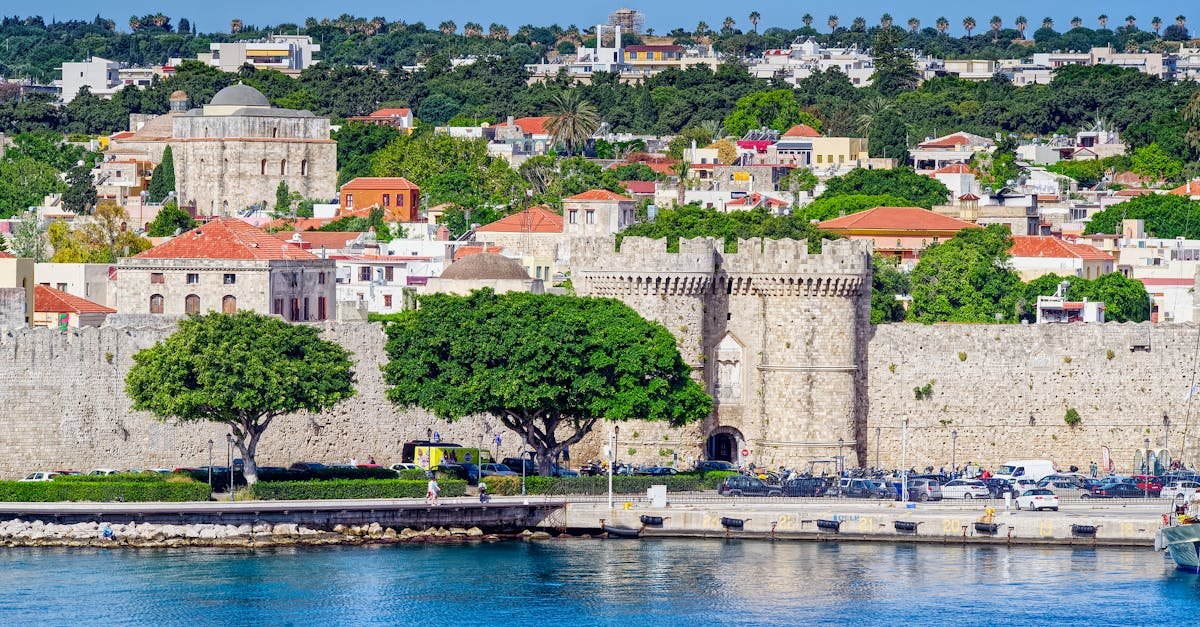
Corfu Town is guarded by two extraordinary Venetian fortifications built over three centuries. The Old and New Fortresses frame the town dramatically and offer sweeping panoramas across the Ionian Sea to the Albanian mountains.
🏖️
Hidden Cove Swimming
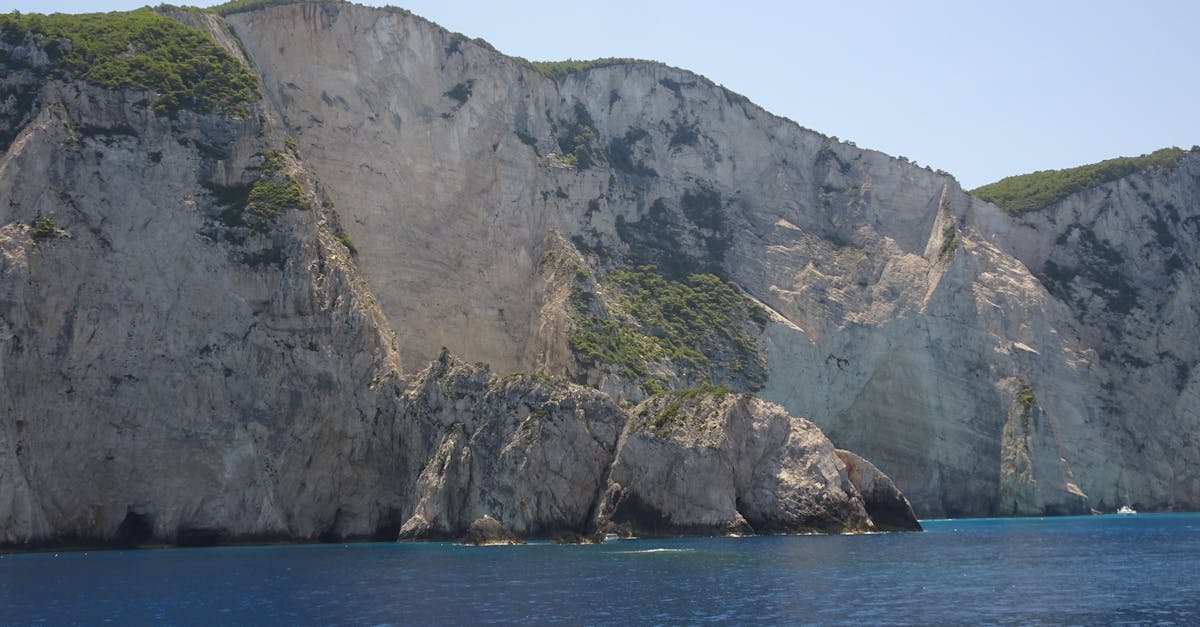
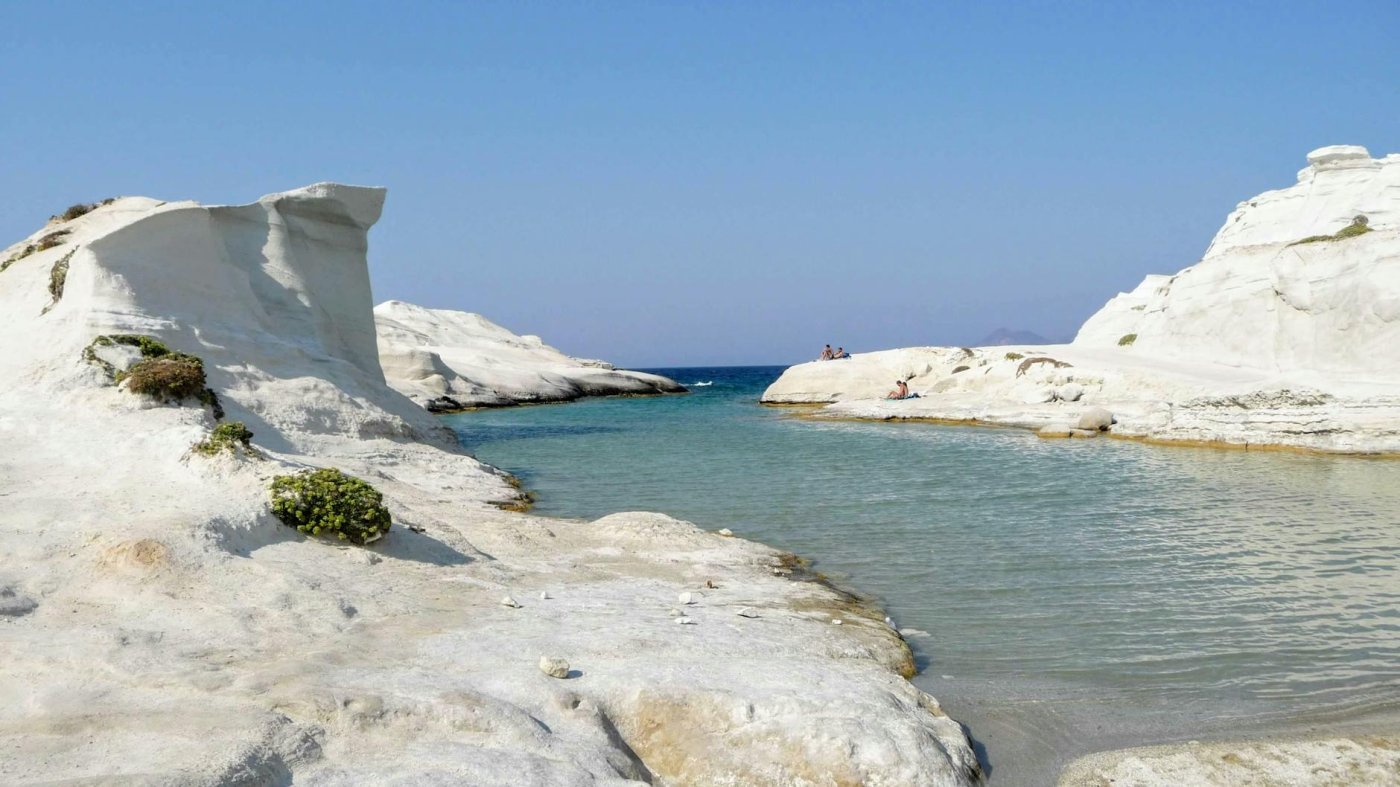
Corfu's northwestern coastline conceals a sequence of pebble coves accessible only by boat or steep footpath. Crystal-clear water and white limestone cliffs make spots like Limni Beach and Rovinia among the most photogenic in all of Greece.
🫒
Olive Grove Walks
The island's interior holds an ancient forest of gnarled olive trees — reportedly four million of them — planted during Venetian rule. Shaded walking trails wind through villages where locals still press their own oil each November.
🎭
Venetian Old Town
Corfu Town's UNESCO-listed Campiello quarter rewards slow exploration: Byzantine churches stand beside French-arcaded Liston promenades and Italian-style piazzas. Few places in Greece so completely blur the boundary between cultures and centuries.
Corfu's neighbourhoods — where to focus
Cultural Heart
Corfu Town (Kerkyra)
The island capital packs a UNESCO World Heritage old town, two Venetian fortresses, the grand Spianada square and a buzzing harborfront into a walkable historic core. Narrow Campiello alleys give way to elegant Liston arcades where locals sip coffee at all hours, making Corfu Town the natural base for any island stay.
Beach Village
Paleokastritsa
Clustered around six horseshoe bays on the northwest coast, Paleokastritsa is Corfu's most spectacular beach village. A 13th-century clifftop monastery crowns the headland, boat trips to sea caves depart all morning, and the water here reaches an almost implausible shade of deep turquoise on calm summer days.
Lively Resort
Sidari & the North
Sidari and its neighbours Roda and Acharavi anchor Corfu's lively northern resort strip, popular with British and German families. The Canal d'Amour rock formations at Sidari are a genuine natural curiosity, and the shallow, warm water here suits swimmers of all abilities throughout the long summer season.
Tranquil South
Benitses & Moraitika
The southern shore between Benitses and Moraitika offers a calmer rhythm than the busier north. Tavernas overhang the water on timber jetties, fishing boats still outnumber speedboats, and the long sandy sweep of Messonghi beach stretches almost without interruption — perfect for those who want Corfu without the crowds.
Top things to do in Corfu
1. Explore Corfu Town's Old Quarter
Corfu Town is the only place in Greece with a genuinely multi-layered European urban character, and wandering its streets remains the single most rewarding thing to do in Corfu. Begin at the Old Fortress, a Venetian stronghold built from the 15th century on a promontory separated from the town by an artificial canal. Cross into the Campiello neighbourhood before the tourist traffic builds and you will find yourself in a warren of six-storey Venetian tenements, Orthodox churches draped in bougainvillea and corner squares where old men play backgammon under plane trees. The Spianada — one of the largest squares in the Balkans — connects the fortress to the elegant Liston arcade, modelled on the Rue de Rivoli in Paris. End your morning at the Archaeological Museum, which houses the remarkable Gorgon Pediment recovered from a Temple of Artemis, one of the oldest Greek pediments ever discovered.
2. Take a Boat to Sea Caves
No Corfu itinerary is complete without a morning spent exploring the sea caves and hidden beaches accessible only from the water. The best departure point is Paleokastritsa, where local fishermen and small tour operators offer hourly boat rentals and guided cave excursions from around €15 per person. The caves near Paleokastritsa are dramatic — cathedral-like chambers where the sea glows cobalt blue from below — and the bays they connect are far quieter than anything reachable by road. For a longer adventure, charter a small motorboat from Corfu Town's harbour and follow the coast south to Mirtiotissa, a clothing-optional beach tucked below forested cliffs that writer Lawrence Durrell famously called the most beautiful beach in the world. Arriving by sea, with no crowds and the cliffs entirely to yourself, makes it easy to see why he thought so.
3. Drive the Green Interior
Renting a car or scooter and disappearing into Corfu's olive-green interior is an experience that separates real Corfu travellers from those who stay on the beach. The mountain village of Lakones above Paleokastritsa offers one of the island's finest viewpoints, looking down over the layered bays below. Continue to Krini for a visit to the ruined Byzantine fortress of Angelokastro, the seat of the island's medieval governors perched on a 160-metre sea cliff. The village of Pelekas is famous for a sunset viewpoint the Kaiser himself reportedly visited daily during his Corfu holidays, and the road between Pelekas and Sinarades passes through some of the most untouched olive grove scenery on the entire island. Pack a picnic from the central market in Corfu Town and make a full day of it.
4. Beach-Hop the Northwest Coast
The northwest coastline between Paleokastritsa and Agios Georgios Pagon concentrates Corfu's finest beach scenery into a stretch of coast that repays a full day of unhurried exploration. Agios Georgios (north) is a two-kilometre arc of sand backed by dunes and low tamarisk trees — reliably uncrowded even at the height of summer. Further north, the pebbly bay at Arillas attracts a laid-back, mixed crowd of Greek and international visitors and has several excellent family-run tavernas directly on the beach. Tiny Agios Stefanos on the very northwestern tip feels genuinely remote despite being reachable by road, and the sunsets here, facing directly west across open Ionian water towards Italy, are consistently spectacular. Loggas beach, below the clifftop village of Peroulades, has become famous for its sunset bars carved into the cliffside but is worth visiting earlier in the day when the water is at its clearest.
What to eat in the Ionian Islands — the essential list
Sofrito
Corfu's most emblematic dish: thin slices of veal pan-fried then slowly braised in a tangy white wine, garlic and parsley sauce. Uniquely Corfiote in character, sofrito owes its existence to centuries of Venetian culinary influence on the island.
Pastitsada
A rich, slow-cooked rooster or beef stew spiced with cinnamon and cloves, served over thick tubular macaroni pasta. The spice profile — entirely unlike mainland Greek cooking — is another clear legacy of Venetian and later Levantine trade routes through Corfu.
Bourdeto
A fiery fish stew made with scorpionfish or ray, cooked aggressively with red pepper and onion. Bourdeto has an almost confrontational heat by Greek standards and is best eaten at a harbour-front taverna in Corfu Town with cold white wine.
Kumquat Liqueur
Tiny Chinese kumquat trees were introduced to Corfu by the British in the 19th century and the island now produces its own distinct kumquat liqueur and preserves. The sweet-sour liqueur is sold everywhere but is worth buying directly from producers in the Nymfes village area.
Savoro
Fried small fish — typically whitebait or small sardines — preserved in a sweet-sour marinade of vinegar, raisins, rosemary and garlic. Savoro is a quintessential Corfu meze, best eaten at room temperature alongside a glass of local Robola white wine.
Noumboulo
Corfu's own cured pork loin, seasoned with pepper, allspice and local herbs then smoked over olive wood. Sliced thin and served as a starter, noumboulo is produced in small quantities by village butchers and appears on the best menus across the island.
Where to eat in Corfu — our top 4 picks
Fine Dining
Etrusco Restaurant
📍 Kato Korakiana, Corfu 491 00
Helmed by chef Ettore Botrini, Etrusco holds a Michelin star and has long been the flagship of Corfu's serious dining scene. The menu fuses Corfiote tradition with Italian elegance across a tasting format that showcases local fish, foraged herbs and the island's extraordinary olive oil. Booking weeks ahead is essential.
Fancy & Photogenic
Liston Restaurant & Bar
📍 Spianada Square, Corfu Town 491 00
Set directly beneath the French-built Liston arcades on Corfu Town's grandest square, this is one of the most theatrically beautiful settings for a meal in all of Greece. The kitchen keeps things classic — good grilled fish, well-executed mezedes — but the real draw is the view across the Spianada to the Old Fortress at golden hour.
Good & Authentic
To Dimarchio
📍 Plateia Dimarcheiou, Corfu Town 491 00
A beloved Corfu Town institution tucked into a small square opposite the old town hall, To Dimarchio has been serving honest Corfiote cooking for decades. Sofrito, pastitsada and bourdeto rotate on a handwritten daily menu priced well below what the quality warrants. The half-carafe of local white wine is non-negotiable.
The Unexpected
Rouvas Fish Taverna
📍 33 Solomou Street, Corfu Town 491 00
A no-frills lunchtime-only fish restaurant in the covered market district of Corfu Town, Rouvas draws a devoted local crowd who think little of queueing for its daily catch, grilled simply with olive oil and lemon. The fried courgette flowers and taramasalata are minor masterpieces and the bill will surprise you — pleasantly.
Corfu's Café Culture — top 3 cafés
The Institution
Café Liston
📍 Liston Arcade, Spianada, Corfu Town 491 00
Sitting at a marble-topped table under the Liston's painted arches and ordering a Greek coffee is a Corfu rite of passage that locals and visitors have shared since the 19th century. The coffee itself is strong and properly made, the people-watching is exceptional, and the setting under the French colonnades remains genuinely grand.
The Aesthetic Hub
Mikro Café
📍 42 Nikiforos Theotokis, Corfu Town 491 00
A narrow, design-conscious espresso bar tucked into one of Corfu Town's oldest streets, Mikro sources Greek single-origin beans, produces excellent flat whites and has built a loyal following among the island's young creative community. The interior balances exposed stonework and Scandinavian minimalism in a combination that photographs beautifully.
The Local Hangout
Nausika Café
📍 Paleokastritsa Village, Corfu 491 00
Perched above the main bay in Paleokastritsa, this unhurried family-run café serves excellent fresh orange juice, thick Greek yoghurt with local honey and decent filter coffee from a terrace with uninterrupted sea views. It opens reliably early, making it the ideal first stop before the morning boat trips fill up.
Best time to visit Corfu
Jan
Feb
Mar
Apr
May
Jun
Jul
Aug
Sep
Oct
Nov
Dec
Peak Season (May–Sep) — warm sea, full sunshine, all boat trips and beach bars operatingShoulder Season (Apr, Oct) — quieter beaches, lower prices, warm enough to swimOff Season (Nov–Mar) — green and moody, mild by Greek standards but many venues closed
Corfu events & festivals 2026
Whether you're planning around a specific celebration or simply want to know what's happening, this guide covers the best events and festivals in Corfu — from major annual traditions to cultural highlights worth timing your trip around.
January 2026religious
Feast of St Spyridon (Procession)
Corfu's patron saint Spyridon is commemorated four times yearly, with the January procession being the most solemn. The silver-clad reliquary is carried through Corfu Town's old quarter while the island's famous philharmonic bands play. Things to do in Corfu in January are few, making this unmissable.
February 2026culture
Corfu Carnival (Apokries)
One of the most elaborate carnivals in Greece, the Corfu Apokries features grand parades of satirical floats, masked revellers and the burning of the Carnival King effigy on the Spianada. The tradition blends Venetian masquerade influences with Greek Orthodox calendar customs in a way found nowhere else in the country.
April 2026religious
Corfu Orthodox Easter
Easter in Corfu is celebrated with extraordinary spectacle. On Holy Saturday morning, locals throw clay pots from their windows in a ritual unique to the island, while the midnight Resurrection liturgy in Corfu Town fills the streets with candlelight and philharmonic fanfares. Visiting Corfu at Easter is a profoundly memorable experience.
May 2026music
Corfu International Festival of Music
The annual music festival brings chamber orchestras, string quartets and solo recitalists to Corfu Town's historic venues, including performances inside the Old Fortress. The festival celebrates Corfu's deep musical heritage — the island claims to be the birthplace of modern Greek music — across a programme of classical and contemporary works.
June 2026culture
Durrell Summer Festival
Celebrating the literary legacy of Lawrence and Gerald Durrell, who both lived and wrote on Corfu during the 1930s, this June festival includes readings, film screenings, nature walks and talks by authors and naturalists. Events are staged across Corfu Town and at locations directly associated with the Durrell family's time on the island.
July 2026music
Ionian Summer Festival
Held across multiple Ionian island venues with Corfu as the central hub, this summer festival presents open-air concerts of classical, jazz and world music at the Old Fortress and the Mon Repos palace estate.
August 2026culture
Feast of the Assumption (Panagia)
August 15th is celebrated across Greece but Corfu marks the Feast of the Assumption with particular enthusiasm, especially in the village of Kassiopi where the Church of the Panagia holds special liturgical significance. Village festivals, outdoor dining and live music continue across the island throughout the entire week surrounding the feast day.
September 2026market
Corfu Agricultural & Food Fair
Held in early September as the summer season winds down, this fair showcases Corfu's celebrated agricultural products including kumquat preserves, noumboulo cured pork, local honey and the island's distinctive olive oils. Producers from across the island set up stands and offer tastings, making it an excellent introduction to Corfiote food culture.
October 2026culture
Ohi Day Celebrations
Greece's national Ohi Day on October 28th is marked in Corfu with student and military parades through the Spianada, wreath-laying ceremonies at war memorials and evening gatherings. Corfu's Ohi Day has particular historical resonance as the island was occupied during the Second World War, lending the commemorations genuine local weight.
November 2026religious
Feast of St Spyridon (November Procession)
The second major annual procession honouring Corfu's patron saint takes place in November, coinciding with the date of a plague outbreak the saint is credited with stopping. The philharmonic bands lead the silver reliquary through the old town in a ceremony that draws Corfiotes home from across Greece and the diaspora.
Hostel or simple room, market lunches, taverna dinners, local buses and beaches requiring no entrance fee.
€€ Mid-range
€70–120/day
Boutique hotel or apartment, restaurant dinners, car hire for a couple of days, boat trip excursions included.
€€€ Luxury
€180+/day
Restored Venetian villa or five-star resort, Etrusco tasting menu, private yacht charter, airport taxi transfers.
Getting to and around Corfu (Transport Tips)
By air: Corfu International Airport (CFU) receives direct flights from London, Amsterdam, Frankfurt, Paris and Vienna throughout the summer season, with dozens of European carriers operating routes from April through October. Year-round connections operate via Athens with Olympic Air and Sky Express, making Corfu accessible in winter to determined visitors.
From the airport: Corfu Airport sits just 3 kilometres south of Corfu Town, making transfers straightforward and inexpensive. The No. 15 public bus connects the airport to the town centre for around €2, running frequently during daylight hours. Taxis to Corfu Town cost approximately €15–20 and take under ten minutes. Most accommodation providers in Corfu Town can arrange a pick-up, and several car hire desks operate directly from the arrivals terminal.
Getting around the city: Corfu Town itself is best explored on foot, with the historic centre compact enough to walk end to end in twenty minutes. KTEL green buses connect the town to all major resorts and villages at low cost, though schedules thin out in the evening. Renting a car or scooter is strongly recommended for anyone wanting to explore Corfu's interior villages and northwest coast beaches — roads are generally good but narrow, and driving on Corfu rewards patience. Water taxis and small ferry boats serve the coastline between Corfu Town and several beach villages during summer.
Transport Safety & Scam Prevention:
Unmetered Airport Taxis: Some unofficial taxis at Corfu Airport quote inflated flat fares to unwary arrivals. Always agree the price before entering the vehicle, or use the clearly marked official taxi rank where metered fares apply. The correct fare to central Corfu Town is around €15.
Boat Trip Overcharging: At Paleokastritsa and Corfu Town harbour, boat trip prices are not always displayed. Ask the per-person rate and confirm what is included before boarding. Reputable operators provide life jackets and clearly state whether the price covers fuel for the entire trip or just a fixed route.
Scooter Damage Claims: A small number of scooter rental operators in Corfu resort areas photograph damage after rental and charge for pre-existing scratches. Before accepting any vehicle, photograph it thoroughly in good light and ensure the rental agreement notes existing damage — reputable firms in Corfu Town will do this as standard practice.
Do I need a visa for Corfu?
Visa requirements for Corfu depend on your nationality. Select your passport below for an instant answer — based on the Passport Index dataset for entry into Greece.
ℹ️ Indicative only. Always verify with the official consulate before booking. Data: Passport Index, April 2026.
For detailed requirements, documentation checklists and processing times by nationality: TravelDoc →
Search & Book your trip to Corfu
Find the best flight routes and hotel combinations using our partner Kiwi.com.
Frequently Asked Questions
Is Corfu safe for tourists?
Corfu is one of the safest destinations in the Mediterranean for tourists. Violent crime is extremely rare, and the island has a well-established tourism infrastructure that has been welcoming European visitors for decades. The main considerations are practical rather than security-related: keep valuables out of sight on busy beaches, be cautious on winding mountain roads especially on a scooter, and use sunscreen diligently during the intense July and August heat. Solo travellers, families and LGBTQ+ visitors all report feeling comfortable and welcomed across Corfu.
Can I drink the tap water in Corfu?
Tap water in Corfu is technically safe to drink and treated to EU standards, but most locals and visitors prefer bottled water due to occasional taste variations caused by the island's limestone geology. In Corfu Town hotels and restaurants, tap water is generally fine for brushing teeth and washing. Bottled water is cheap and available everywhere. In remote inland villages, water quality can vary, so bottled remains the safer choice when travelling away from the main tourist areas.
What is the best time to visit Corfu?
The best time to visit Corfu is May, June and September, when the island enjoys long sunny days, warm sea temperatures and significantly fewer crowds than peak July and August. The water reaches a swimmable temperature from late April onwards, which is earlier than most Aegean islands thanks to Corfu's more southerly position and the warming effect of the enclosed Ionian Sea. April offers the greenest landscapes and the lowest prices of the summer season. July and August bring reliable sunshine but also the highest visitor numbers, busiest beaches and hottest temperatures. October remains mild and pleasant for those who prefer a quiet Corfu.
How many days do you need in Corfu?
Five to seven days is the ideal amount of time to spend in Corfu for most visitors. This allows two to three days in and around Corfu Town, a full day exploring Paleokastritsa and the northwest coast, a day driving the interior villages and at least one beach day dedicated purely to swimming and relaxing. A two-day Corfu weekend trip is possible and worthwhile — focus entirely on the old town and Paleokastritsa — but feels rushed. Ten days allows for a genuinely deep exploration including the far north around Kassiopi, the quiet south coast, Vidos Island and some of the hidden interior olive-grove walking trails that most visitors never discover.
Corfu vs Zakynthos — which should you choose?
Corfu and Zakynthos are both excellent Ionian islands but appeal to noticeably different travellers. Corfu wins on culture, history and variety: the UNESCO old town, Venetian fortresses, lush interior, diverse coastline and sophisticated food scene make it the more rounded destination for those who want more than a beach holiday. Zakynthos offers the dramatic blue-water Navagio shipwreck beach — one of the most iconic images in Greece — and cleaner sightlines to the open sea, but its old town was largely destroyed in a 1953 earthquake. Choose Corfu if you want history, food culture and landscape variety alongside the beach. Choose Zakynthos if a single spectacular beach experience is your primary goal.
Do people speak English in Corfu?
English is spoken widely and confidently throughout Corfu, particularly in Corfu Town, resort areas and any establishment connected to tourism. The island has hosted British visitors since the 19th century — Britain administered Corfu from 1815 to 1864 — and this long relationship has embedded English deeply into the local culture. Restaurant menus, transport signs and tourist information are almost universally available in English. In remote inland villages and at the central food market in Corfu Town, some older residents may have limited English, but pointing and patience work perfectly well, and most younger Corfiotes are comfortable in English from school education.
★ Hotel guide
Where to stay in Corfu
7+ hand-picked hotels across luxury, mid-range and budget — verified by Max.
Hand-picked and verified by Max, who founded Vacanexus from Luxembourg in 2026. No sponsorships, no paid placements. Every recommendation — restaurants, neighbourhoods, things to do — is selected for authenticity over popularity.