Corsica Travel Guide — France's wildest island — where granite peaks meet impossible blue
⏱ 12 min read📅 Updated 2026💶 €€€ Comfort✈️ Best: Apr–Sep
€120–250/day
Daily budget
Apr–Sep
Best time
7–14 days
Ideal stay
EUR (€)
Currency
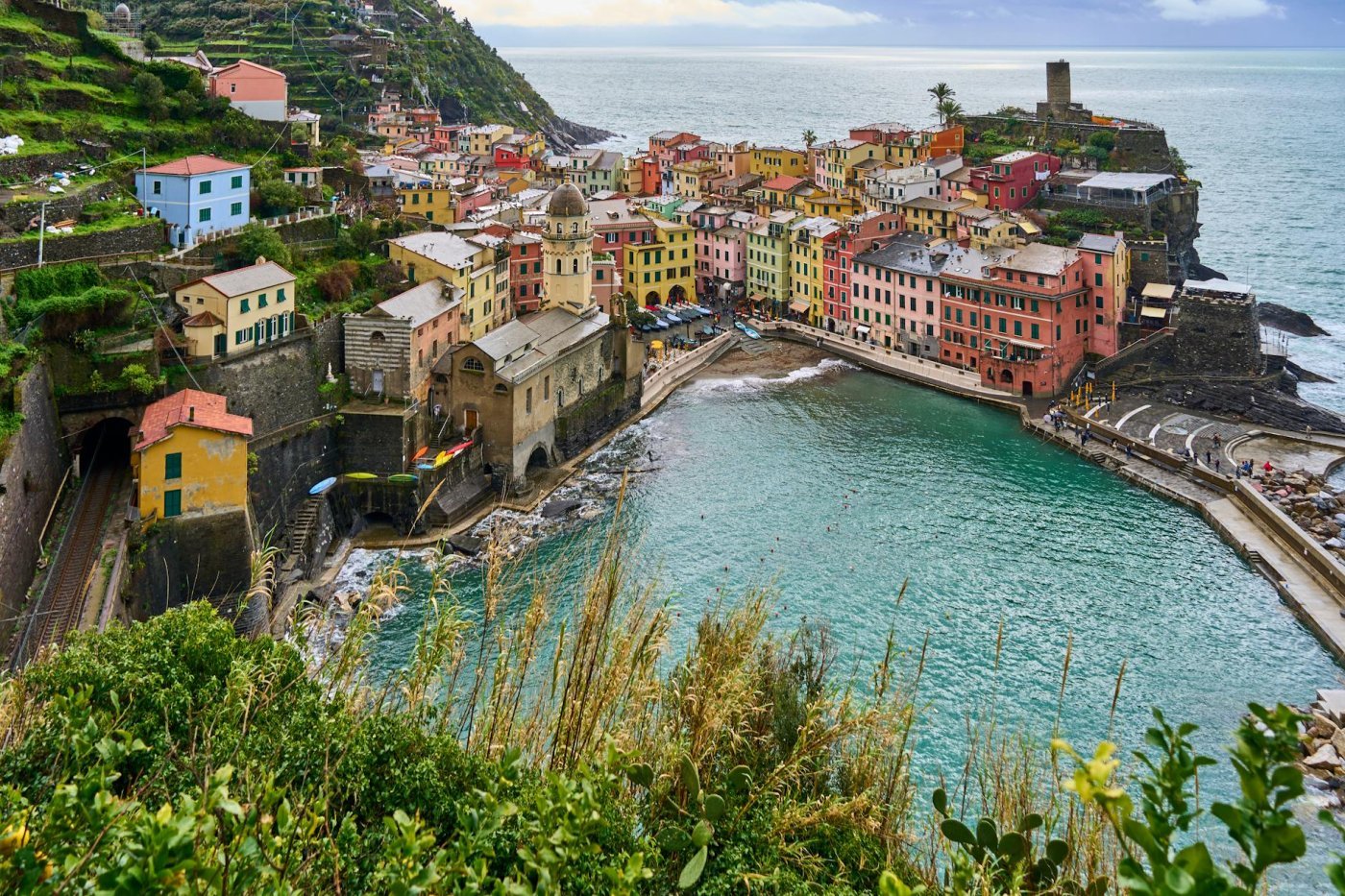
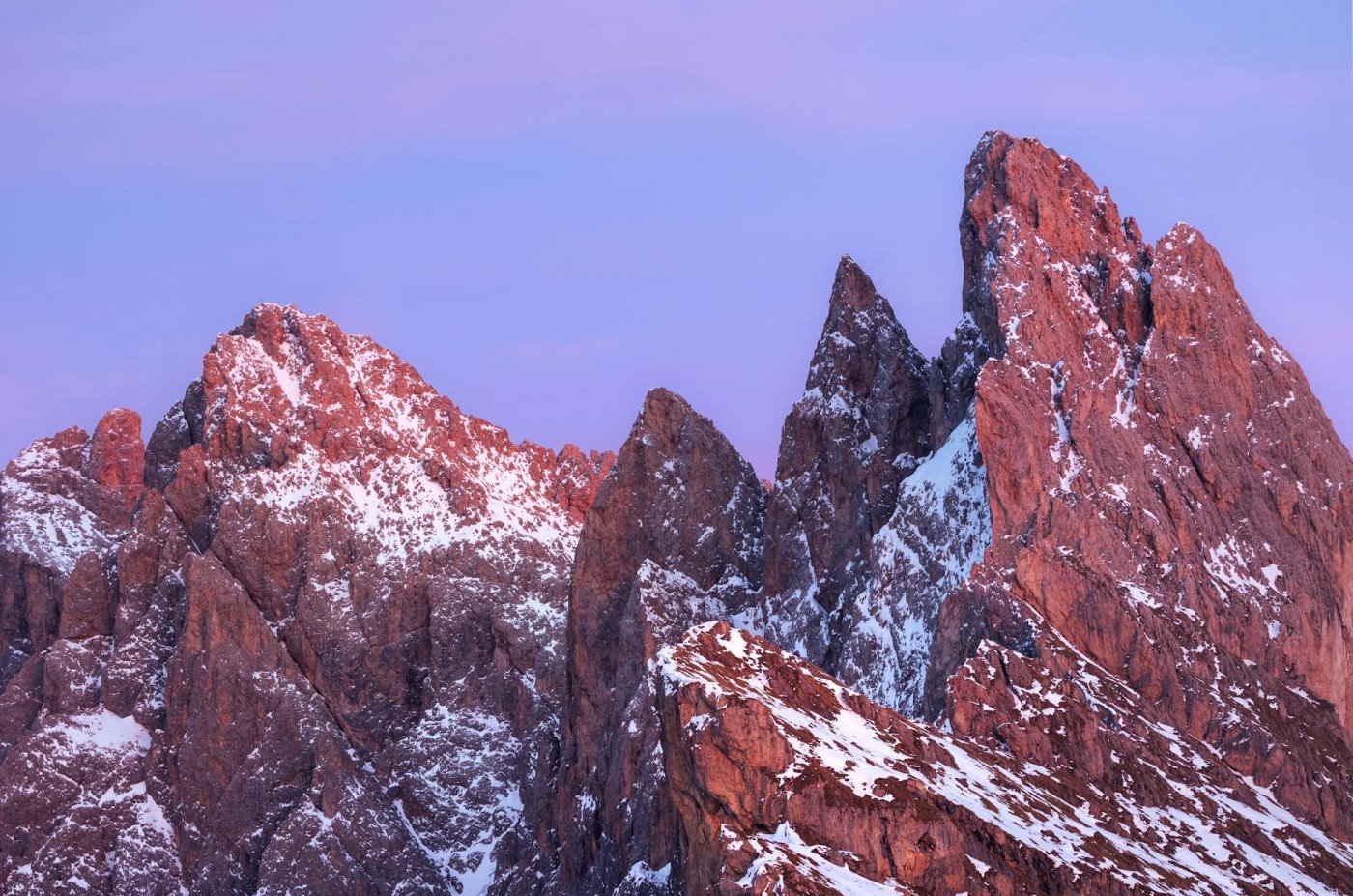
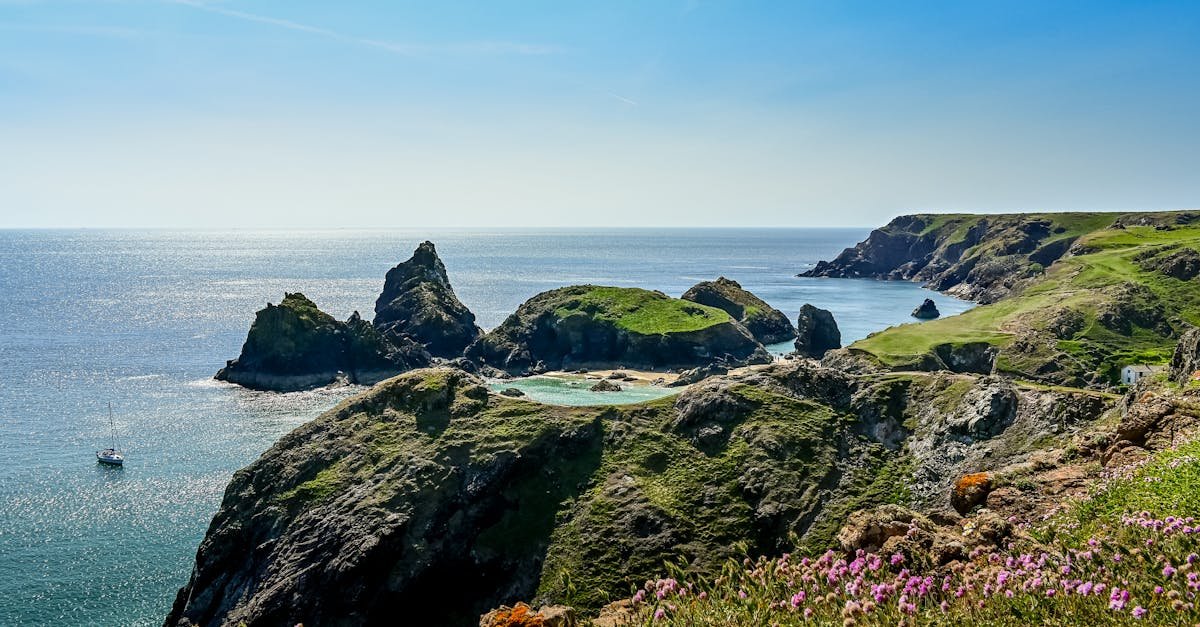
Corsica hits you like a wall of wild herbs — the maquis scrubland releases its rosemary and immortelle the moment you step off the ferry into warm Mediterranean air. The island's granite peaks, some exceeding 2700 metres, rise so abruptly from the shoreline that you can swim in crystalline turquoise water and gaze up at snowcapped ridgelines simultaneously. Known in French as the Île de Beauté, Corsica rewards patience: hidden coves accessible only by boat, chestnut-shaded mountain villages where time moves in seasons rather than minutes, and a cuisine so rooted in the wild landscape that every bite tastes unmistakably of somewhere specific. This is not a manicured resort island — it is a living, breathing wilderness framed by a sea that seems to have been coloured by an overambitious artist.
Visiting Corsica sets it apart immediately from its Mediterranean neighbours. While Sardinia competes on beaches and Majorca on nightlife, things to do in Corsica tip decisively toward the elemental: epic multi-day treks, canyon swims, artisan cheese cellars, and cliff-top Genoese towers watching over impossibly empty bays. A Corsica itinerary can be as punishing as the legendary GR20 — Europe's most demanding long-distance trail — or as languorous as a rosé-soaked afternoon at a port-side table in Bonifacio. The island's fierce cultural identity, its Corsican language posted on road signs above the French, its charcuterie from semi-wild pigs foraging in oak forests, and its prickly sense of independence from mainland France give every visit an edge that polished tourist resorts simply cannot replicate.
✦ Find your perfect destination
Is Corsica really your perfect match?
Answer 12 quick questions about your travel style, budget and dates — we match you with the destinations that fit you best, from 600+ worldwide.
Corsica belongs on your travel list because it refuses to be ordinary. The island packs the ecological diversity of an entire continent into 8722 square kilometres: ancient Laricio pine forests, high-altitude lakes glowing emerald between granite boulders, and beaches whose sand shifts from white to rose-pink depending on the cove. Corsica's villages — Sartène, Sant'Antonino, Evisa — are not reconstructed for tourism but genuinely lived in, their stone streets smelling of woodsmoke and chestnut flour. The UNESCO-listed Gulf of Porto, the spectral Calanques de Piana, and the dune corridor of the Desert des Agriates offer landscapes that feel prehistoric. Add a wine culture built on Nielluccio and Vermentino grapes, and Corsica becomes an embarrassment of natural and cultural riches.
The case for going now: Corsica is having a significant infrastructure moment without yet sacrificing its wild character. New sustainable hiking circuits, improved ferry connections from Marseille, Nice, and Livorno, and a growing wave of eco-lodges and agriturismo-style chambres d'hôtes mean the island is easier to navigate than it was a decade ago. Post-pandemic visitor numbers rebounded strongly, but Corsica still has far fewer crowds than Sardinia or the Balearics in shoulder season, making April through June and September a genuinely uncrowded, excellent-value window for visiting.
🥾
GR20 Trekking
Europe's toughest long-distance trail crosses Corsica from Calenzana to Conca across 180 kilometres of granite ridges, alpine lakes, and pine forest. Even completing a single stage delivers overwhelming reward.
🏖️
Secret Coves
From the rose-tinged sands of Palombaggia to the wild dunes of Saleccia reachable only by boat, Corsica's beaches rank among Europe's finest and remain blissfully uncrowded outside August.
🏰
Citadel Towns
Bonifacio perches on sheer white limestone cliffs above the Strait, while Calvi's Genoese citadel glows amber at sunset. Both reward slow evenings with local Cap Corse aperitifs and harbour views.
🌊
Canyon Swimming
The Gorges de la Restonica and the Gorges du Tavignano offer guided canyoning through sculpted granite pools of startling clarity, one of the most visceral things to do in Corsica's interior.
Corsica's neighbourhoods — where to focus
Capital & Culture
Ajaccio
Napoleon's birthplace is Corsica's largest city and its cosmopolitan anchor. The old port hums with café life, the covered market overflows with brocciu cheese and charcuterie, and the Musée Fesch houses one of France's most underrated Italian painting collections. Ajaccio is the ideal gateway before heading into the island's wilder interior.
Clifftop Drama
Bonifacio
Built on a blade of white limestone above the Strait separating Corsica from Sardinia, Bonifacio is the island's most dramatic town. Its medieval citadel streets are just wide enough for two people passing, and the views from the King of Aragon staircase cut vertically into the cliff face are completely vertiginous and unforgettable.
Beach & Citadel
Calvi
Northwestern Calvi combines a magnificent Genoese citadel rising above a six-kilometre arc of white sand with a genuinely relaxed resort atmosphere. The port area fills with yachts in summer but never feels overwhelming. It is also the trailhead for the GR20's northern variant and the gateway to the isolated Balagne hill villages inland.
Wild & Untouched
Porto-Vecchio & Alta Rocca
Porto-Vecchio serves as the southern gateway to Corsica's finest beaches — Palombaggia and Santa Giulia — while the Alta Rocca hinterland immediately above it contains prehistoric standing stones at Filitosa, chestnut forests, and the dramatically positioned village of Zonza. The contrast between coast and interior here is more compressed than anywhere else on the island.
Top things to do in Corsica
1. #1 Walk a GR20 Stage
The GR20 is the defining experience of visiting Corsica and one of Europe's greatest long-distance trails, traversing the island's mountainous spine across approximately 180 kilometres divided into 16 stages. You do not need to commit to the full two-week crossing — single stages between refuges are spectacular in their own right. The northern section between Calenzana and Vizzavona is wilder and more technically demanding, crossing the Cirque de la Solitude and ascending Monte Cinto, Corsica's highest peak at 2706 metres. The southern section is more accessible and passes through chestnut and pine forests. Book refuges well in advance for July and August, carry sufficient water between sources, and always check weather before high-altitude stages. Starting in May or September rewards you with clear skies and near-empty trails.
2. #2 Explore the Calanques de Piana
Classified as a UNESCO World Heritage site within the Gulf of Porto, the Calanques de Piana are an otherworldly labyrinth of orange-red granite formations eroded into towers, arches, and razor-edged fins plunging directly into a sea of deep cobalt. The classic route is the D81 coastal road between Piana and Porto, best driven at dawn before tour buses arrive, but the real revelation is exploring on foot along the marked sentiers that descend through the rocks to hidden swimming platforms at sea level. Boat excursions departing from Porto circle the entire gulf and provide perspectives impossible from the road, including the sea caves carved into the base of the cliffs. Combine with a visit to the nearby village of Piana itself, where a handful of excellent restaurants serve local charcuterie with views across the gulf.
3. #3 Swim in the Gorges de la Restonica
The Restonica Valley above Corte cuts deep into the mountains of central Corsica, following a fast-moving river through a spectacular gorge of polished granite. The road up the valley is narrow and best reached by shuttle bus in high summer, but the reward at the top is a series of mountain lakes — Lac de Melo at 1711 metres and Lac de Capitello at 1930 metres — glowing an almost artificial green between ancient Laricio pines and bare rock. The walk from the end of the road to Lac de Melo takes roughly 90 minutes along a well-marked path and is manageable for most reasonably fit visitors. Swimming in the cold, impossibly clear water of the lakes is one of the most rejuvenating things to do in Corsica. Arrive before 9am in August to park freely and enjoy near-solitude at the water's edge.
4. #4 Drive the Mountain Villages Circuit
Corsica's interior micro-villages — many with fewer than 200 permanent residents — represent the living heart of the island's culture and are among the most rewarding places to explore on any Corsica itinerary. The Castagniccia region in the northeast is a dense landscape of sweet chestnut forests concealing Baroque village churches and artisan producers of chestnut flour, the base for everything from polenta to beer. Further south, the village of Sant'Antonino in the Balagne perches on a granite pinnacle with 360-degree views to the coast. Evisa in the Porto hinterland surrounds visitors with ancient chestnut trees and offers excellent local wine. Sartène in the south was called by Prosper Mérimée the most Corsican of Corsican towns — its dark granite streets and austere atmosphere remain strikingly authentic. Hire a car, drive slowly, and stop whenever a village square or a panorama demands it.
What to eat in Corsica — the essential list
Charcuterie Corse
Corsican charcuterie — lonzu, coppa, figatelli, and prisuttu — comes from semi-wild pigs that roam chestnut and oak forests. The depth of flavour and herbal complexity is extraordinary. Every village market and mountain auberge serves it as a matter of pride.
Brocciu
Corsica's only AOC cheese is a fresh whey cheese made from sheep or goat milk with a delicate, milky sweetness. Eaten fresh with honey or aged and gratinated into omelettes, brocciu appears in nearly every meal and is the island's most personal ingredient.
Chestnut Polenta
Ground chestnut flour — farine de châtaigne — is the backbone of Corsican interior cooking. Served as a thick golden polenta alongside braised wild boar, it delivers an earthy, slightly sweet flavour entirely different from corn-based versions common on the mainland.
Civet de Sanglier
Wild boar stew slow-cooked in Nielluccio wine with juniper berries, rosemary, and maquis herbs is the quintessential Corsican winter dish, but it appears on mountain restaurant menus year-round. The meat is intensely flavoured from the animals' wild diet.
Fiadone
Corsica's signature dessert is a firm, lightly lemony cheesecake made with brocciu and scented with eau-de-vie. Baked until just set, it has a golden crust and a texture somewhere between a tart and a soufflé — the perfect close to a long Corsican lunch.
Vermentino Wine
Corsica's flagship white grape produces wines of striking aromatic freshness — white flowers, citrus peel, and a flinty minerality that mirrors the island's granite soils. Domaine Orenga de Gaffory and Clos Fornelli are benchmark producers worth seeking out.
Where to eat in Corsica — our top 4 picks
Fine Dining
Le Grand Café Napoléon
📍 10 Cours Napoléon, Ajaccio
Ajaccio's most distinguished dining address occupies an elegantly restored belle-époque space on the main boulevard. The menu elevates classic Corsican ingredients — brocciu, prisuttu, local fish — through refined French technique without erasing their essential character. The wine list is exclusively Corsican and expertly curated.
Fancy & Photogenic
Kissing Pigs
📍 Quai Landry, Calvi
On Calvi's yacht-lined quayside beneath the citadel, Kissing Pigs serves beautifully plated charcuterie boards, grilled local fish, and creative Corsican small plates against a backdrop of bobbing masts and floodlit ramparts. Its terrace at golden hour is among the most photogenic dining settings in Corsica.
Good & Authentic
A Cantina di l'Orriu
📍 27 Rue du Roi de Rome, Ajaccio
A beloved Ajaccio institution tucked into a stone cellar near the covered market. The owners source directly from island producers and the charcuterie and cheese platters here are definitive: everything from figatelli to aged brocciu arrives without ceremony but with absolute integrity. Lunch only, always packed.
The Unexpected
Auberge de la Restonica
📍 Vallée de la Restonica, Corte
Hidden at the entrance to the Restonica gorge above Corte, this mountain auberge serves plates of wild boar stew, roasted lamb, and chestnut-flour dishes to hikers fresh off the trails. The setting beside the rushing river, surrounded by granite and pine, makes everything taste better than it has any right to.
Corsica's Café Culture — top 3 cafés
The Institution
Café de la Place
📍 Place du Général de Gaulle, Ajaccio
Ajaccio's grand café on the main square has been serving Corsican coffee and Cap Corse aperitifs since the early twentieth century. Its shaded terrace is the city's unofficial town square, where locals debate politics and tourists discover that a Corsican cortado arrives stronger and prouder than anything on the mainland.
The Aesthetic Hub
Le Cyrnos
📍 Rue Clemenceau, Calvi
Steps from Calvi's old port, Le Cyrnos is the town's most photographed café: exposed stone walls, vintage Corsican posters, and a back terrace shaded by a centuries-old fig tree. Local pastries made with chestnut flour and almond, paired with single-origin espresso, make the morning stop here genuinely non-negotiable.
The Local Hangout
Bar Le Glacier
📍 Place Paoli, Corte
On Corte's central square beneath the citadel, Bar Le Glacier is where mountain guides, university students, and hikers converge over Pietra chestnut beer and excellent house-made granita. The terrace faces the citadel and the forested gorge begins barely 500 metres away — it is the best decompression point in Corsica's interior.
Best time to visit Corsica
Jan
Feb
Mar
Apr
May
Jun
Jul
Aug
Sep
Oct
Nov
Dec
Peak season (May–Sep) — warm sea, full sunshine, trails open, all ferries running; July–August busiestShoulder season (Apr & Oct) — mild temperatures, uncrowded beaches, great hiking conditionsOff-season (Nov–Mar) — villages quiet, some roads closed by snow, ferries reduced but authentic Corsica
Corsica events & festivals 2026
Whether you're planning around a specific celebration or simply want to know what's happening, this guide covers the best events and festivals in Corsica — from major annual traditions to cultural highlights worth timing your trip around.
April 2026religious
Good Friday Procession, Sartène
Sartène's Catenacciu procession on Good Friday is one of Corsica's most powerful rituals: a hooded penitent carries a heavy wooden cross through ancient granite streets in an act of public penance observed since the Middle Ages.
June 2026music
Les Rencontres de Chants Polyphoniques, Calvi
Calvi's international polyphonic song festival draws vocal groups from across the Mediterranean to perform in the citadel and village squares. Traditional Corsican paghjelle harmonies form the emotional core of this intimate festival, making it one of the best Corsica festivals for lovers of world music.
June 2026culture
Fiera di l'Alivu, Balagne
The Balagne olive oil fair celebrates Corsica's ancient olive culture with producer tastings, cooking demonstrations, and artisan markets in hilltop villages. Local farmers present multiple olive varieties alongside flavoured oils, tapenade, and traditional charcuterie pairings unique to the northern interior.
July 2026music
Calvi on the Rocks
Calvi on the Rocks is Corsica's most internationally recognised music festival, hosting electronic and alternative acts on a stage built practically into the citadel rocks above the beach. Its combination of world-class line-ups and jaw-dropping natural setting has made it a fixture on the European summer festival calendar.
July 2026culture
Festival de Musique d'Erbalunga
The village of Erbalunga on Cap Corse hosts an intimate classical and chamber music festival each July in its medieval tower and church. The combination of outstanding acoustics in ancient stone buildings and a setting above a tiny fishing harbour makes this one of Corsica's most charming cultural events.
August 2026culture
Fiera di Torra, Corte
Corte's Fiera di Torra brings together Corsican artisans, food producers, and cultural associations for a long weekend celebrating the island's living heritage. Demonstrations of traditional crafts, chestnut-based cooking competitions, and polyphonic singing performances fill the town's squares and narrow citadel streets.
August 2026market
Marché du Terroir, Ajaccio
Ajaccio's summer terroir market expands every August weekend along the port promenade, with producers from across Corsica presenting their finest charcuterie, wine, cheese, honey, and chestnut products. It is the single best opportunity to taste the full range of the island's artisan food culture in one place.
September 2026culture
Les Musicales de Bastia
Bastia's September music festival showcases both classical and contemporary Corsican composers in the city's baroque churches and port squares. September is an ideal time for visiting Corsica with cooling temperatures and the festival providing a cultural anchor to a week combining beaches and concerts.
October 2026culture
Fiera di a Castagna, Bocognano
The Bocognano chestnut fair in October marks the beginning of the castagniccia harvest season. Producers demonstrate traditional milling, serve chestnut polenta, chestnut beer, and chestnut cake, while the forested village takes on the amber light of autumn in the most Corsican of all seasonal celebrations.
December 2026religious
Nativité de l'Île, Ajaccio
Ajaccio's Christmas season is marked by polyphonic nativity concerts in the Cathedral and candlelit processions through the old town. Traditional Corsican biscuits — canistrelli and cucchjole — appear in every bakery, and the quiet December city offers an authentic and deeply local counterpoint to the busy summer months.
Camping or gîte d'étape, self-catered market food, GR20 refuges, local buses
€€ Mid-range
€120–180/day
Charming chambre d'hôtes, restaurant lunches, car hire included, boat excursions
€€€ Luxury
€250+/day
Design hotels, fine dining, private boat charters, guided trekking with transfers
Getting to and around Corsica (Transport Tips)
By air: Corsica has four commercial airports: Ajaccio Napoléon Bonaparte (AJA), Bastia Poretta (BIA), Figari Sud-Corse (FSC, serving Bonifacio and Porto-Vecchio), and Calvi Sainte-Catherine (CLY). Air France, Air Corsica, easyJet, and Volotea connect the island to Paris, Nice, Marseille, Lyon, Rome, and several northern European cities. Direct summer seasonal routes from Amsterdam, Brussels, Frankfurt, and London Gatwick operate from June through September.
From the airport: All four Corsican airports are within 20–30 minutes of their respective city centres by taxi. Ajaccio and Bastia have limited bus connections; taxis cost €25–40 to city centres. Car hire is available at all airports and is strongly recommended — pick up your vehicle on arrival since public transport between regions is minimal and the island's greatest scenery lies along mountain roads only accessible by car.
Getting around the city: Within towns like Ajaccio, Calvi, Bonifacio, and Corte, everything is walkable and cars are unnecessary. Between regions, a hire car is essential — Corsica has no inter-city rail except the narrow-gauge Trinighellu train linking Ajaccio to Bastia via Corte and Calvi, which is scenic and charming but extremely slow. Ferries from Nice, Marseille, Toulon, Savona, and Livorno connect to Ajaccio, Bastia, Calvi, Propriano, and Porto-Vecchio.
Transport Safety & Scam Prevention:
Avoid August Road Jams: The main coastal routes — particularly around Porto-Vecchio, Bonifacio, and Calvi — reach gridlock in August. Start driving before 8am and avoid the D81 Calanques road between 11am and 4pm when tour buses dominate. Shoulder season travel eliminates this entirely.
Book Ferries Far Ahead: Ferry crossings from Nice and Marseille to Corsica sell out weeks in advance for July and August, especially for vehicles. Book with Corsica Ferries or La Méridionale at least two months ahead for summer travel. Foot passengers have more flexibility but should still book early for preferred sailing times.
Watch Petrol Stations in the Interior: Mountain villages in the Castagniccia, Alta Rocca, and Niolo regions may have no fuel for 40–60 kilometres. Always fill your tank before leaving coastal towns for the interior, and check that your rental car has sufficient range. Some remote stations are unstaffed and accept only French bank cards.
Do I need a visa for Corsica?
Visa requirements for Corsica depend on your nationality. Select your passport below for an instant answer — based on the Passport Index dataset for entry into France.
ℹ️ Indicative only. Always verify with the official consulate before booking. Data: Passport Index, April 2026.
For detailed requirements, documentation checklists and processing times by nationality: TravelDoc →
Search & Book your trip to Corsica
Find the best flight routes and hotel combinations using our partner Kiwi.com.
Frequently Asked Questions
Is Corsica safe for tourists?
Corsica is very safe for tourists and ranks among the most secure island destinations in the Mediterranean. Petty crime is rare outside the busiest August beach car parks where opportunistic vehicle break-ins occasionally occur — leave nothing visible in parked cars near popular beaches. The island's mountainous interior poses the main physical risks: weather on the GR20 can change rapidly, and high-altitude trails should be approached with appropriate equipment and respect. Emergency mountain rescue services are excellent and response times are fast.
Can I drink the tap water in Corsica?
Tap water in Corsica is generally safe to drink in towns and cities, meeting French and EU standards. In remote mountain villages, water may come from local springs and is almost always excellent. On the GR20 trail, water sources marked on maps are tested by the Parc Naturel Régional and safe to drink directly. In high summer heat, carry at least two litres per person for any mountain walk, as streams above the treeline can dry out in July and August.
What is the best time to visit Corsica?
The best time to visit Corsica is May, June, and September. May and June offer warm sunshine, a sea already pleasant for swimming, fully open hiking trails including the GR20, and dramatically fewer visitors than peak summer — accommodation prices are also noticeably lower. September brings a golden light to the landscape, warm sea temperatures reaching their annual peak, and the beginning of chestnut harvest season in the interior. July and August are excellent for beach lovers who book well ahead, but roads, beaches, and campsites are genuinely crowded. April and October are ideal for trekkers who prefer cool conditions and solitude.
How many days do you need in Corsica?
A minimum Corsica itinerary should be seven days to meaningfully experience both the coast and the interior. With seven days you can cover Ajaccio, one or two beach regions, a mountain excursion into the Restonica Valley, and Bonifacio or Calvi. Ten to fourteen days is ideal for a deep dive: the GR20 alone takes 15 days end-to-end, but even completing three to four stages alongside coastal exploration gives you the full spectrum of what Corsica offers. Two weeks allows you to circle the island by car, exploring the Castagniccia, Balagne, Alta Rocca, and Cap Corse regions that most visitors completely miss. First-time visitors to Corsica consistently report that a week feels too short.
Corsica vs Sardinia — which should you choose?
Corsica and Sardinia are separated by just 12 kilometres of sea but deliver meaningfully different experiences. Choose Corsica if you prioritise dramatic mountain landscapes, serious trekking (the GR20 has no Sardinian equivalent), and an intensely local cultural identity expressed through language, music, and food. Sardinia edges ahead on sheer beach quality — the Costa Smeralda and Orosei coastlines are arguably Europe's finest — and its Costa Smeralda also offers more developed luxury infrastructure. Corsica is better value outside August and far wilder in its interior. Sardinia is larger and easier to navigate by car with more varied coastal scenery. For active travellers and those seeking authentic culture, Corsica wins; for pure beach luxury, Sardinia competes more directly.
Do people speak English in Corsica?
English is spoken reasonably well across Corsica in tourist-facing contexts: hotels, hire car offices, popular restaurants in Calvi, Bonifacio, and Ajaccio, and among younger islanders all manage comfortably in English. In smaller mountain villages and rural markets, French is essential and Corsican language — a distinct Romance language related to northern Italian dialects — appears on all signage alongside French. Learning a few Corsican greetings (bonghjornu for good morning, ringraziavvi for thank you) is received with genuine warmth. Italians and Italophone travellers often find communication surprisingly easy given the linguistic crossover.
★ Hotel guide
Where to stay in Corsica
7+ hand-picked hotels across luxury, mid-range and budget — verified by Max.
Hand-picked and verified by Max, who founded Vacanexus from Luxembourg in 2026. No sponsorships, no paid placements. Every recommendation — restaurants, neighbourhoods, things to do — is selected for authenticity over popularity.