Ephesus Travel Guide — Walk the marble streets of a city that once held 250,000 souls
⏱ 11 min read📅 Updated 2026💶 €€ Mid-range✈️ Best: Apr–Sep
€50–120/day
Daily budget
Apr–Jun, Sep
Best time
2–4 days
Ideal stay
TRY (Turkish Lira)
Currency
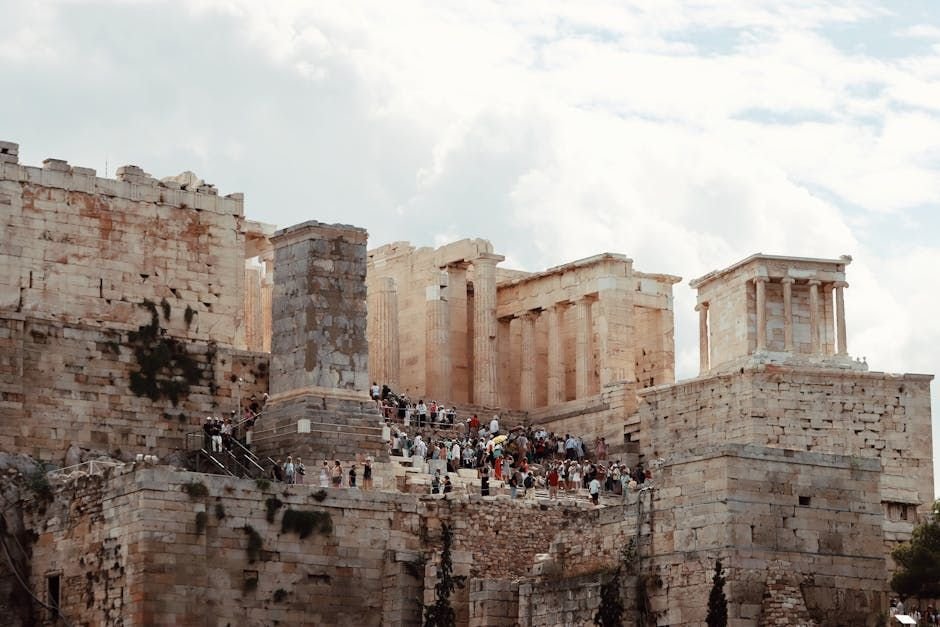
Step through the grand Magnesian Gate and the centuries dissolve. Ephesus rises from the Aegean hinterland in a sprawl of marble colonnades, carved friezes, and two-storey terrace houses so well preserved you half expect a merchant to lean out and haggle. The scent of wild thyme drifts across the Sacred Way as sunlight catches the polished stone, and the two-storey facade of the Library of Celsus — arguably the most photogenic ruin in the ancient world — glows amber in the morning hour. This was once the third-largest city in the Roman Empire, a thundering port metropolis of 250,000 people, and Ephesus wears that scale with total conviction.
What separates Ephesus from other classical sites across the Mediterranean is sheer mass. While visiting Pompeii or Athens feels like piecing together a puzzle, Ephesus presents an almost complete picture: a full Roman street grid, intact public latrines, a 25,000-seat theatre still used for concerts, and richly frescoed Terrace Houses that are nothing short of staggering. Things to do in Ephesus extend beyond the ruins themselves — the nearby House of the Virgin Mary draws a million pilgrims annually, the Selçuk bazaar hums with authentic life, and the coastal town of Kuşadası is just twenty minutes away. Few sites in Turkey reward slow, curious travel so generously.
✦ Find your perfect destination
Is Ephesus really your perfect match?
Answer 12 quick questions about your travel style, budget and dates — we match you with the destinations that fit you best, from 600+ worldwide.
Ephesus belongs on every serious traveller's radar because it offers something genuinely rare: a Greco-Roman city that has not been stripped to its foundations. The Terrace Houses alone — private urban villas with underfloor heating, mosaic floors, and painted walls — represent a window into daily Roman life that no museum can replicate. Ephesus also sits at the crossroads of Christian, Greek, and Ottoman heritage, meaning a single long weekend delivers extraordinary historical depth. Turkey's favourable exchange rate makes the experience remarkable value for European visitors, and the surrounding Aegean landscape of olive groves and turquoise coastline sweetens every itinerary further.
The case for going now: Turkey's post-pandemic tourism infrastructure has matured significantly, with new shaded pathways and the expanded Terrace House complex opening additional frescoed rooms to the public in 2024. The Turkish lira continues to offer exceptional value for euro and sterling holders, making Ephesus one of Europe's most affordable luxury-history experiences. Visitor management has also improved, with timed-entry slots reducing peak-hour crowding — meaning those who book ahead now enjoy the ruins in something approaching tranquillity.
🏛️
Library of Celsus
The two-storey facade of the Library of Celsus is one of antiquity's greatest surviving monuments. Stand before its columns at sunrise and the sense of scale — and loss — is overwhelming.
🏠
Terrace Houses
Six lavishly decorated Roman townhouses stacked up the hillside above Curetes Street. Intact floor mosaics, fresco-covered walls, and hypocaust heating systems reveal how Ephesus's elite actually lived.
⛪
House of Virgin Mary
A small stone chapel set in fragrant hillside woodland where tradition holds Mary spent her final years. Visited by three consecutive popes, it remains a deeply moving site regardless of your faith.
🎭
Great Theatre
Carved into Mount Pion, the Great Theatre seated 25,000 spectators for gladiatorial contests and dramatic performances. The acoustics remain perfect — clap once to feel ancient engineering in action.
Ephesus's neighbourhoods — where to focus
The Ancient Core
Ephesus Archaeological Site
The main open-air museum stretches nearly two kilometres from the Upper Gate to the Harbour Gate. This is where the Library of Celsus, the Great Theatre, the Agoras, and the Terrace Houses all reside. Allow a full day, ideally arriving at 8 am when the light is soft and the crowds are thin.
Market Town
Selçuk
The small modern town adjacent to Ephesus is the ideal base. A working bazaar, the excellent Ephesus Museum housing original statues from the site, the Basilica of St John on the hilltop, and a smattering of family-run pansiyons give Selçuk an unhurried authenticity that package-tour Kuşadası cannot match.
Pilgrimage Hill
Bülbüldağı (Nightingale Mountain)
The forested mountain above the ruins shelters the House of the Virgin Mary, the Cave of the Seven Sleepers, and winding paths that offer sweeping views over the ancient harbour plain. It is quieter, cooler, and spiritually charged in a way that contrasts beautifully with the grandeur below.
Coastal Gateway
Kuşadası
Twenty minutes by road from Ephesus, this Aegean resort town serves as the main cruise port and a lively evening option. The old caravanserai, a pedestrian harbour promenade, and rooftop seafood restaurants make it a reasonable overnight choice, though it is markedly busier and more commercial than Selçuk.
Top things to do in Ephesus
1. #1 — Walk the Sacred Way
The marble-paved Curetes Street — the Sacred Way of ancient Ephesus — runs from the Heracles Gate down to the Library of Celsus and is the spine of any Ephesus itinerary. Every step reveals something extraordinary: the Trajan Fountain, the Temple of Hadrian with its delicate arched facade, public latrines where Romans socialised seated side by side, and the Memmius Monument towering overhead. Walking this street slowly, without rushing to any single landmark, is the best way to absorb the city's rhythm. Hire a licensed local guide for the first pass — they bring the carvings to life with stories of merchants, gladiators, and emperors that no audio guide can replicate. Go early; by 10 am, cruise-ship groups begin arriving in waves.
2. #2 — Explore the Terrace Houses
The Terrace Houses are housed under a purpose-built protective roof on the slopes above Curetes Street and require a separate admission ticket that is absolutely worth paying. Six interconnected Roman urban villas, occupied from the 1st century BC to the 7th century AD, preserve layers of domestic life in extraordinary detail. Geometric marble floor mosaics, mythological wall paintings, elaborate column courtyards, and even graffiti scratched by residents make these spaces viscerally real. The excavation is ongoing — in several rooms you can watch archaeologists at work through glass panels. Budget two hours minimum; the walkway system is thoughtfully designed and thoroughly labelled in English and Turkish. This is the single unmissable paid add-on at Ephesus.
3. #3 — Visit the Ephesus Museum in Selçuk
Many of Ephesus's most precious finds reside not on site but in the Ephesus Museum (Efes Müzesi) in central Selçuk, just ten minutes from the ruins. The collection includes two stunning multi-breasted statues of Artemis — the great goddess to whom Ephesus was sacred — along with bronze figurines, Imperial portrait busts, and the beautifully reconstructed Room of Eros. Admission is modest and the museum is rarely crowded, making it an ideal early-morning or late-afternoon stop. Pair the museum visit with a wander through Selçuk's covered bazaar and a climb up to the ruined Basilica of St John, built by Emperor Justinian over the apostle's supposed tomb, for a layered understanding of Ephesus's extraordinary multi-faith legacy.
4. #4 — Day Trip to Şirince Village
Tucked into the vine-striped hills eight kilometres east of Selçuk, Şirince is an Ottoman Greek village of whitewashed houses, fruit-wine cellars, and hand-embroidered textiles. Once home to Greek Orthodox Christians who departed during the 1923 population exchange, the village retains its church, its stone architecture, and an unhurried pace that feels genuinely removed from the tourist circuit below. Local producers offer tastings of fruit wines made from strawberries, peaches, and pomegranates — not fine wines by any standard, but charmingly regional. The twenty-minute dolmuş ride from Selçuk costs almost nothing, and the village rewards a two-hour wander followed by lunch at one of the vine-shaded meyhanes. An easy and thoroughly enjoyable half-day addition to any Ephesus itinerary.
What to eat in the Turkish Aegean — the essential list
Zeytinyağlı Enginar
Artichoke hearts braised slowly in olive oil, lemon juice, and fresh dill — a signature of Aegean home cooking. Served cold or at room temperature, this simple dish showcases the extraordinary quality of local Aegean olive oil.
Boyoz
A flaky, slightly oily pastry of Sephardic Jewish origin, boyoz is the breakfast of İzmir and its hinterland. Eaten plain or with a hard-boiled egg and a glass of tea, it is the most honest introduction to Aegean Turkish morning life.
Midye Tava
Fresh mussels dredged in flour and fried golden, served with a tangy tarator sauce of walnuts and bread. A staple of Aegean coastal towns, they appear on every harbour-front menu around Kuşadası and Selçuk's evening restaurants.
Köfte
The Aegean version of grilled köfte is leaner and more herb-forward than its Istanbul counterpart, typically seasoned with fresh oregano and served with grilled peppers, tomato, and pilav. Every local ocakbaşı has its own formula, jealously guarded.
Çiğ Köfte Wrap
The vegetarian street snack of modern Turkey — spiced bulgur wheat rolled into a lavash wrap with pomegranate molasses, lettuce, and lemon. Sold from carts around Selçuk and Kuşadası, it makes an ideal quick lunch between ruin visits.
Dondurma
Turkish stretchy ice cream made with mastic and salep, famously resistant to melting in Aegean summer heat. Sellers in Selçuk's market street perform theatrical tong tricks before handing it over — part dessert, part show.
Where to eat in Ephesus — our top 4 picks
Fine Dining
Ejder Restaurant
📍 Atatürk Mah., 1005 Sok. No:2, Selçuk
The most polished dining room in the Selçuk area, Ejder serves elevated Aegean cuisine: slow-braised lamb with wild herbs, grilled sea bream with caper salsa, and a locally sourced meze spread that alone justifies the visit. Reservations advised in July and August.
Fancy & Photogenic
Mehmet & Alibaba Restaurant
📍 Cengiz Topel Cd. No:9, Selçuk
Set in a restored stone courtyard draped in bougainvillea, this Selçuk institution photographs as beautifully as it cooks. Regional mezes, wood-fired pide, and a generous house wine list make it the natural choice for a long lunch after a morning at the ruins.
Good & Authentic
Ocakbaşı Et Lokantası
📍 Selçuk Çarşı, near the bazaar, Selçuk
A no-frills charcoal grill house where local families eat köfte, şiş kebab, and lamb chops at communal tables. The bread arrives from the wood oven in minutes, the ayran is cold and frothy, and the bill for two rarely clears thirty euros. Entirely reliable.
The Unexpected
Şirince Terrace Meyhane
📍 Şirince Village, 8 km east of Selçuk
A vine-canopied terrace meyhane in the hilltop village of Şirince serving cold Aegean mezes — stuffed courgette flowers, white bean salad, anchovy pastries — alongside the village's curious homemade fruit wines. The views across olive terraces are an equal part of the experience.
Ephesus's Café Culture — top 3 cafés
The Institution
Kısmet Café
📍 Cengiz Topel Cd., Selçuk
The oldest café on Selçuk's main pedestrian street, Kısmet has been pouring strong Turkish tea and thick-foam Türk kahvesi since the 1980s. Straw-seated chairs spill onto the pavement — it is the best spot to decompress after a morning of ruins with a piece of lokum and a backgammon board.
The Aesthetic Hub
Taş Han Café
📍 Inside the old caravanserai, Kuşadası
Tucked inside Kuşadası's restored Ottoman caravanserai, Taş Han Café serves specialty coffee, cold-brew, and homemade baklava in a vaulted stone interior that makes every photograph look expensive. Popular with younger Turkish travellers and design-conscious European visitors alike.
The Local Hangout
Nar Café & Kitap
📍 Selçuk Atatürk Mah., near Ephesus Museum
A bookshop-café hybrid where local university students and archaeology volunteers mix with curious visitors. Pomegranate lemonade, homemade börek, and an eclectic secondhand book section covering Aegean history make it the most intellectually stimulating coffee stop within walking distance of the ruins.
Best time to visit Ephesus
Jan
Feb
Mar
Apr
May
Jun
Jul
Aug
Sep
Oct
Nov
Dec
Peak season (Apr–Jun, Sep) — warm days, manageable crowds, wildflowers across the ruinsShoulder season (Mar, Oct) — cooler temperatures, fewer visitors, pleasant walking conditionsOff-season or high-heat months — July–Aug are very hot and crowded; Nov–Feb are quiet but cooler
Ephesus events & festivals 2026
Whether you're planning around a specific celebration or simply want to know what's happening, this guide covers the best events and festivals in Ephesus — from major annual traditions to cultural highlights worth timing your trip around.
May 2026culture
Efes Kültür Yolu Festival
Part of Turkey's national Culture Road festival series, this May event brings open-air concerts, theatrical performances, and craft exhibitions to Selçuk and the Ephesus site itself.
June 2026music
Ephesus International Festival of Culture & Art
Held in the Great Theatre of Ephesus, this long-running festival features opera, classical music, and dance performances staged against the ruins under the stars. Artists from across Europe perform in one of the world's most atmospheric outdoor venues — advance booking is essential.
August 2026music
Kuşadası Rock & Jazz Nights
Kuşadası's harbour-front stages host a summer series of rock and jazz concerts through July and August, drawing Turkish and international acts. Free entry for most performances makes this an easy addition to any Ephesus itinerary based in Kuşadası during high summer.
August 15, 2026religious
Feast of the Assumption — Meryem Ana
On the Feast of the Assumption, the House of the Virgin Mary above Ephesus becomes the site of a major Catholic mass attended by thousands of pilgrims from across Europe and the Middle East. The Turkish government officially acknowledges the site's spiritual significance, and the atmosphere is genuinely moving.
September 2026culture
Selçuk Camel Wrestling Festival
Held each autumn in the Selçuk region, this traditional Aegean event pits trained male camels against one another in a centuries-old competition. Colourfully decorated animals, festive food stalls, and enthusiastic local crowds make it one of the most unusual and memorable cultural experiences near Ephesus.
October 2026culture
İzmir International Fair
Turkey's oldest trade and culture fair, held in İzmir's Kültürpark, celebrates its centenary era with pavilions, concerts, and regional food exhibitions. An easy day trip from Selçuk in October and a fascinating window into modern Turkish civic pride and commercial culture.
January 2026religious
Feast of St John Selçuk
The Basilica of St John in Selçuk hosts an annual commemoration in January marking the feast day of the apostle. Local Orthodox and Catholic communities gather for prayer and ceremony at the Byzantine basilica built over the apostle's tomb — a quiet, contemplative event.
April 2026market
Şirince Spring Harvest Market
As the cherry and strawberry trees blossom in the hills above Selçuk, Şirince village hosts a seasonal market of homemade jams, fruit liqueurs, embroidered textiles, and local honey. Visiting Ephesus in April and combining it with this village market makes for a perfectly rounded Aegean spring day.
July 2026culture
Kuşadası Aegean Film Days
An outdoor cinema festival in Kuşadası screens Turkish and international art-house films against the Aegean harbour backdrop across several evenings in July. Entry is free or low-cost; screenings start after sunset and run until midnight.
March 2026culture
İzmir European Jazz Festival
Held across İzmir's concert halls and open squares in March, this well-established festival brings European and Turkish jazz ensembles together. A superb shoulder-season reason to extend an Ephesus trip into the city, when the Aegean weather is mild and the crowds are thin.
Pansiyon bed, street food, self-guided site visits, dolmuş transport. Very achievable in Selçuk.
€€ Mid-range
€50–120/day
Boutique hotel, restaurant dinners, Terrace House tickets, private guiding, day trips to Şirince.
€€€ Luxury
€120+/day
Boutique resort near Kuşadası, private archaeology guide, chartered boat, fine dining Aegean cuisine.
Getting to and around Ephesus (Transport Tips)
By air: The closest airport to Ephesus is İzmir Adnan Menderes Airport (ADB), served by direct flights from major European hubs including Amsterdam, Frankfurt, London Gatwick, Paris CDG, and Vienna. Flight time from Western Europe is typically 3–4 hours. Turkish Airlines, Pegasus, and easyJet all operate regular seasonal and year-round routes.
From the airport: From İzmir Adnan Menderes Airport, the most efficient route to Selçuk (the base town for Ephesus) is the TCDD commuter train, which runs directly from the airport station to Selçuk in approximately 55–70 minutes for a nominal fare under €2. Taxis are also available and cost around €30–40 but offer no time advantage in normal traffic. The train is strongly recommended for its simplicity and value.
Getting around the city: Selçuk is compact and walkable — the Ephesus site entrance, the Ephesus Museum, the Basilica of St John, and most accommodation are within fifteen minutes on foot of each other. Shared dolmuş minibuses connect Selçuk to Kuşadası (20 min), Şirince (20 min), and nearby beaches for very low fares. Taxis within Selçuk are inexpensive; always confirm the fare before departure. Car hire from İzmir airport enables flexible access to Priene, Miletus, and Didyma.
Transport Safety & Scam Prevention:
Agree taxi fares before you ride: Some drivers near the Ephesus site entrance do not use meters and will quote inflated fares to cruise-ship tourists. Always confirm the price before entering a taxi, or use the Bitaksi app in larger towns.
Beware unsolicited 'guides' at the gate: Unofficial guides sometimes approach visitors at the Upper Gate offering tours at seemingly low prices. Licensed guides wear official badges issued by the Turkish Ministry of Culture — always verify before paying, as unlicensed guides frequently provide inaccurate historical information.
Leather shop 'factory tours' from Kuşadası: Tour operators in Kuşadası sometimes offer 'free' Ephesus transfers that route through commission-paying leather factories and carpet showrooms. Organise site transport independently via the train or dolmuş to avoid wasted time and pressure selling.
Do I need a visa for Ephesus?
Visa requirements for Ephesus depend on your nationality. Select your passport below for an instant answer — based on the Passport Index dataset for entry into Turkey.
ℹ️ Indicative only. Always verify with the official consulate before booking. Data: Passport Index, April 2026.
For detailed requirements, documentation checklists and processing times by nationality: TravelDoc →
Search & Book your trip to Ephesus
Find the best flight routes and hotel combinations using our partner Kiwi.com.
Frequently Asked Questions
Is Ephesus safe for tourists?
Ephesus and the surrounding Selçuk region are considered very safe for international tourists. Petty crime is rare, locals are welcoming toward visitors, and the site itself is well-managed with security personnel present. Standard travel precautions apply — keep copies of your passport, stay aware of your surroundings in busy market areas, and use licensed taxis or app-based services. The UK Foreign Office and EU travel advisories class the broader İzmir region as low-risk for tourism. Solo female travellers report generally positive experiences in Selçuk, which is a small, family-oriented town.
Can I drink the tap water in Ephesus?
Tap water in Turkey is treated and technically safe, but the taste in Selçuk and Kuşadası can be heavily chlorinated and most locals do not drink it directly from the tap. Bottled water is extremely cheap — expect to pay under €0.50 for a 1.5-litre bottle. At the House of the Virgin Mary, a natural spring flows freely and is considered potable; many pilgrims and visitors fill bottles there. Staying hydrated is genuinely important when visiting Ephesus between May and September, as temperatures regularly exceed 35°C in the ruins.
What is the best time to visit Ephesus?
The best time to visit Ephesus is April through early June and September. In these months, temperatures are warm but not extreme (22–28°C), wildflowers bloom across the marble ruins, and visitor numbers — while significant — have not yet reached the crushing density of July and August. September is particularly pleasant: the summer heat breaks, cruise ships begin to thin out, and the Aegean sea is at its warmest for coastal swimming. July and August see temperatures above 35°C in the open ruins and very heavy tour-group traffic, especially between 10 am and 2 pm when multiple cruise ships dock simultaneously at Kuşadası.
How many days do you need in Ephesus?
Two full days are the minimum needed to do Ephesus justice — one day for the main archaeological site including the Terrace Houses, and one day for the Ephesus Museum, the Basilica of St John, and the House of the Virgin Mary. However, three to four days is the ideal Ephesus itinerary for most travellers. This allows you to visit Şirince village at leisure, take a day trip to Priene and Miletus, explore Kuşadası's Ottoman heritage, and revisit the main site in a different light. Ten days suits those who want to combine Ephesus with İzmir city culture, Aegean beaches, and the oracle site at Didyma without feeling rushed.
Ephesus vs Pompeii — which should you choose?
Both are exceptional preserved Roman cities, but they offer meaningfully different experiences. Pompeii was a mid-sized commercial port frozen in a single catastrophic moment; its tragedy is palpable and its domestic detail unrivalled. Ephesus, by contrast, was a far larger and more architecturally ambitious city — its public buildings are grander, its Theatre more imposing, and its Library of Celsus facade more photogenic than anything Pompeii offers. Ephesus also layers Christian, Greek, and Ottoman heritage that Pompeii cannot match. For pure Roman grandeur and value for money, Ephesus wins decisively. For human emotional impact and the unique volcanic preservation story, Pompeii has an edge. Ideally, visit both.
Do people speak English in Ephesus?
English is spoken widely at the Ephesus site, in Selçuk's hotels, and in tourist-facing restaurants and cafés. Licensed guides are often fluent. In the local bazaar and among older residents, Turkish is essential — learning a handful of basic phrases (merhaba, teşekkürler, ne kadar?) is appreciated and occasionally necessary. Staff at the Ephesus Museum speak English well. In Kuşadası, given the volume of British and German cruise tourists, English and German are both commonly understood. Google Translate with offline Turkish downloaded is a reliable backup for any situation where communication becomes difficult.
★ Hotel guide
Where to stay in Ephesus
7+ hand-picked hotels across luxury, mid-range and budget — verified by Max.
Hand-picked and verified by Max, who founded Vacanexus from Luxembourg in 2026. No sponsorships, no paid placements. Every recommendation — restaurants, neighbourhoods, things to do — is selected for authenticity over popularity.