Gjirokaster Travel Guide — Albania's stone city where Ottoman history feels uncurated
⏱ 11 min read📅 Updated 2026💶 € Under €50✈️ Best: Apr–Sep
€25–50/day
Daily budget
Apr–Sep
Best time
2–4 days
Ideal stay
ALL (Lek)
Currency
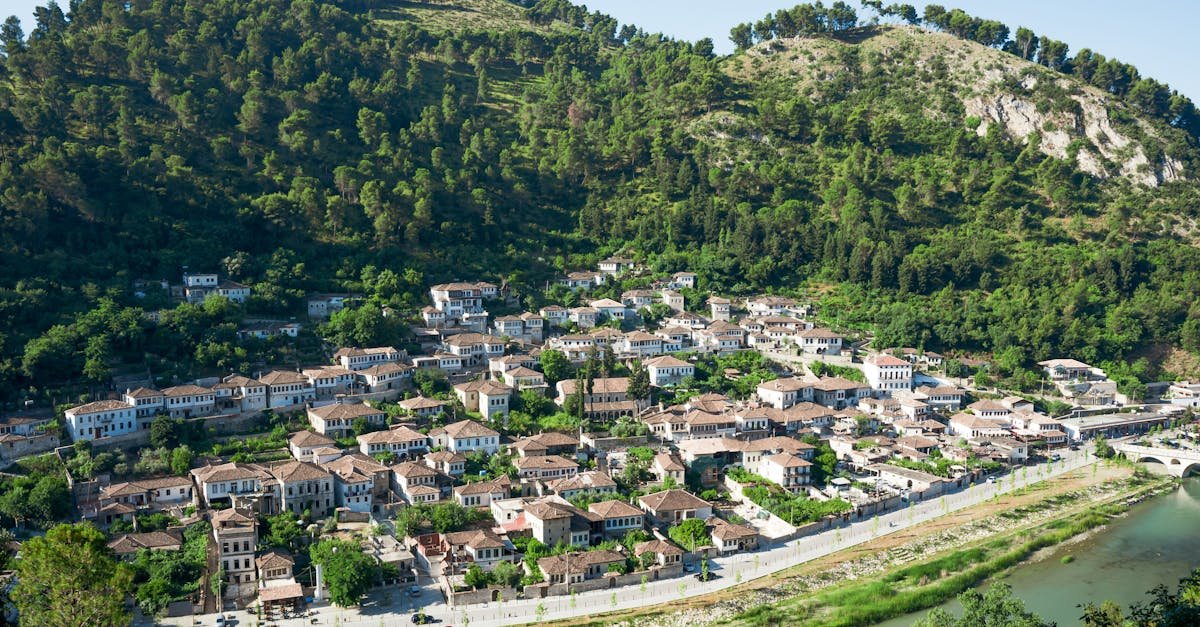
Gjirokaster rises from the ridgeline of southern Albania like a fortress that never stopped being lived in — slate-roofed tower houses stacked against the hillside, a vast Ottoman castle looming above, and narrow cobblestone lanes that echo with the sound of your own footsteps. The air smells of wood smoke and grilling lamb, and the light that falls on the grey stone walls in the late afternoon turns the whole city the colour of old silver. Gjirokaster is a UNESCO World Heritage Site, but it wears that status lightly — no velvet ropes, no tourist trams, no entry fees to walk the streets. Here, the history simply is the town, and the town is still going about its business.
Visiting Gjirokaster is unlike visiting any other Ottoman-heritage city in the Balkans. Where Mostar in Bosnia has been polished for selfie culture and Ohrid in North Macedonia fills with summer crowds, Gjirokaster remains fundamentally itself — a working Albanian city of around 20,000 people where the guesthouses are run by families and dinner for two with wine rarely exceeds ten euros. The things to do in Gjirokaster reward patience and curiosity rather than itinerary-ticking: mornings in the bazaar quarter, afternoons exploring the castle, evenings on a terrace watching swifts wheel around Ottoman minarets as the mountains of the Drinos valley darken in the dusk.
✦ Find your perfect destination
Is Gjirokaster really your perfect match?
Answer 12 quick questions about your travel style, budget and dates — we match you with the destinations that fit you best, from 600+ worldwide.
Gjirokaster belongs on your travel list because it offers something increasingly rare in European travel: authentic Ottoman-era urban fabric that hasn't been retrofitted for mass tourism. The city is the birthplace of both Albania's communist dictator Enver Hoxha and Nobel-adjacent novelist Ismail Kadare, lending it an intellectual gravity that sits beneath its visual drama. For budget travellers, Gjirokaster is extraordinary value — a UNESCO city where a double room in a stone tower house costs €25, a three-course dinner costs €6, and the most impressive monument in town, the castle, charges just a few euros to enter.
The case for going now: Gjirokaster is at a pivotal moment — international visitor numbers are growing steadily but infrastructure remains light-touch, meaning 2025 and 2026 may be the last years you can walk the bazaar in near-solitude on a Tuesday morning. Albania's improving road connections from Tirana and a new wave of boutique guesthouses opening in restored tower houses mean comfort is quietly rising without the prices following yet. Go now, before the discovery wave fully arrives.
🏰
Castle of Gjirokaster
The massive hilltop fortress crowns Gjirokaster with towers, a Cold War US spy plane in the courtyard, and panoramic views across the Drinos valley that justify the steep climb entirely.
🏘️
Tower House Museums
Gjirokaster's kulla — Ottoman-era stone tower houses — are its defining architecture. The Skenduli and Zekate houses open as museums, revealing intricately carved ceilings and furnished rooms frozen in the 19th century.
🧱
Old Bazaar Quarter
The centuries-old bazaar below the castle still functions as a real market, with copper workshops, local food stalls, and tea houses where old men play dominoes and nobody is performing for a camera.
🌄
Drinos Valley Walks
The valley below Gjirokaster rewards half-day walks through villages, olive groves, and the ancient ruins of Hadrianopolis — a Roman city that barely appears in the guidebooks and has almost no visitor facilities.
Gjirokaster's neighbourhoods — where to focus
Historic Core
Pallazo / Old City
The UNESCO-listed old city cascades down the hill below the castle, all grey slate roofs and tower houses connected by steep cobblestone paths. This is where you'll find the best guesthouses, the most atmospheric restaurants, and the unmistakable sense that time moves differently here than it does anywhere else in Albania.
Commercial Centre
Pazari i Ri (New Bazaar)
The modern lower town around Çerçiz Topulli square is where Gjirokaster residents actually shop, eat lunch, and catch buses. It lacks the drama of the old city but offers the cheapest burek bakeries, the liveliest afternoon café terraces, and a ground-level view of contemporary Albanian life that the hilltop tourist zone cannot provide.
Artisan District
Old Bazaar (Çarshia)
Tucked between the new town and the old city, the traditional bazaar quarter preserves workshops and covered market stalls that have operated for centuries. Coppersmith ateliers, family-run cloth shops, and a handful of simple restaurants make this the most rewarding hour of walking in Gjirokaster for anyone interested in living craft traditions.
Day Trip Base
Antigonea & Drinos Villages
The villages scattered through the Drinos valley immediately surrounding Gjirokaster — including Lazarat and Sofratikë — form a loose rural extension of the city's world. Stone farmhouses, roadside springs, and the scant but evocative ruins of the ancient Molossian city of Antigonea lie within easy reach of the city's edge.
Top things to do in Gjirokaster
1. #1 Climb to Gjirokaster Castle
The Castle of Gjirokaster — Kalaja e Gjirokastrës — is the non-negotiable centrepiece of any Gjirokaster itinerary. Built on foundations that date to the 12th century and expanded under the Ottoman pashas, it is one of the largest castles in the Balkans, a fact that only becomes apparent once you're inside and realise the space is the size of a small village. Within the walls you'll find a National Museum of Armaments housing Ottoman cannons, Albanian rifles, and most memorably a Lockheed T-33 US reconnaissance aircraft seized after it made a forced landing in Albania in 1957 — its presence here is both baffling and completely wonderful. The views from the towers across the stacked rooftops of the old city and out to the Gjerë mountain range are among the finest in southern Albania. Go early morning or late afternoon to avoid the midday heat and catch the best photography light.
2. #2 Explore the Zekate House
Of all the preserved tower houses in Gjirokaster, the Zekate House (Shtëpia Zekate) stands apart — a double-towered kulla built in 1811 that represents the absolute pinnacle of the local architectural tradition. The house sits at the top of the old city, a steep climb rewarded by extraordinary interior decoration: carved and painted wooden ceilings in the formal reception rooms, ingeniously designed shuttered windows that allowed residents to observe the street without being seen, and a layout that combined domestic comfort with genuine defensive function. A family caretaker often opens the house personally, walking visitors through the rooms with quiet pride. It is one of the most intimate and affecting historic interiors in all of the western Balkans, and the entrance fee — when charged at all — is nominal. Allow an hour, and come with questions.
3. #3 Walk the Old Bazaar and Ethnographic Museum
Spending a morning in Gjirokaster's old bazaar quarter is the closest thing the city offers to a leisurely cultural immersion that isn't defined by climbing. The bazaar lanes below the castle walls hold working artisan shops alongside tea houses, and the adjacent Ethnographic Museum — housed in the childhood home of Enver Hoxha, a fact the curators handle with studied neutrality — presents daily life in Gjirokaster across several centuries through tools, textiles, and domestic objects. The museum is small but intelligently curated, and the building itself, a restored 18th-century tower house, is worth the entrance for the architecture alone. Combine this with a slow coffee at one of the old bazaar's terrace spots, where you can watch the morning trade unfold while eating a still-warm byrek from the bakery a few doors down.
4. #4 Day Trip to the Blue Eye Spring and Butrint
Gjirokaster's position in the far south of Albania makes it an ideal base for two of the country's most spectacular natural and archaeological sites, both reachable in a single long day. The Blue Eye Spring (Syri i Kaltër) is a karst water source of almost supernatural clarity — a circular pool of intensely blue water that feeds a river, set in forest about 25 kilometres from Gjirokaster. Swimming is possible and locals do it; the temperature is bracingly cold even in July. Continuing south, the UNESCO site of Butrint — an ancient Greek, Roman, and Byzantine city built on a wooded peninsula — is among the best-preserved multi-layered archaeological sites in Europe. A theatre, baptistery mosaics, a Venetian tower, and near-total absence of development make Butrint essential for anyone visiting the Gjirokaster region. Hire a car or book a day-tour from your guesthouse.
What to eat in the Gjirokaster region — the essential list
Tavë Kosi
Albania's most beloved baked dish — lamb and rice set under a thick crust of baked yogurt and egg — reaches its finest expression in Gjirokaster, where family restaurants slow-cook it in the traditional clay vessel called a tava. Rich, tangy, and deeply comforting.
Byrek me Spinaq
Gjirokaster's bakeries produce exceptional byrek — flaky filo pastry filled with spinach and fresh white cheese. Sold by the slice from dawn for pennies, it is the definitive Gjirokaster breakfast eaten standing at a counter with a small glass of tea.
Qofte të Fërguara
Grilled Albanian meatballs, spiced with dried herbs and served with pickled vegetables and bread, appear on almost every restaurant menu in Gjirokaster. They are the default order for lunch and rarely cost more than three euros for a generous portion.
Salcë Kosi (Yogurt Sauce)
Albanian yogurt is tangier and thicker than its Greek or Turkish equivalents, and in Gjirokaster it appears as a sauce, a dip, and a drink. Poured over grilled meats or served alongside byrek, it is the ingredient that quietly defines regional cooking.
Fërgesë
A rustic dish of sautéed peppers, tomatoes, and fresh cottage cheese cooked together in a skillet until thickened — fërgesë is simple, vegetarian, and utterly delicious. Served hot with bread as a starter in Gjirokaster's traditional restaurants, it costs almost nothing and tastes like everything.
Petulla me Mjaltë
Fried dough puffs drizzled with local mountain honey or dusted with powdered sugar — petulla are Gjirokaster's favourite breakfast sweet. Made fresh in family kitchens and guesthouse dining rooms, they embody the unpretentious generosity of southern Albanian hospitality.
Where to eat in Gjirokaster — our top 4 picks
Fine Dining
Restaurant Kujtimi
📍 Lagja Palorto, Old City, Gjirokaster
Kujtimi is the closest Gjirokaster comes to a destination restaurant — set in a restored stone house in the old city, it serves traditional Albanian cuisine from wood-fired clay pots. The tavë kosi here is the benchmark, the wine list includes local Albanian varietals, and the setting on the terrace with castle views adds genuine occasion.
Fancy & Photogenic
Oda Restaurant
📍 Old Bazaar, Gjirokaster
Oda occupies a beautifully restored room in the old bazaar quarter, its carved wooden ceiling and kilim-draped seats creating an atmosphere that recalls a 19th-century Ottoman guesthouse. The menu focuses on southern Albanian specialities; the grilled lamb chops and house-made fërgesë are the standout dishes, and the photography opportunities are relentless.
Good & Authentic
Restaurant Çajupi
📍 Sheshi Çerçiz Topulli, Gjirokaster
A Gjirokaster institution on the main square, Çajupi has been feeding locals and travellers for decades with straightforward grilled meats, fresh salads, and cold Tirana beer at prices that seem implausible. Order the mixed grill, eat outside under the plane trees, and understand why long-term travellers in Albania eat here more than once.
The Unexpected
Piazza Restaurant
📍 Lagja 18 Shtatori, Gjirokaster
An unpretentious family-run spot in the lower town that serves outstanding fish dishes despite being two hours from the coast — the grilled trout from the Drinos river is extraordinary. Locals eat here for Sunday lunch and the owner speaks enough English to walk you through whatever's freshest. No atmosphere to speak of; the food makes up for it completely.
Gjirokaster's Café Culture — top 3 cafés
The Institution
Kafja e Vjetër (Old Café)
📍 Çarshia e Vjetër, Old Bazaar, Gjirokaster
The old bazaar's most venerable coffee stop has been serving thick Albanian-style espresso and raki to traders and travellers for generations. Dark-wooded interior, an elderly regular population that plays cards from morning, and coffee served in small cups with a glass of cold water — this is Gjirokaster's caffeine institution and it costs sixty cents.
The Aesthetic Hub
Café Antigonea
📍 Lagja Palorto, Old City, Gjirokaster
Perched in the old city with a terrace angled directly at the castle walls, Antigonea is the most photogenic café in Gjirokaster. The coffee is good, the local walnut cake is exceptional, and the afternoon light on the stone creates a backdrop that justifies the slightly higher (though still cheap) prices. Popular with visiting photographers and writers.
The Local Hangout
Bar Restorant Sopoti
📍 Sheshi Çerçiz Topulli, Gjirokaster
Sopoti on the main square is where Gjirokaster's university students and young professionals spend their afternoons — nursing espresso, watching football on the indoor screen, or debating in rapid Albanian over tables of macchiato and mineral water. Unpretentious, lively, and the best place in Gjirokaster to observe contemporary Albanian city life at ground level.
Best time to visit Gjirokaster
Jan
Feb
Mar
Apr
May
Jun
Jul
Aug
Sep
Oct
Nov
Dec
Peak Season (Apr–Sep) — warm dry days, festivals, full guesthouse availability and the castle at its most dramaticShoulder Season (Mar, Oct) — cooler temperatures, fewer visitors, ideal for walking the old city without crowdsOff Season (Nov–Feb) — cold and sometimes icy on the hilltop; many small guesthouses close, but the city takes on a brooding winter atmosphere
Gjirokaster events & festivals 2026
Whether you're planning around a specific celebration or simply want to know what's happening, this guide covers the best events and festivals in Gjirokaster — from major annual traditions to cultural highlights worth timing your trip around.
Jan 2026culture
Winter Carnival of Gjirokaster
A low-key local celebration during the coldest month, with folk music performances in the old bazaar and community gatherings in the main square. Visitor numbers are minimal, giving an unusually intimate view of Albanian winter life in a UNESCO city.
Mar 2026culture
Dita e Verës (Summer Day Festival)
Celebrated across Albania on March 14th, this ancient pagan-origin spring festival sees Gjirokaster families light bonfires, cook traditional dishes, and gather in public squares. One of the most atmospheric times to visit Gjirokaster before the tourist season begins, as the city celebrates entirely for itself.
Apr 2026religious
Orthodox Easter Celebrations
Southern Albania's significant Orthodox Christian community marks Easter with midnight church services and festive family meals. In Gjirokaster's old city, the candlelit processions through the cobblestone lanes are genuinely beautiful and open to respectful observers.
May 2026market
Spring Artisan Market
A recurring spring market in the old bazaar quarter brings together craftspeople from across the Gjirokaster region selling copper work, embroidery, local honey, and traditional textiles. This is the best Gjirokaster travel tip for souvenir hunters: prices are lower and quality higher than tourist shops.
Jun 2026music
ISO-Polyphony Festival
Gjirokaster hosts performances of Albanian iso-polyphonic folk singing — a UNESCO Intangible Heritage tradition of the southern Albanian highlands. Groups of singers perform the ancient multi-voice style in the castle courtyard and old bazaar venues throughout June evenings.
Jul 2026culture
National Folklore Festival
Held every five years in Gjirokaster, the National Folklore Festival draws folk ensembles from across Albania for costumed performances in the castle courtyard. When it falls — check current scheduling — it is one of the most remarkable cultural events in the western Balkans and a cornerstone of any Gjirokaster itinerary.
Aug 2026music
Castle Summer Concerts
Throughout August, the castle courtyard of Gjirokaster hosts evening music events ranging from traditional Albanian folk to classical ensembles. The setting — Ottoman fortress walls, mountain backdrop, warm evening air — makes even modest performances feel extraordinary. Book accommodation well in advance for August weekends.
Sep 2026culture
Gjirokaster Old City Days
A late-summer cultural programme celebrating the city's UNESCO heritage with guided walks of the old city, open days at normally closed tower houses, and artisan demonstrations in the bazaar quarter.
Oct 2026market
Autumn Harvest Market
The Drinos valley harvest brings an abundance of walnuts, figs, pomegranates, and olive oil into Gjirokaster's weekly market. October mornings in the market quarter are among the most sensory experiences the city offers, and the shoulder-season crowds mean you won't be competing for space.
Nov 2026culture
Albanian Independence Day Events
Albania's National Day on November 28th is marked in Gjirokaster with flag ceremonies, school performances, and community gatherings in the main square. A quiet but genuine national celebration that is particularly meaningful in a city with such a complex historical relationship with Albanian statehood.
Dormitory or basic private room in a guesthouse, byrek breakfasts, grilled meat lunches, self-catering some evenings.
€€ Mid-range
€35–55/day
Private room in a restored tower house guesthouse, all meals in restaurants, one paid excursion and a daily taxi or two.
€€€ Luxury
€55+/day
Best available guesthouse suite, private car hire for day trips to Butrint and Blue Eye, all meals at the city's top restaurants.
Getting to and around Gjirokaster (Transport Tips)
By air: The nearest international airport to Gjirokaster is Tirana International Airport Nënë Tereza (TIA), approximately 230 kilometres to the north. Corfu Airport (CFU) in Greece is around 100 kilometres south and serves seasonal European routes that can work as an entry point if combined with a ferry crossing to Sarandë. Tirana is the primary gateway for most visitors planning a Gjirokaster itinerary.
From the airport: From Tirana Airport, the most practical option is a direct bus or furgon (shared minibus) to Gjirokaster, which takes approximately 3.5 to 4 hours on the improved SH4 southern highway. Buses depart from near Tirana's Kombinat bus terminal; furgons from Sheshi Shqiponja. A private taxi transfer from Tirana runs approximately €60–80. From Sarandë (if arriving via ferry from Corfu), the drive to Gjirokaster takes around 1.5 hours by taxi or furgon.
Getting around the city: Gjirokaster's old city is navigated entirely on foot — the cobblestone lanes and staircases cannot be accessed by vehicle. The lower new town is compact and walkable within 20 minutes. Local taxis are cheap and essential for reaching the castle car park if you'd rather not climb. For day trips to Blue Eye Spring, Butrint, or Antigonea, renting a car in Gjirokaster or booking a driver through your guesthouse is the most flexible and affordable option — expect to pay €40–60 for a full-day driver.
Transport Safety & Scam Prevention:
Agree taxi prices before you get in: Gjirokaster taxis rarely have meters. Always agree the fare verbally before departure — short in-town trips should cost 200–300 ALL (under €3). From the bus stop to the old city, 400 ALL is fair; more than that is tourist pricing.
Furgon departures are not always as advertised: Shared minibuses to Tirana or Sarandë depart when full, not on a fixed schedule. Confirm with your guesthouse the genuine departure window, and arrive 15 minutes early at the correct informal departure point — which changes seasonally.
Exchange currency at banks, not at informal exchanges: Albania uses the Albanian Lek (ALL) and euros are not universally accepted outside tourist guesthouses. ATMs in Gjirokaster's main square dispense Lek reliably. Avoid informal currency exchanges on the street, which sometimes use outdated rate boards to shortchange visitors.
Do I need a visa for Gjirokaster?
Visa requirements for Gjirokaster depend on your nationality. Select your passport below for an instant answer — based on the Passport Index dataset for entry into Albania.
ℹ️ Indicative only. Always verify with the official consulate before booking. Data: Passport Index, April 2026.
For detailed requirements, documentation checklists and processing times by nationality: TravelDoc →
Search & Book your trip to Gjirokaster
Find the best flight routes and hotel combinations using our partner Kiwi.com.
Frequently Asked Questions
Is Gjirokaster safe for tourists?
Gjirokaster is considered one of the safer destinations in Albania and in the wider Balkans region. Petty crime targeting tourists is rare, and the small-city environment means you're likely to feel more watched-over than at risk. Women travelling solo report feeling comfortable in the old city and guesthouse areas. The main practical concern is uneven cobblestones and steep staircases rather than personal security — wear appropriate footwear. As with anywhere, keep standard awareness of your belongings in the lower market area during busy periods.
Can I drink the tap water in Gjirokaster?
Tap water in Gjirokaster is generally treated and locals do drink it, but the infrastructure is aging and quality can vary between neighbourhoods and seasons. Most guesthouses advise visitors to use bottled water for drinking, which is extremely cheap in Albania — 1.5 litres costs around 50 ALL (under €0.50). For brushing teeth the tap is fine. Staying hydrated in summer is important given the heat and the steep climbs involved in exploring the old city and castle.
What is the best time to visit Gjirokaster?
The best time to visit Gjirokaster is from late April through to September, with May, June, and September being the ideal months for most travellers. Spring brings wildflowers to the Drinos valley, manageable temperatures for walking the old city, and relatively few crowds. July and August are the warmest months and see the most visitors, though Gjirokaster never feels overwhelmed the way coastal Albanian towns do in peak summer. October is an excellent shoulder-season choice — harvest markets, golden light on the stone, and near-empty castle terraces. Winter is cold, often icy on the hilltop, and many small guesthouses close.
How many days do you need in Gjirokaster?
Two full days is the minimum to see Gjirokaster's main sights — the castle, one or two tower houses, and the old bazaar — without feeling rushed. Three to four days is the recommended stay for most visitors, as it allows time for the Ethnographic Museum, a day trip to the Blue Eye Spring, and enough hours in the old city to appreciate the atmosphere rather than just tick the highlights. If you're using Gjirokaster as a base for southern Albania, a week gives you comfortable access to Butrint, Permet, Sarandë, and the Vjosa valley without ever feeling like you're rushing.
Gjirokaster vs Berat — which should you choose?
Gjirokaster and Berat are Albania's two UNESCO World Heritage cities and the comparison is natural — most travellers to Albania visit both. Berat, known as the City of a Thousand Windows, is visually softer, more immediately pretty, and slightly more developed for tourism with a wider range of restaurants and bars. Gjirokaster is more dramatic, more rugged, and more authentically preserved — the castle is larger, the tower houses more extraordinary, and the overall sense of uncurated history more intense. For a first Albania trip, visit both: Gjirokaster first for the wow factor, Berat second for a slightly gentler landing. If forced to choose just one, travellers who prioritise history and atmosphere over comfort consistently choose Gjirokaster.
Do people speak English in Gjirokaster?
English is spoken at a basic to moderate level in Gjirokaster's guesthouses and most tourist-facing restaurants, where younger owners often have conversational English. In the old bazaar, local cafés, and with older residents, Italian or Greek is more likely to be understood as a second language — reflecting decades of Albanian emigration patterns. Away from the old city, English drops off significantly. Downloading the Albanian language pack on Google Translate before arriving is a practical Gjirokaster travel tip that will serve you well at bus stations, markets, and smaller restaurants. Albanians respond warmly to any attempt at basic Albanian words.
★ Hotel guide
Where to stay in Gjirokaster
7+ hand-picked hotels across luxury, mid-range and budget — verified by Max.
Hand-picked and verified by Max, who founded Vacanexus from Luxembourg in 2026. No sponsorships, no paid placements. Every recommendation — restaurants, neighbourhoods, things to do — is selected for authenticity over popularity.