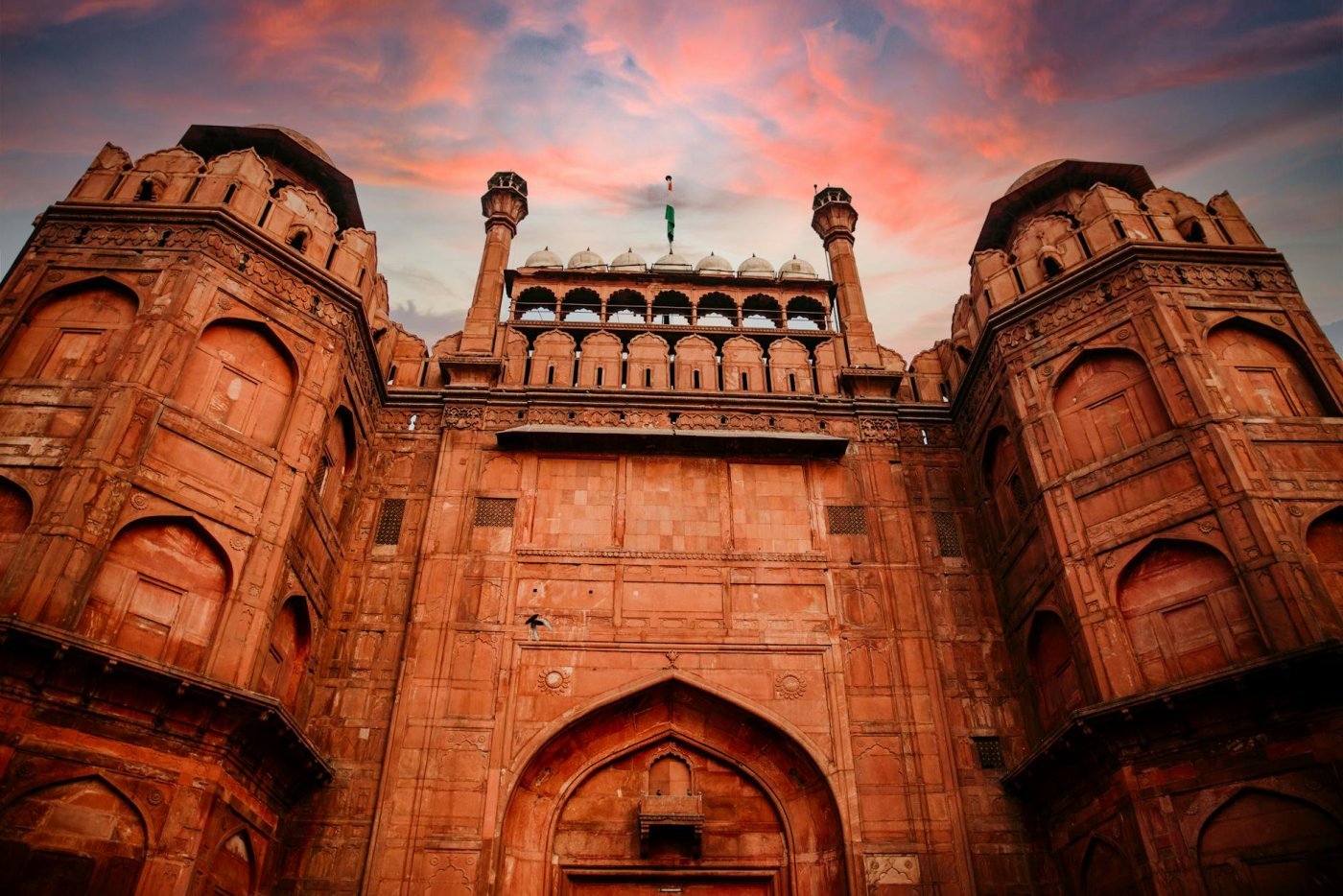
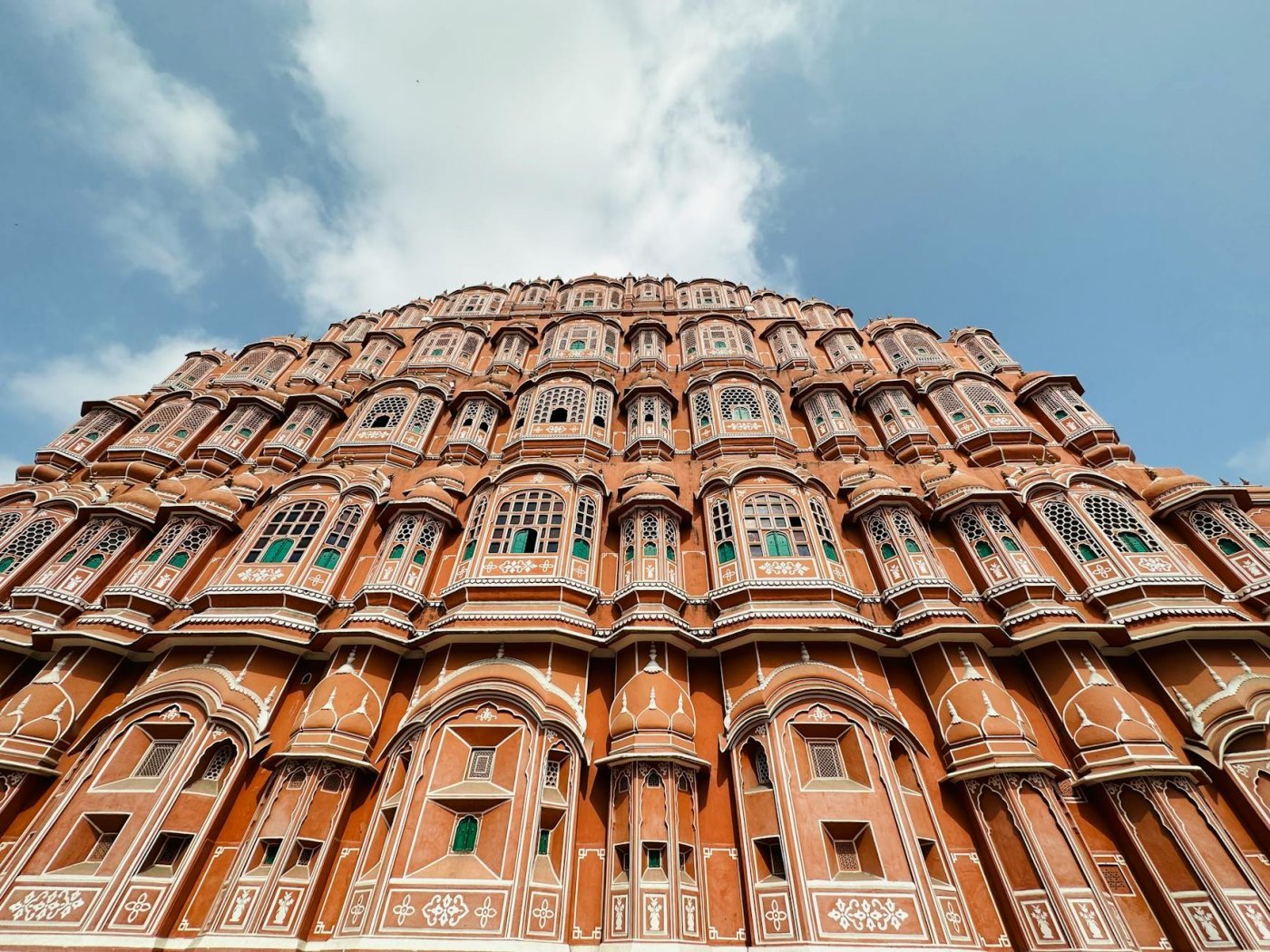
Goa Travel Guide — Where Konkan shores meet Portuguese soul
⏱ 11 min read📅 Updated 2026💶 € Budget✈️ Best: Jan–Apr
€20–45/day
Daily budget
Nov–Mar
Best time
7–10 days
Ideal stay
INR
Currency
Goa arrives as a full sensory ambush: the warm Arabian Sea lapping white-sand shores, the sweet funk of frangipani mingling with charcoal-grilled kingfish, the faded ochre and indigo of Portuguese colonial churches casting long shadows over crumbling laterite walls. This slender coastal state — India's smallest — has been seducing travellers for decades, and for good reason. Step off the plane in Panaji and within hours you can be barefoot on a beach shack deck, cold Kingfisher in hand, watching the horizon turn every shade of copper as the sun drops. Goa doesn't ask much of you; it simply insists you slow down.
What makes visiting Goa genuinely different from beach destinations like Phuket or Bali is its layered identity: four and a half centuries of Portuguese rule left whitewashed basilicas, vindaloo on every menu, and a relaxed Catholic-Hindu coexistence that feels singular in the Indian subcontinent. Things to do in Goa range from trance raves at Curlies on Anjuna beach to silent-morning kayaking through mangrove creeks near Chorao Island, from bargaining for spices in the Mapusa Friday Market to sipping feni — Goa's fiery local cashew spirit — on a candlelit terrace in Fontainhas. The north and south coasts deliver almost different countries within the same state, giving any Goa itinerary a natural arc.
✦ Find your perfect destination
Is Goa really your perfect match?
Answer 12 quick questions about your travel style, budget and dates — we match you with the destinations that fit you best, from 600+ worldwide.
Goa packs more into a small space than almost any other beach destination on Earth. The combination of genuinely affordable living costs, a well-worn tourist infrastructure, and a cultural depth that rewards curiosity means Goa works equally well for first-time solo backpackers and seasoned couples who want comfort without extravagance. The food alone — vindaloo, xacuti, fish curry with red rice, bebinca for dessert — could justify an entire trip. Add colonial-era Latin Quarter streets, working spice plantations, wildlife sanctuaries sheltering black panthers, and a music scene that still pulses decades after the original hippie wave, and Goa earns its place on any serious travel list.
The case for going now: After years of uncontrolled over-tourism, Goa is actively curating its offering: the state government has invested in heritage restoration in Old Goa and Fontainhas, new boutique eco-resorts have opened in the quieter south, and the INR's continued weakness against the euro means that European visitors are getting exceptional value in 2026. Crowds at the most iconic northern beaches have thinned slightly as travellers discover Palolem and Agonda, meaning the classic Goa experience feels fresher now than it has in a decade.
🏖️
Beach Shack Life
Goa's iconic beach shacks — sun-bleached wooden structures serving ice-cold beer and grilled tiger prawns — are the beating heart of the coast. From Baga to Palolem, each shack has its own character and loyal crowd.
⛪
Portuguese Heritage
The UNESCO-listed churches of Old Goa and the pastel Latin Quarter streets of Fontainhas tell four centuries of colonial history. Baroque basilicas rise improbably from tropical forest, their interiors cool and gilded.
🌶️
Spice Plantation Tours
Inland Goa hides lush spice plantations growing cardamom, turmeric, vanilla, and pepper. Guided tours include an elaborate Goan lunch served on banana leaves, plus the chance to spot kingfishers and monitor lizards.
🎶
Nightlife & Trance
North Goa's electronic music scene is legendary: Curlies at Anjuna, Hilltop on Vagator Hill, and the weekly Shiva Valley parties have drawn global DJs for thirty years. The energy is unlike anywhere else in South Asia.
Goa's neighbourhoods — where to focus
Party Central
Anjuna & Vagator
These twin villages in North Goa forged Goa's reputation as a psychedelic paradise in the 1970s and never really looked back. Anjuna's Wednesday flea market is an institution; Vagator's basalt cliffs and Chapora Fort provide dramatic backdrops. Nights here mean thumping open-air parties that run until sunrise.
Laid-Back Surf Town
Arambol
Arambol, at the northernmost tip of the tourist belt, attracts a slower crowd of long-stay digital nomads, yogis, and fire-poi jugglers. The sweet-water lake behind the beach is perfect for a sunrise swim. Drum circles at sunset on the main beach remain a nightly ritual dating back decades.
Colonial Elegance
Fontainhas, Panaji
Goa's compact capital hides the Fontainhas Latin Quarter — a maze of narrow lanes lined with terracotta-tiled, saffron-and-blue Portuguese houses. Art galleries, heritage cafés, and the Altinho viewpoint make this the most atmospheric urban corner in all of Goa. The weekly farmers' market brings locals together every Saturday.
Serene South
Palolem & Agonda
South Goa's beaches trade the north's bustle for crescent-shaped coves of powdery sand fringed by coconut palms. Palolem is lively enough for sociable evenings but quiet enough for an early morning swim in glassy water. Nearby Agonda is officially designated a protected turtle nesting site, keeping development minimal.
Top things to do in Goa
1. Explore Old Goa's Churches
The UNESCO World Heritage Site cluster at Old Goa — just 10 kilometres east of Panaji — is one of the finest concentrations of baroque Christian architecture outside Europe. The Basilica of Bom Jesus holds the mortal remains of St Francis Xavier, displayed in an ornate silver casket, and draws pilgrims and history lovers in equal measure. The adjacent Sé Cathedral is among the largest churches in Asia, its single surviving gilded tower visible above the jungle canopy. Visit on a weekday morning when the tourist coaches are absent and the light rakes gold through the Portuguese tiles. Budget at least two hours to wander the complex, and don't miss the Convent of St Augustine ruins just up the hill — a hauntingly beautiful skeleton of vaulted arches reclaimed by fig trees.
2. Rent a Scooter & Go North
No Goa itinerary is complete without a scooter day. Hiring one for around ₹350–400 per day, you can stitch together a route through red-laterite lanes that no tour bus ever follows. Start at Chapora Fort on the Vagator cliffs for panoramic views over the Arabian Sea, then wind down to the Anjuna flea market if it's a Wednesday, pick up a fresh coconut from a roadside cart, and end at the cliffside Shiva shrine at Ozran beach. The roads through Mapusa and Assagao are lined with cashew orchards and whitewashed chapels. Carry your international licence or your home country licence (though enforcement is light), wear a helmet, and stick to the left lane — the roads are narrow but rarely hostile.
3. Sunset Cruise on the Mandovi River
The Mandovi River, which separates the old Portuguese territories from the interior, offers one of Goa's most atmospheric evenings at almost no cost. The Goa Tourism Development Corporation runs its famous Santa Monica river cruise every evening from the Panaji jetty, complete with live Goan folk music — mando ballads and dekhni dances performed in traditional dress. More atmospheric still are the private catamaran sunset cruises that depart from the Old Goa jetty, heading toward the Divar Island shore where oil lamps flicker in chapel niches at dusk. Dolphins frequently follow the boat near the river mouth, and the sight of Old Goa's church towers turning gold against a fading sky is one of those genuinely transportive travel moments.
4. Day Trip to the Dudhsagar Falls
Deep in the Bhagwan Mahaveer Wildlife Sanctuary on Goa's eastern border with Karnataka, Dudhsagar — 'Sea of Milk' — is a four-tiered waterfall that drops over 300 metres through dense jungle. It is most spectacular between June and November during monsoon, but the sanctuary runs Jeep safaris during the dry season too, offering the chance to spot giant Malabar squirrels, sambar deer, and occasionally the elusive black panther. The journey from the coastal belt takes about two and a half hours by road, passing through cashew and teak forest. Book a guided Jeep tour from any reputable Goa operator — the rough forest tracks require a 4WD. Combine the waterfall visit with a half-day at the Savoi Spice Plantation on the return leg.
What to eat in the Konkan Coast — the essential list
Goan Fish Curry
The cornerstone of every Goan table: a scarlet, coconut-based curry built on kokum (a souring agent native to the Konkan coast) and local red chillies, ladled over steamed red rice. The combination is tart, rich, and completely addictive.
Vindaloo
Goa's most globally famous export started as a Portuguese dish of wine-marinated pork — vinha d'alhos — transformed over centuries with vinegar, Kashmiri chillies, and garlic into something fiercely spiced and deeply savoury. The authentic pork version in Goa bears little resemblance to UK takeaway versions.
Prawn Balchão
A bold pickle-like preparation of tiny dried prawns cooked in a tangy, deeply spiced tomato-chilli paste. Balchão is served in tiny quantities as a condiment or side dish — intensely flavoured, it is one of Goa's oldest Luso-Indian recipes, best eaten with plain bread.
Bebinca
Goa's signature dessert is a magnificent layered pudding of coconut milk, egg yolks, flour, and clarified butter, painstakingly built up to sixteen layers through repeated baking. The result is dense, custardy, faintly caramelised, and utterly unlike anything else in Indian cuisine.
Xacuti
A complex Goan curry sauce made with roasted coconut, poppy seeds, and a lengthy spice blend that includes nutmeg and star anise — this is the dish that shows off Goa's spice-trade heritage most vividly. Typically cooked with chicken or lamb and served with sannas (steamed rice cakes).
Feni
Goa's indigenous spirit — distilled from fermented cashew apple juice or from the sap of coconut palms — has a sharp, funky character that divides opinion. Serious feni is single-distilled and aromatic; mixed with fresh lime and soda it makes one of South Asia's most refreshing long drinks.
Where to eat in Goa — our top 4 picks
Fine Dining
Cavatina
📍 Cidade de Goa Resort, Vainguinim Beach, Dona Paula, Goa
Perched above the Arabian Sea at the landmark Cidade de Goa resort, Cavatina serves refined Goan cuisine that takes traditional recipes seriously — the crab xacuti is outstanding — alongside a thoughtful wine list and a live fado performance some evenings. Reservations essential in peak season.
Fancy & Photogenic
Gunpowder
📍 House No. 2860, Assagao, Bardez, North Goa
Set in a restored Portuguese villa in the quiet village of Assagao, Gunpowder serves south Indian and Goan dishes in a beautiful candle-lit courtyard under a vast mango tree. The jackfruit curry and the pork sorpotel are both exceptional. The setting alone — terracotta floors, bougainvillea draped walls — is worth the trip.
Good & Authentic
Viva Panjim
📍 178 31st January Road, Fontainhas, Panaji, Goa
Tucked inside a narrow Fontainhas alley, this family-run restaurant occupies a centuries-old house and serves honest, unfussy Goan Catholic cooking. The prawn recheado and the beef cafreal are cooked from recipes unchanged for generations. Locals and travellers share the dozen-odd tables with admirable democracy.
The Unexpected
Sublime
📍 Shop 4, Baga–Arpora Road, Arpora, North Goa
Chef Niyati Rao's small-plates restaurant in Arpora offers a menu that defies easy categorisation: Indian flavours assembled with European technique. The aged Goan chorizo croquettes and the kokum-glazed duck are the kind of dishes you spend the rest of your holiday trying to recreate at home.
Goa's Café Culture — top 3 cafés
The Institution
Café Bhonsle
📍 Near Municipal Garden, Panaji, Goa
This no-frills Panaji institution has been serving Goa's finest poi bread — the local hollow wheat roll — with butter and strong filter coffee since before independence. The formica tables, ceiling fans, and the chorus of Konkani conversation make it as authentic as cafés get anywhere in India.
The Aesthetic Hub
Artjuna
📍 Assagao, Mapusa Road, North Goa
Part café, part concept store, part community garden, Artjuna in Assagao has become a pilgrimage stop for design-minded visitors. Cold-pressed juices, acai bowls, and excellent filter coffee are served in a beautifully curated courtyard surrounded by ceramics, textiles, and independent bookshop shelves.
The Local Hangout
Infantaria Pastry Shop
📍 Baga Road, Calangute, North Goa
Open since the 1980s, Infantaria is where Calangute's entire morning converges over Goan bebinca slices, croissants stuffed with local chorizo, and enormous bowls of café au lait. The bakery counter sells freshly baked brown bread and Portuguese-style pasteis de nata that disappear by 9am on weekends.
Best time to visit Goa
Jan
Feb
Mar
Apr
May
Jun
Jul
Aug
Sep
Oct
Nov
Dec
Peak Season (Nov–Mar & start of Apr) — dry skies, calm sea, ideal beach weather, all shacks openShoulder (Nov) — quieter crowds, lower prices, sea still warmMonsoon & Early Post-Monsoon (May–Oct) — heavy rains, rough sea, most beach shacks closed but lush inland scenery
Goa events & festivals 2026
Whether you're planning around a specific celebration or simply want to know what's happening, this guide covers the best events and festivals in Goa — from major annual traditions to cultural highlights worth timing your trip around.
February 2026culture
Goa Carnival
Goa's most famous festival and one of the A Portuguese-era tradition that predates most European beach destinations' equivalent events, the Carnival draws over 40,000 visitors annually.
December 2026music
Sunburn Festival
Asia's largest electronic dance music festival takes place annually on the beaches of North Goa in late December. Over three days, international headline DJs from the progressive house and trance scenes perform to crowds of 25,000+ across multiple stages. Advance tickets sell out months ahead — essential booking for any Goa itinerary in December.
December 2026religious
Feast of Our Lady of Immaculate Conception
Panaji's gleaming white Immaculate Conception Church — Goa's most photographed — is illuminated with thousands of lights for this major Catholic feast day on December 8th. Processions wind through Fontainhas, and a large fair fills the surrounding square with food stalls and devotional music. A moving reminder of Goa's Luso-Catholic heritage.
January 2026culture
Reis Magos Festival
The Feast of the Three Kings, celebrated on January 6th at the hillside Reis Magos Fort, is one of Goa's oldest Christian celebrations. Boys from local villages re-enact the arrival of the Magi in elaborate costume before a crowd of thousands. The fort's riverside location makes the setting extraordinarily photogenic at dusk.
November 2026music
Goa International Music Festival
This annual classical and world music festival at the Kala Academy in Panaji brings together leading Indian classical musicians — Carnatic and Hindustani alike — alongside international artists for three evenings of performances. The outdoor amphitheatre on the Mandovi riverside is a remarkable setting, and tickets remain extremely affordable by any standard.
October 2026religious
Dussehra in Goa
The Hindu festival of Dussehra is celebrated across Goa with distinctive local flavour: the Bonderam festival on Divar Island — a battle-of-the-borders ceremony using bamboo boards (bonderam) marking disputed village boundaries — is one of Goa's most unusual and photogenic events, held on the fourth Saturday of October each year.
March 2026culture
Shigmo Festival
Goa's Hindu spring festival — equivalent to Holi but far more elaborate — sees communities carry decorated palanquins through the streets in processional parades lasting several hours. The Shigmo parade through Panaji on the full moon night is the grandest, with folk dancers performing ancient routines in painted masks and mirrored costumes.
November 2026market
Goa Handicrafts Exhibition
Held annually in November at the EDC grounds in Panaji, this state-run exhibition is the best single place to source authentic Goan handicrafts: terracotta pottery, cane furniture, hand-blocked fabrics, and handmade Goan feni vinegar. Over 200 artisans participate, and the adjacent food court serves regional dishes from all of Goa's talukas.
January 2026culture
Goa Heritage Festival
Organised in Panaji and Old Goa, the Heritage Festival uses Goa's UNESCO-listed monument backdrop for a programme of Konkani theatre, Portuguese fado performances, classical Indian dance, and architectural walking tours. Inaugurated to promote Goa's often-overlooked cultural depth beyond its beach reputation, it runs across three weekends in January.
April 2026religious
Easter Celebrations, Old Goa
Holy Week and Easter Sunday in Old Goa are marked by candlelit processions between the major basilicas, with thousands of local Catholics carrying statues of Christ through the UNESCO heritage zone. The atmosphere — incense, low chanting, laterite paths lit by oil lamps — is profoundly atmospheric and historically continuous over four centuries.
Guesthouse dorm or basic room, beach shack thalis, local buses, free beaches — Goa is extremely liveable on this budget.
€€ Mid-range
€35–75/day
Boutique guesthouse, sit-down restaurant meals, scooter hire daily, a sunset cruise — comfortable mid-range travel in Goa.
€€€ Luxury
€120+/day
Heritage resort or five-star Taj property, fine dining, private transfers, spa treatments — Goa has world-class luxury at Indian prices.
Getting to and around Goa (Transport Tips)
By air: Goa's Dabolim International Airport (IATA: GOI) receives direct charter and scheduled flights from multiple European hubs, particularly the UK, Germany, and Eastern Europe, in winter season. IndiGo, Air India, SpiceJet, and GoAir connect Goa to all major Indian cities year-round. A new Mopa Greenfield Airport (IATA: GOX) in North Goa opened in 2023 and now handles increasing domestic traffic, cutting transfer times to northern beach towns significantly.
From the airport: From Dabolim, prepaid taxis into North Goa cost approximately ₹800–1,200 and take 45–75 minutes depending on traffic. The South Goa beaches of Palolem and Colva are 30–45 minutes away. Avoid unlicensed touts inside the terminal and head for the official prepaid taxi counter near the arrivals exit. The new Mopa Airport (North Goa) offers shorter transfers to Anjuna, Arambol, and Vagator — under 30 minutes by local taxi.
Getting around the city: Within Goa, scooter hire (₹300–450/day) is the definitive way to travel between beaches and villages — the roads are narrow, shaded, and largely manageable for confident riders. Metered kaali-pili taxis (black and yellow) operate in urban areas. App-based Rapido bike taxis are increasingly popular for short hops. Local government buses connect all major towns cheaply but slowly. In peak season, Goa Miles is the most reliable app-based taxi service and avoids surge pricing common with private operators.
Transport Safety & Scam Prevention:
Taxi Touting at Dabolim: Ignore all drivers who approach you inside or outside Arrivals before you reach the official prepaid counter. Rogue taxi rates are typically double — occasionally triple — the posted official fares. Always confirm the price before entering any vehicle.
Beware of 'Free' Spice Tours: Some drivers offer 'complimentary' spice plantation trips which are in fact commission-generating detours to overpriced souvenir shops. Book spice plantation tours directly through your accommodation or a registered Goa operator for transparent pricing.
Scooter Hire Damage Claims: Before accepting a scooter, photograph all existing scratches and dents on your phone with the time-stamp visible and show the photos to the owner. Some rental operators in tourist areas attempt to charge departing travellers for pre-existing damage, particularly during busy school-holiday periods.
Do I need a visa for Goa?
Visa requirements for Goa depend on your nationality. Select your passport below for an instant answer — based on the Passport Index dataset for entry into India.
ℹ️ Indicative only. Always verify with the official consulate before booking. Data: Passport Index, April 2026.
For detailed requirements, documentation checklists and processing times by nationality: TravelDoc →
Search & Book your trip to Goa
Find the best flight routes and hotel combinations using our partner Kiwi.com.
Frequently Asked Questions
Is Goa safe for tourists?
Goa is generally one of the safer tourist destinations in India for international visitors, with a well-established tourism infrastructure and a cosmopolitan local population accustomed to foreign travellers. Petty theft on crowded beaches — particularly unattended bags — is the most common issue, and solo female travellers should avoid deserted beaches after dark, particularly in North Goa. Water safety is a genuine concern: several beaches lack lifeguards during the monsoon, and rip currents claim lives every year. Stick to flagged swimming zones and never swim after dark. Carry photocopies of your passport rather than the original when out on the beach.
Can I drink the tap water in Goa?
Tap water in Goa is not safe to drink untreated. Even long-term residents in Panaji use filtered or bottled water for drinking and cooking. Bottled mineral water is cheap and available everywhere — a 1-litre bottle costs around ₹20. If you want to reduce plastic waste, bring a UV-SteriPen or a water filter bottle such as a LifeStraw; both handle Goa's tap water reliably. Most restaurants use filtered water in their kitchens; hygiene standards in well-reviewed establishments are generally adequate.
What is the best time to visit Goa?
The best time to visit Goa is between November and March, when the northeast monsoon has cleared, humidity drops, and temperatures hold between 25–32°C with almost no rainfall. January and February are the sweet spot: the sea is calm and clear for swimming and water sports, the beach shacks are fully open, and the Goa Carnival in February adds a festive dimension. April brings rising heat and humidity. May through September is full monsoon season — many shacks close, seas are rough, and the landscape turns dramatically green but outdoor activities are curtailed. October marks a transitional shoulder period with improving conditions.
How many days do you need in Goa?
A Goa itinerary of seven to ten days is ideal for experiencing both the north and south coasts without rushing. With five days you can cover Old Goa's heritage, a northern beach belt (Anjuna, Vagator, Arambol), and a couple of days in South Goa's calmer coves. Ten days opens up inland Goa — spice plantations, Dudhsagar Falls, the Ponda temple circuit — and allows you to find your own rhythm without a fixed schedule. Two or three days gives you a taste of either the north or south coast but feels too brief if you've flown long-haul. Many European travellers return to Goa repeatedly, spending two to three weeks each winter season.
Goa vs Kerala — which should you choose?
Both are outstanding but they offer fundamentally different experiences. Goa is livelier, more cosmopolitan, and easier to navigate independently — beach parties, scooter rides, Portuguese architecture, and a genuinely international food scene make it the more sociable choice. Kerala is quieter, greener, and more oriented around nature: backwater houseboat cruises through Alleppey, Ayurvedic retreats, and spice-scented hill-station tea gardens at Munnar. Goa suits travellers who want beach freedom with cultural depth and a nightlife option; Kerala suits those seeking a slower, more meditative journey through authentic rural India. Budget travellers will find Goa marginally cheaper; luxury travellers will find extraordinary value in both.
Do people speak English in Goa?
English is widely and comfortably spoken throughout Goa — more so than almost anywhere else in India. The state's Portuguese colonial history left a strong tradition of formal English education, and Goa's decades of international tourism have reinforced this. In tourist areas, hotels, restaurants, and transport operators all communicate fluently in English. In remote inland villages, Konkani is the primary language and English may be limited, but even there basic communication is generally possible. Official signage, menus, and government services are in English, Konkani, and Marathi, making navigation straightforward for European visitors from the moment they land.
★ Hotel guide
Where to stay in Goa
7+ hand-picked hotels across luxury, mid-range and budget — verified by Max.
Hand-picked and verified by Max, who founded Vacanexus from Luxembourg in 2026. No sponsorships, no paid placements. Every recommendation — restaurants, neighbourhoods, things to do — is selected for authenticity over popularity.