Hvar Travel Guide — Lavender cliffs, turquoise coves, and cocktails until dawn
⏱ 11 min read📅 Updated 2026💶 €€€ Comfort✈️ Best: Apr–Sep
€120–250/day
Daily budget
Apr–Sep
Best time
4–7 nights
Ideal stay
EUR (€)
Currency
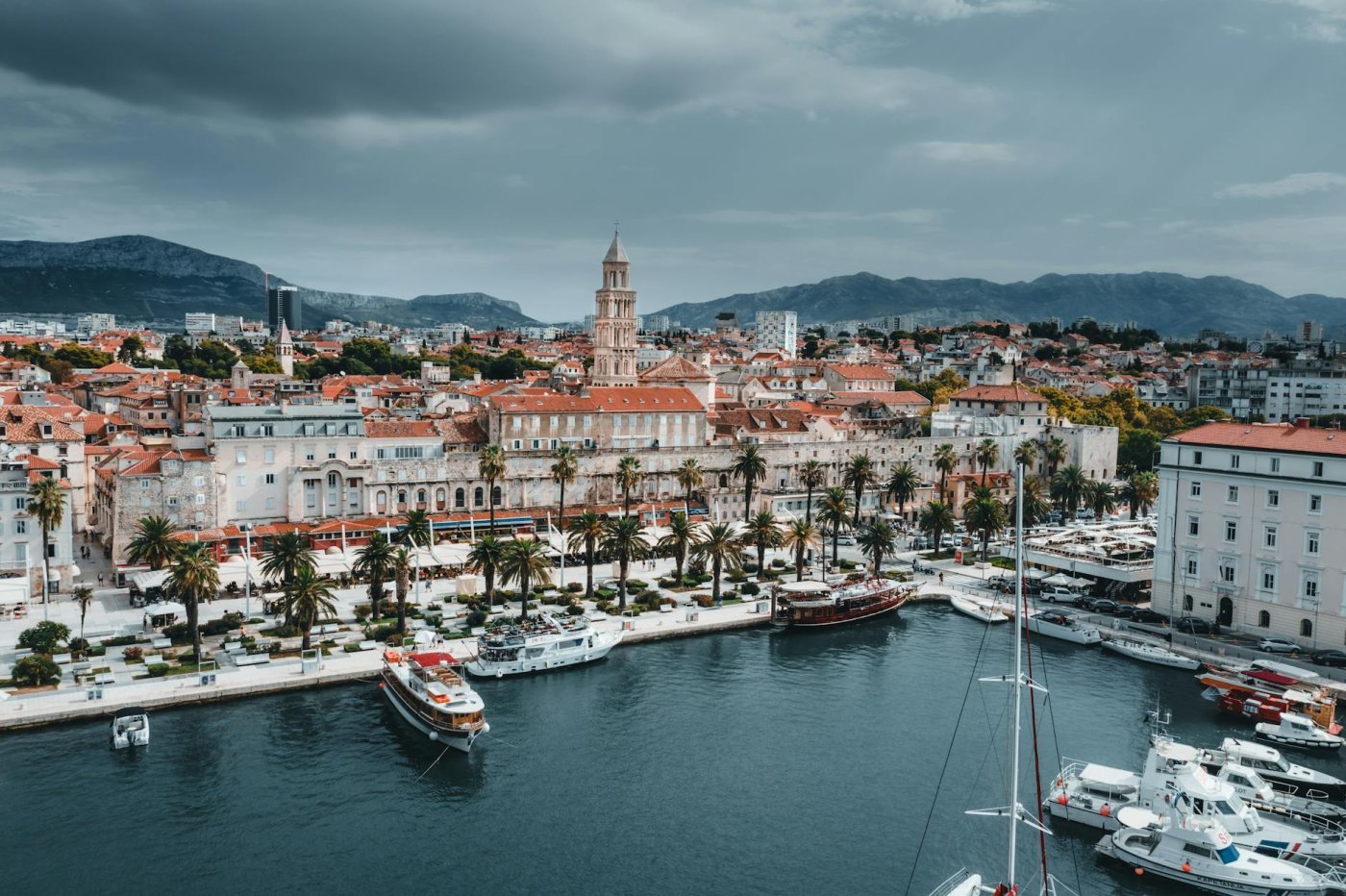
Hvar hits you before you even step off the catamaran — the scent of wild rosemary and sun-scorched pine drifting across the harbour, marble squares glowing amber in the late afternoon light, and the slow crescendo of bar music building toward another legendary Adriatic night. Croatia's most glamorous island stretches 68 kilometres along the Dalmatian coast, packing lavender-terraced hillsides, Renaissance architecture and some of the clearest water in the Mediterranean into a single, improbably beautiful package. Hvar town itself centres on a honey-stone piazza that locals claim is the largest in all of Dalmatia, flanked by a 16th-century cathedral and a Venetian loggia that reminds you history and hedonism have always coexisted here.
What separates visiting Hvar from the experience of neighbouring islands like Brač or Korčula is the sheer range of intensity on offer. Things to do in Hvar span lazy mornings on the Pakleni Islands' hidden shingle coves to afternoon wine tasting in Stari Grad Plain — a UNESCO-listed landscape still farmed on ancient Greek field boundaries — before the evening shifts decisively toward beach-club cocktails and open-air dancing. The island draws a confident, design-conscious crowd that includes Croatian families who have summered here for generations, style-savvy Londoners and Milanese, and Scandinavian sailors threading their boats between the offshore islets. That layered clientele is precisely why Hvar still feels worth every euro of its premium reputation.
✦ Find your perfect destination
Is Hvar really your perfect match?
Answer 12 quick questions about your travel style, budget and dates — we match you with the destinations that fit you best, from 600+ worldwide.
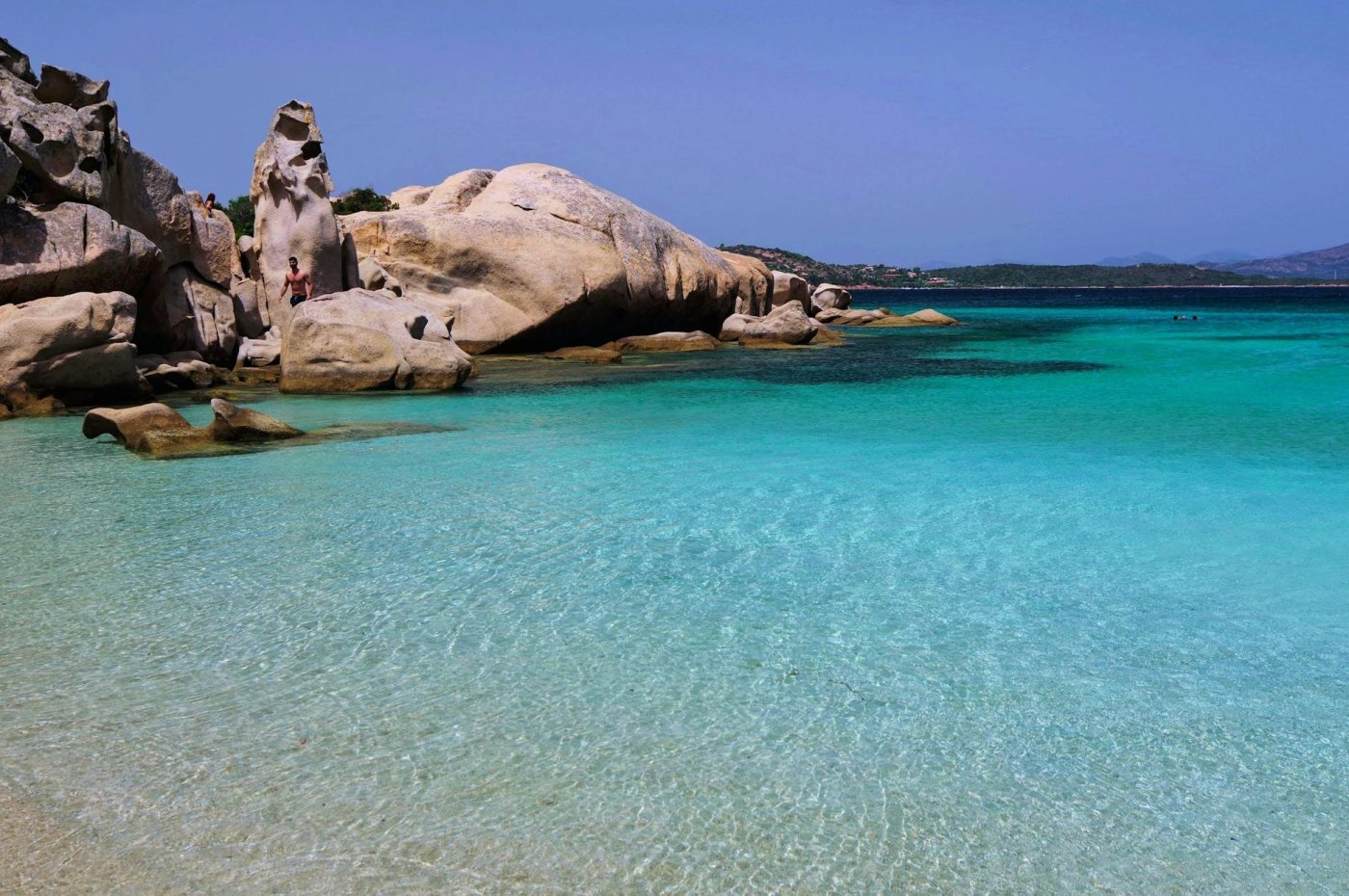
Hvar belongs on your travel list because it genuinely delivers on the promise that few Adriatic islands can keep: extraordinary natural beauty, world-class food and wine, and a nightlife scene that draws international DJs without ever fully losing its Dalmatian soul. The Pakleni Islands — reachable in fifteen minutes by water taxi — offer sheltered bays so clear you can count the sea urchins at three metres depth. Meanwhile Hvar's interior conceals one of Europe's oldest continuously operating theatres, a 17th-century arsenal, and vineyard tracks where Plavac Mali grapes grow on slopes tilted almost dangerously toward the sea. In short, Hvar rewards every kind of traveller who is willing to pay a fair premium for an unfair amount of beauty.
The case for going now: Hvar in 2026 is benefitting from two converging forces: the expansion of direct flights into Split Airport from more northern European cities, cutting transfer times significantly, and a quiet pivot among the island's better restaurants and wine bars toward locally sourced, hyperlocal menus that finally match the scenery. Prices remain high by Croatian standards but have stabilised after post-pandemic surges, making April, May and September genuinely exceptional value months — same lavender, same water, half the crowd.
🏖️
Pakleni Islands
A necklace of fourteen wooded islets just offshore from Hvar town, reachable by water taxi in minutes. Palmižana bay offers a beach bar and snorkelling in crystalline shallows rarely seen this close to a major tourist hub.
🍷
Plavac Mali Wine
Hvar produces some of Croatia's most distinguished red wines from the indigenous Plavac Mali grape grown on steep south-facing slopes. Visiting local wineries in the Sveta Nedjelja area delivers views and tastings in equal measure.
🏰
Fortica Fortress
The Spanish Fortress above Hvar town rewards a 20-minute climb with panoramic views stretching from the Pakleni Islands to distant Vis. At sunset the terrace becomes one of the finest natural viewing platforms in the entire Adriatic.
🎶
Beach Club Nights
Carpe Diem Beach on Stipanska island hosts international DJs through peak summer, while Hula Hula's famous sunset aperitivo hour turns the rocky terrace into a spontaneous outdoor party every evening around dusk.
Hvar's neighbourhoods — where to focus
Party Central
Hvar Town
The island's undisputed epicentre combines a magnificent UNESCO-edged piazza, a working fishing harbour and the densest concentration of bars and restaurants in Dalmatia. Mornings here are peaceful marble walks; evenings escalate into something considerably more electric as boat-hoppers converge from every direction.
Ancient & Unhurried
Stari Grad
Founded by ancient Greeks in 384 BC, Stari Grad is where the ferry from Split arrives and where the island's quieter, more contemplative soul resides. Narrow stone lanes, Renaissance courtyards and the Tvrdalj fortified castle of poet Petar Hektorović make this Hvar's most historically layered neighbourhood.
Village Escape
Jelsa
A genuinely local fishing town midway along the island, Jelsa delivers pine-shaded seafront promenades, a compact historic core and bakeries that open before 7am for morning swimmers. Families and cyclists tend to base here — it is quieter than Hvar town but connected by a fast bus and ferry links.
Vineyard Retreat
Sveta Nedjelja
Clinging to the island's steep south-facing cliffs, this small settlement is surrounded by arguably the most dramatic vineyards in Croatia. Sveta Nedjelja is where serious wine-lovers come to taste Plavac Mali with producers who have farmed the same terraces for generations, with a sea backdrop that makes every glass taste better.
Top things to do in Hvar
1. #1 — Explore the Pakleni Islands
No Hvar itinerary is complete without at least a half-day navigating the Pakleni Islands, the scattered string of pine-covered islets that arc protectively in front of Hvar town's harbour. Water taxis depart regularly from the main quay and cost just a few euros per person, dropping you at Jerolim, Marinkovac or the most developed of the group, Sveti Klement, where the gorgeous Palmižana bay awaits. Snorkelling the rocky fringes reveals sea grass beds, octopus and walls of glittering silver fish; the water clarity regularly exceeds fifteen metres visibility in early summer. Several bays are clothing-optional, and the various beach bars range from thumping electronic music at Stipanska to near-silence on Jerolim's nudist cove. Book a seafood lunch at Meneghello restaurant on Palmižana in advance during July and August — tables go weeks ahead.
2. #2 — Climb to the Spanish Fortress
The Fortica — also called the Spanish Fortress or Španjola — looms over Hvar town from a 240-metre ridge and deserves far more than a glance from below. The steep footpath from the old town takes roughly twenty minutes at an easy pace, winding past old town walls, prickly pear cactus and the occasional resident cat sleeping on warm stone. At the top you discover a fully preserved 16th-century fortification built by the Venetians and later reinforced by Spanish troops, housing a small museum that explains the island's complicated maritime history through genuinely interesting artefacts. The real reward, however, is the terrace view: Hvar town's terracotta rooftops cascade below you toward the sapphire Adriatic, the Pakleni Islands dot the foreground, and on a clear day you can spot the silhouette of Vis on the horizon. Go thirty minutes before sunset and stay — the light performance over the islands is something genuinely hard to replicate elsewhere.
3. #3 — Stari Grad Plain & UNESCO Wine Country
One of the Adriatic's most underrated experiences is a bicycle ride or scooter tour across the Stari Grad Plain, a UNESCO World Heritage Site that has been farmed on the same grid system established by Greek colonists in the 4th century BC. The flat, rectangular parcels of land separated by ancient dry-stone walls still produce grapes, olives and lavender in a pattern that has remained virtually unchanged for 2,400 years — making this the oldest continuously cultivated agricultural landscape in Europe still visible in its original form. The plain connects Stari Grad with the interior village of Vrbanj and several wine producers, so pair the journey with a winery stop for Bogdanuša white wine — the grape is almost unique to Hvar island. Lavender blooms intensely in late June, filling the plain with purple haze and a scent that clings to your clothes for hours. Rent a bike from Stari Grad's harbourfront or hire a small scooter from Hvar town for the most flexible exploration.
4. #4 — Sunset at Hula Hula & the Beach Club Scene
Hvar's beach club culture is genuinely distinctive within the Adriatic and understanding it rewards visitors who engage rather than dismiss it as pure excess. The ritual begins at Hula Hula bar, perched on a rocky headland a short walk west of Hvar town along the seafront promenade, where the 5pm–8pm aperitivo window draws a sociable, international crowd to watch the sun drop behind the islands. The rocky terrace with its bamboo-and-cushion aesthetic fills with Aperol spritzes and craft cocktails while house music stays at a conversational level — it is the ideal bridge between afternoon swimming and the longer evening ahead. Those who want the full experience continue by water taxi to Carpe Diem Beach on Stipanska island, where international DJs perform until 4am on a terrace literally built over the sea. This is not a scene for everyone, but executed properly — with a reservation, comfortable shoes and appropriate pacing — Carpe Diem on a warm July night is a genuinely memorable encounter with what modern Mediterranean nightlife can look and feel like.
What to eat in Dalmatia — the essential list
Gregada
A delicate white fish stew cooked with potatoes, onions, white wine and olive oil in a single pot — this is Hvar's signature dish and the benchmark for any serious island restaurant. Every household has its own version.
Peka
Slow-cooked lamb, veal or octopus buried under a domed iron bell-lid covered with embers — peka requires advance ordering of 24 hours at most restaurants. The result is extraordinarily tender, smoky and deeply flavoured.
Prstaci
Date mussels or local shellfish grilled simply over vine wood with garlic, parsley and a squeeze of lemon. Hvar's fish restaurants serve these as a starter that perfectly captures the island's philosophy: excellent ingredients, minimal interference.
Plavac Mali
Hvar's indigenous red grape produces full-bodied, tannic wine with notes of dried cherry, fig and Mediterranean herbs. The steep-slope versions from Sveta Nedjelja and Dol are recognised as among Croatia's finest expressions of terroir-driven winemaking.
Lavender Honey
Hvar's hillside lavender fields produce distinctively floral honey sold at every market and farm gate on the island. Drizzled over local sheep's cheese from the nearby island of Pag it creates one of Dalmatia's most effortlessly perfect combinations.
Fritule
Small deep-fried dough fritters flavoured with rakija brandy, citrus zest and sometimes raisins — these are Croatia's beloved carnival pastry, sold warm from paper cones at Hvar's harbour market stalls in the cooler months and year-round from bakeries.
Where to eat in Hvar — our top 4 picks
Fine Dining
Gariful
📍 Obala bb, Hvar town, 21450 Hvar
Gariful occupies a prime harbour position and serves the island's most celebrated seafood — whole grilled fish priced by the kilo, exceptional shellfish platters and a wine list that reads like a catalogue of Croatia's best producers. Dress well, book ahead by at least 48 hours in summer, and surrender to the unhurried pace.
Fancy & Photogenic
Palmižana Restaurant
📍 Vlaka 3, Sveti Klement, Pakleni Islands
Reachable only by water taxi from Hvar town, Palmižana sits in a botanical garden above the bay and serves Mediterranean-inflected seafood in what feels like a private garden party. The tuna tartare and lobster linguine are consistently outstanding, and the setting — lush vegetation, turquoise water below — is thoroughly Instagrammable without trying.
Good & Authentic
Konoba Menego
📍 Groda bb, Hvar town, 21450 Hvar
A steep-climb konoba in the old town's residential backstreets that has been serving honest Dalmatian food since 1967. Menego specialises in cold and warm plates of slow-cooked local vegetables, cured meats and marinated anchovies eaten family-style — it is the best antidote to beach-club excess on the entire island.
The Unexpected
Mizarola
📍 Petra Hektorovića 13, Hvar town, 21450 Hvar
A small, quietly confident wine bar and kitchen that opened to serious local praise for its natural Croatian wines paired with imaginative small plates — smoked sheep's cheese with fig jam, sea bass ceviche with wild herbs, sourdough with bottarga butter. This is where Hvar's younger hospitality generation is quietly redefining what Dalmatian food can look like.
Hvar's Café Culture — top 3 cafés
The Institution
Kavana Pjaca
📍 Trg Sveti Stjepana 1, Hvar town, 21450 Hvar
Sitting directly on the enormous main square, Kavana Pjaca has been the default morning coffee stop for Hvar locals and in-the-know visitors for decades. The espresso is reliably excellent, the people-watching from the outdoor terrace is unrivalled, and the pace is conspicuously unhurried despite the prime location.
The Aesthetic Hub
Hula Hula Hvar
📍 Uvala Podstine, Hvar town, 21450 Hvar
While technically more bar than café, Hula Hula serves outstanding afternoon cold-pressed juices and smoothies that feel genuinely restorative after a morning of swimming. The bamboo-shaded rocky terrace overlooking open water makes it one of the most photogenic afternoon pitstops on the entire Dalmatian coast.
The Local Hangout
Caffe Bar Kiva
📍 Fabrika bb, Hvar town, 21450 Hvar
Tucked into a narrow lane just off the main square, Kiva attracts Hvar's working locals for morning macchiatos and afternoon rakija. The interior is dim, stone-walled and gloriously free of yacht-charter aesthetics — a reminder that underneath the glamour, Hvar is still a working Dalmatian island town.
Best time to visit Hvar
Jan
Feb
Mar
Apr
May
Jun
Jul
Aug
Sep
Oct
Nov
Dec
Peak Season (May–Sep) — warm sea, full sun, lavender in bloom June; busiest and most expensive in July–AugustShoulder Season (Apr & Oct) — quieter beaches, lower prices, restaurants open, ideal for hiking and wine touringOff Season (Nov–Mar) — many bars closed, ferry services reduced, authentic local pace; mild but wet
Hvar events & festivals 2026
Whether you're planning around a specific celebration or simply want to know what's happening, this guide covers the best events and festivals in Hvar — from major annual traditions to cultural highlights worth timing your trip around.
June 2026culture
Hvar Summer Festival
One of the Performances under the stars on the Franciscan monastery terrace are particularly memorable for visiting arts lovers.
June 2026culture
Lavender Festival, Velo Grablje
Held in the revived inland village of Velo Grablje during peak lavender bloom, this small festival celebrates the distillation of lavender oil with traditional music, demonstrations and stalls selling island-made cosmetics and honey. A genuine Hvar cultural experience away from the harbour crowds.
July 2026music
Carpe Diem Summer Residency
Carpe Diem Beach on Stipanska island runs its peak-season DJ residency throughout July, bringing international electronic music acts to an open-air sea-terrace venue that is genuinely unlike anywhere else in Croatia. Pre-booking table packages is essential for the busiest weekends.
July 2026religious
Sveta Ana Procession, Jelsa
The feast day of Saint Anne draws Jelsa locals into a candlelit harbour procession that has continued uninterrupted for centuries. For travellers seeking authentic Dalmatian religious tradition beneath the surface of the tourist season, this is among the most moving annual events on Hvar.
August 2026music
Ultra Europe Satellite Events, Hvar
During Ultra Europe festival weeks in Split, Hvar hosts numerous official and unofficial satellite events across its beach clubs, including Carpe Diem and Hula Hula. This makes August one of the most electric — and most crowded — periods for nightlife on the island.
August 2026culture
Hvar Film Nights
Outdoor cinema screenings take place in Hvar town's open-air venues through August, with a programme mixing Croatian cinema, international art-house titles and classic films. Watching a film under Adriatic stars with a glass of local wine is an underrated summer evening activity.
September 2026culture
Hvar Wine Days
September is grape harvest season and the informal Hvar Wine Days celebration sees local producers in Sveta Nedjelja, Stari Grad and Jelsa open their cellars for tastings, vineyard tours and harvest-table lunches.
October 2026market
Autumn Olive Harvest Market, Stari Grad
October's olive harvest brings a traditional market to Stari Grad's harbour square, where producers sell early-press extra-virgin olive oil alongside dried figs, local honey and smoked cheese. Quieter than summer events, this is an ideal Hvar experience for travellers visiting in the shoulder season.
April 2026religious
Holy Week Processions, Hvar Town
Hvar's Za Križen — the Procession Following the Cross — is a UNESCO-listed tradition in which six brotherhoods walk a 22-kilometre night route between island villages on Maundy Thursday.
May 2026culture
Stari Grad Days
Celebrating the founding of one of the oldest towns in the Mediterranean, Stari Grad Days in May brings historical reenactments, folk music and open-air gastronomy to the harbour. A perfect early-season festival that introduces visitors to Hvar's ancient Greek heritage before the summer crowds arrive.
🗓 For the complete official events calendar and visitor information, visit the Hvar Tourist Board →
Hvar budget guide
Type
Daily budget
What you get
€ Budget
€60–90/day
Private room in a guesthouse, self-catering meals, public ferry, swimming from free beaches and pebble coves.
€€ Mid-range
€120–200/day
Boutique hotel or apartment, konoba dinners, water taxis to Pakleni, wine tastings and one beach-club evening.
€€€ Luxury
€250+/day
Design hotels like Adriana or Park, Gariful dinner reservations, private boat hire, Carpe Diem table packages and yacht transfers.
Getting to and around Hvar (Transport Tips)
By air: The closest airport to Hvar is Split Airport (SPU), served by direct flights from London, Amsterdam, Frankfurt, Paris, Vienna, Zurich and most major European cities year-round with expanded summer schedules. Budget airlines including Ryanair, easyJet and Eurowings compete on many routes, keeping prices reasonable when booked early.
From the airport: From Split Airport, take a shuttle bus or taxi to Split's Stari Grad ferry terminal (Trajektna luka) — approximately 30 minutes and well-signposted. A high-speed catamaran connects Split directly to Hvar town in around one hour, departing multiple times daily in summer. Alternatively, a car ferry runs from Split to Stari Grad on Hvar in approximately two hours, useful if you are bringing a vehicle to explore the island's interior.
Getting around the city: Hvar town itself is almost entirely pedestrianised in its historic core, meaning most sightseeing is done on foot. A reliable local bus service connects Hvar town with Stari Grad, Jelsa and other villages several times daily. Water taxis to the Pakleni Islands depart from the main harbour quay throughout the day in season. Scooter and bicycle hire are widely available and ideal for reaching interior villages, vineyards and south-coast beaches that buses don't serve.
Transport Safety & Scam Prevention:
Taxi Overcharging at the Ferry Port: Unlicensed taxi drivers cluster at Stari Grad ferry port charging inflated flat rates to Hvar town. Use the public bus — it runs directly from the ferry terminal to Hvar town for a fraction of the price and takes about 25 minutes.
Water Taxi Negotiation Tactics: Some water taxi operators quote tourist prices on the spot at the harbour. Check the official posted rates near the main quay before boarding, and agree the price clearly before departure. Shared boats are significantly cheaper than private charters for the Pakleni Islands.
Beach Club Cover Charge Confusion: Some popular beach bars and clubs charge entry fees or require minimum spend with reserved sun beds that are not always clearly disclosed upfront. Confirm total costs — including sun bed rental and any table minimum — before committing, especially during July and August peak season.
Do I need a visa for Hvar?
Visa requirements for Hvar depend on your nationality. Select your passport below for an instant answer — based on the Passport Index dataset for entry into Croatia.
ℹ️ Indicative only. Always verify with the official consulate before booking. Data: Passport Index, April 2026.
For detailed requirements, documentation checklists and processing times by nationality: TravelDoc →
Search & Book your trip to Hvar
Find the best flight routes and hotel combinations using our partner Kiwi.com.
Frequently Asked Questions
Is Hvar safe for tourists?
Hvar is considered very safe for tourists and violent crime is extremely rare. The island's main security considerations are practical rather than criminal: pickpocketing can occur in crowded harbour areas during peak summer, and the combination of uneven cobblestones and late-night alcohol consumption leads to occasional minor injuries. Lone travellers and LGBTQ+ visitors generally report feeling comfortable, though Hvar is more socially conservative in its interior villages than in the cosmopolitan harbour town. Travel insurance covering medical evacuation is advisable as the island's medical facilities are limited.
Can I drink the tap water in Hvar?
Tap water in Hvar is technically safe to drink according to Croatian public health standards and is chlorinated and treated. However, many visitors and locals prefer bottled water because the taste can be noticeably chlorinated, particularly in Hvar town during peak summer when demand on the network is highest. Restaurants routinely serve bottled water — sparkling or still — rather than tap, and you should expect to pay for it. Reusable water bottles are a good idea; refilling from taps is feasible, though taste varies.
What is the best time to visit Hvar?
The best time to visit Hvar for most travellers is May, early June or September. These shoulder months deliver reliably warm weather — typically 24–28°C — sea temperatures comfortable enough for swimming, fully open restaurants and bars, and dramatically lower prices and crowds compared to the July–August peak. July and August offer the most intense nightlife and the warmest sea but come with maximum prices, fully booked accommodation and crowded beaches. April is increasingly popular for hiking, cycling the Stari Grad Plain and wine touring, though some beach clubs haven't opened yet.
How many days do you need in Hvar?
Most travellers get a genuinely satisfying Hvar experience in four to five days, which allows time for a full Pakleni Islands day, a Spanish Fortress visit, at least one winery excursion to Sveta Nedjelja or the Stari Grad Plain, and still leaves evenings free for the beach club scene. A long weekend of three nights is enough to hit the highlights without feeling rushed if you are decisive. Those who want to explore interior lavender villages, the south coast's isolated beaches and the quieter towns of Jelsa and Stari Grad in depth should plan for seven nights. Staying longer than ten days is rare unless you are based on a sailing yacht using Hvar as a hub.
Hvar vs Dubrovnik — which should you choose?
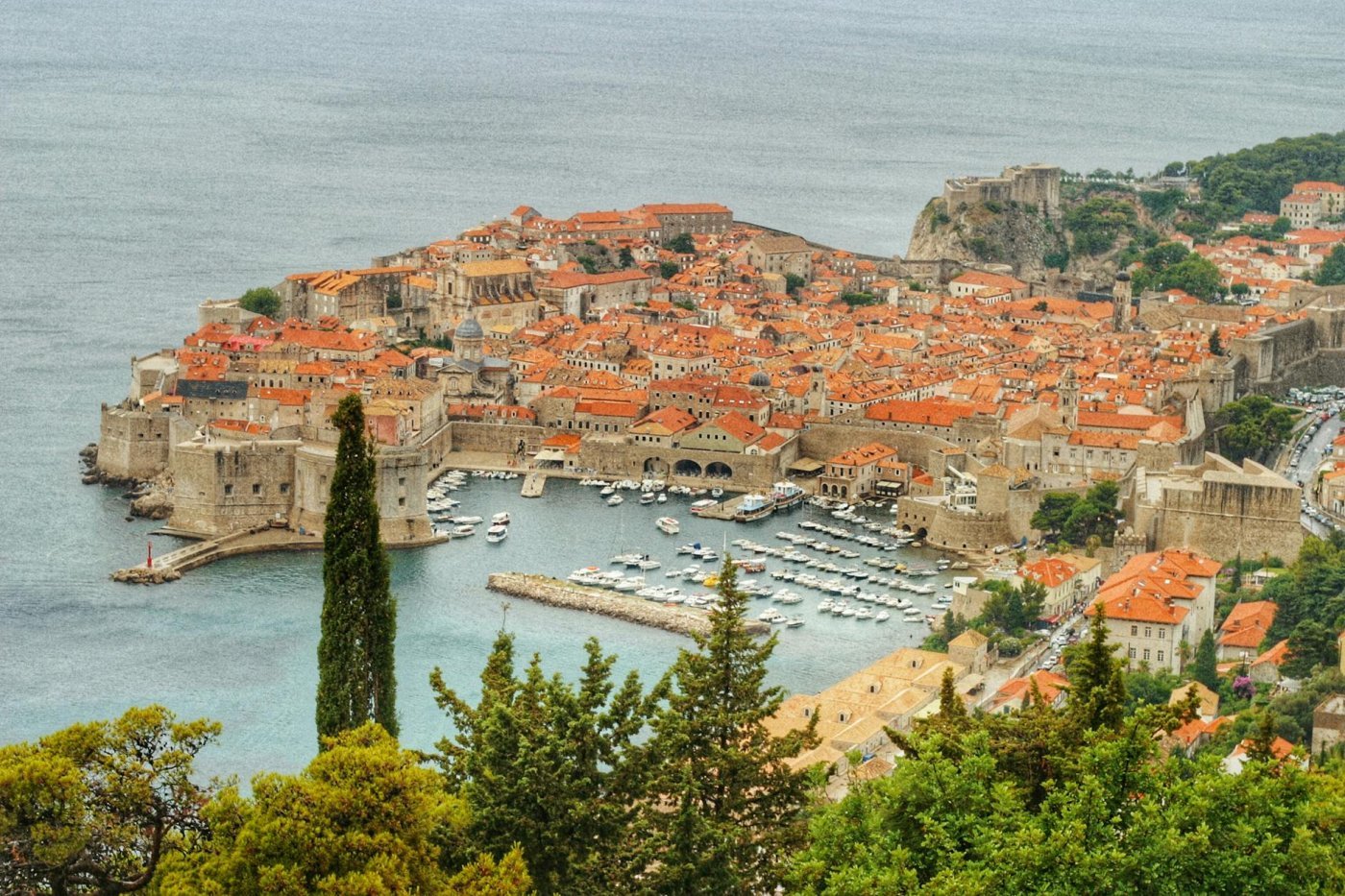
Hvar and Dubrovnik serve fundamentally different travel appetites. Hvar is the better choice if your priority is beach life, island-hopping, quality nightlife and wine culture in a setting that still feels like a living community rather than a tourist monument. Dubrovnik's Old Town is arguably the most visually dramatic city on the Adriatic, with its intact medieval walls, filming locations from Game of Thrones and world-class restaurants, but it can feel overwhelmed by cruise-ship visitor numbers in peak summer. If you want active beach days and evenings that extend well past midnight, Hvar wins decisively. If architectural spectacle and urban cultural depth matter more, Dubrovnik is the stronger choice. Many smart itineraries include both, using Split as a hub.
Do people speak English in Hvar?
English is spoken to an excellent standard throughout Hvar's tourism industry — restaurant staff, hotel receptionists, water taxi operators and tour guides all communicate confidently and often fluently in English. Younger Croatians across the island typically have strong English skills from school and media exposure. In more remote interior villages and among older residents you may encounter limited English, but pointing, a few Croatian phrases and goodwill resolve most situations easily. Learning just a handful of Croatian basics — hvala (thank you), molim (please), dobar dan (good day) — is genuinely appreciated by locals and immediately distinguishes you from the average tourist.
★ Hotel guide
Where to stay in Hvar
7+ hand-picked hotels across luxury, mid-range and budget — verified by Max.
Hand-picked and verified by Max, who founded Vacanexus from Luxembourg in 2026. No sponsorships, no paid placements. Every recommendation — restaurants, neighbourhoods, things to do — is selected for authenticity over popularity.