Nature & Wildlife · Australia · South Australia 🇦🇺
Kangaroo Island Travel Guide — Where sea lions, koalas and ancient rocks define untamed Australia
⏱ 11 min read📅 Updated 2026💶 €€€ Comfort✈️ Best: Apr–Sep
€120–250/day
Daily budget
Apr–Sep
Best time
4–7 days
Ideal stay
AUD
Currency
Kangaroo Island greets you with salt-laden wind off the Southern Ocean, the bark of Australian sea lions echoing from honey-gold beaches, and the sharp eucalyptus scent of bush stretching to every horizon. This rugged landmass, roughly the size of Luxembourg, sits just fourteen kilometres off the South Australian coast near Cape Jervis, yet it feels worlds removed from mainland life. Wallabies graze at the roadside at dusk, echidnas shuffle through leaf litter without a glance upward, and Cape Barren geese waddle across empty back roads as though they own the tarmac — because, frankly, they do. Kangaroo Island is one of the last places on earth where wild animals treat humans as a minor inconvenience rather than a threat.
Visiting Kangaroo Island is not like visiting a zoo, a national park with a visitor centre, or even Tasmania. The wildlife encounters here are spontaneous, unscripted, and absurdly close — a koala draped over a low branch metres from your parked car, a New Zealand fur seal draped over kelp-covered rocks in Flinders Chase. Things to do in Kangaroo Island range from self-drive wildlife spotting at dusk and kayaking the tranquil Murray River channel to tasting local marron, raw honey, and KI pure spirits gin at island producers. After the devastating 2019–20 bushfires, a quiet but remarkable renewal is underway, and the island's conservation story gives every visit an extra layer of meaning.
✦ Find your perfect destination
Is Kangaroo Island really your perfect match?
Answer 12 quick questions about your travel style, budget and dates — we match you with the destinations that fit you best, from 600+ worldwide.
Your Kangaroo Island itinerary — choose your style
🗓 Weekend Break — 2 days
🧭 City Explorer — 5 days
🌍 Deep Dive — 10 days
Your pace:
Why Kangaroo Island belongs on your travel list
Kangaroo Island belongs on your travel list for a simple reason: nowhere else in Australia concentrates so much accessible wilderness in such a compact, driveable space. Declared conservation areas cover roughly one-third of the island, protecting habitats that have remained free of foxes and rabbits since European settlement — a biological rarity that lets native species flourish at densities impossible on the mainland. Kangaroo Island's coastline alone rivals anything in Europe: wave-polished granite domes at Remarkable Rocks, turquoise coves at Vivonne Bay, and Admiral Arch where gentoo penguins shuffle beneath a natural sea cave. Post-bushfire ecological recovery has also made the island a quietly inspiring destination for travellers who care about conservation.
The case for going now: Kangaroo Island's tourism infrastructure has been thoughtfully rebuilt following the 2019–20 fires, with new eco-lodges, upgraded trails and expanded wildlife sanctuaries opening through 2024–2026. Visitor numbers remain well below pre-fire peaks, meaning you enjoy remarkable sites without the crowds that now overwhelm similar destinations. South Australia's dollar-friendly value for European travellers — the AUD is historically weak against the euro — makes a Kangaroo Island itinerary surprisingly accessible for a premium wilderness experience.
🦭
Sea Lion Encounters
Seal Bay Conservation Park is one of very few places on earth where you walk among a wild Australian sea lion colony on an open beach. Guided tours bring you within metres of mothers nursing pups.
🪨
Remarkable Rocks
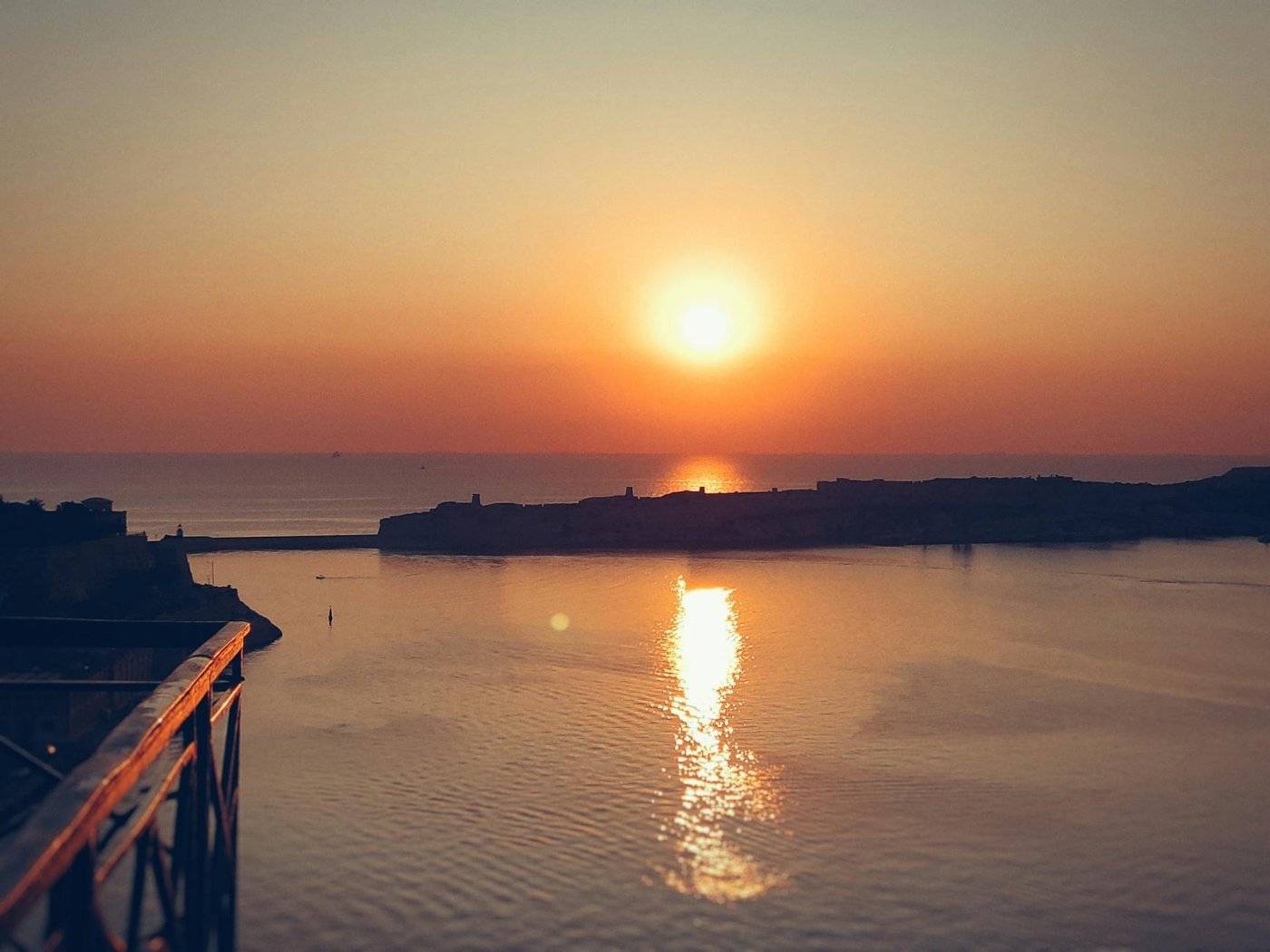
Wind and ocean spray have sculpted these billion-year-old granite domes into surreal orange-and-grey forms at the edge of Flinders Chase. Sunrise and sunset turn the boulders copper-red — among Australia's most photogenic scenes.
🐨
Koala Spotting
Kangaroo Island's koala population is genetically distinct and disease-free. Spot them dozing in manna gum trees along Hanson Bay Road or at dedicated wildlife parks — often at arm's reach from the roadside.
🍯
Island Food & Gin
KI's isolation has produced world-class Ligurian honey, artisan marron, free-range lamb and the award-winning Kangaroo Island Spirits gin distilled from local botanicals — a self-drive food trail links producers across the island.
Kangaroo Island's neighbourhoods — where to focus
Gateway Town
Kingscote
Kangaroo Island's largest town sits on Nepean Bay's calm waters and functions as the island's practical hub. You'll find the main supermarket, fuel, the ferry terminal link road, and a pleasant foreshore where little penguins emerge after dark. Restaurants and bottle shops make Kingscote a logical base for exploring the island's eastern end.
North Coast Charm
Emu Bay & Stokes Bay
Emu Bay's long white-sand beach is one of Kangaroo Island's finest swimming spots, with calm, shallow turquoise water ideal for families. Nearby Stokes Bay hides a secret beach reached through a narrow rock passage — a quintessential Kangaroo Island discovery that rewards curious explorers who know where to look.
Wildlife Heartland
Flinders Chase
The wild western end of Kangaroo Island, dominated by Flinders Chase National Park, is where wilderness feels most complete. Remarkable Rocks and Admiral Arch both lie within the park, alongside dense mallee scrub recovering beautifully from the 2019 fires. Cape du Couedic lighthouse adds a dramatic human counterpoint to the raw coastal scenery.
Sheltered South
Vivonne Bay & Seal Bay
The southern coast between Seal Bay and Vivonne Bay is arguably Kangaroo Island's most rewarding corridor. Seal Bay Conservation Park offers guided sea lion experiences while Vivonne Bay — voted Australia's best beach — delivers a broad arc of white sand at the mouth of the Harriet River, excellent for surf fishing and kayaking.
Top things to do in Kangaroo Island
1. Walk Among Sea Lions at Seal Bay
Seal Bay Conservation Park on Kangaroo Island's south coast is one of the most extraordinary wildlife experiences in Australia. The resident colony of Australian sea lions — a species found nowhere outside Australian waters — lounges, squabbles, nurses pups and surfs the shorebreak entirely on its own schedule, making every visit different. Rangers from the South Australian Parks Authority lead small groups along a boardwalk and then onto the open beach, explaining the colony's social hierarchy and the conservation challenges facing this vulnerable species. Book the guided beach tour rather than the boardwalk-only option: it brings you to ground level with the animals in a way that feels genuinely wild rather than managed. Early morning visits offer the best light for photography and the most active animals before midday heat sets in. Budget roughly ninety minutes and wear shoes you don't mind getting sandy.
2. Explore Flinders Chase National Park
Flinders Chase National Park covers the entire western tip of Kangaroo Island and packs an extraordinary range of landscapes into a single driveable day. Remarkable Rocks — a cluster of granite boulders perched dramatically on a coastal headland — are the park's most famous sight, and they genuinely deserve the hype: at sunrise the rocks glow amber and rust against a steel-grey Southern Ocean, with Cape gannet seabirds wheeling overhead. A few kilometres south, Admiral Arch frames crashing waves through a natural basalt cave where New Zealand fur seals bask on wet rocks and tiny blue penguins nest in crevices above the waterline. The park's interior trails lead through post-fire mallee regrowth, where kangaroos, glossy black cockatoos and wallabies have returned in encouraging numbers since 2020. Pick up the national parks day-pass at the visitor centre near Rocky River.
3. Self-Drive the Island's Food & Spirits Trail
Kangaroo Island's agricultural isolation has accidentally created some of Australia's most distinctive food producers, and a self-drive food trail links them across the island in a satisfying half-day loop. The island's Ligurian honeybees — a strain introduced in 1884 and kept pure by the island's separation from the mainland — produce what many consider Australia's finest raw honey, available at several farm gates. Kangaroo Island Spirits near Cygnet River distills small-batch gin using local botanicals including lemon myrtle, samphire and yuzu, and the cellar door pours generous samples. Further west, local producers sell free-range lamb, marron (a native freshwater crayfish), and artisan cheeses. The trail requires no booking at most stops, but calling ahead for the distillery and the Emu Ridge Eucalyptus distillery — which produces oil from island-grown mallees — ensures you don't arrive during harvest closures.
4. Penguin Watching at Kingscote Wharf
Each evening at dusk, little penguins — the world's smallest penguin species, standing just thirty-three centimetres tall — emerge from the Southern Ocean and waddle up the rocky shore beneath Kingscote's Heritage Wharf to reach their burrows. Unlike the heavily commercialised penguin parades at Phillip Island near Melbourne, the Kingscote experience is genuinely low-key: rangers from a small conservation programme stand quietly with red-filtered torches, keeping numbers manageable so birds and visitors both feel comfortable. The penguins are unbothered by the small audience and often pass within a metre of watchers crouched on the rocks. Guided tours depart from Kingscote town centre in time for the nightly emergence, which typically begins thirty minutes after sunset. This is one of the most intimate and underrated wildlife experiences on Kangaroo Island, and it costs a fraction of similar mainland experiences.
What to eat in Kangaroo Island — the essential list
KI Ligurian Honey
Pure-strain Ligurian honey harvested from bees isolated on Kangaroo Island since the 1880s. Floral, complex and unlike any commercial honey — spread thickly on fresh sourdough at a Kingscote café for the definitive taste of the island.
Marron
Native freshwater crayfish farmed in clear island waterways, marron has sweet, firm flesh somewhere between lobster and yabby. Best eaten simply — grilled with local butter and lemon — at island restaurants where the supply chain from pond to plate is measured in kilometres.
KI Free-Range Lamb
Kangaroo Island lamb grazes on native saltbush and coastal grasses, producing meat with a distinctive mineral sweetness. Local butchers and island restaurants source exclusively from KI farms, making the lamb a truly island-specific dish worth seeking out.
Smoked Emu Sausages
A playful local specialty at island farm gates and casual eateries — emu meat is lean, dark and faintly gamey, cold-smoked over mallee wood and cooked on the barbecue. An approachable introduction to Australian game meat for curious visitors to Kangaroo Island.
KI Pure Spirits Gin
Kangaroo Island Spirits produces small-batch gins using botanicals foraged on the island itself — samphire from coastal dunes, lemon myrtle from the bush. The signature Wild Gin has won multiple international awards and is available at the Cygnet River cellar door.
Fresh Oysters
Pacific oysters are farmed in the pristine cold waters of American River Inlet, on Kangaroo Island's sheltered eastern coast. Eaten raw with a squeeze of lemon straight from a roadside cool-box or a waterfront trestle table, they're plump, briny and exceptional.
Where to eat in Kangaroo Island — our top 4 picks
Fine Dining
Sunset Food & Wine
📍 Sunset Winery, 3 Eclipse Rd, Kingscote SA 5223
Perched above Nepean Bay at Sunset Winery, this is Kangaroo Island's most accomplished dining room. The kitchen leans hard into island produce — KI lamb, local seafood, Ligurian honey — paired with estate wines. Views across the bay at golden hour are genuinely spectacular and worth the splurge.
Fancy & Photogenic
Rockpool Seafood & Grill
📍 Commercial St, Kingscote SA 5223
A smartly styled waterfront room in Kingscote with floor-to-ceiling windows framing Nepean Bay. Local oysters, grilled marron and catch-of-the-day fillets dominate a concise menu that champions Kangaroo Island producers loudly and unashamedly. Reserve ahead — tables are limited and evenings fill quickly.
Good & Authentic
Vivonne Bay General Store
📍 2694 South Coast Rd, Vivonne Bay SA 5223
A beloved institution at the island's best beach, this simple store and kiosk serves freshly battered fish and chips, meat pies and cold drinks to sun-dried travellers straight off the sand. No pretension whatsoever — just excellent, honest food at a spectacular location on Kangaroo Island's south coast.
The Unexpected
Emu Bay Lavender Farm Café
📍 67 Gum Creek Rd, Emu Bay SA 5223
A quirky lavender farm café serving lavender-infused scones, shortbread and iced teas in a garden setting that turns purple in bloom season. Entirely unexpected on a wildlife island, yet completely charming — a reminder that Kangaroo Island rewards the traveller who turns down unmarked roads.
Kangaroo Island's Café Culture — top 3 cafés
The Institution
Kingscote Bakery
📍 37 Dauncey St, Kingscote SA 5223
Every island town needs a bakery that everybody ends up in, and Kingscote's is the real deal — proper Australian meat pies, jam doughnuts, and strong flat whites served from early morning. Locals and travellers mingle on the footpath outside with paper bags before driving off in opposite directions to explore Kangaroo Island.
The Aesthetic Hub
Kangaroo Island Brewery
📍 2 Murray St, Kingscote SA 5223
A craft brewery and taproom doubling as a relaxed afternoon hangout where you can try KI-brewed pale ales, stouts and seasonal releases alongside cheese boards featuring island produce. The outdoor deck is the best place in Kingscote to watch the afternoon light shift across Nepean Bay over a cold glass.
The Local Hangout
Sweet Gum Café
📍 28 Telegraph Rd, Kingscote SA 5223
A laid-back neighbourhood café in Kingscote where island workers take their mid-morning break alongside visiting cyclists and self-drive travellers. The menu runs to solid eggs on toast, good espresso and homemade cakes using local honey. Entirely unpretentious and exactly what you need after an early wildlife-spotting dawn.
Best time to visit Kangaroo Island
Jan
Feb
Mar
Apr
May
Jun
Jul
Aug
Sep
Oct
Nov
Dec
Prime Season (Apr–Aug) — mild days, best wildlife activity, dry weather, ideal driving conditionsShoulder Season (Mar & Sep) — warming or cooling, slightly busier or quieter, still very good for wildlifeOff-Season (Oct–Feb) — hot, fire risk, some facilities reduced, but summer wildlife is still active
Kangaroo Island events & festivals 2026
Whether you're planning around a specific celebration or simply want to know what's happening, this guide covers the best events and festivals in Kangaroo Island — from major annual traditions to cultural highlights worth timing your trip around.
March 2026culture
Kangaroo Island Fringe
An emerging arts festival bringing live performance, outdoor cinema and visual art installations to Kingscote and surrounding properties each autumn.
April 2026culture
KI Racing Carnival
The Kangaroo Island Racing Carnival is a beloved local event held at the island's own racetrack, drawing mainlanders across on the ferry for a day of country racing, picnic rugs and island hospitality. A genuinely authentic slice of rural South Australian life, far removed from city racing scenes.
May 2026culture
Kangaroo Island Outdoor Cinema
Each autumn, outdoor screenings are held under the stars at farm and vineyard properties around the island. Films range from wildlife documentaries to independent features — watching nature cinema while actual wildlife moves through the surrounding scrub is an unforgettably atmospheric Kangaroo Island experience.
June 2026market
Kingscote Farmers Market
The regular Kingscote foreshore market peaks in winter with stalls piled high with island honey, marron, fresh oysters, KI olive oil, smoked meats and artisan preserves. It's the best single place on Kangaroo Island to taste and buy the island's extraordinary larder in one concentrated, convivial setting.
July 2026music
KI Mid-Winter Music Sessions
Local venues including the KI Brewery and Kingscote Hotel host informal mid-winter music sessions featuring South Australian folk, roots and acoustic acts through July. Small crowds, warm rooms and cold island beer make these performances a cosy counterpoint to the wild winter weather outside on the Southern Ocean coast.
August 2026culture
Wildlife Photography Weekend
A guided photography event run in partnership with island conservation groups and professional wildlife photographers, offering participants access to private land and expert-led sessions at Seal Bay and Flinders Chase. Among the best Kangaroo Island itinerary additions for nature and photography enthusiasts visiting in the prime winter season.
September 2026culture
KI Conservation Week
Coinciding with spring emergence, Kangaroo Island Conservation Week hosts guided ranger walks, beach clean-ups, wildlife monitoring participation and talks by ecologists working on post-bushfire recovery. Visitors can volunteer for meaningful conservation work, giving the island visit an extra layer of depth and purpose.
October 2026culture
Island Food & Wine Weekend
Producers across Kangaroo Island open their properties for tastings, farm tours and long lunches celebrating the island's remarkable food culture. Honey, gin, wine, marron, lamb and artisan cheese feature at events spread across multiple venues — a superb excuse to explore back roads between properties.
November 2026religious
Remembrance Day Ceremony, Kingscote
Kangaroo Island's Remembrance Day ceremony at the Kingscote war memorial is a poignant, community-led event that draws almost the entire island population. The intimacy of a small island community gathering for this national commemoration makes it unexpectedly moving for visitors who happen to be present.
December 2026culture
KI Christmas Markets
Kingscote's annual Christmas market fills the foreshore with local craft stalls, food producers, live music and summer evening atmosphere in the days leading up to Christmas. A cheerful, community-driven event that reflects how strongly Kangaroo Island residents celebrate their unique, self-sufficient island life.
Getting to and around Kangaroo Island (Transport Tips)
By air: Kangaroo Island's Kingscote Airport (KGC) operates regular flights from Adelaide with Regional Express (Rex), with the flight taking approximately thirty-five minutes. Flight frequency increases during peak season from April through September. Booking ahead is strongly advised during school holidays as the small aircraft fill quickly.
From the airport: Kingscote Airport sits just seven kilometres from Kingscote town centre. There is no regular bus service, so most travellers pre-arrange a hire car pickup at the terminal — this is strongly recommended as Kangaroo Island is effectively impossible to explore without your own vehicle. A handful of accommodation providers offer airport transfers if you contact them directly before arrival.
Getting around the city: Kangaroo Island has no public transport whatsoever — a hire car is not optional but essential. The main sealed road runs east–west across the island and is easy to drive, but many worthwhile sites require short sections of well-maintained gravel road. A standard two-wheel-drive vehicle handles the island without difficulty outside of very wet winter days when a higher clearance vehicle provides extra confidence on remote tracks.
Transport Safety & Scam Prevention:
Fuel Up Before Heading West: Petrol stations are concentrated in Kingscote and are nonexistent west of Parndana. Fill your hire car before driving to Flinders Chase — running out of fuel on a remote island with no phone signal is not a theoretical risk but a genuine one that catches visitors every season.
Check Fire Danger Ratings: Kangaroo Island's national parks close on Total Fire Ban days during summer months, sometimes with very little notice. Check the South Australian Country Fire Service app and park alerts each morning before driving to Flinders Chase or other conservation areas — access can be denied at the gate without a refund on tour bookings.
Book Guided Tours Well Ahead: Seal Bay guided beach tours have strictly limited group sizes and sell out days in advance during April–September peak season. Book online through the South Australian National Parks booking system before you arrive on the island — walk-up availability at the park gate is rare and unreliable.
Do I need a visa for Kangaroo Island?
Visa requirements for Kangaroo Island depend on your nationality. Select your passport below for an instant answer — based on the Passport Index dataset for entry into Australia.
ℹ️ Indicative only. Always verify with the official consulate before booking. Data: Passport Index, April 2026.
For detailed requirements, documentation checklists and processing times by nationality: TravelDoc →
Search & Book your trip to Kangaroo Island
Find the best flight routes and hotel combinations using our partner Kiwi.com.
Frequently Asked Questions
Is Kangaroo Island safe for tourists?
Kangaroo Island is one of Australia's safest travel destinations, with an extremely low crime rate and a welcoming island community accustomed to hosting visitors. The main safety considerations are environmental rather than social: summer fire risk is real and visitors must monitor park closure alerts, some coastal cliffs and rock platforms are dangerous in swell, and wildlife-vehicle collisions at dawn and dusk are frequent. Driving slowly after dark and staying behind safety fences at cliff-edge attractions eliminates the vast majority of risk. Travellers with standard travel insurance and a sensible approach to outdoor environments will find Kangaroo Island a thoroughly safe and relaxed destination.
Can I drink the tap water in Kangaroo Island?
Tap water in Kingscote and other settled areas of Kangaroo Island is treated and safe to drink, sourced from island reservoirs and rainwater catchment systems. Some more remote properties and farms operate on rainwater tanks alone, and water quality can vary depending on tank maintenance. Staying hydrated is particularly important during summer months when temperatures can exceed 35°C. Bottled water is available at Kingscote supermarket and most visitor centres if you prefer not to drink from the tap, though the environmental footprint of single-use plastic on an island with conservation values is worth considering.
What is the best time to visit Kangaroo Island?
The best time to visit Kangaroo Island is from April through August, when mild temperatures between 12°C and 22°C make outdoor exploration comfortable throughout the day, wildlife is most active, and summer fire risk is absent. Sea lions are year-round residents at Seal Bay but are most energetically entertaining from May to August when pup-rearing is underway. Spring (September–October) is also excellent, with wildflowers and newborn wildlife adding extra reward. Summer (December–February) brings heat, occasional fire closures and slightly higher visitor numbers, though wildlife remains active and some travellers enjoy the long daylight hours.
How many days do you need in Kangaroo Island?
A minimum of four days is needed to cover Kangaroo Island's essential experiences without feeling rushed — this gets you to Seal Bay, Flinders Chase, Remarkable Rocks, a koala spotting drive and a penguin evening. Five to seven days is the sweet spot for a Kangaroo Island itinerary that also includes the food and spirits trail, north coast beaches, and time for genuinely slow wildlife watching. Ten days transforms the trip into a deep immersion allowing birdwatching, conservation volunteering, kayaking and exploration of remote corners that day-trippers never reach. Arriving by ferry from Cape Jervis rather than flying allows you to bring a bike, which extends your options considerably.
Kangaroo Island vs Tasmania — which should you choose?
Kangaroo Island and Tasmania are both outstanding Australian wildlife and wilderness destinations, but they suit quite different travel styles. Kangaroo Island is more compact, warmer, easier to self-drive in three to seven days, and delivers its headline wildlife experiences — sea lions, koalas, echidnas — in a format that feels more immediately accessible. Tasmania offers far greater scale, multi-day wilderness walks, a richer food and wine scene, and a more dramatic, alpine-influenced landscape. If you have less than a week and wildlife is your priority, Kangaroo Island wins decisively. If you have two or more weeks and want grand wilderness hiking alongside wildlife, Tasmania rewards the extra time. Both can be combined on a South Australia and Tasmania circuit.
Do people speak English in Kangaroo Island?
English is the sole language spoken on Kangaroo Island — it's a rural Australian community where you'll encounter no language barrier whatsoever. Locals are typically friendly, direct and happy to give recommendations. Accents are standard Australian and easily understood by British, North American and most European English speakers. Signage across the island, in national parks and at all visitor centres is exclusively in English, with limited multilingual interpretation even at major sites like Seal Bay. European travellers comfortable in English will find communication completely effortless throughout their Kangaroo Island visit.
★ Hidden Gems Weekly
Like this? One place per week, in your inbox.
No spam, no fluff — just one underrated destination, every Tuesday.
Hand-picked and verified by Max, who founded Vacanexus from Luxembourg in 2026. No sponsorships, no paid placements. Every recommendation — restaurants, neighbourhoods, things to do — is selected for authenticity over popularity.