Krabi Travel Guide — Where limestone towers meet emerald water
⏱ 11 min read📅 Updated 2026💶 €€ Mid-range✈️ Best: Jan–Apr
€50–120/day
Daily budget
Jan–Apr
Best time
5–7 days
Ideal stay
THB
Currency
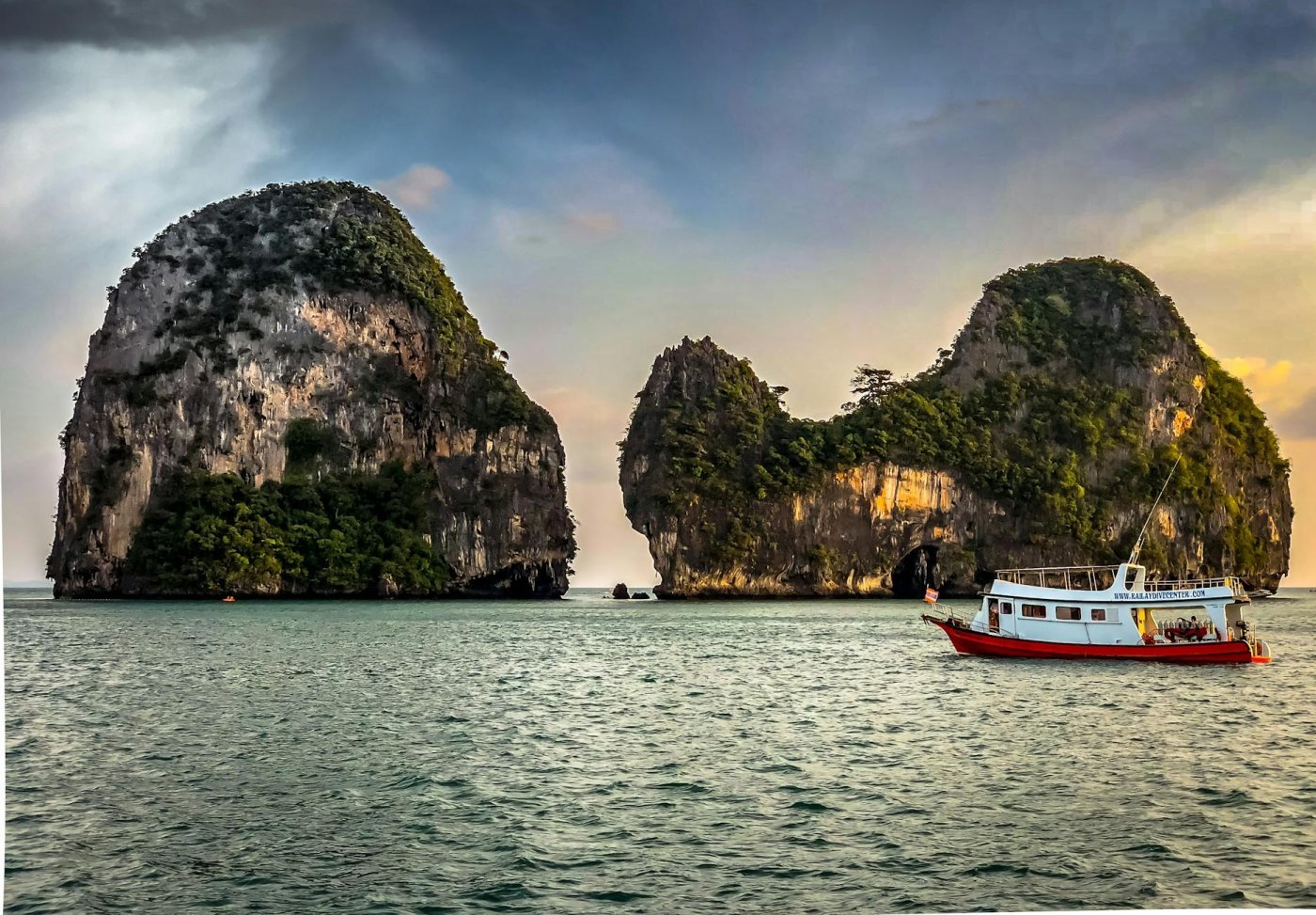
Krabi announces itself before you even step off the boat — salt air thick with jungle warmth, limestone karsts rising hundreds of metres from a sea so green it barely looks real, and the low chug of longtail engines threading between islets draped in hanging vines. This is one of southern Thailand's most dramatically beautiful provinces, a stretch of Andaman coastline where geology did something genuinely extraordinary. Krabi town sits at the mouth of a mangrove-lined river, while just offshore the archipelago fans out in every direction, offering a different shade of paradise each morning.
What separates Krabi from the rest of southern Thailand's beach circuit is the sheer range of things to do in Krabi without ever feeling rushed. Phuket offers bigger resorts and a more urban pulse; Koh Samui leans into luxury pools and nightlife. Visiting Krabi, by contrast, means waking up to a limestone wall outside your bungalow window, spending the afternoon on a deserted sandbar, and ending the day at a seafood shack on the beach. It rewards the curious traveller who wants adventure, stillness, and extraordinary food in equal measure — all at a price that feels almost unfair by European standards.
✦ Find your perfect destination
Is Krabi really your perfect match?
Answer 12 quick questions about your travel style, budget and dates — we match you with the destinations that fit you best, from 600+ worldwide.
Krabi belongs on your travel list because it offers a combination that almost no other destination can match: world-class rock climbing bolted into ancient limestone, beaches accessible only by sea, and some of Southeast Asia's most biodiverse coral reefs within snorkelling distance of shore. The province packs extraordinary variety into a compact area — you can kayak through mangrove tunnels in the morning, abseil a sea cliff by afternoon, and watch the Milky Way from a hammock on Railay Beach that same night. Krabi does all of this without demanding a luxury budget.
The case for going now: Krabi in 2025–2026 sits at a sweet spot: the post-pandemic tourism surge has stabilised, several new boutique properties on Koh Lanta have opened with competitive rates, and the Andaman coast ferry network has expanded, making island-hopping faster and cheaper than ever before. The Thai baht remains favourable for European travellers, stretching budgets noticeably further than comparable beach destinations in the Maldives or even Bali.
🧗
Rock Climbing
Krabi's limestone karsts host over 700 bolted routes, from beginner slabs at Railay's South Wall to demanding overhangs at Tonsai. Half-day guided sessions cost around €25 and suit total beginners.
🚣
Island Hopping
The Four Islands tour visits Koh Poda, Koh Gai (Chicken Island), Koh Tub and Koh Mor in a single day by longtail. Snorkelling is exceptional around Koh Poda's shallow reef shelves.
🌅
Railay Beach
Accessible only by longboat from Ao Nang or Krabi town, Railay is the province's crown jewel — a peninsula flanked by two beaches and surrounded entirely by vertical karst walls.
🛶
Mangrove Kayaking
Paddling through Krabi's ancient mangrove forests at low tide reveals hidden caves, monitor lizards and kingfishers. Early-morning tours with local guides depart from the river pier daily.
Krabi's neighbourhoods — where to focus
Backpacker Base
Krabi Town
Krabi Town sits along a mangrove river and functions as the province's beating heart. The night market on Khong Kha Road serves some of the best southern Thai food you'll find anywhere. It's the cheapest base for excursions, with frequent ferries and minivans fanning out across the region every morning.
Resort Strip
Ao Nang
Ao Nang is Krabi's main tourist beach — a long promenade of restaurants, dive shops, and boat piers where longtails depart for Railay and the Four Islands every thirty minutes. Accommodation ranges from budget guesthouses tucked behind the main road to polished beachfront resorts. The beach itself is pleasant without being the region's finest.
Cliffside Escape
Railay & Tonsai
Cut off from the mainland by sheer karst walls, Railay and its scruffier neighbour Tonsai are reachable only by boat. Railay West offers the postcard sunsets; Railay East has cheaper bungalows on a tidal mudflat. Tonsai is the climbing community's unofficial headquarters — a relaxed, slightly bohemian outpost of hammocks and chalk dust.
Island Retreat
Koh Lanta
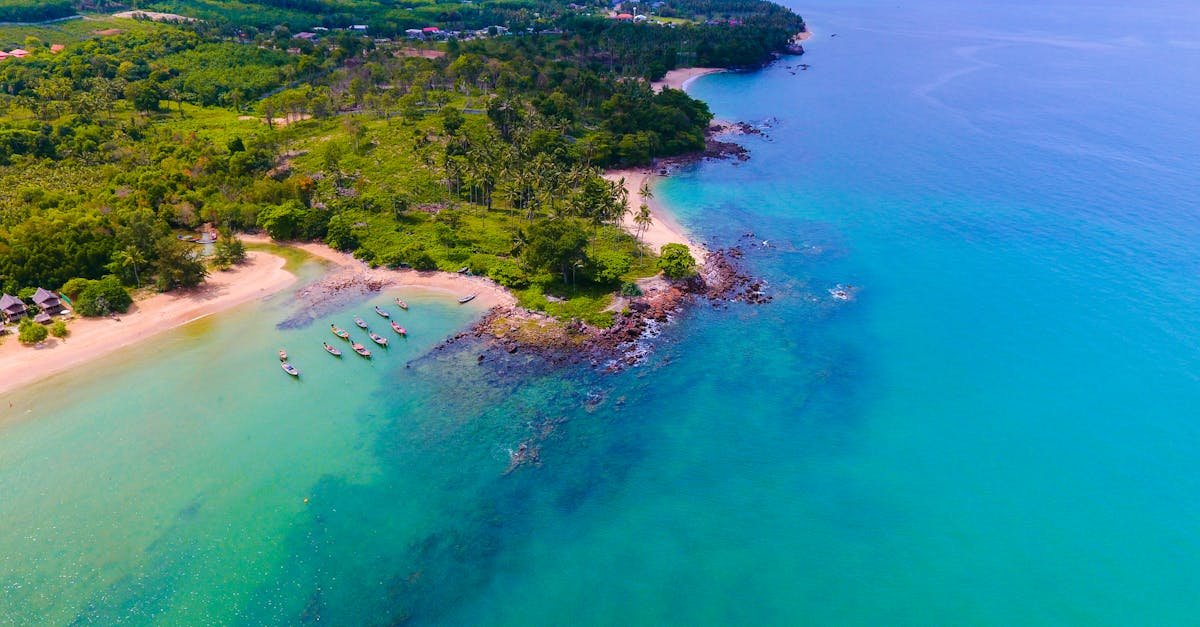
Koh Lanta lies an hour south of Krabi by ferry and offers a noticeably calmer pace than Ao Nang. A string of long west-coast beaches — Klong Dao, Long Beach, Klong Nin — faces sunsets over open water. The island has a genuine Muslim fishing community in the Old Town and draws travellers who want fewer crowds alongside their coral reefs.
Top things to do in Krabi
1. Climb the Railay Karsts
Krabi is the uncontested rock-climbing capital of Southeast Asia, and Railay Beach is where most of the action happens. The limestone walls here were first bolted in the late 1980s and today host more than 700 documented routes across all grades, from gentle 5a slabs perfect for first-timers to technical 8b overhangs that draw elite climbers from across Europe and beyond. Half-day guided climbing courses are available directly on Railay West beach — instructors set up top-rope rigs on beginner walls within minutes of arrival. For independent climbers, King Climbers and Hot Rock have been renting gear and selling route topos here for decades. The view from even a modest height — the Andaman Sea framed between two limestone pillars — is reason enough to try a single pitch on your Krabi itinerary.
2. Tiger Cave Temple Viewpoint
Wat Tham Suea, better known as Tiger Cave Temple, rises just east of Krabi Town and rewards the 1,237 steps to its summit with a panorama that stops most visitors completely silent. The climb takes roughly forty minutes at a moderate pace, and the golden Buddha statue and monks' bells at the peak make it a living place of worship, not merely a viewpoint. Start before 8am to avoid the midday heat and to catch the soft light rolling across the mangrove plains below. The temple complex at the base is equally worth your time: monks meditate in caves among the roots of enormous fig trees, and there is a large reclining Buddha visible from the car park. Admission is free, though modest dress is required — bring a sarong if you are arriving straight from the beach.
3. Four Islands Snorkelling Tour
One of the most popular things to do in Krabi, the Four Islands tour strings together Koh Poda, Koh Gai, Koh Tub and Koh Mor into a single day by longtail, departing from Ao Nang pier most mornings around 9am. The real highlight is the shallow reef surrounding Koh Poda, where visibility regularly reaches 10 to 15 metres and parrotfish, triggerfish and occasional reef sharks cruise below the surface. Low tide on Koh Tub exposes a sandbar walkway connecting two islands that disappears entirely by mid-afternoon — a photograph opportunity that requires precise timing. Bring your own snorkel mask if you prefer a good seal fit; rental gear is functional but variable. Most organised tours include a Thai lunch served on the beach, making the day genuinely complete without extra expenditure.
4. Kayak Through Mangrove Caves
The tidal caves and mangrove channels around Krabi Town and Ao Thalane offer some of the most surreal paddling in all of southern Thailand. Guided sea-kayaking tours enter narrow limestone tunnels — some requiring a full recline in the kayak to pass through — and emerge into hidden lagoons called hongs, completely enclosed by karst walls and invisible from open water. Ao Thalane is the most accessible launch point for self-guided rentals, while organised tours to Bor Thor caves venture further into the river delta system. Early mornings between 7 and 9am catch the mangroves at their quietest, when egrets and crab-eating macaques are most active along the waterline. The experience requires no prior kayaking experience and is suitable for most fitness levels.
What to eat in southern Thailand — the essential list
Gaeng Som
Southern Thailand's fiery sour curry, cooked with fish, turmeric, and tamarind in a thin, intensely flavoured broth. Krabi's version is sharper and more pungent than central Thai variants — not for the faint-hearted.
Pad Pak Boong
Morning glory stir-fried over enormous heat with garlic, oyster sauce, and fresh chilli — a vegetable dish that sounds simple but depends entirely on the quality of the wok flame. Every street stall in Krabi Town executes it differently.
Khao Yam
A quintessentially southern Thai rice salad tossed with toasted coconut, dried shrimp, kaffir lime, lemongrass, and bean sprouts. Light, fragrant, and deeply regional — you will rarely find khao yam north of Chumphon.
Hor Mok Talay
Steamed seafood curry custard — mixed prawn, squid, and fish blended with red curry paste and coconut cream, then steamed in a banana leaf cup. The texture is silky and the flavour complex; a Krabi seafront staple at dinner.
Roti with Banana
A southern Thai street obsession: flaky pan-fried flatbread folded around ripe banana, drizzled with condensed milk and sugar. Krabi's Muslim south has perfected the roti over generations — find vendors near the Ao Nang roundabout from dusk.
Tom Kha Pla
Coconut milk soup with fish, galangal, lemongrass, and kaffir lime — the lesser-known cousin of tom kha gai (chicken version). The oceanic depth of fresh fish makes Krabi's coastal version particularly well-suited to this rich, creamy broth.
Where to eat in Krabi — our top 4 picks
Fine Dining
Sala Krabi Restaurant
📍 Sala Krabi, 36 Moo 2, Tambon Pak Nam, Krabi 81000
The restaurant at Sala Krabi resort commands a front-row view of the karst islands rising from the river mouth. The kitchen blends modern Thai technique with Andaman seafood — whole grilled barramundi, crab-fat fried rice — executed with precision. Book the terrace table for sunset.
Fancy & Photogenic
The Mangrove Restaurant
📍 Centara Anda Dhevi Resort, 396 Moo 2, Ao Nang, Krabi 81000
Perched above a tidal mangrove channel with stilted decking and fairy lights reflecting on the water below, this Centara property restaurant is among Ao Nang's most scenic dinner settings. Southern Thai and international dishes share the menu; the seafood platters attract the most repeat orders.
Good & Authentic
Krua Thara Restaurant
📍 Khong Kha Rd, Krabi Town, Krabi 81000
A beloved riverside restaurant in Krabi Town where locals outnumber tourists most evenings. The menu sticks close to southern Thai tradition: gaeng som, stir-fried fresh squid, and crab curries served in generous portions. Prices are honest and the views across to the mangroves are quietly lovely.
The Unexpected
Tonsai Beach Café & Bar
📍 Tonsai Beach, Railay Peninsula, Krabi (boat access only)
A barefoot-optional bar-restaurant at the edge of the climbing world, where chalk-dusted hands and flip-flops are the dress code. The kitchen punches above its expectations: fresh fish tacos, decent espresso, and cold Chang beer arrive at hammock level. An experience as much as a meal.
Krabi's Café Culture — top 3 cafés
The Institution
Café 8.08
📍 Maharat Rd, Krabi Town, Krabi 81000
Krabi Town's most established café has been serving strong Thai-style filtered coffee and homemade pastries to morning regulars for years. The wooden shophouse interior, ceiling fans, and walls hung with local art create an unhurried atmosphere that suits a slow first coffee before a long boat day.
The Aesthetic Hub
Oasis Coffee & Bakery
📍 Ao Nang Beach Rd, Ao Nang, Krabi 81180
Ao Nang's most photographed café earns its reputation with a plant-filled terrace, excellent flat whites made from northern Thai arabica, and avocado toasts that rival anything in a European brunch spot. Popular with digital nomads working between island trips; strong Wi-Fi and reliable plug sockets throughout.
The Local Hangout
Ban Thai Coffee
📍 Khong Kha Rd, Krabi Town, Krabi 81000
A plastic-stool, open-front café that opens at 6am for fishermen and market vendors. The iced Thai coffee — robust robusta sweetened with condensed milk poured over shaved ice — costs around 40 baht and is the best version in the province. Sit roadside and watch the river traffic wake up.
Best time to visit Krabi
Jan
Feb
Mar
Apr
May
Jun
Jul
Aug
Sep
Oct
Nov
Dec
Peak Season (Jan–Apr) — Dry northeast monsoon; calm Andaman seas, superb visibility, ideal beach and climbing conditionsShoulder Season (Nov–Dec) — Transitional months with improving weather; fewer crowds and lower pricesMonsoon Season (May–Oct) — Southwest monsoon brings heavy rain, rough seas; some boat services suspended; resorts heavily discounted
Krabi events & festivals 2026
Whether you're planning around a specific celebration or simply want to know what's happening, this guide covers the best events and festivals in Krabi — from major annual traditions to cultural highlights worth timing your trip around.
January 2026culture
Krabi Traditional Boat Racing Festival
One of the Traditional decorated vessels compete in heated heats while street food vendors line the riverbanks. A vivid window into local competitive culture.
February 2026culture
Chinese New Year Krabi Town
Krabi Town's Sino-Thai community marks Chinese New Year with elaborate street processions, firecrackers, and red lanterns strung above Maharaj Road. Local Chinese temples host ceremonies open to respectful visitors. An atmospheric and largely un-touristy celebration that rewards a stop in Krabi Town over Ao Nang during this period.
March 2026culture
Krabi Rock Climbing Competition
An annual climbing event held on Railay Beach that attracts competitive and recreational climbers from across Southeast Asia. Watched closely by the global bouldering community, the competition spans several days with route-setting clinics and social events on the beach. Essential for any Krabi itinerary built around climbing.
April 2026religious
Songkran Water Festival
Thailand's most exuberant national celebration transforms Ao Nang and Krabi Town into extended water fights lasting three days. Locals and visitors drench each other with buckets and water guns on every main street. Songkran marks the Thai New Year and carries genuine religious significance — temples hold morning blessings throughout the festival.
May 2026religious
Visakha Bucha Day Ceremonies
Visakha Bucha marks the birth, enlightenment, and death of the Buddha and is one of Thailand's most sacred public holidays. Tiger Cave Temple in Krabi draws worshippers for candlelit circumambulation ceremonies after dark. A moving experience for visitors respectful of Buddhist practice and a quiet counterpoint to beach tourism.
September 2026culture
Vegetarian Festival (Ao Nang)
Southern Thailand's Taoist vegetarian festival spills into Krabi with nine days of meat-free street food, white-clad devotees, and ceremonial processions through town centres. Krabi's Chinese-Thai community participates actively. Market stalls pivoting to entirely plant-based menus offer a rare chance to eat the region's cuisine in a completely different register.
October 2026religious
Ok Phansa (End of Buddhist Lent)
Ok Phansa marks the close of Buddhist Lent and is celebrated at temples across Krabi province with boat processions on the river and offerings of robes to monks. The Krabi River candlelit boat procession at dusk is particularly beautiful. Accommodation prices remain at monsoon-season lows, making this a rewarding shoulder-season visit.
November 2026market
Krabi Oyster Festival
An annual festival celebrating Krabi's prized rock oysters, harvested from the province's mangrove-lined estuaries. Local restaurants and pop-up stalls line the waterfront, serving oysters fresh, grilled, and in southern Thai curries.
November 2026music
Loi Krathong at Ao Nang Beach
Loi Krathong sees thousands of candlelit krathong floats released onto the sea from Ao Nang Beach at full moon, creating a spectacle that is genuinely one of the most beautiful sights in southern Thailand. Live traditional music accompanies the ceremony on the beach. A full moon in November aligns perfectly with the post-monsoon return of calm Andaman seas.
December 2026culture
Krabi Amazing Race & Adventure Challenge
A multi-discipline adventure race through Krabi province that incorporates sea kayaking, rock climbing, trail running, and open-water swimming between the karst islands. Teams from across Thailand and overseas compete over two days in December, coinciding with the start of Krabi's peak tourist season and ideal Andaman weather conditions.
Dorm beds or fan bungalows, street food meals, shared longtails, self-guided climbing — Krabi is excellent value at this level.
€€ Mid-range
€50–120/day
Boutique guesthouses or resort rooms, guided tours, sit-down restaurants, private longtails — the sweet spot for most European visitors to Krabi.
€€€ Luxury
€120+/day
Beachfront resorts on Railay or Koh Lanta, private boat charters, in-villa dining, spa treatments, and fine dining at Sala Krabi level.
Getting to and around Krabi (Transport Tips)
By air: Krabi International Airport (KBV) receives direct flights from Bangkok (Don Mueang and Suvarnabhumi), Kuala Lumpur, and Singapore, with seasonal European charters from London and Frankfurt. From Europe, most travellers connect via Bangkok, with the onward flight to Krabi taking roughly 80 minutes. Budget carriers AirAsia and Thai Lion Air keep fares competitive year-round.
From the airport: Krabi Airport sits about 15 kilometres northeast of Krabi Town and around 30 kilometres from Ao Nang. Metered taxis are available outside arrivals for approximately 400–500 baht to Ao Nang. Shared minivan services to Ao Nang, Krabi Town, and even Railay pier cost considerably less but take longer due to multiple drop-offs. Pre-book airport transfers through your accommodation for the best reliability and value.
Getting around the city: Within Krabi, songthaews (shared red truck-taxis) run fixed routes between Krabi Town and Ao Nang for around 60 baht per person and are the most economical option. Tuk-tuks and private taxis cover shorter distances but negotiate the price before boarding. Motorbike rental costs around 200–300 baht per day and is the fastest way to explore independently. Longtail boats connect Ao Nang to Railay every 30 minutes during daylight for around 100 baht each way.
Transport Safety & Scam Prevention:
Negotiate Tuk-Tuk Fares First: Tuk-tuks in Ao Nang and Krabi Town rarely use meters. Always agree a firm price before boarding. Short journeys within Ao Nang should cost 60–100 baht; anything significantly higher is inflated for tourists.
Avoid Unsolicited Tour Agents at the Pier: Ao Nang pier sees persistent touts selling overpriced private longtail charters at the point of boarding. Official shared boats to Railay operate on a fixed public rate — buy your ticket from the designated booth rather than from individuals approaching you on the walkway.
Check Motorbike Condition Before Renting: Photograph every pre-existing scratch and dent on a rental motorbike before driving away. Some shops attempt to charge departing tourists for damage that existed at collection. A quick video walkthrough with the owner present removes all ambiguity.
Do I need a visa for Krabi?
Visa requirements for Krabi depend on your nationality. Select your passport below for an instant answer — based on the Passport Index dataset for entry into Thailand.
ℹ️ Indicative only. Always verify with the official consulate before booking. Data: Passport Index, April 2026.
For detailed requirements, documentation checklists and processing times by nationality: TravelDoc →
Search & Book your trip to Krabi
Find the best flight routes and hotel combinations using our partner Kiwi.com.
Frequently Asked Questions
Is Krabi safe for tourists?
Krabi is a safe destination for tourists by any regional standard. Violent crime against visitors is extremely rare, and the province has a well-established tourism infrastructure. The main safety considerations are practical rather than security-related: strong Andaman Sea currents between May and October, motorbike accidents on coastal roads, and the occasional opportunistic theft in busy pier areas. Travel insurance that covers water activities and motorbike riding is strongly recommended. Solo female travellers report feeling comfortable throughout the province, including on quieter beaches like Railay and Koh Lanta.
Can I drink the tap water in Krabi?
Tap water in Krabi is not reliably safe to drink and the vast majority of visitors and long-term residents use bottled or filtered water for drinking and brushing teeth. Large 1.5-litre bottles cost around 10–15 baht at 7-Eleven and most minimarkets. Many guesthouses and resorts provide free drinking water refills from filtered dispensers — ask on arrival to reduce plastic waste. Ice at established restaurants and resorts is typically made from purified water and is generally considered safe.
What is the best time to visit Krabi?
The best time to visit Krabi is between November and April, when the northeast monsoon keeps the Andaman coast dry, seas calm, and visibility underwater exceptional. January through March represents the absolute peak: skies are reliably clear, temperatures hover between 28–33°C, and boat services to all islands operate without interruption. April remains excellent despite creeping humidity. November and December offer a useful shoulder-season window — conditions are improving rapidly after the southwest monsoon, prices have not yet spiked, and Loi Krathong at Ao Nang in November is genuinely spectacular. Visiting Krabi between May and October remains possible but expect significant rain, rough seas, and some boat service suspensions.
How many days do you need in Krabi?
A minimum of five days is needed to experience Krabi's essential highlights without feeling rushed — this allows a night or two on Railay, a dedicated island snorkelling day, and time in Krabi Town or Ao Nang for mangrove kayaking and temple visits. Seven days is a more comfortable Krabi itinerary that allows a side trip to Koh Lanta or the more remote Koh Phi Phi, plus rest days with no agenda. Ten days enables a genuinely deep dive: multi-day climbing progression on Railay, a full Koh Lanta exploration, cave kayaking, and the slower rhythm of actually living in a destination rather than ticking boxes. First-time visitors to Thailand often underestimate how much Krabi rewards a slower approach.
Krabi vs Phuket — which should you choose?
Krabi and Phuket occupy opposite ends of the southern Thailand beach spectrum and suit different travel personalities. Phuket is larger, more developed, and built around infrastructure — international airport connections, luxury branded hotels, a genuine city in Phuket Town, and a buzzing nightlife scene in Patong. Krabi is smaller, more intimate, and defined by its natural setting rather than its amenities. The karst landscape alone — impossible in Phuket — is reason enough for many travellers to choose Krabi. Rock climbers, snorkellers, kayakers, and anyone who wants a beach that requires a boat to reach it will find Krabi unambiguously superior. Travellers who value seamless transfers, big resort infrastructure, or urban evenings out will find Phuket more convenient. The two destinations are also easily combined: Phuket is only two hours from Krabi by road.
Do people speak English in Krabi?
English is widely spoken across Krabi's main tourist areas — Ao Nang, Railay, and the ferry piers — where the hospitality industry has operated internationally for decades. Restaurant menus are almost universally bilingual, tour operators communicate fluently, and guesthouses are accustomed to European guests. English proficiency drops noticeably in Krabi Town away from the tourist strip and on Koh Lanta outside the main beach road, where a translation app or a few basic Thai phrases go a long way. Learning simple Thai courtesies — sawadee kha/khrap for hello, khob khun for thank you — is warmly received throughout the province.
★ Hidden Gems Weekly
Like this? One place per week, in your inbox.
No spam, no fluff — just one underrated destination, every Tuesday.
Hand-picked and verified by Max, who founded Vacanexus from Luxembourg in 2026. No sponsorships, no paid placements. Every recommendation — restaurants, neighbourhoods, things to do — is selected for authenticity over popularity.