La Paz Travel Guide — The world's highest capital, where cable cars skim ancient peaks
⏱ 11 min read📅 Updated 2026💶 € Budget✈️ Best: Jun–Sep
€20–45/day
Daily budget
Jun–Sep
Best time
4–6 days
Ideal stay
BOB (Boliviano)
Currency
La Paz hits you before you even step off the plane. At 3,640 metres above sea level, the thin Andean air tightens in your chest the moment you descend from El Alto's wind-scoured plateau into the bowl-shaped city below, where terracotta rooftops cascade down canyon walls under a sky so blue it almost hurts. La Paz is Bolivia's seat of government and its beating urban heart — a place where chewing coca leaves is routine, where indigenous Aymara women in bowler hats and voluminous pollera skirts stride past brutalist ministry buildings, and where the smell of api morado and frying salteñas drifts through narrow colonial lanes at dawn.
What separates La Paz from other South American capitals is its sheer physical drama and cultural density. Visiting La Paz means confronting a city that operates on its own logic entirely: markets selling llama foetuses alongside mobile phone cases, a cable-car network that doubles as public transport, and Sunday-morning cholitas wrestling matches that blur performance and tradition into something uniquely Bolivian. Things to do in La Paz span adrenaline-charged Death Road cycling and silent high-altitude hiking to browsing textiles in the Mercado de las Brujas and sipping singani cocktails in a mezzanine bar with Illimani's snowcap framed in the window. No other city in the Americas offers quite this combination of extremes.
✦ Find your perfect destination
Is La Paz really your perfect match?
Answer 12 quick questions about your travel style, budget and dates — we match you with the destinations that fit you best, from 600+ worldwide.
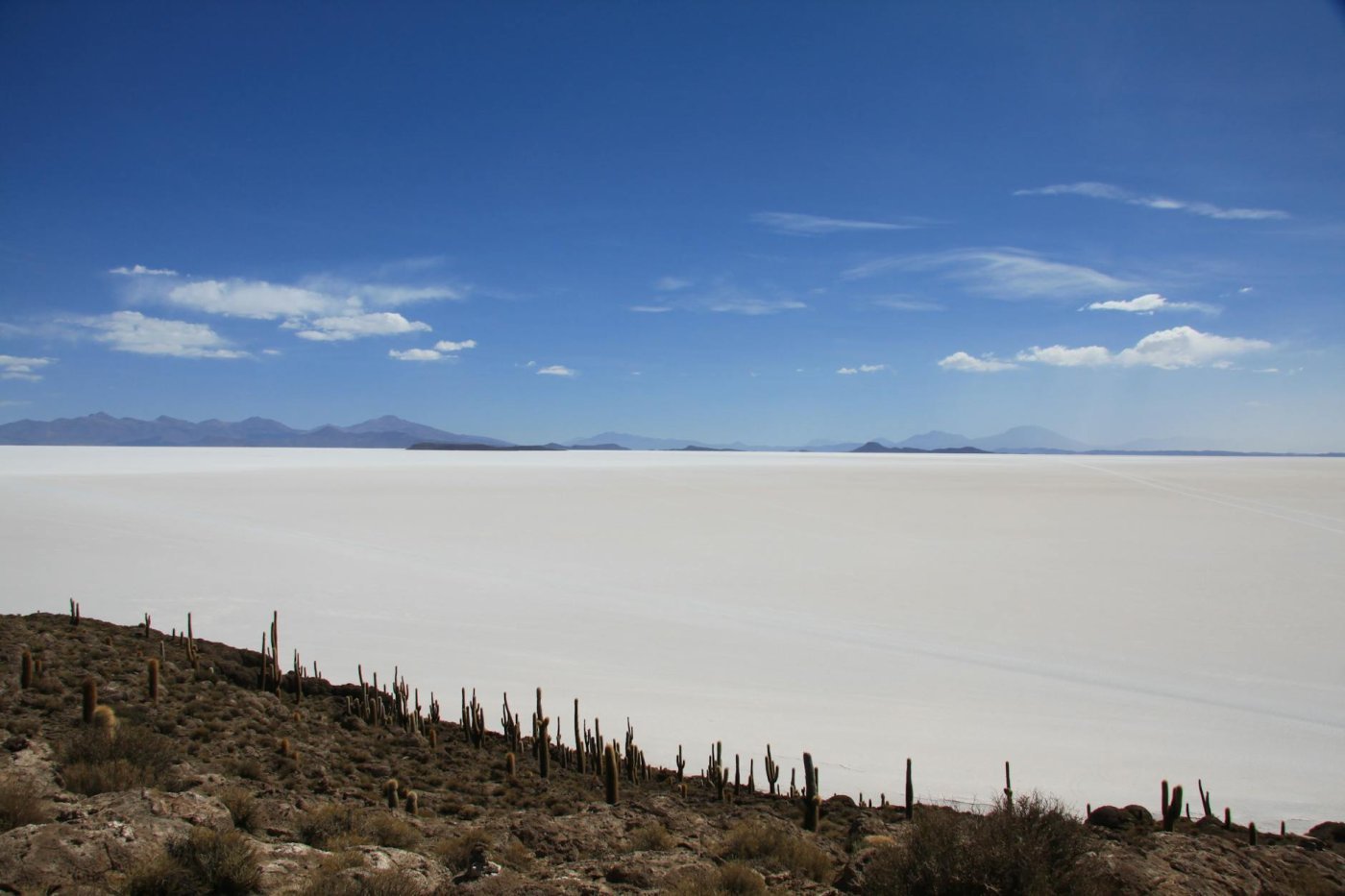
La Paz belongs on your travel list because it is genuinely unlike anywhere else on the planet. The city's extraordinary altitude sculpts the landscape into something almost cinematic — red ravines, snowcapped Illimani looming over the suburbs, and gondolas threading overhead at rush hour. La Paz rewards curious travellers with world-class street food at rock-bottom prices, an unbroken thread of pre-Columbian and colonial history, and access to some of the hemisphere's most dramatic day-trip terrain, from the lunar Valle de la Luna to the salt deserts beyond. The budget value here is exceptional: a full day of sightseeing, eating, and transport rarely exceeds €30.
The case for going now: La Paz is emerging as one of South America's most talked-about destinations precisely as its Mi Teleférico network reaches completion, making the city far easier to navigate than even five years ago. Bolivia's favourable exchange rate and low cost of living mean European travellers get remarkable value in 2026. Boutique guesthouses and specialist tour operators catering to adventure travellers are multiplying in the Sopocachi and San Pedro districts, bringing comfort without inflating prices.
🚵
Death Road Cycling
Plunge 3,600 metres of vertical descent down the world's most notorious mountain road, a gravel-and-fog gauntlet flanked by sheer Yungas cliffs. Guided tours with quality bikes depart daily from La Paz.
🚡
Mi Teleférico Rides
Board La Paz's extraordinary cable-car metro, which links El Alto to the city centre across ten colour-coded lines, delivering jaw-dropping panoramas of the canyon city and Illimani for under €0.40 per ride.
🧙
Witches' Market
Wander the Mercado de las Brujas on Calle Jiménez, where yatiri healers sell dried llama foetuses, potions, and amulets beside everyday herbs — a living Aymara spiritual tradition in the heart of central La Paz.
🥊
Cholitas Wrestling
Every Sunday at the El Alto Multifunctional Centre, indigenous cholitas in traditional dress execute theatrical high-flying wrestling moves in a spectacle that is part sport, part political satire, and entirely unforgettable.
La Paz's neighbourhoods — where to focus
Colonial Core
Plaza Murillo & Centro
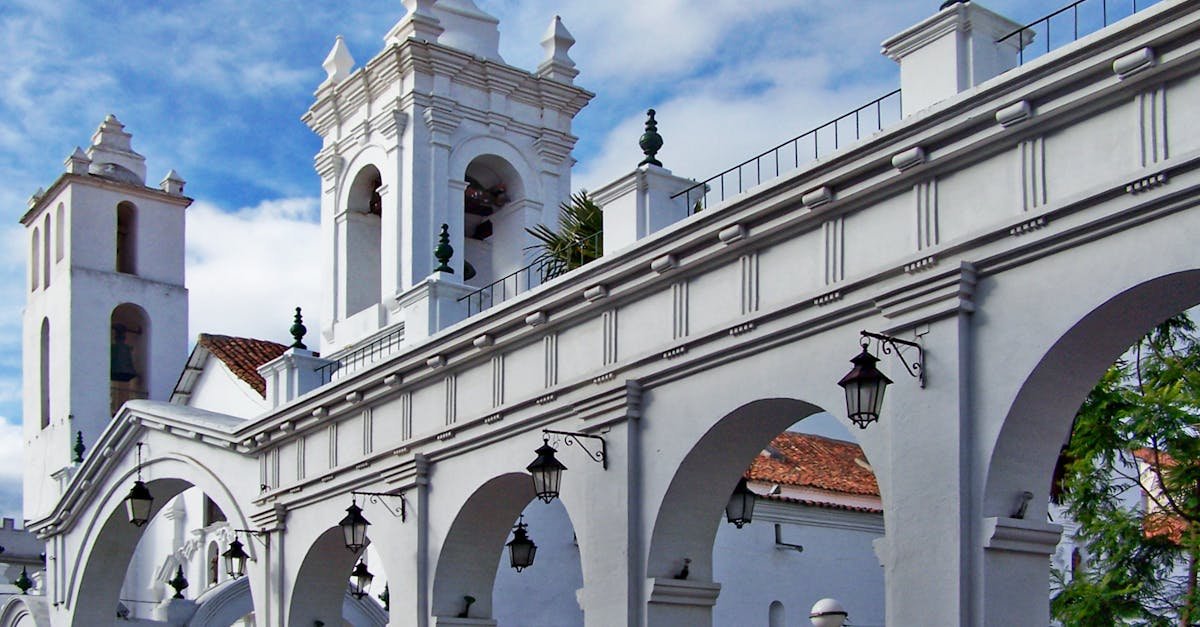
The historic heart of La Paz radiates from Plaza Murillo, flanked by the Palacio de Gobierno and the neoclassical cathedral. Colonial arcades shelter shoe-shiners and street vendors, while the Mercado de las Brujas and San Francisco Basilica are both a short walk away. This is La Paz at its most photogenic and most chaotic.
Bohemian Residential
Sopocachi
Sitting above the centre at around 3,300 metres, Sopocachi is La Paz's creative middle-class barrio. Tree-lined streets conceal independent bookshops, singani bars, and some of the city's best contemporary restaurants. The neighbourhood's sloping plazas fill with families at weekends, and the area is the safest base for first-time visitors to La Paz.
Market District
San Pedro
San Pedro's covered market is the real-deal grocery hub for paceño families, selling everything from freshly squeezed tumbo juice to whole pig heads on hooks. A cluster of traveller-friendly hostels and the notable San Pedro prison — once open for tours — make this a lively, accessible base with direct cable-car access to El Alto.
High-Altitude Satellite City
El Alto
Perched at 4,150 metres on the altiplano rim above La Paz, El Alto is a city in its own right, home to over a million largely Aymara residents. The vast Feria 16 de Julio Sunday market, the cholitas wrestling venue, and extraordinary new 'cholet' architecture by Freddy Mamani make El Alto one of South America's most distinctive urban experiences.
Top things to do in La Paz
1. #1 — Cycle the Death Road
The Yungas Road — universally known as the Death Road — descends from the 4,700-metre La Cumbre pass down to the subtropical town of Coroico in the Yungas valley, losing more than 3,600 metres of altitude in roughly 64 kilometres. Once the most dangerous road in the world, it is now essentially reserved for mountain bikers, and a full-day guided descent is the single most popular thing to do in La Paz for adventure travellers. Reputable operators like Gravity Bolivia and Barracuda Biking provide full-suspension bikes, helmets, and a sag vehicle. The morning start from La Cumbre is bitterly cold and foggy, but by afternoon you're in lush cloud forest, waterfalls spraying the trail. Book at least a day in advance, allocate a full day, and choose a company on equipment quality rather than price alone.
2. #2 — Ride Mi Teleférico Across the City
La Paz's Mi Teleférico is simultaneously a public transport system and one of the most spectacular urban rides on earth. Ten colour-coded gondola lines — Red, Yellow, Green, Blue, Orange, Purple, Sky Blue, Silver, Brown, and Wine — connect the high-altitude plateau of El Alto with the valley city below, crossing ravines 400 metres deep at walking pace while snowcapped Illimani dominates the horizon. A single ticket costs just 3 bolivianos (under €0.40), and you can string several lines together for a full circuit of the city's geography. The Yellow Line between El Alto and Obrajes is particularly scenic, while the Red Line dumps you directly beside the Mercado Rodríguez — one of La Paz's best morning food markets. Riding the teleférico is the most efficient introduction to the La Paz itinerary available.
3. #3 — Valle de la Luna Day Trip
Just 10 kilometres south of central La Paz, the Valle de la Luna (Moon Valley) is a labyrinth of pointed clay spires and eroded canyons that feels like a different planet entirely. The landscape is the result of millennia of wind and rain wearing away the soft sedimentary rock of the Río Choqueyapu canyon, creating pinnacles that glow ochre and cream in the afternoon sun. Entrance costs around 30 bolivianos (roughly €4), and the self-guided loop trail takes 45 minutes to an hour. Micro-buses marked 'Mallasa' depart regularly from Calle México in the city centre. Combining Valle de la Luna with the nearby Mallasa zoo — which focuses on native Bolivian species including spectacled bears and Andean condors — makes for a satisfying half-day excursion from La Paz without requiring a guide or significant expense.
4. #4 — Sunday Cholitas Wrestling in El Alto
Every Sunday afternoon at the El Alto Multifunctional Centre, cholitas — indigenous Aymara women in traditional bowler hats, elaborate braids, and swirling multilayered skirts — climb into a wrestling ring and deliver a spectacle that is simultaneously comic theatre, political satire, and genuine athletic performance. Matches involve pre-arranged storylines, crowd interaction, and occasional participation from audience members, but the athleticism is real and the cultural undertow is fascinating. Cholitas wrestling emerged in the early 2000s as a way for indigenous women to reclaim public space and cultural pride, and it has since become one of the most talked-about things to do in La Paz. Tickets range from 30 to 100 bolivianos depending on ringside versus gallery seating. Most La Paz tour operators offer Sunday packages that include transport from the centre and a local guide who explains the characters and storylines unfolding in front of you.
What to eat in the Bolivian altiplano — the essential list
Salteña
Bolivia's answer to the empanada, the salteña is a morning pastry filled with a slow-cooked stew of beef or chicken, potato, olive, and boiled egg in a sweet, slightly spiced jelly-like broth. Eating one without dripping the liquid is a paceño rite of passage.
Fricasé
A robust Sunday-morning pork soup cooked with dried white corn (mote) and chuño — Bolivia's freeze-dried potato — in a yellow chile broth. Paceños swear it is the definitive hangover cure, and markets around La Paz serve it from the early hours of the morning.
Api Morado
A thick, warming drink made from purple corn, cinnamon, cloves, and citrus zest, served steaming hot from market stalls at dawn. Api morado is the archetypal La Paz breakfast beverage, inseparable from a plate of buñuelos — fried dough dusted with powdered sugar.
Chuño
Freeze-dried potato unique to the Andean altiplano, produced by exposing potatoes to overnight frost and then sun-drying them for days. Chuño has a slightly mineral, earthy flavour and features in soups, stews, and alongside almost every traditional main course in La Paz.
Trucha al Horno
Oven-baked Lake Titicaca trout, seasoned simply with Andean herbs, lemon, and garlic and served with rice and salad. The pristine cold-water fish from Titicaca — just 70 kilometres from La Paz — is among the freshest and most flavourful in South America.
Singani Sour
Bolivia's national spirit, singani, is a grape brandy distilled at altitude in the Tarija and Potosí regions with a clean, floral character. Shaken with lime juice and egg white into a singani sour, it rivals the pisco sour and has been quietly winning converts in La Paz's growing cocktail bar scene.
Where to eat in La Paz — our top 4 picks
Fine Dining
Gustu
📍 Calle 10 de Calacoto 300, Calacoto, La Paz
Founded by Claus Meyer of Noma fame, Gustu is Bolivia's most celebrated restaurant and one of South America's most interesting dining experiences. The tasting menu uses exclusively Bolivian ingredients — Amazonian fish, highland grains, native peppers — prepared with Nordic discipline. Reservation essential; budget around €40–55 per person.
Fancy & Photogenic
Ali Pacha
📍 Calle Federico Zuazo 1670, La Paz
Bolivia's first dedicated fine-dining vegan restaurant, Ali Pacha delivers an elegant plant-based tasting menu using Andean superfoods — quinoa, cañahua, purple corn — plated with modernist precision in a warm, candlelit dining room. The singani-based cocktail pairing menu is outstanding and surprisingly affordable.
Good & Authentic
Mercado Lanza Restaurant Row
📍 Calle Illampu esq. Tarija, Centro, La Paz
The upper floor of Mercado Lanza houses a row of family-run comedores where paceño women serve set lunches of soup, a main (often fried trout or beef stew), and a fruit juice for under €2. Arrive between noon and 1pm, point at what looks good, and eat alongside market workers and students.
The Unexpected
Saya Afroboliviana
📍 Calle Jaén 722, Casco Viejo, La Paz
A rare showcase of Afro-Bolivian food culture, this small cultural restaurant in the historic Calle Jaén area serves traditional dishes from the Yungas valley — rice with coconut, plantain stews, and slow-cooked pork — tied to the descendants of enslaved Africans brought to colonial Bolivia. One of the most distinctive meals in the city.
La Paz's Café Culture — top 3 cafés
The Institution
Café Alexander
📍 Calle Potosí 1091 esq. Colón, La Paz
The oldest and most beloved café chain born in La Paz, Alexander Coffee roasts Bolivian beans from the Caranavi and Yungas regions and has served the city's professional class since 1987. The central branch is always busy, reliably fast, and serves excellent api morado alongside strong espresso-based drinks.
The Aesthetic Hub
Typica Coffee & Cultura
📍 Calle Fernando Guachalla 399, Sopocachi, La Paz
Sopocachi's most design-conscious specialty coffee spot, Typica sources single-origin Bolivian micro-lots and brews them through pour-over and AeroPress with barista precision. The exposed concrete interior, curated playlist, and high, wide windows overlooking the canyon make this the best place in La Paz to work remotely or recover from altitude.
The Local Hangout
Café Banais
📍 Calle Rosendo Gutiérrez 502, Sopocachi, La Paz
A cosy Sopocachi neighbourhood staple frequented by university students, local journalists, and off-duty tour guides. Café Banais offers inexpensive set lunches, reliable Wi-Fi, walls covered in local art, and an evening programme of live jazz and acoustic sets that makes it the most sociable informal gathering point in the barrio.
Best time to visit La Paz
Jan
Feb
Mar
Apr
May
Jun
Jul
Aug
Sep
Oct
Nov
Dec
Dry Season (Jun–Sep) — clearest skies, best trekking, coldest nightsShoulder (May & Oct) — fewer crowds, some clear days, mild conditionsWet Season (Nov–Apr) — afternoon rains, lush scenery, cheaper rates
La Paz events & festivals 2026
Whether you're planning around a specific celebration or simply want to know what's happening, this guide covers the best events and festivals in La Paz — from major annual traditions to cultural highlights worth timing your trip around.
January 2026culture
Alasitas Festival
La Paz's most beloved festival, held on 24 January and continuing through the month, centres on the purchase of miniature objects from the deity Ekeko — tiny houses, cars, diplomas — blessed by yatiri healers to manifest in real life. The fair around the Parque Urbano Central is one of the most
February 2026culture
Carnaval de Oruro (Day Trip)
While Oruro's carnival is 230 kilometres from La Paz, tour operators run overnight buses from the capital to witness this UNESCO-listed Andean carnival, featuring elaborate diablada devil-dance costumes, brass bands, and 48 hours of continuous street processions. Booking months in advance is essential for Bolivia's greatest annual spectacle.
May 2026religious
Señor del Gran Poder Festival
Held in late May or June depending on the lunar calendar, this massive religious procession sees thousands of costumed dancers and musicians parade through central La Paz in honour of the Señor del Gran Poder image. The event is one of the best La Paz festivals for experiencing living Andean Catholicism and indigenous cultural pride fused together.
June 2026culture
Inti Raymi — Tiwanaku Solstice
On 21 June, the winter solstice Inca festival of Inti Raymi is celebrated at the Tiwanaku archaeological site with ceremonial dawn gatherings, bonfires, and offerings to the sun. La Paz tour operators run special solstice tours that depart at 3am and are among the most atmospheric experiences available during the La Paz dry season.
July 2026music
Festival Internacional de Música Barroca
La Paz's annual baroque music festival features Bolivian and international ensembles performing colonial-era Jesuit mission music in historic churches across the city centre. The festival runs for roughly two weeks in July and is one of the more underrated cultural events for visiting La Paz in winter.
August 2026culture
Pachamama Day — Offerings Rituals
The first day of August is dedicated to Pachamama, the Andean earth goddess, when Bolivian families bury food offerings, coca leaves, and llama fat in garden corners and market stalls to ask for abundance. Across La Paz markets, yatiri healers conduct elaborate burning ceremonies that travellers are respectfully welcome to observe.
September 2026culture
Festival de Danzas Folclóricas — El Alto
El Alto hosts its annual folkloric dance competition in September, gathering traditional dance troupes from across the Bolivian altiplano to compete in tinku, morenada, and caporales styles. The costumes are extraordinary, the drumming seismic, and the event is entirely local — one of the most
October 2026market
ExpoBolivia Food Fair
Bolivia's largest annual food and agriculture fair takes place in La Paz's Expo Centre in October, showcasing regional foods from all nine departments — Amazonian fruits, Chaco dried meats, Tarija wines, and Yungas chocolate. A great introduction to the breadth of Bolivian cuisine beyond what La Paz restaurants typically serve.
November 2026religious
Día de los Muertos — Cemetery Celebrations
On 1–2 November, the General Cemetery of La Paz transforms into a vibrant gathering where families picnic on the graves of relatives, share food and drink, and hire brass bands to serenade the departed.
December 2026market
Christmas Market — Plaza del Estudiante
Through December, Plaza del Estudiante and surrounding streets host Christmas markets selling handmade ornaments, quinoa-based sweets, traditional nativity figures, and artisanal Bolivian textiles. Evening performances of villancicos — Andean-inflected Christmas carols — by school groups give the market a distinctly paceño character.
Hostel dorm beds for €5–8, market set lunches under €2, cable car for €0.40, free walking tours.
€€ Mid-range
€30–60/day
Private guesthouse room, restaurant meals in Sopocachi, guided Death Road day tour included.
€€€ Luxury
€80+/day
Boutique hotel with Illimani views, Gustu and Ali Pacha dinners, private guided excursions to Titicaca.
Getting to and around La Paz (Transport Tips)
By air: La Paz is served by El Alto International Airport (LPB), the world's highest international airport at 4,061 metres above sea level. Direct flights connect La Paz with Lima, Bogotá, Buenos Aires, São Paulo, and Madrid. BoA (Boliviana de Aviación) and LATAM operate the most frequent regional routes, with European connections usually requiring one stop.
From the airport: The most dramatic and cheapest way into the city is the Mi Teleférico Red Line, which connects El Alto directly to the city centre for just 3 bolivianos (under €0.40) and offers extraordinary aerial views of the canyon. The journey takes about 30 minutes with one transfer. Licensed radio taxis are also available from the airport exit for around 100–130 bolivianos (€13–17) and are the safest option late at night with luggage.
Getting around the city: La Paz's Mi Teleférico cable-car network is the backbone of urban transport and the most enjoyable way to navigate the city's extreme topography. Minibuses called micros cover fixed routes through the valleys for under €0.30 and are used by local paceños for cross-city journeys. Radio taxis (always pre-negotiated; never unmarked cabs) are safe and inexpensive for €1.50–4 across most inner-city trips. Rideshare app InDriver operates in La Paz and provides transparent pricing.
Transport Safety & Scam Prevention:
Use Radio Taxis Only: Unmarked taxis are the single biggest safety risk for tourists in La Paz and have been used in 'express kidnapping' incidents. Always call a radio taxi by phone or ask your hotel to call one — they display a roof light and the company name on the door.
Altitude Sickness Is Real: At 3,640 metres, La Paz triggers genuine altitude sickness in many visitors, with symptoms including headache, nausea, and dizziness. Spend your first day doing very little, drink coca tea or chew coca leaves, stay hydrated, and avoid alcohol for 24 hours after arrival. Descend to lower altitude if symptoms worsen.
Fake Police Scam Alert: A common La Paz street scam involves individuals posing as plainclothes police officers demanding to inspect your passport or wallet for 'drug residue'. Legitimate Bolivian police do not operate this way. Politely decline, walk into any nearby shop or café, and report the incident to tourist police at 800-14-0081.
Do I need a visa for La Paz?
Visa requirements for La Paz depend on your nationality. Select your passport below for an instant answer — based on the Passport Index dataset for entry into Bolivia.
ℹ️ Indicative only. Always verify with the official consulate before booking. Data: Passport Index, April 2026.
For detailed requirements, documentation checklists and processing times by nationality: TravelDoc →
Search & Book your trip to La Paz
Find the best flight routes and hotel combinations using our partner Kiwi.com.
Frequently Asked Questions
Is La Paz safe for tourists?
La Paz is broadly manageable as a tourist destination but does require more vigilance than most South American capitals. The historic centre and Sopocachi are generally safe during daylight hours, but pickpocketing is common in crowded markets and on busy streets. The primary serious risk is the 'fake taxi' or express kidnapping scam involving unmarked cabs — using only radio taxis called through your hotel eliminates this danger almost entirely. Stay aware at night, avoid displaying expensive cameras or phones unnecessarily, and register your itinerary with your embassy before departure. The city's tourist police are helpful and operate a dedicated hotline.
Can I drink the tap water in La Paz?
Tap water in La Paz is not reliably safe for foreign visitors to drink and should be avoided. The city's water infrastructure, while improving, carries a risk of bacterial and parasitic contamination that local residents — who have built up immunity over years — can tolerate but visitors cannot. Bottled water is extremely cheap and available everywhere, costing around €0.20–0.40 for a large bottle. Use bottled water also for brushing teeth and be cautious about ice in drinks outside established restaurants. Boiled water and filtered water served at better hotels and restaurants is generally fine.
What is the best time to visit La Paz?
The best time to visit La Paz is during the dry season from June to September, when skies are consistently clear and deep blue, temperatures are stable (if cold at night), and the mountains surrounding the city are at their most dramatically visible. July and August are peak months and coincide with European summer holidays, so popular excursions like the Death Road see higher volumes. May and October are excellent shoulder months with thinner crowds and a good chance of clear weather. The wet season from November to April brings afternoon rain showers and occasional morning mist, but the surrounding landscape turns lush green and prices drop noticeably.
How many days do you need in La Paz?
A minimum of four days is recommended for visiting La Paz properly, allowing one day for acclimatisation and orientation, one day for the Death Road or a major excursion, one day for the city's markets and museums, and one day for a day trip to Valle de la Luna or Tiwanaku. However, most travellers find that six days gives a far more satisfying La Paz itinerary — enough time to reach Lake Titicaca, attend a cholitas wrestling match, explore El Alto's markets, and eat well across the city's diverse food scene without feeling rushed. Altitude adjustment genuinely slows your pace for the first 24–48 hours, so build that into your planning and avoid cramming your first day with strenuous activity.
La Paz vs Cusco — which should you choose?
La Paz and Cusco are natural competitors for the 'high-altitude Andean city' slot in a South America itinerary, but they offer meaningfully different experiences. Cusco is more polished, better set up for international tourists, and closer to Machu Picchu — South America's single most visited sight. La Paz is rawer, cheaper, more authentically indigenous, and arguably more surprising: the cholitas wrestling, the Witches' Market, the cable-car metro, and the Death Road are experiences with no real equivalent in the Peruvian city. If budget matters and you want to feel genuinely immersed in living Andean culture rather than a heavily touristed Inca heritage circuit, La Paz wins. If Machu Picchu is non-negotiable and you prefer a more comfortable infrastructure, choose Cusco. Ideally, do both — they are two days apart by bus.
Do people speak English in La Paz?
English is spoken at a basic level in La Paz compared to more tourist-dense South American cities. In hotels, established restaurants, and tour operator offices in Sopocachi and Calacoto, staff usually speak functional English. Beyond those contexts — in markets, on public transport, in comedores, and in El Alto — Spanish is essential and Aymara is widely spoken. Learning a handful of Spanish phrases dramatically improves interactions and is warmly received by paceños. Google Translate's offline Spanish mode is genuinely useful in La Paz, and most tour guides working with international visitors speak English confidently. The city is very manageable without Spanish for structured tourism but significantly richer if you can communicate in it.
★ Hotel guide
Where to stay in La Paz
7+ hand-picked hotels across luxury, mid-range and budget — verified by Max.
Hand-picked and verified by Max, who founded Vacanexus from Luxembourg in 2026. No sponsorships, no paid placements. Every recommendation — restaurants, neighbourhoods, things to do — is selected for authenticity over popularity.