Lake Bled Travel Guide — A glacial lake with a church on its island and a castle on its cliff
⏱ 11 min read📅 Updated 2026💶 €€ Mid-range✈️ Best: Jun–Sep
€50–120/day
Daily budget
June–September
Best time
2–4 days
Ideal stay
EUR
Currency
Few places in Europe deliver a first impression as quietly devastating as Lake Bled. Step out of your car or off a bus on the northern shore and there it is — a mirror-flat glacial lake ringed by Julian Alps, a tiny island centred perfectly as if placed by a landscape architect, and a medieval castle clinging to a sheer cliff sixty metres above the water. The air smells of pine resin and cold mountain water. On still mornings, mist rolls off the surface and the church bell on the island carries across the lake with no echo. Lake Bled is Slovenia's most-photographed destination, and it has absolutely earned that status.
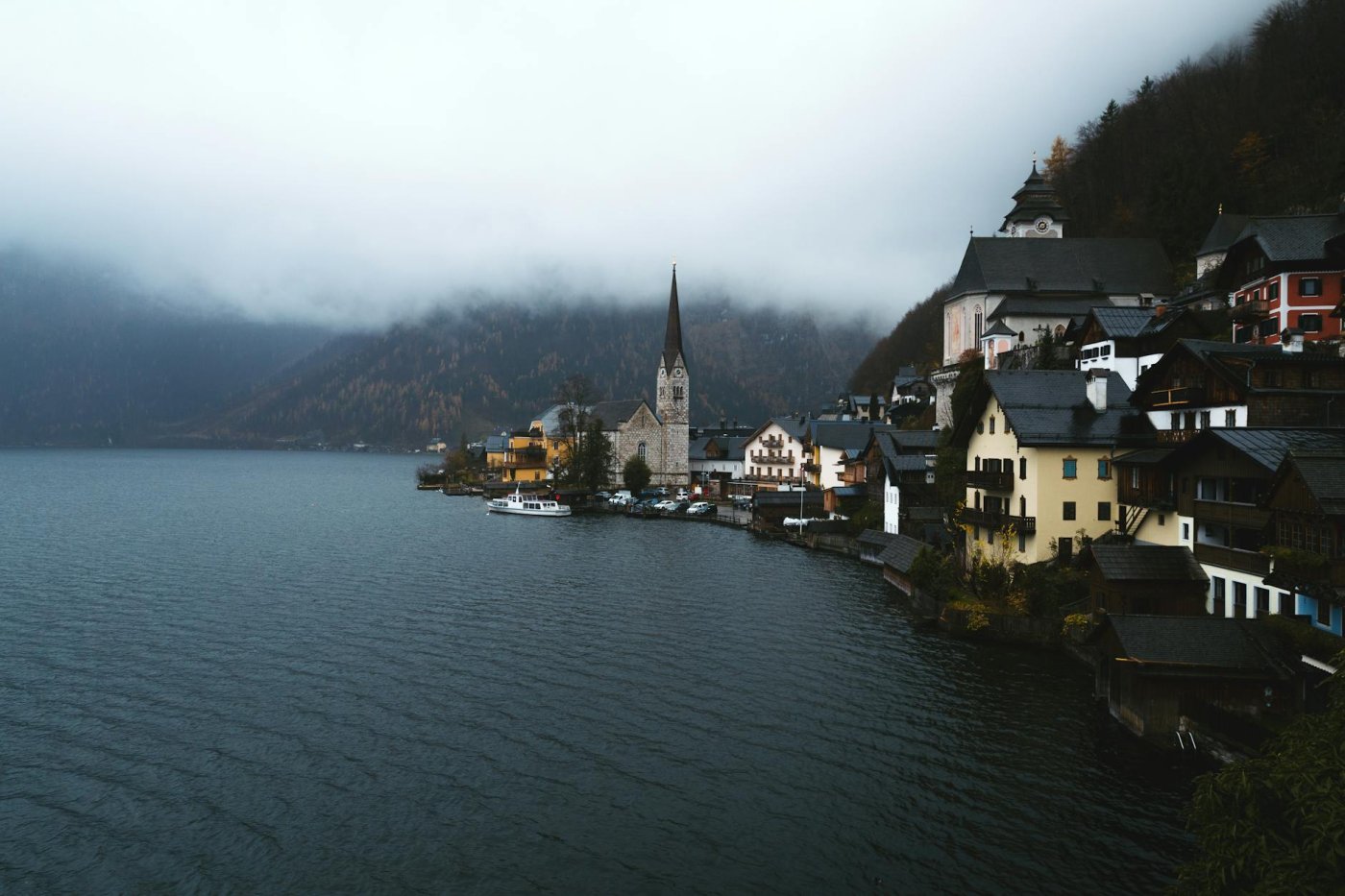
What makes visiting Lake Bled different from comparable alpine lakes — Hallstatt in Austria, Lago di Como in Italy — is its compact, walkable scale and the remarkable density of things to do in Bled concentrated in a very small area. You can row to the island, hike to a panoramic lookout, tour a clifftop castle, and eat a cream cake on a lakeside terrace all before dinner, without ever getting into a car. The lake perimeter is just six kilometres, yet it connects dense forest trails, a Baroque church, Iron Age ramparts, and some of the best value alpine accommodation in Central Europe. Bled is not a sleepy village that happens to have a lake — it is a fully formed destination that punches well above its size.
✦ Find your perfect destination
Is Lake Bled really your perfect match?
Answer 12 quick questions about your travel style, budget and dates — we match you with the destinations that fit you best, from 600+ worldwide.
Lake Bled belongs on your travel list because it delivers world-class scenery at a fraction of the cost of Switzerland or Austria, while remaining genuinely manageable for independent travellers. The iconic image — rowing boat, island church, alpine backdrop — is real and accessible to anyone, not reserved for helicopter tours or private villas. Slovenia's hospitality is warm, English fluency is near-universal, and Bled's trail network links glacial gorges, viewpoint peaks, and hidden waterfalls that most visitors never find. As a base for exploring the wider Julian Alps and Triglav National Park, Lake Bled is simply unmatched in Central Europe.
The case for going now: Slovenia joined the list of Europe's fastest-growing destinations in 2024, yet Lake Bled still undercuts comparable Swiss and Austrian resorts by 40–60% on accommodation and dining. A new cycle path completing the full lake circuit opened in 2023, and the Vintgar Gorge trail was upgraded with improved boardwalks. Book 2026 before the word fully spreads — prices remain reasonable and the lake still feels genuinely unhurried outside July peak.
⛵
Row to the Island
Hire a traditional pletna wooden boat and row to Bled Island yourself, or ride with a gondolier. Ring the Wishing Bell in the church tower — legend says three rings grant a wish.
🏰
Bled Castle
Climb the steep path to Blejski Grad, one of Slovenia's oldest castles, perched on a vertical cliff. The panoramic terrace view over the lake and the Karavanke mountain range is the finest in the region.
🥾
Ojstrica Viewpoint
A short but steep twenty-minute hike above the southern shore brings you to Ojstrica, the postcard viewpoint locals use. The classic composition — full lake, island, castle, mountains — is all visible from one spot.
🌊
Vintgar Gorge
Four kilometres north of Bled, the Radovna River has carved a spectacular kilometre-long gorge with wooden boardwalks over turquoise pools and waterfalls. One of the best short walks in the Julian Alps.
Lake Bled's neighbourhoods — where to focus
Lakeside Hub
Bled Town Centre
The north shore promenade is where hotels, restaurants, and the main pletna boat station cluster. It's the busiest part of Bled but also the most convenient, with easy access to the castle path, cycle hire shops, and the famous Park Hotel café serving original Bled cream cake since 1953.
Quiet & Residential
Mlino
At the lake's southwestern corner, the small hamlet of Mlino offers a calmer alternative to the main strip. A handful of guesthouses and a popular swimming beach make it ideal for families and travellers who prefer to walk the lake circuit in peace before the day-trippers arrive.
Views & Hiking Base
Ojstrica & Mala Osojnica
The southern hillside above the lake is less visited and more rewarding for walkers. Trailheads here access both Ojstrica and the slightly higher Mala Osojnica viewpoint, which adds the full castle profile to the classic view. Parking is limited, so most visitors walk from town in under thirty minutes.
Adventure Gateway
Bohinjska Bela
A few minutes east of Bled proper, this small village is the jumping-off point for canyoning, rafting, and paragliding operators who work the Sava River valley. Quieter and cheaper than sleeping in central Bled, it's a favourite among younger travellers looking to pack in adrenaline activities between lake visits.
Top things to do in Lake Bled
1. Row to Bled Island
Blejski Otok is the only natural island in Slovenia, and getting there is half the attraction. The traditional way is a pletna — a flat-bottomed wooden gondola poled by a standing oarsman, a craft unique to Lake Bled and protected as cultural heritage. The crossing takes about fifteen minutes and deposits you at a stone staircase of ninety-nine steps. At the top stands the 17th-century Assumption of Mary Church, whose interior combines Baroque frescoes with much older Romanesque foundations. The famous Wishing Bell hangs in the tower; pull the rope, ring it three times, and local tradition holds your wish will come true. Independent travellers can also rent rowboats from the northern shore and reach the island on their own schedule. Early mornings before 8am offer the lake almost to yourself — the light is soft, the water undisturbed, and the only sound is your own oars.
2. Bled Castle Visit
Blejski Grad sits on a limestone crag above the northern shore and has been occupied since at least the 11th century, making it one of Slovenia's oldest continuously inhabited fortifications. The steep ten-minute path from the lakeside is signed and paved, though it earns the climb handsomely. Inside the double-courtyard complex you'll find a small but well-curated museum covering Bled's history from prehistoric pile dwellings through Habsburg rule, a working printing press where visitors can print their own souvenir page, and a wine cellar stocked with Slovenian varieties. The castle restaurant serves a full menu, but the terrace café is sufficient for most visitors — order a glass of local Rebula wine and take your time with the panoramic view stretching from the Karavanke range in the north to the distant peaks of Triglav National Park in the west. Sunset from this terrace is one of the best free visual experiences in Central Europe, though the castle itself charges entry.
3. Triglav National Park Day Trip
Lake Bled sits on the eastern edge of Triglav National Park, Slovenia's only national park and a protected alpine wilderness centred on Mount Triglav, the country's highest peak at 2,864 metres. From Bled it is a straightforward thirty-minute drive west to the Bohinj Valley, where Lake Bohinj — larger and far less visited than Bled — offers wild swimming, kayaking, and the starting point for serious Alpine hikes. The park's highlights accessible in a single day from Bled include the Savica Waterfall, the Mostnica Gorge near Stara Fužina village, and the cable car at Vogel ski resort, which in summer lifts walkers to a high plateau with sweeping views across the Julian Alps. For the Lake Bled itinerary, a full day in Triglav National Park is an essential counterpoint to the manicured lakeside experience — a reminder that Slovenia's wilderness is still raw, largely trailless, and genuinely wild just thirty minutes from a famous postcard destination.
4. Lake Bled Circuit Walk
The six-kilometre path circling Lake Bled is one of the most satisfying easy walks in the Alps — flat, signed, partly shaded by lakeside forest, and endlessly varied in its perspectives of the island and castle. The full loop takes ninety minutes at a relaxed pace, or two and a half hours if you stop at swimming spots, viewpoint benches, and the small chapel at the water's edge on the quieter southern shore. Starting from the main promenade and walking clockwise, you pass through the wooded southern bank — the least visited and most atmospheric stretch — before emerging at Mlino hamlet for the final open-water section back to town. The circuit also passes the trailheads for Ojstrica and Mala Osojnica, making it easy to combine a flat lakeside walk with a short steep climb to the panoramic viewpoints above. Early morning walkers often have the southern path entirely to themselves, a genuine contrast to the busy promenade on summer afternoons.
What to eat in Upper Carniola — the essential list
Kremšnita (Bled Cream Cake)
The undisputed icon of Bled cuisine — two layers of crème pâtissière and whipped cream sandwiched between sheets of crispy puff pastry, dusted with icing sugar. Invented at the Park Hotel in 1953, it has been made to the same recipe ever since.
Štruklji
Slovenia's most versatile comfort food: rolled dumplings of thinly stretched dough filled with tarragon, cheese, walnut, or apple, then boiled or baked. Upper Carniola kitchens serve both savoury versions as a starter and sweet versions as dessert.
Trout from the Sava
The crystal-clear Sava Bohinjka and Radovna rivers running near Bled produce exceptional wild and farmed rainbow and marble trout. Grilled simply with alpine herbs and served with boiled potatoes, it appears on virtually every restaurant menu in the area.
Jota
A thick, hearty soup of fermented turnip or sauerkraut, beans, potatoes, and smoked pork — warming alpine fuel that appears across northern Slovenia in winter and early spring. A bowl at a local gostilna costs around €5 and is deeply restorative after a day of hiking.
Prekmurska Gibanica
Though originally from the eastern Prekmurje region, this multi-layered pastry made with poppy seeds, walnuts, apples, and cottage cheese has become a national sweet staple. Many Bled bakeries and hotels serve it as a breakfast or dessert option.
Carniolan Sausage (Kranjska Klobasa)
Slovenia's most protected culinary product — a coarsely ground pork sausage with garlic and black pepper, poached rather than grilled, served with mustard and horseradish. It appears in Bled as both a restaurant dish and a market street food.
Where to eat in Lake Bled — our top 4 picks
Fine Dining
Restavracija 1906
📍 Grand Hotel Toplice, Cesta Svobode 12, Bled
The flagship restaurant of the Grand Hotel Toplice, named for its founding year, serves a refined Slovenian tasting menu anchored by local trout, wild game, and seasonal foraged ingredients. The dining room overlooks the lake directly and the wine list highlights biodynamic Slovenian producers.
Fancy & Photogenic
Restavracija Blejski Grad
📍 Blejski Grad (Bled Castle), Grajska cesta 61, Bled
Dining inside the castle walls on the cliff above Lake Bled is an experience that goes beyond the food. The menu focuses on medieval-inspired Slovenian recipes with modern technique, and the terrace tables have arguably the best view of any restaurant in Slovenia. Reserve well in advance for summer evenings.
Good & Authentic
Gostilna Pri Planincu
📍 Grajska cesta 8, Bled
This family-run gostilna a short walk from the lakefront has been serving honest Slovenian cooking since the 1960s. Kremšnita, trout, štruklji, and Carniolan sausage all appear at reasonable prices. Locals and hikers eat here without ceremony — the room is plain, the portions are generous, and the atmosphere is entirely unpretentious.
The Unexpected
Finefood Penzion Berc
📍 Želeška cesta 15, Bled
Hidden in a residential street above the lake, this small kitchen attached to a guesthouse produces some of the most creative plates in Bled without any of the tourist-strip pricing. The daily menu changes with the market and might feature venison tartare, foraged mushroom risotto, or slow-braised lamb shoulder from the Karst.
Lake Bled's Café Culture — top 3 cafés
The Institution
Slaščičarna Park (Park Café)
📍 Cesta Svobode 15, Bled
The birthplace and spiritual home of kremšnita, this café inside the Park Hotel has been serving the original cream cake since 1953 to guests including Tito, royals, and several generations of Slovenian families. The recipe has never changed. Arrive before 11am to avoid queues in summer and order the original — there is no improved version.
The Aesthetic Hub
Kavarna Belvedere
📍 Cesta Svobode 18, Bled
A light-filled café with floor-to-ceiling glass looking directly over the western end of the lake, Belvedere is the go-to for specialty coffee, home-baked cakes, and long lazy afternoons. The interior blends mid-century Slovenian design with contemporary Scandinavian minimalism — endlessly photogenic without being self-conscious about it.
The Local Hangout
Café Peglez'n
📍 Cesta Svobode 19a, Bled
Named after the old Slovenian word for a clothes iron, this informal café-bar is where Bled residents actually spend their evenings. Cold Laško beer, good local wine by the glass, and a terrace that stays warm well into autumn. No lake view, no tourist pricing — just a genuinely convivial neighbourhood bar.
Best time to visit Lake Bled
Jan
Feb
Mar
Apr
May
Jun
Jul
Aug
Sep
Oct
Nov
Dec
Peak Summer (Jun–Sep) — warmest water for swimming, longest days, all boats and trails fully openShoulder Season (Apr–May & Oct) — fewer crowds, vivid spring or autumn colour, cooler hiking conditionsOff-Season (Nov–Mar) — cold and atmospheric, some services closed, occasional snow transforms the lake
Lake Bled events & festivals 2026
Whether you're planning around a specific celebration or simply want to know what's happening, this guide covers the best events and festivals in Lake Bled — from major annual traditions to cultural highlights worth timing your trip around.
July 2026music
Bled Days (Blejski Dnevi)
The annual Bled Days festival transforms the lake shore for three nights every July with open-air concerts, fireworks launched from the water, illuminated boats circling the island, and a craft market. One of the
August 2026culture
International Rowing Regatta
Lake Bled has hosted international rowing competitions since the 1960s and remains one of Europe's most beautiful regatta venues. The calm, wind-sheltered water and 2,000-metre course attract national teams from across Europe each summer. Spectators watch from the promenade and hire boats to follow the races.
June 2026culture
Bled Marathon & Trail Race
The Bled Marathon draws runners from across Slovenia and neighbouring Austria, Italy, and Croatia for road and trail categories set against the alpine backdrop of Upper Carniola. The half-marathon route passes the lake's full perimeter — finishing beneath the castle is one of the most photogenic race endings in Europe.
December 2026market
Bled Advent Market
Throughout December, the lakeside promenade hosts a compact but atmospheric Christmas market with stalls selling Slovenian honey products, herbal spirits, hand-carved woodwork, and warm mulled wine. When snow falls and the lake partially freezes, the Bled Advent Market becomes one of the most magical winter scenes in Central Europe.
September 2026culture
Cow Ball (Kravji Bal), Bohinj
Held in nearby Bohinjska Bistrica in late September, the Cow Ball celebrates the return of alpine cattle from summer high pastures with traditional music, folk costumes, and a parade of decorated cows through the village. An essential day trip for visitors on a Lake Bled itinerary in autumn — deeply local and genuinely joyful.
February 2026culture
Kurentovanje Carnival, Ptuj
Though held in Ptuj rather than Bled itself, Slovenia's most spectacular winter carnival is a manageable day trip from the lake for visitors here in February. The Kurent — a fur-clad ritual figure with a terrifying mask — parades through town to drive away winter in a UNESCO-listed tradition unique to Slovenia.
July 2026music
Okarina World Music Festival
One of the most beloved summer festivals in Upper Carniola, Okarina brings world music performers from India, Africa, Latin America, and the Balkans to an open-air stage beside the lake for a week each July. The combination of international music, the alpine setting, and the warm summer evenings makes it a highlight of the Bled festival calendar.
October 2026culture
Slovenian Beekeeping Heritage Days
Held annually in Radovljica, seven kilometres from Bled, this festival celebrates Slovenia's remarkable beekeeping tradition — the country has one of the highest densities of beekeepers per capita in the world. Painted beehive panels, honey tastings, and demonstrations of traditional Carniolan beehive construction make this a uniquely Slovenian cultural experience.
June 2026religious
Feast of the Assumption Pilgrimage
On 15 August each year, Bled Island church hosts its most significant religious ceremony — the Feast of the Assumption, marking the church's patron saint. Pilgrims arrive by pletna from across the lake for an outdoor mass on the island steps, a tradition observed continuously for centuries in this atmospheric medieval setting.
March 2026culture
Ski Jumping World Cup, Planica
Every March, the Planica Nordic Centre an hour west of Bled hosts the FIS Ski Jumping World Cup finals — one of the loudest and most festive sporting events in Slovenia. Tens of thousands of Slovenian fans pack the valley in a carnival atmosphere. Combining Planica with a Lake Bled itinerary in late winter is an increasingly popular twin destination.
Hostel dorm or private room in a pension, self-catering breakfast, gostilna lunches, free hikes and lake walks.
€€ Mid-range
€60–120/day
Comfortable guesthouse or three-star hotel, restaurant dinners, castle entry, boat hire, and a day trip to Bohinj.
€€€ Luxury
€200+/day
Grand Hotel Toplice or Vila Bled, fine dining nightly, private guided Alpine excursions and spa treatments.
Getting to and around Lake Bled (Transport Tips)
By air: The nearest international airport to Lake Bled is Ljubljana Jože Pučnik Airport (LJU), just 35 kilometres southeast of the lake. Ryanair, easyJet, and Wizz Air connect Ljubljana to major European hubs including London, Amsterdam, Brussels, and Frankfurt. Venice Marco Polo (VCE) is a viable alternative at around two hours by car for travellers from southern Europe.
From the airport: From Ljubljana Airport, the most convenient transfer to Lake Bled is the GoOpti shared shuttle service, which connects directly to Bled hotels for around €12–18 per person and takes approximately 45 minutes. Taxis and private transfers cost €50–70 and take the same time. Public bus requires a connection via Kranj and takes 1.5 to 2 hours but costs under €5. Car rental at the airport is recommended for travellers planning to explore Triglav National Park independently.
Getting around the city: Lake Bled itself is entirely walkable — the six-kilometre lake circuit connects all main sights on foot. Local buses run from Bled town to Vintgar Gorge (seasonal), Bohinjska Bistrica, and Ljubljana several times daily. Bicycles are available for hire from multiple points along the north shore promenade and are ideal for the lake circuit and the flat Sava valley cycle path. For Triglav National Park exploration, car hire remains the most flexible option.
Transport Safety & Scam Prevention:
Unlicensed Pletna Operators: Only licensed pletna operators may carry passengers to Bled Island — they are identified by the official blue and white painted boats. Avoid individuals on the promenade offering informal crossings at lower prices; licensed operators have fixed fares displayed at the official boarding stages.
Taxi Overcharging from Ljubljana: Informal taxis outside Ljubljana Airport sometimes quote flat rates double the meter fare for transfers to Bled. Use GoOpti, pre-booked private transfers, or the airport's official taxi rank with metered fares. Agree the total price before entering any vehicle without a visible meter.
Parking Charges in High Season: In July and August, all parking around Lake Bled is paid and tightly controlled. Roadside spots without visible signage still issue fines. Use the official P1 car park near the main promenade and expect to pay €2–4 per hour. Arriving before 8am significantly reduces both cost and congestion.
Do I need a visa for Lake Bled?
Visa requirements for Lake Bled depend on your nationality. Select your passport below for an instant answer — based on the Passport Index dataset for entry into Slovenia.
ℹ️ Indicative only. Always verify with the official consulate before booking. Data: Passport Index, April 2026.
For detailed requirements, documentation checklists and processing times by nationality: TravelDoc →
Search & Book your trip to Lake Bled
Find the best flight routes and hotel combinations using our partner Kiwi.com.
Frequently Asked Questions
Is Lake Bled safe for tourists?
Lake Bled is one of the safest tourist destinations in Europe. Slovenia consistently ranks among the top ten safest countries globally, and Bled itself has an exceptionally low crime rate. The main hazard for visitors is not personal safety but rather mountain weather — conditions on hiking trails above the lake can change rapidly, and walkers heading beyond the lake circuit into the Julian Alps should carry waterproof layers and check the ARSO weather forecast before departing. The lake's swimming areas are unsupervised, so children should be watched carefully near the water's edge.
Can I drink the tap water in Lake Bled?
Yes, tap water in Lake Bled and across Slovenia is clean, cold, and entirely safe to drink. Slovenia is one of the few European countries where tap water quality consistently exceeds EU bottled water standards, fed by alpine aquifers and mountain springs. Buying bottled water in Bled is genuinely unnecessary and environmentally counterproductive. Most guesthouses and restaurants will provide filtered tap water on request, and public water fountains in town also supply potable drinking water.
What is the best time to visit Lake Bled?
The best time to visit Lake Bled is June to September, when water temperatures reach 22–24°C for swimming, all boats and trails are fully operational, and daylight lasts until after 9pm. July and August are the peak weeks — beautiful but busy, with queues for pletna boats from mid-morning. For the ideal balance of good weather and fewer crowds, the second half of June and the first half of September are the sweet spots. Spring (April–May) offers dramatic snow-capped mountain backdrops and wildflower meadows, while winter visits — rare but spectacular — reveal a foggy, frozen lake that feels entirely different from the summer postcard.
How many days do you need in Lake Bled?
Two days is the minimum to see Lake Bled's highlights — the island, the castle, Vintgar Gorge, and the lake circuit — without rushing. Three to four days is the recommended Lake Bled itinerary for most visitors, allowing a full day in Triglav National Park, an excursion to Lake Bohinj, and time to hike to the viewpoints above the southern shore. If you are based in Ljubljana or travelling through Slovenia, Bled also works as a very full day trip — the bus from Ljubljana takes about 75 minutes — though staying overnight means catching the lake at dawn and dusk, which transforms the experience entirely. Active travellers could productively spend a full week using Bled as a base for Julian Alps hiking and Soča Valley adventures.
Lake Bled vs Lake Bohinj — which should you choose?
These two Slovenian alpine lakes are very different experiences and ideally complement each other rather than compete. Lake Bled is compact, manicured, and dramatically photogenic — the island, castle, and promenade make it immediately satisfying but also noticeably busy in summer. Lake Bohinj, 25 kilometres west and entirely within Triglav National Park, is larger, wilder, colder, and draws far fewer visitors. It has no island or castle, but offers better wild swimming, kayaking, hiking access, and a genuinely remote alpine atmosphere. Visitors with three or more days in Upper Carniola should do both. If forced to choose one, first-time visitors and photographers should choose Bled; hikers, wild swimmers, and travellers who dislike crowds should choose Bohinj.
Do people speak English in Lake Bled?
English is excellent throughout Lake Bled — arguably among the best in the whole of Central Europe. Slovenia's high education levels and heavy tourism economy in the Bled area mean that hotel staff, restaurant servers, boat operators, and shop owners all typically speak fluent English with no difficulty. Younger Slovenians particularly are often indistinguishable from native English speakers. Even in smaller villages and guesthouses away from the main promenade, basic English is nearly universal. German is also widely understood by older residents and in areas close to the Austrian border, and Italian is useful near the western Soča Valley.
★ Hidden Gems Weekly
Like this? One place per week, in your inbox.
No spam, no fluff — just one underrated destination, every Tuesday.
Hand-picked and verified by Max, who founded Vacanexus from Luxembourg in 2026. No sponsorships, no paid placements. Every recommendation — restaurants, neighbourhoods, things to do — is selected for authenticity over popularity.