Langkawi Travel Guide — Langkawi's rainforest, beaches and duty-free freedom
⏱ 11 min read📅 Updated 2026💶 €€ Mid-Range✈️ Best: Jan–Apr
€50–120/day
Daily budget
Jan–Apr
Best time
4–7 days
Ideal stay
MYR
Currency
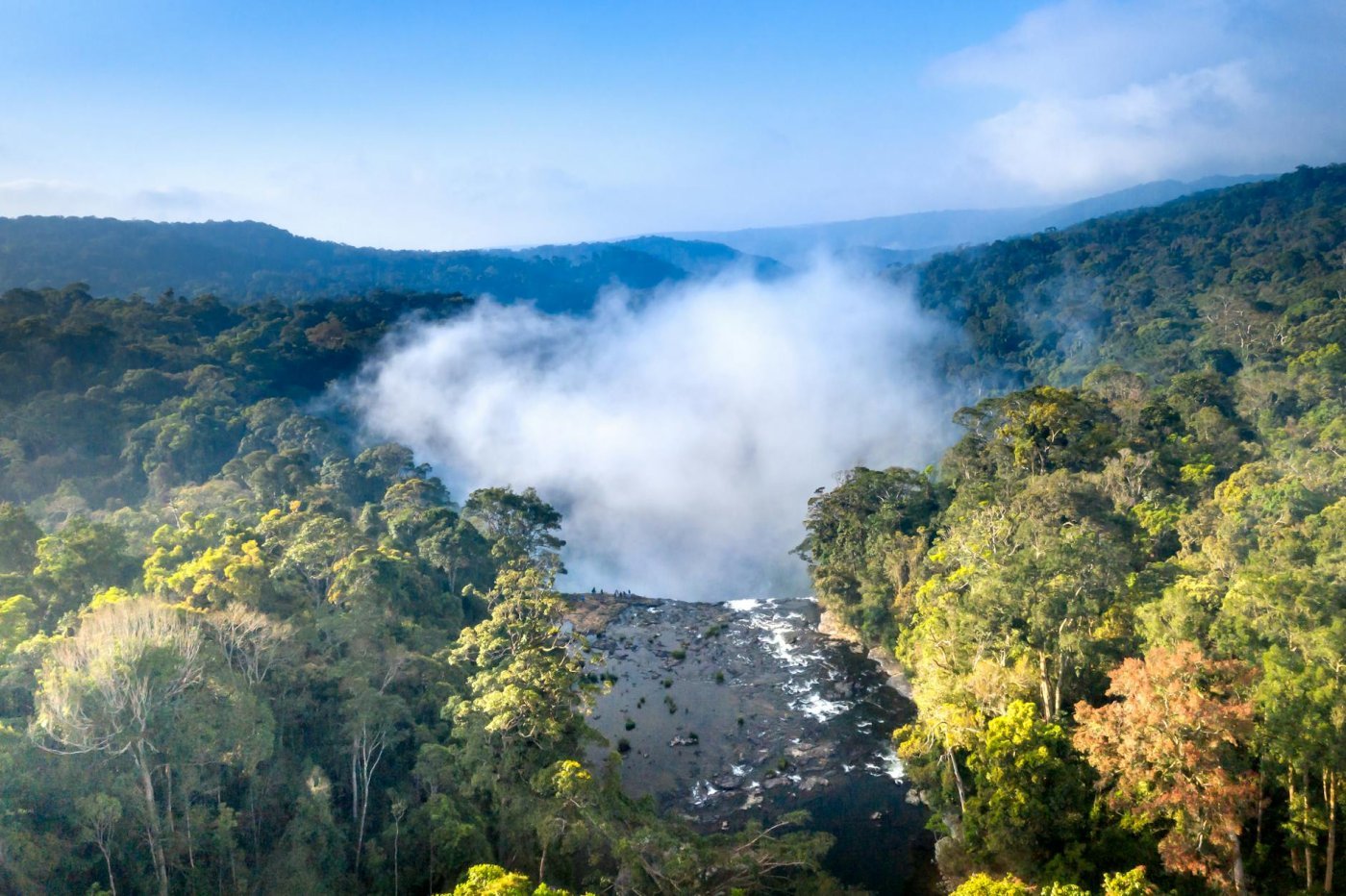
Langkawi rises from the Andaman Sea as a cluster of 99 islands draped in primeval rainforest, its limestone karst cliffs mirrored perfectly in mangrove-fringed lagoons. The air smells of salt and frangipani, the water shifts between impossible shades of turquoise and jade, and the call of Brahminy kites overhead is a sound you will not forget. Langkawi's beaches — Pantai Cenang, Tanjung Rhu, Datai Bay — are wide, unhurried and far less crowded than their Thai neighbours. This is a destination where a cable car sweeps you above the jungle canopy and a sunrise boat pushes silently through mangrove corridors alive with eagles.
Visiting Langkawi feels different from other Southeast Asian island destinations precisely because it carries UNESCO Geopark status, meaning the geology, ecology and traditional Malay culture are actively protected. While things to do in Langkawi range from duty-free shopping sprees on Jalan Pantai Cenang to night kayaking through bioluminescent waters, the island never feels packaged or exhausted. Compared with Phuket's resort sprawl or Bali's tourist density, Langkawi offers a quieter, more local rhythm — rum and gin at duty-free prices, freshly grilled fish at a beachside shack, and hiking trails where you may meet no one at all.
✦ Find your perfect destination
Is Langkawi really your perfect match?
Answer 12 quick questions about your travel style, budget and dates — we match you with the destinations that fit you best, from 600+ worldwide.
Langkawi delivers a rare combination that most tropical islands cannot manage: extraordinary natural scenery, meaningful wildlife encounters, genuinely affordable prices and the unusual advantage of duty-free alcohol and luxury goods. The island's Geopark designation protects mangrove forests that are among the oldest in the world, while the Langkawi Sky Bridge offers a perspective over the jungle canopy that is simply unavailable elsewhere in Malaysia. Beaches here are not manicured; they are dramatic, fringed by jungle and shared with wildlife. Add a well-developed tourism infrastructure, English-speaking locals and direct flights from Europe via Kuala Lumpur, and Langkawi makes a compelling case.
The case for going now: Langkawi is benefiting from a significant wave of sustainable eco-tourism investment in 2025 and 2026, with new UNESCO Geopark interpretation trails opening along the Kilim Karst Geoforest Park. The Malaysian ringgit remains exceptionally favourable for European visitors, meaning luxury resorts and fresh seafood dinners arrive at prices that feel almost implausible. Travel here before the crowds — and the prices — catch up.
🦅
Eagle Feeding Cruise
Witness dozens of Brahminy kites and white-bellied sea eagles swoop metres from your boat in the Kilim estuary. A primal, unforgettable spectacle that defines Langkawi.
🌉
Langkawi Sky Bridge
A curved pedestrian bridge suspended 700 metres above sea level delivers panoramic views over the Andaman Sea and endless rainforest canopy from a heart-stopping vantage point.
🌿
Mangrove Kayaking
Paddle silently through ancient mangrove tunnels at dusk as fireflies begin to light the roots and monitor lizards slip into the black water beside you. Pure jungle immersion.
🍹
Duty-Free Beach Bars
Langkawi's duty-free status means imported spirits, craft gin and local Carlsberg cost a fraction of mainland prices — enjoyed barefoot on Pantai Cenang as the sun drops into the Andaman.
Langkawi's neighbourhoods — where to focus
Backpacker Hub
Pantai Cenang
The most animated strip on the island, Pantai Cenang lines a two-kilometre beach with guesthouses, duty-free shops, seafood restaurants and lively beach bars. It is the social centre of Langkawi, accessible and energetic without being overwhelming, ideal for solo travellers and couples who want convenience alongside the sea.
Upscale Retreat
Datai Bay
Tucked into the northwest corner of Langkawi, Datai Bay is where the island's most celebrated luxury resorts hide within unbroken rainforest. The bay itself is postcard-perfect, calm and largely private. Datai is for travellers who want jungle sounds at night, exceptional spa treatments and beaches shared with almost nobody.
Local & Authentic
Kuah Town
Langkawi's main town is a genuine working settlement rather than a resort village, home to the Eagle Square monument, a lively wet market, Malay street food stalls and the island's largest duty-free mall. Visiting Kuah gives you the real texture of Langkawi's Malay community life away from tourist zones.
Peaceful & Scenic
Tanjung Rhu
At the northeastern tip of the island, Tanjung Rhu offers one of the finest beaches in all of Malaysia: a pale arc of fine sand backed by casuarina trees and facing limestone sea stacks. The area is quiet, the snorkelling is excellent, and the sunsets are extraordinary. A natural choice for those seeking solitude.
Top things to do in Langkawi
1. Explore Kilim Karst Geoforest Park
The Kilim Karst Geoforest Park is arguably the most spectacular natural attraction in Langkawi and one of the most biodiverse coastal environments in Southeast Asia. A UNESCO Geopark site, Kilim encompasses ancient limestone karst formations, bat caves, mangrove forests and a tidal river system teeming with wildlife. Most visitors join a half-day boat tour from Kilim Jetty, weaving through narrow mangrove corridors where long-tailed macaques peer down from root tangles and monitor lizards stretch themselves across mud banks. The eagle-feeding segment of the tour is genuinely dramatic — local guides scatter fish scraps across the water and the sky fills instantly with wheeling raptors. If you prefer a quieter experience, kayak tours depart at dusk and enter sections of the forest that motorboats cannot reach. Book your Langkawi Geopark tour through a licensed guide to support conservation efforts.
2. Ride the SkyCab & Walk the Sky Bridge
The Langkawi SkyCab cable car departs from the Oriental Village at the foot of Gunung Machinchang and rises through three stages to the summit station at 708 metres above sea level. The middle gondola section is one of the steepest cable car gradients in the world, and the views as the jungle peels away below you are genuinely breathtaking. From the summit station, a ten-minute walk leads to the Langkawi Sky Bridge, a curved pedestrian bridge measuring 125 metres across a chasm in the canopy. On clear mornings you can see the Thai islands to the north. Clouds roll in quickly after midday, so arriving at the Oriental Village by 9am is strongly advised on any Langkawi itinerary. The Oriental Village itself has cafes and craft shops worth exploring before or after your ascent. Tickets should be booked online in advance during the January-to-April peak season.
3. Island-Hopping by Speedboat
Langkawi's 99 islands are not all accessible, but the main island-hopping circuit is one of the finest half-day activities available on any Langkawi itinerary. Standard speedboat tours visit Pulau Dayang Bunting (Island of the Pregnant Maiden), a largely uninhabited island containing a freshwater lake set within limestone hills — swimming here is calm, cool and serene. The circuit then continues to Pulau Singa Besar, a wildlife sanctuary where white-tailed tropicbirds nest and hornbills are regularly spotted, before finishing at the Beras Basah sandbar for snorkelling over vivid coral shelves. Private speedboat charters allow you to tailor the pace and stops, and sunset cruises that conclude at Pulau Beras Basah are among the most romantic things to do in Langkawi for couples. Most tour operators on Pantai Cenang offer competitive rates; compare before booking.
4. Waterfall Hikes & Jungle Trails
Beyond its beaches and boat tours, Langkawi contains a tangle of jungle trails that reward those willing to swap flip-flops for proper shoes. Temurun Waterfall, located in the north of the island near Datai Bay, is the tallest waterfall in Langkawi — a single ribbon of water dropping 200 metres into a clear rock pool where swimming is possible and the air is noticeably cool. The trail to the base is short but steep and best done in the early morning before heat builds. Seven Wells Waterfall (Telaga Tujuh) above Pantai Cenang is more accessible and more popular, a series of natural rock pools linked by cascades that you can slide between. The trail continues above the falls into genuine primary rainforest. Early morning hikers frequently spot flying lizards, black giant squirrels and, if very lucky, the slow loris moving through the understorey. Langkawi's jungle deserves at least one full morning of your visit.
What to eat in Kedah and the Malay north — the essential list
Nasi Campur
A plate of steamed rice surrounded by small portions of curried fish, sambal belacan, fried tempeh and fresh ulam herbs. Langkawi's version leans towards Kedahan flavours — richer, more coconut-forward and gently fiery compared with southern Malaysian styles.
Grilled Stingray (Ikan Pari Bakar)
A Langkawi signature: a whole stingray wing marinated in rempah spice paste, wrapped in banana leaf and grilled over charcoal until the edges char. Served with calamansi lime and a potent sambal that the hawker stalls along Pantai Cenang have perfected.
Laksa Kedah
Distinct from Penang laksa, the Kedah version uses a thinner, tangier fish broth with tamarind, lemongrass and wild ginger flower. Served with thick rice noodles and raw vegetable garnishes, it is the breakfast of choice for locals across Langkawi's market towns.
Char Koay Teow
Flat rice noodles stir-fried in a smoking wok with cockles, prawns, Chinese sausage, egg and dark soy sauce. Langkawi's hawker stalls do their own northern-inflected version that edges slightly smokier and less sweet than the Penang original.
Ikan Bakar (Grilled Fish)
Freshly caught whole fish — snapper, barramundi or mackerel — coated in turmeric-and-chilli paste and grilled over coconut husk embers. Ordered by weight at the seafood shacks along Pantai Tengah, this is one of the most satisfying meals available anywhere on the island.
Apam Balik
A thick, crispy-edged Malaysian pancake filled with roasted peanuts, creamed corn and butter, sold folded from roadside carts throughout Kuah Town and the Cenang night markets. Sweet, slightly caramelised and impossible to stop eating after one.
Where to eat in Langkawi — our top 4 picks
Fine Dining
Pavilion at The Datai Langkawi
📍 Jalan Teluk Datai, 07000 Langkawi, Kedah
Perched above the rainforest canopy at The Datai resort, Pavilion serves refined Malaysian and Southeast Asian cuisine using ingredients sourced from the island itself. The tasting menu is exceptional, the wine list extensive, and the setting — jungle on three sides, sea on the fourth — is unmatched in Langkawi.
Fancy & Photogenic
Unkaizan Japanese Restaurant
📍 Jalan Pantai Cenang, 07000 Langkawi, Kedah
A beautifully designed open-air Japanese restaurant on Pantai Cenang where omakase-style platters arrive on lacquered boards against a backdrop of garden lanterns. Langkawi's proximity to Japanese fishing traditions makes the sashimi freshness genuinely remarkable. Reserve ahead for sunset-facing garden seating.
Good & Authentic
Orkid Ria Seafood Restaurant
📍 Jalan Pantai Cenang, Kampung Lubok Buaya, 07000 Langkawi
A long-running family-run seafood restaurant where tanks of live fish, prawns and crabs line the entrance and you point at what you want. The butter prawns and steamed sea bass are consistently excellent. Prices are straightforward, portions are generous and the atmosphere is cheerfully chaotic.
The Unexpected
Wonderland Food Store
📍 Jalan Pantai Cenang, 07000 Langkawi, Kedah
A cult-favourite hole-in-the-wall run by an elderly Chinese-Malaysian couple who have been producing one-plate wonders — crispy roast pork, char siu, and rice — for decades. No ambience, no decor, just extraordinarily good food at prices that feel like a misprint. Opens for lunch only and sells out early.
Langkawi's Café Culture — top 3 cafés
The Institution
Nam Restaurant & Café
📍 Jalan Pantai Cenang, 07000 Langkawi, Kedah
Nam has been the meeting point for travellers on Pantai Cenang for years, serving proper espresso drinks, fresh juices and all-day Western-Malaysian fusion breakfasts in a breezy open-fronted shophouse. The banana pancakes with coconut jam have their own following. Reliable WiFi makes it a de facto remote-work spot.
The Aesthetic Hub
The Cliff Restaurant & Bar
📍 Jalan Pantai Cenang, Mukim Kedawang, 07000 Langkawi
Elevated on a timber deck above the rocks at the southern tip of Pantai Cenang, The Cliff is as much a photography destination as a café. Cold-brew coffee, tropical fruit smoothie bowls and iced matcha lattes arrive while the Andaman Sea glitters below. The platform at sunset is predictably popular — come thirty minutes early.
The Local Hangout
Kedai Kopi Siti Fatimah
📍 Pekan Kuah, 07000 Langkawi, Kedah
A no-frills Malay kopitiam in Kuah Town that locals have been coming to since before the resort hotels arrived. Strong kopi-o, toasted roti bakar with kaya jam, and half-boiled eggs make up a breakfast that costs under two euros. The best introduction to how Langkawi actually eats every morning.
Best time to visit Langkawi
Jan
Feb
Mar
Apr
May
Jun
Jul
Aug
Sep
Oct
Nov
Dec
Peak season (Jan–Apr) — dry skies, calm seas, best beach and boat conditionsShoulder season (Nov–Dec) — quieter crowds, occasional showers but manageableMonsoon period (May–Oct) — heavy rain possible, some boat tours cancelled, humidity peaks
Langkawi events & festivals 2026
Whether you're planning around a specific celebration or simply want to know what's happening, this guide covers the best events and festivals in Langkawi — from major annual traditions to cultural highlights worth timing your trip around.
January 2026culture
Langkawi International Maritime and Aerospace Exhibition (LIMA)
LIMA is one of Asia's premier aerospace and maritime exhibitions, held biennially at Mahsuri International Exhibition Centre. Fighter jet displays, naval parades and trade shows draw visitors from across the region.
February 2026culture
Chinese New Year Celebrations Kuah
Kuah Town's Chinese-Malaysian community transforms the waterfront with lantern displays, dragon dances and open-air feasting through the full fifteen days of the lunar festival. Visiting Langkawi in February offers an authentic glimpse of the island's multicultural identity that most beach-focused itineraries miss entirely.
March 2026culture
Langkawi Art Festival
An annual gathering of Malaysian and regional artists who exhibit, perform and run workshops across venues in Pantai Cenang and Kuah. Murals appear on shophouse walls, and beach installations are created from natural materials. A colourful and accessible arts event that suits visitors of all ages.
April 2026music
Langkawi Jazz Festival
A well-established annual beach jazz festival attracting Malaysian and international acts to perform on open-air stages against a backdrop of the Andaman Sea. Past editions have featured world music, blues and fusion acts. One of the best Langkawi festivals for music-loving travellers in the April peak season.
May 2026religious
Wesak Day Processions
The Buddhist festival of Wesak is marked across Langkawi with candlelit processions, temple ceremonies and the release of paper lanterns along the Kuah waterfront. A peaceful and visually beautiful occasion reflecting the island's religious diversity beyond its dominant Malay Muslim identity.
July 2026culture
Langkawi International Food Festival
A dedicated celebration of Kedahan and broader Malaysian cuisine, held at venues across the island with cooking demonstrations, hawker competitions and community feasting nights. Local chefs showcase regional dishes including Kedah laksa, ikan bakar and traditional Malay kuih sweets rarely found on restaurant menus.
August 2026culture
Malaysia National Day Celebrations
The 31st of August national holiday is marked on Langkawi with patriotic parades along the Kuah waterfront, fireworks over the bay and community sports events. The duty-free bazaars extend their hours and seafood shacks lay on special menus. A rare opportunity to experience genuine local island pride.
September 2026market
Langkawi Geopark Farmers & Craft Market
A monthly market held at the Geopark interpretation centre near Kilim, bringing together local producers of jungle honey, traditional rempah spice blends, handwoven baskets and organic tropical fruit. Small-scale, authentic and deeply connected to the island's rural Malay agricultural traditions.
November 2026culture
Royal Langkawi International Regatta
One of Southeast Asia's longest-running offshore sailing races departs from Kuah and covers a challenging circuit around the Langkawi archipelago and into Thai waters. Spectator areas along the waterfront fill with sailing enthusiasts, and the race village hosts evening entertainment and food stalls.
December 2026culture
Langkawi Year-End Beach Countdown
As visitors arrive for the start of the dry season, Pantai Cenang and Pantai Tengah host countdown parties, live music stages and beachfire gatherings to mark the new year. Duty-free alcohol keeps the atmosphere lively and affordable, drawing an international crowd without the price spikes seen elsewhere in the region.
Guesthouse dorm or basic room, hawker meals, local buses and shared boat tours from Cenang.
€€ Mid-range
€50–120/day
Boutique hotel or pool villa, restaurant dinners, private island-hopping and cable car excursions.
€€€ Luxury
€200+/day
Datai Bay or Andaman resort, tasting menus, private yacht charter and spa treatments daily.
Getting to and around Langkawi (Transport Tips)
By air: Langkawi International Airport (LGK) receives direct flights from Kuala Lumpur (45 minutes with Malaysia Airlines and AirAsia), Singapore, and Penang. European travellers typically connect via Kuala Lumpur International Airport (KUL), where the Langkawi connection is smooth and frequently available throughout the day. Budget airline fares between KL and Langkawi are routinely under €25.
From the airport: Langkawi International Airport sits just three kilometres north of Pantai Cenang, making it one of the most convenient airport-to-beach transfers in Southeast Asia. Metered taxis are available directly outside arrivals; the fare to Pantai Cenang is approximately MYR 25 (€5). Grab ride-hailing operates on the island and is generally cheaper than unmetered taxis. No bus service runs directly from the airport, but car rental desks are available inside the terminal and are well worth considering given Langkawi's spread-out geography.
Getting around the city: Langkawi has no public bus network worthy of the name, so independent transport is essential. Car rental is the most practical option — rates start from around MYR 60 (€12) per day and roads are well-maintained and quiet outside Kuah Town. Motorbike rental from Pantai Cenang guesthouses is popular and costs around MYR 35 per day. Grab operates across the island. Bicycle rental suits the flat coastal strip between Pantai Cenang and Pantai Tengah but is impractical for reaching northern or eastern Langkawi attractions.
Transport Safety & Scam Prevention:
Unlicensed Boat Touts: On Pantai Cenang, unlicensed boat operators approach tourists offering cut-price island-hopping or eagle tours. Always book through a licensed tour office with a visible permit; unlicensed boats lack safety equipment and insurance, which matters greatly in open-water crossings.
Taxi Overcharging: Taxis without meters are common outside Kuah Town; always agree a price before getting in or use Grab for transparent pricing. The airport-to-Cenang fare should never exceed MYR 30 regardless of what drivers quote arriving passengers unfamiliar with local rates.
Duty-Free Alcohol Limits: Langkawi's duty-free status applies on the island; mainland Malaysia has import limits on alcohol for Muslim-majority states. If you are leaving Langkawi by ferry to Penang or Kuala Perlis, check current customs allowances before purchasing large quantities of spirits to take home.
Do I need a visa for Langkawi?
Visa requirements for Langkawi depend on your nationality. Select your passport below for an instant answer — based on the Passport Index dataset for entry into Malaysia.
ℹ️ Indicative only. Always verify with the official consulate before booking. Data: Passport Index, April 2026.
For detailed requirements, documentation checklists and processing times by nationality: TravelDoc →
Search & Book your trip to Langkawi
Find the best flight routes and hotel combinations using our partner Kiwi.com.
Frequently Asked Questions
Is Langkawi safe for tourists?
Langkawi is considered one of the safest tourist destinations in Southeast Asia, with very low rates of violent crime and a well-established tourism infrastructure that has been welcoming international visitors for decades. The island is predominantly Muslim and socially conservative away from the beach resort areas, but tourists are treated with warmth and respect throughout. Standard precautions apply — secure your valuables, use licensed transport and be aware of your surroundings after dark on the beach strip. Solo female travellers report feeling comfortable here, which is a meaningful indicator of the island's overall safety culture.
Can I drink the tap water in Langkawi?
Tap water in Langkawi is treated but is not recommended for drinking without filtration, particularly in guesthouses and smaller properties outside the main resort areas. Bottled water is inexpensive, widely available and the standard choice for both locals and visitors. Most mid-range and luxury hotels provide filtered or bottled water as standard. When eating at local hawker stalls and restaurants, ice is generally machine-made and safe, though cautious travellers may prefer to avoid it during the monsoon period when water systems come under greater pressure.
What is the best time to visit Langkawi?
The best time to visit Langkawi is between November and April, with January through April representing the peak dry season when rainfall is minimal, seas are calm and skies are reliably clear — ideal for island hopping, snorkelling and beach days. December and November are good shoulder months with manageable crowds and improving conditions after the monsoon. The southwest monsoon runs roughly from May to October, bringing heavy and frequent rainfall, rough seas that cancel boat tours, and high humidity. If your Langkawi itinerary depends on outdoor activities and boat excursions, plan firmly within the January-to-April window for the best experience.
How many days do you need in Langkawi?
A minimum of four days is needed to cover the essential Langkawi highlights: the SkyCab and Sky Bridge, a Kilim mangrove eagle tour, island hopping and at least one full beach day. Five to seven days allows a more relaxed pace, time for a waterfall hike, a day trip to Pulau Payar Marine Park for diving, and proper exploration of both the north and south of the island. Ten days suits those who want to combine beach relaxation with jungle hikes, scuba diving, cultural exploration of Kuah Town and day trips across to the Thai island of Koh Lipe by seasonal ferry. Langkawi rewards slower travel; it is not a destination to rush.
Langkawi vs Penang — which should you choose?
Langkawi and Penang are both outstanding Malaysian destinations but they suit entirely different types of travel. Langkawi is primarily a nature and beach destination — choose it if you want rainforest, eagles, mangroves, duty-free drinks and beach relaxation with genuine wilderness nearby. Penang is a UNESCO-listed urban destination centred on Georgetown's extraordinary street food scene, colonial architecture and multicultural neighbourhood culture. If you are deciding between the two on a single trip, most European visitors prioritise Langkawi for beach and nature and Penang for food and culture, often combining both on a ten-day Malaysia itinerary since the ferry connection between them takes around two hours.
Do people speak English in Langkawi?
English is widely spoken across Langkawi's tourist areas, including Pantai Cenang, the cable car station, tour operators, hotels and most restaurants. Malaysia's education system includes English instruction, so younger locals in the hospitality industry are generally comfortable communicating in English. In Kuah Town's wet markets, traditional kopitiams and rural areas, English is less common but basic transactions are manageable. Learning a handful of Malay phrases — terima kasih (thank you), berapa harga (how much) — is appreciated by locals and occasionally rewarded with warmer service and better prices at market stalls.
★ Hidden Gems Weekly
Like this? One place per week, in your inbox.
No spam, no fluff — just one underrated destination, every Tuesday.
Hand-picked and verified by Max, who founded Vacanexus from Luxembourg in 2026. No sponsorships, no paid placements. Every recommendation — restaurants, neighbourhoods, things to do — is selected for authenticity over popularity.