⏱ 11 min read📅 Updated 2026💶 € Budget✈️ Best: Jan–Apr
€20–45/day
Daily budget
Jan–Apr
Best time
3–5 days
Ideal stay
VND
Currency
The Mekong Delta unfolds like a living map of waterways, where flat-bottomed sampans glide past drooping coconut palms and farmers wade knee-deep in emerald rice paddies at first light. The air carries the sweetness of tropical fruit and the low churn of boat engines, while vendors in conical hats call out across the water at Cái Răng floating market. Life in the Mekong Delta has moved at the rhythm of the river for centuries, and that rhythm is precisely what draws travellers who sense that something essential still thrives here. The delta stretches across more than 40,000 square kilometres of southern Vietnam, fed by nine branches of the great Mekong River tumbling down from the Tibetan Plateau.
Visiting the Mekong Delta feels nothing like a city break in Hanoi or Ho Chi Minh City — there are no grand boulevards or street-art murals, just an endless maze of canals threading between orchid farms, brick kilns, and wooden stilt houses. Things to do in the Mekong Delta range from navigating narrow waterways by rowboat at dawn to wrapping your own coconut candy in a family workshop in Bến Tre province, or sleeping under a mosquito net in a homestay while frogs chorus outside. Compared with Hạ Long Bay, which rewards visitors with geology and spectacle, the delta rewards those who want human texture — the craft, the cuisine, and the quiet generosity of rural Vietnamese life.
✦ Find your perfect destination
Is Mekong Delta really your perfect match?
Answer 12 quick questions about your travel style, budget and dates — we match you with the destinations that fit you best, from 600+ worldwide.
The Mekong Delta belongs on your travel list because it offers a version of Vietnam that is resolutely unpolished and deeply rewarding. Cái Răng market outside Cần Thơ is one of the last great floating markets in Southeast Asia where commerce is still the point, not the tourist photograph. The delta's food — fresh-water fish grilled in banana leaf, rice wine fermented by hand, elephant-ear fish served in a fan of crackling batter — is some of the finest regional cooking in Vietnam. And because guesthouses remain extraordinarily affordable, the Mekong Delta makes slow travel genuinely accessible.
The case for going now: Go to the Mekong Delta now because its iconic floating markets are gradually shrinking as road infrastructure improves and river commerce gives way to highways — what remains today is authentic but will look different in a decade. Recent investment in cycle paths and eco-homestay certification across Bến Tre and Vĩnh Long means the infrastructure for independent travellers has quietly matured. The Vietnamese đồng remains extremely favourable for European visitors, making the Mekong Delta one of the best-value immersive travel experiences on earth right now.
🚤
Floating Market Dawns
Cái Răng market peaks before 7 a.m., when dozens of wooden boats lashed with pineapples, dragon fruit, and pomelos create a floating supermarket you navigate by sampan. Arrive before sunrise for the full spectacle.
🥥
Coconut Candy Workshops
In Bến Tre, family-run factories welcome visitors to stir vats of coconut milk caramel and hand-wrap candies in rice paper — a tactile, delicious insight into the delta's most beloved cottage industry.
🌾
Rice Paddy Homestays
Sleeping in a wooden stilt house between flooded paddies in Vĩnh Long, waking to roosters and rowing a boat before breakfast — delta homestays deliver the rural Vietnamese experience with genuine warmth.
🚲
Canal-Side Cycling
Flat delta terrain makes cycling the perfect way to explore island interiors. Cồn Phụng and the islands of Vĩnh Long reward slow pedalling through orchards, brick kilns, and sleepy canal villages.
Mekong Delta's neighbourhoods — where to focus
Delta Capital
Cần Thơ
Cần Thơ is the Mekong Delta's largest city and its most practical base, with a broad riverside promenade, excellent guesthouses, and easy boat access to Cái Răng market. The night market along Ninh Kiều wharf fills every evening with grilled seafood stalls and locals playing badminton — it's busy without feeling touristy.
Coconut Province
Bến Tre
Bến Tre sits on a network of islands formed by four branches of the Mekong, and its economy revolves entirely around coconuts — candy factories, coconut oil presses, and palm-shaded boat tours define the experience here. It remains quieter and more local-feeling than Cần Thơ, rewarding travellers who venture off the main route.
Island Retreat
Vĩnh Long
Vĩnh Long is the gateway to the delta's best homestay islands, particularly Cồn Phụng and An Bình, where fruit orchards stretch to the water's edge and life moves by rowing boat rather than motorbike. The town itself is modest, but the surrounding islets offer some of the most immersive rural nights in Vietnam.
Bird Sanctuary Gateway
Cà Mau
At the southernmost tip of Vietnam and the Mekong Delta, Cà Mau is the departure point for boat trips into U Minh Hạ National Park and the vast mangrove forests that fringe the tip of the peninsula. It is the least-visited major delta town, which makes it the most rewarding for travellers who enjoy going properly off the trail.
Top things to do in Mekong Delta
1. #1 — Cái Răng Floating Market
Rising before dawn in Cần Thơ to catch a boat to Cái Răng is the single experience that defines a Mekong Delta itinerary for most travellers — and rightly so. The market operates at its most intense between 5 a.m. and 8 a.m., when wholesale traders lash their boats together and hoist the day's produce on bamboo poles so buyers can identify goods from a distance. Watermelons, pomelos, pineapples, and chillies bob alongside boats selling pho and Vietnamese iced coffee directly from floating stoves. Arrange a private wooden boat from Ninh Kiều wharf rather than joining a tour group — the extra cost is minimal and the freedom is significant. Come on a weekday if possible, as Cái Răng is considerably livelier Monday through Friday.
2. #2 — Boat Through the Back Canals
Beyond the famous floating markets, the Mekong Delta's most memorable travel moments happen in the narrow back canals where motorised boats give way to hand-paddled sampans and the jungle closes in overhead. Guides working out of Cần Thơ, Vĩnh Long, and Bến Tre can arrange half-day or full-day canal excursions that wind through village life — past women washing clothes on wooden jetties, past small temples draped in incense smoke, past children swimming in water the colour of milky tea. These routes are not signposted and almost impossible to navigate independently, which makes a local guide genuinely worthwhile rather than a tourist formality. Ask your homestay host to recommend a family-run boat operator over agency tours for the most authentic experience visiting the Mekong Delta.
3. #3 — Explore Bến Tre by Bicycle and Boat
A day spent in Bến Tre province combines the delta's two great pleasures — water and flat cycling terrain — into a single, deeply satisfying circuit. Begin with a boat from the town centre across to the network of canal islands, then pick up a bicycle to thread through coconut groves, past working candy factories that welcome visitors to watch caramel being pulled and wrapped, and alongside orchards heavy with star fruit and jackfruit. Stop at one of the small brick kilns that supply the delta's construction industry, where workers stack thousands of river-clay bricks by hand in the same fashion as generations before them. Return to town along the river bank in the early evening when the light turns gold and fishing families haul in their nets — this is classic Mekong Delta photography at its most natural.
4. #4 — Overnight Homestay on an Island
Spending at least one night in a delta homestay is not an optional extra — it is the point of coming to the Mekong Delta at all. The islands around Vĩnh Long, particularly An Bình, host a cluster of family guesthouses where travellers sleep in simple wooden rooms, eat meals cooked by the family, and wake to a morning row through the orchards before breakfast. Homestay prices are almost impossibly low by European standards — typically €8–15 per person including dinner and breakfast — and the quality of interaction with Vietnamese hosts who have welcomed foreign guests for years is extraordinary. Many hosts speak some French, a legacy of the colonial era, which surprises and delights French and Belgian travellers especially. Book a Mekong Delta homestay directly through guesthouse websites or reputable local operators to ensure fees go to the family.
What to eat in the Mekong Delta — the essential list
Cá Tai Tượng Chiên Xù
Elephant-ear fish — a whole freshwater giant gourami deep-fried until its scales fan out like a crown — is the delta's signature dish, served with rice paper, fresh herbs, and a sweet-sour dipping sauce. It is theatrical and delicious.
Hủ Tiếu Mỹ Tho
This southern noodle soup from Mỹ Tho uses thin rice noodles in a sweet pork bone broth, topped with prawns, pork slices, and crispy shallots. It is lighter and sweeter than Hanoi-style pho and eaten by locals as early as 5 a.m.
Bánh Xèo Miền Tây
The delta's version of the sizzling rice crepe is notably larger than its central Vietnamese cousin, stuffed with bean sprouts, pork belly, and whole prawns, then eaten wrapped in wild mustard leaves. The pan-sizzle it's named for is unmistakable.
Lẩu Mắm
Fermented fish hot pot is polarising but unforgettable — a pungent, deeply savoury broth made from mắm cá (fermented fish paste) loaded with pork, squid, aubergine, and water spinach. It is the boldest flavour the Mekong Delta kitchen offers.
Kẹo Dừa
Bến Tre's famous coconut candy is made by boiling coconut milk with malt syrup until it achieves a golden, chewy consistency, then wrapping it in edible rice paper. Buy it fresh from a factory rather than a tourist shop for the softest texture.
Cháo Cá Lóc
Snakehead fish rice porridge is the ultimate delta comfort food — silky congee slow-cooked with whole snakehead fish, finished with fried shallots, fresh ginger, and green onion. It is the breakfast of choice for fishermen across the entire delta region.
Where to eat in Mekong Delta — our top 4 picks
Fine Dining
Nhà Hàng Nam Bộ
📍 50 Hai Bà Trưng, Ninh Kiều, Cần Thơ
Set in a restored colonial mansion overlooking the Cần Thơ River, Nam Bộ serves refined southern Vietnamese cuisine in one of the delta's most handsome dining rooms. The elephant-ear fish and caramelised clay-pot pork are consistently outstanding. Reserve ahead for river-view tables.
Fancy & Photogenic
Sao Hôm Restaurant
📍 Khu Du Lịch Mỹ Khánh, Phong Điền, Cần Thơ
Built on stilts over a lotus pond in the Mỹ Khánh eco-tourism complex, Sao Hôm is visually spectacular — thatched roofs, lantern light reflecting on water, and waitstaff in traditional áo bà ba dress. The menu leans into classic delta recipes with beautifully presented results.
Good & Authentic
Quán Cơm Niêu Sài Gòn
📍 145 Nguyễn An Ninh, Ninh Kiều, Cần Thơ
Rice cooked in clay pots, smashed tableside and served with a selection of southern Vietnamese home-cooked dishes — this unpretentious local restaurant near the night market is where Cần Thơ residents eat, not tourists. Portions are enormous and prices genuinely shocking by European standards.
The Unexpected
Mekong Rustic Restaurant
📍 Cồn Sơn Island, Bình Thủy, Cần Thơ
Accessible only by a short boat crossing to Cồn Sơn island, this riverside restaurant is run by a local family who also operate one of the delta's best community-based tourism projects. The set lunch — multiple small plates of seasonal river produce — is exceptional value and entirely unique to the island.
Mekong Delta's Café Culture — top 3 cafés
The Institution
Cà Phê Bệt Ninh Kiều
📍 Ninh Kiều Wharf, Cần Thơ
This informal riverside gathering of low plastic stools, thermos flasks of iced Vietnamese coffee, and lottery-ticket sellers has been part of Cần Thơ's morning ritual for decades. Order a cà phê sữa đá — iced coffee with sweetened condensed milk — and watch the wharf come alive at dawn.
The Aesthetic Hub
Mekong Café
📍 38 Hai Bà Trưng, Ninh Kiều, Cần Thơ
A colonial-era shophouse converted into a breezy, plant-filled café popular with younger locals and backpackers alike. The menu runs from Vietnamese pour-over coffee to coconut smoothies, and the open-shuttered ground floor looking out onto the river street makes it a fine place to spend a slow afternoon.
The Local Hangout
Quán Cà Phê Vườn Dừa
📍 Bến Tre Town Centre, Bến Tre Province
Strung with hammocks between coconut palms just outside Bến Tre town, this garden café is where locals spend Sunday mornings sipping coconut coffee — Vietnamese coffee brewed directly into young coconut water. Unpretentious, photogenic, and deeply relaxing after a morning of canal touring.
Best time to visit Mekong Delta
Jan
Feb
Mar
Apr
May
Jun
Jul
Aug
Sep
Oct
Nov
Dec
Best season (Jan–Apr & Dec) — dry season, low humidity, floating markets fully active, ideal boat conditionsShoulder season (Oct–Nov) — flood waters receding, dramatic scenery, fewer touristsRainy season (May–Sep) — heavy afternoon downpours, some canal access limited, but lush and green
Mekong Delta events & festivals 2026
Whether you're planning around a specific celebration or simply want to know what's happening, this guide covers the best events and festivals in Mekong Delta — from major annual traditions to cultural highlights worth timing your trip around.
January 2026culture
Tết Nguyên Đán (Lunar New Year)
The Mekong Delta's most spectacular time of year, when every canal-side village erupts in lanterns, dragon dances, and flower markets. Visiting the Mekong Delta for Tết means witnessing floating flower stalls on the river and hearing fireworks echo across the water. Book accommodation months ahead.
February 2026religious
Kh'mer Ok Om Bok Water Festival
One of the The racing is loud, colourful, and utterly exhilarating.
March 2026culture
Bà Chúa Xứ Festival
Held at Núi Sam mountain near Châu Đốc on the Cambodian border, this pilgrimage festival draws hundreds of thousands of Vietnamese worshippers paying respects to the Lady of the Realm. The surrounding market, temple offerings, and river boat processions make it one of southern Vietnam's most atmospheric events.
April 2026culture
Khmer Chol Chnam Thmay (Khmer New Year)
Khmer New Year transforms the delta's Khmer communities in Sóc Trăng, Trà Vinh, and Kiên Giang into festive hubs of music, dancing, and water-throwing celebrations. It coincides with the dry season's final weeks, making it a perfect anchor for a Mekong Delta itinerary in April.
May 2026religious
Phật Đản (Buddha's Birthday)
Pagodas across the Mekong Delta are illuminated and decorated with lotus flowers for Phật Đản, the celebration of Buddha's birth. In Cần Thơ and Vĩnh Long, monks lead lantern processions along the riverbanks at dusk, creating a quietly moving spectacle even for non-religious visitors.
July 2026culture
Dừa (Coconut) Festival, Bến Tre
Bến Tre's biennial coconut festival celebrates the province's iconic crop with cooking competitions, coconut carving demonstrations, boat races on the canal, and a street parade of floats built entirely from coconut husks. One of the most distinctive regional festivals in southern Vietnam.
August 2026music
Đờn Ca Tài Tử Music Festival
The Mekong Delta is the heartland of đờn ca tài tử, the UNESCO-listed southern Vietnamese chamber music tradition. This annual festival in Bạc Liêu gathers masters of the 20-string đàn tranh zither and moon lute for evening performances in garden pavilions beside the canal.
October 2026market
Sóc Trăng Ox-Racing Festival
Khmer ox-racing on flat paddy fields in Sóc Trăng is one of the most entertaining spectacles in the delta — pairs of oxen sprint down muddy tracks while drivers crouch on wooden sleds behind them. The surrounding fair features Khmer street food, traditional dress, and raucous betting.
November 2026culture
Cần Thơ Tourism Festival
Cần Thơ celebrates its position as the delta capital with a waterborne tourism festival featuring decorated boat parades, cooking competitions showcasing regional dishes, and a floating market showcase on the Cần Thơ River that draws visitors from across southern Vietnam.
December 2026market
Mỹ Tho Christmas Floating Market
As dry season begins and river levels drop, Mỹ Tho's floating market scene revives with Christmas decorations strung between the boats — an unexpected and charming collision of Vietnamese river culture and Western festive imagery. December is among the best months for a Mekong Delta travel experience.
Homestay beds, local pho and cơm tấm, shared boats, and canal tours with guesthouse operators keep costs extremely low.
€€ Mid-range
€25–50/day
Private guesthouses in Cần Thơ, restaurant meals, private boat hire, and organised day tours from reputable local agencies.
€€€ Comfort
€50+/day
Boutique eco-lodges, private guides for multi-day Mekong Delta itineraries, and river cruise cabins with meals included.
Getting to and around Mekong Delta (Transport Tips)
By air: The closest international airport to the Mekong Delta is Tân Sơn Nhất International Airport in Ho Chi Minh City (SGN), which receives direct flights from across Europe, the Middle East, and Asia. Cần Thơ International Airport (VCA) offers domestic connections from Hanoi and Da Nang if you prefer to fly directly into the delta.
From the airport: From Ho Chi Minh City, the Mekong Delta is reached by express bus — multiple operators run comfortable coaches from the Western Bus Station (Bến Xe Miền Tây) to Cần Thơ in roughly three hours for under €3. Grab taxis and booked cars are easy from the airport to the bus station. Some travellers hire a private car for the full journey, which takes around three to four hours and costs approximately €35–50.
Getting around the city: Within the Mekong Delta, public buses connect major towns like Cần Thơ, Bến Tre, Vĩnh Long, and Mỹ Tho at very low cost, though journeys are slow. Xe ôm (motorbike taxis) and Grab motorbikes handle shorter hops within towns. Renting a bicycle (€2–4/day) is the ideal way to explore islands and canal-side villages. Boat hire is arranged through your guesthouse or from the main wharves — always agree the price and duration before departing.
Transport Safety & Scam Prevention:
Agree Boat Prices in Advance: Always negotiate and fix the price for any boat hire before setting off — floating market tours and canal trips are the most common source of inflated post-journey demands. A written number shown on a phone screen avoids misunderstanding and is entirely acceptable.
Book Buses at the Station: Buying bus tickets directly at the Western Bus Station in Ho Chi Minh City or from the local bus station in Cần Thơ is always cheaper than booking through hotel intermediaries or travel agents who add significant commission. The buses themselves are identical.
Counterfeit Currency Awareness: Vietnamese đồng notes of 500,000 VND are occasionally counterfeited and passed to inattentive tourists in market change. Check notes against the light for the watermark, and use ATMs attached to major banks like Vietcombank or Techcombank for withdrawals rather than money changers at tourist sites.
Do I need a visa for Mekong Delta?
Visa requirements for Mekong Delta depend on your nationality. Select your passport below for an instant answer — based on the Passport Index dataset for entry into Vietnam.
ℹ️ Indicative only. Always verify with the official consulate before booking. Data: Passport Index, April 2026.
For detailed requirements, documentation checklists and processing times by nationality: TravelDoc →
Search & Book your trip to Mekong Delta
Find the best flight routes and hotel combinations using our partner Kiwi.com.
Frequently Asked Questions
Is the Mekong Delta safe for tourists?
The Mekong Delta is considered safe for tourists, including solo travellers and women travelling alone. Petty theft is uncommon compared to major Vietnamese cities, and locals in rural delta communities are generally welcoming and curious rather than predatory toward foreigners. The main practical risks are transport-related — motorbike accidents are the most common cause of traveller injury in Vietnam. Wear a helmet always, exercise caution on narrow canal-side paths at night, and be aware of strong currents if you swim in river channels. Hospitals are adequate in Cần Thơ but limited in rural areas, so travel insurance with medical repatriation is strongly recommended.
Can I drink the tap water in the Mekong Delta?
Tap water in the Mekong Delta is not safe to drink without treatment. Most guesthouses and homestays provide complimentary filtered drinking water in reusable bottles or flasks — ask your host rather than buying single-use plastic bottles, which create significant waste in a fragile river ecosystem. Restaurants and street food stalls universally use filtered water for cooking and ice, so ice in drinks is generally safe across the delta region. Carry a reusable water bottle with a filter for cycling days away from your base.
What is the best time to visit the Mekong Delta?
The best time to visit the Mekong Delta is during the dry season, from November through April, when humidity is lower, rainfall is minimal, and the waterways are navigable at their fullest. January through March represents the absolute peak — cool mornings, clear skies, and floating markets operating at maximum intensity make these the ideal months for a Mekong Delta itinerary. December and April are excellent shoulder months within the dry season. The rainy season from May to October brings heavy afternoon downpours and occasional flooding that can limit canal access, though the landscape turns dramatically lush and tourist numbers drop sharply, which appeals to some travellers seeking solitude.
How many days do you need in the Mekong Delta?
Three days is the minimum to visit the Mekong Delta meaningfully — enough for a floating market morning, a canal boat day in Bến Tre, and a night in a Vĩnh Long homestay. Five days allows you to add Mỹ Tho's river islands and the Khmer culture of Trà Vinh without feeling rushed. A full ten-day Mekong Delta itinerary rewards travellers who push south to Cà Mau's mangrove forests and Sóc Trăng's bat pagodas — the further you go from Ho Chi Minh City, the more authentic and uncrowded the experience becomes. Most independent travellers who budget only one night find themselves wishing they had stayed longer, so err generously with your schedule.
Mekong Delta vs Hạ Long Bay — which should you choose?
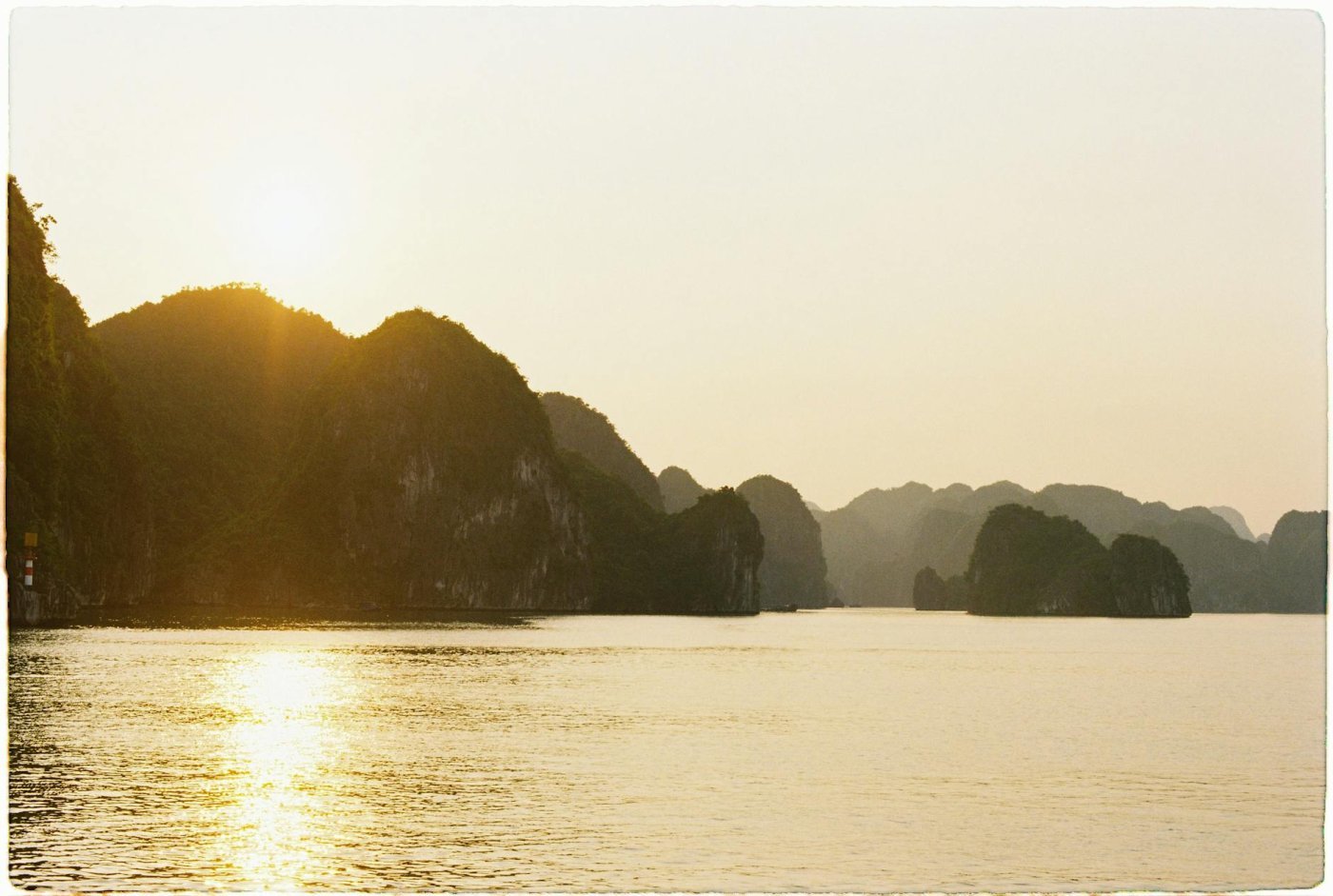
Mekong Delta and Hạ Long Bay offer almost opposite versions of Vietnam, so the choice depends entirely on what you want from your trip. Hạ Long Bay delivers dramatic geology — towering limestone karsts rising from jade water — best seen from a cruise boat, with very limited land interaction. The Mekong Delta delivers human texture: markets, workshops, meals cooked by families, and nights in houses built on river stilts. Hạ Long Bay is more visually spectacular on a short visit; the Mekong Delta is more immersive over several days. Budget travellers strongly favour the delta, where costs are significantly lower than northern cruise packages. Many Vietnam itineraries include both: Hạ Long Bay in the north and the Mekong Delta in the south.
Do people speak English in the Mekong Delta?
English is spoken at a basic level in tourist-facing roles across the Mekong Delta — guesthouse owners, tour boat operators, and restaurant staff in Cần Thơ typically manage well enough for practical communication. Away from the main tourist hub, particularly in smaller towns like Trà Vinh, Sóc Trăng, and Cà Mau, English is very limited. A translation app with offline Vietnamese downloaded is genuinely useful, especially in markets and when negotiating boat prices. French speakers are sometimes pleasantly surprised — older residents in rural delta communities occasionally retain some French from the colonial era, which can bridge unexpected conversational moments.
★ Hidden Gems Weekly
Like this? One place per week, in your inbox.
No spam, no fluff — just one underrated destination, every Tuesday.
Hand-picked and verified by Max, who founded Vacanexus from Luxembourg in 2026. No sponsorships, no paid placements. Every recommendation — restaurants, neighbourhoods, things to do — is selected for authenticity over popularity.