Muscat Travel Guide — The Gulf city that kept its soul intact
⏱ 12 min read📅 Updated 2026💶 €€€ Comfort✈️ Best: Jan–Apr
€120–250/day
Daily budget
Jan–Apr
Best time
4–6 days
Ideal stay
OMR
Currency
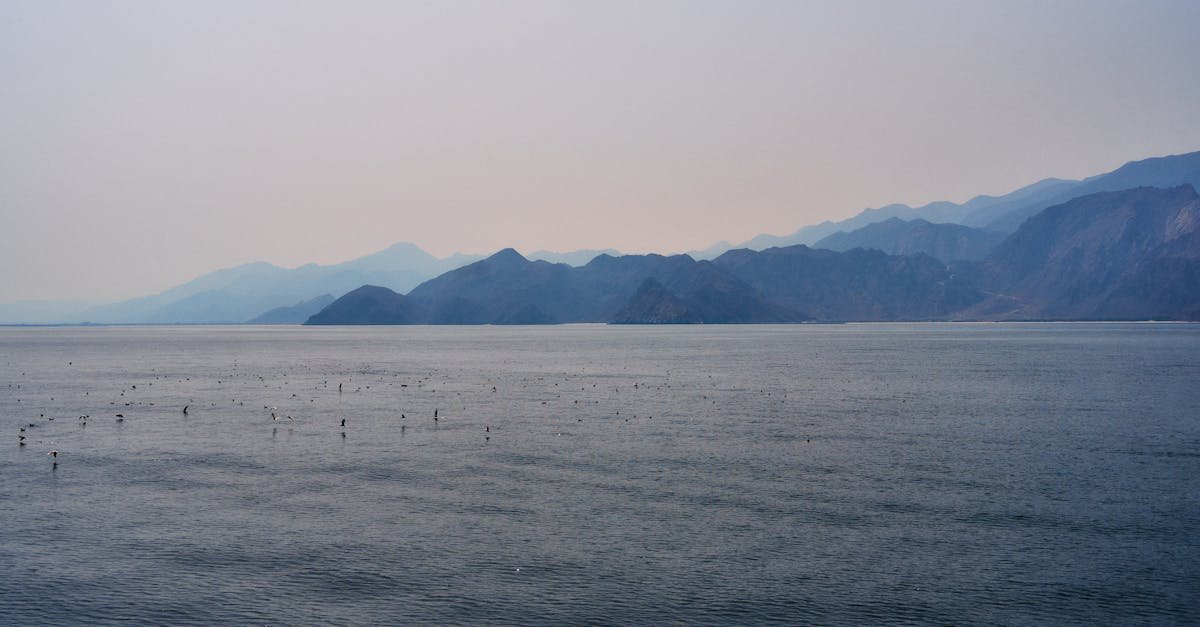
Muscat greets you with the scent of frankincense drifting through open archways, whitewashed walls glowing amber in the evening sun, and the low hum of a city that has quietly refused to reinvent itself as something flashier. Perched between the Hajar Mountains and the Gulf of Oman, Muscat stretches along a dramatic rocky coastline where Portuguese forts crown headlands and traditional wooden dhows still bob in the harbor at Muttrah. Unlike many of its neighbors, the Omani capital kept its skyline deliberately low, its minarets and crenellated towers never overshadowed by glass towers. The result is a city that feels genuinely ancient and thoroughly livable at the same time.
Visiting Muscat rewards travelers who value depth over spectacle. Where Dubai dazzles with manufactured superlatives, Muscat offers the Sultan Qaboos Grand Mosque — one of the world's great prayer halls — flanked by a working fishing community and a souk where silver Khanjar daggers are still crafted by hand. Things to do in Muscat span from hiking slot canyons in Wadi Shab to sipping kahwa coffee in a traditional merchant house in Muttrah. The food scene has evolved quietly but seriously, with Omani cuisine finally getting the fine-dining treatment it deserves. For European travelers tired of over-touristed capitals, Muscat offers a rare combination: genuine Arabian heritage, world-class hospitality, and easy, stress-free travel.
✦ Find your perfect destination
Is Muscat really your perfect match?
Answer 12 quick questions about your travel style, budget and dates — we match you with the destinations that fit you best, from 600+ worldwide.
Muscat belongs on your travel list precisely because it hasn't chased mass tourism. The Omani capital delivers an authentically Arab experience without the sensory overload of larger Gulf cities — think pearl-white mosques against copper mountains, a corniche designed for evening strolls, and a souq where haggling is warm rather than exhausting. Muscat's position between sea and mountains means a single day can move from snorkeling turtle bays to trekking rocky gorges. Oman's famously generous hospitality culture makes solo and family travelers alike feel genuinely welcomed rather than merely processed.
The case for going now: Oman's ambitious Vision 2040 tourism program is injecting investment into Muscat's cultural infrastructure — new heritage museums, restored merchant quarters, and upgraded airport connections — while the destination still feels blissfully under-crowded by Gulf standards. The Omani rial's peg to the dollar actually makes Muscat's luxury tier remarkable value for European travelers right now, particularly for fine dining and resort hotels. Go before the secret is fully out.
🕌
Grand Mosque
The Sultan Qaboos Grand Mosque is one of the world's finest examples of contemporary Islamic architecture. Its main prayer hall chandelier alone weighs eight tons, and the hand-loomed Persian carpet covers 4,263 square meters.
⛵
Muttrah Harbour
Muttrah's crescent harbor remains a working port where traditional wooden dhows unload cargo at dawn. The adjacent corniche is Muscat's finest evening walk, lined with restored merchant houses and the scent of burning frankincense.
🏔️
Wadi Trekking
The Hajar Mountains rise dramatically behind Muscat, hiding turquoise wadis just an hour's drive from the city. Wadi Shab's emerald pools and Wadi Bani Khalid's cascades are among the most photogenic landscapes in all of Arabia.
🏺
Muttrah Souq
Oman's oldest covered market weaves through a labyrinth of incense, silver jewelry, Bedouin textiles, and hand-crafted Khanjar daggers. Arrive early morning to shop alongside locals before tour groups reach the narrow alleys.
Muscat's neighbourhoods — where to focus
Old City Soul
Muttrah
Muttrah is Muscat's historic trading heart, a tight grid of whitewashed lanes tumbling down to the harbor. The famous souq, the Al Lawatiyya merchant quarter, and the lively fish market all sit within walking distance of each other. Evenings on the Muttrah Corniche, with forts illuminated on the headlands, are among the city's most memorable experiences.
Diplomatic Quarter
Muscat Old Town (Al Alam)
The Al Alam Palace district is Muscat at its most ceremonial — the Sultan's palace flanked by twin blue-and-gold forts, Jalali and Mirani, guards a harbor that has seen traders since the second century. The surrounding streets are immaculately maintained, quiet by day, and hauntingly beautiful at golden hour when the fort walls turn amber against the sea.
Modern Hub
Qurum
Qurum is where Muscat's cosmopolitan life plays out: long sandy beach, palm-lined avenues, rooftop restaurants, and the manicured Qurum Natural Park. It's the best neighborhood for contemporary Omani dining, specialty coffee, and the city's most walkable stretch of waterfront away from the tourist circuit.
Luxury & Lagoons
Al Mouj (The Wave)
Al Mouj is Muscat's ambitious marina district — a purpose-built waterfront community with yacht berths, international restaurants, a golf course, and the Muscat's most design-forward hotels. It feels distinct from the historic city but offers a genuinely pleasant pedestrian promenade and some of the finest sunset views across the Gulf of Oman.
Top things to do in Muscat
1. Sultan Qaboos Grand Mosque
No visit to Muscat is complete without spending a morning inside the Sultan Qaboos Grand Mosque, one of the most architecturally significant religious buildings constructed in the 21st century. Built from 300,000 tonnes of Indian sandstone over six years and opened in 2001, the mosque can accommodate 20,000 worshippers across its vast marble courtyards and magnificent main prayer hall. That hall houses a hand-woven Persian carpet — the second largest in the world at the time of its creation — and an Austrian crystal chandelier suspended seven meters above it. Non-Muslim visitors are welcomed during set morning hours and should dress modestly: women receive an abaya at the entrance if needed. Arrive when the gates open at 8 a.m. to experience the quality of light through the geometric mashrabiya screens before crowds build. Budget a full two hours to do the complex justice.
2. Muttrah Souq & Corniche Walk
Muttrah Souq is the oldest continuously operating market in Muscat and arguably the most atmospheric covered bazaar in the entire Gulf. Unlike the sanitized souqs of Abu Dhabi, Muttrah genuinely serves local traders and Omani families — which means the frankincense smoke is real, the silver is weighed on actual scales, and the price negotiation is a social ritual rather than a performance. Spend time in the narrow incense section where oud resin and rose water are sold by weight, then emerge onto the Muttrah Corniche for a long walk along the seawall. The corniche stretches 3.5 kilometres between two Portuguese-era forts and is best walked at dusk when the fishing boats return and the air cools. Stop at one of the traditional coffee stalls for complimentary kahwa — cardamom-spiced Omani coffee served in tiny handleless cups with dates — before watching the harbor lights come on across the water.
3. Wadi Shab Day Trip
Wadi Shab, roughly 140 kilometres south of Muscat along the coastal highway, represents the single greatest day trip available from the Omani capital and one of the most dramatic landscapes in Arabia. The wadi opens with a short boat crossing of a jade-green pool, followed by a two-kilometre walk through date palms and oleander thickets, past a series of tiered waterfalls and emerald plunge pools fed by underground springs. At the canyon's inner chamber, swimmers can dive through a submerged rock archway to reach a hidden cave with a waterfall cascading inside it — a genuinely surreal reward for the effort. The hike is moderate and well-marked, typically taking three to four hours return. Hire a local guide in the village of Tiwi for geological context and to navigate the less obvious pool crossings. Combine the trip with a stop at the 17th-century Qalhat ruins or the turtle reserve at Ras al Jinz for a full southeastern coastal day.
4. Royal Opera House Muscat
The Royal Opera House Muscat opened in 2011 and has since established itself as one of the finest performance venues in the Arab world, hosting the Vienna Philharmonic, Plácido Domingo, and leading international ballet companies alongside celebrated Arabic artists. The building itself is a masterwork of contemporary Omani design — all carved stucco, rosewood marquetry, and hand-painted tiles — and a guided architectural tour is worthwhile even without a performance ticket. The surrounding gardens are beautifully maintained and open to the public, and the complex houses several upmarket restaurants that are worth booking for dinner regardless of what's on stage. Check the season program well in advance if a performance is a priority for your Muscat itinerary, as productions by international ensembles sell out months ahead. The opera house sits in the Shatti al Qurum district, walkable from the main hotel strip along the coast.
What to eat in Muscat and the Gulf of Oman coast — the essential list
Shuwa
Oman's definitive celebratory dish: whole lamb marinated in a spice paste of dried limes, turmeric, cumin, and chilli, then wrapped in palm leaves and slow-cooked underground in a clay pit for up to 48 hours. The result is impossibly tender, smoky, and fragrant.
Mashuai
Kingfish roasted over charcoal and served alongside Omani lemon rice — the lemon rice is cooked with dried Omani limes that give it a distinctly tart, citrusy depth unlike anything in neighbouring cuisines. A coastal staple you'll find in Muttrah fish restaurants.
Harees
A slow-cooked porridge of wheat and chicken or lamb, beaten into a smooth, comforting paste and finished with clarified butter. Harees has been eaten across the Arabian Peninsula for centuries and is particularly common during Ramadan and feast days.
Kahwa with Halwa
Omani kahwa — pale green cardamom coffee poured from a long-spouted dallah — is always accompanied by Omani halwa, a dense, gelatinous sweet made with rose water, saffron, and ghee. Refusing a second cup is gently regarded as impolite, so pace yourself accordingly.
Majboos
The Omani equivalent of biryani: spiced basmati rice cooked with chicken, lamb, or fish, dried limes, loomi powder, and fried onions. Each household has its own spice ratio; the version served in Nizwa-style Omani restaurants in Muscat tends to be heavier on rose water.
Luqaimat
Crisp, golden dumplings fried until hollow and served drizzled with date syrup and sesame seeds — Muscat's favourite street dessert, sold from carts near the souq and corniche especially after dusk. The contrast of crunchy shell and airy interior is addictive.
Where to eat in Muscat — our top 4 picks
Fine Dining
Bait Al Luban
📍 Muttrah Corniche, Muscat
Bait Al Luban — 'House of Frankincense' — is widely considered the best destination for traditional Omani fine dining in Muscat. Set in a beautifully restored merchant house on the Muttrah Corniche, the kitchen elevates regional recipes with first-class ingredients and precise technique. The shuwa and mashuai are exceptional; the frankincense ice cream is compulsory.
Fancy & Photogenic
Kargeen Caffe
📍 MQ, Bausher, Muscat
Kargeen is Muscat's most atmospheric outdoor dining experience — a sprawling garden restaurant built around ancient frankincense trees, lantern-lit pergolas, and a theatrical open kitchen. The menu ranges across Lebanese, Moroccan, and Omani dishes, but the real draw is the setting and the lively weekend crowd of Omani families.
Good & Authentic
Al Boom Restaurant
📍 Shatti Al Qurum, Muscat
Named after the traditional Omani ocean-going vessel, Al Boom delivers no-frills Omani home cooking at prices that feel almost anachronistic given the quality. The daily fish selection — whatever came off the boats at Muttrah that morning — is the menu's backbone, served grilled or in spiced coconut sauces alongside rice and fresh khubz.
The Unexpected
Ubhar Restaurant
📍 Ghubra, Muscat
Ubhar takes Omani heritage cuisine and reframes it through a contemporary lens — small plates of dates stuffed with goat cheese, seared foie gras with Omani halwa, and a smoked kingfish carpaccio that genuinely surprises. The design channels ancient Omani caravanserai with modern minimalism, and the cocktail-free drinks program is inventive enough that you won't notice.
Muscat's Café Culture — top 3 cafés
The Institution
Qahwa Arabic Coffee House
📍 Muttrah Souq area, Muscat
This traditional Omani coffee house near the souq entrance has been serving kahwa and dates to traders and travellers for decades. The setting is deliberately austere — low seating, rush matting, brass dallah pots — and the coffee is blended fresh each morning with cardamom and saffron. Essential cultural immersion.
The Aesthetic Hub
Craft Specialty Coffee
📍 Al Mouj Marina, Muscat
Craft is Muscat's leading specialty coffee destination, working directly with Yemeni and Ethiopian producers and roasting on site. The marina location means terrace seating with yacht-view mornings and a clientele that mixes Omani professionals with expats comparing single-origin tasting notes. The pour-overs and cold brew are impeccable.
The Local Hangout
Illy Caffè at Zawawi
📍 Qurum Commercial Area, Muscat
Tucked into a quiet corner of the Qurum commercial strip, this compact café serves Italian espresso alongside Omani pastries and fresh-baked manakish. It draws a neighborhood crowd of Omani students, nearby office workers, and the occasional expat family — unfiltered local life with very good coffee and air conditioning that justifies a long, lazy sit.
Best time to visit Muscat
Jan
Feb
Mar
Apr
May
Jun
Jul
Aug
Sep
Oct
Nov
Dec
Jan–Apr & Dec: Peak season — warm sunny days (22–30°C), low humidity, ideal for sightseeing, wadis, and outdoor diningNov: Shoulder season — temperatures easing, some rain possible, noticeably fewer crowdsMay–Oct: Summer heat and high humidity (35–45°C), some monsoon influence; indoor-focused travel only
Muscat events & festivals 2026
Whether you're planning around a specific celebration or simply want to know what's happening, this guide covers the best events and festivals in Muscat — from major annual traditions to cultural highlights worth timing your trip around.
January 2026culture
Muscat Festival
The annual Muscat Festival is one of the Expect traditional music, falconry displays, artisan crafts markets, and a sprawling funfair that draws families from across the Gulf.
February 2026culture
Oman Across Ages Exhibition
Staged annually at the Oman Convention and Exhibition Centre, this major cultural showcase presents Omani history from the ancient Magan civilization through the maritime empire to the present. International scholars, heritage craftsmen, and museum curators present alongside interactive displays that are genuinely absorbing for curious adult travelers.
March 2026music
Royal Opera House Winter Season Finale
The Royal Opera House Muscat closes its winter season in March with a series of high-profile international performances including symphony orchestras and international ballet companies. This is the most active month for world-class live performance in Muscat, and tickets for headline shows sell out well in advance — book before arriving.
April 2026culture
Muscat International Book Fair
One of the Arab world's major literary events, the Muscat International Book Fair draws publishers, writers, and readers from across the Middle East, South Asia, and Europe to the Oman International Exhibition Centre. Arabic and English-language programming, author talks, and a vast book market make it a rewarding addition to a Muscat itinerary in spring.
June 2026culture
National Day Cultural Events
Though Oman's National Day falls in November, regional cultural offices in Muscat stage preparatory summer events and heritage exhibitions from June onward, particularly celebrating Omani boat building, frankincense trade history, and traditional weaving. Visitor numbers are lower in summer, making cultural venues unusually quiet and accessible.
September 2026religious
Mawlid Al-Nabi Celebrations
Muscat's mosques and heritage sites host peaceful public events marking the Prophet Muhammad's birthday, including Quran recitation gatherings, free communal meals, and illuminated displays across the Muttrah Corniche. Non-Muslim visitors are welcome at public outdoor events and it provides a rare window into Omani religious community life.
October 2026culture
Oman Tourism Week
The Omani government's annual tourism promotion week in October includes special hotel rates, free museum entry days, curated Muscat heritage walks, and promotional events at major sites including the Grand Mosque. It's a useful window for travelers planning a Muscat itinerary on a more controlled budget before the main winter season begins.
November 2026market
Omani Artisan & Craft Market, Qurum Park
Staged to coincide with Oman's National Day celebrations on 18 November, this outdoor crafts market in Qurum Natural Park gathers silversmiths, weavers, potters, and frankincense traders from across Oman's interior regions. The atmosphere is festive and family-focused, with live Omani folk music and communal cooking demonstrations throughout the weekend.
November 2026culture
Oman National Day
Oman's National Day on 18 November is marked across Muscat with military parades, fireworks over the Muttrah Corniche, and illuminations at Al Alam Palace. The celebration reflects Omani national identity with remarkable warmth — locals invite visitors to watch from their homes and offer dates and kahwa freely to strangers in the street.
December 2026culture
Muscat Festival Pre-Season Opening
The Muscat Festival officially launches its new edition in late December, making the final week of the year one of the most festive periods in the Omani calendar. Heritage village recreations, international food stalls, traditional performance stages, and fireworks over the harbor combine with peak winter weather to make this an exceptional time for visiting Muscat.
Guesthouses near Muttrah, local Omani restaurants, shared taxis, and free mosque and corniche visits.
€€ Mid-range
€120–180/day
Four-star hotels in Qurum or Shatti Al Qurum, quality Omani dining, private car hire for wadi day trips.
€€€ Luxury
€250+/day
Al Bustan Palace or Chedi Muscat, fine dining at Ubhar and Bait Al Luban, private desert and wadi tours.
Getting to and around Muscat (Transport Tips)
By air: Muscat International Airport (MCT) is Oman's main international hub, served by Oman Air, British Airways, Lufthansa, Air France, KLM, and most Gulf carriers. Direct flights from London take approximately 7.5 hours, from Amsterdam or Paris around 7 hours. The airport underwent a major expansion in 2018 and handles the journey efficiently.
From the airport: The airport sits roughly 32 kilometres west of central Muscat and Muttrah. The most reliable option is a metered taxi from the official taxi rank outside arrivals — budget OMR 8–12 to most central hotels. Ride-hailing via the Careem app (Uber equivalent in Oman) costs slightly less. A public bus (Route 2) connects the airport to central Muscat for under OMR 0.50 but runs infrequently and takes over an hour.
Getting around the city: Muscat is a sprawling, car-dependent city and a rental car or regular use of Careem/private taxis is highly recommended. Public buses exist but routes are limited and infrequent for tourist sites. Renting a small 4WD for at least two of your days — particularly for wadi and mountain day trips — is strongly advisable and costs from OMR 20–35 per day at reputable agencies near the airport. Muttrah itself is entirely walkable once you arrive.
Transport Safety & Scam Prevention:
Unlicensed Airport Taxis: Always use the official metered taxi rank or Careem app at Muscat airport. Touts in the arrivals hall quoting flat rates typically charge two to three times the metered fare, particularly targeting first-time visitors to Oman.
Souq 'Commission' Guides: Men offering free souq tours in Muttrah typically lead visitors to specific shops where they earn commission, inflating prices significantly. Explore the souq independently or book a certified guide through your hotel — the lanes are not difficult to navigate alone.
4WD Requirement for Mountains: Rental agencies sometimes lease 2WD vehicles to tourists heading to Jebel Akhdar or Wadi Shab. The mountain ascent road legally requires 4WD and police check at the base. Confirm your vehicle category in writing before accepting the keys — upgrade costs are non-negotiable at the checkpoint.
Do I need a visa for Muscat?
Visa requirements for Muscat depend on your nationality. Select your passport below for an instant answer — based on the Passport Index dataset for entry into Oman.
ℹ️ Indicative only. Always verify with the official consulate before booking. Data: Passport Index, April 2026.
For detailed requirements, documentation checklists and processing times by nationality: TravelDoc →
Search & Book your trip to Muscat
Find the best flight routes and hotel combinations using our partner Kiwi.com.
Frequently Asked Questions
Is Muscat safe for tourists?
Muscat is one of the safest capitals in the Arab world and consistently ranks among the safest destinations globally for solo travelers, couples, and families. Violent crime against tourists is exceptionally rare, the police presence is professional and approachable, and Oman's culture emphasizes hospitality toward guests. Women traveling solo report feeling comfortable in Muscat's public spaces, souqs, and restaurants. Standard city-travel precautions apply — keep valuables secure in busy areas like Muttrah Souq — but Muscat genuinely deserves its very safe reputation.
Can I drink the tap water in Muscat?
Muscat's tap water is technically treated to a safe standard, but the high mineral content and the taste of heavily chlorinated desalinated water mean that most residents and visitors drink bottled or filtered water. Sealed bottled water is inexpensive and universally available across supermarkets, hotels, and restaurants throughout Muscat. Use tap water freely for brushing teeth but purchase bottled water for drinking during your stay — the cost is negligible.
What is the best time to visit Muscat?
The best time to visit Muscat is between November and April when temperatures sit comfortably between 20°C and 32°C, humidity is low, and outdoor activities including wadi hikes, beach days, and the Muttrah Corniche evening stroll are thoroughly enjoyable. January and February are the absolute peak months — the Muscat Festival is in full swing, the Grand Mosque gardens are in bloom, and the Daymaniyat Islands snorkeling visibility is at its best. December is excellent and less crowded than January. Avoid May through September when temperatures regularly exceed 40°C and humidity from the Khareef monsoon (affecting southern Oman) pushes into the capital.
How many days do you need in Muscat?
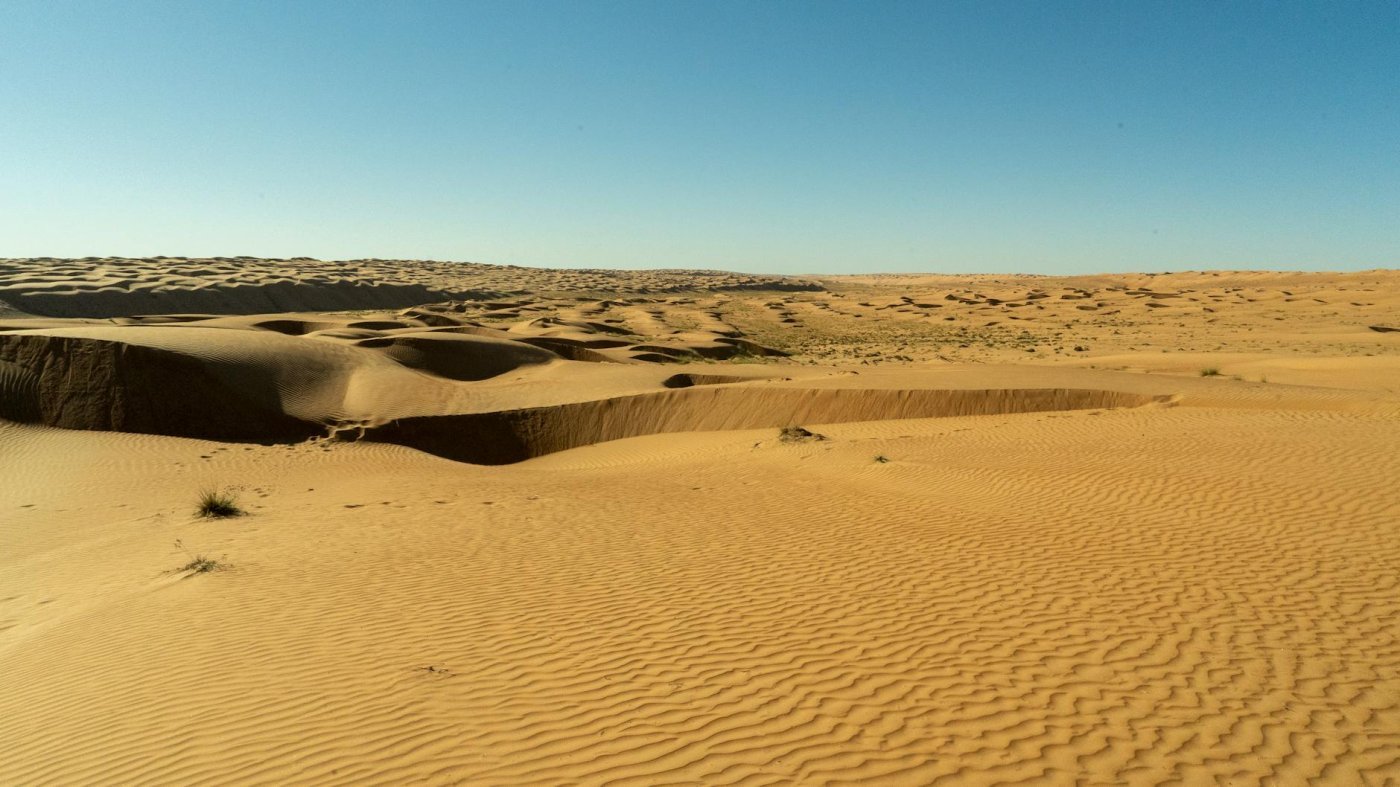
A minimum of four days in Muscat gives you enough time to visit the Grand Mosque, explore Muttrah Souq and the Corniche, complete the Wadi Shab day trip, and see the Royal Opera House. Five to six days is the recommended stay for a Muscat itinerary that feels complete rather than rushed — adding a Nizwa day trip and a snorkeling excursion to the Daymaniyat Islands transforms the experience significantly. If you plan to explore Jebel Akhdar, the Wahiba Sands desert, or the turtle reserve at Ras al Jinz as multi-day extensions, budget eight to ten days for the wider Muscat and Oman coast circuit. Muscat rewards slower travel.
Muscat vs Dubai — which should you choose?
Muscat and Dubai target fundamentally different travel personalities. Dubai dazzles with record-breaking architecture, mega-malls, theme parks, and a relentless appetite for superlatives — it's engineered for stimulation and spectacle. Muscat is quieter, lower-rise, and more culturally grounded: the Grand Mosque and Muttrah Souq are genuinely historic spaces, the Hajar Mountains sit minutes from the city, and Omani hospitality is personal rather than transactional. Dubai suits travelers who want nonstop energy and a luxury shopping itinerary; Muscat suits those who want to understand a culture, eat proper local food, and hike a canyon before breakfast. Budget-wise, Muscat is slightly cheaper across accommodation and dining. Many travelers wisely combine both cities on a single Gulf trip.
Do people speak English in Muscat?
English is widely spoken across Muscat in hotels, restaurants, tourist sites, shops, and taxis — a legacy of Oman's close historical ties with Britain and the large expat workforce in the city. At the Grand Mosque, National Museum, and Royal Opera House, English-language tours and signage are excellent. In Muttrah Souq, most traders speak functional English adequate for shopping and directions. Off the main tourist circuit — in local bakeries or smaller neighborhood restaurants — communication may be more gestural, but Omani hospitality invariably bridges the gap. Learning a handful of Arabic phrases (shukran for thank you, marhaba for hello) earns genuine warmth.
★ Hidden Gems Weekly
Like this? One place per week, in your inbox.
No spam, no fluff — just one underrated destination, every Tuesday.
Hand-picked and verified by Max, who founded Vacanexus from Luxembourg in 2026. No sponsorships, no paid placements. Every recommendation — restaurants, neighbourhoods, things to do — is selected for authenticity over popularity.