Negril Travel Guide — Seven miles of white sand, cliff-diving at sunset, and reggae that hits differently
⏱ 11 min read📅 Updated 2026💶 €€ Mid-range✈️ Best: Jan–Apr
€50–120/day
Daily budget
Jan–Apr
Best time
5–7 nights
Ideal stay
JMD / USD
Currency
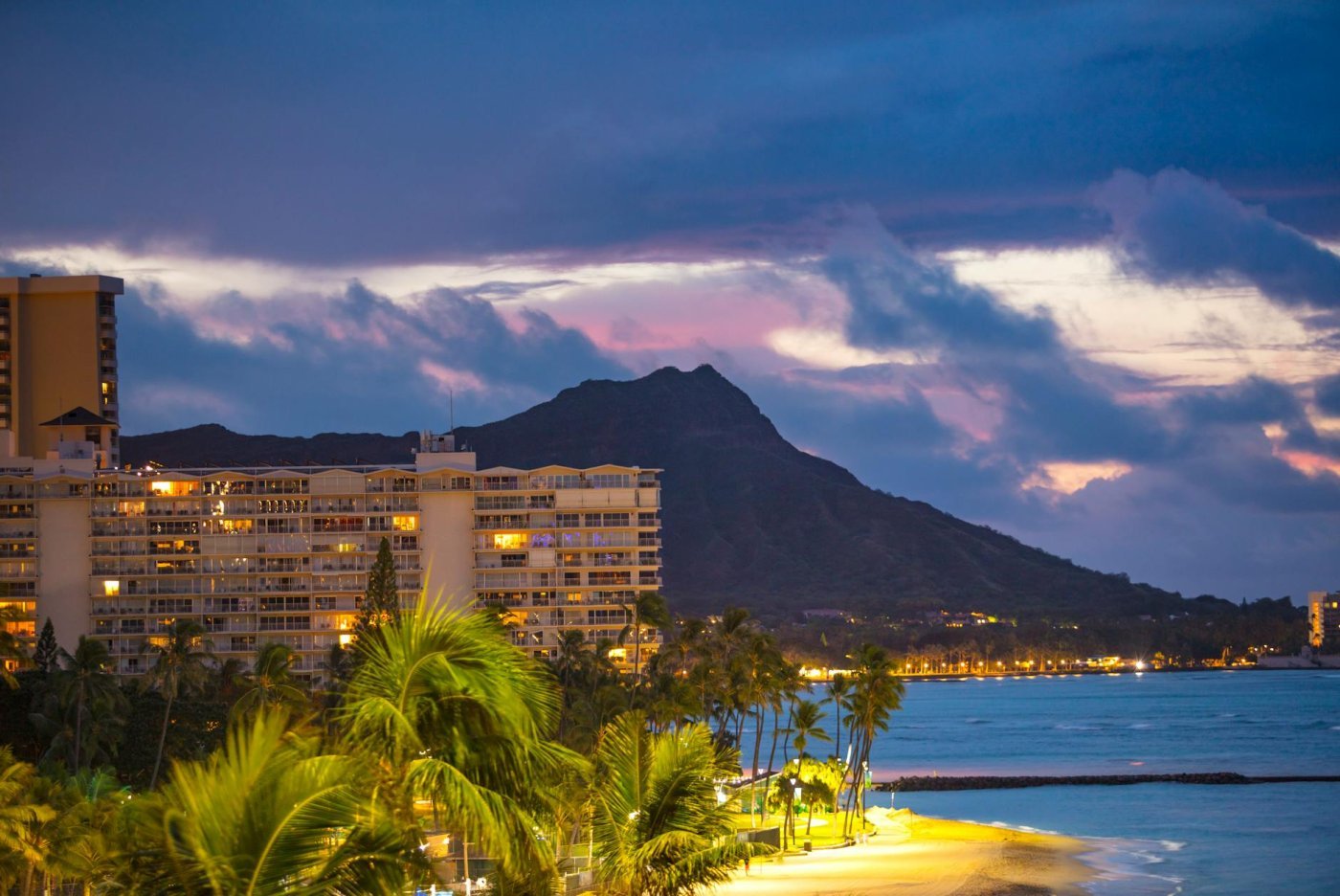
Negril sits at Jamaica's western tip where the Caribbean Sea turns a shade of turquoise that genuinely stops you mid-sentence. The air smells of salt, charcoal jerk smoke, and something floral you can never quite identify. Seven Mile Beach — one of the longest unbroken stretches of white sand in the entire Caribbean — curves south from the town centre in an almost implausible arc, its water so shallow and warm you wade for minutes before it reaches your waist. By late afternoon, that same beach turns amber and pink as the sun drops toward the horizon, drawing crowds to the cliffs of the West End to watch in appreciative silence. Negril earns that ritual every single evening.
What separates visiting Negril from dropping into, say, Montego Bay or Ocho Rios is the conspicuous absence of cruise-ship frenzy and resort mega-complexes swallowing the shoreline whole. Things to do in Negril range from sunrise yoga on the sand to cliff-jumping at Rick's Cafe to hunting down the jerk-chicken shack a local recommended three conversations ago. The town operates on a loose, unhurried rhythm that is emphatically not laziness — it is a conscious philosophy carried in the bass of every sound system. Negril is where Jamaica's legendary spirit is still legible: in the Rastafari culture woven into daily life, in the reggae drifting from open-air bars, and in the warmth of a people who actually want to talk to you.
✦ Find your perfect destination
Is Negril really your perfect match?
Answer 12 quick questions about your travel style, budget and dates — we match you with the destinations that fit you best, from 600+ worldwide.
Negril belongs on your travel list because it delivers an authenticity that most Caribbean beach towns have quietly surrendered. Seven Mile Beach is the anchor — consistently ranked among the world's finest stretches of sand — but Negril's West End cliffs offer a completely different, dramatic experience within a ten-minute drive. The local food scene, anchored in proper Jamaican jerk tradition, punches far above resort-town expectations. Beyond the beach, Negril sits close enough to the Blue Hole Mineral Spring and the Great Morass nature reserve to give the itinerary genuine depth. For the price, few Caribbean destinations match what Negril quietly delivers.
The case for going now: Negril is experiencing a considered wave of boutique investment — small cliff-side guesthouses and design-forward beach hotels are opening alongside the long-established resorts, giving mid-range travellers options that simply did not exist five years ago. The Jamaican dollar's relative weakness against the euro and pound creates exceptional value right now, particularly at local restaurants and independent accommodation. Early 2026 is the sweet spot: the dry season is reliable, the crowds are manageable compared to peak December, and new direct flight routes from London and Frankfurt are cutting journey times significantly.
🏖️
Seven Mile Beach
The beach that defines Negril: over eleven kilometres of powder-white sand edged by calm, crystalline water. Rent a sunlounger, rent nothing at all, or simply walk the entire length at low tide.
🪨
Cliff Diving West End
The West End's limestone cliffs plunge six to ten metres into the Caribbean. Rick's Cafe made it famous, but a dozen quieter spots nearby let you leap — or just watch — without the crowds.
🍗
Jerk Shack Trail
Negril's roadside jerk pits smoke all day over pimento wood, producing chicken and pork that no restaurant replica has ever matched. Following your nose down the West End Road is half the pleasure.
🎵
Live Reggae Nights
Negril's open-air bars host live reggae most nights of the week — not performative tourist reggae, but seasoned Jamaican musicians playing for a crowd that includes locals. Alfred's Ocean Palace sets the standard.
Negril's neighbourhoods — where to focus
The Social Heart
Norman Manley Boulevard (Seven Mile Beach)
The beach strip is Negril's main artery — hotel bars, beach vendors, watersports operators, and Jamaican families all sharing the same stretch of sand. It is busier and more social than the West End, with the best sunset views unobstructed by cliffs. Stay here for maximum beach access and nightlife within walking distance.
Dramatic & Independent
West End Road (The Cliffs)
The West End is Negril's bohemian counterpart — smaller guesthouses and boutique hotels cling to the ironshore cliffs above the sea, connected by ladders and platforms to private swimming spots below. The pace is notably quieter, the sunsets are watched from elevated limestone perches, and the independent restaurant scene is stronger here.
Local & Lived-In
Negril Town Centre
The actual town — centred around Sheffield Road and the roundabout — is where Negrilians do their daily business: markets, pharmacies, rum bars with no decor but cold Red Stripe, and jerk stands feeding workers rather than tourists. It is unpretentious and genuinely welcoming to curious visitors who wander in without an agenda.
Nature Escape
Great Morass & Environs
Just inland from the beach strip lies the Great Morass — a protected wetland stretching across Westmoreland that shelters crocodiles, herons, and over 100 bird species. The Royal Palm Reserve within it offers guided boardwalk trails through a primeval landscape that feels a world away from the beach two kilometres east.
Top things to do in Negril
1. #1 — Sunset at Rick's Cafe
Rick's Cafe on the West End cliffs has been Negril's most theatrical attraction since 1974, and it earns the reputation. Perched on limestone twenty feet above the Caribbean, it operates as part bar, part diving platform, part communal sunset ceremony. Professional cliff divers perform backflips and somersaults from platforms at varying heights throughout the afternoon, and brave — or peer-pressured — visitors can attempt their own jumps from the lower ledges. Arrive by 4pm to secure a good cliff-edge position before the sunset crowd builds. Order a Red Stripe or a rum punch, watch the divers, and then watch the sky turn colours that make everyone go quiet. It is theatrical, yes, but the theatre is genuinely earned.
2. #2 — Snorkelling the Negril Marine Park
The Negril Marine Park protects the coral reef running parallel to Seven Mile Beach and the West End cliffs, and the rewards for snorkellers are immediate and impressive. Visibility regularly exceeds twenty metres in the dry season, and the reef supports nurse sharks resting on sandy patches, southern stingrays, spotted eagle rays, and reef fish in concentration that still surprises first-timers. Operators along the beach offer half-day trips combining two or three sites, with the coral gardens off the West End cliffs generally considered the finest. For a more independent Negril experience, rent mask and fins from any of the watersports shacks and swim out from the beach's calmer northern end, where the reef begins within a few hundred metres of shore.
3. #3 — Blue Hole Mineral Spring Day Trip
Twenty minutes east of Negril by road, the Blue Hole Mineral Spring is a natural sinkhole filled with mineral-rich water of an otherworldly cobalt blue. You jump from a platform ten metres above the water, or you descend a ladder into the cool depths — the spring stays around 21°C year-round, making it a brilliant midday relief from the coastal heat. The surrounding gardens are quiet, well-maintained, and operated by a local Rastafari community who manage the site with evident pride. Combine the Blue Hole with a stop at Roaring River Park nearby, where underground caverns and a warm, crystal-clear river pool round out one of the best half-day excursions in western Jamaica. Independent taxis from Negril are inexpensive and negotiation is expected.
4. #4 — Catch a Sound System Session
Jamaica invented the sound system, and Negril remains one of the best places outside Kingston to experience the genuine article. Unlike the polished reggae-for-tourists shows on the resort circuit, sound system events in and around Negril are community affairs — enormous speaker towers, a selector working vinyl and digital files, and a crowd that knows every song. Bourbon Beach on the strip and various beach bars along the West End advertise sessions on handwritten boards or Instagram pages updated that same day. The best events happen between Thursday and Saturday nights, running from around 10pm until far past midnight. Dress casually, bring small denomination Jamaican dollars for drinks and food vendors, and expect to have conversations with locals that outlast the music.
What to eat in Westmoreland & western Jamaica — the essential list
Jerk Chicken
Negril's definitive dish: chicken marinated in Scotch bonnet, allspice, thyme, and ginger, then slow-smoked over pimento wood. The result is fragrant, fiery, and completely unlike any version you have eaten elsewhere. Order with festival — the sweet fried dumpling — not rice.
Ackee and Saltfish
Jamaica's national dish pairs the buttery, egg-like ackee fruit with salted cod sautéed with onion, peppers, and tomatoes. Eaten at breakfast with boiled green banana and fried dumplings, it is deeply savoury and entirely unlike anything the words 'fruit and fish' suggest.
Festival
The sweet, lightly spiced fried dumpling that accompanies jerk, fried fish, and escovitch throughout Jamaica. Negril's beach vendors fry them to order — crisp outside, doughy and warm within. One is never enough and everyone knows it.
Escovitch Fish
Whole red snapper or parrotfish fried crisp, then drowned in a sharp vinegared sauce of onions, carrots, and Scotch bonnet. It is assertive, acidic, and wonderful, particularly eaten at a plastic table beside the sea with a cold Red Stripe.
Jamaican Patty
The golden-yellow pastry shell — turmeric-tinted, flaky, and slightly crumbly — encases a spiced beef, chicken, or vegetable filling. Negril's bakeries produce them fresh throughout the morning. They are the ideal moving snack between beach and cliff, costing under a dollar US.
Blue Draws (Tie-a-Leaf)
A traditional Jamaican sweet made from cornmeal, coconut, brown sugar, and banana, wrapped and steamed inside a banana leaf. Found at Negril's markets and roadside stalls, it is earthy, dense, and faintly smoky from the leaf — a proper taste of old Jamaica.
Where to eat in Negril — our top 4 picks
Fine Dining
Rockhouse Restaurant
📍 West End Road, Negril, Westmoreland
Perched over the cliffs at the Rockhouse Hotel, this is Negril's most sophisticated dining room — open-air thatch pavilions above the Caribbean, candlelit at night. The menu fuses Jamaican ingredients with Caribbean-modern technique: jerk-spiced lobster, local snapper ceviche, and plantain desserts that are taken seriously. Reserve ahead.
Fancy & Photogenic
Tensing Pen Restaurant
📍 West End Road, Negril, Westmoreland
Tensing Pen's cliff-side open-air restaurant serves fresh Jamaican cuisine — lobster, snapper, and seasonal vegetables from local farms — in a setting of extraordinary natural drama. Guests and non-guests alike can dine on platforms literally overhanging the sea. The photography practically takes itself, which does not diminish how good the food actually is.
Good & Authentic
Ivan's Bar & Restaurant
📍 Catcha Falling Star, West End Road, Negril
Ivan's is where Negril's expat community and long-term visitors come to eat and watch the sunset without fuss or tourist markup. The kitchen handles Jamaican classics — curried goat, brown stew chicken, pepper shrimp — with evident care and reasonable prices. The cliff-side terrace has some of the best unobstructed sunset sight lines on the West End.
The Unexpected
Selina Negril Rooftop Kitchen
📍 Norman Manley Boulevard, Negril, Westmoreland
Selina's rooftop kitchen serves a creative fusion menu — think Jamaican breakfast bowls, poke-influenced fish plates, and a genuinely good rum cocktail list — to a young international crowd. It works better than it sounds, the cook-to-order approach means quality stays consistent, and the rooftop view across Seven Mile Beach at dusk is reliably spectacular.
Negril's Café Culture — top 3 cafés
The Institution
Kuyaba on the Beach
📍 Norman Manley Boulevard, Negril, Westmoreland
Kuyaba has served beachside breakfasts for decades and shows no sign of evolving its formula — which is precisely the point. Blue Mountain coffee arrives strong and dark, the ackee and saltfish is cooked to order, and the thatched pavilion opens directly onto the sand. The sort of place you end up returning to every morning without planning to.
The Aesthetic Hub
Ital Vital
📍 West End Road, Negril, Westmoreland
A Rastafari-run café and juice bar producing entirely plant-based Ital food: fresh coconut water, blended fruit juices without sugar or ice, roasted breadfruit, and steamed callaloo wraps. The décor is colourful and intentional, the conversation is philosophical, and the mango-ginger smoothie is the best thing you will drink all week in Negril.
The Local Hangout
Sunrise Club
📍 Norman Manley Boulevard, Negril, Westmoreland
The Sunrise Club operates on stripped-back principles: plastic chairs, cold drinks in a cooler, jerk chicken and patties from a nearby shack, and a sound system that earns its space. By mid-morning it draws a genuinely local crowd. Nobody is performing Jamaican authenticity here — they are simply living it, and you are welcome to join.
Best time to visit Negril
Jan
Feb
Mar
Apr
May
Jun
Jul
Aug
Sep
Oct
Nov
Dec
Peak dry season (Jan–Apr) — clear skies, calm seas, lowest humidity; the best time to visit NegrilShoulder season (Nov–Dec) — still warm and mostly sunny with good value; occasional short showersWet season (May–Oct) — hot and humid with frequent afternoon rain; hurricane risk Jul–Oct
Negril events & festivals 2026
Whether you're planning around a specific celebration or simply want to know what's happening, this guide covers the best events and festivals in Negril — from major annual traditions to cultural highlights worth timing your trip around.
January 2026culture
Negril Escape Music Festival
One of the The event draws a passionate international crowd and runs across several days of beachside performances.
February 2026culture
Jamaica Jazz & Blues Festival
Held annually in western Jamaica, this prestigious outdoor festival stages international jazz and blues artists alongside Jamaican legends. While the main venue rotates, Negril-based visitors make the short journey for an evening programme that runs well past midnight under open Caribbean skies.
March 2026culture
Negril Jerk Festival
A celebrated annual cook-off drawing the island's best jerk masters to compete for the title of finest pimento-smoked chicken and pork in Jamaica. Live music and rum tasting accompany the judging.
April 2026music
Rebel Salute (Jamaica Tour Edition)
The spiritual roots reggae festival that originated in St. Ann extends its programme through western Jamaica each spring, with Negril venues hosting satellite events. Strictly roots and culture music — no slackness, no alcohol at main events — makes it distinct from every other festival on the island.
June 2026culture
Jamaica Carnival (Westmoreland Parade)
Jamaica Carnival culminates in a national road march, with Westmoreland hosting its own costumed parade through Negril and the surrounding communities. Mas bands in elaborate feathered costumes dance through the streets to soca music — a vibrant spectacle far removed from the beach routine.
August 2026religious
Emancipation Day & Independence Festival
Jamaica's twin national celebrations on August 1st and 6th are observed across the island with particular warmth in Negril, where beach bonfires, cultural shows, and community church services mark both occasions. The local independence parade through Negril town is an unscripted, genuinely moving event.
September 2026music
Sumfest Off-Season Beach Parties
The Sumfest organisation runs satellite dancehall and reggae events in Negril through September, bridging the gap between the main Montego Bay festival in July and the high season. Beach party venues along Seven Mile Beach host local selectors and touring artists throughout the month.
October 2026market
Negril Craft & Culture Market
An annual gathering of Jamaican artisans, food producers, and cultural practitioners converging on the beach strip for a weekend market. Visitors find hand-carved woodwork, Blue Mountain coffee producers, pepper sauce makers, and Rastafari craftspeople — a useful stop for meaningful souvenirs before departure.
November 2026culture
Jamaica Food & Drink Festival (Negril Edition)
The national food festival extends to Negril each November with a dedicated beach dinner series. Top Jamaican chefs — including several based in Negril's own cliff-side restaurants — present elevated tasting menus drawing on local ingredients: ackee, callaloo, Scotch bonnet, and rum in all its forms.
December 2026culture
Negril Christmas Beach Festival
The week between Christmas and New Year transforms Seven Mile Beach into a continuous outdoor festival, with live music stages, jerk vendors, craft stalls, and fireworks over the water on New Year's Eve. It is high season at its most festive — crowded, expensive, and genuinely electric.
Guesthouse dorm or basic room, jerk shacks and patties, local buses, free beach access throughout.
€€ Mid-range
€50–120/day
Boutique cliff or beach hotel, restaurant dinners, snorkel trips, the occasional taxi for day excursions.
€€€ Luxury
€150+/day
All-inclusive resort or premium cliff villa, fine dining nightly, private charters, spa treatments.
Getting to and around Negril (Transport Tips)
By air: Negril is served by Sangster International Airport (MBJ) in Montego Bay, approximately 90 kilometres east along the coast road. Direct flights operate from London Heathrow, Frankfurt, Amsterdam, and Paris, with journey times of around nine to ten hours from northern Europe. Air Jamaica and Caribbean Airlines connect through Kingston for regional routes.
From the airport: From Sangster International in Montego Bay, the journey to Negril takes roughly 90 minutes to two hours depending on traffic on the A1 coast road. Pre-booked private transfers cost around USD 50–70 per vehicle and are the most straightforward option for arrivals. Shared minibus shuttles run for USD 20–25 per person and depart when full from the arrivals forecourt. Licensed JUTA taxis are also available at a fixed rate, displayed at the official taxi desk inside arrivals.
Getting around the city: Within Negril, route taxis — shared cars running fixed paths along Norman Manley Boulevard and West End Road — are the cheapest way to get between the beach strip and the cliffs, costing around 200–300 Jamaican dollars per ride. Private taxis for day trips to the Blue Hole or Roaring River are negotiated directly with drivers; agree a price before departure. Most of Seven Mile Beach is walkable end to end, and cycling is a practical option for the flat beach road, with rental available from several beach operators. Ride-hailing apps have limited coverage in Negril.
Transport Safety & Scam Prevention:
Agree taxi fares before you board: Unmetered taxis in Negril charge what the market will bear, and tourist prices start high. Ask your hotel for the standard fare to your destination before negotiating with any driver — knowing the correct rate gives you a firm reference point.
Beach vendor persistence is normal — a firm 'no thanks' works: Seven Mile Beach vendors selling tours, braiding, and souvenirs approach relentlessly. A calm, direct refusal is respected; engaging in prolonged negotiation when you have no intention of buying wastes everyone's time and encourages further approaches.
Use ATMs inside banks or established hotels only: Card skimming has been reported on standalone ATMs along the beach strip in Negril. Withdraw Jamaican dollars from ATMs inside commercial bank branches or from your hotel's cashier, particularly for larger sums needed for multiple days.
Do I need a visa for Negril?
Visa requirements for Negril depend on your nationality. Select your passport below for an instant answer — based on the Passport Index dataset for entry into Jamaica.
ℹ️ Indicative only. Always verify with the official consulate before booking. Data: Passport Index, April 2026.
For detailed requirements, documentation checklists and processing times by nationality: TravelDoc →
Search & Book your trip to Negril
Find the best flight routes and hotel combinations using our partner Kiwi.com.
Frequently Asked Questions
Is Negril safe for tourists?
Negril is broadly safe within the tourist zones along Seven Mile Beach and the West End cliffs, and the vast majority of visitors complete their stay without incident. The beach strip and cliff road are well-travelled and relatively well-lit at night. However, Jamaica as a country carries an elevated crime rate, and travellers should exercise standard caution: avoid displaying expensive jewellery or cameras, do not walk along isolated stretches of beach after dark, and take licensed taxis rather than accepting unsolicited rides. Travel insurance covering medical evacuation is strongly recommended. Stick to the established tourist areas of Negril and use common sense, and the risk remains low.
Can I drink the tap water in Negril?
Tap water in Negril is technically treated, but the infrastructure in western Jamaica is inconsistent, and stomach upsets from tap water are reported often enough to make bottled or filtered water the sensible choice for drinking and brushing teeth. Large water bottles are inexpensive at supermarkets in Negril town and most hotels provide filtered water dispensers. Ice in established restaurants and hotels is generally made from treated water, but at roadside stalls the source is less certain — a practical detail worth keeping in mind.
What is the best time to visit Negril?
The best time to visit Negril is January through April, the heart of the dry season, when rainfall is minimal, the sea is calm, and humidity is manageable — typically in the low 70s Fahrenheit at night. December is popular but commands peak prices and can be crowded. November is a solid shoulder option: mostly dry, noticeably cheaper than peak, and still warm enough for comfortable sea swimming. The wet season from May to October brings frequent afternoon rain showers and the risk of hurricane activity between July and October, which can disrupt travel significantly. For the optimum Negril experience, January to March represents the sweet spot of weather, value, and crowd levels.
How many days do you need in Negril?
A minimum of five nights in Negril allows enough time to experience Seven Mile Beach properly, explore the West End cliffs at a relaxed pace, complete at least one inland day trip to the Blue Hole or Roaring River, snorkel the marine park, and catch a couple of live reggae evenings. Anything under three nights feels rushed — particularly because the first day is invariably absorbed by arrival logistics and the adjustment to Negril's wonderfully unhurried pace. Seven nights is the sweet spot for most travellers: long enough to exhaust the main experiences without the itinerary becoming repetitive. If you plan to combine Negril with a few days in Montego Bay or Port Antonio, a ten-to-fourteen-night Jamaica itinerary is worth considering.
Negril vs Montego Bay — which should you choose?
Negril and Montego Bay offer fundamentally different Jamaican experiences. Negril is smaller, slower, and genuinely beach-focused: it has Seven Mile Beach, the West End cliffs, a credible independent restaurant scene, and a Rastafari cultural thread running through daily life. Montego Bay is Jamaica's second city — louder, more commercially developed, with better shopping, a stronger nightlife infrastructure, and easier access to excursions like Dunn's River Falls and the interior mountains. Cruise ships dock in Montego Bay, which colours the tourist strip significantly. Choose Negril if you want long beach days, cliff sunsets, and reggae at an unhurried pace. Choose Montego Bay if you want more urban energy, greater logistical convenience, and a broader excursion base.
Do people speak English in Negril?
English is Jamaica's official language and is spoken by everyone in Negril. In practice, most Jamaicans speak Patois — a creole language blending English with West African grammatical structures and vocabulary — among themselves, and switch to standard English when addressing tourists. You will have no difficulty communicating in any shop, restaurant, hotel, or taxi in Negril. Understanding Patois expressions adds warmth to interactions and locals appreciate any attempt to learn a few words, but it is entirely optional. Written signs, menus, and official communications are all in standard English.
★ Hidden Gems Weekly
Like this? One place per week, in your inbox.
No spam, no fluff — just one underrated destination, every Tuesday.
Hand-picked and verified by Max, who founded Vacanexus from Luxembourg in 2026. No sponsorships, no paid placements. Every recommendation — restaurants, neighbourhoods, things to do — is selected for authenticity over popularity.