Culture & History · North Macedonia · Lake Ohrid 🇲🇰
Ohrid Travel Guide — Where Byzantine frescoes meet a lake older than civilization itself
⏱ 11 min read📅 Updated 2026💶 € Budget✈️ Best: Apr–Sep
€25–45/day
Daily budget
Apr–Sep
Best time
3–5 days
Ideal stay
MKD
Currency
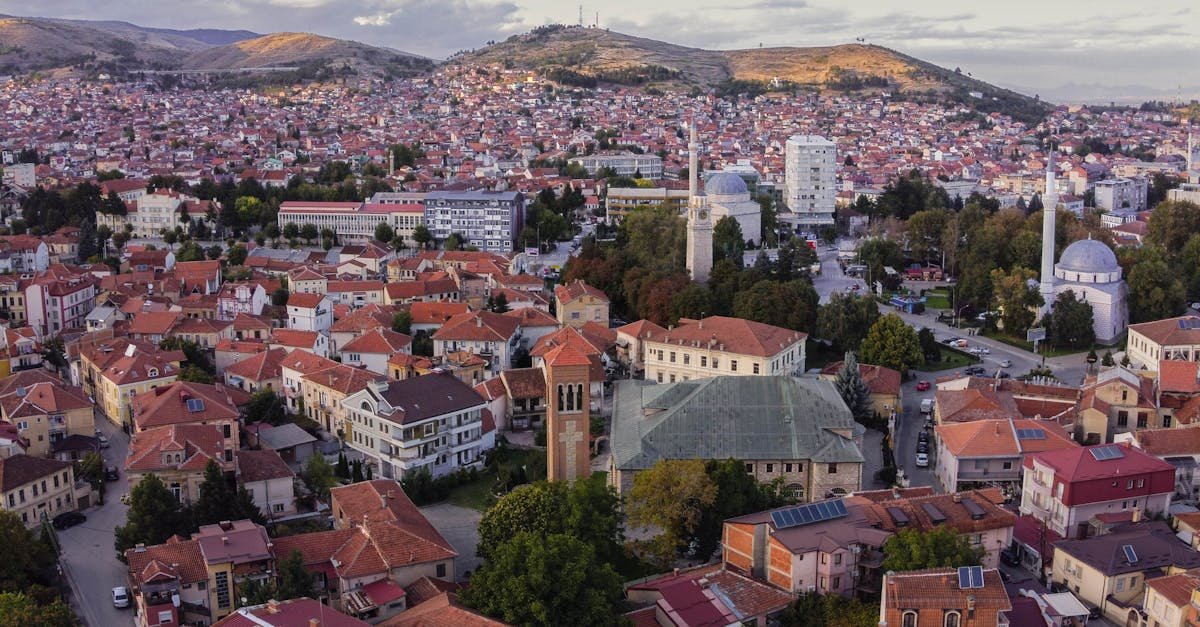
Stand on the ramparts of Samuel's Fortress as the morning light catches Lake Ohrid's surface and you will understand instantly why this small Macedonian town has enchanted pilgrims, scholars and wanderers for more than two millennia. The lake itself — one of the deepest and oldest in Europe — glows with an almost supernatural turquoise, its clarity the result of underground springs that have fed it since the Tertiary period. Below the fortress, a tangle of cobbled lanes winds past Ottoman merchants' houses and Byzantine churches so dense they gave Ohrid its extraordinary nickname: the city of 365 churches, one for every day of the year. Church bells echo across the amphitheatre-shaped hillside, fishermen haul their overnight nets along the quay, and the scent of grilled trout drifts from lakeside tavernas. This is Ohrid at its most elemental and captivating.
Visiting Ohrid is a fundamentally different experience from the polished city-breaks offered by Dubrovnik or Kotor — there are no cruise-ship crowds, no velvet-roped queues, and restaurant bills that feel almost comically affordable by Western European standards. Things to do in Ohrid range from hiking ancient pilgrim trails above sheer limestone cliffs to kayaking across the UNESCO-protected lake at dusk, yet the town never feels exhausting. Its double UNESCO status — both a natural and cultural World Heritage Site — guarantees that the shoreline, the forests and the medieval skyline are protected from overdevelopment. For the European traveller who wants depth over spectacle, a genuine local welcome, and an Ohrid itinerary that costs less than a Lisbon weekend, this Macedonian jewel is impossible to ignore.
✦ Find your perfect destination
Is Ohrid really your perfect match?
Answer 12 quick questions about your travel style, budget and dates — we match you with the destinations that fit you best, from 600+ worldwide.
Ohrid sits at the intersection of ancient history, pristine nature and Balkan warmth in a way that few European destinations still manage. The town's extraordinary concentration of medieval churches, its Roman theatre, and its living tradition of icon painting give culture-seekers weeks of material in a compact, walkable old town. The lake — teeming with the endemic Ohrid trout and the living fossil Ohrid sponge — rewards both swimmers and naturalists. And because Ohrid remains refreshingly under the radar for most Western tourists, you encounter an authenticity that more famous Adriatic rivals lost years ago.
The case for going now: North Macedonia's integration into NATO in 2020 and ongoing EU candidate status have injected fresh investment into Ohrid's infrastructure, opening new boutique guesthouses, a renovated waterfront promenade, and improved road links from Skopje. The Macedonian denar still delivers extraordinary value against the euro, making now a rare window to experience a UNESCO double-heritage site before wider international discovery sends prices upward. Early adopter travellers who added Ohrid to their Balkans itinerary in the mid-2020s consistently describe it as the highlight of the trip.
⛪
Church Crawling
Ohrid's medieval churches — from the frescoed Saint Naum monastery to the clifftop Saint John at Kaneo — pack more Byzantine artistry per square kilometre than almost anywhere in the Balkans. Each visit reveals layers of history spanning a thousand years.
🚣
Lake Swimming & Kayaking
Lake Ohrid's crystal-clear, spring-fed waters invite wild swimming from pebbly coves and sunrise kayaking along the dramatic limestone shoreline. Visibility underwater can exceed 20 metres, making it a surprisingly rewarding snorkelling destination too.
🏛️
Ancient Theatre
Ohrid's restored Roman-era theatre, carved into the hillside just below Samuel's Fortress, hosts open-air concerts under the stars in summer. Its backdrop of the shimmering lake creates one of the most dramatic performance venues in the entire Balkans.
🎨
Icon Painting Tradition
Ohrid is the living birthplace of the Macedonian school of icon painting, and workshops in the old town still produce devotional art using egg-tempera techniques unchanged since the Byzantine era. The Icon Gallery houses masterpieces of global significance.
Ohrid's neighbourhoods — where to focus
Historic Heart
Old Town (Staro Nakolište)
Ohrid's old town climbs steeply from the waterfront to Samuel's Fortress, its lanes lined with 18th-century National Revival wooden houses, corner churches and tiny artisan workshops. This is the neighbourhood for leisurely exploration: every turn reveals a carved doorway or a fresco-covered apse hidden behind a garden wall.
Lakeside Stroll
The Waterfront (Kanej)
The renovated promenade stretching from the harbour to the Kaneo headland is where Ohrid exhales. Fishermen sell their catch directly from wooden boats, café terraces face the water, and the silhouette of Saint John at Kaneo church appears around every corner. Evenings here, with the lake turning copper in the sunset, are unmissable.
Spiritual Escape
Saint Naum Monastery Area
Thirty kilometres south along the lake shore, the Saint Naum monastery complex sits directly on the Albanian border, surrounded by peacocks, rose gardens and crystalline springs that feed the lake. Excursion boats from Ohrid drop you here for half a day; the silence and the turquoise shallows make it feel like the world's end.
Local Life
Bazaar Quarter (Čaršija)
At the base of the old town hill, the Ottoman-era čaršija mixes bakeries, spice stalls and local kafanas (traditional taverns) that the tourist trail mostly misses. This is where Ohrid residents shop, argue football, and eat lunch — banica pastry from the bakery, a Turkish coffee, a seat on a plastic stool. Gloriously unpretentious.
Top things to do in Ohrid
1. Climb Samuel's Fortress
No visit to Ohrid is complete without ascending to the ramparts of Tsar Samuel's Fortress, the 10th-century citadel that crowns the old town hill and commands a sweeping panorama across the full 30-kilometre length of Lake Ohrid and into Albania beyond. Built by the Bulgarian-Macedonian Tsar Samuel as his imperial capital, the fortress walls have been recently restored to allow visitors to walk the full circuit of the battlements. The effect, particularly at golden hour when the lake mirrors a tangerine sky and the church spires below catch the fading light, is genuinely breathtaking. Admission costs just a handful of denars and the climb — through fragrant pine and past ancient tombstones — is itself a pleasure. Arrive early morning to have the ramparts almost entirely to yourself before the day-trippers from Skopje arrive.
2. Visit Saint John at Kaneo Church
Perched on a limestone ledge jutting directly over Lake Ohrid, the 13th-century Church of Saint John the Theologian at Kaneo is the single most photographed image in North Macedonia — and justifiably so. Getting there on foot requires a short but steep scramble along a cliff path from the old town harbour, a walk that rewards you with dramatic lake views even before you arrive at the church itself. Inside, fragments of the original Byzantine frescoes survive; outside, a terrace hangs over the water where you can sit and watch the endemic Ohrid trout shimmer in the shallows below. The small beach immediately beneath the church is one of the best wild-swimming spots in Ohrid, accessible via a wooden staircase. At dusk, with the church lit from below and the lake turning dark indigo, Kaneo is one of the Balkans' most quietly spiritual spots.
3. Day Trip to Saint Naum Monastery
The excursion boat south along the lake to the Saint Naum Monastery is a highlight of any Ohrid itinerary and a strong contender for the most beautiful two-hour boat journey in the Balkans. The monastery itself, founded in the 9th century by Saint Naum — colleague of the Cyrillic alphabet's inventor Saint Clement — sits in formal gardens where peacocks wander between rose bushes and Byzantine-painted archways. Beyond the main church, a short path leads to the Crni Drim river source: a series of lagoons where the underground springs bubble so powerfully that the shallow water is alive with movement, perfectly transparent, tinted an almost hallucinogenic turquoise. Small rowing boats can be hired to explore the reed-edged channels. The monastery complex sits on the Albanian border, giving the visit a pleasingly edge-of-the-world quality that lingers long after you return to Ohrid.
4. Explore the Icon Gallery & Ancient Theatre
Two cultural institutions in Ohrid's old town reward deeper attention than their modest exteriors suggest. The National Workshop and Gallery of Icons, housed in a restored church on Klimenta Ohridski Street, displays Ohrid's extraordinary contribution to Byzantine and post-Byzantine art — works dating from the 11th century onward that hold their own against anything in Athens or Istanbul. The collection includes the celebrated icon of the Holy Mother of God Perivleptos, a masterpiece of gentle psychological realism. A short walk uphill brings you to the Ancient Theatre of Ohrid, a 2nd-century Roman amphitheatre whose tiered stone seating overlooks the lake. Restored in the 1980s, it functions today as a summer performance venue hosting theatre, classical concerts, and — in late June — events from the Ohrid Summer Festival. Even when empty, sitting in the upper tiers with that lake view is an experience worth an hour of any traveller's afternoon.
What to eat in Lake Ohrid and North Macedonia — the essential list
Ohrid Trout (Pastrmka)
The endemic Ohrid trout — protected today due to its rarity — has sustained this lake town for centuries. Farmed trout from certified Ohrid aquacultures is served grilled whole with lemon and wild herbs in virtually every lakeside restaurant. Sweet, firm-fleshed and utterly fresh, it is the dish that defines the region.
Tavče Gravče
North Macedonia's national dish: slow-baked white beans in a clay pot with onion, tomato, chilli and smoked paprika. Tavče gravče arrives bubbling from the oven with a crust of caramelised bean skin on top. Deeply comforting, unexpectedly complex, and almost always paired with fresh village bread.
Turli Tava
A hearty baked casserole of mixed meats — usually pork, chicken and veal — layered with seasonal vegetables, eggs and local spices and slow-cooked in a clay tava. Turli tava reflects the Ottoman culinary inheritance of the Balkans and is best eaten in an old-town kafana with a glass of Macedonian red.
Ajvar
This smoky, sweet relish of fire-roasted red peppers and aubergine is the defining condiment of the entire Western Balkans, but Ohrid's home producers make versions of particular depth. Slathered onto fresh bread as a starter or alongside grilled meat, good ajvar is worth carrying home in your luggage.
Burek
Flaky filo pastry stuffed with white cheese (sirenje), minced meat or spinach, baked until golden in round metal trays and sold by weight from bakeries across Ohrid's čaršija from early morning. A single generous slice costs less than a euro and constitutes a perfectly satisfying Ohrid breakfast.
Macedonian Salad (Šopska Salata)
Chopped tomato, cucumber, raw onion and roasted pepper blanketed in a blizzard of grated white sirenje cheese — šopska salata is served at virtually every meal in Ohrid and should be. The simplicity is the point: impeccably ripe Macedonian vegetables need almost no intervention.
Where to eat in Ohrid — our top 4 picks
Fine Dining
Restaurant Antiko
📍 Kosta Abraš 30, Old Town, Ohrid
Set inside a beautifully preserved National Revival house in the heart of Ohrid's old town, Antiko elevates traditional Macedonian cuisine with careful sourcing and elegant plating. The candlelit stone courtyard is the setting for leisurely dinners of lake fish, local lamb and home-pressed wine. Book ahead in July and August.
Fancy & Photogenic
Restaurant Kaneo
📍 Kej Kaneo, Ohrid Waterfront
Positioned directly below the Church of Saint John at Kaneo with tables extending over the lake surface on a timber deck, Restaurant Kaneo may have the finest dining view in North Macedonia. Grilled trout, char-grilled vegetables and cold local beer consumed here as the church glows gold above you is a quintessential Ohrid experience.
Good & Authentic
Restaurant Tino
📍 Car Samoil 30, Ohrid Old Town
A reliably excellent old-town standby beloved by locals and repeat visitors alike. Tino serves generous portions of tavče gravče, grilled meats and fresh salads at prices that feel almost implausibly low. The atmosphere is informal, the service is fast, and the mixed grill platter for two will leave you unable to move pleasantly for hours.
The Unexpected
Wine Bar & Restaurant Chola
📍 Sveti Kliment Ohridski 54, Ohrid
A compact, candlelit wine bar in the lower old town that doubles as a serious kitchen, Chola pairs well-curated Macedonian vintages — from the Tikveš valley and boutique Ohrid producers — with small plates of local cheese, cured meats and inventive vegetable dishes. A revelation for travellers who assumed North Macedonia made only rakija.
Ohrid's Café Culture — top 3 cafés
The Institution
Café Aquarius
📍 Kej Makedonija, Ohrid Waterfront
The café that has anchored Ohrid's waterfront social life for decades, Aquarius occupies a prime promenade position with unobstructed lake views. Morning coffee here — thick Macedonian filter style, served with a glass of cold water — as fishing boats chug past is among the most civilised starts to any Balkans day.
The Aesthetic Hub
Café Dal Met Fu
📍 Sveti Kliment Ohridski, Old Town, Ohrid
Tucked into the old town's stone lanes, Dal Met Fu has long been Ohrid's most stylish café — exposed stone, carefully curated music, good espresso and an interesting cake counter featuring local walnut pastries and homemade jam. It attracts a mix of young Macedonians, artists and the more discerning category of traveller visiting Ohrid.
The Local Hangout
Café Jazz Inn
📍 Kosta Abraš, Ohrid Old Town
A low-lit, jazz-soundtracked basement café beloved by Ohrid university students and off-duty guesthouse workers, Jazz Inn serves cheap rakija, decent coffee and an atmosphere of relaxed local authenticity. No tourist menus, no English signs, just good music and the convivial chaos of a Macedonian evening properly begun.
Best time to visit Ohrid
Jan
Feb
Mar
Apr
May
Jun
Jul
Aug
Sep
Oct
Nov
Dec
Peak season (May–Sep) — warm lake swimming, festivals, long golden evenings on the waterfrontShoulder season (Apr & Oct) — mild, uncrowded, ideal for church-hopping and hikingOff-season (Nov–Mar) — cold and quiet, some guesthouses close, but atmospheric for the adventurous
Ohrid events & festivals 2026
Whether you're planning around a specific celebration or simply want to know what's happening, this guide covers the best events and festivals in Ohrid — from major annual traditions to cultural highlights worth timing your trip around.
July 2026culture
Ohrid Summer Festival
The flagship International soloists and ensembles perform under the open sky with the lake as backdrop — a genuinely world-class programme at Macedonian prices.
August 2026culture
Struga Poetry Evenings
Founded in 1962, this internationally renowned poetry festival draws Nobel laureates and emerging voices to the nearby town of Struga, just 15km from Ohrid. Readings take place on the Crni Drim riverbanks and in outdoor venues at night. Visiting Ohrid in late August gives easy access to one of Europe's most distinguished literary events.
May 2026religious
Saints Cyril & Methodius Day
On 24 May, North Macedonia celebrates the inventors of the Cyrillic alphabet with particular intensity in Ohrid — the home city of their disciple Saint Clement, who founded the Ohrid Literary School here in the 9th century. Processions, open-air liturgies and folk performances fill the old town, making it one of the most atmospheric days to visit Ohrid.
June 2026music
Ohrid Fest
North Macedonia's national popular music competition and festival, held annually in Ohrid since 1961, brings the country's top singers and songwriters to compete on a lakeside stage. The event mixes original Macedonian folk-pop with contemporary sounds and draws large domestic audiences — a fascinating window into local culture for international visitors.
July 2026culture
Balkan Folklore Festival
An annual gathering of folk dance and music ensembles from across the Balkans and beyond, performed in Ohrid's old town squares and the Ancient Theatre. Groups from Serbia, Bulgaria, Albania, Greece and Turkey present traditional costumes and regional dances, creating a vivid cultural mosaic across several festival evenings.
August 2026culture
Ohrid Choir Festival
International choral groups from Europe and beyond converge on Ohrid for several days of performances in the town's extraordinary historic churches. The acoustics of Saint Sophia Cathedral and the open-air setting of the Ancient Theatre provide two very different but equally powerful concert experiences during this annual choral gathering.
January 2026religious
Orthodox Epiphany — Vodici
On 19 January, Orthodox Christians in Ohrid celebrate Vodici with the ancient ritual of diving into the icy lake to retrieve a wooden cross thrown by the priest. The ceremony takes place on the waterfront and draws large crowds of locals and curious visitors — one of the most striking winter traditions in the Balkans.
September 2026market
Ohrid Autumn Craft Fair
As summer crowds thin, local artisans fill the old town square with handmade ceramics, Ohrid pearl jewellery, woven textiles and traditional foodstuffs including home-pressed wines and artisan ajvar. The fair coincides with the grape harvest season, making it one of the best times to shop and eat in Ohrid before the winter quiet.
October 2026culture
Ohrid Pearl Week
A celebration of Ohrid's unique pearl-making tradition — the only place in the world where pearls are produced using a process derived from the scales of the endemic Ohrid bleak fish. Jewellery demonstrations, old-town workshops and a small pearl market introduce visitors to this ancient and disappearing Ohrid craft.
April 2026culture
Orthodox Easter in Ohrid
Easter is the most atmospheric religious event of the year in Ohrid, with midnight resurrection liturgies held simultaneously in dozens of old-town churches, candlelit processions through the cobbled lanes and the scent of incense drifting across the lake.
Hostel dorm or family guesthouse, bakery breakfasts, taverna lunches, self-catered suppers and free church visits.
€€ Mid-range
€35–65/day
Boutique guesthouse with lake view, restaurant dinners with wine, boat excursion to Saint Naum, paid museum entries.
€€€ Comfort
€65+/day
Best lakeside hotel, fine dining every evening, private guiding, kayak hire and day trips by private transfer.
Getting to and around Ohrid (Transport Tips)
By air: Ohrid has its own international airport — Ohrid St. Paul the Apostle Airport (OHD) — receiving seasonal charter flights from several European cities including Vienna, Zurich, Ljubljana and London during summer. Year-round, Skopje International Airport (SKP), approximately 170km north-east, offers the widest choice of connections, with budget carriers including Wizz Air and easyJet serving the Macedonian capital.
From the airport: From Ohrid Airport, taxis to the old town cost €5–10 and take around 10 minutes — always agree the fare before departure. From Skopje Airport, the most comfortable option is a pre-booked private transfer (€50–70, around 2.5 hours) or the public bus connection via Skopje central bus station to Ohrid, which costs under €10 and takes approximately 3 hours. Several operators run direct shuttle services from Skopje airport to Ohrid in summer.
Getting around the city: Ohrid's compact old town is almost entirely walkable — Samuel's Fortress, Kaneo church, the Icon Gallery and the waterfront are all reachable on foot within 15 minutes of each other. Local minibuses (lines 1 and 4) connect the new town with the old town for a nominal fare. Taxis are inexpensive for reaching beaches south of the centre or the Galicica trailheads. Bicycles and scooters can be hired from shops along the waterfront promenade for exploring the lakeside road.
Transport Safety & Scam Prevention:
Agree Taxi Fares Before You Ride: Ohrid taxis rarely use meters for tourists. Always state your destination and agree the fare before getting in — a trip across town should cost no more than 100–150 MKD (€1.60–2.50). Overcharging is common at the airport taxi rank; use a hotel-called taxi instead.
Watch Exchange Rates at Private Bureaux: Some private exchange offices near the waterfront display attractive headline rates but apply hidden commissions on completion. Use ATMs from established banks such as Komercijalna Banka or Stopanska Banka for reliable denar exchange without surprise fees.
Check Restaurant Bills Carefully: A small number of tourist-facing restaurants in Ohrid's old town add unlisted cover charges or inflate the bill for visitors who pay without checking. Always request an itemised receipt and compare it against the menu prices before paying.
Do I need a visa for Ohrid?
Visa requirements for Ohrid depend on your nationality. Select your passport below for an instant answer — based on the Passport Index dataset for entry into North Macedonia.
ℹ️ Indicative only. Always verify with the official consulate before booking. Data: Passport Index, April 2026.
For detailed requirements, documentation checklists and processing times by nationality: TravelDoc →
Search & Book your trip to Ohrid
Find the best flight routes and hotel combinations using our partner Kiwi.com.
Frequently Asked Questions
Is Ohrid safe for tourists?
Ohrid is one of the safest destinations in the Western Balkans for international travellers. Violent crime against tourists is extremely rare, and the old town is busy and well-lit throughout the summer evenings. Standard urban precautions apply — watch for pickpockets in the bazaar area during festival crowds and keep valuables out of sight on the beach. North Macedonia as a whole has a stable political environment following NATO accession in 2020. Solo travellers, including women travelling alone, consistently report feeling comfortable and welcomed throughout Ohrid.
Can I drink the tap water in Ohrid?
Tap water in Ohrid is generally treated and considered safe to drink by local standards, though many visitors and locals prefer bottled water as a precaution, particularly during peak summer when demand stresses the municipal system. Macedonian bottled still water is inexpensive and widely available. Lake Ohrid's water itself, while extraordinarily clear and clean, is not drinking water — but the lake swimming is safe and the water quality is among the best of any European lake.
What is the best time to visit Ohrid?
The best time to visit Ohrid is between May and September, when lake temperatures are warm enough for swimming (reaching 24–26°C in July and August), the Ohrid Summer Festival fills the Ancient Theatre, and the long golden evenings on the waterfront are at their finest. May and June offer warm days without the peak-season crowds that arrive in July and August. September is an exceptional shoulder-season month — warm enough to swim, quieter than midsummer, and coinciding with the grape harvest. April and October suit travellers who prioritise church-hopping and hiking over lake swimming.
How many days do you need in Ohrid?
Three days is the minimum for a satisfying Ohrid itinerary — enough for the old town, Kaneo church, Samuel's Fortress and a half-day excursion to Saint Naum. Five days allows you to add a Galicica National Park hike, a day trip to Struga, an icon painting workshop and proper time on the lake by kayak or paddleboard without rushing. Ten days unlocks a genuinely immersive experience: cooking classes with local families, the full mountain trail between Lake Ohrid and Lake Prespa, and the slower rhythms of a town that rewards lingering. Most travellers who stay longer than planned report Ohrid as the highlight of their entire Balkans trip.
Ohrid vs Kotor — which should you choose?
Both Ohrid and Kotor are compact, fortified old towns with extraordinary medieval architecture beside dramatic water — but they offer very different experiences. Kotor is a polished, expensive Adriatic destination now significantly affected by cruise tourism and high-season crowding; Ohrid remains genuinely local, far less visited by Western Europeans, and dramatically cheaper. Ohrid's lake swimming surpasses anything Kotor's bay offers, its cultural heritage (UNESCO double listing, Byzantine frescoes, icon painting tradition) is arguably deeper, and your daily budget will stretch two or three times further. Choose Kotor if you want Adriatic glamour and easy flight connections; choose Ohrid if you want the Balkans before the crowds found them.
Do people speak English in Ohrid?
English is spoken to a good standard by most people working in Ohrid's tourism sector — guesthouse owners, restaurant staff, tour guides and boat operators communicate comfortably in English. Among older residents in the bazaar and residential areas, Macedonian or Serbian is necessary, but younger Macedonians are generally confident English speakers. Google Translate handles Macedonian Cyrillic adequately for menus and signs. Learning a few words of Macedonian — 'blagodaram' (thank you), 'zdravo' (hello) — is appreciated and often triggers a warmer welcome in local kafanas and markets.
★ Hidden Gems Weekly
Like this? One place per week, in your inbox.
No spam, no fluff — just one underrated destination, every Tuesday.
Hand-picked and verified by Max, who founded Vacanexus from Luxembourg in 2026. No sponsorships, no paid placements. Every recommendation — restaurants, neighbourhoods, things to do — is selected for authenticity over popularity.