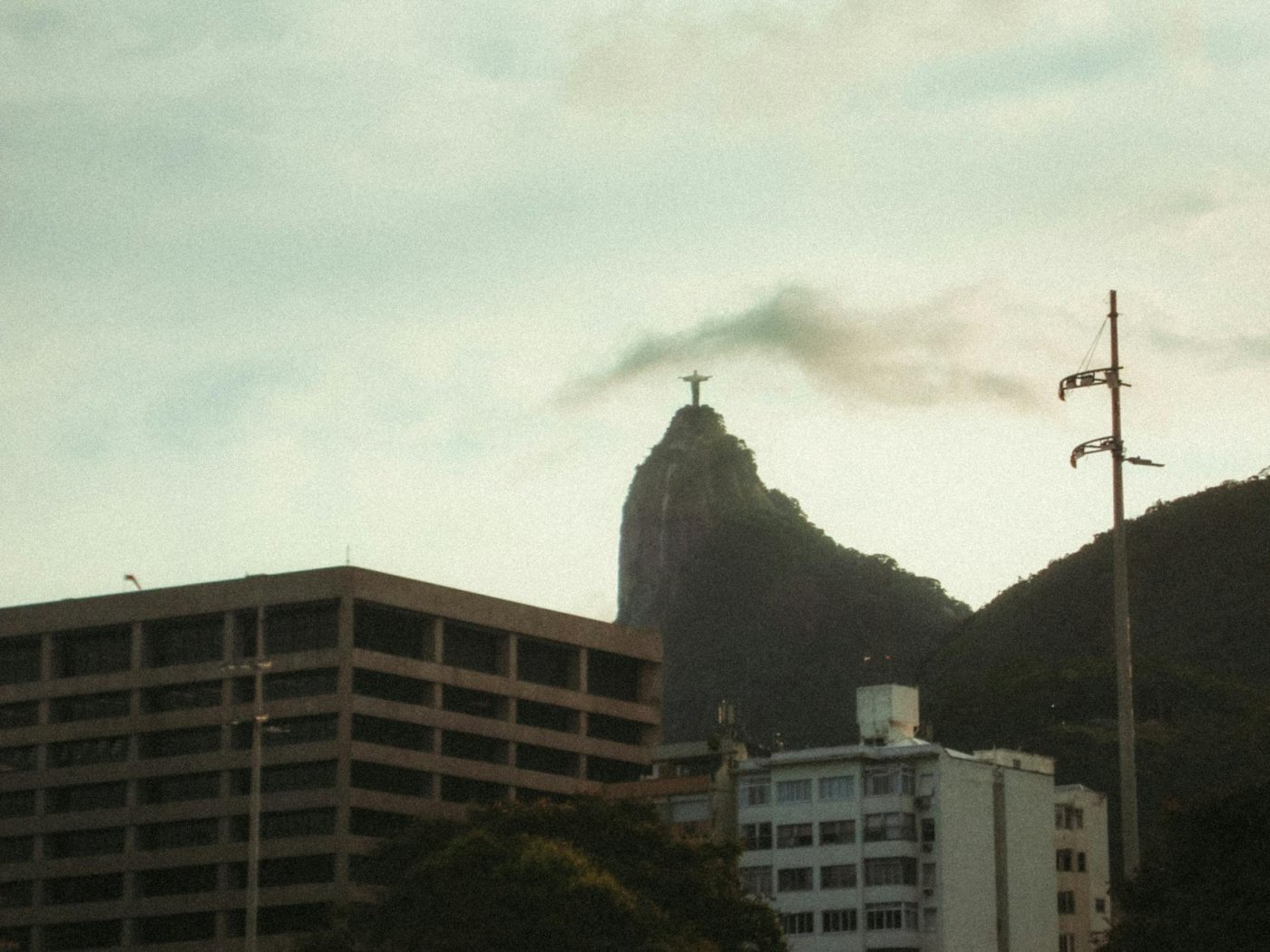
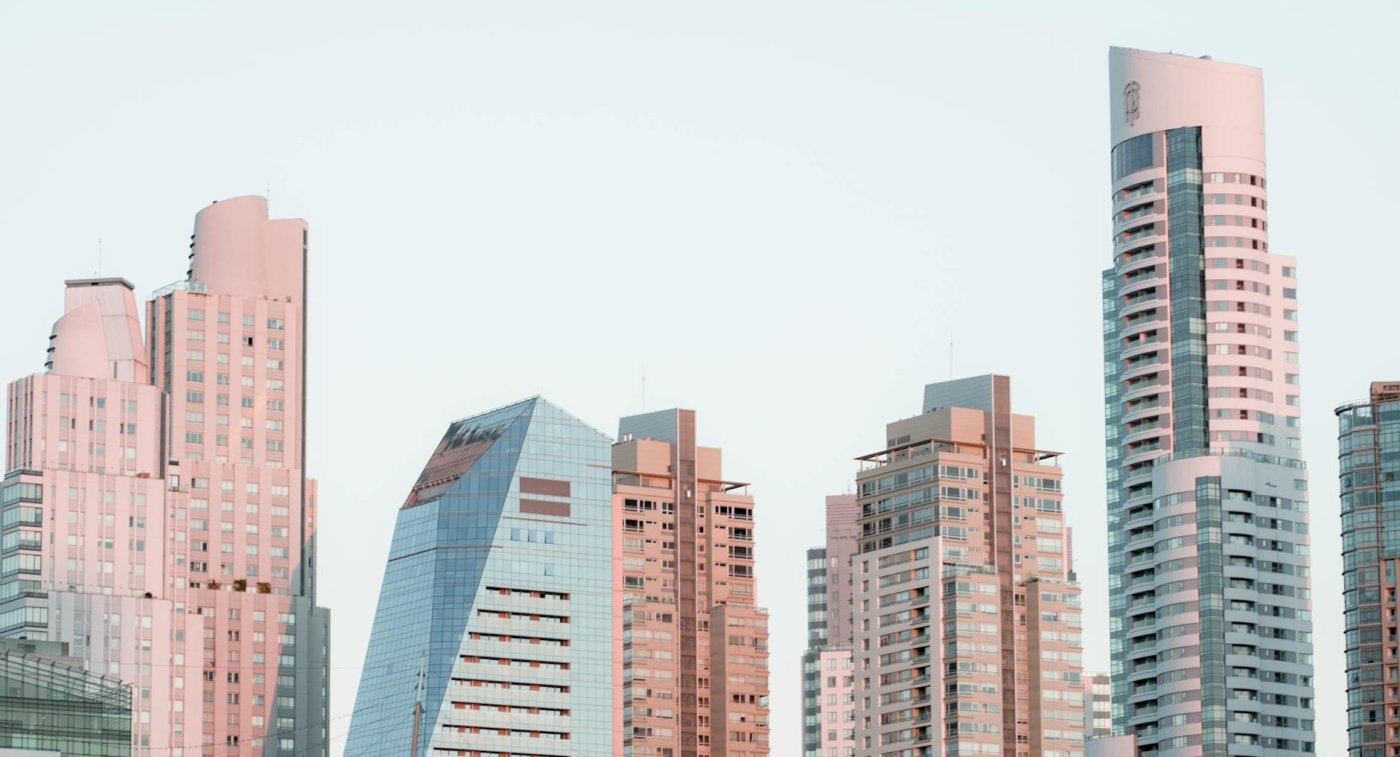
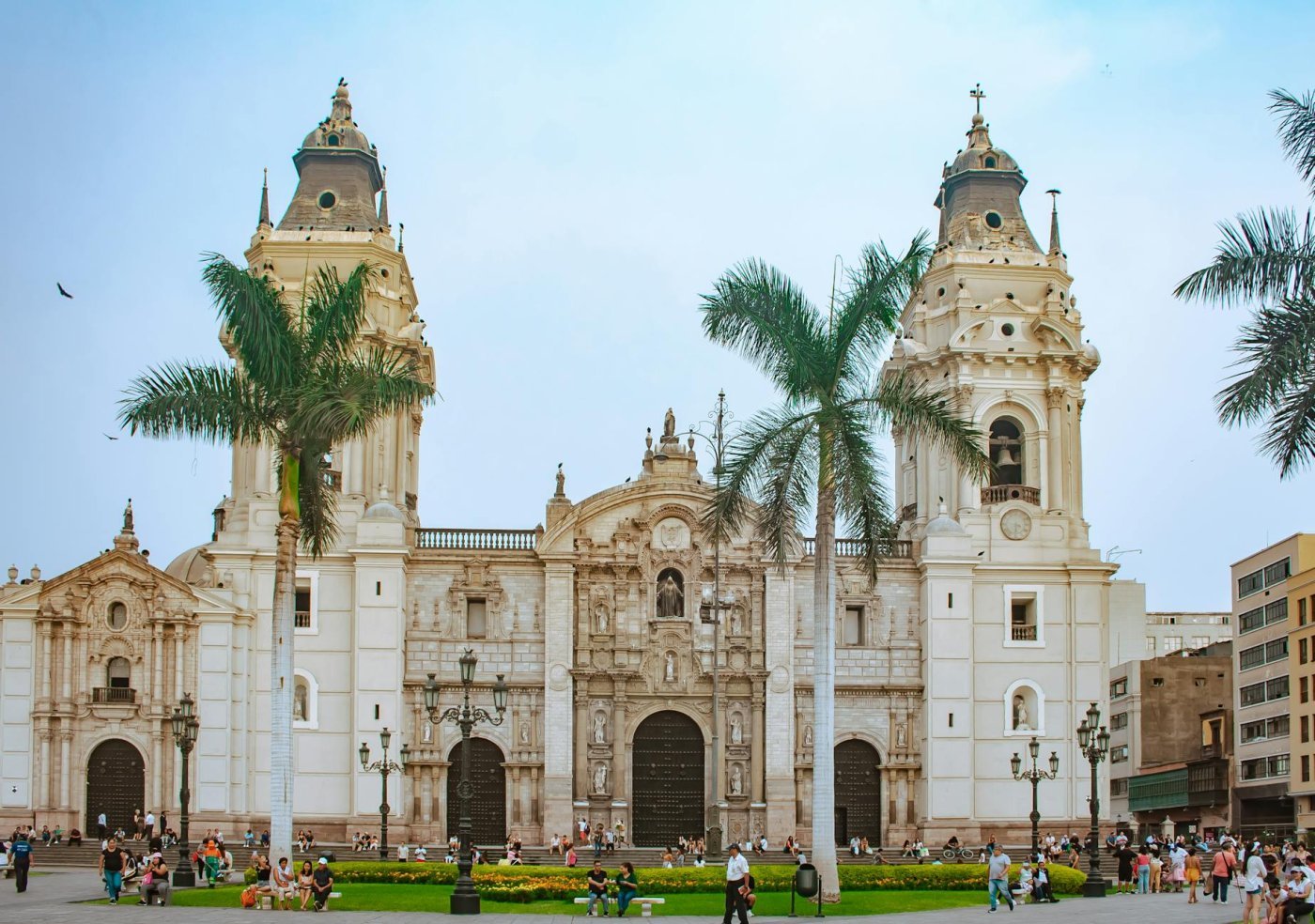
Sao Paulo Travel Guide — South America's most electrifying
⏱ 12 min read📅 Updated 2026💶 €€ Mid-Range✈️ Best: Jan–Apr
€50–120/day
Daily budget
Jan–Apr
Best time
5–7 days
Ideal stay
BRL (R$)
Currency
São Paulo does not apologize for itself. This is a city of 22 million people, concrete flyovers stacked like geological layers, and a noise level that seems physically impossible — and somehow, none of it is a reason to stay away. São Paulo hits you with the smell of açaí and diesel, the percussion of samba leaking from an open door at noon, and the sight of a Bansky-scale mural covering an entire apartment block in Bixiga. It is relentless, chaotic, and deeply alive in a way that few cities on earth can match.
Visiting São Paulo rewards the curious traveler who resists the beach reflex. While Rio de Janeiro seduces with its postcard geography, São Paulo seduces with substance: the best restaurant scene in Latin America, a contemporary art circuit that rivals Berlin's, and a club culture that genuinely runs until Monday morning. Things to do in São Paulo span Michelin-starred omakase counters and sprawling street fairs in the same afternoon. If Buenos Aires is the Paris of South America, São Paulo is its New York — rougher, louder, and far harder to leave once it gets under your skin.
✦ Find your perfect destination
Is São Paulo really your perfect match?
Answer 12 quick questions about your travel style, budget and dates — we match you with the destinations that fit you best, from 600+ worldwide.
São Paulo belongs on any serious traveler's list because it refuses to be reduced to a single identity. In one neighborhood you find Japanese-Brazilian culture producing some of the world's finest sushi outside Tokyo; in the next, a century-old Italian immigrant market still selling mortadella sandwiches the size of your forearm. São Paulo's art galleries, from the iconic MASP on Paulista Avenue to the emerging studios of Vila Madalena, punch above any comparable global city. The dining scene earned São Paulo two restaurants in the World's 50 Best, and the street food alone could occupy a week. This city is a continent compressed into one sprawling, magnificent, impossible place.
The case for going now: São Paulo's cultural moment is accelerating. The Museu do Ipiranga reopened after a decade-long renovation in 2022, and Paulista Avenue's pedestrian weekend policy has transformed the city's most famous boulevard into a genuine public living room. The Brazilian real remains favorable for European visitors, meaning luxury experiences — rooftop bars, tasting menus, boutique hotels in converted mansions — are available at a fraction of what you'd pay in Lisbon or Milan. Go before everyone else figures that out.
🍣
Liberdade Food Culture
São Paulo is home to the largest Japanese diaspora outside Japan. The Liberdade neighborhood delivers everything from ramen counters to refined omakase experiences that rival Tokyo without the price tag.
🎨
Street Art Trails
The Batman Alley in Vila Madalena is just the beginning. São Paulo's graffiti scene is institutionalized — artists like Eduardo Kobra have turned entire building facades into monumental galleries visible from the highway.
🕺
24-Hour Nightlife
São Paulo clubs don't close — they shift from one set to another. D-Edge, Fabrique, and Green Valley São Paulo host world-class DJs in spaces that make Ibiza look modest. The party starts well after midnight.
🍽️
Restaurant Scene
With two World's 50 Best entries and a street-to-fine-dining spectrum that spans every continent, São Paulo's restaurant scene is the legitimate best on the continent — a reason to travel here in its own right.
Sao Paulo's neighbourhoods — where to focus
Trendy & Artsy
Vila Madalena
Vila Madalena is São Paulo's creative engine: a hillside neighborhood of colorful colonial houses converted into galleries, concept stores, and bars. Batman Alley brings the graffiti scene to a single iconic stretch, while Rua Aspicuelta fills every weekend with outdoor bars and a crowd that skews young, loud, and well-dressed.
Cultural Heart
Pinheiros
Pinheiros sits adjacent to Vila Madalena but operates at a lower register — more bookshops, more wine bars, more long Sunday brunches on shaded terraces. It houses some of the city's most celebrated restaurants alongside independent cinemas and vinyl record shops that attract a decidedly intellectual crowd.
Historic Centre
Centro Histórico
São Paulo's downtown is rough and magnificent in equal measure. The Municipal Theatre, the Banespa building's panoramic terrace, and the Mercado Municipal all sit within walking distance. Go in daylight, join a guided tour, and you'll find a city within a city that most visitors entirely miss.
Luxury & Design
Itaim Bibi
Itaim Bibi is where São Paulo puts on its most expensive clothes. The neighborhood is dense with Michelin-tracked restaurants, rooftop pools, high-end concept stores, and the kind of cocktail bars where the menu reads like a chemistry textbook. It borders the equally upscale Jardins district.
Top things to do in Sao Paulo
1. MASP on Paulista Avenue
The Museu de Arte de São Paulo is one of the most architecturally arresting buildings in the Americas — a blood-red concrete rectangle suspended over an open plaza on glass pillars, hovering above Paulista Avenue like a challenge. Inside, the collection is equally bold: works by Raphael, Rembrandt, Van Gogh, Tarsila do Amaral, and Cândido Portinari hang on transparent crystal easels that allow you to walk entirely around each canvas. On Sunday mornings the plaza beneath MASP transforms into an antiques fair with hundreds of stalls. Plan at least two hours inside; arrive early to beat school groups. Admission is free on Tuesdays.
2. Mercado Municipal (Mercadão)
The Mercado Municipal in Centro is one of the great food market experiences anywhere in the world. Built in 1933, its neo-Gothic stained-glass windows filter colored light over stalls piled with dried herbs, exotic fruits, towering wheels of cheese, and every cut of meat imaginable. The ritual here is non-negotiable: climb to the mezzanine balcony and order a mortadella sandwich from Hocca Bar — a cathedral-sized construction of bread, ham, and melted cheese that costs roughly €3 and is eaten standing up. Follow it with a pastel de bacalhau from any of the neighboring stalls. Go mid-morning on a weekday to avoid the weekend crush.
3. Ibirapuera Park & Museums
Ibirapuera is São Paulo's answer to Central Park, but designed by Oscar Niemeyer in the 1950s with a characteristic indifference to right angles. The park's 158 hectares contain jogging tracks, open-air stages, and several excellent museums: the Museu de Arte Moderna (MAM), the Museu Afro Brasil, and the Museu do Ipiranga (recently reopened after extensive renovation). On Sunday mornings, the park's main avenue is closed to traffic and taken over by cyclists, skaters, and families. Come early for coffee from one of the kiosks, watch the city breathe, and then spend the afternoon inside MAM, whose collection of Brazilian modern art is among the finest anywhere.
4. Pinacoteca & Luz Neighbourhood
The Pinacoteca do Estado is São Paulo's oldest art museum and arguably its most beautiful, housed in a terracotta brick building designed in 1897 and sensitively restored by Paulo Mendes da Rocha in the 1990s. The collection focuses on Brazilian art from the 19th century to the present and is far less crowded than MASP. The surrounding Luz neighborhood has undergone significant investment — the Sala São Paulo concert hall, built inside a restored Belle Époque railway station, is one of the finest acoustic venues in South America. Book tickets for an evening performance and combine it with dinner in the nearby Campos Elíseos district, which is experiencing a genuine revival.
What to eat in Greater São Paulo — the essential list
Feijoada
Brazil's national dish reaches its apex in São Paulo. A slow-cooked stew of black beans with salted pork, smoked sausage, and beef, served with farofa, rice, and orange slices. The Saturday feijoada is a near-religious institution in the city's traditional restaurants.
Pastel
The crispy fried pastry filled with cheese, ground beef, or palmito (heart of palm) is São Paulo's definitive street food, sold at every feira livre (street market). The combination of pastel de queijo and cold caldo de cana (sugarcane juice) is a São Paulo ritual.
Mortadella Sandwich
A Mercadão institution that has achieved genuine cult status. Layers of Bolognese-style mortadella piled inside a crusty roll and topped with melted provolone, eaten standing at the mezzanine counter of Hocca Bar. Simple, enormous, and worth the trip downtown alone.
Coxinha
The teardrop-shaped fried snack filled with shredded chicken and catupiry cream cheese is São Paulo's beloved lanche — found in padarias (bakeries), at football matches, and at petiscos bars. It is impossible to eat just one. The best versions have a shatteringly crisp exterior.
Virado à Paulista
São Paulo's official state dish is a plate of sautéed pork loin, farofa, beans, rice, a fried egg, and a banana — essentially a full landscape of Brazilian flavors on one plate. It is old-fashioned, generous, and deeply satisfying, served in traditional boteco restaurants.
Brigadeiro
Brazil's iconic chocolate truffle — condensed milk, cocoa powder, and butter rolled in chocolate sprinkles — gets its most refined treatment in São Paulo's specialist confeitarias and modern dessert bars. Gourmet versions come filled with passion fruit, sea salt caramel, and single-origin chocolate.
Where to eat in Sao Paulo — our top 4 picks
Fine Dining
D.O.M.
📍 Rua Barão de Capanema, 549 – Jardins, São Paulo
Alex Atala's flagship has held two Michelin stars for over a decade and regularly appears in the World's 50 Best. The menu is a study in Amazonian ingredients — tucupi, priprioca, ants from the rainforest — applied with classical French technique. Book weeks in advance. The tasting menu runs to 12 courses.
Fancy & Photogenic
Mocotó
📍 Av. Nossa Sra. do Loreto, 1100 – Vila Medeiros, São Paulo
Rodrigo Oliveira's northeastern Brazilian restaurant is one of the most genuinely beloved in the city. The space is lively and informal, but the food — caldo de mocotó, baião de dois, carne de sol — is deeply intelligent. The caipirinha list alone is worth the taxi to Vila Medeiros.
Good & Authentic
Tordesilhas
📍 Al. Tietê, 489 – Cerqueira César, São Paulo
Mara Salles has been cooking traditional Brazilian regional cuisine at Tordesilhas since 1994, and the restaurant remains an essential address for understanding the country's culinary breadth. The moqueca de caju is legendary. The warm, unpretentious room fills with a crowd that ranges from market traders to food critics.
The Unexpected
Shin-Zushi
📍 Rua Tomás Gonzaga, 98 – Liberdade, São Paulo
São Paulo's Japanese diaspora has produced sushi culture that challenges Japan itself, and Shin-Zushi in Liberdade is one of the city's most respected omakase counters. The menu changes entirely with the market and seasons. Prices are a fraction of what an equivalent experience would cost in Tokyo or New York.
Sao Paulo's Café Culture — top 3 cafés
The Institution
Café Girondino
📍 Rua Boa Vista, 365 – Centro Histórico, São Paulo
Operating since 1887, Girondino is the oldest bar and café in São Paulo. The mahogany counter, the worn tile floors, and the crowd of lawyers and office workers from the neighbouring courts give it an atmosphere that no designer café can manufacture. The coffee is strong, the pão de queijo is fresh, and the bill is small.
The Aesthetic Hub
Café Tabacaria Ristretto
📍 Rua Oscar Freire, 136 – Jardins, São Paulo
On São Paulo's most fashionable shopping street, Ristretto occupies a converted 1930s tobacco shop with original glass cases and a minimalist renovation that preserves rather than replaces the old bones. The single-origin filter coffees are taken seriously, and the small food menu holds its own against the neighbourhood's serious restaurants.
The Local Hangout
Padaria Santa Tereza
📍 Rua Mourato Coelho, 1150 – Pinheiros, São Paulo
Every São Paulo neighborhood has its padaria, and Santa Tereza is Pinheiros' undisputed institution. Come before 9am for fresh pão francês straight from the oven, eaten at the standing counter with milky coffee. The same spot fills with after-work crowds at 6pm ordering cold beer and cheese pastels.
Best time to visit Sao Paulo
Jan
Feb
Mar
Apr
May
Jun
Jul
Aug
Sep
Oct
Nov
Dec
Best season (Jan–Apr & Dec) — warm, festive, peak carnival energy with manageable rainfallShoulder season (Oct–Nov) — mild temperatures, good restaurant bookings availableOff-season (May–Sep) — dry but cool, fewer tourists, best hotel rates
Sao Paulo events & festivals 2026
Whether you're planning around a specific celebration or simply want to know what's happening, this guide covers the best events and festivals in Sao Paulo — from major annual traditions to cultural highlights worth timing your trip around.
February 2026culture
Carnaval de São Paulo
São Paulo's Carnival is one of the The Sambódromo parades on Avenida do Estado feature 14 samba schools competing over two nights, while the blocos de rua (street carnival parties) attract millions across every neighbourhood. Book accommodation six months ahead.
March 2026culture
SP Arte – São Paulo Art Fair
One of Latin America's most important contemporary art fairs, held annually at the Pavilhão da Bienal in Ibirapuera Park. Over 150 national and international galleries exhibit across four days. The vernissage opening is a social event that draws the entire São Paulo art world.
June 2026culture
Festa Junina Celebrations
June brings the Festas Juninas, São Paulo's beloved midwinter folk festival with forró music, quadrilha dancing, and stalls selling corn-based sweets like pamonha and canjica. The neighbourhood of Vila Madalena holds some of the most lively street parties in the city.
July 2026culture
LGBTQ+ Pride Parade
São Paulo's Pride parade on Paulista Avenue regularly draws over three million participants, making it one of the world's largest LGBTQ+ events. The avenue is closed to traffic as floats, music, and festivities stretch for hours. It is an unmissable spectacle regardless of background.
August 2026music
Lollapalooza Brasil
Held at Autódromo de Interlagos, Lollapalooza Brasil typically takes place in March or April but the 2026 edition is subject to scheduling. Previous editions have headlined Billie Eilish, Post Malone, and The Weeknd.
September 2026culture
Bienal Internacional do Livro
The São Paulo International Book Fair at the Pavilhão da Bienal is one of the world's largest literary events, attracting over 700,000 visitors across ten days. Brazilian and international authors appear for talks and signings, and hundreds of publishers sell directly to the public at discounted prices.
October 2026music
Festival Cultura e Gastronomia Tiradentes
A celebrated food and cultural festival that draws São Paulo's top chefs for collaborative dinners, market events, and cooking demonstrations. The São Paulo edition brings Michelin-tracked names together with street food producers for a weekend that perfectly captures the city's dining ambition.
November 2026market
Mercado do Pinheiros Weekend Fair
The Mercado do Pinheiros hosts a monthly expanded outdoor fair with food, wine, artisan producers, and vintage clothing. November editions tend to be the most festive, with live music and extended hours. A great São Paulo itinerary addition for travelers who want local culture without tourist crowds.
December 2026religious
Christmas at Ibirapuera Park
The city's Christmas illuminations at Ibirapuera Park are among South America's most spectacular, with a giant tree on the lake and nightly light shows. The surrounding food stalls sell traditional sweets and the atmosphere is festive without the commercial exhaustion of northern hemisphere Christmas.
January 2026culture
Virada Cultural São Paulo
The Virada Cultural is a 24-hour arts festival spread across hundreds of venues in central São Paulo. Theatre, dance, live music, cinema, and visual art run continuously from Saturday evening to Sunday evening. Entry to most events is free, making it one of the best São Paulo travel tips: time your visit for January's edition.
Hostel dorms, padaria breakfasts, lunch at kilo restaurants, public metro. Very doable in São Paulo.
€€ Mid-range
€50–120/day
Boutique hotel, Uber between neighbourhoods, dinner at respected restaurants, weekend club entry.
€€€ Luxury
€150+/day
Design hotel in Itaim Bibi, tasting menus at D.O.M. or Mocotó, private guided tours, rooftop bars.
Getting to and around Sao Paulo (Transport Tips)
By air: São Paulo is served by two major airports. Guarulhos International Airport (GRU) handles nearly all long-haul international flights and is the main entry point for travelers from Europe. São Paulo Congonhas Airport (CGH) is the domestic hub and is considerably more central. Direct flights from London, Lisbon, Paris, Amsterdam, and Frankfurt connect to GRU year-round.
From the airport: From Guarulhos, the most reliable option is the EMTU bus service (Ônibus Especial) to Tietê bus terminal or Congonhas, running every 30–40 minutes and costing around R$55 (€10). Uber is widely available and costs R$80–130 to central neighborhoods depending on traffic, which can be severe. Allow 90 minutes during peak hours. Metered taxis from the official rank at arrivals are trustworthy but run slightly higher than Uber.
Getting around the city: São Paulo's metro system (Metrô) is clean, air-conditioned, safe, and covers most major tourist areas. A single journey costs R$5 (under €1). Lines connect Paulista Avenue, Liberdade, Pinheiros, and the Centro, making it the smartest way to move during the day. Uber is essential for evening travel and reaching neighborhoods off the metro grid. Avoid driving — traffic congestion in São Paulo is legendarily brutal, and parking is expensive.
Transport Safety & Scam Prevention:
Use Uber, Not Unmarked Taxis: Unlicensed taxis at airports and tourist hotspots sometimes quote inflated fares without meters. Always use the official airport taxi rank, or book Uber before leaving arrivals. Uber operates seamlessly throughout São Paulo and is the safer option for most journeys.
Keep Phones Out of Sight: Phone snatching on foot and through open car windows (the so-called arrastão) is São Paulo's most common crime affecting tourists. Keep your phone in your bag or pocket when not in use, especially on Paulista Avenue and in Centro. Use your phone inside cafés or restaurants, not on the street.
Avoid Deserted Streets After Dark: São Paulo's Centro Histórico and some connecting streets become quiet and uncomfortable after 9pm. Even if your restaurant or bar is in a safe neighbourhood, route your Uber door-to-door at night rather than walking unfamiliar blocks. The vast majority of São Paulo's nightlife areas are safe in lit, populated streets.
Do I need a visa for Sao Paulo?
Visa requirements for Sao Paulo depend on your nationality. Select your passport below for an instant answer — based on the Passport Index dataset for entry into Brazil.
ℹ️ Indicative only. Always verify with the official consulate before booking. Data: Passport Index, April 2026.
For detailed requirements, documentation checklists and processing times by nationality: TravelDoc →
Search & Book your trip to Sao Paulo
Find the best flight routes and hotel combinations using our partner Kiwi.com.
Frequently Asked Questions
Is São Paulo safe for tourists?
São Paulo has a reputation that often exceeds the reality experienced by most tourists. The neighborhoods you'll spend most of your time in — Jardins, Pinheiros, Vila Madalena, Itaim Bibi, and Ibirapuera — are well-policed and genuinely comfortable. The main risks are petty theft and phone snatching rather than violent crime targeted at tourists. Standard precautions apply: keep valuables out of sight, use Uber rather than walking at night in unfamiliar areas, and avoid the Centro Histórico after dark. Hundreds of thousands of international travelers visit São Paulo each year without incident.
Can I drink the tap water in São Paulo?
São Paulo's tap water is technically treated and meets Brazilian safety standards, but the taste and quality vary significantly by neighborhood due to aging pipe infrastructure. Most locals and visitors drink filtered or bottled water, and restaurants universally serve filtered water. Buying a small reusable bottle with a filter is a practical solution. Bottled mineral water (água mineral) is extremely cheap — roughly R$3 per 500ml — so staying hydrated is not a financial concern in São Paulo.
What is the best time to visit São Paulo?
The best time to visit São Paulo is January through April. These months are warm, energetic, and bookended by two extraordinary events: Virada Cultural in January and Carnaval in February. While the city can experience afternoon tropical downpours during this period, they tend to be brief and intense rather than day-ruining. October and November offer a solid shoulder season with mild temperatures and lower accommodation prices. The dry winter months of June through August are the least humid but also the coolest, with temperatures occasionally dropping to 12°C at night, which can feel surprisingly cold for travelers expecting tropical Brazil.
How many days do you need in São Paulo?
A minimum of five days allows you to cover São Paulo's essential neighborhoods — the Centro Histórico with its Mercado Municipal and Pinacoteca, the Paulista Avenue corridor with MASP, and the creative districts of Vila Madalena and Pinheiros — without feeling rushed. A week is significantly better and allows for the Liberdade Japanese quarter, Ibirapuera Park's museums, and at least one fine dining experience. Ten days or more enables a day trip to Embu das Artes, deeper exploration of the nightlife and music scene, and the kind of unhurried appreciation São Paulo rewards. Unlike Rio, where the main sights can be efficiently ticked, São Paulo is a city that reveals itself gradually through neighborhoods, restaurants, and conversations.
São Paulo vs Rio de Janeiro — which should you choose?
São Paulo and Rio de Janeiro offer fundamentally different experiences, and the choice comes down to what you want from Brazil. Rio is physically spectacular — beaches, Christ the Redeemer, sugarloaf mountain — and functions as the country's postcard. São Paulo has no natural drama but compensates with the best food scene in Latin America, a nightlife that runs until Monday morning, and a contemporary art circuit that rivals any European city. Rio is the obvious beach holiday; São Paulo is the city-break for people who care more about what they eat and hear than what they photograph. Many travelers combine both on a two-week Brazil itinerary, flying between the two in under an hour.
Do people speak English in São Paulo?
English proficiency in São Paulo is uneven. In upscale restaurants, boutique hotels, and tourist-facing businesses in Jardins and Pinheiros, staff generally speak functional to good English. In markets, traditional padarias, and the Centro Histórico, Portuguese is essential. Brazilian Portuguese is phonetically different from European Portuguese, and many Brazilians struggle to understand European Portuguese speakers at first. Learning a handful of key phrases — bom dia, obrigado/a, quanto custa, uma cerveja por favor — is warmly received and genuinely useful. Translation apps with audio work well in São Paulo, where mobile internet coverage is excellent throughout the city.
★ Hidden Gems Weekly
Like this? One place per week, in your inbox.
No spam, no fluff — just one underrated destination, every Tuesday.
Hand-picked and verified by Max, who founded Vacanexus from Luxembourg in 2026. No sponsorships, no paid placements. Every recommendation — restaurants, neighbourhoods, things to do — is selected for authenticity over popularity.