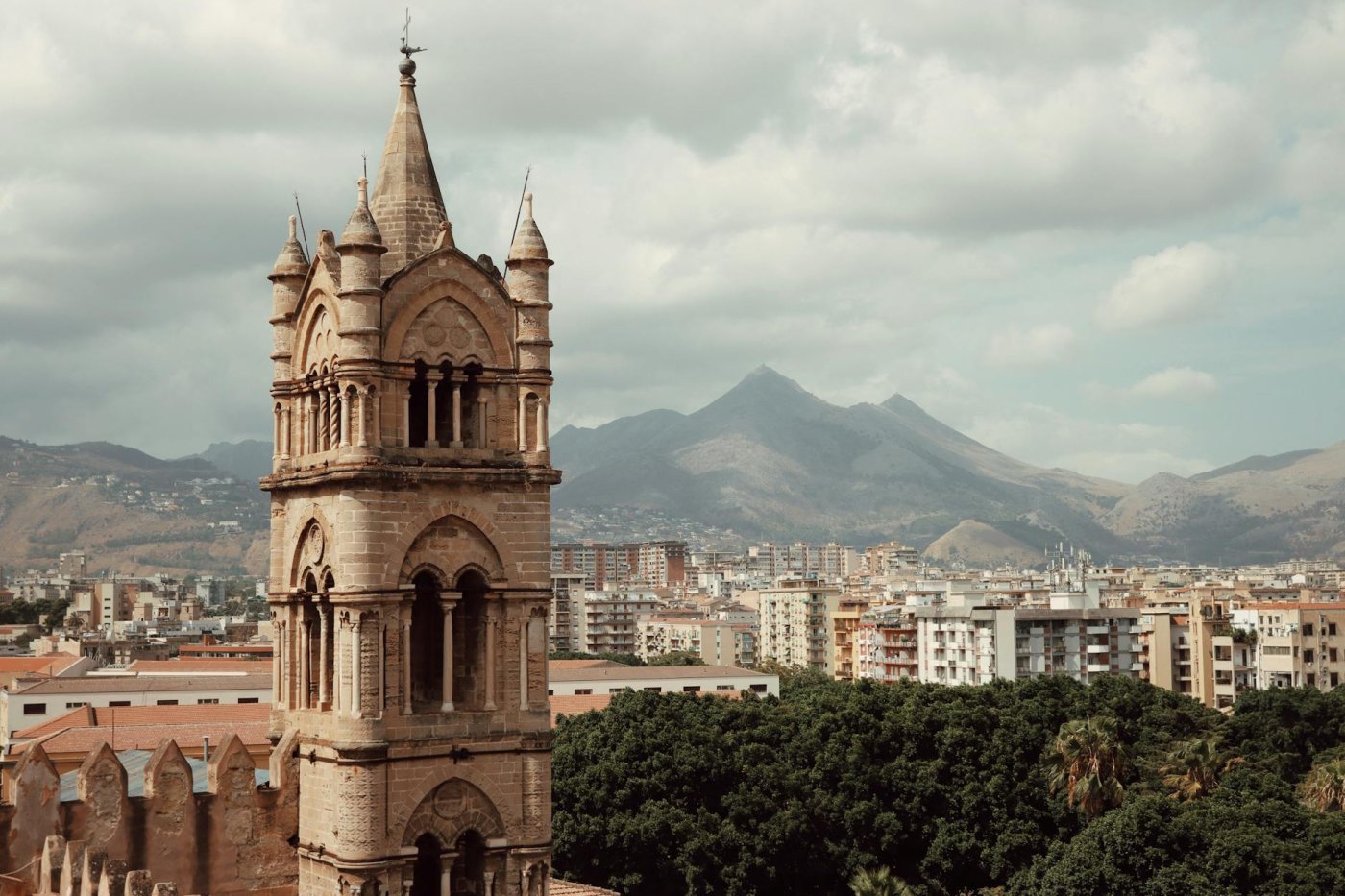
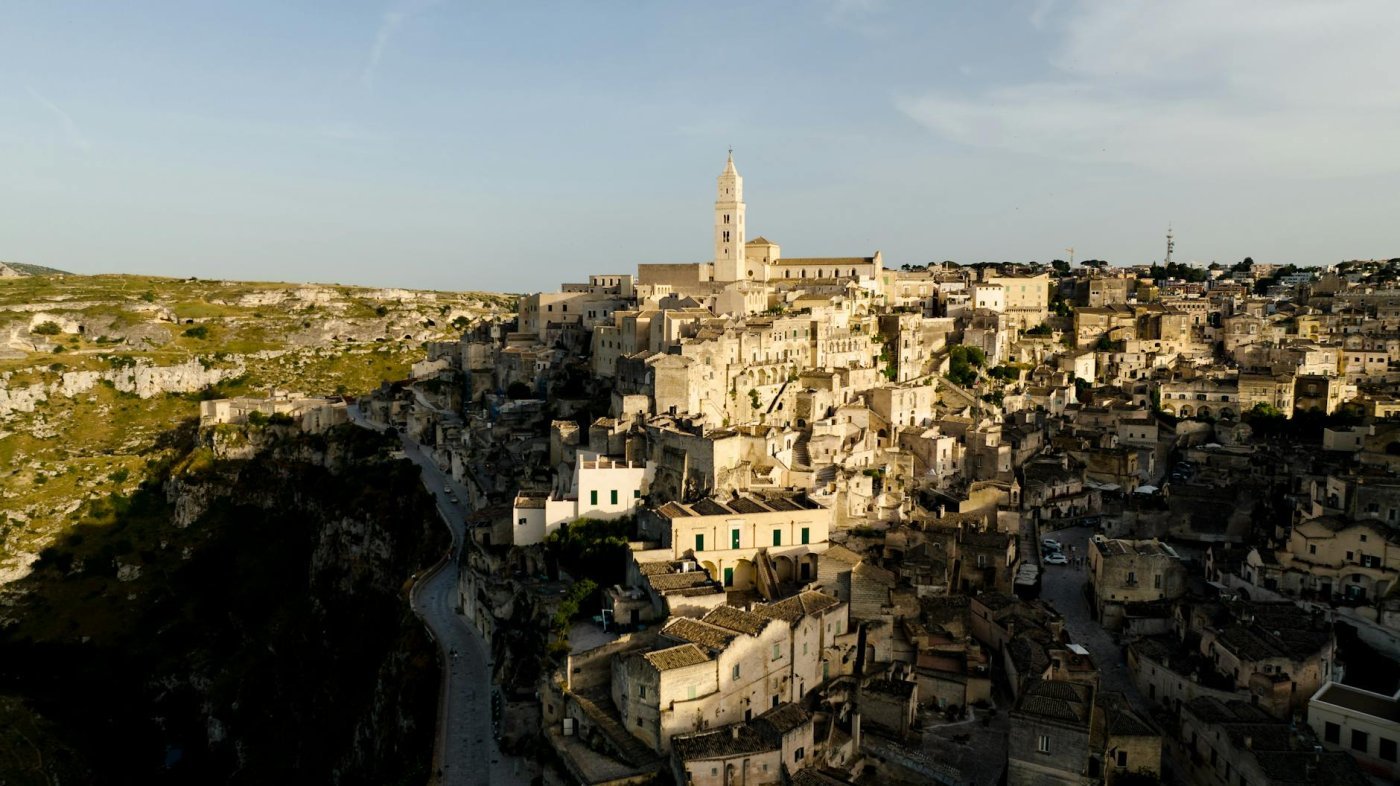
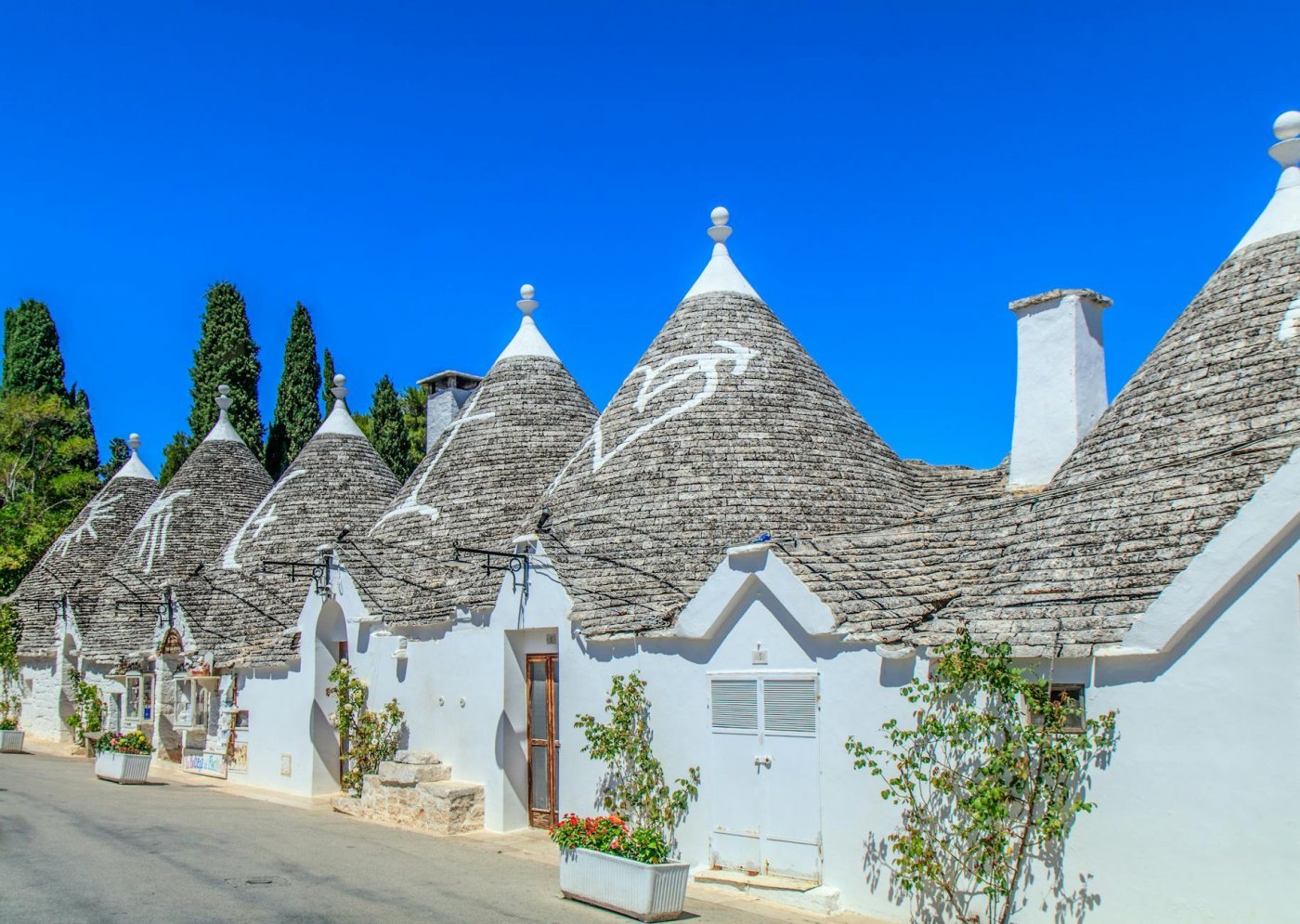
Sicily Circuit Travel Guide — Greek ruins, volcanic peaks and Baroque grandeur
⏱ 11 min read📅 Updated 2026💶 €€ Mid-Range✈️ Best: Apr–Sep
€50–120/day
Daily budget
Apr–Jun, Sep
Best time
7–10 days
Ideal stay
EUR (€)
Currency
Sicily arrives on your senses like a collision of civilisations — the acrid perfume of volcanic sulphur drifting down from Etna, the blinding white of Greek temple columns rising above almond groves, the crack of a cannolo shell giving way to sweet ricotta in a shaded Palermo backstreet. This is Italy's largest island and arguably its most dramatic, a place where 3,000 years of Greek, Arab, Norman and Baroque history have fused into something entirely its own. The Sicily Circuit — linking Taormina, Syracuse, Ragusa, Agrigento and Etna — packs this complexity into a single unforgettable loop. Sicily rewards those who slow down and pay attention.
Visiting Sicily feels fundamentally different from the polished tourist trail of Rome or the Amalfi Coast. The things to do in Sicily are rooted in genuine cultural depth: walking through the Valley of the Temples at dawn before the coach groups arrive, eating pistachio granita for breakfast in Bronte, navigating the tight Baroque staircases of Noto's golden stone streets. Compared with mainland southern Italy, Sicily offers greater archaeological richness, more dramatic landscapes, and a cuisine that carries the flavour of North Africa and the Levant. A Sicily itinerary covering the island's eastern circuit gives you volcanic adventure, UNESCO World Heritage towns and some of the Mediterranean's most captivating seafood — all within a week.
✦ Find your perfect destination
Is Sicily Circuit really your perfect match?
Answer 12 quick questions about your travel style, budget and dates — we match you with the destinations that fit you best, from 600+ worldwide.
Sicily belongs on your travel list because it delivers a concentration of world-class experiences that few Mediterranean destinations can match. Three UNESCO World Heritage Sites — the Valley of the Temples, the Baroque towns of the Val di Noto, and Syracuse — sit within a 150-kilometre circuit. Europe's most active volcano, Etna, is an accessible half-day from Sicily's most elegant resort town, Taormina. The island's food culture, shaped by Arab spice traders and Greek colonists, produces ingredients — Bronte pistachios, Pachino tomatoes, Trapani sea salt — that chefs across Europe covet. Sicily is also genuinely affordable compared to northern Italy.
The case for going now: Sicily is experiencing a quiet renaissance in sustainable tourism, with restored Baroque palazzi opening as boutique guesthouses and new direct flights from northern Europe making the island more accessible than ever in 2026. The weak euro and a post-pandemic boom in agriturismo mean mid-range travellers get exceptional value. Noto and Modica are trending fast on travel media — go before the crowds consolidate.
🏛️
Valley of Temples
Walk among the most complete Greek temples outside Athens, glowing amber at dusk. The Temple of Concordia in Agrigento dates to 450 BC and is breathtaking in the late afternoon light.
🌋
Etna Summit Trek
Cable car and 4x4 transfer reach 2,900 metres on Europe's highest active volcano. Craters steam, the lava fields are surreal, and on clear days you see the entire Sicilian coastline below.
🍋
Baroque Noto & Modica
Noto's golden limestone facades drip with cherubs and balconies — a Baroque stage set made real. Nearby Modica is famous for its grainy, spiced chocolate that traces directly to Aztec recipes via Spanish colonists.
🎭
Greek Theatre Taormina
Taormina's ancient Greek-Roman theatre frames Mount Etna perfectly in the background. Summer opera and film festival performances here are among the most atmospheric cultural events in all of Italy.
Sicily Circuit's neighbourhoods — where to focus
Clifftop Glamour
Taormina Centro
Taormina's medieval hilltop centre is Sicily's most photogenic town, strung along a clifftop ridge above the Ionian Sea. Corso Umberto is the elegant main drag lined with ceramic shops and aperitivo bars. The Greek theatre and the Giardini della Villa Comunale gardens make the upper town unmissable.
Ancient Capital
Ortigia, Syracuse
Ortigia is the island heart of Syracuse, crammed with 2,700 years of layered history on a rock barely 700 metres wide. Baroque piazzas, a Greek temple absorbed into a cathedral, and a famous freshwater spring where Arethusa supposedly fled the river god make this Sicily's most intellectually rich neighbourhood.
Baroque Perfection
Ragusa Ibla
Ragusa Ibla is the older, lower half of the city and one of Sicily's great secret pleasures. Its UNESCO-listed Baroque churches and palazzi tumble down a limestone ridge above deep ravines. The views from the Giardino Ibleo at sunset, looking across the Hyblaean plateau, are unlike anything else in Sicily.
Pistachio Country
Bronte & Etna Slopes
The small town of Bronte, on Etna's western flank, is the pistachio capital of Italy and produces the intensely flavoured green nuts found in Sicily's finest gelato and pesto. The surrounding lava-stone villages and terraced orchards feel off-the-beaten-path even in high season, offering an authentic rural Sicily experience.
Top things to do in Sicily Circuit
1. Climb Etna at Sunrise
Rising 3,357 metres from the sea, Etna is the undisputed centrepiece of any Sicily itinerary and the most dramatic thing to do in Sicily. Take the Funivia dell'Etna cable car from Rifugio Sapienza on the southern slope, then transfer by authorised 4x4 jeep to the 2,900-metre crater zone for a guided walk among steaming fumaroles and black lava fields. The best time to visit Etna is spring and early autumn, when snow still dusts the summit cone while wildflowers bloom on the lower slopes. From the rim on a clear day, Syracuse, the Strait of Messina and even the Aeolian Islands are visible. Allow a full morning and book guides in advance during peak season.
2. UNESCO Baroque Towns Loop
The Val di Noto UNESCO zone covers eight Baroque towns rebuilt after a catastrophic 1693 earthquake, and driving the loop between Noto, Modica, Ragusa Ibla, Scicli and Ispica is one of the great short road trips in Europe. Noto's cathedral facade, illuminated in warm Lecce-stone gold, is perhaps the most beautiful Baroque building in Sicily. Modica deserves at least two hours for its twin-level town, extraordinary chocolate shops (try the historic Antica Dolceria Bonajuto), and the panoramic views from Santa Maria di Betlemme. Ragusa Ibla's labyrinthine lanes reward slow wandering — find the Circolo di Conversazione club, peer through iron gates at faded aristocratic palazzi, and end at the Giardino Ibleo as the evening light turns copper.
3. Explore Syracuse & Ortigia
Syracuse was once the most powerful city in the Greek world, rivalling Athens itself, and spending time in Sicily here feels like handling history directly. On the mainland, the Parco Archeologico della Neapolis contains an extraordinary Greek theatre still used for performances, a Roman amphitheatre, and the Latomie del Paradiso — ancient stone quarries where 7,000 Athenian prisoners were held after their failed 413 BC invasion. Cross the short bridge to Ortigia island for the afternoon: the Piazza del Duomo is built over a 5th-century BC Temple of Athena, with the original Doric columns visible inside the cathedral walls. The Fonte Aretusa freshwater spring, bubbling up metres from the harbour, is surprisingly moving.
4. Valley of the Temples at Dusk
The Valley of the Temples outside Agrigento is the finest ancient Greek site on Sicilian soil, a ridge of temples so well preserved they still carry original paint traces in sheltered sections. The UNESCO site contains seven temples from the 5th century BC, of which the Temple of Concordia is the best preserved anywhere in the Greek world outside the Athenian Acropolis. Arriving in the late afternoon for the golden-hour light rewards photographers and history lovers equally — the stone glows a deep amber as the sun drops toward the Mediterranean. The attached Museo Regionale Archeologico Pietro Griffo houses the remarkable Ephebus of Agrigento statue and a fascinating exhibition on ancient Sicilian life. Book sunset tickets online to avoid queues, particularly in May and June.
What to eat in Sicily — the essential list
Arancino
Sicily's iconic street food — a fried rice ball stuffed with ragù, mozzarella or spinach and béchamel. The debate over whether it's arancino (male, eastern Sicily) or arancina (female, Palermo) is entirely serious and deeply Sicilian.
Pistachio Granita
Bronte's DOP pistachios produce a granita of extraordinary intensity — vivid green, slightly savoury, nothing like the tourist versions. Eaten for breakfast with a brioche col tuppo, it is the most specifically Sicilian food experience on the island.
Pasta alla Norma
Catania's signature pasta dish pairs rigatoni with fried aubergine, fresh tomato, basil and salted ricotta. Named after Bellini's opera, it's a deceptively simple combination that showcases why Sicilian cucina is considered Italy's most flavourful regional cooking.
Modica Chocolate
Cold-processed chocolate made by the pre-industrial Aztec method — cocoa mass and raw sugar are worked at low temperature, creating a grainy, intense bar with no added fat. Cinnamon and chilli are traditional spices. Modica's Bonajuto shop has been making it since 1880.
Sarde a Beccafico
Palermo's classic stuffed sardines: butterflied, filled with breadcrumbs, pine nuts, currants, orange zest and anchovy, then rolled and baked. The Arab-Sicilian flavour profile — sweet, savoury, sharp — is a direct taste of the island's multicultural past.
Cannolo Siciliano
The world's most imitated pastry is best eaten fresh from a Sicilian pastry shop, shell fried in lard and filled to order with sheep's-milk ricotta, candied orange peel and pistachio. Never pre-filled. The best versions in Sicily are genuinely life-altering.
Where to eat in Sicily Circuit — our top 4 picks
Fine Dining
Ristorante La Capinera
📍 Via Nazionale 177, Spisone, Taormina
Michelin-starred Pietro D'Agostino cooks an intensely local menu celebrating the produce of Etna's slopes and the Ionian coast. The tasting menu evolves with the seasons and always features exceptional Sicilian seafood. Book months ahead for summer visits — this is the definitive fine dining experience on the Sicily Circuit.
Fancy & Photogenic
Crocifisso Restaurant
📍 Via Principe Umberto 48, Noto
Set inside a converted Baroque palazzo in the heart of Noto, Crocifisso plates creative Sicilian cuisine against a backdrop of exposed stone vaulting and candlelight. The local almond soup and fresh pasta with Hyblaean pork are standouts. The terrace overlooking Noto's golden rooftops is one of Sicily's most atmospheric dining settings.
Good & Authentic
Trattoria La Foglia
📍 Via Capodieci 29, Ortigia, Syracuse
A beloved vegetarian-leaning trattoria in Ortigia's medieval lanes, La Foglia decorates its walls with original art and serves cooking that puts Sicilian vegetables front and centre. The caponata, pasta with wild fennel, and aubergine dishes here are textbook examples of the island's Arab-influenced cucina. Excellent house wine and reliably warm service.
The Unexpected
Fattoria delle Torri
📍 Vico Napolitano 14, Modica
Hidden inside a 17th-century masseria courtyard in Modica, this restaurant serves some of the most thoughtful Baroque-town cooking on the circuit. The menu references medieval Arab-Sicilian spice traditions, pairing local pork with agrodolce and pine nuts. The carob liqueur and chocolate desserts made with Modica chocolate are a perfect finale.
Sicily Circuit's Café Culture — top 3 cafés
The Institution
Caffè Sicilia
📍 Corso Vittorio Emanuele 125, Noto
Corrado Assenza's legendary pasticceria in Noto is pilgrimage-worthy. For decades it has been supplying Sicily's finest pistachio granita, almond milk and cassata to those willing to queue. Featured in international press and TV, Caffè Sicilia remains genuinely rooted in Noto's daily life — the queue of local pensioners at 8am is proof enough.
The Aesthetic Hub
Pasticceria Russo
📍 Via Vittorio Emanuele 105, Santa Venerina, Catania
Russo is Etna's beloved pasticceria institution, operating since 1880 from the lava-stone town of Santa Venerina. The pistachio and almond pastries are exceptional, and the granita selection rotates with seasonal fruit from the volcano's slopes. A compulsory stop on any Sicily Circuit that routes through the Etna zone.
The Local Hangout
Bar San Rocco
📍 Piazza San Rocco 3, Ragusa Ibla
Perched on Ragusa Ibla's most characterful square, Bar San Rocco is where locals start their morning with espresso and a sfoglia. The outdoor tables face an ancient church facade and a Baroque fountain. Low-key, unpretentious and perfectly placed for a mid-circuit pause — this is everyday Sicily at its most quietly beautiful.
Best time to visit Sicily Circuit
Jan
Feb
Mar
Apr
May
Jun
Jul
Aug
Sep
Oct
Nov
Dec
Peak Season (Apr–Jun, Sep) — warm sun, wildflowers on Etna, festivals, manageable crowdsShoulder Season (Mar, Oct) — mild, quiet, cheaper; some coastal facilities closedOff or High-Heat Season (Nov–Feb, Jul–Aug) — winter is quiet and cool; July–August is scorching and very crowded
Sicily Circuit events & festivals 2026
Whether you're planning around a specific celebration or simply want to know what's happening, this guide covers the best events and festivals in Sicily Circuit — from major annual traditions to cultural highlights worth timing your trip around.
February 2026culture
Mandorlo in Fiore, Agrigento
The Almond Blossom Festival takes place every February in Agrigento's Valley of the Temples, when the almond trees flower white against ancient ruins.
March 2026religious
Holy Week Processions, Trapani
Trapani's Settimana Santa features the Processione dei Misteri, a 24-hour Good Friday procession of 20 carved baroque tableaux carried through the streets by confraternities. One of Sicily's most visually overwhelming traditions, drawing visitors from across Italy and beyond.
May 2026culture
Infiorata di Noto
Each May on the third Sunday, Noto's Via Nicolaci is carpeted with intricate floral mosaics created by local artists using fresh flower petals. The Infiorata is one of the best Sicily festivals for photography and crowds the town's Baroque streets with colour and festivity.
June 2026culture
Rappresentazioni Classiche, Syracuse
Syracuse's annual Greek theatre festival stages ancient tragedies and comedies in the 5th-century BC Neapolis theatre. Productions by Italy's leading directors in this extraordinary setting are among the defining cultural events of the Sicily itinerary in early summer.
June–August 2026music
Taormina Arte Film & Music Festival
Taormina's famous summer arts festival runs from June through August in the ancient Greek theatre, presenting international opera, classical concerts and film screenings against the backdrop of Etna. A bucket-list Sicily experience that consistently draws global artists.
July 2026religious
Festa di Santa Rosalia, Palermo
Palermo's Festino di Santa Rosalia on 15 July is Sicily's most spectacular religious celebration, featuring a massive illuminated processional float (the carro) paraded through the city streets to the harbour. An overwhelming, joyful and deeply Sicilian spectacle.
August 2026culture
Pistachio Festival, Bronte
The Sagra del Pistacchio in Bronte, held every two years in late August and early September, celebrates the DOP pistachio harvest with food stands, cooking demonstrations and pistachio-themed products. Essential for food lovers visiting Sicily in late summer.
September 2026market
Cous Cous Fest, San Vito Lo Capo
San Vito Lo Capo's international cous cous festival brings chefs from across the Mediterranean and North Africa to compete in Sicily's northwest corner. An extraordinary food event that illuminates Sicily's Arab culinary heritage against a backdrop of stunning beach scenery.
October 2026culture
Ottobrata Zafferanese, Zafferana Etnea
Every Sunday in October, the Etna-slope village of Zafferana Etnea hosts the Ottobrata, a harvest market celebrating local honey, mushrooms, chestnuts and wine from the volcanic soil. A charming and very local event perfect for those building an autumn Sicily itinerary.
December 2026market
Christmas Market, Catania
Catania's Piazza del Duomo hosts a Sicilian Christmas market in December, with handcrafted ceramics, seasonal cannoli and mulled wine around the iconic elephant fountain. A quieter, atmospheric time for visiting Sicily when the crowds of summer have long departed.
Hostel dorms or budget B&Bs, street food arancini, local buses and shared transfers, free temple viewpoints.
€€ Mid-range
€70–120/day
Boutique guesthouses in Baroque towns, trattoria dinners, hired car for freedom, guided Etna tours.
€€€ Luxury
€150+/day
Clifftop Taormina hotels, Michelin dinners at La Capinera, private archaeological guides, chauffeured transfers.
Getting to and around Sicily Circuit (Transport Tips)
By air: Sicily has two main international airports: Catania Fontanarossa (CTA) serves the eastern circuit covering Taormina, Etna and Syracuse, while Palermo Falcone-Borsellino (PMO) serves the western half of the island. For the Sicily Circuit itinerary, fly into Catania and out of Palermo — or vice versa — to avoid backtracking.
From the airport: From Catania Airport, the Alibus city bus reaches Catania centre in 20 minutes for around €4. Taxis are metered and cost approximately €20–25 to the city. Car hire desks are located in the arrivals terminal at CTA and are the best option for anyone planning to drive the Sicily Circuit independently, giving freedom to reach Etna's slopes, the Val di Noto towns and the Valley of Temples on your own schedule.
Getting around the city: A hire car is strongly recommended for the Sicily Circuit — public transport between the island's archaeological and Baroque sites is limited and slow. The SS114 coastal road links Catania and Taormina in under an hour. Trains connect Catania to Syracuse in 70 minutes and are reliable and scenic. Between the Val di Noto towns, a car is essential. Parking in Ragusa Ibla and Noto is easy and inexpensive outside August peak season.
Transport Safety & Scam Prevention:
Unofficial Taxi Touts at Airports: At Catania Airport, unofficial taxi drivers approach arrivals with signs offering flat rates. Always use licensed white taxis from the official rank outside arrivals or pre-book through your accommodation. Rates should be metered or agreed before departure.
Overpriced Guided Etna Tours: Some Taormina hotel desks earn commission on pricier Etna excursions. Book directly with authorised guides through the Rifugio Sapienza or the official Etna guide consortia. Expect to pay €30–50 per person for a legitimate guided crater walk including cable car and jeep.
Counterfeit DOP Pistachio Products: Authentic Bronte DOP pistachios are expensive — around €25–40 per kilo. Very cheap pistachio products labelled as Bronte in tourist shops are almost certainly from Turkish imports. Buy directly from Bronte producers or certified Sicilian specialty shops to guarantee authenticity.
Do I need a visa for Sicily Circuit?
Visa requirements for Sicily Circuit depend on your nationality. Select your passport below for an instant answer — based on the Passport Index dataset for entry into Italy.
ℹ️ Indicative only. Always verify with the official consulate before booking. Data: Passport Index, April 2026.
For detailed requirements, documentation checklists and processing times by nationality: TravelDoc →
Search & Book your trip to Sicily Circuit
Find the best flight routes and hotel combinations using our partner Kiwi.com.
Frequently Asked Questions
Is Sicily safe for tourists?
Sicily is very safe for tourists by any European standard. The Mafia associations of popular culture are largely historical and bear no resemblance to modern visitor experience. Petty theft — bag snatching on scooters, pickpocketing in crowded markets like Palermo's Ballarò — is the main concern, as in any major Italian city. Keep bags across your body in markets, avoid leaving valuables visible in hire cars, and exercise normal urban awareness. Taormina, Syracuse, Noto and Ragusa are all exceptionally safe destinations where solo travellers, families and older visitors all move freely and comfortably.
Can I drink the tap water in Sicily?
Tap water in Sicily is technically safe to drink according to EU standards, but many Sicilians prefer bottled water, and in some rural or smaller towns water quality and taste can vary. In Taormina, Catania, Syracuse and Palermo the tap water is generally fine. Restaurants will always provide still or sparkling bottled water as standard practice. For environmental reasons, carrying a refillable bottle and using it where water tastes acceptable is a reasonable approach on the Sicily Circuit.
What is the best time to visit Sicily?
The best time to visit Sicily is April through June and September. Spring brings wildflowers on Etna's slopes, comfortable temperatures of 18–24°C, and fewer crowds at the Valley of the Temples and the Baroque towns. September offers warm sea temperatures, harvests of pistachio and grape, and the relief of subsiding summer heat. July and August are intensely hot — 35°C is common — and Taormina and coastal resorts become very crowded and expensive. October and November are pleasant for inland touring. Winter is quiet, cool and excellent for budget travel but some coastal facilities close.
How many days do you need in Sicily?
Seven to ten days is the ideal length for completing the Sicily Circuit properly. A week allows you to cover Taormina and Etna in two days, Syracuse and Ortigia in one and a half days, the Val di Noto Baroque towns (Noto, Modica, Ragusa Ibla) in two days, and the Valley of Temples in Agrigento on the final day. A ten-day Sicily itinerary adds Catania's fish market culture, Palermo's Arab-Norman monuments and a slower pace throughout. Weekend trips to Sicily can work from major European hubs but are best focused on a single zone — Taormina and Etna or Syracuse and Ortigia — rather than attempting the full circuit.
Sicily vs Sardinia — which should you choose?
Sicily and Sardinia are both exceptional Mediterranean islands but they offer fundamentally different experiences. Sicily wins on cultural and archaeological depth — Greek temples, Baroque UNESCO towns, Etna and Arab-Norman architecture give it unmatched historical richness. Sardinia wins on pure beach quality, with some of the clearest turquoise waters in the Mediterranean and excellent sailing infrastructure. Sicily's food is more complex and regionally distinct; Sardinian cuisine is simpler and more pastoral. If you care primarily about history, food and urban culture, choose Sicily. If your priority is swimming, snorkelling and beaches, choose Sardinia. Budget-wise, Sicily tends to be slightly cheaper for accommodation and dining.
Do people speak English in Sicily?
English is spoken to a good standard in tourist-facing contexts across Sicily's main circuit destinations. In Taormina — historically one of Italy's most international resort towns — English is widely spoken in hotels, restaurants and tour offices. In Syracuse, Noto and Ragusa, younger hospitality workers speak functional English. In rural areas, smaller towns and traditional markets, Italian is essential — learning basic phrases (per favore, grazie, quanto costa, un tavolo per due) is warmly received and noticeably improves interactions. Sicilians generally appreciate any effort with Italian, even imperfect, and are among the most hospitable hosts in the Mediterranean.
★ Hidden Gems Weekly
Like this? One place per week, in your inbox.
No spam, no fluff — just one underrated destination, every Tuesday.
Hand-picked and verified by Max, who founded Vacanexus from Luxembourg in 2026. No sponsorships, no paid placements. Every recommendation — restaurants, neighbourhoods, things to do — is selected for authenticity over popularity.