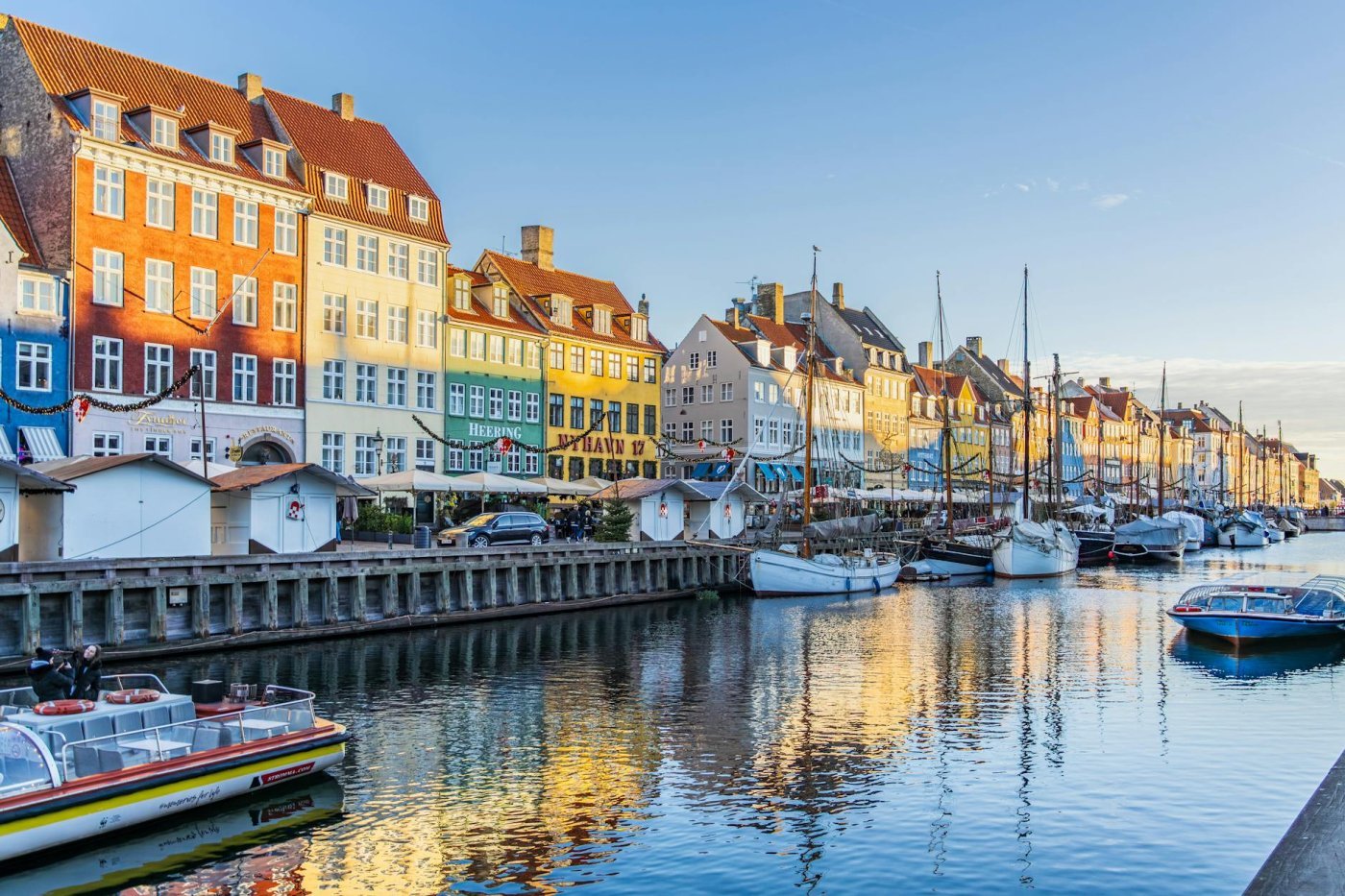
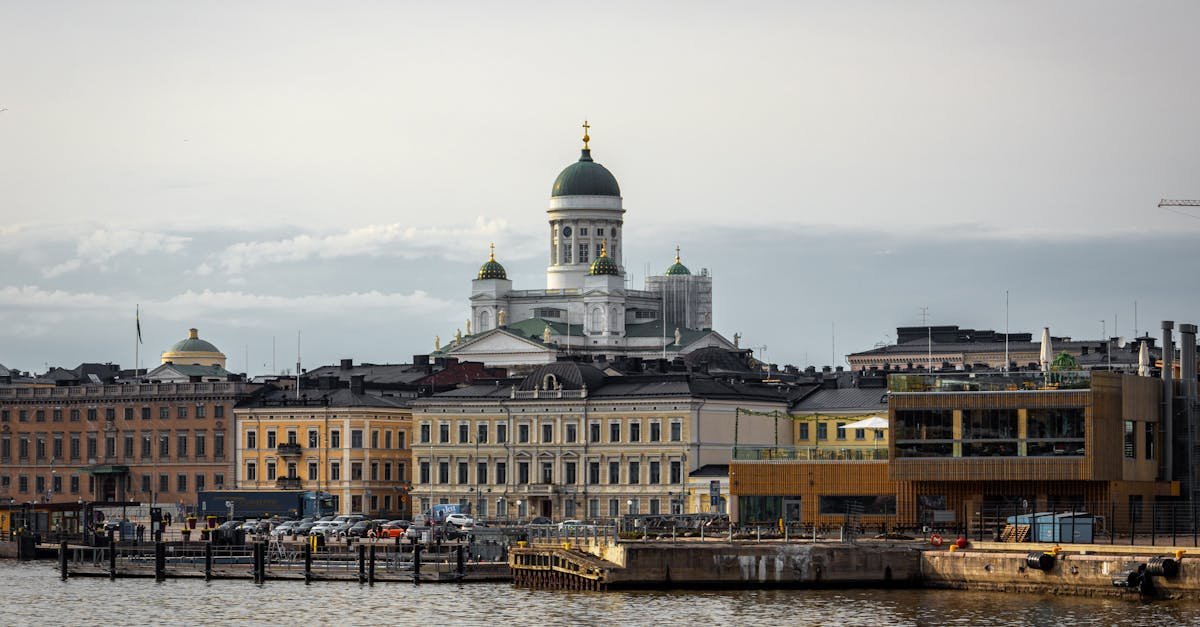
Stockholm Travel Guide — Stockholm is Scandinavia's most breathtaking
⏱ 12 min read📅 Updated 2026💶 €€€€ Luxury✈️ Best: May–Sep
€250+/day
Daily budget
May–September
Best time
4–6 days
Ideal stay
SEK
Currency
Stockholm rises from the Baltic like a city conjured from a Scandinavian fairy tale — seventeen islands stitched together by 57 bridges, with copper-roofed towers catching the summer light and glassy waterways reflecting centuries of Nordic ambition. The air smells of salt and pine even in the city centre, and the hush of a Swedish morning on the waterfront has a quality found nowhere else in Europe. Wandering through Gamla Stan's amber-lit medieval alleys or watching the royal guard parade across Stortorget, Stockholm rewards the observant traveller at every corner. This is a capital that has never needed to shout about its beauty — it simply exists, immaculate and self-assured, on one of the world's most extraordinary natural settings.
Compared to Copenhagen or Oslo, visiting Stockholm offers something distinctly its own: a grander urban scale softened by constant water and greenery, a museum culture of genuine world-class depth, and a food scene that has quietly become one of Europe's most creative. Things to do in Stockholm range from tracing Viking heritage at the Historiska Museet to kayaking the inner archipelago at dusk, from design-shopping in Södermalm's indie boutiques to sitting in a centuries-old café watching snowflakes fall on Gamla Stan. The city is expensive by European standards, but Stockholmers deliver extraordinary value in experience, safety, and that elusive, deeply Nordic quality of life that you absorb simply by being present here.
✦ Find your perfect destination
Is Stockholm really your perfect match?
Answer 12 quick questions about your travel style, budget and dates — we match you with the destinations that fit you best, from 600+ worldwide.
Stockholm belongs on your travel list because no other European capital balances urban sophistication and raw nature so effortlessly. The Vasa Museum alone — housing a fully intact 17th-century warship raised from the harbour — is worth the flight from anywhere in Europe. Stockholm's archipelago of more than 30,000 islands begins practically at the city's doorstep, turning a weekend in Stockholm into a genuine adventure. The Nobel Prize ceremonies, world-leading design culture, and a food scene with more Michelin stars per capita than almost any Nordic city all confirm that Stockholm consistently punches at the very top of global city travel.
The case for going now: Stockholm is experiencing a remarkable cultural renaissance right now: the recently expanded Nobel Prize Museum in Gamla Stan reopened with stunning new permanent galleries, and the city's tech-and-design quarter on Södermalm is drawing European creatives at an unprecedented rate. The Swedish krona remains relatively weak against the euro and pound, making Stockholm more accessible than it has been in a decade despite its premium reputation. Book in 2026 before the next wave of international attention fully arrives.
⛵
Archipelago Sailing
Hop a Waxholmsbolaget ferry into Stockholm's 30,000-island archipelago. Even a two-hour crossing to Vaxholm reveals pine-scented islets and red wooden cottages that feel impossibly remote from the capital.
🚢
Vasa Museum
Stand beneath the colossal preserved hull of the Vasa warship, which sank on its maiden voyage in 1628 and was raised almost perfectly intact. The museum's five floors of artefacts make Stockholm's maritime history viscerally real.
🍽️
Nordic Fine Dining
Stockholm's restaurant scene is one of Scandinavia's most innovative — seasonal tasting menus built on wild herbs, cured fish, and fermented grains define the new Nordic philosophy that the city helped pioneer for the world.
🏰
Gamla Stan Wander
Stockholm's medieval old town occupies an entire island. Narrow cobblestone lanes open without warning onto painted baroque façades, artisan studios, and the Royal Palace — Europe's largest occupied royal residence.
Stockholm's neighbourhoods — where to focus
Medieval Heart
Gamla Stan
Stockholm's original island city, Gamla Stan is a preserved labyrinth of 13th-century streets, ochre-painted merchants' houses, and the vast Royal Palace. Tourists and locals coexist in its tiny squares, and every alley seems to conceal a café or a centuries-old cellar restaurant. This is the emotional centre of any Stockholm visit.
Creative Cool
Södermalm
Known affectionately as 'SoFo' in its trendiest quarter, Södermalm sits on a dramatic cliff above the waterfront and houses Stockholm's most characterful mix of vintage shops, independent galleries, and inventive restaurants. This is where Stockholm's designers, musicians, and writers live, giving the neighbourhood an energy that is creative without being contrived.
Royal & Refined
Östermalm
Östermalm is Stockholm at its most aristocratic — wide boulevards lined with 19th-century apartment buildings, the magnificent Östermalm Saluhall food market, and boutiques selling Nordic luxury brands. Embassies and high-end hotels cluster here, and the nearby Djurgården island with its world-class museums is easily walkable from the district's leafy avenues.
Water & Design
Kungsholmen
Often overlooked by first-time visitors, Kungsholmen rewards the curious with Stockholm City Hall — the iconic venue of the Nobel Prize banquet, whose gilded Blue Hall and tower viewpoint are unmissable. The island's western shoreline promenade, Norr Mälarstrand, is arguably the city's finest waterside walk, popular with locals on long summer evenings.
Top things to do in Stockholm
1. #1 — Visit the Vasa Museum
No single attraction in Stockholm is more extraordinary than the Vasa Museum on Djurgården island, and it consistently ranks among the top museums in all of Europe. The centerpiece is the Vasa itself — a 69-metre royal warship built in 1626, which capsized and sank in Stockholm harbour just 1,300 metres into her maiden voyage in 1628. Salvaged in 1961 after 333 years on the seabed, the ship is preserved to a degree that defies belief: approximately 95 percent of her original timber survives, along with hundreds of carved wooden sculptures, personal belongings of the crew, and original paint pigments. Five floors of galleries surround the hull, providing context on the ship's construction, the 17th-century Swedish empire, and the extraordinary salvage operation. Allow at least three hours and book tickets online in advance during summer months when queues can be long.
2. #2 — Explore the Stockholm Archipelago
The Stockholm Archipelago is one of Scandinavia's defining natural experiences, and it begins practically within the city limits. More than 30,000 islands, islets, and skerries stretch 60 kilometres east from Stockholm into the Baltic, accessible by the public Waxholmsbolaget ferry network — meaning your island-hopping adventure costs little more than a bus ticket. Day trips to Vaxholm (a 75-minute crossing) reveal a charming 16th-century fortress town with waterfront restaurants. Overnight trips to Sandhamn or Fjäderholmarna immerse you in the genuine silence of the outer archipelago. For a more active Stockholm itinerary, kayak rental companies operate from Strandvägen and offer guided multi-day paddles through inner island channels. Even a single afternoon on the water reframes your understanding of Stockholm's relationship with its extraordinary natural setting.
3. #3 — Walk Gamla Stan and the Royal Palace
Gamla Stan — Stockholm's medieval old town — occupies the island of Stadsholmen and contains some of the best-preserved historic streetscapes in Northern Europe. Begin at Stortorget, the small central square ringed by colourful Hanseatic-era merchant houses and the site of the Stockholm Bloodbath of 1520, which shaped the nation's founding mythology. From there, wind through Mårten Trotzigs Gränd, the city's narrowest alley at just 90 centimetres wide, before emerging at the Royal Palace — the official residence of the Swedish monarch and one of the largest palaces in the world with over 600 rooms. The daily Changing of the Guard ceremony in the outer courtyard is theatrical and free to watch. In the evening, Gamla Stan takes on a golden quality as day-trippers depart, leaving the cobblestoned lanes to restaurant-goers and the amber glow of old street lamps.
4. #4 — Discover ABBA the Museum & Djurgården
Djurgården is Stockholm's royal park island and the city's most concentrated cluster of world-class attractions. Beyond the Vasa Museum, the island houses the open-air folk museum Skansen — the world's oldest such institution, founded in 1891 — where historic Swedish buildings from across the country were relocated to preserve traditional Nordic culture, including a fully functioning zoo of Nordic wildlife. ABBA The Museum, located on the same island, is a masterclass in interactive pop-culture storytelling and is genuinely entertaining regardless of your level of ABBA fandom. The Nordiska Museet (Nordic Museum) next door chronicles everyday Scandinavian life from the 16th century to the present day through beautifully curated exhibits. Djurgården's tree-lined paths are perfect for cycling, with bike rental available at the island's entrance bridge, making it an excellent half-day or full-day component of any Stockholm itinerary.
What to eat in Stockholm and the Swedish Capital Region — the essential list
Smörgåsbord
Sweden's iconic spread of herring, gravlax, cold meats, Janssons frestelse, and crispbread is more than a meal — it's a cultural ritual. Stockholm restaurants serve traditional smörgåsbord particularly at Christmas and midsummer, but quality versions appear year-round at classic establishments.
Gravad Lax
Salt-and-dill cured salmon is Stockholm's most elegant ingredient, served sliced thin with mustard sauce and rye bread. The curing technique dates back centuries but has been refined by Stockholm's modern Nordic chefs into something approaching perfection.
Köttbullar
Swedish meatballs bear no resemblance to their global IKEA imitation. In Stockholm restaurants and home kitchens, köttbullar are made with a blend of pork and beef, enriched with cream and served with lingonberry jam and creamy mashed potato — deeply comforting and utterly Swedish.
Cinnamon Bun (Kanelbulle)
The kanelbulle is Sweden's national pastry and Stockholm takes it seriously. Local bakeries compete fiercely on cardamom content and butter quality. Every 'fika' coffee break — a deeply ingrained Swedish social ritual — demands one of these twisted, sugar-dusted beauties.
Räkmacka
Stockholm's beloved open-faced shrimp sandwich piles cold-water prawns, mayo, dill, and lemon onto thick buttered sourdough or rye. It's the city's quintessential lunchtime pleasure, especially wonderful eaten outdoors near the waterfront on a warm summer afternoon.
Pickled Herring
Inlagd sill comes in dozens of Stockholm variations — mustard-pickled, onion-marinated, cream-and-chive — and forms the anchoring centrepiece of any proper Swedish table. The Östermalm Saluhall market is the city's finest address for tasting premium versions from specialist vendors.
Where to eat in Stockholm — our top 4 picks
Fine Dining
Frantzén
📍 Klara Norra Kyrkogata 26, 111 22 Stockholm
Three Michelin stars and consistently ranked among the world's best restaurants, Frantzén offers a 20-course Nordic-Asian tasting menu in an intimate townhouse setting. Chef Björn Frantzén's cuisine is technically breathtaking and deeply rooted in Swedish seasonal ingredients. Reserve months in advance — this is Stockholm's most coveted dining reservation.
Fancy & Photogenic
Operakällaren
📍 Karl XIIs Torg, 111 86 Stockholm
Housed in the Royal Opera House since 1787, Operakällaren is Stockholm's grandest dining room — gilded ceilings, candlelight, and views over the royal gardens. The menu elevates classic Swedish recipes with French technique, and the adjoining Bakfickan counter offers a more accessible version of the same kitchen's excellence.
Good & Authentic
Pelikan
📍 Blekingegatan 40, 116 62 Stockholm
Open since 1904 in the heart of Södermalm, Pelikan is the definitive Stockholm working-class beer hall — high ceilings, dark wood panelling, and a menu built around unfussy Swedish classics. The pork knuckle, meatballs, and fried herring are precisely what you want after a day exploring the city on foot.
The Unexpected
Gondolen
📍 Stadsgårdsleden 6, 116 45 Stockholm
Suspended beneath the Katarina elevator on Södermalm's cliff edge, Gondolen offers the most dramatic panoramic view of Stockholm's waterways from any restaurant in the city. The Scandinavian brasserie menu is reliably excellent, but the real reason to book is that 180-degree vista across the rooftops, bridges, and islands of central Stockholm.
Stockholm's Café Culture — top 3 cafés
The Institution
Café Saturnus
📍 Eriksbergsgatan 6, 114 30 Stockholm
Café Saturnus in Östermalm is famous across Stockholm for producing what many claim is the city's finest kanelbulle — a vast, buttery specimen that requires two hands and considerable commitment. The airy, light-filled French-Scandinavian interior and excellent single-origin coffee make this the city's most satisfying fika institution.
The Aesthetic Hub
Drop Coffee
📍 Wollmar Yxkullsgatan 10, 118 50 Stockholm
Stockholm's most celebrated specialty coffee roaster, Drop Coffee in Södermalm has won Nordic barista championships and exports its beans across Europe. The minimalist space reflects the brand's obsessive attention to quality — every cup is prepared with scientific precision, and the staff are among the most knowledgeable in Scandinavia.
The Local Hangout
Vete-Katten
📍 Kungsgatan 55, 111 22 Stockholm
Founded in 1928 and barely changed since, Vete-Katten on Kungsgatan is a labyrinth of connected rooms filled with lace curtains, porcelain, and the scent of cardamom. This is where Stockholm's older generation comes for afternoon coffee and princess cake (prinsesstårta), and it represents the most authentic traditional Swedish café experience in the city.
Best time to visit Stockholm
Jan
Feb
Mar
Apr
May
Jun
Jul
Aug
Sep
Oct
Nov
Dec
Peak Season (May–Aug) — long daylight hours, warm temperatures, archipelago accessible, outdoor cafés in full swingShoulder Season (Apr & Sep) — fewer crowds, lower prices, crisp Nordic air, autumn foliage in SeptemberOff-Season (Oct–Mar) — cold and dark but magical Christmas markets in December; indoor museum culture at its finest
Stockholm events & festivals 2026
Whether you're planning around a specific celebration or simply want to know what's happening, this guide covers the best events and festivals in Stockholm — from major annual traditions to cultural highlights worth timing your trip around.
June 2026culture
Midsommar Celebrations
Midsommar is Sweden's most beloved annual celebration, and experiencing it in Stockholm is genuinely magical. On the Friday nearest the summer solstice, Swedes gather at Skansen and across the city's parks to dance around maypoles, weave flower crowns, and feast on herring and strawberries. One of the
August 2026culture
Stockholm Culture Festival
Stockholm's largest free annual festival transforms the city centre into an outdoor stage for a full week each August. More than 500 events spanning music, dance, theatre, and visual art take place across Sergels Torg, Gamla Stan, and Kungsträdgården, attracting over half a million visitors. An excellent addition to any Stockholm August itinerary.
July 2026culture
Stockholm Pride
Stockholm Pride is Scandinavia's largest LGBTQ+ festival and one of Europe's most joyful weeks of events. The annual parade draws hundreds of thousands of spectators through the city centre, while EuroPride events fill Stockholm's concert venues, parks, and the waterfront with performances, art, and parties throughout the week.
December 2026culture
Nobel Prize Ceremony
Every December, Stockholm hosts the Nobel Prize award ceremony at the Concert Hall and the iconic Nobel Banquet at City Hall — the world's most glamorous academic dinner. While the banquet is invitation-only, the public ceremony can be watched live from outside, and Nobel Week lectures throughout the city are open to all.
July 2026music
Way Out West Festival
Although based in Gothenburg, Way Out West draws Stockholm's music community in large numbers each July and is worth combining with a Stockholm visit. The festival hosts major international artists across multiple stages in a beautiful park setting, with an entirely vegetarian food offering that reflects Scandinavian progressive values.
April 2026culture
Stockholm International Film Festival Junior
A beloved spin-off of Stockholm's prestigious November film festival, the Junior edition each April is Sweden's largest children's and youth film event. Screenings take place across Stockholm cinemas, with international competition films, filmmaker talks, and workshops making it a uniquely enriching cultural experience for families visiting Stockholm in spring.
November 2026culture
Stockholm International Film Festival
Founded in 1990, the Stockholm International Film Festival in November is one of Scandinavia's most prestigious cinema events, screening over 150 international films across two weeks. Industry professionals, directors, and film enthusiasts converge on the city, making November a surprisingly vibrant time to visit Stockholm despite the cold.
December 2026market
Gamla Stan Christmas Market
Stockholm's oldest and most atmospheric Christmas market fills Stortorget square in Gamla Stan each December, with stalls selling traditional Swedish crafts, glögg, saffron buns, and handmade wooden decorations. The medieval setting, illuminated by thousands of lights against the painted merchant houses, creates one of Europe's most genuinely beautiful Christmas scenes.
January 2026culture
Stockholm Furniture & Light Fair
The Stockholm Furniture and Light Fair each February is the world's largest annual design fair for Scandinavian furniture and lighting. Held at Stockholmsmässan exhibition centre, it attracts 40,000 industry visitors and design enthusiasts who converge on the city to see the global future of Nordic interior design unveiled.
June 2026culture
Archipelago Boat Classic
The annual Archipelago Boat Classic in early June is one of Sweden's most cherished maritime events — a rally of hundreds of restored wooden boats sailing traditional routes through the Stockholm Archipelago.
Hostel dorms, supermarket lunches, free museum days, public transport SL card for all city travel.
€€ Mid-range
€150–200/day
Mid-range hotel, restaurant dinners for Swedish classics, paid museum entries, archipelago day trip included.
€€€€ Luxury
€350+/day
Design hotels like At Six or Nobis, Frantzén-tier tasting menus, private archipelago boat charters, spa treatments.
Getting to and around Stockholm (Transport Tips)
By air: Stockholm is served by two main airports: Arlanda (ARN), 45 kilometres north of the city, handles the majority of international flights from across Europe, North America, and Asia. Skavsta (NYO), used primarily by Ryanair, is a 100-kilometre transfer south of Stockholm and should be factored into arrival planning carefully. SAS, Norwegian, and most major European carriers fly direct into Arlanda.
From the airport: From Arlanda, the Arlanda Express train is the fastest option — 20 minutes to Stockholm Central Station with departures every 15 minutes, though the ticket price of approximately 300 SEK is high. The Flygbussarna airport bus takes 45 minutes and costs around 119 SEK, departing from outside all terminals. Licensed taxis have fixed-rate agreements to the city centre, typically 500–650 SEK depending on the zone. Ride-share apps including Uber operate from Arlanda.
Getting around the city: Stockholm's public transport network (SL) is clean, punctual, and covers the entire city via metro (Tunnelbana), buses, trams, and the Waxholmsbolaget ferry network to the archipelago. A 24-hour SL card costs around 175 SEK and is excellent value for sightseeing days. The Tunnelbana's three lines connect all major neighbourhoods efficiently, and Stockholm's central districts are compact enough that many attractions are walkable in good weather. Cycling is popular, with City Bikes stations throughout the city available by seasonal membership.
Transport Safety & Scam Prevention:
Avoid Unmarked Taxis at Arlanda: Arlanda Airport has a documented history of unlicensed 'taxi touts' charging vastly inflated fares to new arrivals. Always use the official taxi queue outside arrivals — look for licensed Taxi Stockholm, Taxi Kurir, or Cabonline vehicles with clearly displayed fare information on the door.
Validate Your SL Ticket Every Time: Stockholm's SL transport authority conducts regular ticket inspections on metro, trams, and buses. Failing to tap your card or ticket at entry — even accidentally — results in a fine of 1,500 SEK on the spot. Ensure your SL card or app is tapped every time you board any vehicle.
Exchange Currency at Banks, Not Airport Kiosks: Currency exchange kiosks at Arlanda offer extremely poor rates compared to in-city banks or simply using your debit card at a Swedish ATM. Forex Bank branches in the city centre offer far better rates. Sweden is almost entirely cashless, so your contactless card will be accepted virtually everywhere in Stockholm.
Do I need a visa for Stockholm?
Visa requirements for Stockholm depend on your nationality. Select your passport below for an instant answer — based on the Passport Index dataset for entry into Sweden.
ℹ️ Indicative only. Always verify with the official consulate before booking. Data: Passport Index, April 2026.
For detailed requirements, documentation checklists and processing times by nationality: TravelDoc →
Search & Book your trip to Stockholm
Find the best flight routes and hotel combinations using our partner Kiwi.com.
Frequently Asked Questions
Is Stockholm safe for tourists?
Stockholm is one of the safest capital cities in Europe and comfortably ranks among the safest destinations in the world for tourists. Violent crime involving visitors is exceptionally rare, and the city's public spaces, transport network, and tourist areas are well-lit, well-policed, and welcoming at all hours. The usual urban precautions apply — be aware of pickpockets around Gamla Stan and on crowded metro lines during peak summer season — but solo travellers, families, and LGBTQ+ visitors all report feeling extremely secure in Stockholm.
Can I drink the tap water in Stockholm?
Yes, absolutely. Stockholm's tap water is of exceptional quality — consistently ranked among the purest municipal water supplies in Europe. It comes from Lake Mälaren and undergoes rigorous treatment and testing before reaching the tap. Carrying a reusable water bottle in Stockholm is not only safe but actively encouraged by the city's sustainability culture. You can refill at any tap, in any café, and at public fountains across the city without any concern whatsoever.
What is the best time to visit Stockholm?
The best time to visit Stockholm is May through August, when temperatures are warm (18–25°C), daylight stretches past 10 pm in midsummer, the archipelago is fully accessible, and outdoor café culture is in full swing. June is peak season for the iconic Midsommar celebrations. September offers a beautiful shoulder season with autumn foliage, fewer crowds, and lower hotel prices. December is magical for Stockholm's Christmas markets, particularly in Gamla Stan, though temperatures drop well below freezing and daylight is extremely limited in winter.
How many days do you need in Stockholm?
A minimum of four days is needed to see Stockholm's essential highlights — Gamla Stan, the Vasa Museum, Djurgården, and a neighbourhood like Södermalm — without feeling rushed. Five to six days allows you to add a proper archipelago day trip to Vaxholm or Fjäderholmarna, explore Östermalm's food culture, and visit secondary museums like the Historiska Museet and Fotografiska. Ten days or more transforms a Stockholm visit into a genuinely deep Scandinavian experience: overnight stays on Sandhamn, day trips toward Uppsala, and full immersion in the city's extraordinary design and restaurant culture.
Stockholm vs Copenhagen — which should you choose?
Stockholm and Copenhagen are both outstanding Scandinavian capitals but suit different traveller profiles. Stockholm is larger, more dramatic in its setting — built across 14 islands with water everywhere — and offers a grander, slightly more imperial feel with the Royal Palace, City Hall, and museum island of Djurgården. The Stockholm Archipelago is unmatched anywhere in Northern Europe for a nature-meets-city experience. Copenhagen is more compact and immediately charming, with a slightly warmer cultural atmosphere, excellent cycling infrastructure, and Noma's influence giving it a food scene edge. Budget-conscious travellers may find Copenhagen marginally cheaper, though both cities are expensive. Choose Stockholm for raw Nordic nature and Viking heritage; choose Copenhagen for compact charm and café culture.
Do people speak English in Stockholm?
English is spoken to an exceptional standard across virtually all of Stockholm. Sweden consistently ranks among the world's top nations for English proficiency, and in Stockholm — a young, internationally connected capital — you will almost never need Swedish to navigate daily life. Hotel staff, restaurant servers, shop assistants, museum guides, and transport workers all communicate fluently in English. Menus, signs, and museum exhibits are routinely available in English. Learning a handful of Swedish phrases (hej for hello, tack for thank you) is appreciated but entirely unnecessary for a comfortable Stockholm visit.
★ Hotel guide
Where to stay in Stockholm
7+ hand-picked hotels across luxury, mid-range and budget — verified by Max.
Hand-picked and verified by Max, who founded Vacanexus from Luxembourg in 2026. No sponsorships, no paid placements. Every recommendation — restaurants, neighbourhoods, things to do — is selected for authenticity over popularity.