Luxury & Culture · Indonesia · East Nusa Tenggara 🇮🇩
Sumba Travel Guide — Where megalithic kingdoms meet untamed luxury
⏱ 12 min read📅 Updated 2026💶 €€€€ Luxury✈️ Best: Jan–Apr
€250–600+/day
Daily budget
January–April
Best time
7–10 days
Ideal stay
IDR (Indonesian Rupiah)
Currency
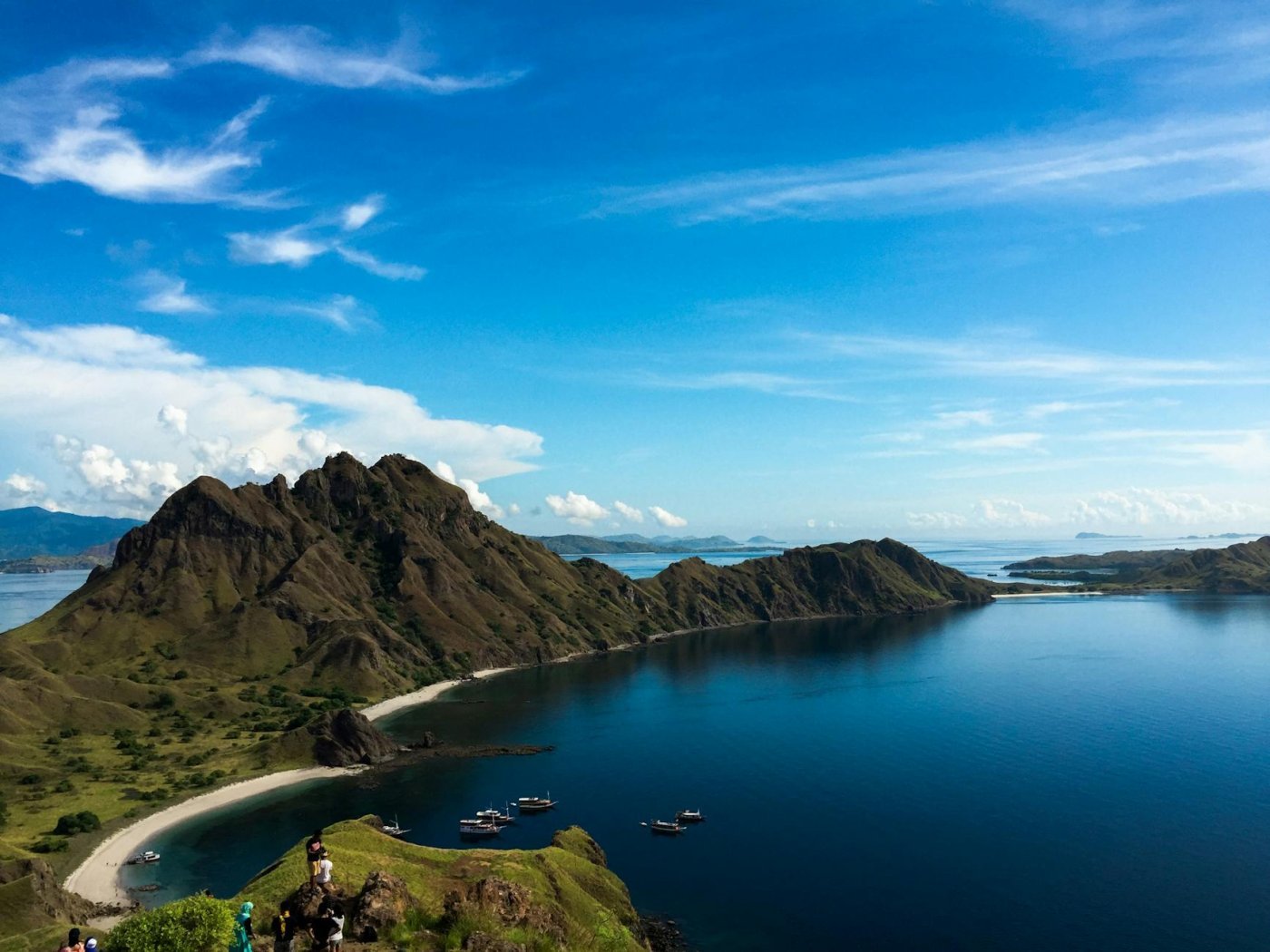
Sumba arrives like a fever dream: ochre savannahs rolling to the edge of the Indian Ocean, megalithic stone tombs rising from the front yards of clan villages, and ikat weavers pulling threads dyed with indigo grown on the hillsides. The island smells of woodsmoke and rain-wet grass, and the sound you hear first — before the surf, before the roosters — is hoofbeats. Sumba's horses are small, muscular, and everywhere, and they frame every landscape like punctuation. This is not a polished Bali alternative; it is something rawer, older, and far more arresting.
Visiting Sumba means entering a world where the animist religion Marapu still governs birth, marriage, and death, where royal families command loyalty measured in buffalo sacrifices, and where the extraordinary Nihi Sumba resort has quietly become one of the most awarded hotels on earth. Things to do in Sumba range from witnessing the thunderous Pasola ritual harvest battles on horseback to surfing isolated reef breaks with nobody in the lineup. Compared to Lombok or Flores, Sumba demands more effort to reach and more openness to encounter — but that friction is precisely what keeps it extraordinary.
✦ Find your perfect destination
Is Sumba really your perfect match?
Answer 12 quick questions about your travel style, budget and dates — we match you with the destinations that fit you best, from 600+ worldwide.
Sumba occupies a singular position in the world of travel: genuinely remote yet serviced by one of the planet's most celebrated luxury resorts, it offers the rare combination of authentic indigenous culture and unapologetic comfort. The island's Marapu ancestral belief system has shaped a living landscape of stone tombs, ceremonial textiles, and clan-house architecture that exists nowhere else in Indonesia. Sumba's surf, particularly at Occy's Left, rivals anything in the archipelago, and the savannah-to-sea vistas ensure that even a morning drive feels cinematic.
The case for going now: Sumba's international profile has risen sharply since Nihi Sumba topped Travel + Leisure's World's Best Hotel list multiple years running, yet the island itself remains uncrowded and culturally intact. Direct Garuda Indonesia connections from Bali to Tambolaka have improved journey times, and a small cluster of boutique properties now complements Nihi's offering — meaning travelers can experience Sumba across different price points without compromising on authenticity. Go before the word fully spreads.
⚔️
Pasola Ritual Battle
Twice a year, hundreds of horseback warriors hurl blunted spears at each other across open fields in a sacred harvest ritual that has continued for centuries. The spectacle is raw, exhilarating, and wholly unrepeatable anywhere else on earth.
🌊
Occy's Left Surf
One of Indonesia's most consistent left-hand reef breaks barrels along the coastline below Nihi Sumba, offering world-class waves to surfers willing to make the journey. Flat days still deliver flawless snorkeling in the channel.
🪡
Ikat Weaving Villages
Sumba's hand-dyed ikat textiles are among Southeast Asia's finest, each cloth encoded with clan symbols and ancestral motifs that can take months to complete. Watching master weavers in Prailiu or Rende is a meditative, deeply moving experience.
🏛️
Megalithic Tomb Villages
Stone sarcophagi weighing dozens of tonnes sit at the hearts of traditional kampungs like Tarung and Praijing, dragged into place by hundreds of villagers using only ropes and bamboo. The landscape of stacked rocks and high-roofed clan houses is unlike anything in Indonesia.
Sumba's neighbourhoods — where to focus
Luxury Basecamp
Nihiwatu / Pero Area
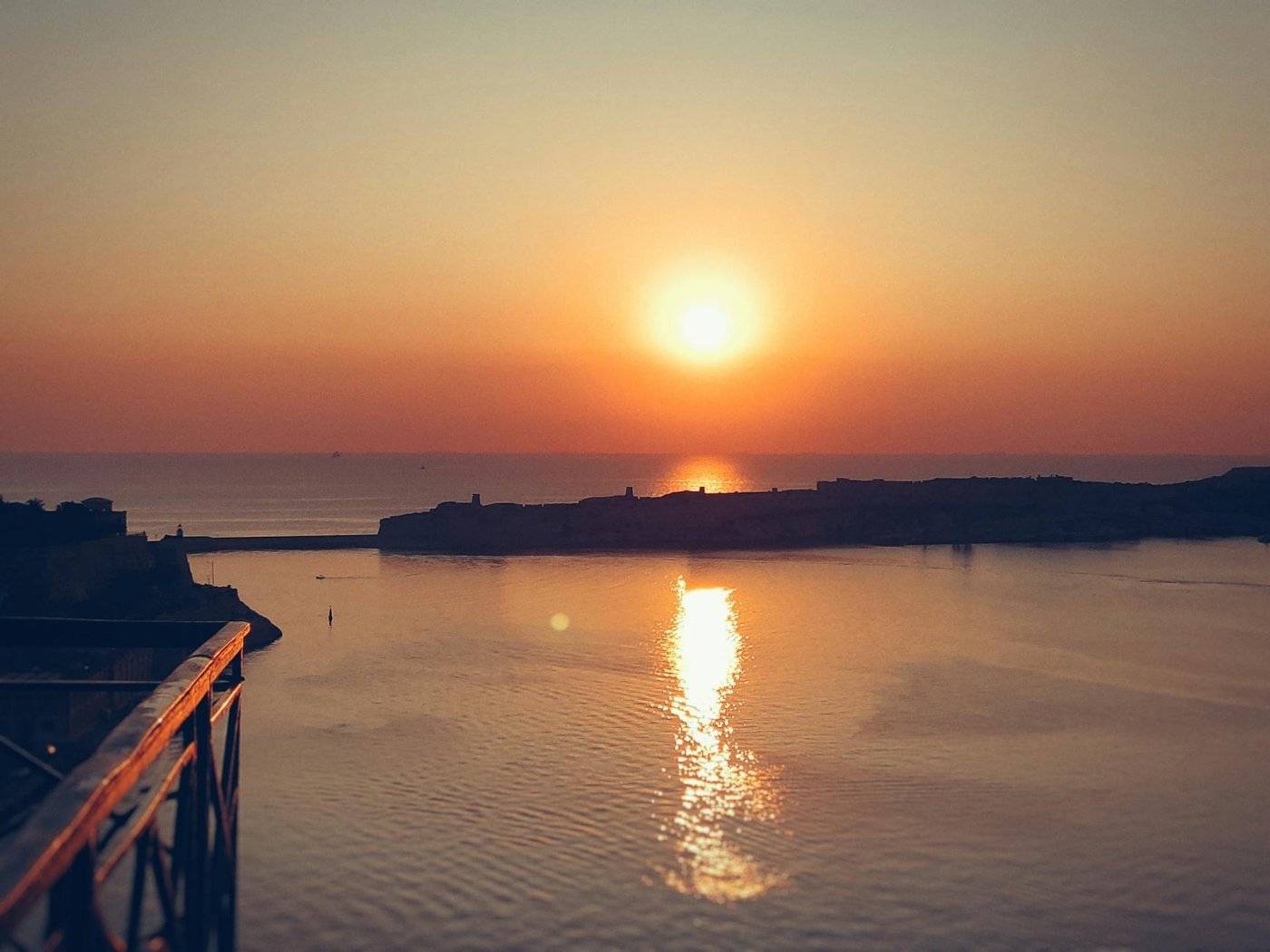
The southwestern coast around Nihiwatu beach is Sumba's luxury heartland, anchored by Nihi Sumba resort and its exclusive surf access, jungle spas, and treehouse villas. The surrounding coastline is wild and largely uninhabited, with some of the island's finest sunsets unfolding over the Indian Ocean every evening.
Cultural Capital
Waikabubak
West Sumba's main town is also its cultural heartbeat, with traditional kampungs — hilltop villages ringed by megalithic tombs — sitting just minutes from the market square. Waikabubak is the best base for visiting Marapu ceremonial sites and purchasing high-quality ikat directly from weaving families.
East Gateway
Waingapu
The island's largest town and eastern transport hub, Waingapu is a functional stopover rather than a destination, but the surrounding district offers some of Sumba's most celebrated ikat workshops and access to dramatic savannah landscapes stretching toward the eastern coastline.
Hidden Beach Belt
Weekuri & Mandorak
The far southwestern tip of the island holds two of Indonesia's most photogenic water features: Weekuri Lagoon, a tidal saltwater lake of impossible turquoise separated from the ocean by a thin limestone ridge, and Mandorak beach, a long sweep of white sand virtually never shared with another tourist.
Top things to do in Sumba
1. #1 Witness the Pasola Festival
The Pasola is Sumba's most extraordinary spectacle and one of the most viscerally compelling cultural events in Southeast Asia. Held each year in February and March in West Sumba — the exact dates determined by the appearance of nyale sea worms at dawn, which the Marapu priests read as a sacred signal — the ritual sees hundreds of riders on decorated horses dividing into rival clans and charging at full gallop across open fields while hurling spears. Originally intended to spill blood as an offering to ensure the harvest, modern Pasola still carries genuine danger and spiritual weight. The ceremony takes place in four districts — Lamboya, Kodi, Gaura, and Wanukaka — on different dates, meaning determined visitors can attend multiple rounds. Arriving with a knowledgeable local guide, dressing respectfully, and staying well back from the field during charges is essential.
2. #2 Explore Megalithic Kampungs
Sumba's traditional clan villages are living monuments to a pre-Hindu, pre-Christian worldview that has persisted despite centuries of external pressure. In kampungs like Tarung, perched above Waikabubak, and Praijing on its hilltop, towering ancestral rooftops called uma mbatangu loom over courtyards dominated by massive stone tombs — some moved into place within living memory using teams of a thousand villagers and no machinery. Each tomb is carved with motifs identifying the clan: horses, buffalo, and cockerels appear most frequently. Visitors should always seek permission before entering, bring a small gift of betel nut if offered by elders, and engage a local Sumbanese guide who can explain the Marapu cosmology behind each architectural choice. The combination of still-inhabited houses, ritual objects, and the sheer physical scale of the stone work is staggering.
3. #3 Surf Occy's Left & Remote Breaks
Sumba's surf credentials are built around Occy's Left, the powerful, barreling left-hand reef break that fronts Nihi Sumba resort and was named after Australian champion Mark Occhilupo. Access during peak season is restricted to resort guests — part of what justifies the room rates — but experienced surfers staying nearby can sometimes gain access through surf guide arrangements, and the broader coastline hides numerous alternatives. Nungu Left, further south along the Kodi coast, is a longer, more forgiving wave accessible without resort affiliation. The dry season months of May through October produce the most consistent swell, though the surrounding island is at its most beautiful and the Pasola runs in the wet season. Whichever break you target, always surf with local knowledge: Sumba's reefs are sharp and the Indian Ocean currents are serious.
4. #4 Trek to Lapopu & Waikacura Waterfalls
Sumba's interior is a landscape of teak woodland, fast-running rivers, and seasonal waterfalls that most visitors fly over without stopping. Lapopu Waterfall, located within the Manupeu-Tanah Daru National Park in central West Sumba, drops nearly 80 metres into a forested ravine and is reachable via a moderate two-hour trek through dense vegetation. The park is also home to the endemic Sumba hornbill and the cockatoo — both critically endangered and spectacular to encounter in the wild. Waikacura, further east along the south coast, requires a river crossing but rewards the effort with a multi-tiered cascade feeding directly onto a beach. Both sites are best visited in the green season between January and April when the rivers are full, the waterfalls are thundering, and the island's savannah glows an implausible shade of emerald.
What to eat in East Nusa Tenggara — the essential list
Se'i Sapi
Slow-smoked beef — sometimes substituted with pork — cured over smouldering kesambi wood, producing deeply flavoured, tender strips with a fragrant smokiness. This is the defining protein of East Nusa Tenggara and Sumba's most beloved everyday dish.
Jagung Bose
A thick, creamy porridge made from white maize cooked down with coconut milk and black-eyed peas until completely soft. Sumba's staple comfort food, it accompanies almost every meal and is deeply satisfying in its simplicity.
Manzo (Grilled Buffalo)
Water buffalo grilled over open hardwood coals and served with a fiery sambal goreng and steamed rice. At ceremonial events and family feasts, buffalo is the prestige protein — eating it in a Sumbanese home is an act of genuine hospitality.
Sate Kuda
Horse satay — small, tightly packed skewers of horsemeat charcoal-grilled and served with a sweet soy and chilli glaze. A distinctly Sumbanese delicacy that surprises visitors but speaks directly to the island's deep equestrian culture.
Ikan Bakar Kuning
Whole reef fish marinated in turmeric, galangal, and lemongrass paste then grilled over coconut husks until the skin crisps and the flesh stays moist. Served along the south coast with sambal matah and lime, this is Sumba at its most simply perfect.
Kafé Susu Sumbawa
Rich, sweet condensed-milk coffee served in small glasses, often poured from a height to create a light froth. The ritual of drinking kafé susu at a roadside warung while watching the morning market come alive is a small, essential Sumba pleasure.
Where to eat in Sumba — our top 4 picks
Fine Dining
Nio Restaurant, Nihi Sumba
📍 Nihiwatu, Pero Batang, West Sumba Regency
The flagship dining room at Nihi Sumba is built on a clifftop platform above the Indian Ocean, serving a daily-changing menu of sustainably sourced Indonesian and international dishes prepared by a team of resident chefs. The wine cellar is surprisingly deep, the service is impeccable, and the sunset view is non-negotiable.
Fancy & Photogenic
Maringi Sumba Boutique Hotel Restaurant
📍 Jl. Adhyaksa No.22, Waingapu, East Sumba
Waingapu's most stylish dining option occupies an open-sided pavilion within the Maringi Sumba property, serving thoughtfully executed Indonesian dishes with East Nusa Tenggara accents. The presentation is beautiful, the ikat-draped interior is deeply photogenic, and the cocktail menu is a genuine surprise.
Good & Authentic
Rumah Makan Sari Laut
📍 Jl. Sudirman, Waikabubak, West Sumba
A no-frills seafood canteen beloved by Waikabubak locals for its ferociously fresh ikan bakar, perfectly fried prawns, and bowls of steaming soto. Prices are a fraction of resort dining, the atmosphere is joyfully chaotic, and the sambal will clear your sinuses admirably.
The Unexpected
Kopi Darat Café
📍 Jl. Gajah Mada, Waikabubak, West Sumba
Tucked behind Waikabubak's market district, this small café run by young Sumbanese entrepreneurs serves excellent single-origin Flores coffee alongside homemade cakes and a short menu of Western comfort food. A rare spot for reliable espresso-based drinks and fast WiFi in West Sumba.
Sumba's Café Culture — top 3 cafés
The Institution
Warung Bu Haji
📍 Pasar Raya, Waikabubak, West Sumba
This market-edge warung has been serving the same combination of nasi campur, jagung bose, and sweet black coffee to Waikabubak residents for over thirty years. Arrive before eight in the morning to claim a seat and watch the town come alive around you — a genuine slice of Sumbanese daily life.
The Aesthetic Hub
Moniki Coffee & Roastery
📍 Jl. El Tari, Waingapu, East Sumba
Waingapu's coolest coffee stop roasts single-origin beans from Flores and Sumba's own highlands, serving pour-overs and cold brews alongside slices of local pandanus cake. The bare-concrete interior hung with ikat textiles has made this the go-to meeting point for the island's small creative community.
The Local Hangout
Café Lapangu
📍 Jl. Ahmad Yani, Waikabubak, West Sumba
A shaded terrace café popular with university students and young professionals, serving iced fruit juices, mie goreng, and a cheerfully eclectic playlist. The owner speaks good English and is an invaluable informal source of information about upcoming ceremonies and village visits.
Best time to visit Sumba
Jan
Feb
Mar
Apr
May
Jun
Jul
Aug
Sep
Oct
Nov
Dec
Peak Season (Jan–Apr & Dec) — Pasola festivals, green savannahs, full waterfalls, ideal for cultural immersionShoulder Season (Oct–Nov) — transitional weather, fewer crowds, good surf buildingDry Season (May–Sep) — best consistent surf but island turns brown, extreme heat, limited cultural events
Sumba events & festivals 2026
Whether you're planning around a specific celebration or simply want to know what's happening, this guide covers the best events and festivals in Sumba — from major annual traditions to cultural highlights worth timing your trip around.
February 2026religious
Pasola Festival — Lamboya & Kodi
The most dramatic things to do in Sumba in February centre on Pasola — hundreds of horseback warriors hurling spears across open fields in a sacred Marapu harvest ritual. The exact date is set by the arrival of nyale sea worms at dawn. Witnessing Pasola in Lamboya is among the most visceral cultural experiences in Southeast Asia.
March 2026religious
Pasola Festival — Gaura & Wanukaka
The second round of Pasola ritual battles sweeps through the Gaura and Wanukaka districts of West Sumba during March, offering travellers who missed February's rounds a second extraordinary opportunity. The Wanukaka plain produces some of the most photographically spectacular mounted charges of the entire festival calendar.
January 2026culture
Nyale Sea Worm Festival
Before Pasola begins, coastal villages gather at low tide to harvest nyale sea worms — the sacred signal that the harvest cycle has turned. Priests read the worms' colour and abundance as omens for the year ahead. A fascinating best Sumba festivals ritual for those interested in animist traditions.
August 2026culture
Sumba Hospitality Foundation Auction
An annual charity gala held at Nihi Sumba resort raising funds for local community healthcare and education programmes. The event attracts international philanthropists and is an opportunity to engage directly with the resort's social mission while enjoying Sumba's finest hospitality in a single evening.
October 2026music
Sumba Cultural Arts Week, Waingapu
The East Sumba Regency's annual cultural showcase brings traditional music — gongs, bamboo flutes, and call-and-response singing — alongside ikat weaving competitions and traditional dance performances to Waingapu's town square. A welcoming, unhurried community event that rarely appears on international travel itineraries.
April 2026culture
Wulla Poddu Harvest Ritual Season
The sacred bitter month of Wulla Poddu governs West Sumba clans with prohibitions on noise, outsiders, and celebration — a counterpoint to Pasola's exuberance. Marapu priests perform private ceremonies to thank ancestors for the harvest. Respectful observation with a knowledgeable guide offers deep cultural insight.
June 2026culture
Sumba Ikat Textile Fair, Waingapu
East Sumba's annual textile fair gathers master weavers from across the island to exhibit and sell ceremonial ikat cloths. Collectors and gallery buyers attend alongside tourists, and the quality on display — some pieces representing six months of labour — is extraordinarily high.
December 2026market
Waikabubak Christmas Market & Nativity
West Sumba's predominantly Christian population celebrates Christmas with candle-lit processions, open-air nativity tableaux performed in traditional Sumbanese dress, and market stalls selling seasonal foods and hand-woven gifts. A genuinely charming fusion of indigenous and Christian traditions on the main ceremonial square.
September 2026culture
Sumba Equestrian Parade, Waikabubak
Local horsemen in traditional regalia parade through Waikabubak in a celebration of Sumba's deep equestrian identity. Decorated ponies, ceremonial textiles, and the sound of gongs create an atmosphere that bridges the island's past and its living cultural present.
November 2026culture
Green Season Opening, Nihi Sumba
Each November, Nihi Sumba celebrates the return of the rains with a season-opening programme of cultural excursions, Marapu village introductions, and new guided experiences across West Sumba. The savannah greens almost overnight, waterfalls revive, and the island transforms from ochre to emerald within days.
By air: Sumba is served by two airports: Tambolaka (TMC) in West Sumba and Umbu Mehang Kunda (WGP) in Waingapu on the east. Both receive daily connections from Bali's Ngurah Rai International Airport on Garuda Indonesia, Batik Air, and Wings Air, with typical flight times of 60 to 90 minutes. International travellers should plan a Bali connection as the standard routing.
From the airport: Nihi Sumba resort arranges private transfers from Tambolaka Airport, which take approximately 90 minutes along a scenic coastal road and are included in premium booking packages. Independent travellers can hire a car with driver from the airport at around IDR 400,000–600,000 per day — essential given Sumba's limited public transport. Taxis and ojeks (motorcycle taxis) cover short distances in Waikabubak and Waingapu but are unreliable for longer island journeys.
Getting around the city: Sumba has no urban public transport system worth relying on for travellers. The standard and strongly recommended approach is to hire a private car with an experienced local driver for the duration of your stay — costs range from IDR 450,000 to 700,000 per day and a good driver doubles as a cultural guide. Scooter rental is available in Waikabubak and Waingapu at around IDR 80,000–100,000 per day for confident riders, though roads outside towns are unpaved, steep, and shared with horse-drawn carts.
Transport Safety & Scam Prevention:
Agree all driver rates upfront: Car hire prices in Sumba are unmetered and negotiated in advance. Always confirm the day rate, whether fuel is included, and the geographic range before departing — misunderstandings about overnight stays or long-distance drives are the most common source of disputes.
Never pay full ikat price at first offer: Textile traders in Waingapu's market pitch initial prices at two to three times the expected sale price. Gentle, respectful negotiation is normal and expected; walking away slowly is often the most effective tactic and rarely causes offence.
Check resort inclusions carefully: Nihi Sumba's rates are all-inclusive but define 'inclusive' specifically — certain surf access slots, spa treatments, and off-property excursions carry additional charges. Read the inclusions matrix before arrival to avoid surprise billing at checkout.
Do I need a visa for Sumba?
Visa requirements for Sumba depend on your nationality. Select your passport below for an instant answer — based on the Passport Index dataset for entry into Indonesia.
ℹ️ Indicative only. Always verify with the official consulate before booking. Data: Passport Index, April 2026.
For detailed requirements, documentation checklists and processing times by nationality: TravelDoc →
Search & Book your trip to Sumba
Find the best flight routes and hotel combinations using our partner Kiwi.com.
Frequently Asked Questions
Is Sumba safe for tourists?
Sumba is generally a safe destination for travellers. Violent crime against tourists is extremely rare, and Sumbanese people are known across Indonesia for their warm hospitality toward respectful visitors. The primary safety considerations are practical rather than criminal: roads are poor and poorly lit, driving at night is genuinely dangerous, and the Pasola festival involves real spears and real physical risk if you stray too close to the field. Travel with a competent local driver, follow guide instructions at ceremonial events, and carry basic first-aid supplies — medical facilities on the island are limited and serious cases require evacuation to Bali or Kupang.
Can I drink the tap water in Sumba?
Tap water in Sumba is not safe to drink and should be avoided for drinking, brushing teeth, and rinsing food. Bottled water is widely available and inexpensive throughout the island. Nihi Sumba and other quality properties provide filtered water in reusable bottles as standard. In remote villages far from town, carry your own supply — water sources can be compromised during the dry season between May and October when rivers run low and contamination risk increases.
What is the best time to visit Sumba?
The best time to visit Sumba is between January and April, when the island is at its most visually spectacular — the savannah glows green, waterfalls run at full power, and the extraordinary Pasola ritual festivals take place in February and March. This period coincides with the wet season, meaning short afternoon rain showers are possible, but they rarely last long and the landscape compensation is enormous. Surfers seeking consistent swell at Occy's Left should consider May through October when the Indian Ocean delivers its most reliable breaks, though the island turns brown and cultural events are fewer.
How many days do you need in Sumba?
A minimum of seven days allows you to cover both West and East Sumba meaningfully — three to four days based in the Nihiwatu area for coastal experiences and megalithic villages, followed by two to three days in or around Waingapu for the ikat trail and eastern kampungs. Ten days is the ideal Sumba itinerary for travellers who want to attend a Pasola event, complete the national park trek, experience a full weaving village visit, surf multiple breaks, and still allow for genuine rest. Two or three nights at Nihi Sumba alone is genuinely worthwhile as a standalone luxury experience, but scratch the surface of Sumba properly and you will wish you had stayed longer.
Sumba vs Flores — which should you choose?
Sumba and Flores are both extraordinary East Nusa Tenggara islands but they serve very different traveller needs. Flores is more accessible, more infrastructurally developed, and better known — it offers Komodo dragon trekking, Kelimutu's crater lakes, and a well-worn backpacker trail. Sumba is harder to reach, significantly more expensive to do properly, and culturally more singular — the Marapu belief system, Pasola festivals, and megalithic landscape exist nowhere else on earth. If you want dramatic nature with a mix of budget accommodation options, choose Flores. If you want one of the most culturally profound and luxuriously immersive island experiences in Southeast Asia, Sumba is in a category of its own.
Do people speak English in Sumba?
English proficiency in Sumba is limited outside of resort environments. At Nihi Sumba and quality boutique properties, staff speak good to excellent English. In Waikabubak and Waingapu, younger Indonesians and market traders typically manage basic transactional English. In traditional kampungs, the local Sumbanese language and Bahasa Indonesia predominate almost exclusively. Learning a handful of Bahasa Indonesia phrases — saya mau (I would like), terima kasih (thank you), berapa harganya (how much) — makes a significant positive impression and is deeply appreciated by village hosts. All quality cultural tours include an English-speaking guide, which is strongly recommended for meaningful village visits.
★ Hidden Gems Weekly
Like this? One place per week, in your inbox.
No spam, no fluff — just one underrated destination, every Tuesday.
Hand-picked and verified by Max, who founded Vacanexus from Luxembourg in 2026. No sponsorships, no paid placements. Every recommendation — restaurants, neighbourhoods, things to do — is selected for authenticity over popularity.