Nature & Adventure · New Zealand · South Island 🇳🇿
Wanaka Travel Guide — Where the Southern Alps meet a lake of impossible blue
⏱ 11 min read📅 Updated 2026💶 €€€ Comfort✈️ Best: May–Sep
NZ$200–400/day
Daily budget
Jun–Sep (ski) / Dec–Feb (hiking)
Best time
4–7 days
Ideal stay
NZD
Currency
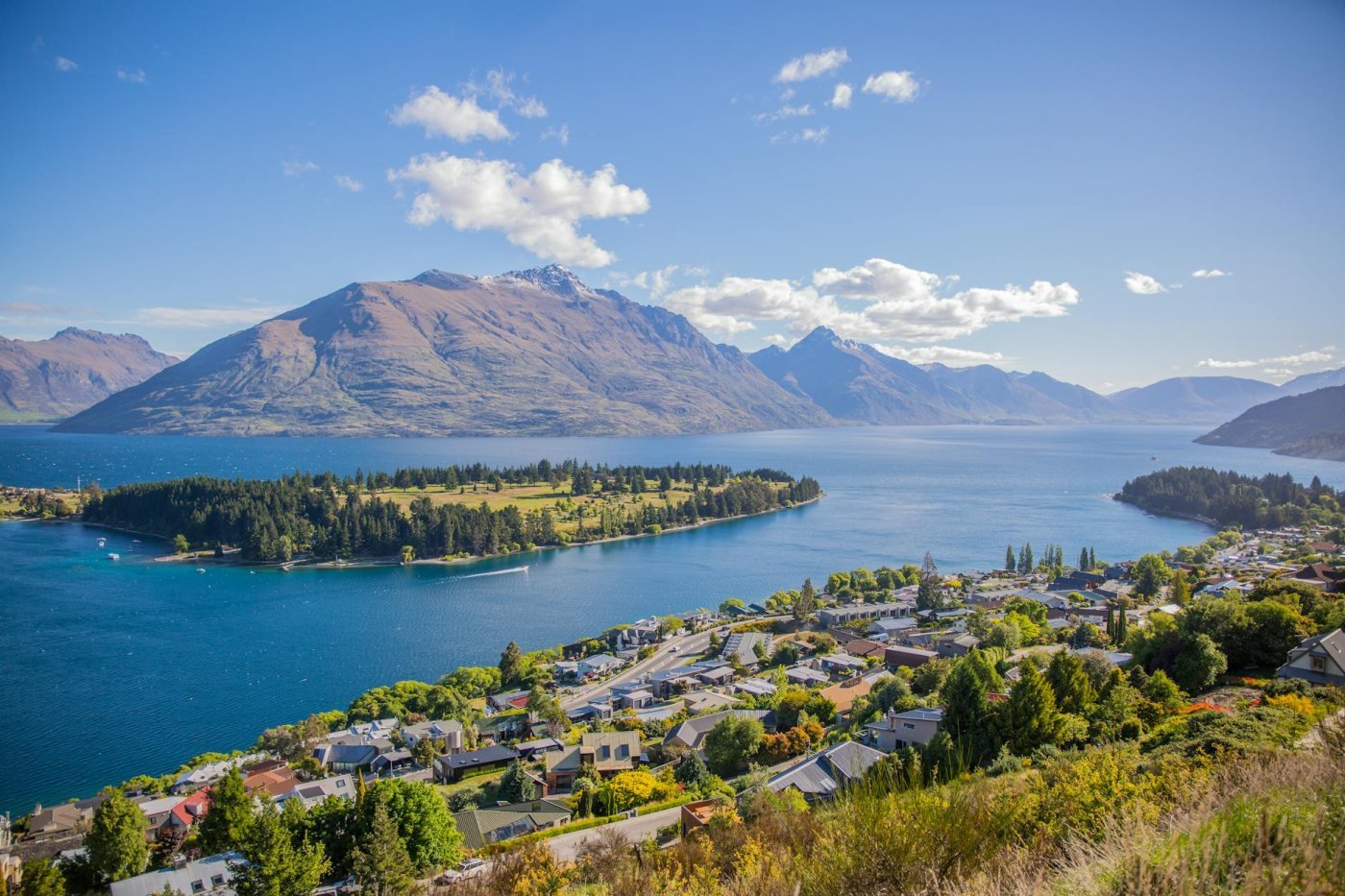
Wanaka arrives like a slow exhale — glacier-fed lake glittering under the Buchanan Peaks, the scent of pine drifting off Mount Aspiring National Park, and the unhurried tick of a town that has never quite rushed itself. That famous lone willow stands knee-deep in the shallows, its reflection shimmering in water so clear you can count the stones on the lakebed. Street corners in Wanaka smell of fresh pastry and good coffee, and the sky above is the kind of hard cobalt blue that makes every photograph look edited. This is where New Zealand's South Island reveals its most quietly spectacular self.
Visiting Wanaka feels categorically different from its louder neighbour Queenstown, just 68 kilometres south — the bars close earlier, the scenery is equally jaw-dropping, and nobody is trying to sell you a bungee jump at breakfast. Things to do in Wanaka range from dawn ridge-lines on Roy's Peak to afternoon wine flights in the Bannockburn cellar doors, from powder runs on Cardrona's groomed slopes to paddleboarding along the lakeshore at golden hour. It draws hikers, skiers, families, and anyone who wants a bespoke South Island itinerary that prioritises wonder over spectacle. Wanaka is not a secret anymore, but it still feels like one.
✦ Find your perfect destination
Is Wanaka really your perfect match?
Answer 12 quick questions about your travel style, budget and dates — we match you with the destinations that fit you best, from 600+ worldwide.
Wanaka earns its place on any serious New Zealand travel list not through marketing but through sheer physical drama. The town sits at 278 metres above sea level on the southern shore of Lake Wanaka, with Mount Aspiring National Park — a UNESCO World Heritage site — beginning practically at its doorstep. In winter, Wanaka transforms into one of Australasia's most charming ski towns; in summer, the same mountains become a playground for trekkers and trail runners. The food and wine scene has matured considerably, and accommodation ranges from boutique lodges perched above the lake to cosy self-contained apartments two minutes from the waterfront.
The case for going now: Wanaka's profile has risen sharply since That Wanaka Tree went globally viral, yet the town has invested wisely in infrastructure without sacrificing its small-community character. New direct flight connections from Australian east-coast cities mean reaching Wanaka is easier than ever, and the New Zealand dollar remains historically favourable for European visitors, stretching luxury budgets considerably further than comparable Alpine destinations. Go now, before the pipeline of boutique hotel projects currently under development tips the balance irreversibly toward crowds.
🏔️
Roy's Peak Summit
The 16 km return ridge walk to Roy's Peak delivers the South Island's most photographed panorama — 360-degree views of Lake Wanaka, the Buchanan Peaks, and Mount Aspiring on clear days. Start before dawn to beat the queue at the iconic photo ledge.
⛷️
Cardrona Skiing
Cardrona Alpine Resort, 34 km from Wanaka, offers wide groomed runs, reliable snow, and a legendary après-ski scene at the historic Cardrona Hotel. It consistently ranks among New Zealand's best ski areas for families and intermediate riders.
🌳
That Wanaka Tree
A single, photogenic willow growing in the shallows of Lake Wanaka has accumulated millions of social media appearances. Visit at first light when the lake is glassy and the Southern Alps frame the scene in pink alpenglow — the difference is extraordinary.
🍷
Central Otago Wine
The Bannockburn and Cromwell wine sub-regions, under an hour from Wanaka, produce some of the world's southernmost pinot noir. Boutique cellar doors like Felton Road offer tasting flights in settings so scenic the wine almost plays second fiddle.
Wanaka's neighbourhoods — where to focus
Town Centre
Wanaka Lakefront
The beating heart of the town, where Ardmore Street café terraces face directly onto the lake. Cruise hire, paddleboard rental, and the majority of Wanaka's best restaurants sit within a compact ten-minute walk. In summer, the lakefront lawn fills with picnickers; in winter, it's a quiet, frost-edged promenade.
Residential & Café Strip
Pembroke
Named after the historic station that predated the town, Pembroke is where locals actually live, shop at the Saturday farmers' market, and grab coffee without the tourist premium. A handful of outstanding independent bakeries and a laid-back atmosphere make it the preferred morning territory for repeat visitors to Wanaka.
Adventure Base
Cardrona Valley
The road between Wanaka and the Cardrona ski resort winds through a tawny river valley that is spectacular in all seasons — golden in autumn, snow-dusted in winter, wildflower-scattered in spring. The valley is home to the legendary Cardrona Hotel, distilleries, and the starting point for several mountain-bike trails.
Lakeside Retreat
Hawea
Lake Hawea sits just 15 km north of Wanaka, separated from its larger neighbour by a narrow strip of land called The Neck. The small community here is quieter still, with a DOC campsite directly on the turquoise shore and access to the Lake Hawea Track — a multi-day walking trail through genuinely remote high country.
Top things to do in Wanaka
1. Hike Roy's Peak at Sunrise
Roy's Peak is the defining Wanaka experience and deserves planning worthy of a small expedition. The trailhead sits 6 km west of town on the Mount Aspiring Road, and the 16 km return route climbs 1,200 metres of elevation through open tussock farmland before reaching an exposed ridge with unobstructed views over Lake Wanaka and, on clear winter mornings, the distant gleam of Mount Aspiring. The famous photograph ledge, a rocky outcrop about 400 metres below the true summit, draws the most attention — arrive by 7 a.m. in summer to avoid a half-hour queue. Carry at least 2 litres of water, poles for the descent, and layers, because the ridge is fully exposed to the prevailing westerly. The track is closed to hikers during lambing season from October 1 to November 10 each year.
2. Ski or Snowboard Cardrona
Cardrona Alpine Resort operates from mid-June to mid-October and is the centrepiece of any Wanaka winter itinerary. Four high-speed quad chairlifts access 345 hectares of terrain spread across broad, well-groomed cruising runs that suit beginners and intermediates, while the half-pipe and terrain park attract a dedicated freestyle crowd. Snow reliability is exceptionally good by Australasian standards, thanks to the resort's 1,670-metre base elevation and a snowmaking system that covers 60% of terrain. Day passes for European visitors are excellent value compared to equivalent Alpine resorts. After the lifts close, detour to the Cardrona Hotel on the valley road — a gold-rush-era pub with an outdoor fire pit that has been warming skiers since 1863. Book ski hire in Wanaka town the evening before to avoid resort-price premiums.
3. Explore Mount Aspiring National Park
Mount Aspiring National Park covers 3,555 square kilometres of UNESCO World Heritage wilderness beginning just west of Wanaka, and it offers a range of day walks that require nothing more than good footwear and a packed lunch. The most accessible introduction is the Makarora River and Blue Pools Walk — a 45-minute return track through ancient red beech forest to a pair of glacier-blue pools where the current is hypnotic but swimming is genuinely cold. For something more committed, the Rob Roy Glacier Track (10 km return, 3–4 hours) leads through a dramatic hanging valley to a viewpoint beneath an active glacier face where ice regularly calves with a sound like distant thunder. In summer, guided mountaineering courses based out of Wanaka take intermediate alpinists up towards Mount Aspiring itself — 3,033 metres of snow-capped ambition visible from the town's streets on fine days.
4. Paddleboard the Lake at Golden Hour
Lake Wanaka covers 192 square kilometres and reaches depths of 311 metres, and experiencing it from water level is a completely different proposition from the lakefront lawn. Several operators on Ardmore Street rent stand-up paddleboards and kayaks by the hour, and the most rewarding window is the final 90 minutes before sunset when the Buchanan Peaks catch light and the water shifts between shades of pewter, copper, and deep indigo. Paddle east toward That Wanaka Tree for a perspective no tripod can replicate. For those who prefer guided experiences, lake cruises aboard historic vessels run year-round and include commentary on the geology of the surrounding mountains. Water temperature peaks at around 18°C in February — cool but swimmable — while winter paddling is reserved for the hardy, though the reflections on calm mornings are arguably the year's most beautiful.
What to eat in Central Otago — the essential list
Central Otago Pinot Noir
The world's southernmost commercial pinot noir growing region produces wines of extraordinary elegance — silky, cherry-forward, and underlaid with a mineral quality unique to the schist soils. Visit cellar doors around Bannockburn for the full experience with a view.
Whitebait Fritter
A South Island institution — tiny, translucent freshwater fish bound in egg batter and fried until just golden. Whitebait is seasonal (August–November), fiercely local, and treated with near-religious seriousness by New Zealanders. Order one as a simple sandwich on white bread with lemon.
Horopito Lamb Rack
Wanaka restaurants frequently rub locally reared high-country lamb with horopito, a native pepper leaf with a warm, eucalyptus-edged bite. Paired with roasted root vegetables and Central Otago pinot, it is one of New Zealand's most satisfying regional pairings.
Fergburger-Style Gourmet Burger
The South Island's gourmet burger culture has reached Wanaka with Burgr — towering stacks of free-range beef, sharp cheddar, house pickles, and house-made sauces on brioche buns. It is the après-hike meal the Roy's Peak descent demands and rarely disappoints.
Merino Venison
Wild-harvested or farm-raised South Island venison is lean, dark, and deeply flavoured — often served as a medallion with cherry jus and celeriac purée at Wanaka's more ambitious restaurants. It reflects the high-country hunting heritage of the Otago region.
Hokey Pokey Ice Cream
New Zealand's most beloved ice-cream flavour — vanilla base studded with nuggets of crunchy toffee — is available at Wanaka's lakefront dairies and makes the perfect reward after an afternoon on the water. It is more addictive than any reasonable person is prepared to admit.
Where to eat in Wanaka — our top 4 picks
Fine Dining
Ritual Cuisine
📍 110 Ardmore Street, Wanaka
Ritual is Wanaka's most considered dining room — a compact, reservation-essential space serving a modern New Zealand tasting menu that changes with the seasons. Expect horopito-cured salmon, high-country venison, and a Central Otago wine list curated with evident obsession. The lakeside setting through the rear windows elevates every course.
Fancy & Photogenic
Francesca's Italian Kitchen
📍 93 Ardmore Street, Wanaka
Set in a converted heritage building with exposed stone and candlelight, Francesca's serves housemade pasta and wood-fired dishes that would not embarrass a Bologna osteria. The pappardelle with braised Otago rabbit and the tiramisu made in-house daily are the headline acts. Book ahead — this place fills fast.
Good & Authentic
Kika
📍 Helwick Street, Wanaka
Kika occupies a relaxed corner space and specialises in sharing-plate New Zealand cuisine with strong local sourcing credentials. The lamb ribs with tahini and the roasted beet and feta board are perennial favourites. The all-day format means it works equally well for a long lunch after a morning hike.
The Unexpected
The Doughbin Bakery
📍 19 Dunmore Street, Wanaka
A pre-dawn pilgrimage destination for anyone catching the sunrise from Roy's Peak, The Doughbin opens at 5 a.m. and produces the South Island's most criminally good filled croissants, sourdough loaves, and savoury scrolls. The queue at 6 a.m. is real and entirely justified. Take provisions for the trail.
Wanaka's Café Culture — top 3 cafés
The Institution
Federal Diner
📍 4 Dungarvon Street, Wanaka
Federal Diner has been the morning anchor of Wanaka's food scene for over a decade — a warmly lit, wood-panelled room serving single-origin filter coffee and a breakfast menu where the smashed avocado came long before it was trendy. The house-roasted granola with Central Otago stone fruit is outstanding in summer.
The Aesthetic Hub
Amigos
📍 78 Ardmore Street, Wanaka
Amigos occupies a glass-fronted lakeside space with the kind of light that makes every flat white look gallery-worthy. The menu leans toward South American-influenced all-day brunch — think smoky black beans and fried eggs alongside excellent specialty coffee. It is the Wanaka café most likely to appear in your Instagram feed unprompted.
The Local Hangout
Red Star Burgers & Bar
📍 Helwick Street, Wanaka
Less café, more neighbourhood cornerstone, Red Star has been operating since the early 2000s and retains an authentically local clientele. By day it serves reliably good flat whites and cabinet food; by late afternoon it quietly morphs into a craft-beer-and-burger destination popular with locals returning from the trails.
Best time to visit Wanaka
Jan
Feb
Mar
Apr
May
Jun
Jul
Aug
Sep
Oct
Nov
Dec
Peak Season (Jun–Sep) — Best skiing at Cardrona, crisp mountain air, dramatic snow-dusted landscapesShoulder Season (May, Oct) — Quieter trails, vivid autumn colour, good value accommodationSummer & Early Autumn (Nov–Apr) — Excellent hiking and water sports but warmer and busier
Wanaka events & festivals 2026
Whether you're planning around a specific celebration or simply want to know what's happening, this guide covers the best events and festivals in Wanaka — from major annual traditions to cultural highlights worth timing your trip around.
June 2026culture
Wanaka A&P Show
One of the It draws genuine working farmers alongside curious visitors and is refreshingly uncommercialised.
June 2026culture
Cardrona Season Opening
Cardrona Alpine Resort officially opens its lifts in mid-June with a celebratory weekend of discounted passes, live music at the base area, and the first powder runs of the season. Wanaka fills with returning ski regulars and the atmosphere in town is noticeably festive throughout the opening weekend.
July 2026music
Wanaka Winter Festival
Running across multiple weekends in July, the Wanaka Winter Festival brings live music acts to lakefront venues, outdoor movie screenings, fireworks over the lake, and community competitions including the legendary Birdman contest — a crowd favourite where competitors launch homemade contraptions off a jetty.
August 2026culture
NZ Alpine Club Wanaka Gathering
A gathering of New Zealand's mountaineering community held annually in Wanaka, with slide shows, guided peak identification walks, and public lectures on Mount Aspiring expeditions.
September 2026culture
Warbirds Over Wanaka
Held every even year at Wanaka Airport, Warbirds Over Wanaka is one of the Southern Hemisphere's premier airshows, drawing vintage aircraft from across the Pacific Rim. In alternating years, the Wanaka International Airshow Preview Weekend keeps the aviation energy alive with smaller displays and static aircraft exhibitions.
October 2026culture
Rippon Festival
The Rippon Festival takes place every two years on the stunning Rippon vineyard amphitheatre above Lake Wanaka, combining world-class live music with biodynamic wine. The lakeside setting surrounded by autumn-coloured vines makes it genuinely one of the most beautiful music venues on earth — tickets sell out months in advance.
November 2026culture
Wanaka Running Festival
A multi-distance trail and road running festival set against the backdrop of the Buchanan Peaks, drawing runners from across Australasia for a 5 km lakefront fun run through to a 60 km ultra-trail route into the mountains. Non-runners enjoy the festival village and finish-line atmosphere on the waterfront.
February 2026market
Pembroke Farmers Market Summer Edition
The Pembroke Farmers Market expands in February to a larger outdoor format featuring Central Otago stone fruit, artisan cheeses, local honey, and small-producer wines. It is the most authentic way to understand the region's food culture and runs every Saturday morning year-round in a smaller form.
March 2026culture
Lake Wanaka SUP Classic
An annual stand-up paddleboard race on Lake Wanaka that draws competitive and recreational paddlers from across New Zealand. The race follows the lakefront in both sprint and long-course formats, with the stunning Southern Alps as a backdrop — spectating from the Ardmore Street waterfront is free and highly recommended.
April 2026culture
Central Otago Pinot Noir Celebration
Held across the Bannockburn and Cromwell wine sub-regions within driving distance of Wanaka, this annual celebration of Central Otago's benchmark grape variety includes winemaker dinners, barrel tastings, and vineyard walks during the spectacular copper and gold of the autumn harvest season. Wanaka serves as a natural accommodation base.
Holiday park or hostel dorm, self-catering most meals, free DOC walks, limited paid activities.
€€ Mid-range
NZ$180–280/day
Boutique B&B or apartment, restaurant dinners most nights, one ski day, cellar door visits.
€€€ Luxury
NZ$400+/day
Lodge accommodation with lake views, guided mountaineering or heli-skiing, fine dining nightly, premium wine.
Getting to and around Wanaka (Transport Tips)
By air: Wanaka has a small regional airport (WKA) with limited scheduled services. The practical gateway for international and most domestic travellers is Queenstown Airport (ZQN), 68 kilometres south via State Highway 6. Auckland, Wellington, and Christchurch all connect to Queenstown with frequent daily Air New Zealand flights, and several Australian east-coast cities offer direct seasonal services.
From the airport: From Queenstown Airport to Wanaka, the most flexible option is a rental car — collected at the airport and driven via the scenic Cardrona Valley road or the faster SH6 lake route, both taking around an hour. Intercity shuttle buses operate several daily services between Queenstown and Wanaka for around NZ$35 per person and drop directly at the town centre. Taxis and rideshares are available but expensive for the 68 km distance.
Getting around the city: Wanaka is small enough that the lakefront, most restaurants, and the main trailheads are walkable from central accommodation. A bicycle — available for hire from several operators on Ardmore Street — covers the broader town efficiently. A rental car is essential for Cardrona ski days, national park walks, and wine country excursions. Uber does not operate in Wanaka; local taxi services should be pre-booked through accommodation.
Transport Safety & Scam Prevention:
Unlicensed Airport Transfers: Some private operators advertising at Queenstown Airport are unlicensed and lack insurance. Use pre-booked shuttle companies with named branding (Connectabus, Alpine Transfers) or book through your accommodation for verified rates and reliable vehicles.
Rental Car Excess Insurance: New Zealand rental companies charge aggressively for damage excess reduction on gravel roads, which are common on national park routes near Wanaka. Check whether your European travel insurance or credit card covers New Zealand rental car excess before paying the counter premium, which can double the daily rate.
Booking Roy's Peak 'Guided Tours': Roy's Peak is a free, well-marked public DOC track requiring no guide. Several operators charge premium fees for guided versions of a walk anyone can do independently with a DOC trail map, free at the Wanaka i-SITE visitor centre. Save your guided-experience budget for the Rob Roy Glacier track, where a local guide genuinely adds value.
Do I need a visa for Wanaka?
Visa requirements for Wanaka depend on your nationality. Select your passport below for an instant answer — based on the Passport Index dataset for entry into New Zealand.
ℹ️ Indicative only. Always verify with the official consulate before booking. Data: Passport Index, April 2026.
For detailed requirements, documentation checklists and processing times by nationality: TravelDoc →
Search & Book your trip to Wanaka
Find the best flight routes and hotel combinations using our partner Kiwi.com.
Frequently Asked Questions
Is Wanaka safe for tourists?
Wanaka is exceptionally safe and consistently ranks among New Zealand's most welcoming communities for international visitors. The town has negligible street crime, and the main safety considerations are environmental rather than social — mountain weather changes fast, and trampers should register intentions with DOC before entering the backcountry. The lakefront at night is calm, well-lit, and used by locals of all ages. Standard travel precautions — securing valuables in hire cars, not leaving gear unattended at trailheads — apply as they would anywhere in New Zealand.
Can I drink the tap water in Wanaka?
Yes, Wanaka's town water supply is treated and safe to drink directly from the tap — it is some of the cleanest municipal water in New Zealand, sourced from the surrounding catchment. Bottled water is therefore an unnecessary expense in the town itself. If you are tramping or camping in Mount Aspiring National Park, treat or filter water from natural sources regardless of how clear it appears, as Giardia is present in New Zealand waterways.
What is the best time to visit Wanaka?
The best time to visit Wanaka genuinely depends on what you want to do. June through September is peak ski season at Cardrona, with snow-dusted landscapes and a festive winter atmosphere in town — ideal for skiers and those wanting dramatic mountain scenery. December through February brings long summer days, warm lake temperatures perfect for paddleboarding, and the best conditions for hiking Roy's Peak and the Rob Roy Glacier Track. April and May offer spectacular Central Otago autumn colour in the vineyards with far fewer visitors and excellent accommodation value. There is no bad month to visit Wanaka.
How many days do you need in Wanaka?
A minimum of four days in Wanaka allows you to hike Roy's Peak, spend a full day at Cardrona, complete at least one national park walk, and have time to explore the lakefront and cellar doors without feeling rushed. Seven days opens up Lake Hawea, a wine country day trip to Bannockburn, and the option of a guided mountaineering experience or multi-day trail. Ten days is ideal for deep immersion — covering the full range of activities across both summer and winter versions of Wanaka. Most European visitors combine Wanaka with a Queenstown base for a South Island itinerary of ten to fourteen days total.
Wanaka vs Queenstown — which should you choose?
Wanaka and Queenstown are 68 kilometres apart and share the same dramatic Otago mountain scenery, but they feel categorically different. Queenstown is louder, more commercial, and better for organised adventure tourism — bungee jumping, jet boating, and a larger après-ski bar scene. Wanaka is quieter, more community-oriented, and rewards those who want to engage more deeply with hiking, skiing, and the natural environment at their own pace. Families, couples, and solo travellers seeking meaningful outdoor experiences without the Queenstown premium typically find Wanaka more satisfying. Many visitors base themselves in Wanaka and take a single day trip to Queenstown rather than the reverse.
Do people speak English in Wanaka?
English is New Zealand's primary language and the only language you will need in Wanaka. All signage, menus, transport information, and DOC trail maps are in English. Staff in restaurants, accommodation, and outdoor equipment rental shops are universally helpful and accustomed to assisting international visitors. The New Zealand accent is distinctive but poses no real comprehension challenge for European English speakers. A few common local terms are worth knowing: a 'bach' is a holiday cottage, 'sweet as' means everything is fine, and 'tramping' is what New Zealanders call hiking.
★ Hotel guide
Where to stay in Wanaka
7+ hand-picked hotels across luxury, mid-range and budget — verified by Max.
Hand-picked and verified by Max, who founded Vacanexus from Luxembourg in 2026. No sponsorships, no paid placements. Every recommendation — restaurants, neighbourhoods, things to do — is selected for authenticity over popularity.