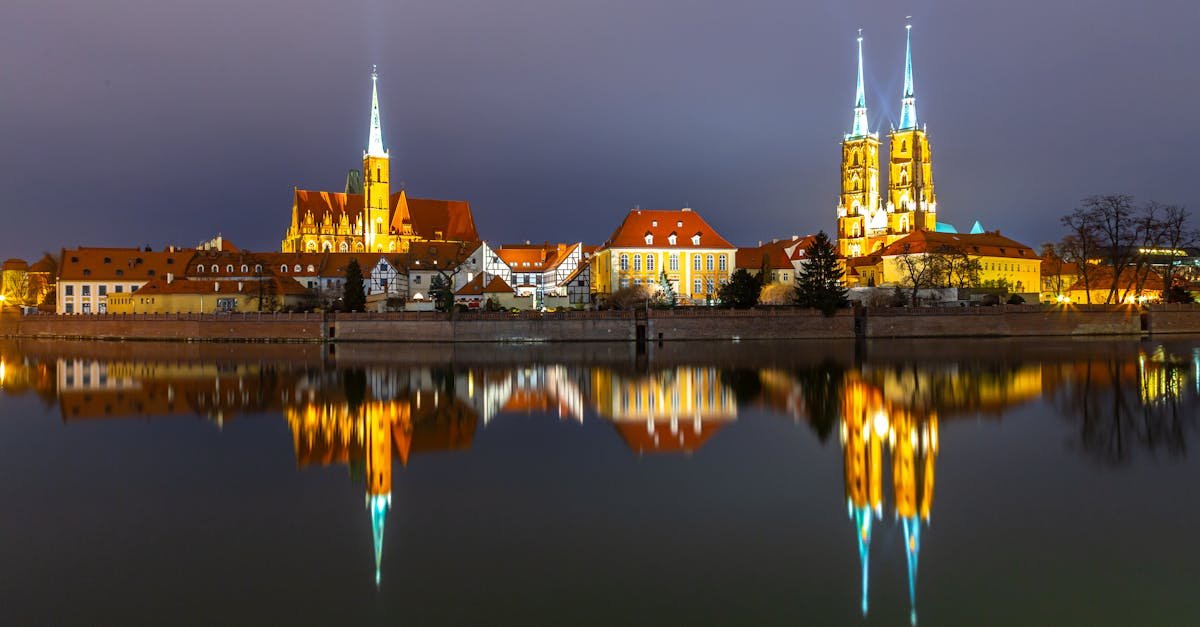
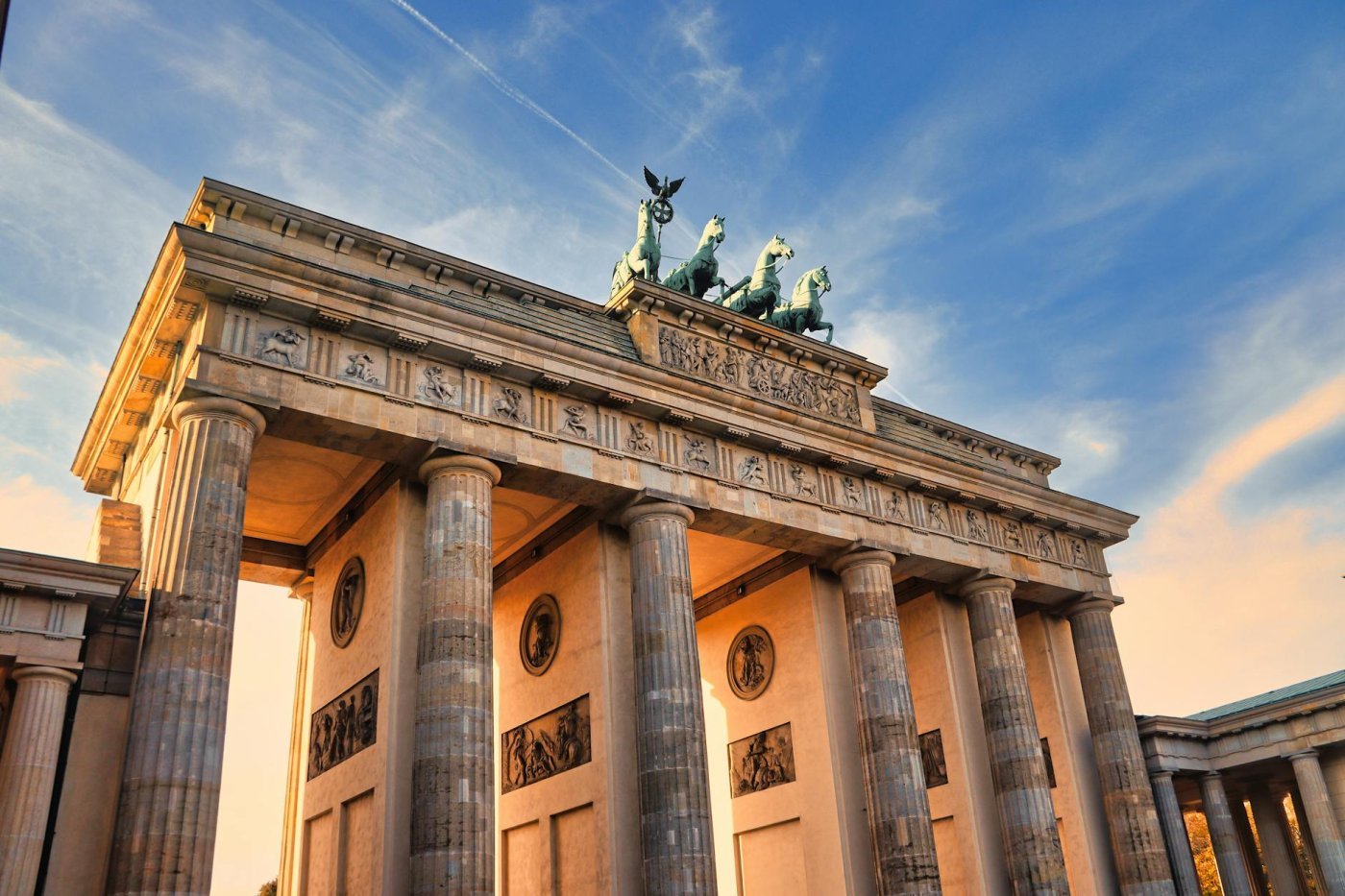
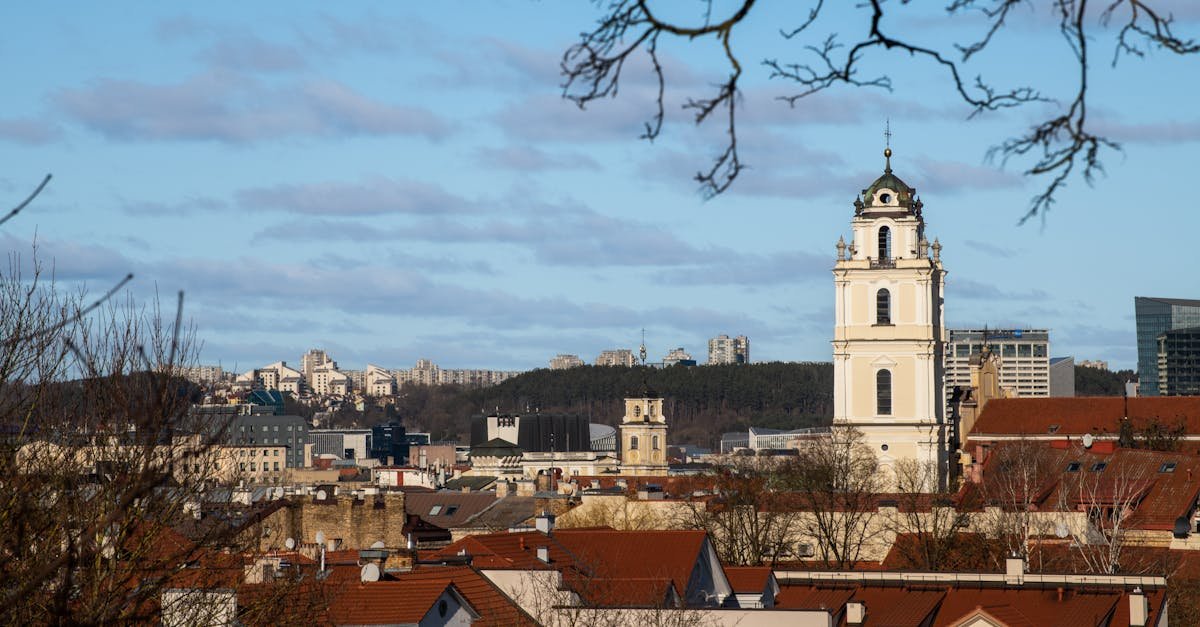
Warsaw Travel Guide — Warsaw is Europe's most defiantly alive
⏱ 11 min read📅 Updated 2026💶 €€ Mid-range✈️ Best: Apr–Sep
€50–120/day
Daily budget
Apr–Sep
Best time
5–7 days
Ideal stay
PLN (złoty)
Currency
Warsaw announces itself through contradiction. Step off the train and you are immediately confronted with the Palace of Culture and Science — a Stalinist skyscraper gifted by the Soviet Union — rising absurdly above a skyline that now includes gleaming startup towers of glass and steel. The streets smell of fresh żurek soup drifting out from milk bars, while a few blocks away DJs spin techno until dawn in basements that were once bomb shelters. Warsaw does not hide its wounds; it wears them as decoration, then builds something astonishing on top. Few European capitals carry this electric mix of historical trauma and unapologetic creative energy, making Warsaw one of the most genuinely surprising cities on the continent.
Visiting Warsaw means engaging with a city that was 85 percent destroyed during World War II and methodically rebuilt, brick by brick, from old paintings and collective memory. Unlike Kraków — preserved and picturesque by fate — Warsaw earned every cobblestone through sheer stubbornness. Things to do in Warsaw range from deeply affecting Holocaust memorials and Warsaw Uprising museums to Chopin recitals in Łazienki Park and a thriving bar scene that rivals Berlin for creativity. The city draws design nerds, history buffs, gourmands willing to eat pierogi for breakfast, and budget travelers who can hardly believe how far the euro stretches here. Warsaw is not a postcard destination; it is a place that demands — and rewards — genuine curiosity.
✦ Find your perfect destination
Is Warsaw really your perfect match?
Answer 12 quick questions about your travel style, budget and dates — we match you with the destinations that fit you best, from 600+ worldwide.
Warsaw belongs on every serious traveler's shortlist for reasons that go well beyond price. The Warsaw Rising Museum is among the most emotionally powerful institutions in Europe, while POLIN — the Museum of the History of Polish Jews — has won international museum-of-the-year prizes for a reason. Warsaw's food scene has quietly become one of Central Europe's most exciting, mixing neo-bistros with reinvented milk bars. Add Łazienki Park, one of the finest royal park complexes anywhere, a rooftop bar culture that outpunches the city's size, and a walkable Old Town that was literally reconstructed painting by painting — Warsaw justifies the trip on almost any criterion.
The case for going now: Warsaw's Praga district — long a gritty secret on the right bank of the Vistula — is reaching a tipping point of galleries, independent restaurants, and boutique hotels, still before mass tourism has arrived. Direct flights from London, Amsterdam, Paris, and Frankfurt are plentiful and cheap in 2026. The złoty makes Warsaw exceptional value even by Eastern European standards, and a new Chopin Museum renovation has added immersive audio installations that opened to acclaim in late 2025.
🏛️
WWII Memory Sites
The Warsaw Rising Museum and POLIN together form one of the world's great memorial corridors. Both are emotionally demanding and intellectually rigorous experiences that reframe everything you see afterward.
🎵
Chopin in the Park
Every Sunday from May to September, free Chopin recitals take place beside the composer's monument in Łazienki Park. Locals bring picnic blankets; tourists invariably leave moved by the open-air intimacy.
🍺
Milk Bars & Rooftops
Warsaw lives on two culinary floors: communist-era milk bars serving dirt-cheap żurek and bigos at noon, then inventive cocktail rooftops above the city at midnight. Few cities do this social range so well.
🎨
Praga Street Art
The Praga district's crumbling pre-war tenements have become the canvas of Warsaw's most adventurous muralists. A self-guided walk along Ząbkowska and Brzeska streets reveals a living outdoor gallery.
Warsaw's neighbourhoods — where to focus
Historic Core
Stare Miasto (Old Town)
Painstakingly reconstructed after total wartime destruction, Warsaw's Old Town looks medieval but dates almost entirely from the 1950s rebuild. The Royal Castle, Market Square, and defensive walls reward slow exploration. It can feel tourist-heavy mid-afternoon, but early mornings belong to locals walking dogs over the cobblestones.
Creative & Buzzing
Śródmieście (City Centre)
The beating commercial heart of Warsaw, where the Palace of Culture and Science looms over a new generation of glass towers and co-working spaces. Nowy Świat boulevard is lined with cafés, bookshops, and summer terraces that fill every warm evening with the city's young professional crowd. The main train station and most transport links sit here.
Bohemian & Up-and-Coming
Praga Północ
Cross the Vistula to Warsaw's raw right bank and the vibe shifts entirely. Pre-war tenements that survived the bombing house artist studios, vinyl bars, and some of the city's most exciting new restaurants. ArtBazaar weekend market draws crowds; the Soho Factory cultural complex anchors the creative scene. Praga rewards the curious who venture beyond the tourist belt.
Elegant & Royal
Łazienki & Ujazdów
South of the centre, this leafy corridor stretches from the Ujazdowski Castle contemporary art centre through the vast Łazienki Park to the neoclassical Palace on the Isle. Embassies and upmarket apartments line the avenues, and the park itself provides Warsaw's best running routes, peacock encounters, and weekend Chopin concerts all in one green sweep.
Top things to do in Warsaw
1. #1 Warsaw Rising Museum
No visit to Warsaw is complete without dedicating at least two hours to the Warsaw Rising Museum (Muzeum Powstania Warszawskiego). Located in a former tram power station in Wola, the museum chronicles the 63-day 1944 uprising against Nazi occupation in unflinching, immersive detail. Original weapons, footage shot by insurgents, recreated sewage tunnels used as escape routes, and thousands of individual testimonies combine to create an experience that is simultaneously devastating and awe-inspiring. The rooftop observation tower puts the city's reconstruction in visceral perspective. Book tickets online to avoid queues, arrive at opening time, and allow the weight of the place to settle before rushing to the next sight. The museum is essential context for understanding everything about modern Warsaw.
2. #2 POLIN Museum of the History of Polish Jews
POLIN — the Museum of the History of Polish Jews — stands on the site of the former Warsaw Ghetto in Muranów, and its architectural drama alone justifies the visit: the building feels like it has been split open from within, light flooding through the central crack. Inside, the core exhibition covers a thousand years of Jewish life in Poland across eight narrative galleries, told with extraordinary curatorial intelligence. The section covering the Ghetto Uprising and Holocaust is handled with painful honesty. Plan at least three hours, ideally four. POLIN named European Museum of the Year in 2016 and remains one of the finest historical institutions anywhere. Walk the surrounding streets of Muranów afterward — much of the neighborhood itself sits atop layers of rubble.
3. #3 Łazienki Park on a Sunday
Warsaw's grandest park is 76 hectares of baroque gardens, romantic ponds, neoclassical pavilions, and peacocks that wander freely across the paths as if they know they own the place. The Palace on the Isle — built as a summer residence for Poland's last king, Stanisław August Poniatowski — reflects perfectly in the water and is open for interior tours. The real Warsaw ritual, however, is the free Sunday Chopin concert held at the monument beneath the weeping willow from May through September. Bring a sandwich, claim a patch of grass before noon, and settle in for some of the best alfresco piano playing you will hear anywhere in Europe. Morning joggers, elderly chess players, and weekend families make this the most authentically local place in the city.
4. #4 A Day in Praga District
Warsaw's Praga Północ neighborhood on the right bank of the Vistula River was spared the systematic WWII bombing that erased the rest of the city, meaning its pre-war tenements still stand — scarred, peeling, and full of character. A Warsaw itinerary that skips Praga misses the city's most raw and creative quarter. Start at the Soho Factory complex for contemporary art and brunch, then walk Ząbkowska Street through murals and independent shops to the ArtBazaar weekend market held in a former industrial yard. Afternoon drinks at one of the vinyl cafés on Brzeska Street are mandatory. The area is changing fast — new boutique hotels and neo-bistros open monthly — but retains the unpolished energy that makes it feel genuinely different from every other Warsaw neighborhood.
What to eat in Masovia and Greater Poland — the essential list
Pierogi Ruskie
Boiled dumplings filled with potato and curd cheese, topped with caramelized onion and sour cream. Warsaw's milk bars serve them daily and portions are enormous relative to the price — the city's defining comfort food.
Żurek
A sour rye soup served in a hollowed bread bowl with hard-boiled egg and white sausage. Warming, slightly funky, and deeply satisfying — particularly on a cold Warsaw morning before a long museum day.
Bigos
Poland's hunters' stew of slow-cooked sauerkraut, fresh cabbage, mixed meats, and dried mushrooms. Every family has a different recipe; the best Warsaw versions simmer for days and develop extraordinary depth.
Zapiekanka
A halved baguette loaded with mushrooms, melted cheese, and ketchup, sold from street kiosks since communist times. Warsaw's answer to late-night fast food — cheap, hot, and oddly addictive after midnight.
Kotlet Schabowy
A breaded pork cutlet — Poland's schnitzels equivalent — fried golden and served with mashed potatoes and pickled beet. Ubiquitous in Warsaw's milk bars and a measure of any traditional restaurant's quality.
Sernik
Polish cheesecake made from twaróg (fresh curd cheese) rather than cream cheese, denser and tangier than New York-style, often topped with sour cherry compote. Found in every Warsaw café and bakery.
Where to eat in Warsaw — our top 4 picks
Fine Dining
Senses Restaurant
📍 ul. Bielańska 12, Śródmieście, Warsaw
Chef Andrea Camastra's Senses holds a Michelin star and offers one of Warsaw's most refined tasting menus, weaving Polish ingredients into contemporary European technique. The intimate room and intelligent wine pairings make this the city's benchmark for special-occasion dining. Book at least two weeks ahead.
Fancy & Photogenic
Nolita
📍 ul. Wilcza 46, Śródmieście, Warsaw
Nolita's theatrical room — think exposed brick, tropical greenery, and dramatic lighting — is matched by a menu that takes seasonal Polish produce seriously. Ceviche made with freshwater carp and beetroot-cured salmon illustrate the kitchen's intelligent rule-bending. The weekend brunch queue starts forming before the doors open.
Good & Authentic
Bar Mleczny Familijny
📍 ul. Nowy Świat 39, Śródmieście, Warsaw
One of Warsaw's last great milk bars, subsidized, no-frills, and serving traditional Polish food at prices that seem impossible in a capital city. Queue at the counter, collect a tray, and eat pierogi and bigos among pensioners and students. Authenticity is absolute here — this is Warsaw before the startup towers arrived.
The Unexpected
Krem
📍 ul. Hożа 51, Śródmieście, Warsaw
Krem is a modern natural wine bar and bistro that does things Warsaw's restaurant scene rarely manages: understatement. The short handwritten menu changes daily based on market availability, the wine list is idiosyncratic and fun, and the room is perpetually full of the city's design and media crowd. Arrive without a reservation and you will likely wait.
Warsaw's Café Culture — top 3 cafés
The Institution
Kawiarnia Kafka
📍 ul. Oboźna 3, Śródmieście, Warsaw
Named for the writer but firmly Warsaw in character, Kafka is a beloved literary café serving excellent single-origin coffee and homemade cakes in a room lined floor-to-ceiling with bookshelves. University students and professors have been coming here for decades. The garden courtyard in summer is one of the city's best-kept secrets.
The Aesthetic Hub
Stor
📍 ul. Mokotowska 61, Śródmieście, Warsaw
Stor is Warsaw's most design-conscious coffee destination — Scandinavian-influenced minimalism, third-wave espresso from a rotating roster of European roasters, and a merchandise corner selling ceramics and branded goods. The flat whites are textbook perfect. It fills up fast on weekend mornings with Warsaw's creative professional class.
The Local Hangout
Skwer Café
📍 ul. Krucza 23a, Śródmieście, Warsaw
Skwer occupies a converted garage with garden terrace and functions as a neighborhood living room for the Śródmieście locals who actually live here rather than just pass through. Cold brew, house-baked pastries, and a relaxed no-laptop rule in the garden after 5pm make it feel genuinely anti-tourist-industry in the best possible way.
Best time to visit Warsaw
Jan
Feb
Mar
Apr
May
Jun
Jul
Aug
Sep
Oct
Nov
Dec
Peak Season (May–Aug) — long days, outdoor concerts, riverside bars, Chopin recitals in the park every SundayShoulder Season (Mar–Apr, Sep–Oct) — mild temperatures, fewer crowds, excellent museum conditionsOff-Season (Nov–Feb) — cold and grey, but Christmas markets in December and very low prices year-round
Warsaw events & festivals 2026
Whether you're planning around a specific celebration or simply want to know what's happening, this guide covers the best events and festivals in Warsaw — from major annual traditions to cultural highlights worth timing your trip around.
January 2026culture
Warsaw Film Festival Screenings (Winter Edition)
January brings a smaller curated programme of international arthouse screenings across Warsaw's independent cinemas, including Kinoteka in the Palace of Culture.
April 2026culture
Warsaw Under Construction Festival
An annual theatre festival held across multiple Warsaw venues that commissions radical new Polish and European productions. April is an excellent time for visiting Warsaw's performing arts scene before peak summer tourist numbers arrive and hotel prices rise.
May 2026music
Chopin and His Europe Festival
Running from late May through late August, this prestigious festival brings world-class pianists to Warsaw's concert halls and the National Philharmonic.
June 2026culture
Warsaw Midsummer Jazz Festival
One of Central Europe's most respected jazz gatherings, the Midsummer Jazz Festival fills Warsaw's clubs and outdoor stages with international and Polish artists for a long June weekend. The Old Town Market Square stage draws enormous crowds on balmy evenings.
July 2026music
Open'er Festival (Gdynia, day trip)
Poland's largest music festival takes place in Gdynia but is easily accessible from Warsaw by overnight train. Artists in 2025 included major international headliners. Warsaw serves as the ideal base for combining city sightseeing with a weekend festival pass.
August 2026religious
Warsaw Uprising Anniversary Commemorations
On August 1st at precisely 5pm, Warsaw stops entirely. Sirens wail, traffic halts, and thousands gather at monuments throughout the city to mark the 1944 Warsaw Uprising. The ceremony at the Warsaw Rising Museum is deeply moving and unlike anything else in European public life.
September 2026culture
Warsaw Film Festival
The main Warsaw Film Festival in October is one of Poland's premier cultural events, but the September lead-up programme brings screenings and director Q&As across the city. It's among the
October 2026market
ArtBazaar Autumn Edition, Praga
The biannual ArtBazaar market in Praga's industrial yards is at its most atmospheric in October, when the crumbling tenement backdrop acquires a golden light. Vintage furniture, handmade ceramics, street food, and live music fill a former factory yard every weekend through the month.
November 2026culture
Warsaw All Saints Day Candlelight
November 1st transforms Powązki Cemetery — Warsaw's most historic burial ground — into a spectacular sea of candlelight as tens of thousands of Warsovians visit family graves. The atmosphere is solemn and profoundly beautiful; visitors are welcomed respectfully into this tradition.
December 2026market
Warsaw Christmas Market, Old Town
The Old Town Market Square Christmas market is among Poland's most attractive, with stalls selling amber jewelry, handmade wooden toys, smoked meats, and mulled wine (grzaniec) beneath illuminated reconstructed medieval facades. Running throughout December, it's the warmest Warsaw experience of the cold season.
Milk bar meals, hostel dorms, public transport, and free parks. Warsaw is extraordinarily affordable at this level.
€€ Mid-range
€50–120/day
Boutique hotels, restaurant dinners, museum entries, and occasional taxis. The sweet spot for most European travelers.
€€€ Luxury
€180+/day
Five-star hotels like Hotel Bristol, Michelin dinners, private guides, and spa treatments without compromise.
Getting to and around Warsaw (Transport Tips)
By air: Warsaw Chopin Airport (WAW) is Poland's busiest hub and is served by direct flights from virtually every major European city. LOT Polish Airlines, Ryanair, Wizz Air, and easyJet all operate high-frequency routes from London, Amsterdam, Paris, Frankfurt, and Vienna, often at very competitive fares particularly outside July and August.
From the airport: From Chopin Airport, the SKM suburban train line runs directly to Warsaw Central (Warszawa Centralna) in around 25 minutes and costs approximately 4.40 PLN (under €1.50) — one of Europe's best airport-to-centre rail connections. Taxis and Uber are available; agree the fare in advance or use the app to avoid overcharging. The journey by road takes 20–40 minutes depending on traffic.
Getting around the city: Warsaw has an excellent public transport network of two metro lines, extensive tram routes, and buses covering the entire city. A 90-minute ticket costs around 3.40 PLN (under €1). The metro is fastest for north-south journeys; trams serve Praga and the right bank efficiently. Uber and Bolt operate extensively and are inexpensive by Western European standards. Central Warsaw is very walkable between Old Town, Śródmieście, and Łazienki.
Transport Safety & Scam Prevention:
Avoid Unlicensed Taxis at the Airport: Warsaw's Chopin Airport has unlicensed taxi touts who charge four to five times the normal fare. Always use the official taxi rank with metered cabs displaying the city's rate card, or pre-book via Uber or Bolt before landing.
Validate Your Public Transport Ticket: Warsaw's tram and bus system operates on an honor system with random inspections. Tourists frequently forget to validate tickets at the yellow machines on board, which results in a fine of around 266 PLN — always stamp your ticket immediately upon boarding.
Exchange Currency at Kantors, Not Hotels: Warsaw's private exchange offices (kantors) offer dramatically better złoty exchange rates than hotel reception desks or airport booths. Look for kantors on Nowy Świat and in Śródmieście — no commission, transparent rates displayed in the window.
Do I need a visa for Warsaw?
Visa requirements for Warsaw depend on your nationality. Select your passport below for an instant answer — based on the Passport Index dataset for entry into Poland.
ℹ️ Indicative only. Always verify with the official consulate before booking. Data: Passport Index, April 2026.
For detailed requirements, documentation checklists and processing times by nationality: TravelDoc →
Search & Book your trip to Warsaw
Find the best flight routes and hotel combinations using our partner Kiwi.com.
Frequently Asked Questions
Is Warsaw safe for tourists?
Warsaw is a very safe European capital for tourists. Violent crime targeting visitors is extremely rare, and the city center, Old Town, and Łazienki area feel secure at all hours. Standard urban precautions apply: watch for pickpockets in crowded areas like Central Station and the Old Town Market Square during summer. The Praga district, while edgier in atmosphere, has gentrified significantly and is safe to explore. Emergency services are reliable, and English-speaking police assistance is available. Warsaw consistently scores well on European safety indices.
Can I drink the tap water in Warsaw?
Yes, tap water in Warsaw is safe to drink and meets EU quality standards. The city's water supply is filtered and treated to high standards, and locals drink it routinely. That said, many Warsovians prefer the taste of bottled still water (woda niegazowana) for everyday drinking. If you are sensitive to mildly chlorinated water, a filtered bottle is worth carrying, but there is no health concern with Warsaw tap water whatsoever.
What is the best time to visit Warsaw?
The best time to visit Warsaw is May through early September, when temperatures are warm (18–26°C), outdoor terraces are open, Chopin concerts run every Sunday in Łazienki Park, and the Vistula riverfront is fully animated with bars and food stalls. June and July are peak months with the longest days. April and September offer excellent shoulder-season value — fewer crowds, mild weather, and lower hotel rates. December is worth considering specifically for the Old Town Christmas market, despite the cold.
How many days do you need in Warsaw?
For a first visit to Warsaw, five to seven days is the ideal length for a fulfilling Warsaw itinerary. Two days covers the absolute highlights — Old Town, Warsaw Rising Museum, and Łazienki Park — but you will feel rushed. Three to four days allows you to add POLIN, Praga district, and a day trip to Żelazowa Wola or Kampinos Forest. Five to seven days lets you absorb the city at a proper pace, visit Wilanów Palace, explore the right bank properly, and understand why Warsaw rewards slow travel. A long weekend (three nights) is the minimum to avoid feeling like you've only scratched the surface.
Warsaw vs Kraków — which should you choose?
Warsaw and Kraków offer genuinely different Poland experiences rather than competing versions of the same thing. Kraków is better preserved, more immediately beautiful, and very easy to navigate — ideal for a short city break focused on medieval architecture, Wawel Castle, and the Kazimierz Jewish quarter. Warsaw is rawer, more complex, and ultimately more surprising: a city that was destroyed and rebuilt, now mixing Stalinist monuments with creative districts and a far more dynamic food and nightlife scene. If you want picturesque and comfortable, choose Kraków. If you want to understand modern Poland and its contradictions, choose Warsaw. If time allows, take the two-and-a-half-hour express train and visit both.
Do people speak English in Warsaw?
English is widely spoken in Warsaw, particularly among anyone under 40, in hotels, restaurants, tourist sites, museums, and most shops in the city center. Museum staff at POLIN and the Warsaw Rising Museum speak excellent English and are accustomed to international visitors. In milk bars, older neighborhoods, and with taxi drivers of a certain generation, English may be limited — a few Polish words (dziękuję for thank you, poproszę for please) go a long way. The Old Town and Śródmieście districts are fully navigable in English without any difficulty.
★ Hotel guide
Where to stay in Warsaw
7+ hand-picked hotels across luxury, mid-range and budget — verified by Max.
Hand-picked and verified by Max, who founded Vacanexus from Luxembourg in 2026. No sponsorships, no paid placements. Every recommendation — restaurants, neighbourhoods, things to do — is selected for authenticity over popularity.