Yellowstone Travel Guide — Where the Earth Breathes, Roars
⏱ 12 min read📅 Updated 2026💶 €€ Mid-Range✈️ Best: Jun–Sep
$60–130/day
Daily budget
June–September
Best time
4–7 days
Ideal stay
USD
Currency
Stand at the lip of Old Faithful just before it erupts and you feel it before you hear it — a deep, pressurized shudder rising through the boardwalk into your boots. Steam curls a hundred feet skyward, bison graze two hundred metres away, and the air carries that unmistakable rotten-egg perfume of a living, volcanic landscape. Yellowstone is not a park you visit; it is a planet you step onto. Established in 1872 as the world's first national park, Yellowstone sits atop one of Earth's most active supervolcanoes, and everything here — the boiling mud pots, the rainbow-hued thermal pools, the erupting geysers — is a reminder that nature is permanently, spectacularly in charge.
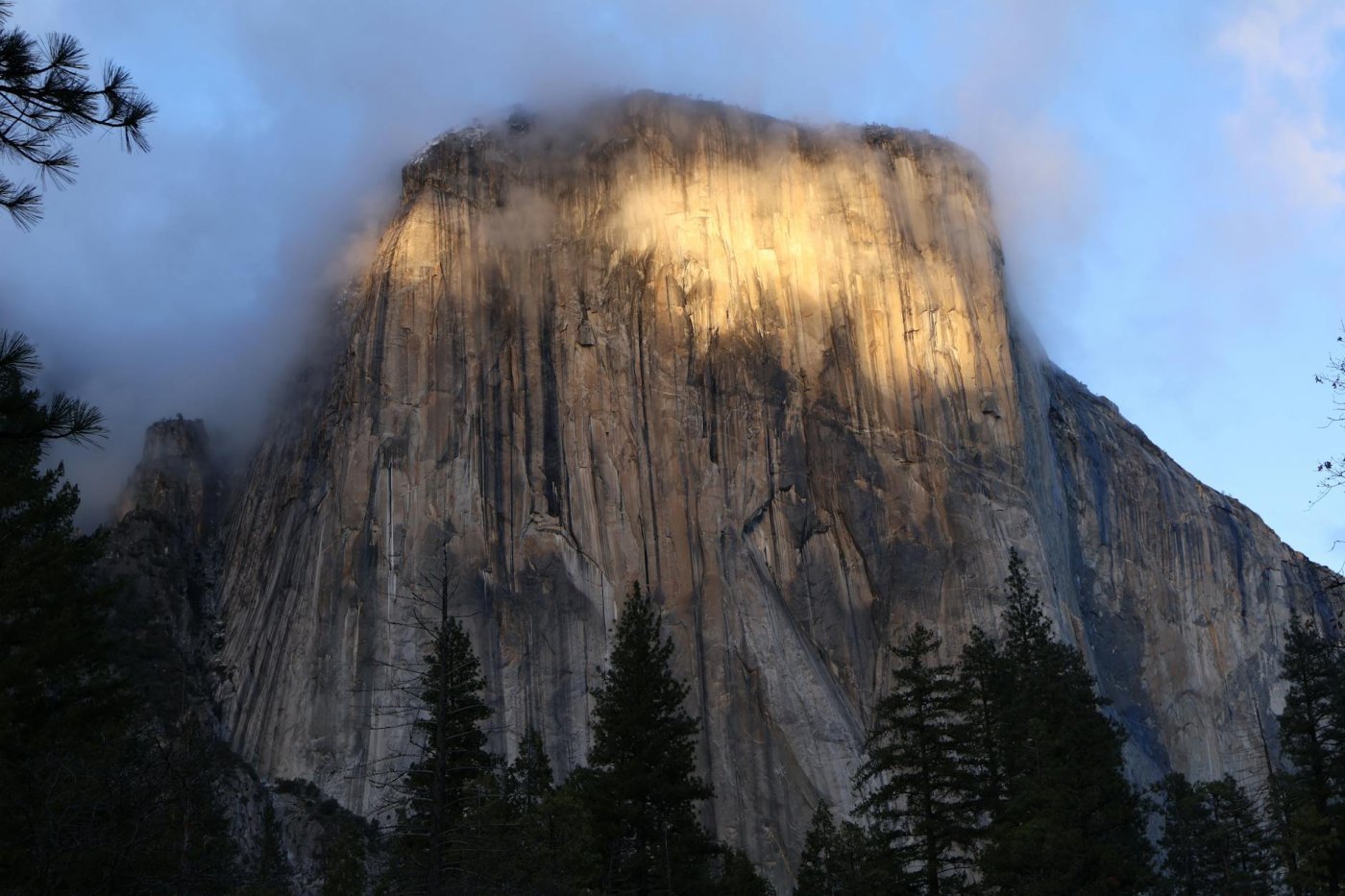
Visiting Yellowstone means confronting superlatives at every turn, and that sets it apart from nearly every other wilderness destination on the continent. Unlike the granite grandeur of Yosemite or the red-canyon drama of Zion, things to do in Yellowstone span geothermal wonder, mega-fauna wildlife watching, and backcountry hiking all within a single sprawling park larger than Rhode Island and Delaware combined. The wolf reintroduction programme in 1995 restored one of North America's most complete predator-prey ecosystems, meaning a Yellowstone itinerary can realistically include watching a wolf pack hunt elk at dawn — an experience unavailable almost anywhere else on Earth at this scale and accessibility.
✦ Find your perfect destination
Is Yellowstone really your perfect match?
Answer 12 quick questions about your travel style, budget and dates — we match you with the destinations that fit you best, from 600+ worldwide.
Yellowstone belongs on every serious traveller's list because it represents an ecological phenomenon that simply has no equivalent elsewhere. More than half of the world's geysers are concentrated here — over 500 active vents — alongside fumaroles, hot springs, and mud caldrons in an almost hallucinatory density. Yellowstone's wildlife corridor supports grizzly bears, grey wolves, elk, pronghorn antelope, and the largest free-roaming bison herd in the United States. The Grand Prismatic Spring, with its concentric rings of vivid orange, yellow, and deep blue, is arguably the most photographed natural feature in America and looks even more extraordinary in person than any photograph suggests.
The case for going now: Yellowstone is in a genuine golden moment for wildlife tourism. The grey wolf population has stabilised at healthy numbers, making 2026 one of the best seasons in years for sightings in the Lamar Valley. The park's northern entrance road reconstruction near Gardiner has been completed, improving access considerably. Meanwhile, the US dollar exchange rate remains favourable for European visitors arriving with euros or pounds, stretching accommodation budgets further than in recent years.
🌋
Geyser Basins
Walk the boardwalks of the Upper Geyser Basin, home to Old Faithful and a dozen other named geysers erupting in a single square kilometre. No thermal landscape on Earth packs this much drama into so small an area.
🐺
Wolf & Wildlife Watching
The Lamar Valley at dawn is North America's premier wildlife theatre. Spotting scopes line the roadside as visitors track wolf packs, grizzly bears, and bison herds crossing the wide glacial valley floor.
🌈
Grand Prismatic Spring
Seen from the Fairy Falls overlook, the Grand Prismatic Spring radiates electric blue at its scalding centre, bleeding through turquoise and gold into vivid orange microbial mats — a sight that genuinely stops you mid-step.
🏔️
Backcountry Hiking
Yellowstone's 900 miles of trails access landscapes most visitors never see — remote thermal features, backcountry lakes, and ridgelines with unobstructed views of the Absaroka Range stretching into Montana.
Yellowstone's neighbourhoods — where to focus
The Classic Hub
Old Faithful Area
The emotional centre of Yellowstone, anchored by the world's most famous geyser and the grand historic Old Faithful Inn built from lodgepole pine in 1904. The Upper Geyser Basin loops here are the park's busiest boardwalks, but the concentration of thermal features justifies every crowd. Stay inside the park at the lodge for a magical after-hours atmosphere.
Wildlife Corridor
Lamar Valley
Called 'America's Serengeti', the Lamar Valley in Yellowstone's northeast corner is wide, open, and relentlessly dramatic. Arrive before sunrise to watch bison ford the Lamar River while wolves test the edges of the herd. This is where Yellowstone's wolf reintroduction story plays out daily before your eyes — bring a 10x spotting scope.
Thermal Wonderland
Norris Geyser Basin
Norris is Yellowstone's hottest and most geologically volatile basin, with ground temperatures occasionally exceeding 230°C just below the surface. Steamboat Geyser — the world's tallest active geyser, capable of shooting water 90 metres — is here. The landscape of grey silica sinter and roaring steam vents feels genuinely alien and far less crowded than Old Faithful.
Canyon Country
Grand Canyon of Yellowstone
The Yellowstone River drops over two dramatic waterfalls — Upper and Lower Falls — into a 360-metre-deep canyon of vivid yellow and orange rhyolite rock. Artist Point is the classic viewpoint, delivering one of the most iconic vistas in American national park history. Early morning light turns the canyon walls a deep amber that no photograph fully captures.
Top things to do in Yellowstone
1. #1 — Watch Old Faithful Erupt
Old Faithful erupts approximately every 90 minutes, shooting between 14,000 and 32,000 litres of boiling water up to 55 metres into the air over a display lasting one to five minutes. The park's visitor centre predicts the next eruption to within a 10-minute window, displayed on a board and a live app. Arrive 20 minutes early to secure a good seat on the curved benches around the viewing area — or better yet, walk the full Upper Geyser Basin loop to catch other geysers like Castle, Grand, and Riverside erupting with far smaller crowds. The basin at dusk, with steam rising in amber light and almost no visitors remaining, is one of Yellowstone's quietest and most cinematic moments.
2. #2 — Drive the Grand Loop Road
Yellowstone's figure-eight Grand Loop Road covers approximately 230 miles through every major feature zone in the park — the only road network of its kind in the US national park system. Driving the full loop in a single day is technically possible but deeply inadvisable; two days minimum allows proper stops at Mammoth Hot Springs terraces, the Midway Geyser Basin, Hayden Valley for bison and grizzlies, and the Grand Canyon of Yellowstone. The road is prone to bison jams — where a herd simply occupies the asphalt and traffic waits — which should be treated as a feature rather than a frustration. European visitors often underestimate the distances involved; pack water, snacks, and patience.
3. #3 — Hike to the Fairy Falls Overlook
The trail to Fairy Falls is one of Yellowstone's most rewarding half-day hikes, covering roughly five miles round-trip through lodgepole forest to a 60-metre waterfall — and, crucially, to the hillside overlook offering the best aerial perspective on the Grand Prismatic Spring. From the raised viewpoint, the spring's full concentric rainbow pattern is unmistakably clear in a way it simply isn't from the boardwalk level. Start early — the car park fills by 9am in July and August, and the overlook is best in soft morning light. Combine the hike with a boardwalk loop through the Midway Geyser Basin immediately before or after for a full morning of Yellowstone's most photogenic thermal geology.
4. #4 — Join a Wolf-Watching Dawn Session in Lamar Valley
The Lamar Valley in northeastern Yellowstone is North America's single most reliable location for observing wild grey wolves in their natural habitat. The valley's wide, flat topography means wolves moving across the landscape can be spotted from pullouts along the Northeast Entrance Road, often from distances of 500 to 1,500 metres. The Yellowstone Association Institute and several licensed guide companies run structured wolf-watching excursions at dawn — when pack activity peaks — and provide high-quality spotting scopes and interpretation from naturalists who know individual wolves by name and behaviour. Even without a guide, arriving at Slough Creek pullout or Picnic pullout before first light and scanning the valley systematically rewards patient observers. In winter, the contrast of dark wolves on snow is spectacular, but summer mornings in Lamar offer their own raw magic.
What to eat in the Greater Yellowstone Ecosystem — the essential list
Bison Burger
Leaner and richer than beef, bison burgers are a Wyoming staple served across gateway towns from Gardiner to Jackson. Look for locally raised bison, grass-finished and full of flavour, on a brioche bun with huckleberry jam.
Huckleberry Everything
Montana and Wyoming's wild huckleberry is to the Rockies what the truffle is to Périgord. Expect huckleberry pancakes, huckleberry milkshakes, huckleberry barbecue sauce, and jams sold in every gift shop. The flavour is a deeper, wilder version of blueberry.
Rocky Mountain Trout
Rainbow and cutthroat trout pulled from Yellowstone-adjacent rivers are served pan-fried with lemon and herbs throughout the region. The Madison and Gallatin rivers produce exceptional fish, and many local restaurants source directly from licensed fishing operations.
Dutch Oven Camp Stew
A legacy of the mountain man and cowboy tradition, Dutch oven stew loaded with elk, root vegetables, and juniper-spiced broth appears on menus in rustic lodges throughout the Yellowstone gateway corridor — hearty fuel for hiking days.
Sourdough Flapjacks
Old-school Western breakfasts anchor the gateway towns. Thick sourdough flapjacks with local honey, a side of elk sausage, and black coffee are the classic pre-park fuel. Portions are enormous — one plate routinely covers two European-sized appetites.
Chokecherry Wine
Made from the small, tart chokecherries that grow wild across Wyoming's higher elevations, local chokecherry wine has a deep ruby colour and a pleasantly astringent finish. Small-batch producers in Cody and Livingston sell bottles worth packing home.
Where to eat in Yellowstone — our top 4 picks
Fine Dining
The Peaks Restaurant
📍 Top of the World, Town Square, Jackson, WY 83001
Set inside Jackson's historic downtown district, The Peaks delivers elevated Wyoming cuisine — think bison tenderloin with huckleberry reduction and seared trout with foraged mushroom risotto. The wine list leans heavily on Pacific Northwest producers. Reservations essential in summer.
Fancy & Photogenic
Old Faithful Inn Dining Room
📍 Old Faithful Inn, Yellowstone National Park, WY 82190
Eating inside the original 1904 log-built Old Faithful Inn is a Yellowstone experience in itself. The vast timber-frame dining room serves respectable American classics — prime rib, grilled salmon, bison chilli — beneath a ceiling that soars seven stories above you. Book weeks ahead.
Good & Authentic
The Eatery at Gardiner
📍 202 Main St, Gardiner, MT 59030
Gardiner is Yellowstone's northern gateway, and this unpretentious Main Street spot delivers solid, honest cooking — house-smoked brisket, elk chilli, loaded breakfast burritos — at prices far kinder than anything inside park boundaries. Popular with park rangers, which is always a good sign.
The Unexpected
Cafe Madriz
📍 202 2nd St, Livingston, MT 59047
In the small ranching and arts town of Livingston — 55 miles north of Yellowstone — Cafe Madriz serves genuinely excellent Spanish-inflected small plates and natural wines in a warm, art-lined room. It feels like it belongs in Brooklyn, which makes it all the more surprising and delightful.
Yellowstone's Café Culture — top 3 cafés
The Institution
Yellowstone General Stores (Hamilton Stores)
📍 Old Faithful, Yellowstone National Park, WY 82190
The vintage soda fountain counter inside the Old Faithful General Store has been serving ice cream sundaes and filter coffee to park visitors since 1897. It is resolutely old-fashioned, resolutely charming, and the huckleberry milkshake is not to be skipped under any circumstances.
The Aesthetic Hub
Wild Crumb Bakery
📍 14 E Callender St, Livingston, MT 59047
Wild Crumb is Livingston's beloved artisan bakery, producing laminated croissants, sourdough loaves, and rotating seasonal pastries from locally milled grains. The morning queue tells you everything — locals and park visitors alike make the pilgrimage. A perfect pre-dawn supply stop before heading into Yellowstone's Lamar Valley.
The Local Hangout
Tumbleweed Bookstore & Cafe
📍 309 Main St, Gardiner, MT 59030
Part independent bookshop, part espresso bar, Tumbleweed is where Gardiner's year-round residents — guides, rangers, artists — gather on slow mornings. The coffee is properly made, the selection of Yellowstone natural history books is excellent, and the conversation with regulars is frequently more informative than any guidebook.
Best time to visit Yellowstone
Jan
Feb
Mar
Apr
May
Jun
Jul
Aug
Sep
Oct
Nov
Dec
Peak Season (Jun–Aug) — all roads open, wildlife active, full park services, warm daysShoulder Season (Sep) — crowds thin, elk rut begins, spectacular golden light, cooler nightsOff-Season — many roads and facilities closed; winter access (Dec–Feb) via snowcoach is magical but specialist
Yellowstone events & festivals 2026
Whether you're planning around a specific celebration or simply want to know what's happening, this guide covers the best events and festivals in Yellowstone — from major annual traditions to cultural highlights worth timing your trip around.
February 2026culture
Yellowstone Ski Festival
One of the A genuinely special frozen version of the park.
April 2026culture
Gardiner Gateway Spring Festival
As Yellowstone reopens its roads for spring, Gardiner celebrates with guided wildlife walks, live folk music, and ranger-led talks on seasonal grizzly bear emergence. The northern entrance is the first to open, making this a prime time for uncrowded wildlife watching in the park's Lamar and Yellowstone river corridors.
May 2026culture
Cody Nite Rodeo Opening Night
The town of Cody — Yellowstone's eastern gateway — kicks off its famous summer rodeo season every May. The Cody Nite Rodeo runs nightly through summer and is considered one of the most authentic professional rodeos in the American West, featuring bronc riding, barrel racing, and bull riding.
June 2026culture
Buffalo Bill Center of the West Gala
Cody's world-class Buffalo Bill Center of the West hosts its annual summer gala opening new exhibitions dedicated to the art, history, and natural science of the Greater Yellowstone region. A cultural anchor for the eastern Yellowstone itinerary, the five-museum complex deserves a full half-day.
July 2026music
Music in the Mountains — Bozeman
Bozeman, Montana — 90 miles north of Yellowstone — hosts its beloved outdoor summer concert series through July and August, with performances ranging from bluegrass and Americana to classical chamber music in Bogert Park. A wonderful evening option for Yellowstone travellers based in the northern gateway corridor.
August 2026culture
Jackson Hole Shootout & Frontier Days
Jackson's Town Square hosts its famous nightly shootout re-enactments throughout summer, peaking in August with full Frontier Days programming including chuck wagon races, cowboy poetry, and Western art exhibitions. For visitors pairing Yellowstone with Grand Teton, this adds lively cultural texture to the southern gateway experience.
September 2026culture
Yellowstone Elk Rut Season
Not a formal festival but one of the most extraordinary natural spectacles in North America, September's elk rut fills Yellowstone's meadows with the haunting bugling of bull elk and dramatic antler clashes. The Mammoth Hot Springs area is particularly rewarding, with elk moving freely through the village grounds at dawn and dusk.
October 2026market
Livingston Farmers Market & Harvest Festival
Livingston, the charming arts town on Yellowstone's northern doorstep, holds its autumn harvest market through October weekends. Local ranchers, huckleberry jam producers, and artisan food makers fill the market square, making it a wonderful final stop on a Yellowstone travel itinerary heading home via I-90.
November 2026culture
National Wildlife Art Museum Fall Exhibition
The National Museum of Wildlife Art in Jackson opens its major autumn exhibition in November, typically focusing on a single significant American wildlife artist or a themed survey of Great Plains and Rocky Mountain fauna. The museum's mountain ridge building above the National Elk Refuge is spectacular even from the car park.
December 2026culture
Snowcoach Tours Opening Day
Each December, Yellowstone's oversnow vehicle season launches, allowing visitors access to the interior of the park via heated snowcoach and guided snowmobile tours. Seeing Old Faithful erupt against a backdrop of deep snow and absolute silence is one of the most extraordinary experiences Yellowstone offers at any time of year.
Old Faithful Inn premium rooms; private guide; fly-fishing licences; Jackson fine dining.
Getting to and around Yellowstone (Transport Tips)
By air: The nearest major airports to Yellowstone are Jackson Hole Airport (JAC) in Wyoming — just 60 miles from the southern entrance — and Bozeman Yellowstone International Airport (BZN) in Montana, roughly 90 miles from the northern entrance at Gardiner. Both airports receive direct flights from major US hubs including Denver, Salt Lake City, Chicago, and New York. European travellers typically connect through Denver or Salt Lake City.
From the airport: From Jackson Hole Airport, car rental is the standard and strongly recommended option; the drive to Yellowstone's southern entrance via Grand Teton National Park takes approximately 75 minutes and is spectacularly scenic. From Bozeman Airport, the drive south via Livingston and Gardiner takes around 90 minutes on US-89. Shuttle services connect both airports to gateway towns, but a rental car is effectively essential once inside Yellowstone — distances between major features are vast.
Getting around the city: Inside Yellowstone, a personal vehicle or rental car is the only practical way to explore the park independently. The Grand Loop Road is paved and well maintained, though speed limits are strictly enforced at 45mph and bison jams can add unpredictable delays. No public transport operates within the park boundaries. Park entry costs $35 per vehicle and is valid for 7 days; the America the Beautiful annual pass at $80 covers all US national parks and pays for itself almost immediately. Electric vehicle charging stations are now available at several in-park locations including Old Faithful and Canyon Village.
Transport Safety & Scam Prevention:
Avoid Third-Party Ticket Sites: Yellowstone entry fees are paid only at park entrance gates or on Recreation.gov — there are no authorised third-party sellers. Websites offering 'fast track' or 'pre-purchased' entry passes are scams; you will still pay at the gate regardless.
Book Accommodation 6+ Months Ahead: In-park lodges operated by Xanterra fill up as early as January for peak summer dates. Waiting until spring results in no available rooms inside the park at all. Gateway town hotels in Gardiner, West Yellowstone, and Cody are the fallback — book those early too.
Never Approach Wildlife — Bison Fine: Federal law requires visitors to stay at least 25 yards from bison and 100 yards from bears and wolves. Violations result in significant fines and possible park expulsion. Bison, despite their seemingly slow movement, can sprint at 35mph and are responsible for more visitor injuries in Yellowstone than any other animal.
Do I need a visa for Yellowstone?
Visa requirements for Yellowstone depend on your nationality. Select your passport below for an instant answer — based on the Passport Index dataset for entry into United States.
ℹ️ Indicative only. Always verify with the official consulate before booking. Data: Passport Index, April 2026.
For detailed requirements, documentation checklists and processing times by nationality: TravelDoc →
Search & Book your trip to Yellowstone
Find the best flight routes and hotel combinations using our partner Kiwi.com.
Frequently Asked Questions
Is Yellowstone safe for tourists?
Yellowstone is very safe for tourists who respect the park's rules. The primary dangers are not criminal but natural: thermal ground can be dangerously thin in some areas — boardwalks exist for your protection, and stepping off them has caused serious burns and fatalities. Wildlife must be treated with absolute respect; bison, bears, and elk are wild and unpredictable. Carry bear spray in any area away from developed zones, make noise on trails to avoid surprising grizzlies, and follow all posted guidance carefully. Road safety requires patience — bison jams happen, and rushing around them is both dangerous and illegal.
Can I drink the tap water in Yellowstone?
Tap water in Yellowstone's lodges, campgrounds, and visitor centres is treated, clean, and safe to drink. Water from the park's rivers, lakes, and thermal features should never be consumed untreated — thermal water is acidic, mineral-laden, and potentially scalding. For backcountry hikers, all surface water sources must be filtered or treated before drinking. Carrying a refillable bottle and using the drinking fountains at visitor centres and lodges is the most practical and eco-friendly approach during your visit.
What is the best time to visit Yellowstone?
The best time to visit Yellowstone for most travellers is June through early September, when all roads and facilities are open, wildlife is active and visible, and temperatures are pleasant for hiking and outdoor exploration. July and August are peak season — crowds are significant and accommodation books out far in advance. September is arguably the finest month: elk rut begins, the light turns golden, crowds thin considerably, and animals are unusually active. Winter visits via snowcoach between December and February offer an extraordinary and uncrowded alternative, but require specialist planning and limit accessible areas.
How many days do you need in Yellowstone?
A Yellowstone itinerary of at least four days is the minimum for covering the park's major highlights — Old Faithful and the Upper Geyser Basin, the Grand Prismatic Spring, the Grand Canyon of Yellowstone, and the Lamar Valley for wildlife. Five to seven days allows a genuinely relaxed and thorough exploration of all five major districts without rushing. Ten days is ideal for combining Yellowstone with Grand Teton National Park to the south and perhaps the Cody or Livingston gateway areas. Many visitors dramatically underestimate the distances involved — the park covers 3,500 square miles, roughly the size of Cyprus or Luxembourg.
Yellowstone vs Grand Teton — which should you choose?
Yellowstone and Grand Teton are complementary rather than competing destinations — they share a border and most visitors do both on the same trip. If forced to choose one, the deciding factor is what you prioritise: Yellowstone offers geothermal spectacle, bison herds, wolf watching, and historical depth as America's first national park. Grand Teton delivers more dramatic mountain scenery, superior alpine hiking, and a more photogenic lake-and-peak landscape that appeals strongly to photographers and climbers. Yellowstone requires more days to appreciate properly; Grand Teton rewards even a single full day. For European first-timers, Yellowstone delivers the more genuinely unique experience unavailable elsewhere on Earth.
Do people speak English in Yellowstone?
English is the working language throughout Yellowstone and all surrounding gateway communities. Park rangers, lodge staff, guides, and restaurant workers communicate exclusively in English, and visitor centre materials, trail maps, and safety signage are published in English with selected additional languages in some areas. Many seasonal park employees are international workers, adding some multilingual capacity informally. European visitors from French, German, Dutch, and Scandinavian backgrounds generally find English communication throughout Wyoming and Montana straightforward; language is never a practical barrier during a Yellowstone visit.
★ Hidden Gems Weekly
Like this? One place per week, in your inbox.
No spam, no fluff — just one underrated destination, every Tuesday.
Hand-picked and verified by Max, who founded Vacanexus from Luxembourg in 2026. No sponsorships, no paid placements. Every recommendation — restaurants, neighbourhoods, things to do — is selected for authenticity over popularity.