Yerevan Travel Guide — Yerevan — the world's oldest capital is finally having its moment
⏱ 11 min read📅 Updated 2026💶 € Budget✈️ Best: Apr–Sep
€25–45/day
Daily budget
Apr–Jun, Sep
Best time
4–6 days
Ideal stay
AMD
Currency
Yerevan glows at dusk, its low-rise streetscapes burnished in volcanic pink and apricot — the famous tuff stone quarried from nearby mountains that gives the Armenian capital its singular blush-coloured identity. Brandy fumes drift from open cellar doors near the Ararat Brandy Factory, churchkhela sellers wrap walnuts in grape-must strings at Vernissage market, and somewhere above it all the snow-capped cone of Mount Ararat floats on the horizon like a rumour from another country. This is Yerevan at its most ordinary, which is already extraordinary. Few cities feel simultaneously this ancient and this unhurried, this rough-edged and this cultured.
Things to do in Yerevan range from climbing the monumental Cascade staircase past contemporary sculpture gardens to tasting world-class brandy in Soviet-era tasting rooms. Visiting Yerevan rewards travellers who prefer depth over spectacle: this isn't the neon Instagram playground of Tbilisi across the mountains, nor the polished heritage circuit of Baku. Instead, Armenia's capital offers extraordinary museums, one of the most welcoming café cultures in the Caucasus, day trips to some of the world's oldest Christian monasteries, and an evening promenade culture — the Yerevan itinerary at its best is leisurely, sociable, and surprisingly affordable even by Eastern European standards.
✦ Find your perfect destination
Is Yerevan really your perfect match?
Answer 12 quick questions about your travel style, budget and dates — we match you with the destinations that fit you best, from 600+ worldwide.
Yerevan earns its place on any serious traveller's list through sheer distinctiveness: no other capital in the world sits in the shadow of a biblical mountain it cannot technically reach, creating a poignant backdrop that colours the city's entire identity. The Armenian Genocide Memorial on Tsitsernakaberd Hill is among the most moving memorials anywhere, while the Matenadaran manuscript repository — housing 23,000 ancient illuminated texts — is a UNESCO-linked treasure. Add sub-€30-a-night guesthouses, restaurant meals under €8, and some of the world's oldest wine and brandy production in the surrounding valleys, and Yerevan makes an irresistible case.
The case for going now: Yerevan is accelerating fast: a new metro expansion is underway, boutique hotels are opening in restored Soviet-era buildings around Mashtots Avenue, and the city's specialty coffee scene has exploded since 2022 with dozens of third-wave roasters. Visitor numbers remain well below Georgian or Turkish rivals, meaning prices stay low and tourist-fatigue is nonexistent. Go before the secret is fully out.
🏛️
Cascade Complex
Climb 572 marble steps past rotating contemporary art installations, fountains and Botero bronzes, rewarded at the top with panoramic views over Yerevan's pink rooftops and Mount Ararat beyond.
🍷
Brandy & Wine Tasting
Tour the legendary Ararat Brandy Factory's Soviet-era cellars, then drive south to the Areni wine village to sample amber wine made using 6,000-year-old fermentation methods in clay amphorae.
🏔️
Monastery Day Trips
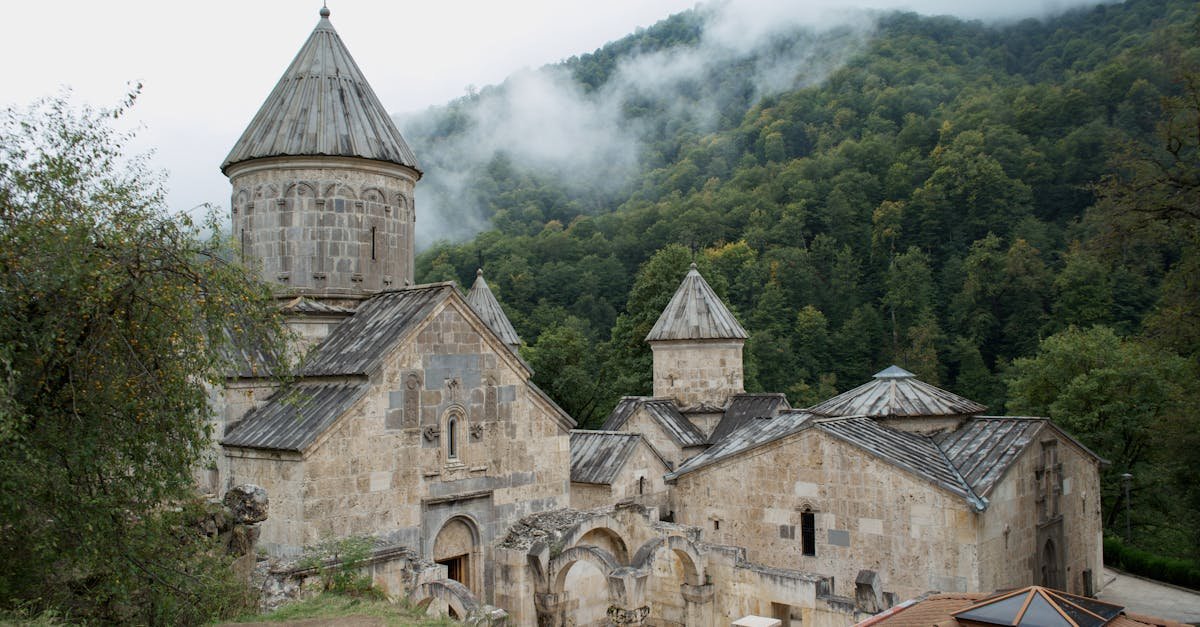
Geghard Monastery, carved directly into a sheer clifface, and the Romanesque arches of Khor Virap — framing Ararat dramatically — are both within 45 minutes of central Yerevan by marshrutka or taxi.
🎭
Vernissage Market
Every weekend, Yerevan's open-air Vernissage market fills with hand-knotted carpets, Soviet memorabilia, pomegranate-red ceramics and obsidian jewellery — an authentic Saturday ritual for locals and travellers alike.
Yerevan's neighbourhoods — where to focus
Historic Core
Republic Square
Yerevan's ceremonial heart is anchored by the salmon-tuff colonnades of the History Museum and Government House encircling the famous dancing fountains. Everything radiates outward from here — the National Art Gallery, luxury hotels and the main brandy and cognac bars are all within a five-minute walk of the square's travertine paving.
Trendy & Creative
North Avenue & Cascade Area
The pedestrianised North Avenue links Republic Square to the Cascade complex, lined with pavement cafés, indie boutiques and gallery pop-ups. The streets immediately below the Cascade stairs — particularly Tamanyan and Moskovyan — are Yerevan's most concentrated bohemian quarter, where specialty coffee shops share walls with jazz bars and art bookstores.
Local & Lived-In
Kentron District
Sprawling around central Yerevan, Kentron is where the city actually lives: Soviet apartment blocks give way to tree-lined Soviet-era parkways, small family restaurants tucked into ground-floor flats, and the lively Gum Market where vendors sell dried fruits, lavash and every variety of local cheese without a tourist in sight.
Bohemian Nightlife
Saryan Street
Named after Armenia's most beloved painter, Saryan Street has transformed into Yerevan's informal wine and restaurant strip. Outdoor terraces spill onto the pavement from spring through autumn, wine bars serve natural Armenian varieties by the glass, and the street fills nightly with a relaxed, largely local crowd sharing meze platters until midnight.
Top things to do in Yerevan
1. Climb the Cascade Complex
The Cascade is Yerevan's great democratic artwork — a monumental staircase of 572 steps descending from the Victory Park plateau down toward the city centre, punctuated at every level by rotating exhibitions of contemporary sculpture, fountains and Alexander Tamanyan's original neo-classical architecture. Colombian artist Fernando Botero donated several of his signature rotund bronze figures, and they recline throughout the gardens below with characteristic good humour. The covered interior escalator route passes through the Cafesjian Center for the Arts, which hosts world-class international exhibitions in dramatic gallery spaces. Arrive at dawn for solitude, or at sunset when the pink stone blazes and Ararat turns violet. The surrounding streets are Yerevan's most appealing for a post-climb espresso.
2. Visit the Armenian Genocide Memorial
Tsitsernakaberd — meaning 'swallow's fortress' — rises on a hilltop park west of central Yerevan and houses both the Genocide Memorial and the deeply affecting Armenian Genocide Museum-Institute. The memorial itself is a 44-metre steel stele (representing the 44 Armenian provinces lost) beside a circular sunken memorial hall where an eternal flame burns surrounded by basalt slabs. Visiting Yerevan without spending time here is unthinkable — the experience is sombre, respectful and clarifying. The attached museum traces events of 1915 through survivor testimonies, documents and photographs. Allow two to three hours and visit on a weekday morning when the site is quietest. The hilltop park itself offers views across Yerevan and, on clear days, to Ararat.
3. Explore the Matenadaran
Perched at the top of Mashtots Avenue overlooking the city, the Matenadaran is one of the world's great repositories of ancient manuscripts — over 23,000 illuminated texts in Armenian, Arabic, Greek, Persian and Syriac, many dating back over a thousand years. The building itself is an imposing Soviet-era monument flanked by carved statues of Armenian scholars, and the permanent exhibition inside reveals dazzling examples of miniature painting, theological texts and early musical notation. For context, Armenians invented their own alphabet in 405 AD specifically to translate the Bible, and the Matenadaran is the physical embodiment of that profound literary tradition. Budget at least 90 minutes; the on-site English-language guides are excellent and reasonably priced.
4. Day Trip to Geghard & Garni
The best single day trip from Yerevan combines two extraordinary sites in the Azat River gorge just 40 kilometres east of the city. Garni Temple is Armenia's only surviving Hellenistic-era structure — a compact Roman-style colonnaded temple from the first century AD standing on a dramatic basalt precipice above a river canyon. Continue ten kilometres further to Geghard Monastery, a UNESCO World Heritage Site where medieval Armenian monks literally carved church chambers, gavits and khachkar-lined chapels into the living cliff. The main cathedral dates from 1215 and the acoustics are remarkable — if a local choir is rehearsing, the polyphonic sound within the stone walls is unforgettable. Shared taxis depart from Yerevan's Gai Market on Sunday mornings when both sites are busiest.
What to eat in the Armenian Highland — the essential list
Khorovats
Armenia's answer to barbecue — large cuts of pork, lamb or chicken marinated in onion and spices, then grilled over open coals until charred at the edges. Weekend khorovats in Yerevan's parks with family is a near-sacred ritual.
Dolma
Grape leaves stuffed with a fragrant mixture of minced lamb, rice, onion and herbs — occasionally with sour cherries for a subtle sweetness — served with matsun, Armenia's tangy fermented yoghurt. Among the most beloved everyday dishes in Yerevan.
Lavash
UNESCO-listed paper-thin flatbread baked against the walls of a tonir clay oven, pulled out in enormous sheets and used to scoop everything from cheese to grilled meats. Watching lavash made at a Yerevan bakery is a must-do experience.
Ghapama
A festive stuffed pumpkin dish filled with par-boiled rice, dried fruits — raisins, apricots, plums — nuts and cinnamon, then baked whole. Traditionally served at New Year, but several Yerevan restaurants offer it year-round as a seasonal speciality.
Manti
Tiny boat-shaped dumplings filled with spiced lamb mince, baked in the oven until golden, then doused in garlic yoghurt and a drizzle of paprika butter. Yerevan's Armenian–Turkish culinary history is perfectly encapsulated in this one dish.
Churchkhela
Long strings of walnuts (or hazelnuts) threaded on cotton and repeatedly dipped in thickened grape must until coated in a chewy, wine-dark shell. Sold at every Yerevan market, they are the ideal edible souvenir from Armenia.
Where to eat in Yerevan — our top 4 picks
Fine Dining
Dolmama
📍 10 Pushkin St, Yerevan
Yerevan's most consistently lauded fine-dining address, Dolmama serves refined Armenian cuisine in a romantically lit courtyard garden. Dishes like herb-crusted lamb with pomegranate reduction showcase local produce without gimmick. Reserve at least two days ahead for weekend tables — this is the city's special-occasion benchmark.
Fancy & Photogenic
Caucasus Tavern
📍 18 Buzand St, Yerevan
Set inside a beautifully restored pink tuff mansion with vaulted ceilings and copper lanterns, Caucasus Tavern serves theatrical Armenian-Georgian fusion sharing plates. The mezze spread — hummus, mutabal, stuffed peppers, lamb kofta — arrives on hand-painted ceramic boards. Ideal for groups wanting both atmosphere and quality.
Good & Authentic
Lavash Restaurant
📍 21 Tumanyan St, Yerevan
A beloved mid-range institution on central Tumanyan Street, Lavash serves honest Armenian home cooking: manti, khorovats, tolma and daily soups at prices that feel almost implausible. The house red from the Areni grape variety is poured generously. Consistently full of local families — always a reliable indicator.
The Unexpected
The Club
📍 40 Tumanyan St, Yerevan
Yerevan's most intriguing fusion address layers Armenian ingredients into a menu that drifts between Mediterranean, Middle Eastern and Caucasian influences. The interior — exposed brick, gallery lighting, rotating art — matches the adventurous cooking. Their brandy-cured salmon starter and pomegranate-glazed duck have become minor Yerevan legends.
Yerevan's Café Culture — top 3 cafés
The Institution
Jazzve Coffee
📍 Multiple locations, central Yerevan
Jazzve has been synonymous with Armenian coffee culture for over two decades. Named after the traditional copper pot used for sand-brewed Armenian coffee, the chain serves its signature brew alongside baklava and fresh walnut cake. The Republic Square branch is a prime spot for morning people-watching over a strong, cardamom-edged cup.
The Aesthetic Hub
Aperitivo
📍 1 Abovyan St, Yerevan
Aperitivo sits at the intersection of Yerevan's specialty coffee scene and its growing natural wine culture. The interior is all raw concrete, hanging plants and vintage enamelware, attracting the city's creative class from noon to midnight. Single-origin pour-overs sit alongside Armenian natural wines and a short but excellent cheese-and-charcuterie menu.
The Local Hangout
Gatsby Café
📍 Saryan St, Yerevan
On the beloved Saryan Street strip, Gatsby is where Yerevan's students, artists and neighbourhood regulars actually spend their afternoons. Large communal tables, excellent local cheeses alongside espresso, and live acoustic music on Thursday evenings make it the most sociable café in the city without any pretension about it.
Best time to visit Yerevan
Jan
Feb
Mar
Apr
May
Jun
Jul
Aug
Sep
Oct
Nov
Dec
Peak Season (Apr–Jun, Sep) — warm days, clear skies, best Ararat views, open monastery trailsShoulder Season (Mar, Jul–Aug, Oct) — Jul–Aug heat in the city, Oct golden foliage on day tripsOff Season (Nov–Feb) — cold winters, snow possible, fewer crowds, good for museum days
Yerevan events & festivals 2026
Whether you're planning around a specific celebration or simply want to know what's happening, this guide covers the best events and festivals in Yerevan — from major annual traditions to cultural highlights worth timing your trip around.
April 2026culture
Armenian Easter (Zatik)
One of the most important annual events in the Armenian Apostolic Church calendar, Easter in Yerevan fills Etchmiadzin Cathedral with candlelit processions and the scent of incense. Things to do in Yerevan in April include joining locals at the hilltop Genocide Remembrance Day on April 24th — a deeply moving national commemoration attended by hundreds of thousands.
April 2026culture
Genocide Remembrance Day
Held annually on April 24th at the Tsitsernakaberd Memorial, this national day draws Armenians from the diaspora worldwide to Yerevan. A solemn march and candlelight vigil mark the day — visitors are welcome to attend respectfully and many consider it a profound travel experience unlike any other.
May 2026culture
Yerevan Wine Days
Armenia's growing wine industry takes centre stage at this popular annual outdoor festival held in central Yerevan, typically in Republic Square gardens.
June 2026music
Yerevan Jazz Fest
An internationally respected jazz festival bringing Armenian and European musicians to open-air stages across central Yerevan, including the Cascade amphitheatre and Republic Square. Summer evenings in June are perfect for outdoor concerts and the festival attracts a sophisticated local and visiting crowd to the capital.
July 2026culture
Vardavar Water Festival
Vardavar is Armenia's most joyful annual street event — a pre-Christian water festival where Yerevan's streets erupt in good-natured water fights involving buckets, water guns and garden hoses. Held 98 days after Easter, the city centre essentially becomes a giant water park for one glorious summer afternoon.
September 2026culture
Areni Wine Festival
Held in the village of Areni in the Vayots Dzor wine region, 120 kilometres from Yerevan, this annual harvest celebration features grape-stomping, clay-pot winemaking demonstrations and generous tastings of Armenia's indigenous varieties. Many Yerevan visitors time their trip to coincide with this beloved annual event.
September 2026music
Yerevan Classic Music Festival
Armenia's premier classical music festival hosts international orchestras and soloists in performances at the Aram Khachaturian Concert Hall and the UNESCO-listed Cafesjian Museum at the Cascade. Named in honour of Khachaturian — Armenia's most celebrated composer — the festival draws serious music lovers to Yerevan each September.
October 2026market
Golden Apricot Film Festival
The Golden Apricot International Film Festival — one of the Caucasus region's most prestigious cinema events — typically runs in July but its associated cultural markets and retrospectives extend programming into autumn. Films from 40+ countries screen across Yerevan's independent cinemas and outdoor venues throughout the city.
December 2026religious
Armenian Christmas (Jan 6)
Unlike the Western calendar, the Armenian Apostolic Church celebrates Christmas on January 6th, meaning Yerevan's festive season peaks in late December with illuminated streets, outdoor markets selling churchkhela and dried fruits, and Etchmiadzin Cathedral hosting its grandest liturgical services of the year — a magical winter Yerevan experience.
February 2026culture
Yerevan International Theatre Festival
Each winter, Yerevan's theatre community hosts a week-long international theatre festival showcasing Armenian and European stage productions across the Sundukyan National Academic Theatre and smaller black-box venues in Kentron. February's low tourist numbers mean excellent seat availability and a genuinely local cultural atmosphere.
By air: Yerevan's Zvartnots International Airport (EVN) receives direct flights from most major European hubs including Paris, Vienna, Amsterdam, Frankfurt and Rome. Low-cost carriers including Ryanair and Wizz Air have added Yerevan routes, making the Armenian capital increasingly accessible and affordable from across Europe. Flight times from Western Europe average three and a half to four hours.
From the airport: Zvartnots Airport sits 12 kilometres west of central Yerevan. Taxi is the most practical option and costs around AMD 3,000–4,000 (€7–10) — agree the fare before entering or use the official taxi desk inside arrivals. Yandex Taxi app works reliably from the airport and often undercuts official desk prices. Public bus Route 201 connects the airport to Republic Square for under AMD 300 but runs infrequently after 9pm.
Getting around the city: Central Yerevan is highly walkable — Republic Square, the Cascade, Vernissage Market and most restaurants are within 20 minutes on foot of each other. Yerevan's small metro system (two lines) covers key points including Republic Square and is priced at AMD 100 per journey, one of the cheapest metros in the world. Yandex Taxi is the go-to app for longer rides and day trips; marshrutkas (shared minibuses) reach outlying areas cheaply but require basic Armenian navigation.
Transport Safety & Scam Prevention:
Agree Taxi Fares in Advance: Unlicensed taxis outside Zvartnots Airport can quote inflated prices to new arrivals. Always agree the fare before getting in, or use Yandex Taxi for transparent pricing. The app is universally used by locals and eliminates fare negotiation entirely.
Currency Exchange at Banks Only: Street money changers near Republic Square occasionally use sleight-of-hand techniques to shortchange tourists. Exchange currency at official bank branches or licensed exchange offices inside shopping centres — rates are nearly identical and the transaction is fully transparent.
Marshrutka Route Confirmation: Shared marshrutka minibuses to day-trip destinations like Garni and Geghard depart from specific Yerevan markets on set days (Geghard from Gai Market on Sundays). Confirm the destination with the driver before boarding and carry small denomination AMD notes as drivers rarely have change.
Do I need a visa for Yerevan?
Visa requirements for Yerevan depend on your nationality. Select your passport below for an instant answer — based on the Passport Index dataset for entry into Armenia.
ℹ️ Indicative only. Always verify with the official consulate before booking. Data: Passport Index, April 2026.
For detailed requirements, documentation checklists and processing times by nationality: TravelDoc →
Search & Book your trip to Yerevan
Find the best flight routes and hotel combinations using our partner Kiwi.com.
Frequently Asked Questions
Is Yerevan safe for tourists?
Yerevan is one of the safest capitals in the former Soviet space for international tourists. Violent crime targeting visitors is extremely rare, and solo travellers — including women travelling alone — report feeling comfortable walking the city centre late at night. Standard urban precautions apply around busy market areas regarding pickpocketing. The political situation with neighbouring Azerbaijan and Turkey has no practical impact on daily life in Yerevan. The city's hospitality culture runs deep — Armenians are among the most genuinely welcoming hosts in the Caucasus region.
Can I drink the tap water in Yerevan?
Yerevan's tap water is generally considered safe to drink and comes from mountain springs — locals drink it regularly and it tastes clean and fresh. Most guesthouses and hotels also confirm it as drinkable. That said, travellers with sensitive stomachs may prefer to stick to bottled mineral water for the first few days while adjusting, which is widely available and extremely cheap throughout the city. Water quality in rural areas and smaller towns outside Yerevan varies more noticeably.
What is the best time to visit Yerevan?
The best time to visit Yerevan is April through June and again in September. Spring brings mild temperatures, blooming apricot orchards across the Ararat valley, and the clearest air for Mount Ararat views. September combines warm days with the harvest season — Areni Wine Festival, grape picking in the Vayots Dzor valley and the Yerevan Classic Music Festival all coincide. July and August are popular but hot in the city centre, sometimes exceeding 36°C. Winter (November–February) is cold and occasionally snowy but offers the lowest prices and crowd-free museums.
How many days do you need in Yerevan?
Four to six days is the ideal Yerevan itinerary length for most visitors. Two days covers the essential city sights — Republic Square, the Cascade, the Genocide Memorial, Matenadaran and an Ararat Brandy tasting. Add a third day for the Garni-Geghard monastery circuit and a fourth for the Khor Virap–Areni wine region day trip. A fifth or sixth day allows for Lake Sevan or Dilijan, Armenia's forested resort town. Travellers focused purely on Yerevan city can have a deeply satisfying experience in three full days, but the surrounding monasteries and wine country are too compelling to skip entirely.
Yerevan vs Tbilisi — which should you choose?
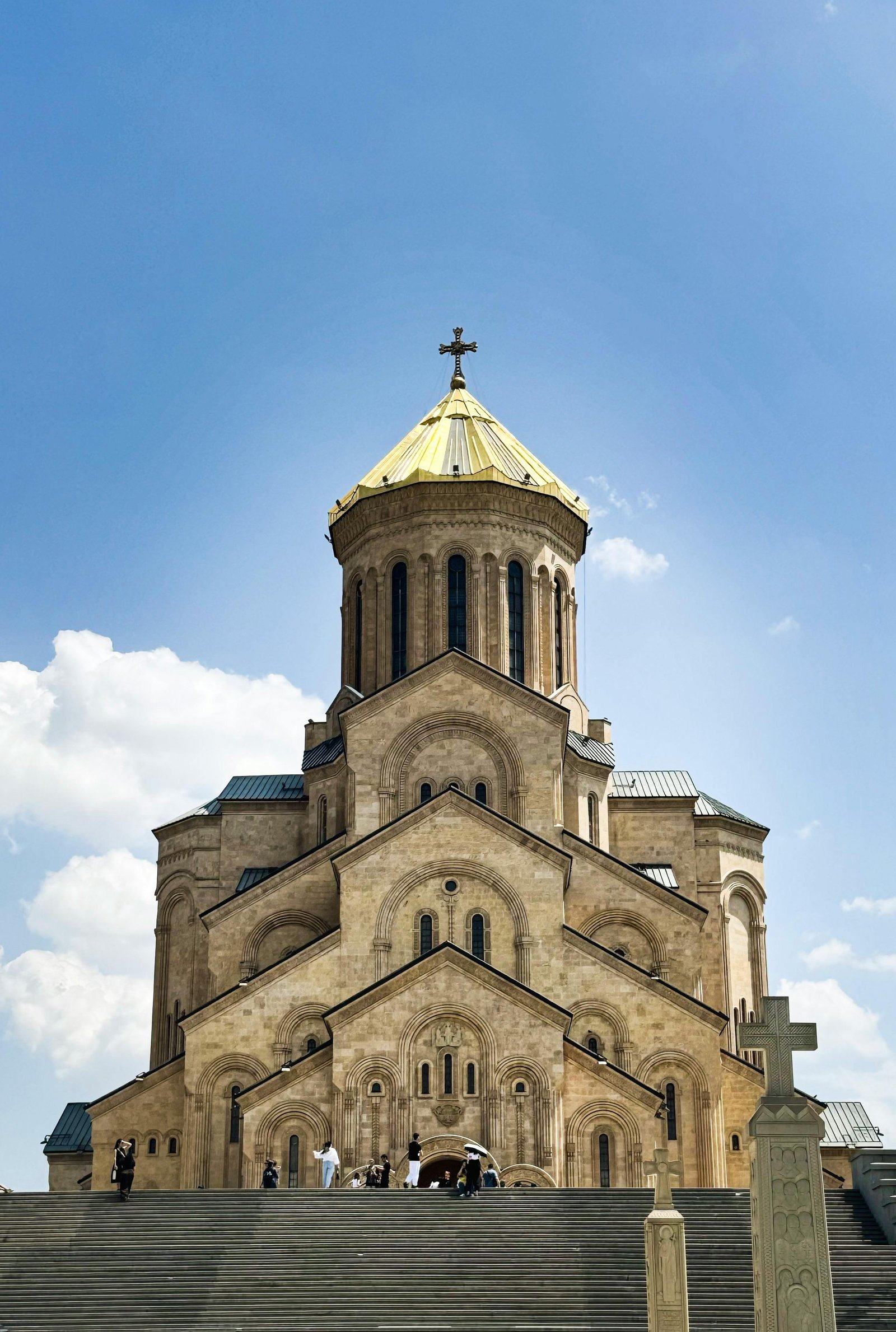
Yerevan and Tbilisi are frequently compared as Caucasus capitals, and both reward visits, but they deliver genuinely different experiences. Tbilisi is bigger, louder and more tourist-developed, with a higher-profile nightlife scene and a more immediately photogenic old town of carved wooden balconies. Yerevan is quieter, more intimate and significantly cheaper — it rewards slower exploration and appeals to travellers interested in ancient history, world-class brandy, moving memorials and extraordinary day trips to Christian monasteries. If you want party culture and Instagram backdrops, lean toward Tbilisi. If you want depth, authenticity and value for money, Yerevan edges ahead. Many travellers wisely do both on a single Caucasus trip.
Do people speak English in Yerevan?
English proficiency in Yerevan has improved significantly over the past decade, particularly among younger Armenians and anyone working in hospitality, tourism or the technology sector — which has grown substantially in the city. In restaurants, hotels and tourist-facing businesses in central Yerevan, English communication is straightforward. Older generations are more likely to speak Russian as a second language. Outside central Yerevan and in rural areas, English becomes less reliable. Downloading Google Translate with the Armenian language pack is recommended for market interactions and marshrutka navigation beyond the city centre.
★ Hotel guide
Where to stay in Yerevan
7+ hand-picked hotels across luxury, mid-range and budget — verified by Max.
Hand-picked and verified by Max, who founded Vacanexus from Luxembourg in 2026. No sponsorships, no paid placements. Every recommendation — restaurants, neighbourhoods, things to do — is selected for authenticity over popularity.