Yukon Travel Guide — Where the Dempster Highway meets the Arctic wild
⏱ 12 min read📅 Updated 2026💶 €€€ Comfort✈️ Best: May–Sep
CA$180–350/day
Daily budget
May–Sep / Sep–Apr (Aurora)
Best time
7–14 days
Ideal stay
CAD
Currency
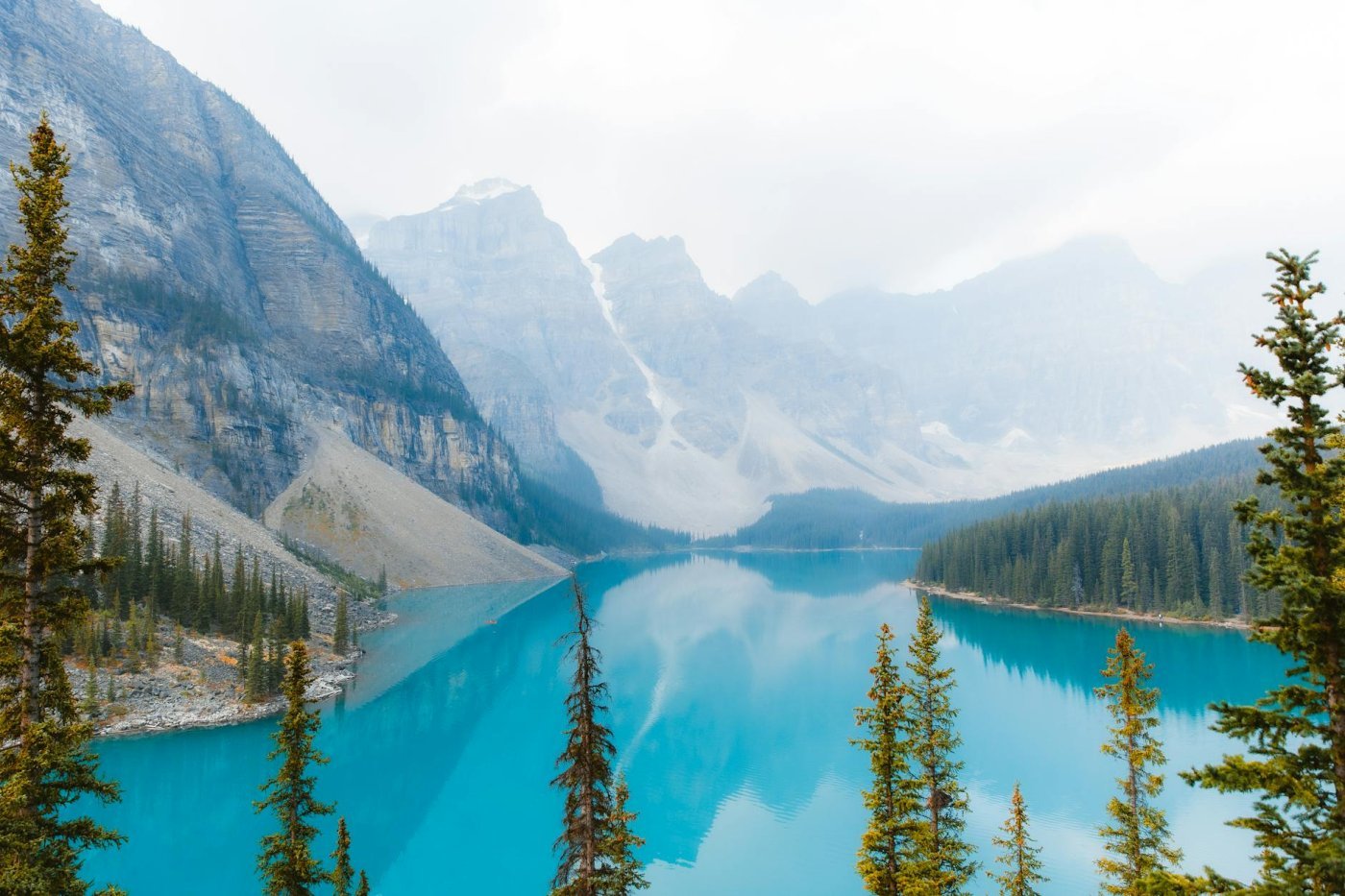
Yukon is the kind of place that rewires your nervous system. The sky here is impossibly large — a bruised, electric canvas of purples and greens when the aurora borealis ignites above the boreal forest between September and April. In summer, the midnight sun bleeds golden across glacial rivers and mountain ridges that have never been climbed by most people alive today. The air smells of pine, permafrost, and something wilder. Yukon does not ask you to be comfortable; it asks you to be present, to slow down, and to listen to a landscape that has existed on its own terms for millennia.
Compared to more polished Canadian destinations like Banff or Quebec City, visiting Yukon demands a different kind of traveller. This is not a place of manicured ski resorts or curated cheese boards — though Whitehorse, the territorial capital, surprises with genuinely excellent sourdough cafes and craft breweries. Things to do in Yukon span the full spectrum of wilderness adventure: paddling the Yukon River, driving the legendary Dempster Highway to the Arctic Circle, trekking through Kluane National Park past the continent's largest non-polar icefields, or simply sitting in silence at a remote lake watching caribou pass through the spruce. Few destinations on Earth still offer this quality of raw, unmediated nature.
✦ Find your perfect destination
Is Yukon really your perfect match?
Answer 12 quick questions about your travel style, budget and dates — we match you with the destinations that fit you best, from 600+ worldwide.
Yukon belongs on your travel list because it delivers something the modern world has almost entirely consumed: genuine solitude in a landscape of staggering scale. The Kluane icefields alone cover more terrain than Switzerland. The Dempster Highway — North America's only all-season road to cross the Arctic Circle — passes through terrain that looks like another planet. Yukon's Indigenous cultures, particularly the First Nations communities of the Southern Tutchone and Tlingit peoples, add profound historical depth to every valley and ridge name. And the aurora here is not a background detail but a full-sky spectacle that makes grown adults weep.
The case for going now: Yukon is experiencing a quiet surge in high-end adventure tourism, with new boutique wilderness lodges opening near Kluane and along the Dempster corridor. The Canadian dollar remains favourable for European visitors, making luxury guiding experiences unexpectedly accessible. Visit before the destination hits peak fame — right now, you can still have the Tombstone Plateau entirely to yourself on a weekday morning.
🛣️
Dempster Highway
Drive North America's most mythic road, crossing the Arctic Circle on gravel through tundra, mountain passes and First Nations territory. The scenery shifts every hour like a slow revelation.
🌌
Aurora Borealis
From September through April, Yukon's dark skies produce northern lights displays of extraordinary intensity. Camp at Fish Lake or join a guided aurora tour outside Whitehorse for the full sky spectacle.
🏔️
Kluane Glaciers
Kluane National Park harbours the largest non-polar icefield in the world. Fly-in glacier hikes and icefield ski traverses operated by local outfitters are among Yukon's most unforgettable experiences.
🛶
Yukon River Canoe
Paddling the historic Yukon River between Whitehorse and Dawson City — a 740-kilometre journey through true wilderness — is a bucket-list multi-day adventure for serious paddlers.
Yukon's neighbourhoods — where to focus
Capital Base
Downtown Whitehorse
Whitehorse is Yukon's beating heart — a small city of 28,000 that punches well above its weight for food, craft beer and gear outfitters. Main Street runs along the Yukon River and hosts most of the best cafes, galleries and First Nations cultural centres worth exploring before heading into the wilderness.
Gold Rush Town
Dawson City
Dawson City is the spiritual soul of Yukon — a perfectly preserved gold-rush era town at the confluence of the Yukon and Klondike rivers. Its wooden boardwalks, painted Victorian facades and genuine frontier saloons make it unlike anywhere else in Canada. The midnight sun here in June is nothing short of surreal.
Arctic Gateway
Inuvik Road Corridor
The northern stretch of the Dempster Highway passing through Eagle Plains and on toward the Northwest Territories border is technically beyond Yukon proper, but this corridor — with its tundra plateau, permafrost pingo formations and muskox sightings — defines the outer limit of what Yukon adventurers chase.
Glacier Country
Haines Junction & Kluane
The small service town of Haines Junction sits at the gateway to Kluane National Park and Reserve, a UNESCO World Heritage Site. Stay here to access guided glacier flights, backcountry hiking permits and bear-watching expeditions. The drive along the Alaska Highway from Whitehorse through here is spectacular in its own right.
Top things to do in Yukon
1. #1 Drive the Dempster Highway
The Dempster Highway is one of the world's great road journeys and arguably Yukon's defining experience. Stretching 737 kilometres from the Klondike Highway near Dawson City north to Inuvik in the Northwest Territories, the Dempster crosses two mountain ranges, multiple river ferries and the Arctic Circle itself. The road is unpaved gravel for its entire length, requiring sturdy vehicles, two spare tyres and solid navigation skills — but the payoff is access to landscapes of almost hallucinatory beauty. Tombstone Territorial Park in the highway's opening stretch is reason alone to make the journey, with jagged granite peaks rising from permafrost tundra in a scene that feels more Icelandic than Canadian. Time the drive for late August or early September when autumn tundra colour transforms the plateau into a patchwork of rust, amber and gold.
2. #2 Hike in Kluane National Park
Kluane National Park and Reserve contains the largest non-polar icefield on the planet and some of the most dramatic mountain scenery in North America — yet it sees a fraction of the visitors that crowd Banff or Jasper. The park's trail network is intentionally limited, pushing serious hikers into multi-day backcountry routes that require registration and bear-canister rentals from the visitor centre in Haines Junction. The Slim's River West trail leads through sheep country and alpine meadows toward glacier viewpoints that most visitors only see from light aircraft. For those without backcountry experience, glacier flightseeing tours operated from Haines Junction offer an accessible window into the icefields. Wildlife encounters with grizzly bears, Dall sheep and bald eagles are routine.
3. #3 Chase the Northern Lights
Yukon is one of the world's premier aurora destinations, sitting directly beneath the auroral oval and enjoying reliably dark skies from September through April. Unlike Iceland or Norway, the Yukon aurora experience often benefits from extreme cold continental air that keeps cloud cover low, producing clearer viewing conditions than coastal aurora destinations. Whitehorse serves as the main base, with Fish Lake and the Miles Canyon area offering dark sky spots within 30 minutes of the city. Guided aurora tours run nightly from September through March, with experienced operators like Northern Tales providing heated viewpoint facilities and photography coaching. For the most extraordinary experience, combine aurora viewing with a stay at a remote wilderness lodge near Kluane, where light pollution is entirely absent.
4. #4 Explore Dawson City's Gold Rush Heritage
Dawson City is an extraordinary relic — a town of roughly 1,400 permanent residents that was once the largest city west of Winnipeg, swelled to over 30,000 during the 1898 Klondike Gold Rush before collapsing almost overnight. Today Parks Canada maintains the historic downtown under a dedicated heritage programme, and the result is one of Canada's most atmospheric small towns. The Palace Grand Theatre, the original gold-rush era gambling halls and the SS Keno sternwheeler beached on the Yukon River all transport visitors vividly to the stampede era. The Klondike Institute of Arts & Culture hosts summer artist residencies and events, while Dänojà Zho Cultural Centre offers essential First Nations context for the region's history. Stay for the Dawson City Music Festival in July — one of Canada's most beloved community music events.
What to eat in the Yukon Territory — the essential list
Sourdough Bread
Yukon's sourdough culture dates to the gold rush era, when prospectors maintained living starter cultures through Arctic winters. Local bakeries in Whitehorse and Dawson City still use generations-old starters for dense, tangy loaves that pair perfectly with smoked salmon.
Wild Salmon
Chinook salmon caught from the Yukon River system are among the fattest and most flavourful in the world, thanks to the enormous upstream migration. Local restaurants serve it roasted, smoked or gravlax-style with foraged herbs and birch syrup glaze.
Bison Stew
Wood bison from Yukon's roaming herds produce exceptionally rich, lean meat with a deep gamey flavour. Traditional bison stew slow-cooked with root vegetables and spruce tips appears on menus across Whitehorse, especially during the long winter months.
Arctic Char
Arctic char from Yukon's cold northern lakes is a prized delicacy — related to both salmon and trout, with vivid pink flesh and a clean, buttery flavour. It is served pan-seared at fine dining establishments and smoked at casual cafes throughout the territory.
Fireweed Honey Products
Fireweed, which blankets Yukon hillsides in violet-pink each July, produces some of Canada's most prized honey — light, floral and almost crystalline in quality. Local producers in Whitehorse sell fireweed honey, fireweed jelly and infused teas as premium souvenirs.
Bannock
Bannock is the Indigenous flatbread of Canada's north — a simple, comforting pan-fried or oven-baked bread with deep First Nations roots in Yukon. Served at cultural events and roadside diners along the Dempster and Alaska highways, bannock is essential Yukon comfort food.
Where to eat in Yukon — our top 4 picks
Fine Dining
Klondike Rib & Salmon BBQ
📍 2116 2nd Ave, Whitehorse, YT Y1A 1B8
Whitehorse's most celebrated restaurant for over three decades, Klondike Rib & Salmon BBQ occupies a historic tent frame building and serves generous plates of wild salmon, bison ribs and Arctic char. Reservations are essential in summer. The smoked salmon platter is the definitive Yukon meal.
Fancy & Photogenic
Antoinette's
📍 4121 4th Ave, Whitehorse, YT Y1A 1H6
Antoinette's brings Caribbean warmth to the Yukon cold in the form of beautifully spiced dishes that feel genuinely unexpected in this latitude. The rotating menu features local proteins prepared with West African and island-influenced techniques. The dining room is warm and candlelit — a perfect contrast to the wilderness outside.
Good & Authentic
Drunken Goat Taverna
📍 202 Strickland St, Whitehorse, YT Y1A 2J8
A much-loved Whitehorse institution serving honest Greek-influenced taverna food with generous portions and a genuinely welcoming atmosphere. The lamb dishes and grilled halloumi are a comforting counterpoint to days of wilderness hiking. Popular with locals and returning visitors who know Whitehorse well.
The Unexpected
Bombay Peggy's
📍 2nd Ave & Princess St, Dawson City, YT Y0B 1G0
Set inside a beautifully restored Victorian brothel in Dawson City, Bombay Peggy's serves cocktails and bar snacks in one of Canada's most atmospheric drinking establishments. The building retains original gold-rush era fittings and the cocktail list references local history with pleasing wit.
Yukon's Café Culture — top 3 cafés
The Institution
Baked Cafe & Bakery
📍 100 Main St, Whitehorse, YT Y1A 2A8
Baked is the social hub of Whitehorse — the place where wilderness guides, Parks Canada rangers and visiting adventurers all converge over excellent espresso and thick slabs of banana bread. The sourdough loaves sell out by midmorning. Arrive early, linger long, and study your topo maps over a second cup.
The Aesthetic Hub
Midnight Sun Coffee Roasters
📍 4213 4th Ave, Whitehorse, YT Y1A 1J5
Midnight Sun Coffee Roasters sources and roasts its own beans with the same care that Yukon guides apply to expedition planning. The minimalist roastery-cafe space has a clean Nordic feel that suits the territory's aesthetic perfectly. Single-origin pour-overs and locally made pastries make this the best coffee stop in Whitehorse.
The Local Hangout
Riverdale Bakery & Cafe
📍 Riverdale neighbourhood, Whitehorse, YT
Tucked into Whitehorse's residential Riverdale neighbourhood across the river, this small neighbourhood bakery serves the kind of unpretentious, reliable daily baking that locals build their mornings around. Cinnamon buns, strong drip coffee and a warm welcome make it a favourite with residents who deliberately avoid the downtown tourist circuit.
Best time to visit Yukon
Jan
Feb
Mar
Apr
May
Jun
Jul
Aug
Sep
Oct
Nov
Dec
Peak Season (May–Sep) — midnight sun, hiking, paddling, Dempster drives at their finestShoulder (Oct) — early aurora, autumn colour lingering, fewer crowdsOff-Season (Nov–Apr) — deep cold, but prime aurora viewing from Sep–Apr for dedicated visitors
Yukon events & festivals 2026
Whether you're planning around a specific celebration or simply want to know what's happening, this guide covers the best events and festivals in Yukon — from major annual traditions to cultural highlights worth timing your trip around.
February 2026culture
Yukon Quest International Sled Dog Race
One of the world's toughest sled dog races covers 1,600 kilometres between Whitehorse and Fairbanks, Alaska. The Yukon Quest is the best winter thing to do in Yukon, attracting international mushers and thousands of spectators to cheer departures on the frozen Yukon River.
March 2026culture
Sourdough Rendezvous Festival
Whitehorse's Sourdough Rendezvous celebrates Yukon's gold rush heritage over ten days of dog mushing, chainsaw carving, sourdough pancake breakfasts and frontier-style competitions. It is one of the most beloved late-winter festivals in the Canadian north and a tremendous spectator event.
June 2026culture
Adäka Cultural Festival
Adäka brings together First Nations artists, dancers, drummers and storytellers from across Yukon and the broader circumpolar north for a week of performances in Whitehorse. It is an essential opportunity to engage meaningfully with Indigenous Yukon culture and is free to attend.
July 2026music
Dawson City Music Festival
The Dawson City Music Festival is one of Canada's most cherished community music events — three days of folk, roots and indie acts performing on outdoor stages against the backdrop of gold rush Victorian facades and the midnight sun. A genuinely magical things-to-do-in-Yukon summer highlight.
July 2026culture
Klondike Gold Rush Anniversary Events
Every summer Dawson City marks the anniversary of the 1898 Klondike Gold Rush with historical reenactments, gold panning demonstrations and guided heritage walks through the protected townsite. Parks Canada interpreters in period costume animate the gold rush era with surprising authenticity.
August 2026culture
Yukon River Quest
The world's longest canoe and kayak race covers the full 715-kilometre stretch of Yukon River from Whitehorse to Dawson City. Watching teams depart Whitehorse is a spectacular public event and the best time to visit Yukon for paddling enthusiasts who want competitive inspiration.
September 2026culture
Catching the Light Aurora Festival
Whitehorse's annual autumn aurora season opener brings together photographers, scientists and wilderness guides for workshops, dark sky events and lectures on the science of the northern lights. September marks the return of true darkness after the midnight sun and the first reliable aurora displays.
September 2026culture
Yukon Culinary Festival
Whitehorse hosts a growing annual culinary event celebrating wild Yukon ingredients — arctic char, bison, spruce tips, fireweed, and foraged mushrooms — prepared by northern chefs alongside visiting Canadian culinary talent. Intimate in scale and genuinely delicious in execution.
November 2026religious
Remembrance Day Ceremonies at Whitehorse
Yukon's Remembrance Day ceremonies at the Whitehorse cenotaph carry particular weight given the territory's history of wartime contributions. The community gathering is deeply sincere, and the aurora frequently appears above the ceremony in the dark November sky.
December 2026culture
Midwinter Whitehorse Christmas Market
Whitehorse's Christmas Market takes place in near-total midwinter darkness, with artisan stalls selling locally made goods, Indigenous crafts and Yukon-specific gifts. The combination of fire pits, aurora overhead and hand-knitted mittens makes it an unexpectedly atmospheric winter Yukon travel experience.
Hostel in Whitehorse, self-catering, free trails, camping along highways — Yukon rewards independent budget travellers willing to rough it.
€€ Mid-range
CA$180–280/day
Boutique guesthouses, guided day tours, restaurant dinners, aurora excursion packages — the most popular Yukon travel style for European visitors.
€€€ Luxury
CA$350+/day
Remote wilderness lodges, private glacier flights, bespoke guided expeditions, first-class Dempster vehicle rental — genuine back-country luxury at its finest.
Getting to and around Yukon (Transport Tips)
By air: Whitehorse Erik Nielsen International Airport (YXY) is the main gateway to Yukon, with direct flights from Vancouver, Calgary and Edmonton. Air North, Yukon's own regional carrier, operates scheduled services between Whitehorse, Dawson City, Old Crow and several southern Canadian cities. European visitors typically connect through Vancouver or Calgary.
From the airport: Whitehorse Airport is located just 5 kilometres from downtown, making it one of Canada's easiest airport-to-city transfers. Taxis and ride services reach downtown in under 10 minutes. Most visitors renting vehicles — which is strongly recommended for Yukon — collect their cars directly at the airport. Several rental companies including National and Budget operate desks on site.
Getting around the city: Whitehorse has a basic public bus network operated by Whitehorse Transit, but Yukon as a whole is a destination that fundamentally requires a private vehicle. The Dempster Highway, Kluane and Dawson City are all unreachable without a car or organised tour. Renting a 4WD or high-clearance vehicle from Whitehorse is the standard approach. Fuel stations are sparse on the Dempster, so carry extra.
Transport Safety & Scam Prevention:
Dempster Tyre Damage: The Dempster Highway's sharp gravel shreds standard tyres with regularity. Always rent a vehicle with two full-size spare tyres included, not a space-saver spare, and inspect them before departure. Most rental companies offer tyre damage waivers — buy them.
Fuel Range Planning: Between Eagle Plains Lodge and the Northwest Territories border there are no fuel services for over 180 kilometres. Carry approved jerry cans and calculate your vehicle's range carefully before entering the Dempster's northern reaches. Running out of fuel here is a genuinely serious situation.
Overpriced Tour Packages: Some online travel aggregators sell Yukon aurora or glacier tours at significant markups over direct booking prices. Always book directly with established local operators such as Northern Tales, Raven Adventures or Kluane Glacier Air Tours for the most accurate pricing and local expertise.
Do I need a visa for Yukon?
Visa requirements for Yukon depend on your nationality. Select your passport below for an instant answer — based on the Passport Index dataset for entry into Canada.
ℹ️ Indicative only. Always verify with the official consulate before booking. Data: Passport Index, April 2026.
For detailed requirements, documentation checklists and processing times by nationality: TravelDoc →
Search & Book your trip to Yukon
Find the best flight routes and hotel combinations using our partner Kiwi.com.
Frequently Asked Questions
Is Yukon safe for tourists?
Yukon is one of Canada's safest destinations for travellers. Whitehorse has an extremely low crime rate and an exceptionally welcoming community. The primary safety considerations in Yukon are wilderness-related rather than social — bear encounters, extreme weather, vehicle breakdowns on remote roads like the Dempster, and hypothermia risk in winter. Carrying bear spray, filing wilderness trip plans with the RCMP or park services, and maintaining proper vehicle readiness are standard precautions that any responsible Yukon visit requires. Indigenous communities throughout the territory are hospitable to respectful visitors.
Can I drink the tap water in Yukon?
Tap water in Whitehorse and Dawson City is safe to drink and of high quality, sourced from treated municipal supplies. In the backcountry and along remote highway corridors, water from lakes and rivers should always be filtered or treated before drinking, even when it appears pristine. Carry a quality water filter such as a Sawyer Squeeze or Katadyn BeFree on any multi-day wilderness trip in Yukon. Eagle Plains Lodge and other roadside facilities have treated water available.
What is the best time to visit Yukon?
The best time to visit Yukon depends entirely on what you have come for. Summer — May through September — offers the midnight sun, warm temperatures, accessible hiking, river paddling, Dempster driving and wildlife activity at its peak. July and August are the warmest months with 20 hours of daylight. For the northern lights, the best time to visit Yukon is between September and April, when true darkness returns. Late August and September offer the bonus combination of early aurora, autumn tundra colour on the Dempster plateau and lighter crowds than July.
How many days do you need in Yukon?
A minimum of seven days is needed to experience Yukon meaningfully, and ten to fourteen days is the ideal Yukon itinerary length for most European visitors. A week allows you to cover Whitehorse, Kluane National Park and Dawson City comfortably with a partial Dempster drive. Two weeks opens up the full Dempster Highway to the Arctic Circle, extended Kluane backcountry, multi-day river paddling sections and deeper First Nations cultural experiences in communities like Carcross and Ross River. Yukon rewards slow travel — the territory is the size of France, and rushing it means missing its essence entirely.
Yukon vs Alaska — which should you choose?
Yukon and Alaska share an ecosystem and a frontier character, but the experience differs meaningfully. Alaska has more infrastructure, a larger tourism industry, more cruise ship infrastructure in coastal areas, and higher overall prices. Yukon feels rawer, quieter and more culturally coherent — the gold rush heritage and First Nations presence are woven more visibly into everyday life. The Dempster Highway has no direct Alaska equivalent for overland Arctic access. For European travellers seeking genuine wilderness immersion without the cruise-ship crowds of Juneau or Ketchikan, Yukon consistently delivers a more authentic and personal adventure.
Do people speak English in Yukon?
English is the primary language throughout Yukon and communication poses absolutely no challenges for visitors. French is Canada's second official language and some signage and government services are available in French, which may be useful for French visitors. Indigenous languages including Southern Tutchone, Tlingit, Han and Gwich'in are spoken in various First Nations communities and feature in cultural programming at sites like the Dänojà Zho Centre in Dawson City and the Carcross/Tagish First Nation cultural facilities — hearing and learning about these languages adds significant depth to a Yukon visit.
★ Hidden Gems Weekly
Like this? One place per week, in your inbox.
No spam, no fluff — just one underrated destination, every Tuesday.
Hand-picked and verified by Max, who founded Vacanexus from Luxembourg in 2026. No sponsorships, no paid placements. Every recommendation — restaurants, neighbourhoods, things to do — is selected for authenticity over popularity.