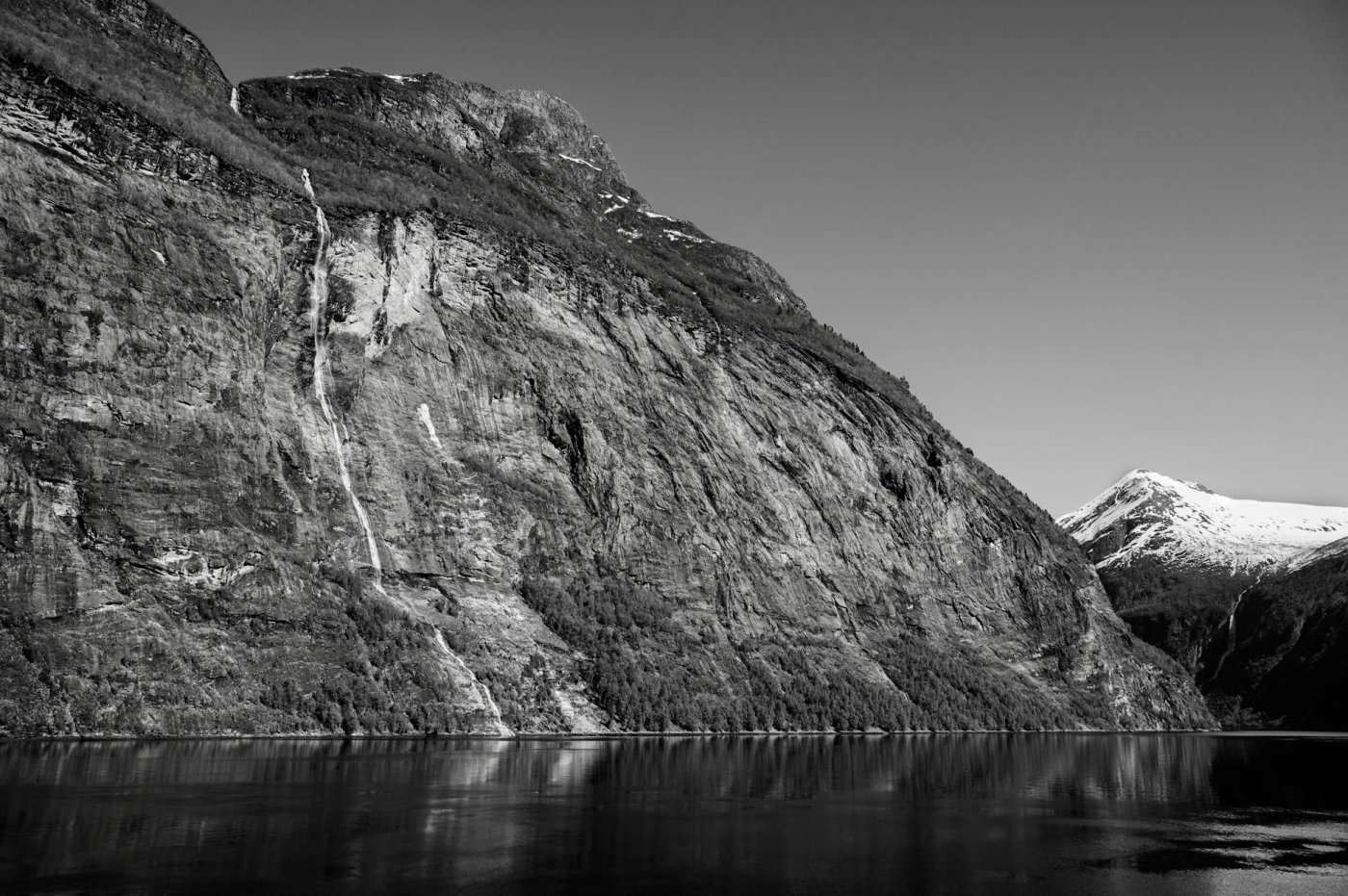
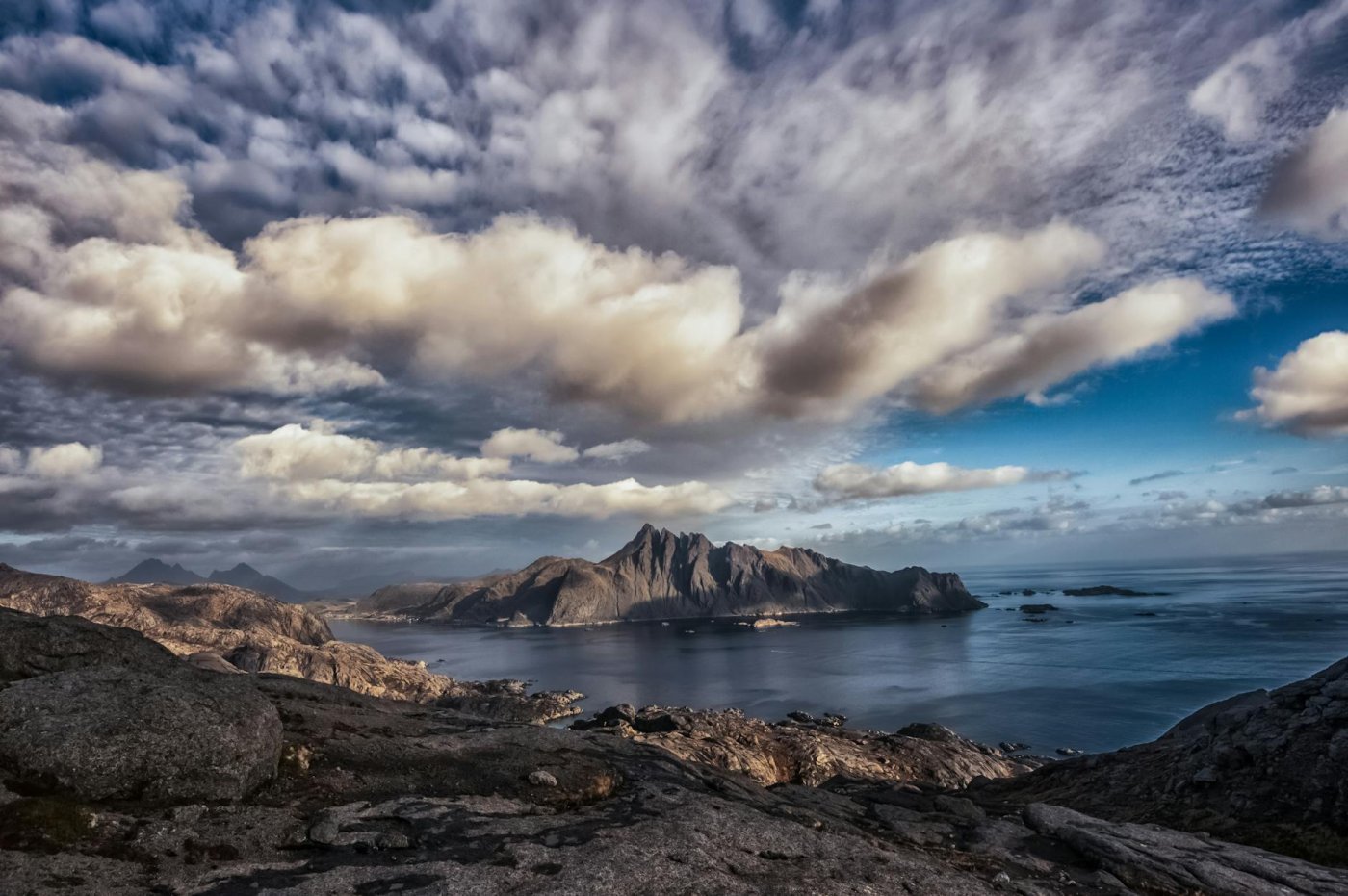
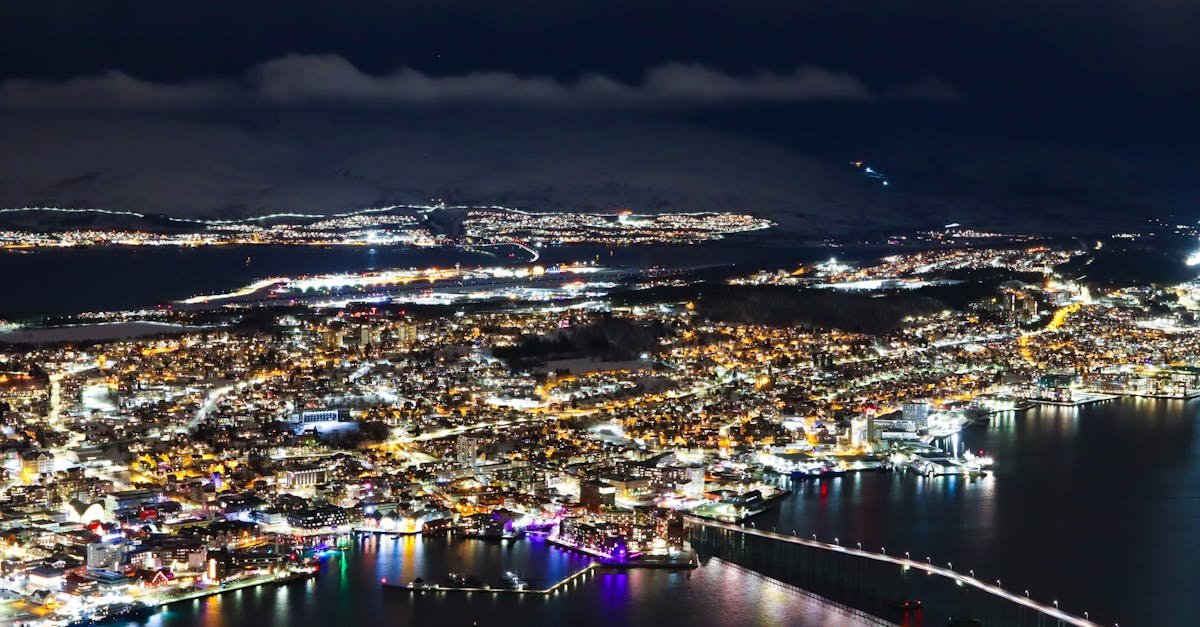
Alta sits at the mouth of the Altafjord in Norway's far north, a compact city where the sun refuses to set through June and the auroras ignite the sky almost every clear night in winter. The air here carries something primal — a cold, clean sharpness that sharpens your senses the moment you step off the plane. Birch forests dusted with snow slope into a fjord so wide it reads as open sea, while reindeer pick their way along roadsides with practiced indifference. Alta is the largest city in Finnmark, yet it still feels like a frontier outpost, a place where civilization and wilderness press together along a narrow, dramatic margin. This is the real Arctic, unhurried and astonishing.
Visiting Alta is a fundamentally different experience from Tromsø or the Lofoten Islands, which draw considerably larger crowds for good reason. Alta's trump card is layered authenticity: a UNESCO World Heritage rock art site containing over 6000 petroglyphs carved by hunter-gatherers across four millennia, living Sami reindeer culture that visitors can engage with directly, and aurora viewing statistics that rival anywhere on the planet during the polar night. Things to do in Alta range from dog-sledding across frozen tundra to canoeing the Altaelva — one of Europe's legendary salmon rivers — beneath the midnight sun. Travellers who make the extra effort north of Tromsø are rewarded with room to breathe and a deeper encounter with Scandinavia's ancient heart.
✦ Find your perfect destination
Is Alta really your perfect match?
Answer 12 quick questions about your travel style, budget and dates — we match you with the destinations that fit you best, from 600+ worldwide.
Alta belongs on your travel list because it delivers two completely distinct and equally extraordinary worlds depending on when you arrive. In summer, the midnight sun bathes the Altafjord canyon in golden light and the UNESCO rock carvings at Hjemmeluft glow with five thousand years of human story. In winter, Alta's position directly beneath the auroral oval means the Northern Lights appear on roughly 80% of clear nights between October and March — a statistical advantage few destinations can match. The Sami cultural experiences here are genuine rather than theatrical, and the dramatic Sautso Canyon, Scandinavia's largest, rewards hikers with landscapes that feel entirely uncontested.
The case for going now: Alta is quietly building world-class Arctic tourism infrastructure without yet sacrificing the uncrowded intimacy that defines it. The Sorrisniva Igloo Hotel has expanded its aurora-viewing suites, new direct winter charter routes from several European cities are reducing travel friction, and the Norwegian krone's current weakness against the euro makes Norway meaningfully more affordable than at any point in the last decade. Go before the rest of the continent catches on.
🪨
Rock Art Discovery
Walk among over 6000 UNESCO-listed petroglyphs at Hjemmeluft, carved by Arctic hunter-gatherers between 7000 and 2000 years ago. The site's boardwalk trails reveal bears, elk, and hunting scenes etched into red slate beside the fjord.
🌌
Aurora Chasing
Alta's position beneath the auroral oval delivers Northern Lights on the majority of clear winter nights. Join a guided chase by snowmobile or simply step outside your cabin — the show often begins without warning and fills the entire sky.
🛷
Dog Sledding
Take the reins of a husky team across open snowfields north of Alta on half-day or multi-day expeditions. The silence between commands and the rhythmic panting of twenty dogs is one of the most viscerally memorable sensations in Arctic travel.
🦌
Sami Reindeer Culture
Visit a Sami reindeer camp to learn about nomadic herding traditions that predate the Norwegian state by millennia. Feed reindeer from your hand, taste bidos stew, and hear the yoik — a haunting vocal tradition unlike anything else in Scandinavia.
Alta's neighbourhoods — where to focus
City Centre
Alta Sentrum
Alta's compact town centre stretches along the E6 highway near the Altaelva river mouth, housing the main supermarkets, restaurants, and the Alta Museum. It is unpretentious and functional, but the fjord views from the quayside are quietly spectacular, particularly at sunset or under the low winter sun.
Historic Quarter
Bossekop
The oldest part of Alta, Bossekop was a significant trading and market town for centuries and remains the area where Sami, Kven, and Norwegian cultures most visibly intersect. Wooden merchant buildings line the inlet, and the local church carries genuine historical weight for this remote corner of Scandinavia.
Nature Gateway
Hjemmeluft
This shoreside suburb southwest of the town centre is where Alta's most famous asset — the UNESCO rock art site — is located alongside the Alta Museum. Walking paths lead directly from the museum to the fjord's edge, making Hjemmeluft the most scenic entry point into Alta's ancient and natural heritage.
Wilderness Base
Sorrisniva
Some thirty kilometres inland along the Altaelva valley, Sorrisniva is home to the famous Igloo Hotel and a cluster of wilderness lodges that serve as the prime base for winter aurora experiences and dog sledding. The frozen river here creates an almost surreal ice landscape that photographers visit from across Europe.
Top things to do in Alta
1. Explore Hjemmeluft Rock Art Site
The Alta rock art site at Hjemmeluft is unlike any UNESCO World Heritage site in Western Europe. Spread across four distinct fields along the southern shore of the Altafjord, the carvings date from approximately 7000 to 2000 years ago and document the lives of Arctic hunter-gatherers with extraordinary detail — reindeer herds in motion, bears mid-charge, humans in boats, shamanic figures with raised arms. A network of well-maintained boardwalks protects the exposed rock surfaces while allowing close inspection without damaging them. The Alta Museum adjacent to the site provides essential context, with scale models and archaeological finds that transform the petroglyphs from curious marks into a coherent narrative of prehistoric Arctic life. Allow at least two to three hours and time your visit for the low-angle light of morning or evening, when shadows deepen the carved lines and the images become dramatically legible against the red schist.
2. Canyon Hike in Sautso
Sautso Canyon in the Alta River gorge is the largest canyon in Scandinavia, and it remains one of the least-known dramatic landscapes in all of Norway. The walls drop up to 420 metres in places, sculpted by meltwater over thousands of post-glacial years, and the river that carved them — the Altaelva — is simultaneously one of Europe's most celebrated Atlantic salmon rivers. The canyon is accessible by guided raft or kayak from late June, when water levels moderate after snowmelt, and several local operators offer full-day descents through the gorge. Hikers who prefer dry ground can follow the canyon rim trail from Gargia Fjellstue, an old mountain lodge, for sweeping aerial perspectives over the gorge without needing to paddle. On a clear summer day with the midnight sun angled low across the canyon walls, this is genuinely one of Scandinavia's most theatrical natural experiences, and Alta's relative obscurity means you may share it with almost nobody.
3. Northern Lights Viewing & Photography
Alta's location directly beneath the auroral oval — the belt of greatest geomagnetic activity that circles the Arctic — means it statistically outperforms Tromsø and Rovaniemi for Northern Lights frequency during the polar night season from late October to mid-February. A clear sky here during a period of moderate solar activity is rarely disappointing. The darkness is absolute in midwinter, which makes conditions ideal for photography but also means guided excursions are strongly recommended for first-timers. Snowmobile aurora safaris take groups twenty or thirty kilometres into the backcountry, away from what little light pollution the town emits, and the knowledgeable guides carry real-time aurora forecast apps and can position vehicles for optimal composition. If you prefer a stationary but comfortable experience, several lodges including Sorrisniva and Holmen Husky Lodge offer heated aurora cabins with glass roofs or large picture windows overlooking open sky — you can watch from a sleeping bag without losing a degree of body warmth.
4. Dog Sledding on the Finnmark Plateau
Alta is one of Norway's premier dog-sledding destinations, partly because the surrounding Finnmark plateau offers hundreds of kilometres of open, obstacle-free terrain and partly because the local operator community has deep expertise cultivated over generations. Several companies based around Sorrisniva and along the Altaelva valley offer everything from two-hour taster sessions — ideal for families — to five-day self-drive expeditions across the plateau toward the Finnish border. The Finnmarksløpet, Scandinavia's longest dog-sled race, starts from Alta every March and brings the town alive with mushers, their teams, and enthusiastic crowds, making it one of the best things to do in Alta during late winter if your Alta itinerary includes a March visit. Responsible operators introduce guests to kennel management and dog care before any run, and the trust that develops between sled and team across open snowfields is an experience that is very difficult to replicate anywhere closer to home.
What to eat in Finnmark and Arctic Norway — the essential list
Bidos
The ceremonial Sami reindeer stew, bidos is slow-cooked with reindeer meat, marrow bones, and root vegetables until the broth becomes deeply savoury and restorative. It is the defining dish of Finnmark's indigenous culture and carries genuine cultural weight beyond its considerable comfort-food appeal.
Grilled Arctic Char
The rivers and lakes around Alta produce outstanding Arctic char, a salmonid whose pale pink flesh is sweeter and more delicate than farmed salmon. Grilled over birchwood and served with cloudberry butter and boiled potatoes, it is the quintessential Finnmark summer meal.
King Crab
The Barents Sea red king crab has colonised Norwegian waters and is now a prized local delicacy. Legs steamed and cracked at the table, served with melted butter and lemon, a king crab feast is an Alta winter ritual that several restaurants and wilderness camps offer as a dedicated experience.
Rømmegrøt
This thick Norwegian sour cream porridge, dusted with cinnamon and sugar and pooled with melted butter, has sustained Finnmark inhabitants through harsh winters for centuries. Simple and unashamedly filling, it remains a staple at mountain lodges and Sami camps throughout the region.
Smoked Reindeer Heart
A distinctive Sami delicacy, smoked reindeer heart is sliced thin and served cold, with a dense, mineral-rich flavour closer to bresaola than to conventional game. It appears on the best menus in Alta as a starter and is worth ordering for the conversation it generates alone.
Cloudberry Desserts
Cloudberries — called multe in Norwegian — ripen on Finnmark's boggy tundra in late July and August. Served as jam, compote, or folded into thick cream, they taste like a concentrated hybrid of apricot and raspberry with a tart finish, and their brief season makes them a genuinely sought-after treat.
Where to eat in Alta — our top 4 picks
Fine Dining
Haldde Restaurant
📍 Rica Hotel Alta, Løkkeveien 61, Alta
The most polished dining room in Alta serves a menu rooted firmly in local Finnmark ingredients — reindeer tenderloin, Arctic char, king crab — prepared with genuine Nordic precision. The wine list is ambitious by Finnmark standards, and the attentive service makes it the natural choice for a celebratory dinner during an Alta itinerary.
Fancy & Photogenic
Sorrisniva Riverside Dining
📍 Sorrisniva Igloo Hotel, Alta
Dining beside the frozen Altaelva at Sorrisniva with candles flickering in the ice-hotel lobby is an experience as theatrical as any restaurant in northern Norway. The set menus lean heavily on reindeer and king crab, and on clear evenings the aurora occasionally performs above the panoramic windows.
Good & Authentic
Peppes Pizza & Vertshuset Alta
📍 Markedsgata 14, Alta
Vertshuset Alta is a reliable, unpretentious local pub-restaurant where Finnmark workers eat alongside passing travellers. The klippfisk gratin and reindeer burger are crowd-pleasing staples, the beer selection includes Norwegian craft ales, and the prices are marginally more forgiving than the hotel restaurants in the area.
The Unexpected
Alfa-Omega Restaurant
📍 Alfaveien 5, Alta
A surprising discovery in this remote city, Alfa-Omega blends Mediterranean technique with Arctic ingredients — think reindeer carpaccio with truffle oil or seared king crab with a saffron bisque. The interior is warm and contemporary, making it one of Alta's most talked-about dining options among visiting food writers.
Alta's Café Culture — top 3 cafés
The Institution
Kaféen (Alta Museum Café)
📍 Alta Museum, Altaveien 19, Alta
The museum café is where archaeologists, tour guides, and curious travellers converge over excellent coffee and homemade cinnamon buns. Positioned directly beside the UNESCO rock art site, it offers fjord views from its windows and sells traditional Sami crafts alongside its warm drinks and open sandwiches.
The Aesthetic Hub
Kaffebrenneriet Alta
📍 Sentrum, Alta
A branch of Norway's respected specialty coffee roasting chain, Kaffebrenneriet brings genuinely good single-origin espresso to Finnmark. The minimal Scandinavian interior, warm lighting, and strong Wi-Fi make it the preferred workspace for remote-working visitors navigating an extended Alta stay.
The Local Hangout
Bakeriet i Alta
📍 Markedsgata, Alta Sentrum
This unpretentious local bakery is where Alta residents start their day, drawn by cardamom-scented skolebrød, freshly baked rye loaves, and strong filtered coffee. Prices are refreshingly reasonable by Norwegian standards, the queue at 8am tells you everything you need to know, and the warmth inside is welcome after any winter morning.
Best time to visit Alta
Jan
Feb
Mar
Apr
May
Jun
Jul
Aug
Sep
Oct
Nov
Dec
Peak Aurora Season (Dec–Feb, Nov) — polar night, maximum aurora frequency, dog sledding, igloo hotels at full operationMidnight Sun Season (Jun–Aug) — hiking, canoeing, salmon fishing; Nov good for early auroraShoulder months — spring snow melt (Mar–May) and autumn transition (Sep–Oct) can be spectacular but unpredictable
Alta events & festivals 2026
Whether you're planning around a specific celebration or simply want to know what's happening, this guide covers the best events and festivals in Alta — from major annual traditions to cultural highlights worth timing your trip around.
March 2026culture
Finnmarksløpet Dog Sled Race
Europe's longest dog-sled race begins in Alta every March, with teams of huskies setting off for journeys of up to 1200 kilometres across the Finnmark plateau.
February 2026culture
Alta Aurora Festival
Alta's annual celebration of the polar night gathers photographers, scientists, and aurora enthusiasts for workshops, guided viewing nights, and talks on space weather and Sami celestial tradition. It is widely considered one of the best Northern Lights events in Norway and draws specialists from across Europe.
June 2026culture
Midnight Sun Marathon
Alta hosts a beloved Midnight Sun Marathon every June where runners complete a certified course under a sun that simply refuses to set. The race begins at midnight and draws participants from across Scandinavia for one of the most unusual running experiences available anywhere in Norway.
August 2026music
Borealis Arctic Music Festival
This intimate summer festival brings folk, jazz, and indigenous Sami music to Alta's outdoor and indoor venues during the midnight sun season. The programming regularly includes renowned joik performers alongside contemporary Nordic artists, making it a compelling reason to visit Alta in August.
February 2026religious
Sami National Day Celebrations
February 6th is Sami National Day, observed with particular energy in Finnmark. Alta's celebrations include traditional costume processions, yoik performances, reindeer demonstrations, and communal feasts of bidos. It is one of the most authentic cultural events you can witness anywhere in the Norwegian Arctic.
January 2026culture
Polar Night Light Festival
Artists and light designers from across Norway illuminate Alta's darkest weeks with outdoor light installations along the Altafjord waterfront. Combining land art with the natural aurora display overhead, this festival transforms the polar night from endurance into spectacle, and it is increasingly attracting attention from European design magazines.
July 2026culture
Alta River Salmon Festival
The Altaelva's legendary salmon season peaks in July, and the local fishing community marks it with guided casting demonstrations, angling competitions, and riverside markets. Even non-anglers enjoy the festive atmosphere and the opportunity to buy the day's catch directly from the river bank.
September 2026market
Finnmark Autumn Market
Alta's traditional autumn market brings together Sami craft sellers, reindeer-product vendors, and local food producers from across Finnmark for a weekend of outdoor trading beside the fjord. Cloudberry preserves, dried reindeer meat, duodji handicrafts, and handmade knives are among the highlights.
April 2026culture
Easter in Kautokeino Festival
A short drive from Alta, Kautokeino hosts the world's most important Sami Easter festival each April with reindeer racing, joik competitions, and a Sami Grand Prix music contest that draws indigenous performers from across the Arctic. It is an essential addition to any extended Alta itinerary in spring.
October 2026culture
First Aurora Nights Alta
October marks the return of genuine darkness to Alta after the midnight sun season, and local tour operators celebrate with inaugural aurora evenings that include bonfires, hot cloudberry juice, and guided night photography workshops. It is a festive community moment that perfectly captures visiting Alta at its most atmospheric.
Hostel or guesthouse, self-catered meals at supermarkets, free rock art site walks, public bus transport
€€ Mid-range
€120–200/day
Comfortable hotel, restaurant dinners, one guided excursion per day, rental car for fjord exploration
€€€ Luxury
€200–400+/day
Sorrisniva igloo suite or wilderness lodge, private aurora safaris, dog-sled expeditions, king crab feasts
Getting to and around Alta (Transport Tips)
By air: Alta Airport (ALF) is directly connected to Oslo Gardermoen (OSL) with several daily SAS and Norwegian Air flights taking roughly two hours. Tromsø (TOS) also offers connections, and several winter charter operators now fly directly from Amsterdam, Frankfurt, and London Gatwick during the aurora season, making an Alta itinerary increasingly accessible from Central Europe.
From the airport: Alta Airport sits just four kilometres from the town centre, making it one of the most convenient Arctic airports in Norway. Taxis make the journey in under ten minutes and cost approximately 150–200 NOK. A local bus service operates on weekdays between the airport and Sentrum, and most hotels and lodges offer complimentary transfers when booked in advance — always confirm this when reserving during winter.
Getting around the city: Alta spreads across a long coastal strip rather than a compact urban core, making a rental car strongly recommended for any visit lasting more than two days. Avis, Hertz, and Europcar all have desks at Alta Airport. Local taxis are reliable and the drivers often double as informal guides. Sorrisniva and wilderness lodges are twenty to forty kilometres inland and poorly served by public transport, so independent access requires either a vehicle or lodge shuttle booking.
Transport Safety & Scam Prevention:
Unofficial Aurora Tour Operators: A small number of unlicensed individuals offer cut-price aurora tours from hotel lobbies in Alta. Always book through established operators with vehicles insured for Arctic off-road conditions and guides with wilderness first-aid certification — the plateau in winter is genuinely remote.
Taxi Flat-Rate Agreements: Confirm the fare before entering any Alta taxi, particularly for longer journeys to Sorrisniva or Sami camps. Reputable drivers will always agree a price or engage the meter at departure — never accept vague assurances that the cost is 'normal' for the journey.
Fuel and Winter Tyre Rental: Rental car contracts in Norway require winter tyres between November and April, which are mandatory by law and included with most Arctic rentals. Verify your contract before leaving the airport and always fill your tank before heading into the Finnmark plateau — petrol stations thin out dramatically twenty kilometres from Alta.
Do I need a visa for Alta?
Visa requirements for Alta depend on your nationality. Select your passport below for an instant answer — based on the Passport Index dataset for entry into Norway.
ℹ️ Indicative only. Always verify with the official consulate before booking. Data: Passport Index, April 2026.
For detailed requirements, documentation checklists and processing times by nationality: TravelDoc →
Search & Book your trip to Alta
Find the best flight routes and hotel combinations using our partner Kiwi.com.
Frequently Asked Questions
Is Alta safe for tourists?
Alta is exceptionally safe by any international measure. Finnmark has some of Norway's lowest crime rates, and solo travellers, families, and older visitors all move freely throughout the town and surrounding wilderness without concern. The primary safety considerations in Alta are environmental rather than social: winter temperatures regularly fall to minus twenty Celsius or below, and any backcountry excursion onto the Finnmark plateau requires proper equipment and a guide with wilderness first-aid training. Book organised tours with licensed operators and always inform your accommodation of your plans before venturing far from town in winter. Emergency services in Alta are professional and well-equipped.
Can I drink the tap water in Alta?
Yes, tap water in Alta is entirely safe to drink and is drawn from clean mountain and fjord catchments that meet stringent Norwegian water quality standards. Norway consistently ranks among the countries with the best municipal water quality in the world, and Alta is no exception. You can fill your bottle from any tap in hotels, restaurants, or public buildings without concern. Carrying a reusable bottle is strongly encouraged both for environmental reasons and because staying hydrated in cold, dry Arctic air is genuinely important for comfort and health during outdoor activities.
What is the best time to visit Alta?
The best time to visit Alta depends entirely on what you come for. For Northern Lights, the optimal window runs from late October through February, when the polar night delivers maximum darkness and Alta's position beneath the auroral oval produces frequent displays — statistically appearing on around 80% of clear nights. For midnight sun, hiking, canyon rafting, and salmon fishing, June through August is outstanding, with near-constant daylight creating a surreal, energising atmosphere. May and September are quieter shoulder months with unpredictable but sometimes spectacular conditions. Most European visitors find November through February and June through August to be the clearest, most rewarding seasons for an Alta trip.
How many days do you need in Alta?
A minimum of four days is needed to meaningfully engage with Alta's two signature experiences — the UNESCO rock art site and either a Northern Lights or midnight sun excursion. Four days allows you to visit Hjemmeluft thoroughly, join one guided wilderness excursion, experience Sami culture, and eat well without feeling rushed. A week is the sweet spot for most visitors, enabling a canyon raft or dog-sled expedition plus a Sami overnight camp alongside the headline attractions. For travellers combining Alta with Tromsø or Kautokeino on a broader Finnmark itinerary, ten days allows a deeply satisfying loop through some of the most remote and compelling landscape in Europe. Anything under three days risks feeling like a check-box visit.
Alta vs Tromsø — which should you choose?
Tromsø is the more cosmopolitan Arctic city — larger, livelier, with a stronger restaurant and nightlife scene and more direct international flight connections. Alta is rawer, quieter, and more archaeologically extraordinary, offering the UNESCO rock art site that Tromsø cannot match and better statistical aurora conditions due to its position within the auroral oval. If this is your first Arctic Norway trip and urban comfort matters as much as wilderness, Tromsø is the safer entry point. If you have already visited Tromsø or you specifically want dog-sledding, Sami cultural immersion, canyon hiking, and intense aurora viewing with fewer competing tourists, Alta delivers a deeper, more singular Arctic experience. Many seasoned Norway travellers now argue that Alta is the more rewarding destination.
Do people speak English in Alta?
English is spoken to an excellent standard throughout Alta. Norwegian schools deliver English instruction from primary level, and by adulthood the vast majority of Finnmark residents are fully conversant, including in technical vocabulary relevant to outdoor guiding, hospitality, and tourism. At Alta Airport, in hotels, restaurants, tour operators, and the Alta Museum, you can expect fluent English at every point of contact. Even in smaller Sami camps and wilderness lodges, guides routinely present in both Norwegian and English. You are unlikely to encounter any meaningful communication difficulty during a visit to Alta, even if you speak no Norwegian at all.
★ Hidden Gems Weekly
Like this? One place per week, in your inbox.
No spam, no fluff — just one underrated destination, every Tuesday.
Hand-picked and verified by Max, who founded Vacanexus from Luxembourg in 2026. No sponsorships, no paid placements. Every recommendation — restaurants, neighbourhoods, things to do — is selected for authenticity over popularity.