⏱ 8 min read📅 Updated 2026💶 €€€ Mid-Luxury✈️ Best: Jun–Aug
€120–250
Daily budget
Jun–Aug & Feb–Mar
Best time
5–7 days
Ideal stay
NOK
Currency
Very Safe
For solo travel
Excellent
English level
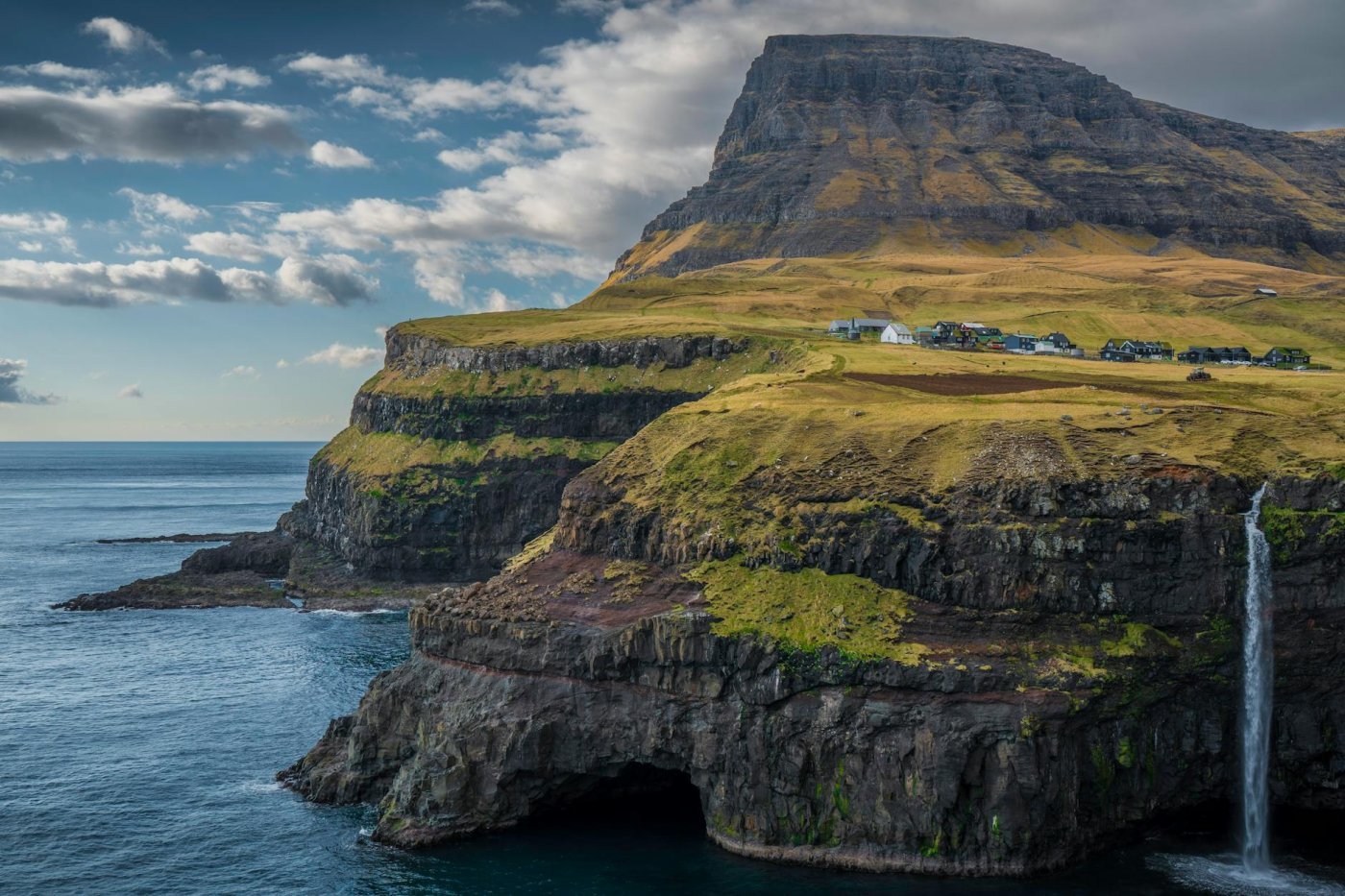
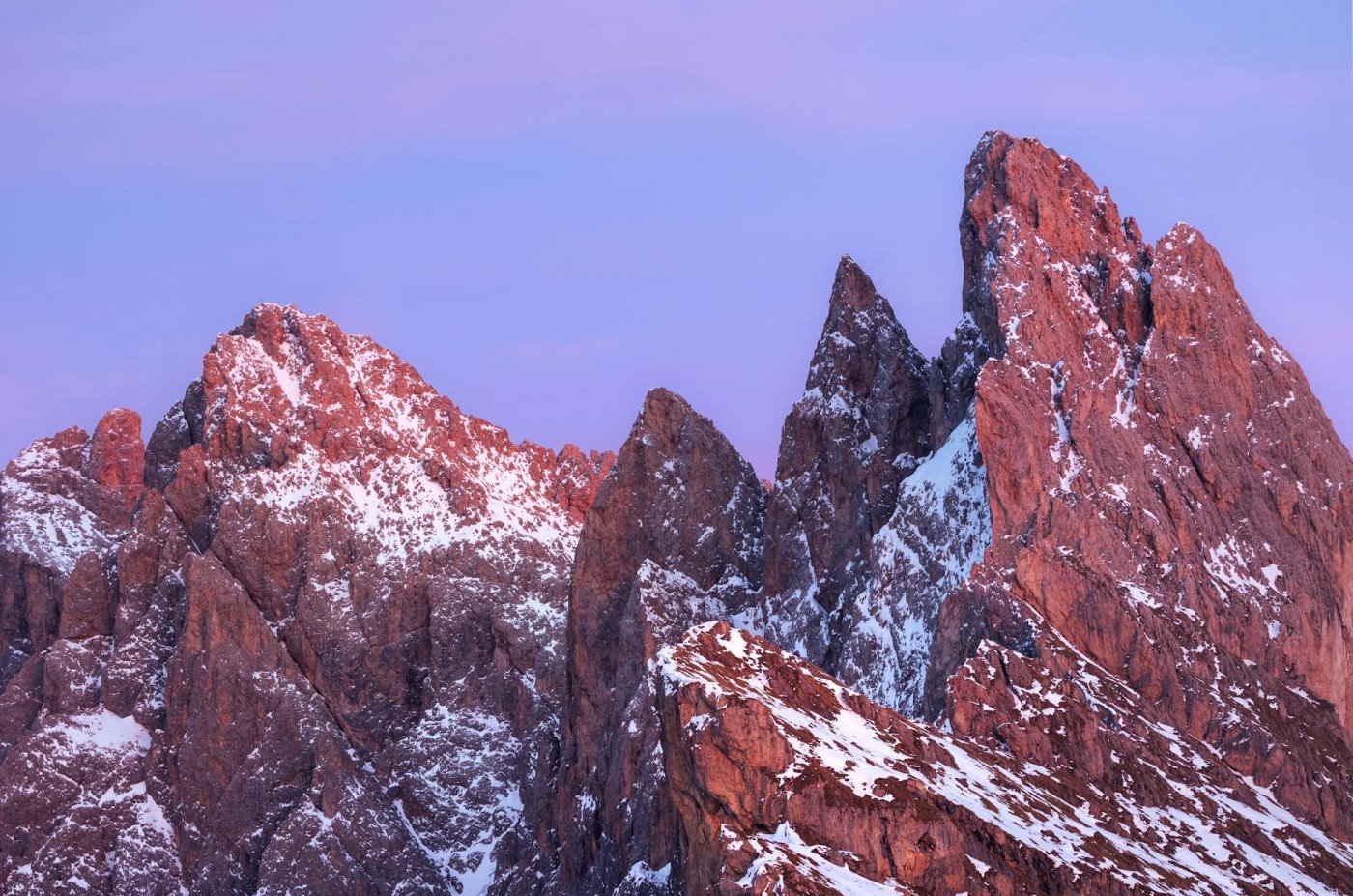
The salty tang of the Arctic Ocean mingles with the scent of drying cod on wooden racks as you step into the Lofoten Islands. Here, jagged granite peaks slice violently through the clouds, rising straight out of Caribbean-blue waters. Tiny red fisherman's cabins—known as rorbuer—cling perilously to rocky shores battered by the surf. It is a landscape so dramatically stunning it feels almost fictional.
Unlike other destinations above the Arctic Circle, the Gulf Stream grants Lofoten a surprisingly mild climate, creating an unparalleled playground for outdoor enthusiasts. It’s a place where ancient Viking traditions and a thriving fishing culture collide with modern eco-tourism. Whether you are chasing the golden hue of the Midnight Sun or navigating narrow, glacier-carved fjords, Lofoten redefines the meaning of raw natural beauty.
✦ Find your perfect destination
Is Lofoten Islands really your perfect match?
Answer 12 quick questions about your travel style, budget and dates — we match you with the destinations that fit you best, from 600+ worldwide.
Your Lofoten Islands itinerary — choose your style
🗓 Weekend Break — 2 days
🧭 City Explorer — 5 days
🌍 Deep Dive — 10 days
Your pace:
Why Lofoten Islands belongs on your travel list
Lofoten isn't just about passive sightseeing; it's about the stark, exhilarating contrast of elements. You can surf freezing, world-class waves at Unstad in the morning, conquer a precipitous mountain ridge by afternoon, and savor freshly caught winter cod under skies that never truly darken.
The case for going now: With a fleet of new silent electric ferries launching across the fjords and a major push toward sustainable, eco-certified lodging for 2026, exploring this fragile archipelago has never been more accessible or responsible.
🥾
Hike Reinebringen
Climb a steep stone stairway for a jaw-dropping panoramic view of the Reinefjord.
🏡
Sleep in a Rorbu
Stay in a converted, bright red historic fisherman's cabin perched over the sea.
🛶
Midnight Sun Kayaking
Paddle through glassy, silent fjords under a golden sky at 1 AM.
🏄
Arctic Surfing
Catch freezing but perfect ocean swells at the dramatic Unstad beach.
Lofoten Islands's neighbourhoods — where to focus
The Bustling Hub
Svolvær
The capital and gateway to Lofoten, offering excellent art galleries, deep-sea fishing tours, and high-end dining. It’s the perfect basecamp with the most robust infrastructure.
The Venice of Lofoten
Henningsvær
Spread across tiny, bridge-connected islands, this village is famous for its dramatic coastal soccer field. It is packed with artisan cafes, glassblowers, and trendy boutiques.
The Iconic Postcard
Reine
A jaw-droppingly beautiful fishing village at the southern end of the archipelago, surrounded by towering granite spires. This is where the classic, iconic Lofoten photos are taken.
The Living Museum
Nusfjord
One of the oldest and best-preserved fishing villages in Norway, nestled in an isolated, narrow fjord. Strolling its wooden boardwalks feels like stepping back into the 19th century.
Top things to do in Lofoten Islands
1. Cruise the Silent Trollfjord
Board a hybrid-electric catamaran from Svolvær and glide into the impossibly narrow Trollfjord without the hum of an engine. The sheer cliffs rise dramatically on either side, making you feel entirely dwarfed by nature. Keep your eyes peeled for white-tailed sea eagles, which often swoop down to pluck fish right out of the water near the boat.
2. Trek to Kvalvika Beach
A moderate two-hour hike over a rocky mountain pass reveals an isolated, crescent-shaped beach fringed with turquoise water. The white sand looks deceptively tropical, but the surrounding jagged peaks and biting wind remind you of your Arctic latitude. Bring a thermos of hot coffee, find a sheltered grassy dune, and soak in the raw isolation.
3. Hunt the Northern Lights
If visiting between late September and March, drive away from village light pollution to open north-facing spots like Haukland or Uttakleiv beaches. Watching the green and purple aurora borealis dance across the sky and reflect perfectly on the wet sand is a spiritual experience. Bring a sturdy tripod and dress in extreme thermal layers—you will be standing still in the cold for hours.
4. Step Inside the Viking Age
Visit the Lofotr Viking Museum in Borg, where the largest Viking longhouse ever discovered has been meticulously reconstructed. The smell of woodsmoke and roasting meat fills the air as costumed guides share authentic Norse mythology. You can even try your hand at rowing a replica Viking ship or throwing traditional axes.
What to eat in Lofoten Islands — the essential list
Tørrfisk (Stockfish)
Unsalted Arctic cod dried by the cold wind on wooden racks. It is often rehydrated and served grilled or in rich stews.
Lofotlam
Gourmet local lamb from sheep that graze freely on salty coastal grass, yielding incredibly tender and flavorful meat.
Skrei
Migrating winter cod caught between February and April. A pristine delicacy typically served with potatoes, butter, and cod roe.
Fiskesuppe
A rich, creamy Norwegian fish soup loaded with local seasonal catch, root vegetables, and fresh dill. Always served with crusty bread.
Kanelsnurrer
Norwegian cinnamon buns generously spiced with cardamom. They are best enjoyed piping hot alongside black coffee after a blustery hike.
Aquavit
The signature Scandinavian spirit distilled from potatoes and heavily flavored with caraway or dill. It is meant to be sipped to digest rich seafood.
Where to eat in Lofoten Islands — our top 4 picks
Fine Dining
Børsen Spiseri
📍 Gunnar Bergs vei 2, 8300 Svolvær
Housed in a quayside warehouse dating back to 1828, this is the premier spot for traditional Lofoten cuisine. Order their legendary 'Royal Stockfish' dish to experience a true Arctic delicacy.
Fancy & Photogenic
Underhuset Restaurant
📍 Reine Ytre Havn, 8390 Reine
Set in a beautifully restored historic building on the waterfront with panoramic views of the Reinefjord. They serve modern, artistic twists on Arctic seafood and local forage.
Good & Authentic
Fiskekrogen
📍 Dreyers gate 29, 8312 Henningsvær
A beloved local institution right on the harbor in Henningsvær. It is famous across the islands for its soul-warming, creamy fish soup and massive portions of the daily catch.
The Unexpected
Holmen Lofoten
📍 Sørvågen, 8392 Sørvågen
A hyper-local culinary destination that regularly hosts Michelin-starred guest chefs. The inventive tasting menu changes daily based on what the kitchen forages, hunts, and catches.
Lofoten Islands's Café Culture — top 3 cafés
The Institution
Henningsvær Lysstøperi and Cafe
📍 Dreyers gate 72, 8312 Henningsvær
Famous for its enormous cinnamon buns and cozy candle-lit interior. It doubles as an artisanal candle factory, making it the perfect refuge on a rainy day.
The Aesthetic Hub
Unstad Arctic Surf Café
📍 Unstadveien 105, 8360 Bøstad
The ultimate hipster hangout for extreme cold-water surfers. Renowned for their legendary pastry rolls and excellent pour-over coffee served in a vibrant, laid-back setting.
The Local Hangout
Klatrekaféen
📍 Misværveien 18, 8312 Henningsvær
Attached to the local rock-climbing school, it's a rustic and lively spot to grab a local Nordlandspils beer. Locals and travelers gather here to swap adventure stories.
Best time to visit Lofoten Islands
Jan
Feb
Mar
Apr
May
Jun
Jul
Aug
Sep
Oct
Nov
Dec
Jun–Aug: Peak summer brings the Midnight Sun, warmer weather, and prime hiking conditions.Feb–Mar & May, Sep: Excellent for winter Northern Lights, snow sports, or quiet spring trails.Oct–Jan & Apr: Often very dark (Polar Night), rainy, or dealing with slushy shoulder-season snow.
Lofoten Islands events & festivals 2026
Whether you're planning around a specific celebration or simply want to know what's happening, this guide covers the best events and festivals in Lofoten Islands — from major annual traditions to cultural highlights worth timing your trip around.
July 2026culture
Lofoten International Art Festival
Annual contemporary art festival showcasing Arctic-inspired works across multiple village venues. One of the best Lofoten Islands cultural events celebrating regional artistic talent.
June 21, 2026sports
Midnight Sun Marathon Svolvær
Summer solstice running event through dramatic Lofoten landscapes under 24-hour daylight. A must-see sports spectacle and one of the
August 15-17, 2026festival
Lofoten Food Festival Henningsvær
Celebration of Arctic cuisine featuring local seafood, traditional recipes, and modern Nordic cooking. Among the best Lofoten Islands festivals for culinary experiences.
September 2026culture
Northern Lights Photography Workshop
Professional aurora photography courses in prime viewing locations across the archipelago.
July 5-7, 2026festival
Traditional Fishing Competition Nusfjord
Historic fishing techniques competition in UNESCO-protected village setting with cultural demonstrations. Represents
August 1-3, 2026sports
Lofoten Hiking Festival Reine
Guided mountain expeditions and outdoor adventure celebration across iconic peaks and trails.
March 2026culture
Stockfish Heritage Days
Traditional cod drying celebration with historical reenactments and culinary workshops. Key
October 12-14, 2026sports
Arctic Surf Championship Unstad
International cold-water surfing competition on Lofoten's famous Arctic surf breaks.
🗓 For the complete official events calendar and visitor information, visit the Visit Norway →
Lofoten Islands budget guide
Type
Daily budget
What you get
€ Budget
€80–120/day
Hostels or wild camping, cooking own groceries, using local buses.
€€ Mid-range
€150–250/day
Sharing a rental car and a comfortable rorbu cabin, cafe lunches, and one nice dinner.
€€€ Luxury
€350+/day
Boutique sea-front lodges, private guided boat tours, and multi-course dining.
Getting to and around Lofoten Islands (Transport Tips)
By air: Harstad/Narvik Airport, Evenes (EVE) or Svolvær Airport (SVJ). EVE is the main gateway for road trips, while SVJ offers direct domestic flights.
From the airport: From EVE, renting a car is the best option (approx. 2.5 hours to Svolvær). The Flybussen is available but offers less flexibility.
Getting around: A rental car is highly recommended to explore the scattered islands. Public buses exist but schedules are sparse. Walking is best within the tiny villages.
Transport Safety & Scam Prevention:
Unpredictable Weather: The Arctic climate can shift dramatically in minutes. Always pack and carry waterproof and windproof layers, even if the morning is sunny.
Narrow Mountain Roads: The E10 highway is notoriously narrow with single-lane bridges and blind corners. Drive defensively and always pull over into designated turnouts to let locals pass.
Dangerous Hiking Conditions: Trails like Reinebringen are steep and incredibly slick when wet. Never hike in poor weather and ensure you have proper hiking boots with strong grip.
Do I need a visa for Lofoten Islands?
Visa requirements for Lofoten Islands depend on your nationality. Select your passport below for an instant answer — based on the Passport Index dataset for entry into Norway.
ℹ️ Indicative only. Always verify with the official consulate before booking. Data: Passport Index, April 2026.
For detailed requirements, documentation checklists and processing times by nationality: TravelDoc →
Search & Book your trip to Lofoten Islands
Find the best flight routes and hotel combinations using our partner Kiwi.com.
Frequently Asked Questions
Is Lofoten Islands safe for tourists?
Crime is virtually non-existent here. Your biggest safety concerns will be navigating narrow icy roads in winter, sudden storms, and treacherous, exposed hiking trails.
Do I absolutely need to rent a car?
While public buses run between major towns, a rental car is crucial if you want the freedom to stop for photos, reach remote trailheads, or hunt the Northern Lights at your own pace.
When is the best time to see the Northern Lights?
Between late September and early April. You need completely dark skies to see the aurora, making it impossible during the bright summer months of the Midnight Sun.
How many days do you need in Lofoten Islands?
Plan for 5-7 days minimum to experience Lofoten's dramatic peaks, fishing villages, and hiking trails without rushing. A week allows time for weather delays and lets you explore both the southern villages like Reine and northern areas like Henningsvær. Two weeks is ideal if you want to include multi-day hikes like the full Lofoten Ridge traverse.
Lofoten Islands vs Patagonia — which should you choose?
Choose Lofoten if you want dramatic Arctic scenery, midnight sun, and easier logistics with comfortable lodges and short hiking distances. Pick Patagonia if you're seeking multi-day wilderness treks, massive glaciers, and don't mind more challenging weather and remote conditions. Lofoten is better for photographers and comfort-focused travelers, while Patagonia suits serious trekkers.
What should you pack for Lofoten Islands weather?
Pack waterproof layers, warm fleece, and sturdy hiking boots regardless of season—weather changes rapidly from sunny to stormy. Bring a windproof jacket, warm hat, and waterproof pants even in summer, as temperatures can drop to 10°C (50°F) with strong coastal winds. Quick-dry clothing and multiple layers are essential since you might experience four seasons in one day.
★ Hidden Gems Weekly
Like this? One place per week, in your inbox.
No spam, no fluff — just one underrated destination, every Tuesday.
Hand-picked and verified by Max, who founded Vacanexus from Luxembourg in 2026. No sponsorships, no paid placements. Every recommendation — restaurants, neighbourhoods, things to do — is selected for authenticity over popularity.