⏱ 9 min read📅 Updated 2026💶 €€€ Premium✈️ Best: Jun–Aug
€120–250
Daily budget
Jun–Aug
Best time
5–7 days
Ideal stay
DKK (Faroese króna)
Currency
Very Safe
For solo travel
Excellent
English level
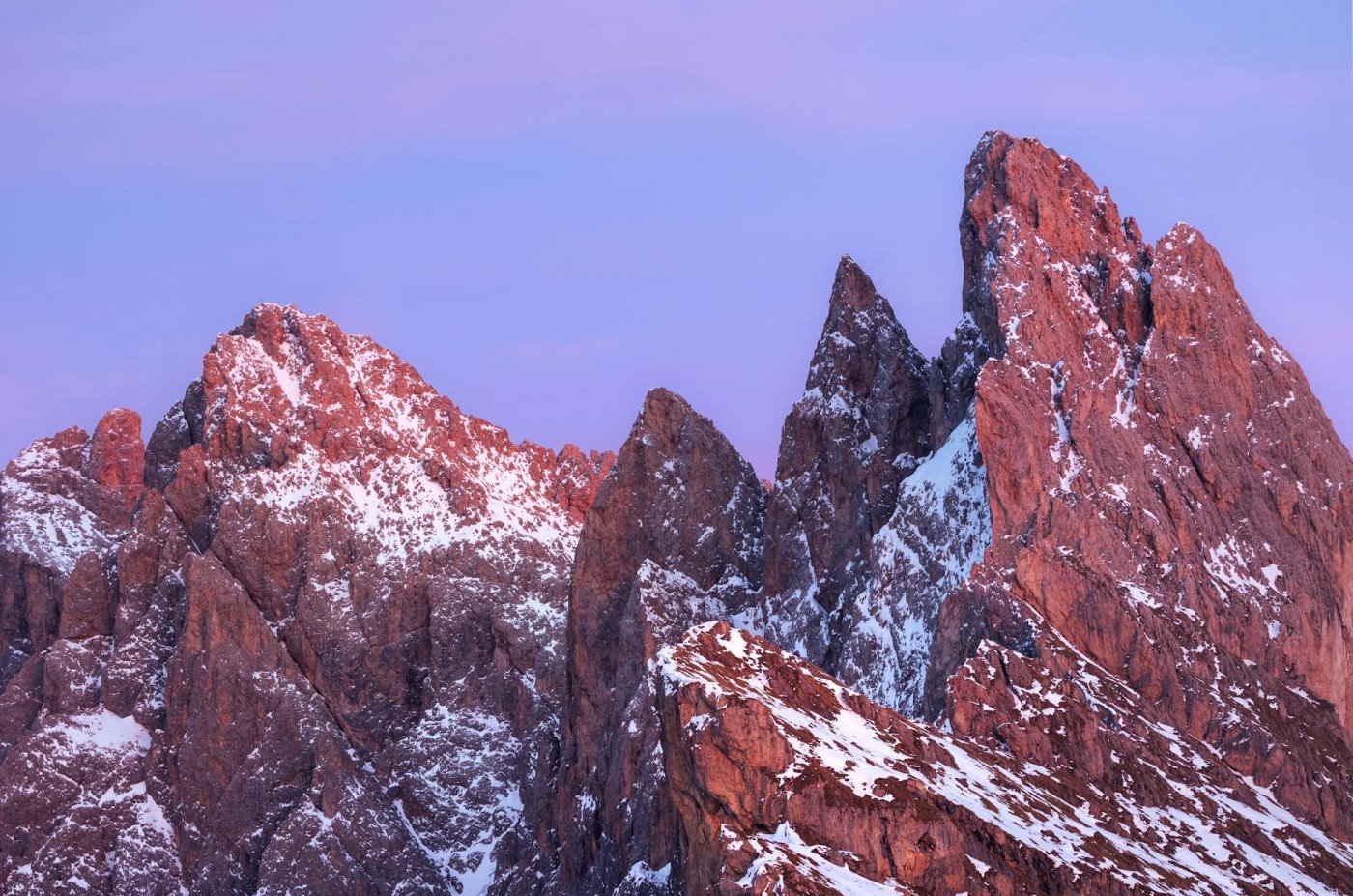
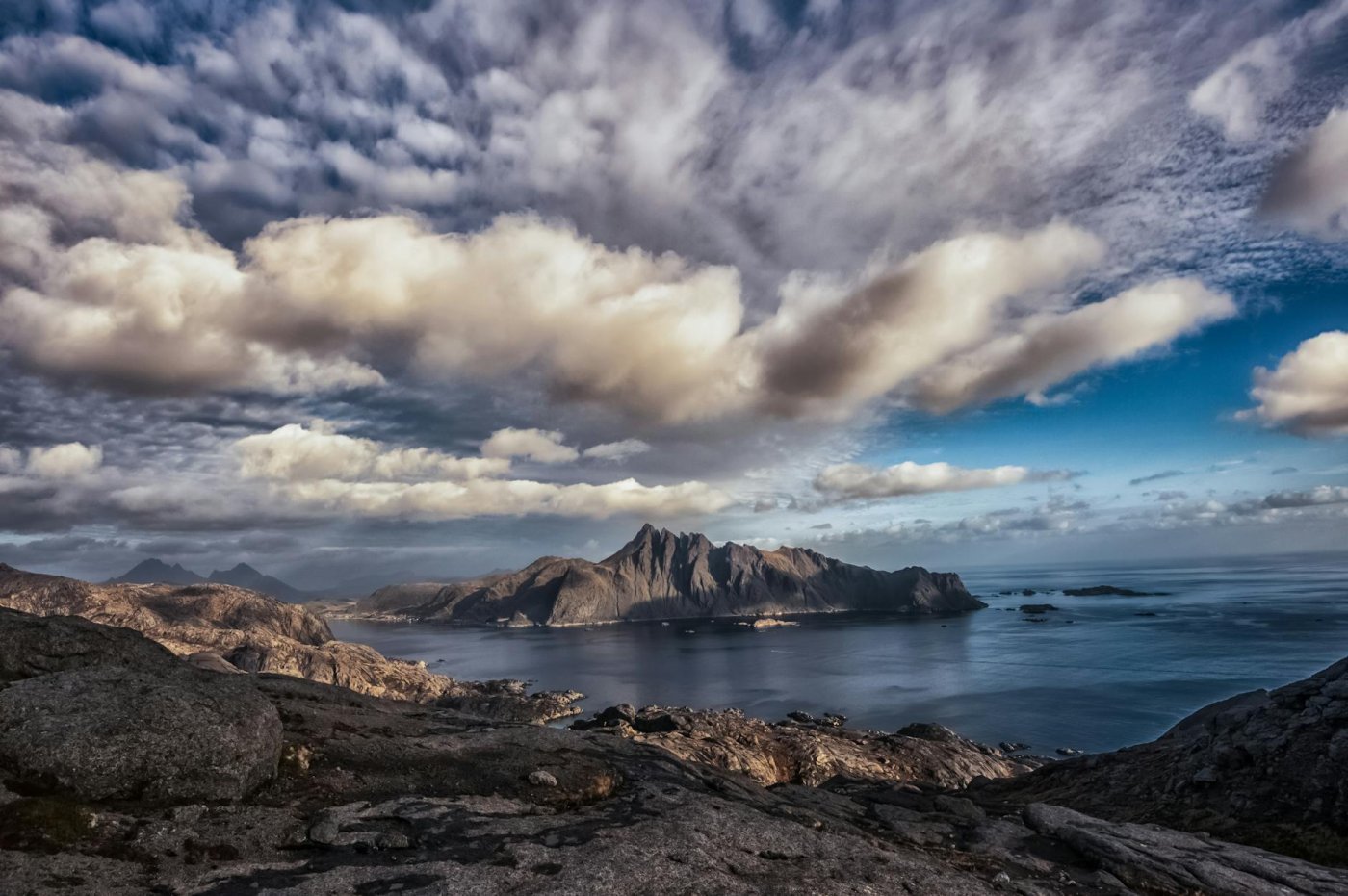
Imagine standing on a precipice of impossible green, the North Atlantic wind whipping your hair as thousands of seabirds circle above dramatic basalt cliffs. Below, the ocean churns a deep turquoise, crashing against ancient sea stacks that rise like monuments from the foam. This isn't a fantasy epic; it's a typical Tuesday afternoon in the Faroe Islands, a place where nature's raw power is the main event.
Often compared to its neighbour Iceland, the Faroe Islands offer a more intimate, off-the-beaten-path experience. This self-governing archipelago of 18 volcanic islands is a world of its own, defined by a moody, ever-changing climate and a unique culture that blends ancient Nordic traditions with a modern outlook. What surprises most visitors is the sheer verticality of the landscape and the profound sense of tranquility that pervades even the most windswept corners.
✦ Find your perfect destination
Is Faroe Islands really your perfect match?
Answer 12 quick questions about your travel style, budget and dates — we match you with the destinations that fit you best, from 600+ worldwide.
The Faroe Islands offer an unfiltered connection to nature that’s increasingly rare. It’s in the taste of the salt spray on a ferry crossing, the sight of puffins clumsily landing near your hiking boots, and the quiet dignity of tiny, turf-roofed villages huddled in magnificent fjords. This is a destination that doesn’t just show you a beautiful landscape—it makes you feel it.
The case for going now: Visit before the word gets out completely. While still relatively untouched compared to other Nordic destinations, new sub-sea tunnels are making the islands more accessible than ever, meaning the secret won't last forever.
⛰️
Hike Kallur Lighthouse
Embark on a breathtaking, windswept hike on the island of Kalsoy to this iconic lighthouse perched on a razor-sharp cliff.
🐧
Puffin Spotting on Mykines
Take a ferry to the island of Mykines and walk among thousands of nesting puffins during the summer months.
🌊
Witness Múlafossur Waterfall
Marvel at the storybook village of Gásadalur where the Múlafossur waterfall plunges directly from a cliff into the ocean.
🏡
Wander Tinganes
Explore one of the world's oldest parliamentary meeting places in Tórshavn's old town, with its red wooden, turf-roofed houses.
Faroe Islands's neighbourhoods — where to focus
Cozy Capital
Tórshavn
The world's smallest capital is a charming hub of excellent cafés, Nordic restaurants, and historic turf-roofed buildings. It's the perfect base for exploring the main islands of Streymoy and Eysturoy.
Iconic Landscapes
Vágar Island
Home to the airport and some of the most famous sights, including Múlafossur waterfall and the 'lake over the ocean' at Sørvágsvatn. Expect dramatic cliffs and accessible, awe-inspiring views.
Postcard Village
Gjógv
This idyllic village on Eysturoy is famous for its natural sea-filled gorge which acts as a harbour. It’s a peaceful retreat with stunning coastal walks and a quintessential Faroese atmosphere.
Northern Hub
Klaksvík
The Faroe's second-largest city and fishing capital, Klaksvík is the gateway to the remote Northern Isles. It offers a grittier, authentic look at modern Faroese life, surrounded by pyramid-shaped mountains.
Top things to do in Faroe Islands
1. Hike to Sørvágsvatn Cliff
Experience the famous optical illusion of the 'lake over the ocean'. The relatively easy 3km hike from Miðvágur leads to the Trælanípa viewpoint, where Lake Sørvágsvatn appears to float hundreds of feet above the sea. Wear sturdy, waterproof boots as the path can be muddy, and be prepared for a small hiking fee payable at the trailhead, which helps with path maintenance.
2. Explore the Village of Saksun
Step back in time in the tidal village of Saksun, with its iconic turf-roofed church and old farmhouses. The village is nestled in a natural amphitheater above a tidal lagoon. At low tide, you can walk out onto the sandy lagoon floor all the way to the Atlantic Ocean, a truly magical and moody experience.
3. Sail to the Vestmanna Sea Cliffs
Take a boat tour from the village of Vestmanna to navigate through narrow straits and into deep grottoes beneath colossal sea cliffs. These cliffs are teeming with birdlife in the summer, including guillemots, razorbills, and fulmars. The experience gives you a dramatic, sea-level perspective of the islands' immense scale.
4. Drive the Buttercup Routes
Rent a car and follow the 'Oyggjarvegur', the old scenic mountain road connecting Tórshavn to the northern villages. Marked with buttercup signs, these routes are slower but offer breathtaking views that you'd miss on the main roads and modern tunnels. It's the best way to appreciate the raw, empty beauty of the Faroese interior.
What to eat in Faroe Islands — the essential list
Skerpikjøt
Wind-dried, fermented mutton with a very strong, pungent flavour; a true Faroese delicacy. Often served in thin slices on rye bread, it's a taste of the islands' ancient preservation methods.
Heimablídni
An authentic 'home hospitality' dining experience where you eat a traditional meal in a local's home. Book this for a heartwarming and delicious insight into Faroese culture and cuisine.
Føroyskur Laksur
Faroese salmon, renowned worldwide for its exceptional quality and flavour, raised in the cold, clean Atlantic waters. Enjoy it smoked, grilled, or raw in restaurants across the islands.
Ræst Kjøt
Semi-dried fermented mutton that is boiled and served, often with potatoes and gravy. It has a milder flavour than Skerpikjøt and is a staple comfort food for many locals.
Føroysk Øl
Local craft beer from breweries like Føroya Bjór (with its iconic ram logo) and Okkara. Try a 'Gull' (Gold) export lager, a staple found in every bar and shop.
Rabarbugreytur
A sweet and tangy rhubarb porridge, a classic Faroese dessert. Rhubarb grows exceptionally well in the cool climate and is a common feature in cakes, desserts, and jams.
Where to eat in Faroe Islands — our top 4 picks
Fine Dining
Áarstova
📍 Gongin 7, Tórshavn 100
Located in a cozy, historic turf-roofed building, Áarstova specializes in slow-cooked Faroese lamb that is legendary. Opt for the set menu to sample a range of local delicacies in a warm, intimate setting.
Fancy & Photogenic
ROKS
📍 Gongin 5, Tórshavn 100
The playful and more casual sister restaurant to the famed KOKS, ROKS offers an inventive seafood-focused menu in a lively atmosphere. Expect beautifully presented small plates perfect for sharing, from horse mussels to mahogany clams.
Good & Authentic
Barbara Fish House
📍 Gongin 4-6, Tórshavn 100
Set in another charming old house in Tórshavn's old town, Barbara is all about fresh, local fish and shellfish. The menu is simple and depends on the day's catch, often served tapas-style. The rustic, stone-walled interior adds to the authentic charm.
The Unexpected
Skeiva Pakkhús
📍 Sigmundargøta 19, Tórshavn 100
This vibrant Italian-inspired restaurant in a renovated warehouse on the harbour offers fantastic pizzas and seafood pastas. It's an unexpected but welcome taste of the Mediterranean in the middle of the North Atlantic, beloved by locals.
Faroe Islands's Café Culture — top 3 cafés
The Institution
Brell Café
📍 Vaglið 9, Tórshavn 100
For the best coffee in the Faroe Islands, head to Brell. This specialty coffee shop takes its brewing seriously, offering expertly made espresso drinks and pour-overs in a modern, minimalist space.
The Aesthetic Hub
Paname Café
📍 4 Vaglið, Tórshavn 100
A charming and incredibly cozy café housed in a century-old bookstore building in the heart of Tórshavn. It's the perfect spot to curl up with a book, a coffee, and a slice of homemade cake while watching the world go by.
The Local Hangout
Kaffihúsið
📍 Undir Bryggjubakka, Tórshavn 100
With a prime location right on the marina, Kaffihúsið offers stunning harbour views from its large windows and outdoor terrace. It's a relaxed, no-fuss spot for a coffee, a light lunch, or a local Føroya Bjór beer.
Best time to visit Faroe Islands
Jan
Feb
Mar
Apr
May
Jun
Jul
Aug
Sep
Oct
Nov
Dec
Summer (Jun–Aug): Longest days, puffin season, and the best chance for clear skies and accessible hiking trails.Shoulder Seasons (May & Sep): Fewer crowds with beautiful spring blooms or autumn colours.Off-Season (Oct–Apr): Short, dark days with unpredictable, often harsh weather, but dramatic landscapes and a chance for Northern Lights.
Faroe Islands events & festivals 2026
Whether you're planning around a specific celebration or simply want to know what's happening, this guide covers the best events and festivals in Faroe Islands — from major annual traditions to cultural highlights worth timing your trip around.
July 28-29, 2026festival
Ólavsøka National Festival
The largest cultural celebration in the Faroe Islands featuring traditional chain dancing, rowing competitions, and local music. This is one of the best Faroe Islands festivals showcasing authentic Faroese culture and community spirit.
August 21-23, 2026music
Summarfestivalurin Music Festival
International and Faroese musicians perform across multiple venues in Klaksvík during this premier music event.
July 2026sports
Vaka Rowing Championships
Traditional Faroese boat racing championships held in various villages showcasing maritime heritage and community competition. These historic wooden boats represent centuries of Faroese seafaring tradition and island culture.
February 2026music
Winter Jazz Festival
International jazz musicians perform in intimate venues across Tórshavn during the dramatic winter season. This unique festival offers cozy indoor entertainment while experiencing the raw beauty of winter in the North Atlantic.
July 17-19, 2026music
G! Festival
Scandinavia's most remote music festival held outdoors in Syðrugøta featuring international and Nordic artists.
September 2026culture
Faroese Literature Days
Annual celebration of Faroese language and literature featuring readings, workshops, and cultural discussions. This intimate festival highlights the unique linguistic heritage and contemporary literary scene of the islands.
August 2026culture
Traditional Food Festival
Celebration of traditional Faroese cuisine including fermented fish, whale meat, and traditional cooking methods. Visitors can experience authentic flavors and learn about food preservation techniques developed over centuries of island life.
June 21, 2026culture
Midnight Sun Festival
Summer solstice celebration featuring outdoor activities, traditional dancing, and community gatherings during the brightest night. This festival captures the magic of endless daylight and represents the
October-March 2026culture
Northern Lights Photography Workshop
Professional photography workshops teaching aurora capture techniques in the dramatic Faroese landscape. These winter workshops combine technical instruction with some of the world's most spectacular aurora viewing opportunities.
December 2026market
Faroese Christmas Market
Traditional Christmas market in Tórshavn featuring handmade crafts, local foods, and holiday celebrations. The market showcases traditional Faroese winter culture and provides unique locally-made gifts and seasonal delicacies.
🗓 For the complete official events calendar and visitor information, visit the Visit Faroe Islands →
Faroe Islands budget guide
Type
Daily budget
What you get
€ Budget
€70–120/day
Dorm beds in hostels, self-catering from supermarkets, and extensive use of the public bus system.
€€ Mid-range
€120–250/day
Private rooms in guesthouses, a rental car, a mix of self-catering and meals at mid-range restaurants and cafes.
€€€ Luxury
€250+/day
Staying at top-tier hotels like Hotel Føroyar, dining at fine restaurants, and taking private guided tours or boat trips.
Getting to and around Faroe Islands (Transport Tips)
By air: Vágar Airport (FAE) is the sole international airport. It is primarily served by the national carrier, Atlantic Airways, with year-round flights from Copenhagen (CPH) and seasonal connections to hubs like Paris (CDG), Edinburgh (EDI), and Reykjavik (KEF).
From the airport: Renting a car directly from the airport is the most convenient option. Alternatively, bus route 300 connects the airport to Tórshavn in about 60 minutes for around 100 DKK. Taxis are available but are very expensive.
Getting around: A rental car is essential for exploring the islands. The road network is excellent, featuring modern bridges and impressive sub-sea tunnels connecting most major islands. For islands like Mykines or Suðuroy, reliable car and passenger ferries are the only option.
Transport Safety & Scam Prevention:
Respect the Unpredictable Weather: The weather can change from sunshine to dense fog and gale-force winds in minutes. Always check the forecast before hiking, tell someone your route, and never underestimate the conditions.
Beware of the Sheep: Sheep roam freely, including on roads. They have the right of way. Drive cautiously, especially around blind corners, as they can dart out unexpectedly. Hitting a sheep requires you to contact the police.
Book Everything in Advance: During the high season (June-August), rental cars, accommodation, and popular tours (like the Mykines ferry) can be fully booked months ahead. Spontaneity can be difficult, so plan and book well in advance.
Do I need a visa for Faroe Islands?
Visa requirements for Faroe Islands depend on your nationality. Select your passport below for an instant answer — based on the Passport Index dataset for entry into Faroe Islands.
ℹ️ Indicative only. Always verify with the official consulate before booking. Data: Passport Index, April 2026.
For detailed requirements, documentation checklists and processing times by nationality: TravelDoc →
Search & Book your trip to Faroe Islands
Find the best flight routes and hotel combinations using our partner Kiwi.com.
Frequently Asked Questions
Is Faroe Islands safe for tourists?
The Faroe Islands are exceptionally safe with one of the lowest crime rates in the world. Solo travelers, including women, can feel very secure. The main dangers are related to nature, such as unpredictable weather on hikes and steep, unfenced cliffs.
Do I need to rent a car in the Faroe Islands?
While public transport exists, renting a car is highly recommended for flexibility. It allows you to explore remote villages, stop at viewpoints, and adapt your itinerary to the ever-changing weather. Book well in advance, especially for summer travel.
What should I pack for a summer trip?
Pack layers! Even in summer, you'll need a waterproof and windproof jacket, warm sweaters (wool is ideal), sturdy waterproof hiking boots, and a hat/gloves. The weather can shift from sunny to cold and rainy in an instant, so being prepared is key.
How many days do you need in Faroe Islands?
A minimum of 4-5 days allows you to see the main villages like Gásadalur and Mykines, plus key hiking spots like Kallur lighthouse. For the ideal nature experience, plan 7-10 days to explore all the major islands, tackle multi-day hikes, and weather delays that commonly affect ferry schedules between islands.
Faroe Islands vs Patagonia — which should you choose?
Choose Faroe Islands if you want dramatic Nordic landscapes, cozy villages, and manageable day hikes accessible from comfortable accommodations. Pick Patagonia if you're seeking vast wilderness, multi-day trekking adventures, and don't mind more rugged, remote conditions with longer travel distances between attractions.
What should I pack for Faroe Islands weather?
Pack waterproof layers and warm clothing regardless of season — temperatures rarely exceed 60°F (15°C) even in summer, and weather changes rapidly from sun to rain to fog. Essential items include waterproof hiking boots, rain jacket, warm fleece, and wind-resistant outer layers since coastal winds are constant and strong.
★ Hidden Gems Weekly
Like this? One place per week, in your inbox.
No spam, no fluff — just one underrated destination, every Tuesday.
Hand-picked and verified by Max, who founded Vacanexus from Luxembourg in 2026. No sponsorships, no paid placements. Every recommendation — restaurants, neighbourhoods, things to do — is selected for authenticity over popularity.