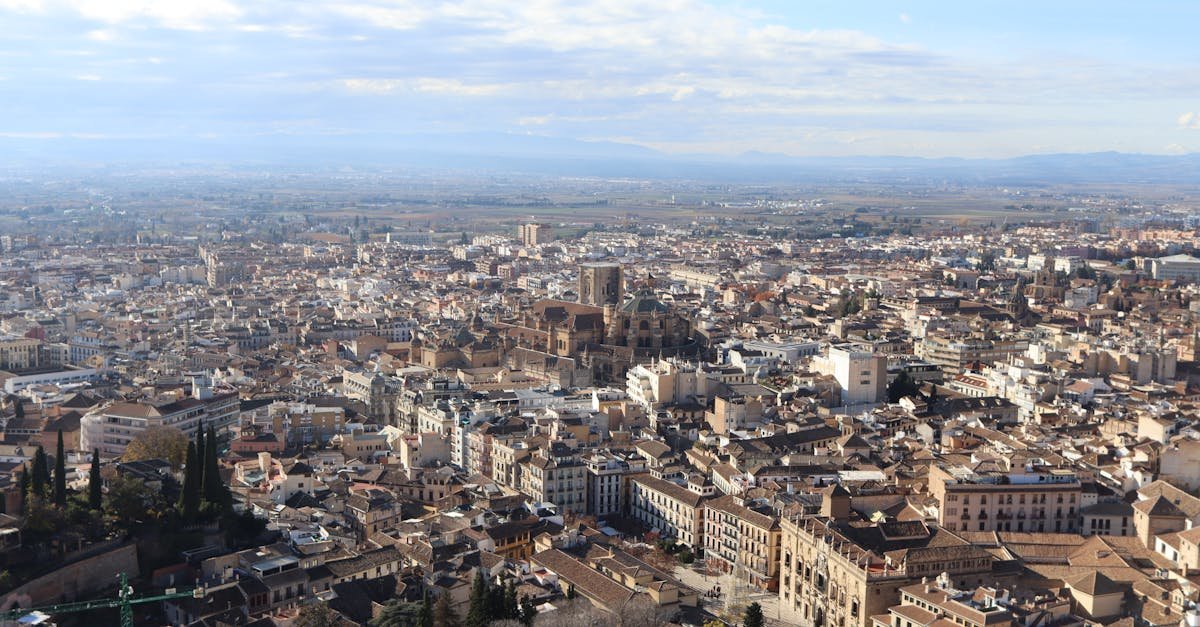
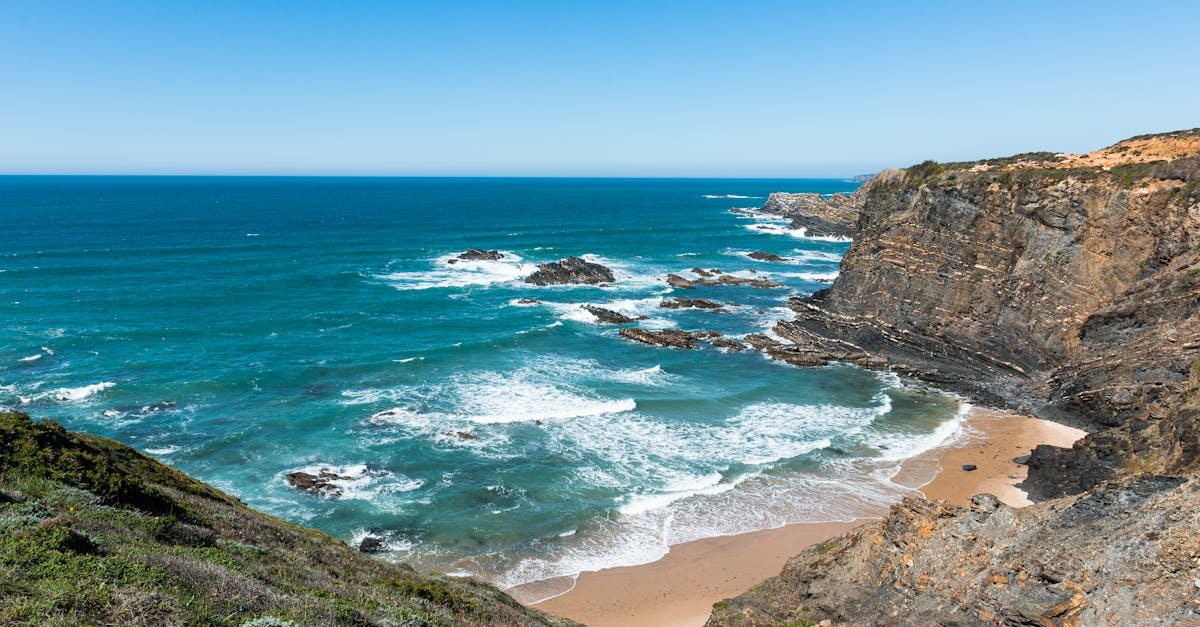
Andalusia Travel Guide — Where Moorish palaces, cliff-top villages and sun-drenched tapas bars define the soul of Spain
⏱ 12 min read📅 Updated 2026💶 €€ Mid-range✈️ Best: Apr–Sep
€50–120/day
Daily budget
Apr–Jun, Sep
Best time
7–10 days
Ideal stay
EUR
Currency
Andalusia arrives like a sensory ambush — the scent of orange blossom drifting through cobbled alleyways, the echo of flamenco heels on stone, and the sight of dazzling white pueblos stacked against terracotta hillsides under an impossibly blue sky. This southernmost region of Spain has been layered by Romans, Visigoths, Moors, and Castilians into something utterly unlike anywhere else in Europe. Andalusia is vast and varied, stretching from the Atlantic beaches of Cádiz to the snow-capped Sierra Nevada, with Seville, Córdoba, and Granada forming one of the continent's great cultural triangles. Every city, every village, every dusty plaza seems to hold a story several centuries deep.
What makes visiting Andalusia different from Madrid or Barcelona is its mood: slower, warmer, prouder of its own traditions. Things to do in Andalusia range from standing inside the breathtaking Mezquita of Córdoba to sipping manzanilla sherry in a Jerez bodega, or teetering on the edge of Ronda's vertiginous Tajo gorge. Where Catalonia leans cosmopolitan and the Basque Country leans gastronomy-obsessed, Andalusia leans into lived experience — the two-hour lunch, the late-night paseo, the free tapa that arrives with every beer. It rewards slow travel and punishes rushing, so budget more time than you think you need.
✦ Find your perfect destination
Is Andalusia really your perfect match?
Answer 12 quick questions about your travel style, budget and dates — we match you with the destinations that fit you best, from 600+ worldwide.
Andalusia delivers a density of world-class UNESCO heritage that few regions anywhere can rival — the Alhambra palace complex, Córdoba's Mezquita-Cathedral, and Seville's cathedral and Alcázar all sit within a half-day's drive of each other. Beyond the icons, Andalusia rewards the curious traveller with sherry-producing towns like Jerez de la Frontera, Baroque market squares in Úbeda, and the surreal white villages of the Sierra de Grazalema. Add reliable spring sunshine, spectacularly affordable food and wine, and a culture of genuine hospitality, and Andalusia becomes one of Europe's most compelling long-haul or short-break destinations.
The case for going now: Spring 2026 is a particularly strong moment to visit Andalusia: the high-speed AVE rail network has extended further into the region, cutting journey times between Seville and Granada significantly. Post-pandemic visitor numbers have stabilised, meaning shoulder-season crowds are lighter than pre-2020 peaks. The euro's current value gives non-eurozone European travellers exceptional purchasing power, and Andalusia's new rural tourism incentives are opening boutique cave hotels and restored cortijos at accessible prices.
🕌
Moorish Architecture
Explore the Alhambra's geometric perfection, Córdoba's forest of 856 marble columns inside the Mezquita, and Seville's ornate Alcázar — three masterpieces of Islamic and Mudéjar craftsmanship within a single Andalusian itinerary.
🍷
Sherry & Tapas
Trail the Marco de Jerez sherry route through cathedral-like bodegas, then graze on complimentary tapas in Granada's bar scene — one of the last cities in Spain where a drink still earns you a free plate of food.
🏘️
Pueblos Blancos
Wind through the Route of the White Villages — Arcos de la Frontera, Zahara de la Sierra, and Setenil de las Bodegas, where houses are literally built beneath overhanging rock faces — for some of Andalusia's most dramatic scenery.
💃
Flamenco Culture
Seek out an intimate tablao in Seville's Triana neighbourhood or Jerez's Barrio de Santiago — the authentic heartland of flamenco — where raw, unscripted performances feel more ritual than spectacle.
Andalusia's neighbourhoods — where to focus
Historic Heart
Seville's Santa Cruz
The former Jewish quarter of Seville is a labyrinth of orange-tree courtyards, wrought-iron balconies, and whitewashed lanes leading to the city's cathedral and Alcázar. It is the most densely atmospheric neighbourhood in all of Andalusia, best explored on foot in the early morning before the tour groups arrive.
Student Energy
Granada's Realejo
Once Granada's Jewish quarter and now a lively student district, Realejo sits below the Alhambra hill and spills into tapas bars and independent bookshops. Its mix of Nasrid-era architecture and contemporary street art gives it a layered, bohemian feel that contrasts beautifully with the palaces above.
Flamenco Soul
Seville's Triana
Across the Guadalquivir river from the historic centre, Triana is the working-class barrio that gave flamenco much of its DNA. Ceramic workshops, bullfighting culture, riverside tapas terraces, and intimate flamenco tablaos make Triana essential for understanding the real pulse of Seville — and of Andalusia itself.
Cliffside Drama
Ronda's Ciudad
Perched above the 120-metre Tajo gorge, Ronda's old city rewards every steep street with vertiginous views. The 18th-century bullring — Spain's oldest — the Arab baths, and a cluster of atmospheric tapas bars make Ronda the most spectacular day-trip or overnight stop on any Andalusia itinerary.
Top things to do in Andalusia
1. #1 — The Alhambra, Granada
No travel guide to Andalusia is complete without addressing the Alhambra: the Nasrid palace complex that crowns the hill above Granada is simply one of the most extraordinary buildings on earth. Book your timed entry tickets at least three weeks in advance — the Palacios Nazaríes sell out fast year-round. Arrive early to walk the Generalife gardens before the heat peaks, and allow a full half-day rather than a rushed two hours. The interplay of lace-like stucco plasterwork, cedarwood ceilings, and water channels flowing through courtyards creates an almost overwhelming aesthetic experience. Combine your visit with a late-afternoon walk up through the Albaicín quarter for the iconic mirador view back across to the palace at golden hour — arguably the defining image of all Andalusia.
2. #2 — Córdoba's Mezquita-Cathedral
Córdoba's Mezquita is a building that defies simple categorisation — a Great Mosque begun in 785 CE, expanded across two centuries into a forest of 856 columns topped with striped red-and-white arches, and then bisected in the 16th century by a Renaissance cathedral inserted into its very heart. The result is architecturally jarring and utterly fascinating. Visiting Andalusia without spending at least two hours inside the Mezquita is an opportunity squandered. The surrounding Judería (Jewish quarter) is among the best-preserved medieval quarters in Spain, with the 14th-century synagogue and the Calleja de las Flores courtyard both worth seeking out. Visit the Mezquita at opening time when the light angles through and the crowds are thin for the most transcendent experience.
3. #3 — Seville's Cathedral & Giralda Tower
Seville Cathedral holds the distinction of being the world's largest Gothic cathedral by volume, and it contains the monumental tomb of Christopher Columbus — transported here from Cuba in 1899. The building took over a century to construct and is a lesson in medieval ambition on a staggering scale. Climbing the Giralda minaret-turned-bell-tower via its series of gently sloping ramps (designed for horse-mounted muezzins) rewards you with panoramic views across Seville's rooftops to the Guadalquivir river. Immediately next door, the Royal Alcázar palace is a sumptuous blend of Mudéjar, Gothic, and Renaissance architecture with gardens that feel like an extension of the Arabian Nights — a must on any Andalusia itinerary.
4. #4 — Jerez & the Sherry Bodegas
The city of Jerez de la Frontera sits in western Andalusia and is the origin point of sherry — the wine style that Europeans once considered the most prestigious in the world. Today, its cathedral-like bodegas age fino, amontillado, oloroso, and Pedro Ximénez in stacked barrels using the solera system. González Byass (home of Tío Pepe) and Bodegas Tradición both offer excellent guided tours with tastings. What to do in Andalusia beyond the tourist trail often points here: Jerez is also the heartland of pure flamenco (palos), home to the Royal Andalusian School of Equestrian Art, and far less crowded than Granada or Seville. A night or two in Jerez significantly enriches any Andalusia trip.
What to eat in Andalusia — the essential list
Salmorejo
Córdoba's thick, velvety cold tomato soup — denser than gazpacho and enriched with bread and olive oil, served topped with jamón ibérico shavings and crumbled hard-boiled egg. It is one of Andalusia's most satisfying summer dishes.
Tapas Gratuitas
In Granada and Almería, ordering any drink still earns you a free tapa — a tradition largely lost in other Andalusian cities. Plates escalate with each round from olives to raciones of stew, making bar-hopping a genuinely affordable way to eat in Andalusia.
Pescaíto Frito
Andalusia's beloved fried fish — anchovies, squid rings, and small hake dusted in chickpea flour and fried to golden crispness. The technique was refined in Cádiz and Málaga, and eating a paper cone of pescaíto by the sea is quintessentially Andalusian.
Rabo de Toro
Slow-braised oxtail stew, deeply flavoured with red wine, bay, and vegetables — a dish intrinsically linked to bullfighting culture in Córdoba and Seville. Rich and warming, it is Andalusia's definitive winter comfort food and a staple of old-school tabernas.
Jamón Ibérico de Bellota
The acorn-fed, free-range black-hoofed pigs of Jabugo in Huelva province produce what many experts consider the finest cured ham in the world. Thinly sliced and served at room temperature, jamón ibérico de bellota is Andalusia's most prized culinary export.
Gazpacho
The cold raw tomato, cucumber, pepper, and garlic soup that originated in Andalusia is a summer staple served in nearly every bar and restaurant across the region. Fresh, bright, and deeply refreshing on a 38°C Seville afternoon — it is Andalusia in a glass.
Where to eat in Andalusia — our top 4 picks
Fine Dining
Abantal
📍 Calle Alcalde José de la Bandera, 7, Seville
Seville's first Michelin-starred restaurant channels contemporary Andalusian creativity through a tasting menu that reinterprets classic flavours — salmorejo, jamón, local seafood — with technical precision. The intimate 30-seat dining room is calm, refined, and utterly focused on the plate. Book well in advance.
Fancy & Photogenic
El Jardín de los Sueños
📍 Calle Pavaneras, 11, Granada
Set in a restored carmen house below the Alhambra, this Granada restaurant serves creative Moorish-influenced cuisine surrounded by a jasmine-covered terrace garden. The setting — lantern-lit at night with Alhambra views — is as memorable as the food. An ideal splurge night during any Granada stay.
Good & Authentic
Casa Pepe de la Judería
📍 Calle Romero, 1, Córdoba
A Córdoba institution since 1928, this family-run taberna in the heart of the Judería serves honest Andalusian cooking — rabo de toro, salmorejo, fried aubergine with cane honey — across three floors of tiled rooms and a rooftop terrace with Mezquita views. Unpretentious, reliable, and beloved locally.
The Unexpected
La Carboná
📍 Calle San Francisco de Paula, 2, Jerez de la Frontera
Housed inside a 19th-century bodega with soaring brick vaults and barrel-stacked walls, La Carboná pairs creative modern Andalusian cuisine directly with Jerez sherries suggested by a sommelier. Live flamenco performances occur spontaneously on weekend evenings, making dinner feel genuinely theatrical and memorable.
Andalusia's Café Culture — top 3 cafés
The Institution
Café de las Flores
📍 Avenida de la Constitución, 16, Seville
One of Seville's oldest surviving coffee houses, positioned directly opposite the cathedral with unbeatable people-watching terraces. The café con leche and churros ritual here feels like an Andalusian rite of passage. Marble-topped tables, traditional ceramic tiles, and a perfectly pulled espresso complete the experience.
The Aesthetic Hub
Café 4 Gatos
📍 Calle Elvira, 2, Granada
A beloved Granada café on the lively Calle Elvira strip, decorated with colourful azulejo tiles and vintage posters, drawing students, artists, and curious travellers alike. Their Arabic-influenced pastries — honey-soaked cakes and almond cookies — reflect Andalusia's Moorish culinary heritage in every bite. Outstanding cinnamon tea.
The Local Hangout
Bar-Cafetería El Patio
📍 Plaza de la Corredera, Córdoba
On Córdoba's spectacular enclosed baroque plaza, this no-frills local café fills up from 8am with workers eating tostadas con aceite y tomate and strong cortados before the day begins. Prices are resolutely local, the atmosphere is genuine, and the plaza setting in the morning sun is quietly magnificent.
Best time to visit Andalusia
Jan
Feb
Mar
Apr
May
Jun
Jul
Aug
Sep
Oct
Nov
Dec
Peak Season (Apr–Jun, Sep) — warm sun, lush landscapes, festivals; book aheadShoulder Season (Mar, Oct) — mild weather, fewer crowds, good valueOff-peak (Nov–Feb, Jul–Aug) — winter is quiet and cool; July–August is extremely hot
Andalusia events & festivals 2026
Whether you're planning around a specific celebration or simply want to know what's happening, this guide covers the best events and festivals in Andalusia — from major annual traditions to cultural highlights worth timing your trip around.
April 2026religious
Semana Santa Seville
Holy Week in Seville is one of the most intense religious spectacles in Europe — enormous floats (pasos) carrying centuries-old sculptures are carried by hooded brotherhoods through narrow streets to haunting saeta songs.
April–May 2026culture
Córdoba Patio Festival
Each spring, Córdoba's private homeowners open their famously decorated patios to the public for the Festival de los Patios, a UNESCO Intangible Heritage event. Flower-filled courtyards compete for prizes, creating an extraordinary sequence of colour and scent throughout the historic Judería and surrounding barrios.
April 2026culture
Feria de Abril, Seville
Two weeks after Semana Santa, Seville erupts into its famous April Fair — a week of flamenco dresses, horse-drawn carriages, rebujito cocktails, and casetas (marquee tents) on the fairground. The best Andalusia festivals are concentrated in spring, and the Feria is the most joyful of them all.
May 2026religious
Romería del Rocío
Half a million pilgrims converge on the tiny village of El Rocío in Huelva province for Andalusia's most extraordinary pilgrimage. Pilgrims arrive on horseback, in decorated wagons, and on foot across the marshes of the Doñana, creating scenes of intense communal devotion unlike anything else in Europe.
June 2026music
Festival Internacional de Música y Danza Granada
Granada's prestigious international festival brings world-class classical music, ballet, and flamenco performances to extraordinary outdoor venues including the Alhambra palace courtyards and the Generalife gardens. Attending a concert inside the Alhambra at night is among the great cultural experiences available in Andalusia.
June–July 2026culture
Suma Flamenca, Seville
One of Andalusia's premier flamenco festivals, drawing leading cantaores, bailaores, and guitarists to Seville's Teatro Central and outdoor stages. The programming spans traditional palos and experimental crossover work, offering a comprehensive overview of where flamenco stands as a living, evolving art form.
August 2026culture
Feria de Málaga
Málaga's week-long summer fair is the Costa del Sol's answer to Seville's April Feria — daytime processions through the historic centre give way to an enormous night fair with music, dancing, and fireworks. Málaga makes an excellent base for visiting Andalusia's coastline during August.
September 2026market
Jerez Harvest Festival (Fiesta de la Vendimia)
Jerez celebrates the grape harvest each September with the ceremonial treading of the first grapes on the cathedral steps, followed by a week of bodega open days, sherry tastings, flamenco performances, and equestrian events. It is the perfect Andalusia itinerary addition for wine and culture lovers in autumn.
October 2026culture
Festival de Flamenco de Jerez
Held across late winter and early spring (returning in its late-season format in October), this internationally respected Jerez festival is considered the most academically rigorous flamenco event in the world, drawing scholars, dancers, and enthusiasts from across Europe and Japan to Andalusia's flamenco heartland.
January–February 2026culture
Carnaval de Cádiz
Cádiz hosts what many consider the most satirical and musically sophisticated carnival in Spain — satirical chirigotas (musical groups) perform biting political comedy in the streets for ten days. Visiting Andalusia in February for Cádiz Carnaval is one of the region's most underrated travel experiences.
Hostel dormitories, free tapas bars in Granada, local menú del día lunches at €10–12, public buses between cities.
€€ Mid-range
€70–120/day
Boutique guesthouses, dinner at good restaurants with wine, Alhambra and Mezquita entry, occasional taxis and AVE trains.
€€€ Luxury
€180+/day
Paradores and five-star hotels, Michelin dining at Abantal, private guided tours, first-class rail travel across Andalusia.
Getting to and around Andalusia (Transport Tips)
By air: Andalusia is served by four main airports: Seville (SVQ), Málaga (AGP), Granada (GRX), and Jerez (XRY). Málaga has the most international connections and is the main gateway for low-cost carriers from across Europe, including Ryanair, Vueling, and easyJet. Seville is convenient for a western Andalusia itinerary starting in the city.
From the airport: From Málaga Airport, the Cercanías commuter train runs to Málaga city centre in 12 minutes and connects to the María Zambrano station for onward high-speed AVE rail to Seville, Córdoba, and Granada. From Seville Airport, bus EA runs to the city centre in 35 minutes for €4. Taxis from both airports are metered and reliable, running around €25–35 to city centres.
Getting around the city: Andalusia's major cities are well connected by Spain's high-speed AVE trains — Seville to Córdoba takes 45 minutes, Seville to Granada around 3 hours, and Seville to Málaga 2 hours. Within cities, walking is the best option for historic centres; Seville has an excellent tram and metro system. Granada and Córdoba are compact enough to explore almost entirely on foot. Buses connect the white villages.
Transport Safety & Scam Prevention:
Alhambra Ticket Scams: Only buy Alhambra tickets through the official Patronato de la Alhambra website. Touts outside offer tickets at inflated prices or sell counterfeit entries — many travellers have lost entry rights and money this way. Book at least 3 weeks in advance for peak months.
Restaurant Menus Near Monuments: Restaurants immediately adjacent to Seville Cathedral and Córdoba's Mezquita typically charge 30–50% more for mediocre food targeting tourist footfall. Walk two or three blocks into residential streets and you will find dramatically better quality at half the price.
Taxi Surcharges in Seville: Seville taxis are generally honest, but fares from the airport officially include a fixed supplement — insist the meter runs and request a receipt. Some drivers targeting new arrivals attempt to charge a flat inflated rate; compare the metered fare on Google Maps before engaging.
Do I need a visa for Andalusia?
Visa requirements for Andalusia depend on your nationality. Select your passport below for an instant answer — based on the Passport Index dataset for entry into Spain.
ℹ️ Indicative only. Always verify with the official consulate before booking. Data: Passport Index, April 2026.
For detailed requirements, documentation checklists and processing times by nationality: TravelDoc →
Search & Book your trip to Andalusia
Find the best flight routes and hotel combinations using our partner Kiwi.com.
Frequently Asked Questions
Is Andalusia safe for tourists?
Andalusia is a very safe travel destination by any European standard. The main cities — Seville, Granada, Córdoba, and Málaga — all have very low rates of violent crime. Petty theft (bag snatching and pickpocketing) does occur in crowded tourist areas like Seville's Santa Cruz quarter and around the Alhambra, so keep valuables in front pockets and be cautious at busy monuments. Rural Andalusia and the white villages are essentially crime-free and deeply welcoming to visitors.
Can I drink the tap water in Andalusia?
Tap water in Andalusia is technically safe to drink according to EU standards, but the taste varies significantly between cities. Seville's tap water tastes noticeably of chlorine to many visitors, while Granada's water — filtered through the Sierra Nevada — is considered excellent. Many locals and travellers prefer bottled water for taste reasons. In rural areas and the white villages, tap water quality is generally reliable and palatable.
What is the best time to visit Andalusia?
The best time to visit Andalusia is spring (April to June) and early autumn (September to October). April and May bring warm temperatures of 20–28°C, lush green landscapes, and spectacular festivals including Seville's Semana Santa and April Feria, and Córdoba's Patio Festival. September is particularly appealing — the heat has eased to comfortable levels, summer crowds have thinned, and Jerez celebrates its grape harvest. July and August bring extreme heat (often 38–42°C in Seville and Córdoba) which makes sightseeing punishing midday.
How many days do you need in Andalusia?
A minimum of 7 days is needed to do Andalusia meaningful justice, allowing one or two nights each in Seville, Córdoba, and Granada — the three anchor cities of the region's cultural triangle. With 10 days, you can add Ronda, Jerez, and a white village circuit without feeling rushed. Two weeks opens up Cádiz, the coast around Tarifa, Úbeda, and even the Doñana wetlands. Many European travellers make the mistake of cramming Andalusia into a 3-day long weekend; the distances and the pace of the region reward slower, deeper travel.
Andalusia vs Morocco — which should you choose?
Andalusia and Morocco are fascinating alternatives because Andalusia essentially preserved and reinterpreted the culture Morocco was sending north during eight centuries of Moorish rule. Choose Andalusia if you want world-class infrastructure, easy travel logistics, excellent food safety, and the Moorish aesthetic presented within a comfortable European context — the Alhambra and Mezquita are arguably more spectacular than anything in Marrakech or Fez. Choose Morocco if you want total cultural immersion, bustling souks, Saharan landscapes, and a more genuinely foreign experience. Many travellers combine both via the short Tarifa-to-Tangier ferry crossing from Andalusia.
Do people speak English in Andalusia?
English is widely spoken in Andalusia's major tourist zones — staff at hotels, museums, Alhambra ticket offices, and popular restaurants in Seville, Granada, and Córdoba will typically speak adequate to good English. However, Andalusia remains more Spanish in character than Madrid or Barcelona, and in smaller towns, rural areas, and local bars away from the tourist circuit, Spanish is essential. Learning basic Spanish phrases — ordering tapas, asking for the bill, greetings — is genuinely appreciated and will improve your experience markedly.
★ Hidden Gems Weekly
Like this? One place per week, in your inbox.
No spam, no fluff — just one underrated destination, every Tuesday.
Hand-picked and verified by Max, who founded Vacanexus from Luxembourg in 2026. No sponsorships, no paid placements. Every recommendation — restaurants, neighbourhoods, things to do — is selected for authenticity over popularity.