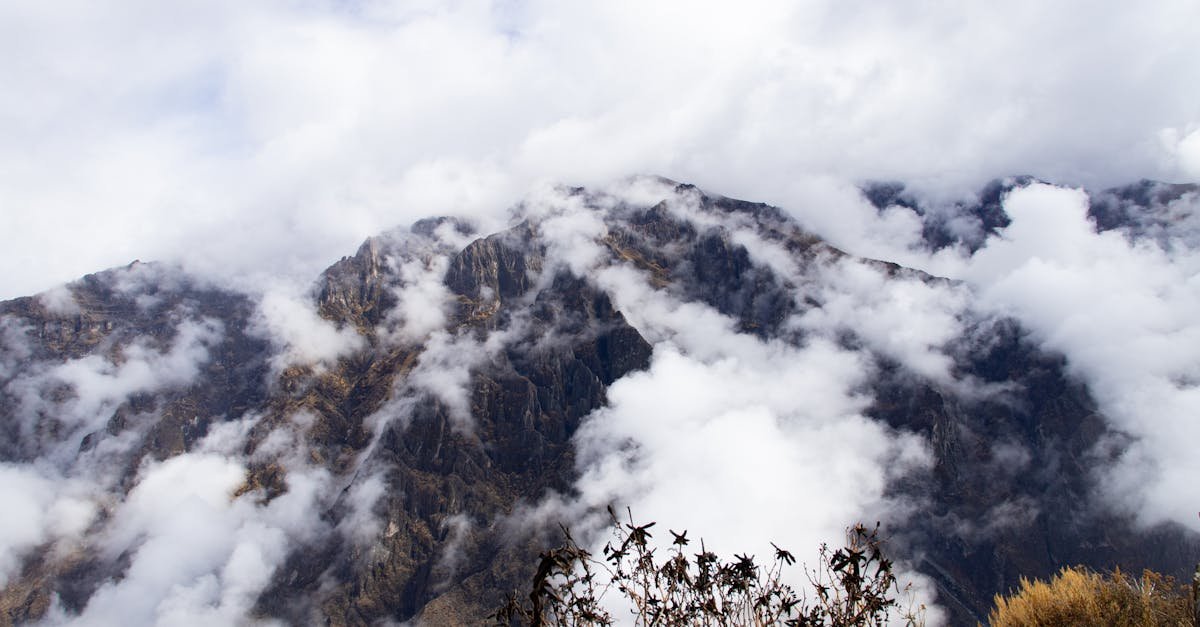
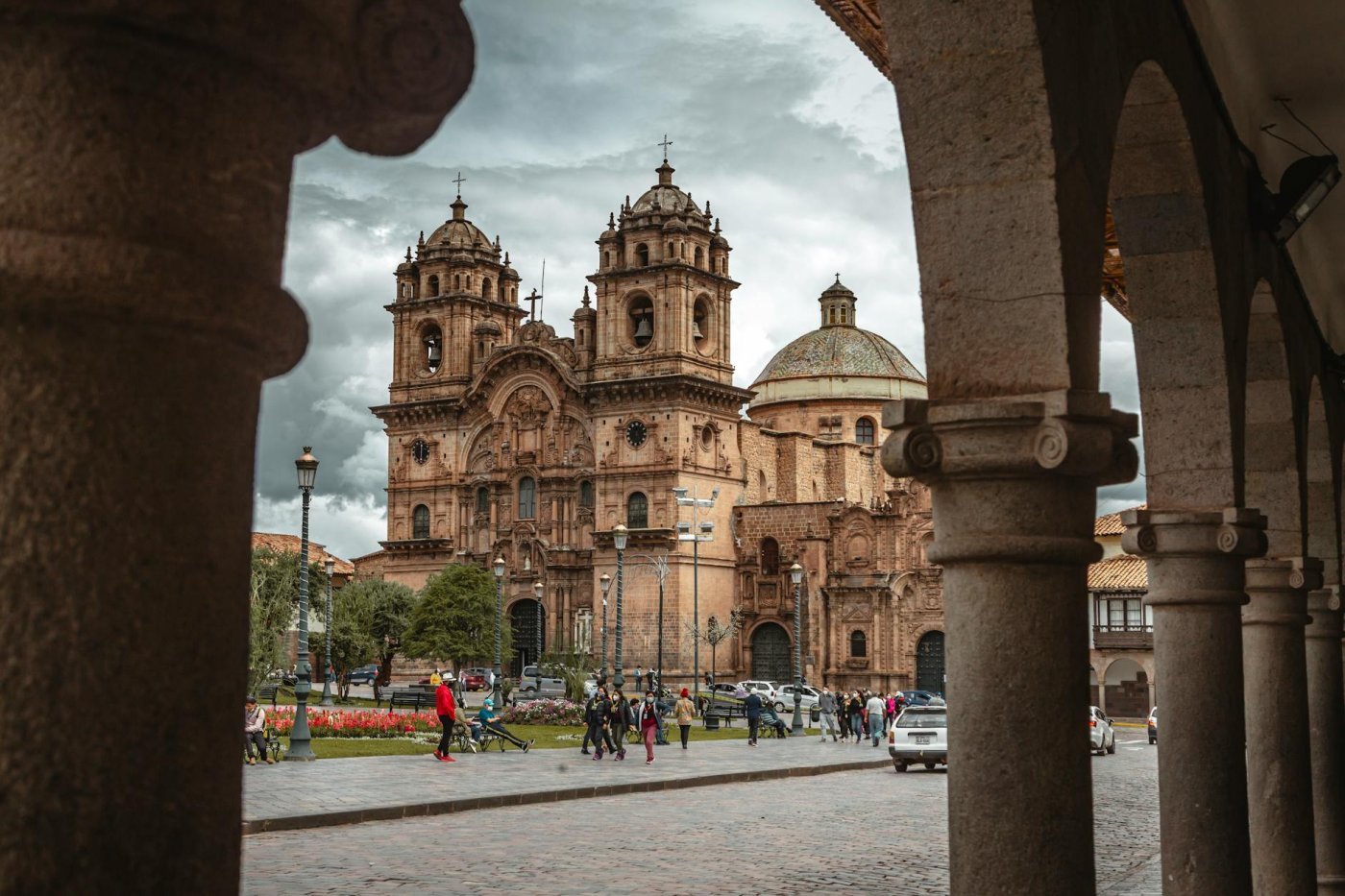
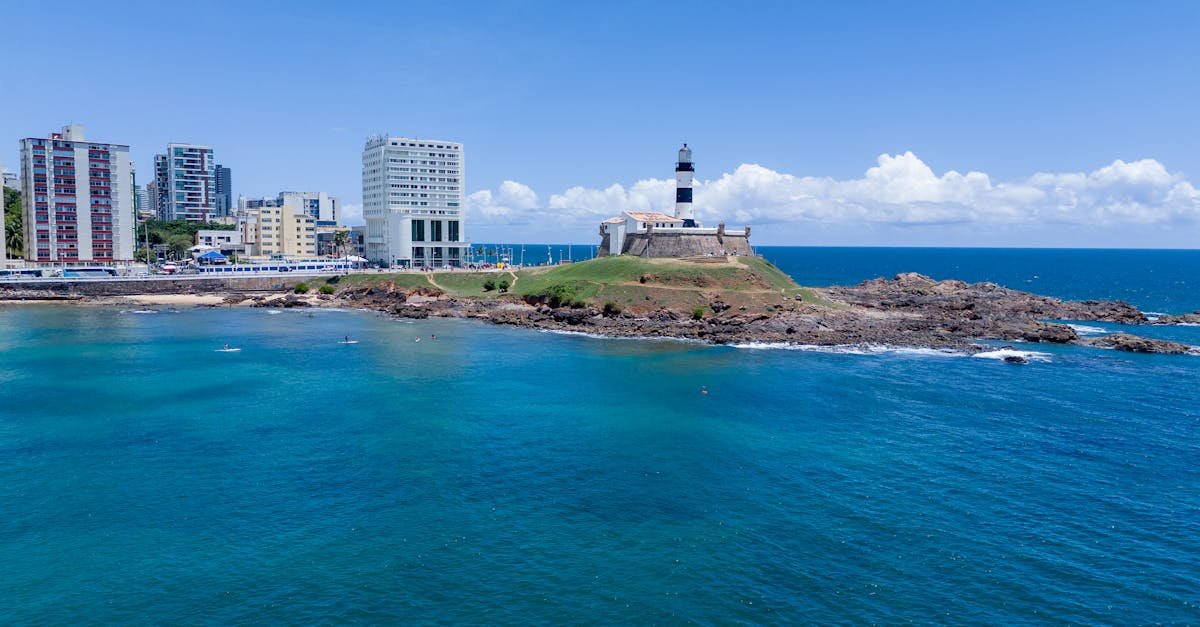
Arequipa Travel Guide — Where volcanic stone turns streets luminously white
⏱ 11 min read📅 Updated 2026💶 €€ Mid-range✈️ Best: Jun–Sep
€50–120/day
Daily budget
Jun–Sep
Best time
4–6 days
Ideal stay
PEN
Currency
Arequipa rises at 2,335 metres above sea level, its colonial centre built almost entirely from sillar — a pale volcanic stone quarried from the flanks of nearby volcanoes — which blazes a supernatural white-gold under the Andean sun. The city's Plaza de Armas is one of the most photogenic main squares in all of South America, flanked by baroque cathedral arches and framed, on clear days, by the near-perfect cone of El Misti towering at 5,822 metres. Church bells echo down callejones, the smell of cumin and dried chilli drifts from open-door picanterías, and slow-moving trams of tourists and schoolchildren weave around hand-carved stone fountains. Arequipa does not shout for attention the way Lima does; it earns it slowly, detail by detail.
Visiting Arequipa rewards travellers who want depth rather than spectacle. Unlike Cusco, which can feel overwhelmed by Machu Picchu-bound crowds, Arequipa maintains a quieter, more authentic Andean rhythm without sacrificing sophistication — world-class restaurants, a thriving craft beer scene, and one of Peru's finest gastronomic traditions all coexist alongside 400-year-old convents and colonial mansions. Things to do in Arequipa range from losing yourself inside the labyrinthine Santa Catalina Convent to hiking the Colca Canyon, one of the deepest gorges on Earth, just a half-day's drive away. For travellers seeking an intellectually rich, culinarily thrilling and visually arresting Andean city break, Arequipa is quietly, confidently unmissable.
✦ Find your perfect destination
Is Arequipa really your perfect match?
Answer 12 quick questions about your travel style, budget and dates — we match you with the destinations that fit you best, from 600+ worldwide.
Arequipa earns its place on any serious South America itinerary because it layers genuine cultural weight onto extraordinary natural drama. The UNESCO-listed historic centre is the best-preserved colonial streetscape in the Andes, built in sillar stone by Spanish and mestizo craftsmen who developed a uniquely Peruvian baroque style. Arequipa's food culture is a chapter unto itself — picanterías here are considered living cultural heritage by the Peruvian state. And with the Colca Canyon, Cotahuasi Canyon and El Misti all within striking distance, the city works both as a destination and as the ideal base for serious Andean adventure.
The case for going now: Arequipa's airport has been significantly upgraded in recent years, with direct connections from Lima cutting journey times and improving access for international travellers routing through Peru. The city's culinary scene has gained international recognition — Chicha, Gastón Acurio's Arequipa outpost, brought global attention to a food tradition that locals already knew was exceptional. Visiting Arequipa now means experiencing a city still authentic and unhurried, before the wave of mass tourism that transformed Cusco arrives on its doorstep.
🏛️
Convent City
Santa Catalina Convent is a city within a city — 20,000 square metres of cobbled lanes, vivid ochre and terracotta walls, and contemplative gardens that housed cloistered nuns for four centuries. It remains one of Peru's most extraordinary architectural sites.
🌋
Volcano Trekking
El Misti's symmetrical cone dominates Arequipa's skyline and summit attempts begin from trails inside the city limits. Guided two-day climbs reward experienced trekkers with sunrise views stretching across the altiplano and the Pacific coast.
🦅
Colca Canyon
At over 3,000 metres deep, Colca Canyon dwarfs the Grand Canyon. Condors ride morning thermals above the Cruz del Cóndor viewpoint in a display of aerial power that is genuinely breathtaking — one of the great wildlife spectacles of the Americas.
🍽️
Picantería Culture
Arequipa's picanterías — traditional lunchtime restaurants serving Andean-creole dishes with chicha — are UNESCO-recognised cultural heritage. Rocoto relleno, adobo and chupe de camarones are served the same way they have been for over three hundred years.
Arequipa's neighbourhoods — where to focus
Historic Heart
Centro Histórico
Arequipa's UNESCO-listed centre is a walkable grid of sillar-stone mansions, baroque churches and the magnificent Plaza de Armas. Everything worth seeing in the historic city is within a 20-minute walk here, and the evening paseo around the square remains a genuine local ritual.
Bohemian Village
Yanahuara
A short walk across the Chili River from the centre, Yanahuara is a leafy residential district with one of Arequipa's most beloved viewpoints — a baroque stone mirador framing El Misti perfectly. The neighbourhood's quiet café terraces and local markets give it an unhurried village feel.
Culinary Enclave
Cayma
Perched on a higher terrace above the city, Cayma is where Arequipa's middle class eats well on weekends. Its colonial church overlooks sunflower fields, and the district's picanterías are considered among the most authentic in the region — less touristy, more neighbourhood.
Market Quarter
San Camilo
The San Camilo market quarter is where Arequipa's daily life pulses loudest. Stalls overflow with rocoto chillies, fresh river shrimp, quinoa varieties and dried herbs. It's the best place in the city to understand the raw ingredients behind Arequipa's celebrated food culture.
Top things to do in Arequipa
1. #1 Explore Santa Catalina Convent
Founded in 1579, Santa Catalina Convent operated as a fully enclosed city-within-a-city for nearly four centuries, housing wealthy Spanish nuns who lived in private suites decorated with paintings, silks and personal servants — a world only revealed to the public in 1970. Spread across an astonishing 20,000 square metres, the convent's labyrinthine lanes are painted in vivid terracotta, cobalt and white, creating an intensely photogenic environment unlike anything else in Peru. Visitors spend two to three hours exploring the dormitories, the laundry courtyards, the refectory and the convent's small but excellent collection of colonial religious art. The convent opens for atmospheric night visits on Tuesdays, Thursdays and Fridays, when its lanes are lit by lanterns and the silence becomes something almost tangible. Booking an early morning entry before the tour groups arrive delivers the closest thing to solitude in one of South America's great architectural treasures.
2. #2 Day Trip to Colca Canyon
The Colca Canyon, roughly three to four hours by road from Arequipa, is one of the deepest canyons on Earth and one of the most rewarding day trips available from any Andean city. Most visitors time their arrival at the Cruz del Cóndor viewpoint for mid-morning, when thermal currents lift Andean condors — the world's largest flying birds by wingspan — out of the canyon in long, effortless spirals just metres above watching crowds. The drive itself crosses high-altitude puna grasslands dotted with vicuñas and passes through small Andean villages where residents still wear traditional embroidered dress. Chivay, the main valley town, has thermal hot springs that make the return journey feel considerably more comfortable. Two-day tours allowing trekkers to descend into the canyon and stay at simple lodges in Cabanaconde offer a genuinely immersive experience for those with more time during their Arequipa itinerary.
3. #3 Walk the Sillar Stone Churches
Arequipa contains more baroque churches per square kilometre than almost anywhere in Latin America, and each one rewards close attention to the extraordinary stonework that distinguishes the local mestizo baroque style. The Compañía de Jesús church on the Plaza de Armas has a facade considered the finest example of Andean baroque carving in existence — figures of tropical birds, vines and indigenous motifs woven into classical Spanish religious iconography in a dizzying, intricate relief. La Merced, San Agustín and Santo Domingo each offer different expressions of this unique visual language. The city's main cathedral, rebuilt after earthquakes in the 19th century, spans the entire northern side of the Plaza de Armas and contains a grand French pipe organ. Many Arequipa travel guides suggest visiting churches in the late afternoon, when the low Andean light turns the sillar facades the colour of warm honey.
4. #4 El Misti Summit or Base Camp Trek
El Misti stands at 5,822 metres and its near-perfect volcanic cone defines Arequipa's skyline from every vantage point in the city. A guided two-day summit attempt — classified as a non-technical climb but demanding strong fitness and acclimatisation — begins from a trailhead accessible by road and involves camping at around 4,600 metres before a pre-dawn push to the summit crater. Guides, equipment hire and permits are all easily arranged through reputable operators in Arequipa's centre, with prices very reasonable by international trekking standards. Travellers not ready for the summit can reach impressive altitude on a half-day base camp walk that still delivers extraordinary panoramas over the city and the surrounding volcanoes. Acclimatising in Arequipa for at least two full days before attempting any significant altitude is strongly recommended — the city itself sits at 2,335 metres, providing a useful starting adjustment for the body.
What to eat in Arequipa and the Southern Andes — the essential list
Rocoto Relleno
Arequipa's signature dish — a large, fiery rocoto pepper stuffed with a spiced meat, egg and olive mixture, baked until tender and served with a potato gratin. It is simultaneously one of Peru's most beautiful and most punishingly spicy preparations.
Adobo Arequipeño
A slow-cooked pork stew marinated in chicha de jora, dried chillies and spices, traditionally eaten for Sunday breakfast in Arequipa. The broth is deep, smoky and brick-red, ladled over thick chicha-soaked bread in earthenware bowls.
Chupe de Camarones
A rich, bisque-like chowder made with Andean river shrimp, potatoes, corn, milk and ají amarillo. The Majes and Ocoña rivers supply Arequipa's prized fresh shrimp, which give the soup a sweetness and depth unavailable anywhere else in Peru.
Queso Helado
Despite the name meaning 'frozen cheese,' this is Arequipa's beloved local ice cream — made from evaporated milk, coconut, cinnamon and ground cloves, frozen in cylindrical moulds. Vendors sell it from insulated containers around the Plaza de Armas every afternoon.
Escribano
A humble but deeply flavourful salad of roasted rocoto peppers, potatoes and tomatoes dressed in olive oil — a standard side dish at every picantería in Arequipa. Its simplicity is deceptive; the quality depends entirely on the character of the local chilli.
Chicha de Jora
Arequipa's picanterías serve chicha de jora — a mildly fermented maize beer of pre-Columbian origin — in wide earthenware cups as the traditional accompaniment to lunch. Its slightly tart, yeasty flavour cuts through the richness of meat-heavy Andean dishes perfectly.
Where to eat in Arequipa — our top 4 picks
Fine Dining
Chicha por Gastón Acurio
📍 Santa Catalina 210, Arequipa
Gastón Acurio's Arequipa outpost applies Lima's new Peruvian culinary philosophy to local ingredients and traditional recipes. The tasting menu reimagines rocoto relleno and river shrimp ceviche with technical precision without losing their essential Arequipeño soul. Reservations essential.
Fancy & Photogenic
Zig Zag Restaurant
📍 Zela 210, Arequipa
Set inside a 19th-century sillar mansion with a striking volcanic stone interior and spiral iron staircase, Zig Zag specialises in Alpaca and Andean beef cuts grilled on volcanic stone. The presentation is theatrical and the setting among the most atmospheric dining rooms in Arequipa.
Good & Authentic
La Nueva Palomino
📍 Leoncio Prado 122, Arequipa
The benchmark picantería in Arequipa, family-run for three generations and beloved by locals and food-savvy travellers alike. Served only at lunchtime, the adobo, chupe de camarones and rocoto relleno here are definitive versions. Arrive before 1pm or expect a queue.
The Unexpected
Hatunpa
📍 Ugarte 208, Arequipa
A lively, informal restaurant whose entire menu revolves around the native Peruvian potato in its 3,000+ varieties. Toppings range from traditional huancaína to creative fusion combinations. It sounds gimmicky but delivers genuinely excellent food at prices that undercut every competitor nearby.
Arequipa's Café Culture — top 3 cafés
The Institution
Café Valeria
📍 Mercaderes 116, Arequipa
A Arequipa institution occupying a colonial arcade just off the Plaza de Armas, Café Valeria has been serving strong Peruvian filter coffee and pan de yema bread rolls to the city's residents since the 1970s. Its worn marble counter and unhurried service feel genuinely timeless.
The Aesthetic Hub
Crepisimo
📍 Santa Catalina 208, Arequipa
Positioned opposite the entrance to Santa Catalina Convent, Crepisimo is Arequipa's favourite spot for sweet and savoury crêpes, great coffee and reliable wi-fi in a bright, plant-filled space. Its terrace catches morning light beautifully and is perpetually busy with travellers comparing notes.
The Local Hangout
Café Fundi
📍 Jerusalén 502, Arequipa
A relaxed, neighbourhood-feel café on the bustling Calle Jerusalén strip, Fundi pulls locally roasted single-origin Peruvian beans through a decent espresso machine and fills the gaps with fresh pastries and sandwiches. Architecture students and backpackers share tables here throughout the afternoon.
Best time to visit Arequipa
Jan
Feb
Mar
Apr
May
Jun
Jul
Aug
Sep
Oct
Nov
Dec
Jun–Sep — Dry season: clear skies, ideal for Colca Canyon and El Misti trekking, some cool nightsOct — Shoulder: pleasant temperatures, fewer crowds, occasional afternoon showersNov–May — Wet season: afternoon rain common, warmer, greener landscapes but muddier trails
Arequipa events & festivals 2026
Whether you're planning around a specific celebration or simply want to know what's happening, this guide covers the best events and festivals in Arequipa — from major annual traditions to cultural highlights worth timing your trip around.
February 2026culture
Carnaval Arequipeño
Arequipa's Carnival in February is one of the most colourful things to do in Arequipa in summer — water balloon battles, folkloric dance troupes in traditional costume and elaborate floats fill the streets around the Plaza de Armas for two full weeks. The festivities blend Spanish colonial and indigenous Andean traditions in a genuinely exuberant display.
March 2026religious
Semana Santa Arequipa
Holy Week in Arequipa is an intensely atmospheric religious event, with candlelit processions carrying colonial-era religious statues through sillar-stone streets on elaborate palanquins. The cathedral's Good Friday ceremonies draw thousands of local devotees and a growing number of travellers interested in authentic Andean Catholic tradition.
May 2026culture
Festival del Libro Arequipa
Arequipa's annual book fair takes over the Plaza de Armas and adjacent streets in late May, celebrating Peru's literary culture with author readings, publishing exhibitions and artisan book stalls. It is a quiet but engaging event that gives insight into contemporary Peruvian intellectual and cultural life beyond the tourist circuit.
June 2026culture
Inti Raymi at Toro Muerto
The winter solstice festival of Inti Raymi — the Inca Festival of the Sun — is celebrated across the southern Andes, with ceremonies near Arequipa including events at the petroglyph field of Toro Muerto. It is one of the best Arequipa festivals for travellers arriving in June, combining astronomical tradition with dramatic desert landscape.
July 2026culture
Aniversario de Arequipa
Arequipa celebrates its founding anniversary on 15 August (preceded by weeks of events from July) with fireworks over El Misti, military parades, folkloric dance competitions and open-air concerts across the city. The city's pride in its identity is palpable during this period and accommodation fills quickly — book early.
August 2026music
Festival de Música del Sur
A regional music festival held in August bringing together Andean folk ensembles, criolla music performers and contemporary Peruvian artists to outdoor stages in Arequipa's historic centre. The evenings are warm and dry in August, making alfresco concerts beneath El Misti's silhouette an extraordinary experience.
August 2026culture
Aniversario de Arequipa Parade
The 15 August founding anniversary parade is the centrepiece of Arequipa's year — a grand civic procession involving regional delegations, costumed dancers representing all of Peru's cultural traditions and fireworks that reflect off the sillar facades of the Plaza de Armas. It draws visitors from across Peru and neighbouring countries.
September 2026market
Feria de Picanterías Arequipeñas
A dedicated food fair celebrating Arequipa's UNESCO-recognised picantería tradition, held in September when the dry season weather is ideal for outdoor eating. Visitors can sample rocoto relleno, chupe de camarones and adobo from the city's best traditional cooks in a festive, competitive atmosphere near the historic centre.
October 2026religious
Procesión del Señor de los Milagros
The purple-robed procession of the Lord of Miracles is Peru's largest religious gathering, and Arequipa holds its own deeply felt local version in October. Thousands of devotees in purple habits accompany the painted image through the city's colonial streets in an hours-long procession of prayer and devotion.
November 2026culture
Festival Gastronómico Sabores del Sur
A culinary festival in November showcasing the food culture of southern Peru, with Arequipa's picanterias, highland communities and coastal producers all presenting their specialities.
Hostel dorm, market lunches, local bus to Colca Canyon, self-guided church visits and queso helado from street vendors.
€€ Mid-range
€50–120/day
Boutique guesthouse in Centro Histórico, picanterías and Chicha dinners, guided Colca tour and El Misti trekking permit.
€€€ Luxury
€150+/day
Restored colonial mansion hotel, private Colca Canyon transfers, Gastón Acurio tasting menu and dedicated mountain guide.
Getting to and around Arequipa (Transport Tips)
By air: Arequipa's Rodríguez Ballón International Airport (AQP) receives multiple daily flights from Lima with LATAM, Sky Airline and JetSmart, with flight times of approximately 90 minutes. There are no significant international routes beyond Lima, so virtually all visitors arrive via Lima's Jorge Chávez Airport, which connects to all major European and North American hubs.
From the airport: The airport sits just 8 kilometres from Arequipa's city centre, making transfer times short by South American standards. Official taxi booths inside arrivals sell fixed-price tickets to the historic centre — typically 25–35 PEN — and are far preferable to accepting offers from unlicensed drivers outside. Uber operates in Arequipa and often works out slightly cheaper than taxi ranks; the app functions reliably from the terminal.
Getting around the city: Arequipa's historic centre is compact and almost entirely walkable — most major sights, restaurants and hotels are within a 20-minute walk of the Plaza de Armas. For longer journeys to Yanahuara, Cayma or the bus terminal, collectivo minibuses run frequent routes for under 2 PEN per trip and are used by locals daily. Taxis are plentiful and cheap; always agree on a price before entering an unlicensed cab, or use Uber for transparent pricing.
Transport Safety & Scam Prevention:
Fake Taxi Drivers at the Airport: Unlicensed drivers approaching arrivals in Arequipa airport will quote seemingly reasonable fares before inflating them or taking longer routes. Always purchase a fixed-price ticket from the official airport taxi counter inside the terminal building before exiting arrivals.
Colca Canyon 'Cheap Tour' Traps: Very low-priced Colca Canyon tours sold on the street often omit entrance fees, guide quality is poor, and vehicles are unsafe for mountain roads. Book through your hotel or a reputable agency with verified vehicles and professional bilingual guides.
Currency Exchange on the Street: Street money changers around the Plaza de Armas operate with short-count tactics and counterfeit bills targeting distracted tourists. Use ATMs from major Peruvian banks such as BCP or Interbank, or exchange currency at authorised cambio offices with a visible rate board.
Do I need a visa for Arequipa?
Visa requirements for Arequipa depend on your nationality. Select your passport below for an instant answer — based on the Passport Index dataset for entry into Peru.
ℹ️ Indicative only. Always verify with the official consulate before booking. Data: Passport Index, April 2026.
For detailed requirements, documentation checklists and processing times by nationality: TravelDoc →
Search & Book your trip to Arequipa
Find the best flight routes and hotel combinations using our partner Kiwi.com.
Frequently Asked Questions
Is Arequipa safe for tourists?
Arequipa is generally safe for tourists by South American standards, but like any city it requires sensible precautions. The historic centre around the Plaza de Armas, Yanahuara and Santa Catalina are considered low-risk for petty crime during daylight hours. After dark, stick to well-lit main streets and take registered taxis or Uber rather than walking in unfamiliar areas. Pickpocketing in markets and crowded squares does occur — use a money belt for passports and keep phones out of sight in busy places. Altitude sickness is the most common health issue affecting visitors; rest fully for 24–48 hours on arrival.
Can I drink the tap water in Arequipa?
Tap water in Arequipa is not recommended for drinking by travellers. The municipal water supply is treated but the aging pipe infrastructure in many parts of the city introduces contamination risk, and stomach sensitivity to different bacterial profiles makes illness common among visitors even where water technically meets safety standards. Bottled water is cheap, widely available and the reliable choice throughout your stay. Many hotels provide filtered water stations; bring a reusable bottle with a built-in filter for environmental and cost reasons.
What is the best time to visit Arequipa?
The best time to visit Arequipa is during the dry season from June to September, when skies are reliably clear, El Misti is visible every morning and trekking conditions in the Colca Canyon are excellent. July and August are the most popular months — coinciding with Arequipa's founding anniversary festival — so book accommodation well in advance. October is a pleasant shoulder month with fewer crowds, lower prices and generally good weather. The wet season from November to April brings afternoon rain showers and muddier mountain trails, though the surrounding countryside turns dramatically green and accommodation rates drop considerably.
How many days do you need in Arequipa?
Most travellers visiting Arequipa as part of a broader Peru itinerary allocate three to four days, which is enough to see Santa Catalina Convent, explore the baroque churches, take a day trip to Colca Canyon and eat well across the city's picanterías. Four to five days allows for a more relaxed Arequipa itinerary including the Museo Santuarios Andinos, the Yanahuara neighbourhood and an El Misti base camp walk. Serious trekkers attempting the Misti summit or spending a night in the Colca Canyon need five to seven days minimum. Ten days in Arequipa and the surrounding region — including the remote Cotahuasi Canyon — is entirely rewarding for travellers who want deep engagement with the southern Andes.
Arequipa vs Cusco — which should you choose?
Arequipa and Cusco serve different traveller needs and genuinely complement each other rather than competing. Cusco is the gateway to Machu Picchu and the Sacred Valley, making it essentially obligatory for first-time Peru visitors — but its popularity means crowds, tourist-pricing and a sometimes overwhelming pace. Arequipa offers a more authentically Peruvian urban experience: better food culture, more breathing space, outstanding colonial architecture and equally dramatic Andean landscape without the mass-tourism pressure. If you can only visit one city in southern Peru beyond Machu Picchu, Arequipa is the choice for culture-focused, food-driven and outdoor-adventure travellers. Most visitors wisely route through both, using Arequipa as their introduction before heading to Cusco.
Do people speak English in Arequipa?
English is spoken to a useful level in tourist-facing businesses across Arequipa's historic centre — hotels, tour agencies, Santa Catalina Convent and most restaurants popular with international visitors have English-speaking staff. Outside the tourist zone, in markets, local buses and neighbourhood picanterías, Spanish is essential. Learning a handful of Spanish phrases — greetings, food vocabulary and numbers — is not just practical but genuinely appreciated by Arequipeños, who take considerable pride in their city's identity and respond warmly to visitors making the effort. Restaurant menus in the centre are commonly bilingual in Spanish and English.
★ Hotel guide
Where to stay in Arequipa
7+ hand-picked hotels across luxury, mid-range and budget — verified by Max.
Hand-picked and verified by Max, who founded Vacanexus from Luxembourg in 2026. No sponsorships, no paid placements. Every recommendation — restaurants, neighbourhoods, things to do — is selected for authenticity over popularity.