Colca Canyon Travel Guide — Twice as deep as the Grand Canyon, alive with soaring condors
⏱ 11 min read📅 Updated 2026💶 €€ Mid-Range✈️ Best: Jun–Sep
€50–120/day
Daily budget
June–September
Best time
3–5 days
Ideal stay
PEN (Peruvian Sol)
Currency
Stand at the rim of Colca Canyon at dawn and the sheer scale of what lies before you is genuinely humbling. The canyon plunges more than 3,400 metres at its deepest point — roughly twice the depth of the Grand Canyon — its terracotta walls striped with ancient Inca terracing and threaded by the silver ribbon of the Río Colca far below. Condors the size of hang-gliders tip their wings in the morning thermals while village bells echo from whitewashed colonial churches. The air at 3,600 metres is thin and crystalline, carrying the scent of wild herbs and volcanic rock. Colca Canyon is one of Peru's most extraordinary landscapes, a place where geological drama and living Andean culture collide in breathtaking fashion.
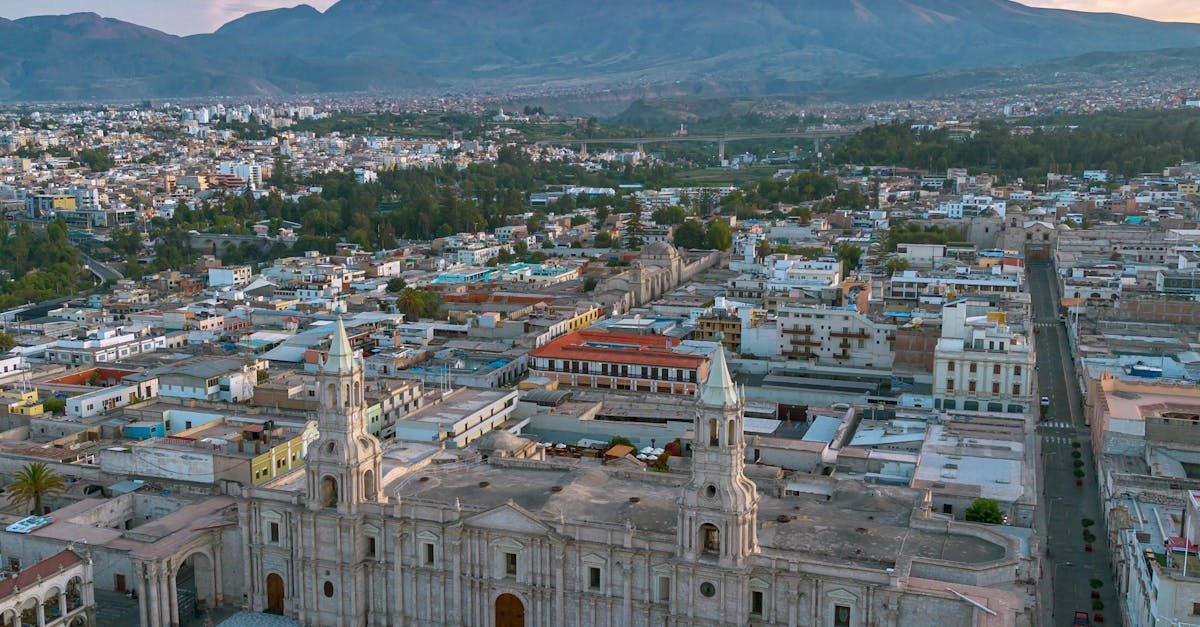
Unlike the well-trodden Inca Trail or the ever-busier streets of Machu Picchu, visiting Colca Canyon still feels like a genuine discovery. Things to do in Colca range from white-knuckle multi-day treks into the gorge to leisurely soaks in thermal springs while hummingbirds hover at head height. The canyon sits in the Arequipa region of southern Peru, roughly five hours by road from the UNESCO-listed 'White City', making it the perfect counterpoint to Arequipa's baroque architecture. Where Cusco caters to the heritage crowd and Paracas draws wildlife-watchers to the coast, Colca Canyon delivers raw physical adventure wrapped in the quieter rhythms of Andean village life — a combination that keeps trekkers, photographers and culture-seekers returning again and again.
✦ Find your perfect destination
Is Colca Canyon really your perfect match?
Answer 12 quick questions about your travel style, budget and dates — we match you with the destinations that fit you best, from 600+ worldwide.
Colca Canyon belongs on your Peru itinerary for reasons that go far beyond a single condor sighting. The canyon is a living landscape: pre-Inca agricultural terraces still under cultivation, traditional Cabana and Collagua villages where women wear elaborate hand-embroidered dresses, and thermal pools fed by volcanic springs that bubble up between trekking stages. The three-day descent to the Sangalle oasis — nicknamed 'the oasis' for its palm trees and turquoise pools — is one of South America's most satisfying multi-day hikes. And because Colca Canyon sits off the classic Cusco–Lima axis, the trails are quieter than the Inca Trail while delivering scenery that rivals anything in the Andes.
The case for going now: Colca Canyon is quietly upgrading its infrastructure without losing its wild character. A newly resurfaced road from Arequipa has cut transfer time and opened up more comfortable midrange lodge options in Chivay. International flight connections into Arequipa are expanding for 2025–26, and the Peruvian sol remains weak against the euro, making Colca Canyon exceptional value for European visitors right now. Go before the canyon hits mainstream bucket-list saturation.
🦅
Condor Watching
Cruz del Condor viewpoint at dawn offers near-guaranteed sightings of Andean condors riding thermals just metres away. With wingspans topping three metres, these are the largest flying birds in the world.
🥾
Canyon Trek
The classic three-day descent from Cabanaconde to Sangalle oasis and back is the backbone of any Colca Canyon itinerary — steep, rewarding and laced with Andean wildflowers and cactus groves.
♨️
Thermal Springs
La Calera hot springs near Chivay are fed by volcanic geothermal energy and sit at 3,600 metres altitude. Soaking in steaming mineral pools with canyon walls around you is an unmissable Colca Canyon experience.
🏘️
Village Culture
Maca, Yanque and Lari are colonial villages strung along the canyon rim, each with a baroque church and market days where Collagua women sell hand-woven textiles in patterns unchanged for centuries.
Colca Canyon's neighbourhoods — where to focus
Gateway Hub
Chivay
Chivay is the main service town of the Colca Valley, sitting at 3,631 metres at the canyon's upper end. It has the widest choice of accommodation, restaurants and transport connections, plus the La Calera thermal baths just ten minutes away. Most visitors to Colca Canyon use Chivay as their base for the first night before pushing deeper into the gorge.
Trekker's Launchpad
Cabanaconde
Perched at 3,287 metres near the canyon's deepest section, Cabanaconde is where serious trekkers begin the three-day descent to Sangalle. The village itself has a handsome church, a handful of guesthouses and the kind of quiet authenticity that feels increasingly rare in Peru. Cruz del Condor viewpoint is just 20 minutes away by road from Cabanaconde.
The Oasis
Sangalle
Sangalle sits at the canyon floor at roughly 2,150 metres, a pocket of lush green palm trees and turquoise swimming pools surrounded by sheer vertical walls. After a brutal descent from the rim, it feels almost hallucinatory. Basic lodges here offer hammock-strung terraces and cold beers — the perfect reward for a full day's trekking down into Colca Canyon.
Cultural Gem
Yanque
Yanque is one of the most photogenic villages on the Colca Canyon rim, with a magnificent 17th-century church of La Inmaculada Concepción dominating the main square. Early mornings here reward patient photographers: traditionally dressed Collagua women dance in the plaza before sunrise, a living tradition rather than a tourist performance. It makes an ideal half-day stop on any Colca Canyon itinerary.
Top things to do in Colca Canyon
1. #1 Dawn at Cruz del Condor
No experience in the Colca Canyon region rivals a dawn visit to Cruz del Condor, the most famous condor-watching viewpoint in South America. Arrive by 7 a.m. as rising thermals lift the great birds from their rocky roosts on the opposite canyon wall. Within minutes, Andean condors — with wingspans of up to 3.3 metres — are circling at eye level, close enough to hear the rush of air through their primary feathers. The viewpoint sits at 3,710 metres above sea level, so pace yourself and carry water. Most organised tours from Chivay stop here en route to Cabanaconde, but spending a full morning rather than a rushed 45 minutes rewards patience with extended sightings of juveniles, adults and occasional condor social interactions that feel utterly wild.
2. #2 Three-Day Colca Trek
The classic Colca Canyon trek is a three-day loop beginning and ending in Cabanaconde, and it is one of the finest multi-day hikes in South America. Day one descends approximately 1,200 vertical metres to Sangalle oasis via the steep switchback trail through scrub, cactus and wildflowers, passing the hamlets of San Juan de Chuccho and Cosñirhua. Night two is spent in a basic lodge at Sangalle, where hammocks and natural pools provide well-earned recovery. Day three is the brutal two-hour climb back to Cabanaconde — begin before 5 a.m. to beat the heat. The trail requires no technical experience but demands good cardiovascular fitness, acclimatisation of at least two nights at altitude, and proper ankle-supporting boots. A guide is strongly recommended for navigation and safety.
3. #3 Chivay Market & Local Life
The daily market in Chivay is one of the most authentic in the Arequipa region, a place where highland farmers trade dried chillies, freeze-dried potatoes, medicinal herbs and handwoven alpaca textiles in transactions that have barely changed for generations. Sunday brings the largest crowds, with Collagua and Cabana women arriving from surrounding villages in their trademark embroidered hats and layered skirts. It is one of the best things to do in Colca if you want cultural immersion without trekking. Beyond the market, Chivay's La Calera thermal baths (open daily, entry around 15 PEN) are the ideal late-afternoon destination: a series of volcanic-fed pools at progressively higher temperatures, perfectly calibrated for post-hike muscle recovery at altitude.
4. #4 Colca Canyon by Bicycle
For travellers who want to experience the Colca Canyon itinerary at their own pace, cycling the canyon rim road between Chivay and Cabanaconde is a spectacular and underrated option. The 65-kilometre route follows the south rim through a succession of villages — Yanque, Achoma, Maca, Lari — with jaw-dropping canyon views opening up constantly to the right. Most of the route is a gradual descent from Chivay's 3,631 metres to Cabanaconde's 3,287 metres, making it manageable even for moderately fit riders. Several agencies in Chivay rent mountain bikes and can arrange baggage transfer so you're not carrying a full pack. Allow a full day, depart early to avoid afternoon winds, and stop at each village church along the route — some of the finest baroque stonework in Peru is hiding in plain sight along the canyon rim.
What to eat in the Colca Valley and Arequipa Region — the essential list
Rocoto Relleno
A signature dish of the Arequipa region and a staple at canyon-rim restaurants. The fiery rocoto pepper is stuffed with spiced minced meat, raisins and olives, then baked with melted cheese. Deceptively mild-looking but genuinely hot.
Cuy Chactado
Whole roasted guinea pig, flattened under a stone weight and fried until the skin is crisp. A protein staple of Andean culture for millennia, cuy is served throughout Colca Valley restaurants with potatoes and huacatay herb sauce.
Chupe de Camarones
A rich, brick-red shrimp chowder made with fresh river prawns from the Río Colca, potatoes, corn, eggs and ají panca chilli. It is the most celebrated soup of the Arequipa region — warming, complex and deeply satisfying at altitude.
Adobo Arequipeño
Pork marinated overnight in chicha de jora (fermented corn beer), garlic and dried chillies, then slow-cooked until the meat falls apart. Traditionally served for Sunday breakfast in Arequipa, it also appears on Chivay dinner menus as a hearty post-trek meal.
Papa Huayco
A local Colca Valley variety of potato grown on the ancient terraced fields above the canyon. Boiled and served with cheese or golden butter, this floury, nutty tuber demonstrates why Peru is the world's potato heartland — the flavour is in another league entirely.
Api Morado
A warm purple corn drink thickened with cinnamon, cloves and lemon zest, served in ceramic cups at Chivay market stalls and village fiestas. Naturally sweet, almost caffeine-free and surprisingly restorative when you are acclimatising at 3,600 metres.
Where to eat in Colca Canyon — our top 4 picks
Fine Dining
Las Terrazas Restaurant
📍 Av. Salaverry 307, Chivay, Arequipa
The most polished dining room in Chivay, Las Terrazas serves elevated Arequipeño cuisine in a candlelit space with canyon views from the upper terrace. The tasting menu rotates seasonally but reliably features chupe de camarones, cuy and local river trout. Book ahead in peak season.
Fancy & Photogenic
Restaurant Wititi
📍 Plaza de Armas s/n, Chivay, Arequipa
Named after the energetic dance of the Colca Valley, Wititi faces directly onto Chivay's main plaza and has a rooftop deck perfect for sundowners. The kitchen excels at rocoto relleno and slow-braised alpaca stew, and the colourful interior — draped in local textiles — makes every meal feel festive.
Good & Authentic
Restaurante La Pascana
📍 Calle Siglo XX 106, Chivay, Arequipa
A family-run canteen beloved by trekking guides and returning visitors alike, La Pascana serves enormous portions of adobo arequipeño and alpaca lomo saltado at prices that leave change from 25 PEN. Order the homemade chicha morada to drink — it is brewed fresh each morning and outstanding.
The Unexpected
El Balcón de Don Zacarias
📍 Calle Arequipa 113, Cabanaconde, Arequipa
A tiny kitchen in Cabanaconde run by a local family who serve whatever is freshest from their garden that day. There is no menu — the cook simply brings plates of sopa criolla, roasted potatoes and whatever cut of meat was available at market. It is the most honest meal you will eat in the entire Colca Canyon area.
Colca Canyon's Café Culture — top 3 cafés
The Institution
Café Inkanto
📍 Av. Salaverry 214, Chivay, Arequipa
Inkanto has been the go-to morning stop in Chivay for over a decade, serving proper espresso made with Peruvian highland beans alongside quinoa pancakes and fresh fruit bowls. The stone-walled interior with alpaca wool blankets on the chairs is exactly what you want after a cold 5 a.m. drive to Cruz del Condor.
The Aesthetic Hub
Mirador Café
📍 Cruz del Condor km 3, Colca Canyon Rim, Arequipa
Perched at the canyon rim with direct views into the gorge, this small café near Cruz del Condor serves hot herbal teas, coca leaf infusions and warming soups to post-condor-watch visitors. The views from the outdoor benches are extraordinary and the muña tea is the best natural remedy for altitude discomfort in the region.
The Local Hangout
Jugos y Desayunos Doña Carmen
📍 Mercado Central, Chivay, Arequipa
A market stall elevated to institution status, Doña Carmen opens at 5:30 a.m. to serve fresh-squeezed juice, api morado, and bread rolls with butter and avocado to local farmers, bus drivers and early-rising trekkers. Arriving before dawn to the sights and sounds of the market while cradling a warm mug here is quintessential Colca Canyon.
Best time to visit Colca Canyon
Jan
Feb
Mar
Apr
May
Jun
Jul
Aug
Sep
Oct
Nov
Dec
Prime Season (Jun–Sep) — dry, cold nights, clear skies and best condor-watching conditionsShoulder Season — some clear days but increasing cloud and light rain possibleRainy Season (Nov–Apr) — heavy afternoon rains, trails slippery, visibility reduced at viewpoints
Colca Canyon events & festivals 2026
Whether you're planning around a specific celebration or simply want to know what's happening, this guide covers the best events and festivals in Colca Canyon — from major annual traditions to cultural highlights worth timing your trip around.
January 2026religious
Fiesta de los Reyes Magos, Cabanaconde
One of the most vibrant things to do in Colca Canyon in January, this Epiphany celebration fills Cabanaconde's plaza with processions, fireworks and traditional Wititi dancing. Locals in elaborate embroidered costumes parade through the village for three consecutive days, offering a window into living Andean religious tradition.
February 2026culture
Carnaval de Chivay
Chivay's carnival is the largest annual festival in the Colca Valley, drawing highland communities for water fights, music and masked dance performances. Visiting Colca Canyon in February means crossing paths with this boisterous celebration — lively but also genuinely chaotic, so plan accommodation well in advance.
April 2026religious
Semana Santa (Holy Week) Colca
Easter week transforms every village in Colca Canyon into a procession route. Yanque and Chivay hold the most elaborate ceremonies, with candlelit night processions through cobbled streets and centuries-old Catholic rituals blended with Andean spiritual symbolism. Accommodation books up weeks ahead — reserve early.
June 2026culture
Inti Raymi at Chivay
The Inca Festival of the Sun is celebrated throughout Peru each June 24th, and Chivay's version on the canyon rim is among the most atmospheric outside Cusco. Traditional sun worship ceremonies, folk music and agricultural blessings take place on the terraces above town, marking the best time to visit Colca Canyon culturally.
July 2026music
Festival del Wititi, Yanque
The UNESCO-recognised Wititi dance — a flirtatious courtship dance originating in the Colca Valley — is celebrated in Yanque each July with competitive performances between villages. Teams in vivid handmade costumes dance through the night to the sound of zampoña flutes and bombo drums. A genuinely unmissable Colca Canyon event.
August 2026culture
Día de Santa Rosa, Cabanaconde
August 30th marks Cabanaconde's patron saint celebration, the single most festive day in the village calendar. Bullfights (a colonial tradition), brass bands and communal feasting on cuy and chicha fill the central plaza. For travellers combining a Colca Canyon itinerary with cultural immersion, this is the highlight of the August calendar.
September 2026market
Feria Agropecuaria, Chivay
September's agricultural fair in Chivay is a trading extravaganza where canyon farmers bring llamas, alpacas, livestock and handicrafts to market. It is less about tourism and entirely about commerce — which makes it utterly fascinating to wander. Sample traditional foods, watch alpaca shearing demonstrations and negotiate directly with artisan weavers.
October 2026religious
Señor de los Milagros Procession
The Purple Christ procession beloved across Peru reaches Chivay each October, with purple-robed devotees carrying the image through canyon-rim streets accompanied by incense, choral singing and spontaneous prayer. The juxtaposition of purple-clad worshippers against the terracotta canyon walls creates remarkable photographs.
November 2026culture
Día de los Muertos, Yanque Cemetery
All Souls' Day on November 2nd is observed with extraordinary devotion in Colca Valley communities. In Yanque, families gather at the hilltop cemetery overnight, decorating graves with flowers and food offerings while musicians play huayno. The candlelit cemetery against the dark canyon is one of the most moving sights in the region.
December 2026culture
Navidad Andina, Chivay & Villages
Christmas in Colca Canyon blends Catholic tradition with Andean festivity across all valley villages. Nacimiento (nativity) scenes made with local clay and wool fill every church, and December 24th sees communal midnight meals shared in plazas. Despite being rainy season, Christmas atmosphere in Chivay is genuinely warming and inclusive for visitors.
Hostel dorms in Chivay or Cabanaconde, market meals, self-organised trekking and shared minibus transport from Arequipa.
€€ Mid-Range
€50–120/day
Comfortable guesthouses, guided canyon trek, restaurant dinners and private transfer from Arequipa included.
€€€ Luxury
€150+/day
Colca Lodge or Las Casitas del Colca resort, private guided days, spa access and premium Arequipeño tasting menus.
Getting to and around Colca Canyon (Transport Tips)
By air: The nearest airport to Colca Canyon is Rodríguez Ballón International Airport in Arequipa (AQP), served by daily flights from Lima (roughly 90 minutes) with LATAM, Sky Airline and Avianca. Arequipa is the natural gateway city for any Colca Canyon travel guide itinerary, and connections from Lima are frequent and affordable.
From the airport: From Arequipa airport, taxis to the city centre cost around 25–35 PEN and take 20 minutes. From Arequipa city, daily tourist buses and shared minibuses depart Terminal Terrestre for Chivay from 7 a.m., taking approximately 4.5–5 hours via the Pampas Cañahuas vicuña reserve. Private transfers can be arranged through Arequipa tour agencies for around €35–50 per vehicle.
Getting around the city: Within the Colca Valley, shared minibuses (colectivos) run regularly between Chivay and Cabanaconde for just 8–12 PEN per person, stopping at rim villages on request. Taxis can be chartered by the day from Chivay for around 120–180 PEN. Mountain bikes are rentable in Chivay for roughly 40 PEN per day — the most rewarding way to explore the canyon rim road independently at your own pace.
Transport Safety & Scam Prevention:
Fixed Canyon Entry Fee: All visitors to Colca Canyon must pay the official Boleto Turístico (around 70 PEN in 2024). Only purchase this at official AUTOCOLCA booths in Chivay or Cabanaconde — touts near the bus terminal offer 'discounted' tickets that are either counterfeit or for a different circuit entirely.
Agree Taxi Prices Before Departing: Taxis in Chivay and Cabanaconde do not use meters. Always negotiate the full fare before you get in, and confirm whether the price is per vehicle or per person. A fair charter rate Chivay–Cruz del Condor–Cabanaconde is approximately 150–200 PEN for the whole vehicle.
Altitude Medication — Legitimate Sources Only: Vendors near Cruz del Condor offer 'altitude remedy' pills at inflated prices. Buy any acetazolamide (Diamox) prescriptions from a licensed pharmacy in Arequipa before you travel. Coca tea from market stalls is a legitimate and safe traditional remedy freely available throughout Colca Canyon.
Do I need a visa for Colca Canyon?
Visa requirements for Colca Canyon depend on your nationality. Select your passport below for an instant answer — based on the Passport Index dataset for entry into Peru.
ℹ️ Indicative only. Always verify with the official consulate before booking. Data: Passport Index, April 2026.
For detailed requirements, documentation checklists and processing times by nationality: TravelDoc →
Search & Book your trip to Colca Canyon
Find the best flight routes and hotel combinations using our partner Kiwi.com.
Frequently Asked Questions
Is Colca Canyon safe for tourists?
Colca Canyon is generally considered safe for tourists, with petty crime rates significantly lower than in Peru's major cities. The main genuine risks are altitude sickness — the canyon rim sits above 3,600 metres — and trail accidents during the three-day canyon trek if undertaken without adequate preparation. Always acclimatise for at least two nights in Arequipa or Chivay before attempting the descent, hire a reputable local guide for multi-day trekking, and carry travel insurance that covers high-altitude hiking and emergency evacuation. Lone trekkers should ideally join a guided group rather than tackling remote canyon trails solo.
Can I drink the tap water in Colca Canyon?
Tap water throughout the Colca Valley — including Chivay and Cabanaconde — is not reliably safe to drink without treatment. Use a quality water filter (the Sawyer Squeeze or SteriPen are popular choices among canyon trekkers), water purification tablets, or buy sealed bottled water from shops in Chivay before heading deeper into the gorge. During the three-day canyon trek, natural spring water is available at a few points along the trail but should always be filtered or treated. Staying properly hydrated is particularly critical at altitude.
What is the best time to visit Colca Canyon?
The best time to visit Colca Canyon is during the dry season, which runs from June to September. These months deliver clear skies, stable trail conditions and the highest probability of spectacular condor sightings at Cruz del Condor — condors are most active on thermal currents produced by the dry-season temperature differential. July and August are the absolute peak months for trekking in Colca. The shoulder months of April–May and October–November can be pleasant with fewer crowds and lower prices, but expect some afternoon rain. The rainy season from November to March brings heavy daily downpours that make canyon trails slippery and dangerous — not recommended for the multi-day descent.
How many days do you need in Colca Canyon?
A minimum of three days is needed to experience Colca Canyon properly — one day for Cruz del Condor and a rim village drive, and two days for the classic trek down to Sangalle oasis and back. However, four to five days allows a much richer Colca Canyon itinerary: cycling the rim road, soaking in La Calera thermal springs, visiting lesser-known villages like Lari and Coporaque, and simply acclimatising without rushing. Travellers combining Colca Canyon with Arequipa city should budget at least seven to eight days total for the combined destination. Ten days lets you explore the canyon at the depth it deserves, including day trips to Laguna de Salinas for flamingo watching.
Colca Canyon vs Cotahuasi Canyon — which should you choose?
Both canyons claim to be the world's deepest, but they offer fundamentally different experiences. Colca Canyon is significantly more accessible — better roads, more accommodation, regular tours from Arequipa — making it the right choice for most travellers with limited time or less trekking experience. Cotahuasi Canyon, deeper and wilder, requires a full extra day of travel from Arequipa and offers almost no tourist infrastructure, but rewards experienced adventurers with complete solitude, better whitewater rafting and a rawer sense of expedition. If you have five or more days and serious trekking experience, consider Cotahuasi. For a first-time Colca Canyon visit combining culture, condors and manageable adventure, Colca is the clear winner — and remains one of the most dramatic landscapes in all of South America.
Do people speak English in Colca Canyon?
English is spoken at a basic level in Colca Canyon, primarily by staff at tourist-oriented hotels and agencies in Chivay. Away from the main lodges, most locals — including market vendors, village residents and transport drivers — speak only Spanish or, in some cases, Quechua as their first language. Learning a handful of basic Spanish phrases (greetings, numbers, how to order food) will significantly enrich your interactions throughout the canyon. Licensed guides who lead the three-day trek typically speak functional to good English, and tour operators in Arequipa booking Colca Canyon packages always have English-speaking staff available. It is a destination where a small effort with the local language is warmly rewarded.
★ Hidden Gems Weekly
Like this? One place per week, in your inbox.
No spam, no fluff — just one underrated destination, every Tuesday.
Hand-picked and verified by Max, who founded Vacanexus from Luxembourg in 2026. No sponsorships, no paid placements. Every recommendation — restaurants, neighbourhoods, things to do — is selected for authenticity over popularity.