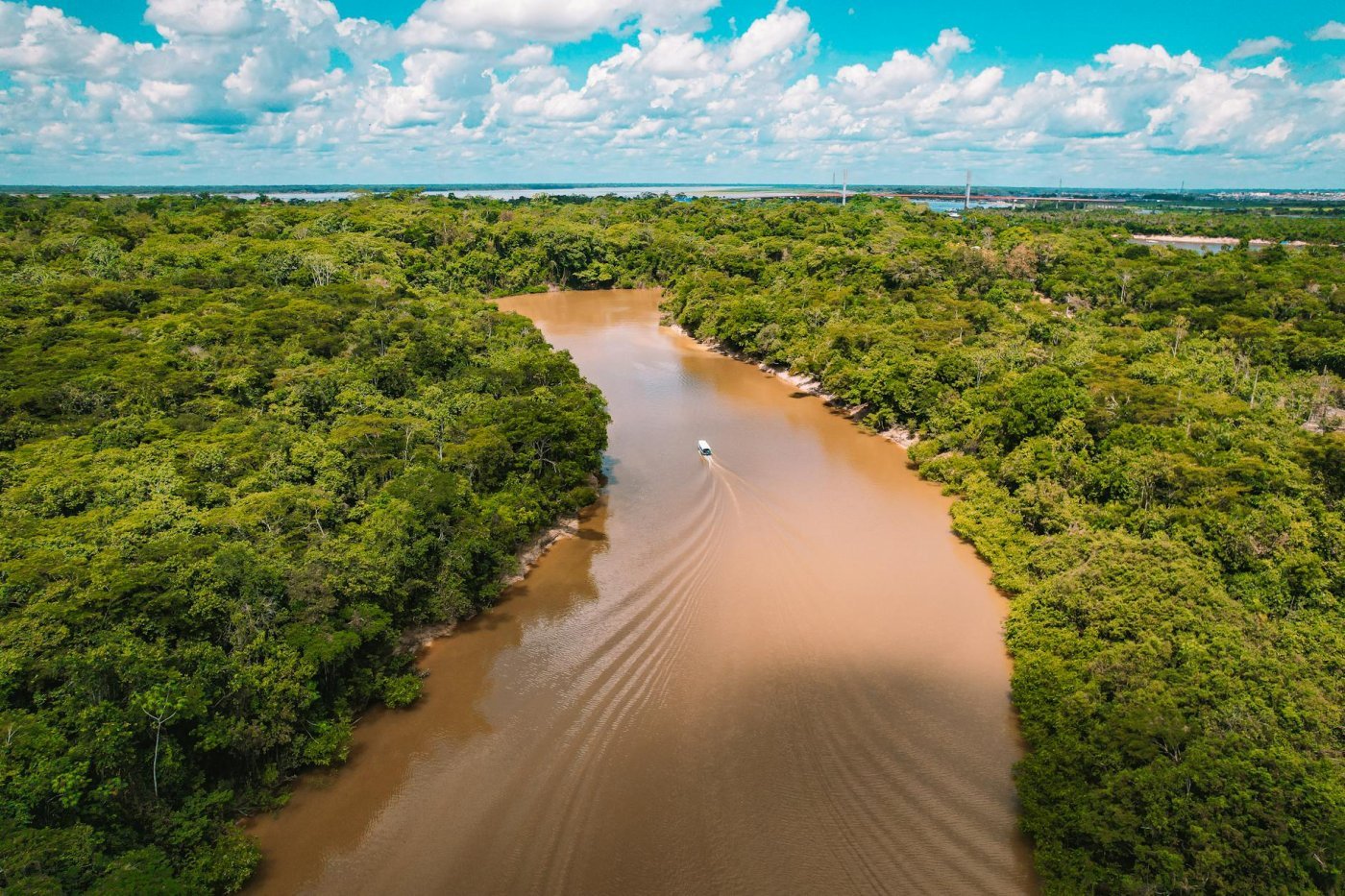
Nothing in Brazil — perhaps nothing in all of South America — prepares you for the Pantanal. At dawn, a low mist rolls across the floodplains as a giant river otter slips beneath the glassy surface and a hyacinth macaw ignites the sky with a streak of impossible blue. The air smells of mud, wild grass, and river water, and somewhere in the tangled riverbank vegetation, a jaguar is already on the move. The Pantanal is the world's largest tropical wetland, stretching across some 150,000 square kilometres of western Brazil into Bolivia and Paraguay, and it rewards visitors with wildlife encounters so raw and frequent that every dirt track feels like a front-row seat to a nature documentary.
Visiting the Pantanal is fundamentally different from visiting the Amazon, and that distinction matters enormously when planning things to do in Brazil's wild interior. Where the Amazon hides its wildlife beneath impenetrable forest canopy, the Pantanal's open floodplains and seasonally drained savannas push animals into the open. Caimans line every riverbank by the hundreds, capybaras graze in the shade of bare trees, and jaguars — the continent's apex predator — are spotted here more reliably than anywhere else on Earth. For European travellers seeking a true Pantanal itinerary built around meaningful, unhurried wildlife encounters rather than ticking boxes, this region is simply unbeatable.
✦ Find your perfect destination
Is Pantanal really your perfect match?
Answer 12 quick questions about your travel style, budget and dates — we match you with the destinations that fit you best, from 600+ worldwide.
The Pantanal earns its place on any serious wildlife-lover's bucket list through sheer, unfiltered abundance. Jaguar sightings along the Cuiabá River are virtually guaranteed during the dry season — a claim no other destination on Earth can match. Beyond the big cats, the Pantanal is home to giant anteaters, marsh deer, tapirs, anacondas, and over 650 bird species including the flamboyant jabiru stork. Unlike crowded East African safari circuits, the Pantanal still feels genuinely wild and unhurried, its fazenda lodges run by pantaneiro cowboy families who have managed this land for generations.
The case for going now: The Pantanal gained UNESCO World Heritage status in 2000, but international visitor numbers remain low compared to equivalent safari destinations — meaning you still share riverboat trips with handfuls of travellers rather than convoys of Land Cruisers. Brazil's weak real currently makes Pantanal lodges exceptional value for European visitors, and several premium ecolodges have completed major refurbishments for 2025–2026, elevating the comfort level without sacrificing authenticity.
🐆
Jaguar Safaris
Board a flat-bottomed riverboat on the Cuiabá River at dawn and scan the steep clay banks where jaguars patrol. Sightings here are the most reliable in the world, often at remarkably close range.
🐊
Caiman Night Walks
After dark, the Pantanal's dirt tracks glow with hundreds of caiman eyes. Guided torch-lit walks or jeep drives reveal these ancient reptiles in extraordinary density alongside giant spiders and tree frogs.
🦜
Birdwatching Trails
With over 650 resident species, the Pantanal is one of the world's premier birdwatching destinations. Hyacinth macaws, jabiru storks, roseate spoonbills, and toucans appear constantly along forest-edge trails and open floodplains.
🤠
Pantaneiro Culture
The region's horseback cowboy tradition — the pantaneiro culture — is one of Brazil's most distinctive. Stay on a working fazenda, join a cattle muster, and share slow evenings with families who have ranched these wetlands for centuries.
Pantanal's neighbourhoods — where to focus
Jaguar Country
Porto Jofre & Northern Pantanal
The village of Porto Jofre at the end of the Transpantaneira highway is ground zero for jaguar tourism. The surrounding northern Pantanal corridor offers the densest big-cat sightings in the world, with dedicated riverboat operators running daily three-hour excursions along the Cuiabá and Piquiri rivers.
Gateway Town
Cuiabá & Poconé
Cuiabá is the capital of Mato Grosso state and the main entry point into the northern Pantanal. It functions primarily as a transit hub, though its central market (Mercado do Porto) offers an excellent introduction to regional pantaneiro food and culture before you head south.
Deep Wilderness
Southern Pantanal (Bonito Region)
The southern reaches, accessed via Campo Grande in Mato Grosso do Sul, offer a slightly different experience — crystal-clear spring-fed rivers, cave systems, and the beautiful Bonito resort town. Snorkelling with dorado fish in the Rio da Prata is one of Brazil's most extraordinary freshwater experiences.
Fazenda Life
Transpantaneira Highway Corridor
The unpaved Transpantaneira road stretches 147 kilometres from Poconé to Porto Jofre, crossing 122 wooden bridges. Driving it slowly — stopping at every watering hole — is itself one of the great wildlife drives anywhere, with caimans, capybaras, and marsh deer at virtually every turn.
Top things to do in Pantanal
1. #1 — Jaguar Riverboat Expeditions
No experience in the Pantanal rivals a dedicated jaguar riverboat safari along the Cuiabá River. Specialised operators based out of Porto Jofre run three- to four-hour excursions departing at sunrise, when jaguars are most active along the steep clay riverbanks. Your guide uses radio communication with a network of other boats to share sightings instantly, dramatically increasing your chances of a prolonged encounter. During peak dry season (August–October), sightings are reported on roughly 80–90% of trips. Watch for the characteristic low-slung, orange-spotted form moving through the bankside vegetation, often stopping to drink or stalk caimans. Bring a 400mm+ telephoto lens if you shoot seriously, though the encounters are frequently close enough for a smartphone.
2. #2 — Drive the Transpantaneira
The Transpantaneira is one of South America's great road journeys, and completing it at a dawdling pace — stopping constantly — is among the best things to do in the Pantanal. The 147-kilometre unpaved track begins at the monument gate in Poconé and ends at the Porto Jofre ferry crossing, crossing 122 rickety wooden bridges over flooded ponds teeming with yacaré caimans. Hire a 4WD in Cuiabá, fill the tank, and allow two full days rather than one. Roadside birding is exceptional — look for bare-faced curassows, sunbitterns, and the spectacular giant anteater, which forages openly beside the road in the early morning. Stop at fazenda guesthouses for cold drinks and conversations with pantaneiro families.
3. #3 — Night Safaris and Caiman Spotlighting
After sunset the Pantanal transforms. Guided night safaris — on foot along tracks or by open jeep — reveal the region's nocturnal world in extraordinary detail. Yacaré caimans, absent during the heat of the day, pack the ditches and stream edges in such numbers that their reflective eyes create an unbroken constellation of red dots. Giant spiders, tree frogs, owls, and capybaras are regular sightings. The best Pantanal lodges include night spotlighting excursions as part of their package rates, led by guides who know where to find rarer species such as the maned wolf and ocelot. Even a one-hour torch walk near your lodge perimeter delivers more wildlife than most full-day jungle hikes elsewhere in Brazil.
4. #4 — Birdwatching at Fazenda San Francisco
The Pantanal holds more bird species than any equivalent ecosystem in the Americas, and Fazenda San Francisco near Miranda is one of its most celebrated birdwatching properties. Its network of levee paths and oxbow lakes attracts an almost absurd variety of waterbirds, including jabiru storks nesting at close range, dozens of heron species, roseate spoonbills, and the electric-blue hyacinth macaw — the world's largest parrot, which nests in the fazenda's old-growth trees. Early morning guided walks here regularly log 60–80 species in three hours. The fazenda also operates horse-mounted birding excursions into the campo — open savanna — where ground-dwelling species like the seriema and burrowing owl are easily found.
What to eat in the Pantanal and Mato Grosso — the essential list
Pintado na Telha
The Pantanal's signature dish: pacu or pintado fish baked on a clay roof tile with olive oil, garlic, and herbs. Earthy, smoky, and wholly regional, it appears on every fazenda table and riverside restaurant from Cuiabá to Porto Jofre.
Pacu Frito
Deep-fried pacu — a large, round, fruit-eating river fish — is the Pantanal's most consumed everyday meal. The fish fries beautifully to a golden crust, and its naturally sweet, firm flesh needs little more than lime and farofa alongside it.
Arroz Carreteiro
A slow-cooked rice dish traditionally made by pantaneiro cowboys on cattle drives, combining dried or salted beef, onion, garlic, and rice in a single iron pot. Filling, deeply savoury, and the definitive comfort food of the wetland interior.
Caldo de Piranha
Piranha broth, served in earthenware bowls, is a beloved local remedy and a genuinely delicious soup. The small red-bellied piranha lends a rich, slightly gelatinous stock that locals swear has restorative properties — and which visitors often find surprisingly pleasant.
Chipa
Borrowed from Paraguayan border culture, chipa is a small cheese-and-cassava bread roll baked until crisp outside and soft within. Sold at roadside stalls along the Transpantaneira and in Corumbá markets, it is the pantaneiro's essential travelling snack.
Sobá
An unexpected Pantanal specialty introduced by Japanese-Brazilian immigrants in the Campo Grande area, sobá is a cold noodle broth served with pork and vegetables. It is one of Campo Grande's most beloved dishes and a reminder of the region's diverse cultural heritage.
Where to eat in Pantanal — our top 4 picks
Fine Dining
Mahalo Restaurante
📍 Av. Filinto Müller, Cuiabá, MT
Cuiabá's most polished dining room showcases Mato Grosso ingredients with genuine culinary ambition — pintado fish in tucupi broth, aged beef from the wetland ranches, and desserts built around local pequi fruit. Service is attentive and the wine list thoughtfully assembled for a city this remote.
Fancy & Photogenic
Flutuante Porto Jofre
📍 Porto Jofre, Transpantaneira km 147, MT
A floating restaurant-and-lodge anchored at the Cuiabá River's edge, where meals are eaten on open decks with caimans visible in the water below and kingfishers diving around the jetty. The grilled pacu and cold local beer hit differently when served this close to the jungle.
Good & Authentic
Restaurante Lá em Casa
📍 Rua Pedro Celestino 1017, Cuiabá, MT
A long-standing local favourite serving unfussy Mato Grosso home cooking at fair prices — the arroz carreteiro is genuinely excellent, the service warm, and the clientele almost entirely local. Come at lunchtime when the buffet is freshest and the room is at its most lively.
The Unexpected
Cantinho do Peixe
📍 Corumbá waterfront, Mato Grosso do Sul
A modest riverside shack in the border town of Corumbá that somehow produces the Pantanal's most consistently praised fish meals. The owner sources pintado and pacu daily from local fishermen, and the preparation — simple, charcoal-grilled, served with manioc — is close to perfect.
Pantanal's Café Culture — top 3 cafés
The Institution
Café do Museu (Museu do Mato Grosso)
📍 Praça da República, Cuiabá, MT
Set inside Cuiabá's handsome state museum building, this café is the city's most civilised coffee stop — good Brazilian espresso, fresh tropical juices, and a terrace overlooking the historic praça. It serves as an ideal first-morning introduction to the capital before heading into the wetlands.
The Aesthetic Hub
Quintal Café
📍 Rua Voluntários da Pátria, Cuiabá, MT
A courtyard café in Cuiabá's quieter residential fringe that attracts local creatives, biology students, and passing naturalists. Cold brew, açaí bowls, and a hand-painted interior decorated with Pantanal wildlife illustrations make it the city's most photogenic coffee spot.
The Local Hangout
Padaria Pantaneira
📍 Av. General Mello, Corumbá, MS
The working-class bakery where Corumbá locals eat before dawn shifts — strong, sweet coffee in ceramic cups, fresh chipa rolls still warm from the oven, and conversation at shared zinc counters. Arrive before 7am to experience the authentic rhythm of a Pantanal border town morning.
Best time to visit Pantanal
Jan
Feb
Mar
Apr
May
Jun
Jul
Aug
Sep
Oct
Nov
Dec
Wet season (Jan–Apr) — dramatic flooding, exceptional fishing, fewer crowds, lush green landscapesDry season peak (Jul–Oct) — best jaguar spotting, easy wildlife access, concentrated animalsTransition months (May–Jun, Nov–Dec) — unpredictable access, some roads impassable
Pantanal events & festivals 2026
Whether you're planning around a specific celebration or simply want to know what's happening, this guide covers the best events and festivals in Pantanal — from major annual traditions to cultural highlights worth timing your trip around.
January 2026culture
Festival América do Sul Pantanal
Held annually in Corumbá, this major performing arts festival draws theatre companies, musicians, and dancers from across South America to stages along the Paraguay River waterfront. It is one of the
February 2026culture
Carnaval de Corumbá
Corumbá's riverfront carnival is one of the most atmospheric in Brazil's interior, drawing pantaneiro cowboy floats, regional forró bands, and street parties that run through the night along the Paraguay River. Far more intimate than coastal carnivals, it offers genuine local colour without tourist overwhelm.
June 2026religious
Festa de Santo Antônio (Corumbá)
The riverside city of Corumbá celebrates its patron saint with river processions, floating candle lanterns, and religious masses that draw communities from the surrounding wetland fazendas. The event marks the beginning of the traditional Pantanal fishing season and carries deep cultural significance for pantaneiro families.
July 2026culture
Festival do Peixe (Cáceres)
The city of Cáceres on the Paraguay River hosts this annual fishing festival celebrating the Pantanal's extraordinary freshwater biodiversity. Competitive fishing tournaments, fish-cooking competitions, and regional music make it a compelling stop for travellers planning a Pantanal itinerary through the northern corridor in July.
August 2026culture
ExpoAgro Pantanal (Cuiabá)
Mato Grosso's annual agro-industry fair showcases the pantaneiro ranching tradition in spectacular fashion — rodeos, cattle judging, horseback displays, and regional food stands fill the Cuiabá exhibition ground for ten days. For visitors curious about the cowboy culture underpinning the Pantanal landscape, it is genuinely unmissable.
September 2026music
Festival Cururu e Siriri
This celebration of Mato Grosso's two most distinctive folk music traditions — cururu and siriri — takes place annually in Cuiabá with street performances, dance competitions, and workshops. The hypnotic drum-and-vocal style of cururu in particular dates to the colonial era and is nowhere better experienced than at this dedicated festival.
September 2026culture
Mutirão do Meio Ambiente
An annual environmental awareness event coordinated across Pantanal municipalities, combining community clean-up actions with guided wildlife walks, school education programmes, and talks from leading Brazilian conservationists. Visiting during this period allows travellers to engage directly with the ongoing effort to protect the wetland ecosystem.
October 2026market
Feira do Artesanato Pantaneiro
Cuiabá's largest craft fair celebrates the Pantanal's artisan traditions with stalls selling hand-tooled leather goods, woven palm hats, wooden carvings of regional animals, and traditional foods. It is the best single opportunity to purchase authentic pantaneiro crafts directly from the families who make them.
November 2026culture
Semana do Índio (Xingu Events)
Indigenous communities from Mato Grosso's vast Xingu territory participate in cultural exchange events in Cuiabá during National Indigenous Week, showcasing traditional body painting, crafts, and ceremonial music. These events provide rare and respectful access to cultures that predate the pantaneiro ranching civilisation by millennia.
December 2026culture
Luzes do Pantanal (Cuiabá)
Cuiabá marks the festive season with illuminated waterfront displays and outdoor concerts in the Praça da República. The December timing coincides with the first rains of the wet season, when the Pantanal begins its dramatic annual flooding cycle and the landscape transforms with astonishing speed.
Basic guesthouses in Poconé or Cuiabá, self-drive Transpantaneira, roadside fish restaurants, no guided excursions.
€€ Mid-range
€90–180/day
Comfortable fazenda lodge with meals, one or two guided excursions daily, shared riverboat jaguar trips included.
€€€ Luxury
€180–350+/day
Premium ecolodge with private guiding, dedicated jaguar boats, gourmet regional meals, spa, transfers from Cuiabá included.
Getting to and around Pantanal (Transport Tips)
By air: Cuiabá's Marechal Rondon International Airport (CGB) is the main gateway to the northern Pantanal, with direct flights from São Paulo (1h40), Rio de Janeiro, and Brasília. For the southern Pantanal, Campo Grande Airport (CGR) in Mato Grosso do Sul serves Bonito and Corumbá. No direct European flights exist — connections route through São Paulo's Guarulhos (GRU).
From the airport: From Cuiabá airport, licensed taxis and Uber both operate to the city centre (approximately 7km, 20 minutes, R$30–50). Most fazenda lodges offer paid transfer services directly from the airport to their properties, which simplifies arrival enormously. From Campo Grande airport, shuttle buses serve the town centre regularly, and onward bus connections to Bonito take around four hours.
Getting around the city: Inside the Pantanal itself, a 4WD vehicle is essential for independent travel along the Transpantaneira and its side tracks — standard cars will fail on the unpaved surfaces, especially during or after rain. Cuiabá has Uber, local taxis, and all major international car hire companies at the airport. Within fazendas, all transport (horses, boats, jeeps) is typically provided as part of the lodge package, so a hired vehicle is really only necessary if you are driving independently between properties.
Transport Safety & Scam Prevention:
Unlicensed Jaguar Guides: Only use jaguar boat operators that are registered with IBAMA (Brazil's environmental authority). Unlicensed guides sometimes approach travellers in Porto Jofre offering cheaper trips — these operators frequently harass wildlife or operate without safety equipment, and their permits can be revoked mid-trip.
Airport Taxi Overcharging: Unmetered unofficial taxis at Cuiabá airport frequently quote inflated fares to arriving tourists. Always use official yellow cabs from the licensed rank inside the terminal, use Uber, or arrange your lodge transfer in advance to avoid overcharging on arrival.
Dry Season Road Conditions: Even during the dry season, the Transpantaneira's wooden bridges can be structurally compromised after heavy isolated rainstorms. Ask fazenda staff about current bridge conditions before driving at night, and always carry a spare tyre, water, and a Spanish/Portuguese phrasebook — mobile signal is extremely limited south of Poconé.
Do I need a visa for Pantanal?
Visa requirements for Pantanal depend on your nationality. Select your passport below for an instant answer — based on the Passport Index dataset for entry into Brazil.
ℹ️ Indicative only. Always verify with the official consulate before booking. Data: Passport Index, April 2026.
For detailed requirements, documentation checklists and processing times by nationality: TravelDoc →
Search & Book your trip to Pantanal
Find the best flight routes and hotel combinations using our partner Kiwi.com.
Frequently Asked Questions
Is the Pantanal safe for tourists?
The Pantanal itself is generally safe for tourists, and wildlife-related incidents are extremely rare when visitors follow guide instructions. The main safety considerations are practical rather than criminal: roads can become impassable after rain, mobile signal is almost nonexistent along the Transpantaneira, and independent travellers should always tell someone their route before departing. Cuiabá and Campo Grande, like most large Brazilian cities, require standard urban precautions — avoid displaying expensive cameras or phones in busy markets, use Uber rather than unmarked taxis at night, and keep copies of your documents separate from the originals.
Can I drink the tap water in the Pantanal?
Tap water in Cuiabá and Campo Grande is technically treated but consistently causes stomach issues for unacclimatised visitors — bottled or filtered water is strongly recommended throughout your trip. At fazenda lodges, drinking water is universally provided filtered or bottled, and reputable properties take hygiene seriously. In remote areas along the Transpantaneira, bottled water availability is limited, so carry a minimum of three litres per person per day in your vehicle at all times.
What is the best time to visit the Pantanal?
The best time to visit the Pantanal depends on what you prioritise. The dry season (July–October) is peak wildlife-viewing time: water recedes, animals concentrate around remaining rivers and ponds, and jaguar sightings along the Cuiabá River reach their highest frequency. Roads are passable and boat access is easiest. The wet season (January–April) floods up to 80% of the wetland, creating a spectacular inland sea — fishing is exceptional, bird breeding activity peaks, and the landscape turns vivid green. Shoulder months (May–June, November–December) are unpredictable, with some roads impassable and wildlife more dispersed.
How many days do you need in the Pantanal?
A minimum Pantanal itinerary of five days allows you to reach Porto Jofre for jaguar spotting and experience at least two full days of wildlife excursions. However, seven to ten days is far more rewarding — it lets you combine the northern jaguar corridor with either the southern Pantanal around Bonito's crystal rivers or a slow drive of the full Transpantaneira. Wildlife encounters involve an element of chance, and having extra days dramatically increases your odds of seeing jaguars, giant anteaters, anacondas, and tapirs. Budget travellers can compress to three nights, but the travel time alone makes anything shorter than four days poor value.
Pantanal vs Amazon — which should you choose?
These two destinations offer genuinely different experiences, and the choice comes down to what kind of wildlife encounter you want. The Pantanal wins decisively for accessible, open-habitat sightings: jaguars, caimans, giant anteaters, and marsh deer are seen in the open, often at close range, in conditions that allow excellent photography. The Amazon offers forest immersion, greater plant and insect diversity, and the chance to visit indigenous communities — but wildlife is frequently hidden in the canopy. The Pantanal is also considerably more compact and easier to navigate independently. If you only have time for one, and wildlife is your priority, the Pantanal delivers more reliably dramatic encounters per day.
Do people speak English in the Pantanal?
English is very limited throughout the Pantanal region. In Cuiabá and Campo Grande, larger hotels and tour operators can usually communicate in basic English, but away from these cities — particularly along the Transpantaneira and at fazenda lodges — Portuguese is the only language you will encounter. Premium ecolodges catering to international wildlife tourists typically employ at least one English-speaking guide or manager. Learning a handful of key Portuguese phrases before arrival — including greetings, food vocabulary, and basic directional language — will meaningfully improve your experience and is genuinely appreciated by pantaneiro hosts.
★ Hidden Gems Weekly
Like this? One place per week, in your inbox.
No spam, no fluff — just one underrated destination, every Tuesday.
Hand-picked and verified by Max, who founded Vacanexus from Luxembourg in 2026. No sponsorships, no paid placements. Every recommendation — restaurants, neighbourhoods, things to do — is selected for authenticity over popularity.