Nature & Trekking · Argentina & Chile · Patagonia 🇦🇷🇨🇱
Patagonia Travel Guide — The World's Last Frontier
⏱ 12 min read📅 Updated 2026💶 €€€ Adventure✈️ Best: Nov–Mar
€120–250
Daily budget
Nov–Mar (summer)
Best time
10–14 days
Ideal stay
ARS/CLP
Currency
Safe
For solo travel
Basic
English level
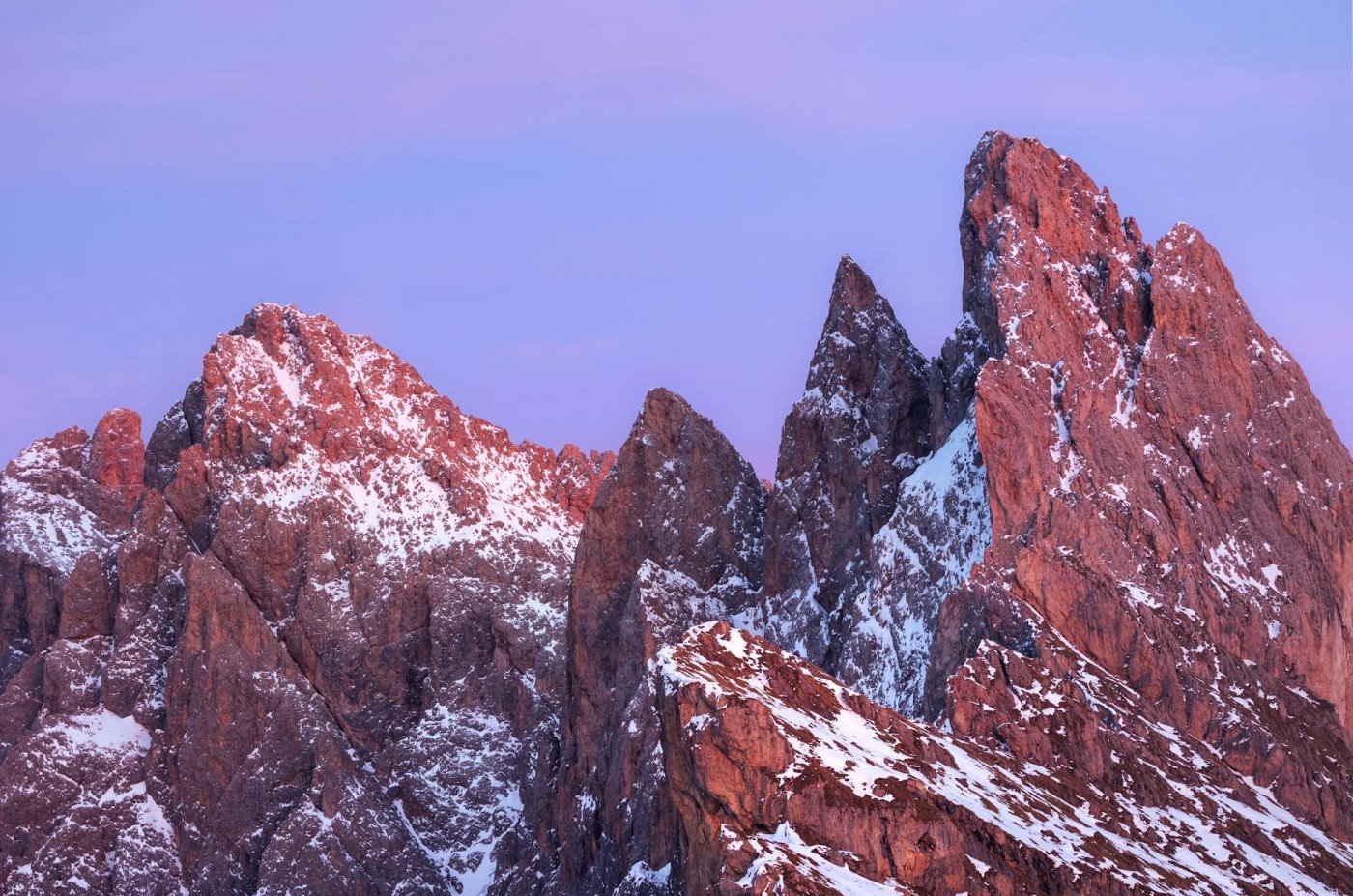
The granite spires of Torres del Paine pierce the morning sky like ancient cathedrals, their reflection shimmering across turquoise lakes while condors ride thermals overhead. This is Patagonia at sunrise—a land where glacial winds carry the scent of wild guanaco herds and every footstep echoes with the promise of untamed wilderness. The silence here is profound, broken only by the thunderous crack of calving glaciers and the whisper of grass across endless pampas.
Spanning both Argentina and Chile, Patagonia represents Earth's final frontier for serious adventurers. From the ice fields of Los Glaciares to the jagged peaks of Fitz Roy, this is where trekkers come to test themselves against some of the planet's most dramatic terrain. The region's raw beauty demands respect—and rewards those brave enough to venture into its heart with experiences that redefine what it means to be truly wild.
✦ Find your perfect destination
Is Patagonia really your perfect match?
Answer 12 quick questions about your travel style, budget and dates — we match you with the destinations that fit you best, from 600+ worldwide.
Patagonia offers the planet's most accessible yet genuinely wild adventure playground, where you can witness massive glaciers calving into pristine lakes and trek among peaks that have challenged explorers for centuries. The region's unique position at the world's edge creates dramatic weather systems that sculpt landscapes of impossible beauty—from the marble caves of General Carrera to the windswept torres that define the Patagonian skyline.
The case for going now: Climate change is visibly altering Patagonia's glaciers, making now the ideal time to witness these ancient ice rivers before they retreat further. Recent infrastructure improvements have also made remote areas more accessible while still preserving their wild character.
🏔️
Torres Trekking
Challenge yourself on the iconic W Circuit through Patagonia's most famous peaks.
🧊
Glacier Walking
Strap on crampons and walk across the ancient blue ice of Perito Moreno.
🦅
Condor Watching
Witness these magnificent birds soaring above dramatic cliff faces and valleys.
🚤
Ice Navigation
Navigate between icebergs on boat expeditions through glacial lakes.
Patagonia's neighbourhoods — where to focus
Gateway Town
El Calafate, Argentina
The charming lakeside base for Perito Moreno Glacier adventures, lined with cozy restaurants and gear shops. Its location on Lago Argentino makes it the perfect launching point for ice trekking and boat excursions among towering icebergs.
Trekking Hub
El Chaltén, Argentina
Known as Argentina's trekking capital, this mountain village sits beneath the jagged spires of Fitz Roy. The town exists purely to serve adventurers, with every business catering to hikers, climbers, and those seeking the ultimate Patagonian challenge.
Park Gateway
Puerto Natales, Chile
This windswept port town serves as the primary access point to Torres del Paine National Park. Its streets buzz with international trekkers planning expeditions, while waterfront restaurants serve king crab fresh from the fjords.
Glacier Access
El Calafate Glaciar Area
The remote glacier zone offers luxury eco-lodges with direct views of ice fields and mountain ranges. Here you'll find some of Patagonia's most exclusive accommodations, where you can watch glaciers from heated observation decks.
Top things to do in Patagonia
1. Trek the W Circuit in Torres del Paine
This 4-5 day trek covers 80km through Chile's most spectacular national park, passing turquoise lakes, granite towers, and the famous hanging glacier. Book refugios well in advance during high season, and pack layers for rapidly changing weather. The trek can be done independently or with guided groups, but requires good fitness and proper gear. Start early each day to avoid afternoon winds that can reach 100km/h.
2. Ice Walk on Perito Moreno Glacier
Strap on crampons for a once-in-a-lifetime walk across ancient blue ice formations and deep crevasses. The full-day 'Big Ice' experience includes boat transport across Lago Argentino and 3 hours on the glacier with expert guides. Minimum age is 18 for the Big Ice tour, but shorter 'Mini Trekking' options are available for all fitness levels. The glacier is one of the few advancing glaciers in the world, making it incredibly active.
3. Hike to Laguna de los Tres
This challenging day hike from El Chaltén rewards you with close-up views of Fitz Roy's granite spires reflected in an alpine lake. The final ascent is steep and rocky, gaining 400m in the last kilometer, but the payoff is arguably Patagonia's most iconic view. Start before sunrise to catch the famous 'fitz roy glow' when morning light hits the peaks. Weather changes rapidly here, so pack warm layers even in summer.
4. Boat Safari in Beagle Channel
Navigate the historic waters between Argentina and Chile, spotting sea lions, Magellanic penguins, and cormorants on remote islands. Full-day excursions from Ushuaia include stops at penguin colonies and the famous Les Eclaireurs Lighthouse. The channel offers dramatic views of snow-capped mountains rising directly from the sea. Best viewing is from September to March when wildlife is most active and weather is more predictable.
What to eat in Patagonia — the essential list
Asado Patagónico
Traditional barbecue featuring grass-fed Patagonian lamb slow-cooked over lenga wood fires, creating incomparably tender meat with smoky flavors. Best experienced at estancias (ranches) where gauchos prepare whole lambs using techniques passed down for generations.
King Crab
Massive centolla crabs harvested from the cold waters of the Beagle Channel, served simply steamed or in rich casseroles. Puerto Natales and Ushuaia offer the freshest preparations, often caught the same day and served in waterfront restaurants with mountain views.
Calafate Berry Liqueur
Sweet purple liqueur made from native calafate berries, said to ensure your return to Patagonia if consumed. The berries grow wild throughout the region and are harvested by hand, creating a distinctly local flavor found nowhere else in the world.
Trucha
Fresh rainbow and brown trout from pristine Patagonian rivers, grilled simply to highlight the clean, delicate flavor. Fly-fishing lodges serve the day's catch within hours of being pulled from crystal-clear waters fed by glacial runoff.
Mate
Traditional herbal tea shared from a gourd, providing warmth and energy during long trekking days. The ritual of sharing mate creates instant bonds with locals and fellow travelers, while the caffeine boost helps power through challenging hikes.
Dulce de Leche Alfajores
Buttery cookies filled with thick caramel and often coated in chocolate, providing essential calories for outdoor adventures. Patagonian versions are notably large and hearty, perfect for packing in backpacks for energy during long treks.
Where to eat in Patagonia — our top 4 picks
Fine Dining
Resto El Regional
📍 Av. Libertador 1876, El Calafate
Sophisticated interpretation of Patagonian cuisine featuring locally-sourced lamb and game in an elegant atmosphere. The wine list focuses on exceptional Mendoza reds that pair perfectly with the rich, smoky flavors of regional specialties. Reservations essential during peak trekking season.
Fancy & Photogenic
Isabel Cocina al Disco
📍 Av. Costanera 245, Puerto Natales
Instagram-worthy presentations of king crab and local seafood with dramatic views across Última Esperanza Sound. The open kitchen features massive disco (plow disk) cooking surfaces where chefs prepare theatrical flame-grilled dishes. Book a window table for sunset views of distant glaciers.
Good & Authentic
La Tablita
📍 Av. Libertador 1065, El Calafate
Beloved local parrilla where gauchos and tourists share tables over perfectly grilled Patagonian lamb and excellent empanadas. The no-frills atmosphere focuses entirely on exceptional meat cooked over wood fires, with portions large enough to fuel a day of glacier trekking. Cash only.
The Unexpected
Fuegia Bistro
📍 San Martin 342, Ushuaia
Innovative cuisine incorporating foraged Fuegian ingredients like sea lettuce and wild mushrooms in surprising preparations. The chef creates unique flavor combinations that reflect the harsh beauty of Tierra del Fuego's landscape. Small plates perfect for sharing after long days exploring the world's end.
Patagonia's Café Culture — top 3 cafés
The Institution
Laguna Negra
📍 Av. Güemes 23, El Chaltén
The legendary climbers' café where alpinists have planned Fitz Roy ascents since 1992, with walls covered in expedition photos and route maps. Their hearty breakfasts and strong coffee fuel countless trekking adventures, while evening beers provide the perfect setting for swapping trail stories with international adventurers.
The Aesthetic Hub
Viva la Pepa
📍 Emilio Amado 833, El Calafate
Stylish café with glacier views serving exceptional coffee and homemade pastries in a bright, modern space filled with local photography. The flat whites are considered the best in Patagonia, while their dulce de leche cheesecake provides the perfect reward after glacier trekking. Free WiFi makes it ideal for uploading adventure photos.
The Local Hangout
Café Tapiz
📍 Arturo Prat 236, Puerto Natales
Cozy neighborhood spot where local guides and park rangers gather for morning cortados and evening wine, creating an authentic glimpse into Patagonian daily life. The empanadas are homemade daily, and the bulletin board offers real-time updates on trail conditions and weather forecasts from locals just returning from the mountains.
Best time to visit Patagonia
Jan
Feb
Mar
Apr
May
Jun
Jul
Aug
Sep
Oct
Nov
Dec
Peak Season (Nov–Dec): Perfect weather, long days, all trails open, advance booking essentialShoulder Season: Good conditions with fewer crowds, some services may have limited hoursWinter: Many trails closed, harsh weather, limited services but dramatic snow-covered landscapes
Patagonia events & festivals 2026
Whether you're planning around a specific celebration or simply want to know what's happening, this guide covers the best events and festivals in Patagonia — from major annual traditions to cultural highlights worth timing your trip around.
January 2026culture
Festival de la Esquila
Traditional sheep shearing festival celebrating gaucho culture in El Calafate. One of the best Patagonia festivals showcasing rural heritage and folk music.
February 15-16, 2026sports
Ultra Trail Torres del Paine
International trail running competition through Torres del Paine National Park.
March 2026culture
Fiesta de la Tradicion
Patagonian folklore festival in Puerto Natales with traditional dance and music. Considered among the best Patagonia festivals for authentic cultural experiences.
September 28, 2026sports
Patagonia Marathon
Scenic marathon race around Torres del Paine with mountain backdrops.
November 2026culture
Festival Nacional del Asado
National barbecue festival celebrating Patagonian lamb and beef traditions.
June 2026festival
Whale Watching Season Opening
Peninsula Valdes celebrates southern right whale arrival with festivals.
December 2026music
Festival de Tango Austral
Southern tango festival in El Calafate blending Argentine dance with Patagonian culture.
October 2026market
Expo Rural Patagonica
Agricultural fair showcasing Patagonian farming, crafts and regional products.
Patagonia budget guide
Type
Daily budget
What you get
€ Budget
€60–90/day
Hostel dorms, camping in national parks, self-cooked meals, local buses
€€ Mid-range
€120–200/day
3-star hotels, refugio stays during treks, restaurant meals, organized day tours
€€€ Luxury
€250+/day
Eolo or Explora lodges, private guides, helicopter transfers, premium dining
Getting to and around Patagonia (Transport Tips)
By air: El Calafate Airport (FTE) serves the Argentine side with flights from Buenos Aires. Chilean access via Punta Arenas (PUQ) with LATAM connections from Santiago.
From the airport: Airport shuttles cost €8-12 to town centers, taxis €15-20. Most hotels arrange transfers. Rental cars available but 4WD recommended for remote areas.
Getting around: Rental cars provide maximum flexibility for exploring. Bus services connect major towns but are infrequent. Many lodges include transfers in packages.
Transport Safety & Scam Prevention:
Weather Gear Rental Markup: Outdoor gear shops near park entrances often charge inflated prices for basic equipment. Rent quality gear in Buenos Aires or Santiago, or buy basics before arriving in Patagonia to avoid paying premium prices for inferior equipment.
Fake Trekking Permits: Only buy national park permits at official visitor centers or authorized agents, never from individuals near park entrances. Some scammers sell fake permits or claim parks are closed to sell expensive alternative tours.
Currency Exchange Tricks: Avoid exchanging money at hotels or tourist areas where rates are poor. Use ATMs or official exchange houses (casas de cambio) in main towns. The US dollar is widely accepted at better rates than credit cards.
Do I need a visa for Patagonia?
Visa requirements for Patagonia depend on your nationality. Select your passport below for an instant answer — based on the Passport Index dataset for entry into Argentina & Chile.
ℹ️ Indicative only. Always verify with the official consulate before booking. Data: Passport Index, April 2026.
For detailed requirements, documentation checklists and processing times by nationality: TravelDoc →
Search & Book your trip to Patagonia
Find the best flight routes and hotel combinations using our partner Kiwi.com.
Frequently Asked Questions
Is Patagonia safe for tourists?
Yes, Patagonia is very safe with low crime rates and helpful locals. The main risks are weather-related, so proper gear and respecting mountain conditions are essential. Park rangers provide excellent safety briefings and trail condition updates.
What fitness level is needed for Patagonia?
Basic fitness is sufficient for most day hikes and glacier walks, but multi-day treks like the W Circuit require good cardiovascular fitness and hiking experience. Most activities offer different difficulty levels, from gentle nature walks to challenging alpine routes.
When is the best weather in Patagonia?
November through March offers the warmest temperatures and longest days, with December-February being peak season. However, Patagonia's weather is notoriously unpredictable - pack for all conditions even in summer, as temperatures can range from 5°C to 25°C in a single day.
How many days do you need in Patagonia?
Plan at least 10-14 days to cover both Argentina and Chile sides, allowing time for Torres del Paine, El Calafate's glaciers, and Bariloche's lakes. A minimum of 7 days works for one country only, but 2-3 weeks is ideal for experiencing Patagonia's diverse landscapes without rushing between distant locations.
Patagonia vs Iceland — which should you choose?
Choose Patagonia for dramatic mountain peaks, massive glaciers, and multi-day trekking adventures across vast wilderness areas. Iceland is better for compact road trips, geothermal features, and easier logistics, while Patagonia rewards travelers seeking rugged, remote nature experiences with more challenging but spectacular hiking.
What should I pack for Patagonia's unpredictable weather?
Pack waterproof layers, warm fleece, and wind-resistant gear as Patagonia's weather changes rapidly from sunny to stormy within hours. Bring quality hiking boots, thermal underwear, and a reliable rain jacket since temperatures can swing 30°F in a single day. Even summer days (December-March) require warm layers for strong winds and sudden temperature drops.
★ Hidden Gems Weekly
Like this? One place per week, in your inbox.
No spam, no fluff — just one underrated destination, every Tuesday.
Hand-picked and verified by Max, who founded Vacanexus from Luxembourg in 2026. No sponsorships, no paid placements. Every recommendation — restaurants, neighbourhoods, things to do — is selected for authenticity over popularity.