⏱ 12 min read📅 Updated 2026💶 €€ Mid-range✈️ Best: Apr–Oct
€50–120
Daily budget
Apr–Oct
Best time
7–10 days
Ideal stay
EUR
Currency
Very Safe
For solo travel
Good
English level
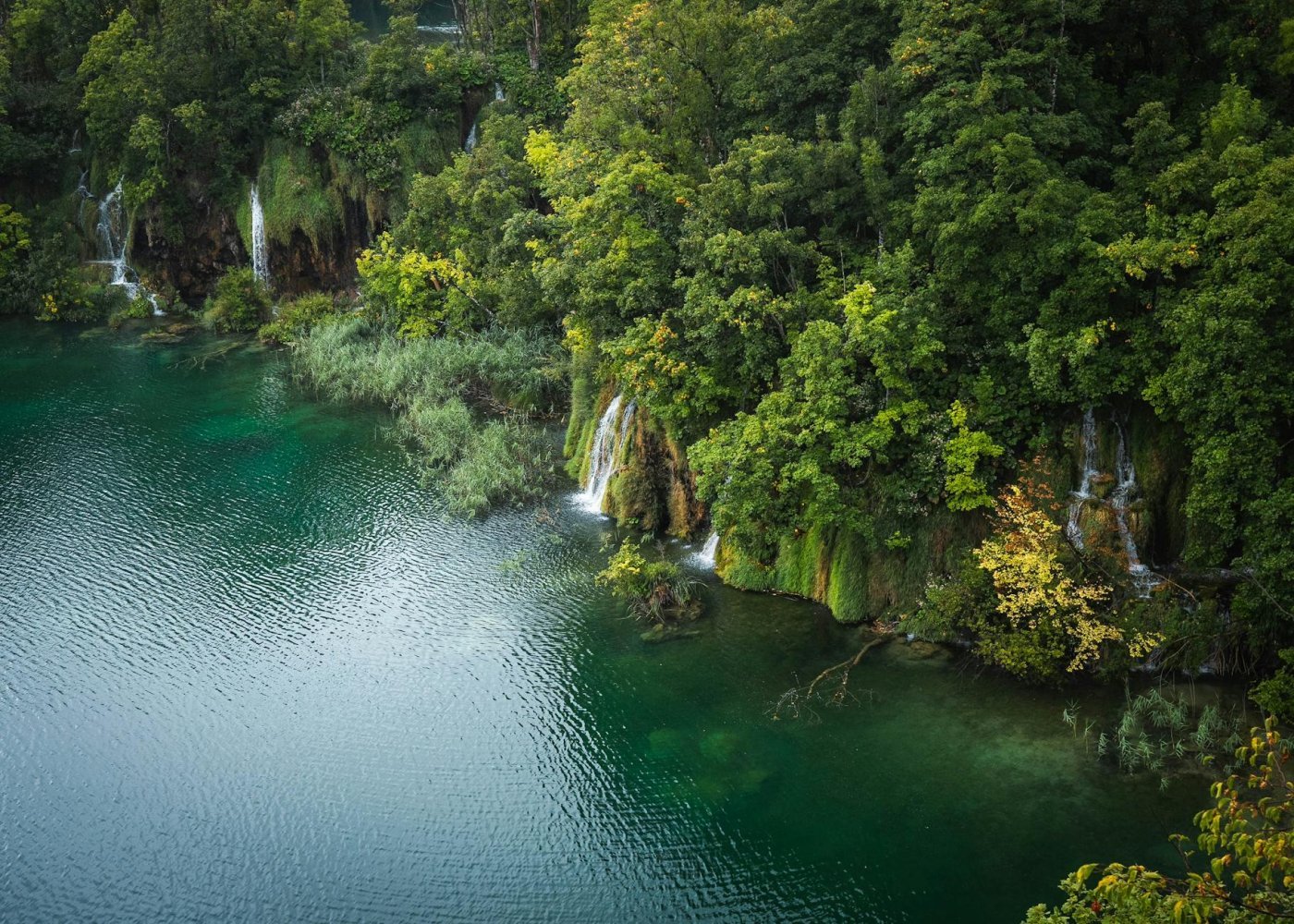
Imagine standing on the rim of a dormant volcano, gazing down at two lakes—one emerald green, the other sapphire blue—nestled in the caldera below. The air is thick with the sweet scent of hydrangeas and the clean, crisp mist of the Atlantic. This isn't a fantasy land; it's a typical Tuesday on São Miguel, the main island of the Azores, an archipelago that feels like Europe's best-kept secret.
Often called the 'Hawaii of Europe,' the comparison only scratches the surface. The nine islands of the Azores offer a unique alchemy of Portuguese charm, Irish-green landscapes, and Icelandic geothermal drama. What truly surprises visitors is the sheer diversity packed into this remote archipelago—from UNESCO-listed vineyards growing in black lava fields to the thrill of spotting a 20-meter sperm whale breaching just offshore.
✦ Find your perfect destination
Is Azores really your perfect match?
Answer 12 quick questions about your travel style, budget and dates — we match you with the destinations that fit you best, from 600+ worldwide.
The Azores are a masterclass in nature's raw power and delicate beauty. Here, you can hike into volcanic craters, swim in ocean pools warmed by geothermal vents, and walk through Europe's only commercial tea plantations in a single day. It's an accessible adventure destination that rewards the curious traveler with uncrowded trails and authentic local culture.
The case for going now: With increasing direct flights from Europe and North America, the Azores are more accessible than ever, yet they remain a bastion of sustainable tourism. Go now to experience this pristine paradise in its sweet spot, before the rest of the world catches on.
🐋
Whale & Dolphin Watching
Join a responsible tour on the open Atlantic to witness majestic sperm whales and playful dolphins in their natural habitat.
🌋
Hike Volcanic Lakes
Trek the verdant rim of the Sete Cidades caldera for breathtaking views of the iconic blue and green crater lakes.
♨️
Bathe in Hot Springs
Soak in iron-rich, geothermally heated pools surrounded by lush botanical gardens in the Furnas Valley.
🍇
Taste Lava Wine
Explore Pico Island's unique UNESCO-listed vineyards, where vines grow from black volcanic rock in stone-walled plots.
Azores's neighbourhoods — where to focus
Lush & Accessible
São Miguel Island
The largest and most visited island, offering a perfect microcosm of the entire archipelago with its iconic crater lakes, hot springs, and bustling capital, Ponta Delgada. It's the ideal starting point for first-time visitors.
Volcanic & Vinicultural
Pico Island
Dominated by the towering Mount Pico, Portugal's highest peak, this island is a haven for hikers and wine lovers. Explore its unique lava-stone vineyards and sample the crisp, mineral-rich local Verdelho wine.
Nautical & Cosmopolitan
Faial Island
Known as the 'Blue Island' for its hydrangeas, Faial's Horta marina is a legendary stop for transatlantic sailors. Visit Peter's Café Sport, a world-famous mariner's bar, and explore the dramatic volcanic landscapes of Capelinhos.
Wild & Untamed
Flores Island
A UNESCO Biosphere Reserve, Flores is the Azores at its most raw and beautiful, with dozens of waterfalls cascading down green cliffs. It's a remote paradise for those seeking solitude and spectacular hiking.
Top things to do in Azores
1. Hike the Sete Cidades Rim
The Vista do Rei (King's View) viewpoint is the classic photo spot, but the real magic is hiking the 12km trail along the caldera's rim. You'll walk between carpets of hydrangeas and the steep drop-off, with shifting perspectives of the twin lakes below. Pack layers, as mist can roll in quickly, and wear sturdy shoes for the sometimes-uneven path.
2. Soak in Furnas Valley's Thermal Pools
Furnas is a geothermal wonderland. For a rustic, intimate experience, visit the iron-orange pools of Poça da Dona Beija, open until late at night. For a grander setting, swim in the vast thermal pool at Terra Nostra Garden, surrounded by a world-class botanical collection. Don't be alarmed by the sulfur smell in the air—it's all part of the experience.
3. Eat a Geothermal 'Cozido' Stew
While in Furnas, you must try Cozido das Furnas, a hearty stew of meats and vegetables slow-cooked for six hours underground by volcanic steam. Local restaurants lower large pots into holes in the ground (fumarolas) each morning. You can watch the pots being unearthed around midday near the lake before heading to a restaurant to taste the delicious, earthy result.
4. Explore Europe's Only Tea Plantations
On São Miguel's north coast, visit the Gorreana and Porto Formoso tea factories, the only commercial tea plantations in Europe. Walk through the beautiful, rolling hills of tea bushes, see the 19th-century machinery still in use, and enjoy a complimentary tasting of their fragrant black and green teas. The views of the dramatic coastline from the plantations are worth the visit alone.
What to eat in Azores — the essential list
Cozido das Furnas
A one-pot wonder of beef, pork, chicken, sausage, and vegetables, slow-cooked underground by volcanic heat. Find it at restaurants in the town of Furnas on São Miguel.
Lapas Grelhadas
Grilled limpets, a local delicacy, served sizzling in a pan with garlic, butter, and a squeeze of fresh lemon. A perfect seaside snack found in most coastal restaurants.
Bolo Lêvedo
A slightly sweet, dusty, and fluffy muffin-like bread, perfect for breakfast with local jam and butter or as the bun for a savory sandwich. Originally from Furnas, but available everywhere.
Queijo de São Jorge
A firm, tangy, and slightly spicy aged cheese from the island of São Jorge. It's a DOP product, perfect on a cheese board with local honey or jam.
Alcatra
A famous dish from Terceira island, this is a beef pot roast slow-cooked in a clay pot with red wine, onions, and allspice until it's melt-in-your-mouth tender.
Fresh Tuna
The Azores are a major hub for big-game fishing, meaning the tuna is incredibly fresh. Look for 'bife de atum' (tuna steak), lightly seared and served with potatoes.
Where to eat in Azores — our top 4 picks
Fine Dining
Quinta dos Sabores
📍 Caminho do Pico da Pedra, 24, Rabo de Peixe, São Miguel
A true farm-to-table gem offering a set tasting menu based on what's harvested from their organic farm that day. Expect creative dishes in a beautifully rustic setting; booking is essential.
Fancy & Photogenic
À Terra Fornaria
📍 Av. José do Canto, Furnas, São Miguel
Located in the stylish Furnas Boutique Hotel, this restaurant focuses on rustic, comforting food made with local ingredients, often cooked in a wood-fired oven. The decor is stunning, blending natural elements with modern design.
Good & Authentic
Associação Agrícola de Santana
📍 Rua do Rosário, Rabo de Peixe, São Miguel
This is the place for steak lovers. Run by the farmers' association, it serves enormous, succulent, and perfectly cooked Azorean beef steaks for an unbeatable price. Don't expect fancy decor, just incredible food.
The Unexpected
Caldeiras & Vulcões
📍 Largo das Caldeiras, 4, Furnas, São Miguel
Experience the famous 'Cozido das Furnas' at this classic restaurant located right by the geothermal vents where the dish is cooked. It's a quintessential Azorean culinary experience that connects you directly to the volcanic landscape.
Azores's Café Culture — top 3 cafés
The Institution
Louvre Michaelense
📍 Rua António José de Almeida 98, Ponta Delgada, São Miguel
A beautifully preserved, historic café and haberdashery in one. Step back in time among the wooden cabinets and enjoy a coffee, local liqueur, or buy some artisanal Azorean goods.
The Aesthetic Hub
Intz48 Coffee Roasters
📍 Rua Hintze Ribeiro 48, Ponta Delgada, São Miguel
For a proper third-wave coffee fix, Intz48 is the spot. They roast their own beans and serve excellent espresso-based drinks and filter coffee in a minimalist, modern space.
The Local Hangout
O Príncipe dos Queijos
📍 Rua de Pedro Homem, 68, Ponta Delgada, São Miguel
More of a deli than a café, this is the perfect place for a quick, authentic lunch. Grab a sandwich made with delicious local cheeses and cured meats, and eat like a local.
Best time to visit Azores
Jan
Feb
Mar
Apr
May
Jun
Jul
Aug
Sep
Oct
Nov
Dec
Jun–Sep: Peak season. Warmest weather, best for swimming and whale watching. Hydrangeas are in full bloom.Apr–May & Oct: Shoulder season. Pleasant weather for hiking, fewer crowds, and lower prices.Nov–Mar: Off-season. Cooler and wetter, but the islands are still lush and green. Ideal for budget travelers who don't mind unpredictable weather.
Azores events & festivals 2026
Whether you're planning around a specific celebration or simply want to know what's happening, this guide covers the best events and festivals in Azores — from major annual traditions to cultural highlights worth timing your trip around.
January-February 2026festival
Festival de Inverno de São Miguel
Winter festival celebrating Azorean culture with traditional music and gastronomy.
August 2026culture
Semana do Mar
Sea Week festival in Horta, Faial celebrating maritime heritage and whale watching.
August 15-25 2026music
Festival das Maré de Agosto
Major music festival on São Miguel featuring international and local artists. Highlights the best Azores festivals for summer entertainment.
May 2026religious
Festa do Senhor Santo Cristo dos Milagres
Most important religious festival in Azores with massive processions in Ponta Delgada.
July 2026culture
Walk & Talk Festival
Contemporary art and culture festival across multiple islands with installations and performances.
September 2026culture
Festival de Folclore de São Miguel
Traditional folklore festival showcasing Azorean music, dance and costumes.
April 2026music
Tremor Festival
Innovative music festival on São Miguel combining electronic and traditional sounds.
October 2026culture
Festival Internacional de Documentário dos Açores
International documentary film festival showcasing Atlantic island stories.
June 2026sports
Azores Trail Run
International trail running competition through volcanic landscapes and crater lakes.
September 2026festival
Festival do Caldo de Peixe
Traditional fish soup festival in Vila Franca do Campo celebrating local gastronomy.
🗓 For the complete official events calendar and visitor information, visit the Visit Portugal →
Azores budget guide
Type
Daily budget
What you get
€ Budget
Under €50/day
Staying in hostels, using the limited public bus system, and eating picnics from local markets with occasional meals at tascas.
€€ Mid-range
€50–120/day
Renting a small car, staying in guesthouses (Alojamento Local), and mixing restaurant meals with self-catering.
€€€ Luxury
€200+/day
Staying at boutique hotels like White Exclusive Suites & Villas, taking private tours, and enjoying fine dining experiences.
Getting to and around Azores (Transport Tips)
By air: Ponta Delgada Airport (PDL) is the main international gateway. It has year-round connections to Lisbon and Porto, as well as seasonal flights from other European and North American cities.
From the airport: The easiest way to get to Ponta Delgada is by taxi or Bolt, which takes about 10 minutes and costs €10–15. The Aerobus is a more budget-friendly option, connecting the airport to major points in the city.
Getting around: Renting a car is highly recommended and almost essential for properly exploring any of the islands beyond the main towns. While Ponta Delgada is walkable, public transport to natural sites is infrequent.
Transport Safety & Scam Prevention:
Car Rental Insurance: Be wary of aggressive upselling on extra insurance at the rental counter. Check what your credit card covers beforehand, but consider the basic CDW for peace of mind on narrow, winding roads.
The 'Couvert' Charge: In restaurants, bread, butter, and olives brought to your table before your meal are not free. If you don't want them, politely refuse them to avoid the charge on your bill.
Book Tours Directly: Book whale watching or canyoning tours directly with reputable, certified operators rather than informal sellers. This ensures safety standards are met and you're supporting sustainable practices.
Do I need a visa for Azores?
Visa requirements for Azores depend on your nationality. Select your passport below for an instant answer — based on the Passport Index dataset for entry into Portugal.
ℹ️ Indicative only. Always verify with the official consulate before booking. Data: Passport Index, April 2026.
For detailed requirements, documentation checklists and processing times by nationality: TravelDoc →
Search & Book your trip to Azores
Find the best flight routes and hotel combinations using our partner Kiwi.com.
Frequently Asked Questions
Is the Azores safe for tourists?
The Azores are exceptionally safe, with very low crime rates. It's considered one of the safest destinations in Europe, ideal for solo travelers and families. The biggest 'dangers' are unpredictable weather and narrow roads, so drive carefully and always pack a raincoat.
Which island should I visit?
For a first trip, São Miguel is the best choice as it offers a wide variety of Azorean landscapes and activities. If you have more than a week, consider adding a second island: Pico for hiking and wine, Terceira for history, or Flores for dramatic natural beauty.
What is the weather really like?
The weather is famously unpredictable and can change in minutes—locals say you can experience 'four seasons in one day.' It's generally mild year-round, but always be prepared with layers, a waterproof jacket, and sturdy shoes, even in summer.
How many days do you need in Azores?
A minimum of 5-7 days allows you to explore São Miguel's volcanic lakes, hot springs, and coastal trails without rushing. For the ideal nature experience, plan 10-14 days to island-hop and discover the diverse landscapes of Terceira, Faial, or Pico, each offering unique hiking opportunities and volcanic formations.
Azores vs New Zealand — which should you choose?
Choose the Azores if you want accessible volcanic landscapes, thermal hot springs, and dramatic crater lakes without extreme distances or high costs. New Zealand is better for those seeking diverse ecosystems from glaciers to fjords, don't mind higher prices, and want more developed adventure tourism infrastructure.
Do you need a car to get around the Azores?
Yes, renting a car is essential for exploring the Azores' natural attractions, as public transport is limited and many volcanic lakes, hot springs, and hiking trails are only accessible by car. Most scenic viewpoints and nature spots are scattered across the islands with minimal bus connections, making a rental car the only practical way to experience the islands' diverse landscapes.
★ Hotel guide
Where to stay in Azores
7+ hand-picked hotels across luxury, mid-range and budget — verified by Max.
Hand-picked and verified by Max, who founded Vacanexus from Luxembourg in 2026. No sponsorships, no paid placements. Every recommendation — restaurants, neighbourhoods, things to do — is selected for authenticity over popularity.