Banaue Rice Terraces Travel Guide — 2,000 years of living agriculture carved into the clouds
⏱ 11 min read📅 Updated 2026💶 € Budget✈️ Best: Jan–Apr
€15–45/day
Daily budget
January–April
Best time
3–5 days
Ideal stay
PHP (Philippine Peso)
Currency
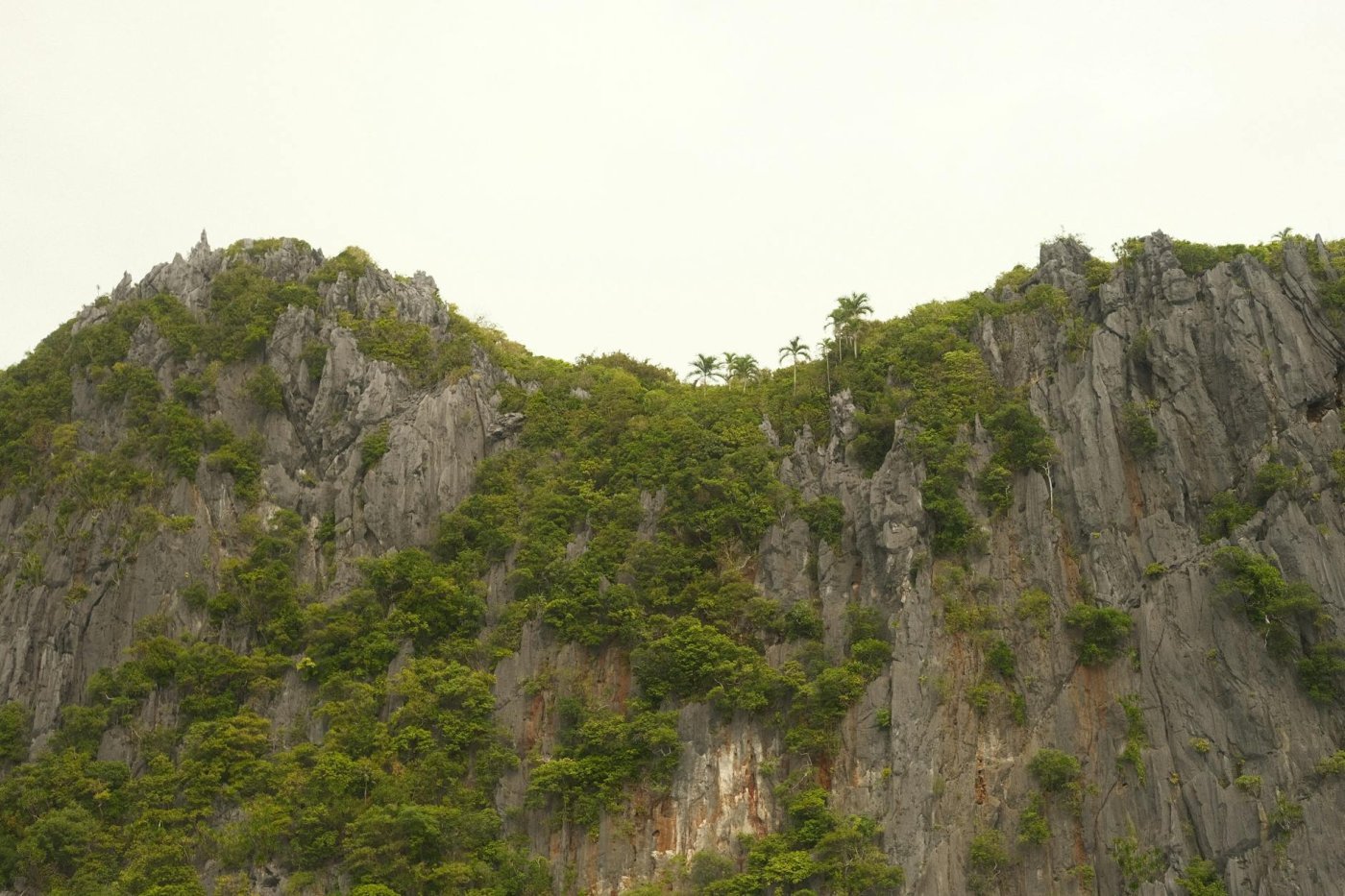
Rising in near-vertical steps from the valley floor of Ifugao Province, the Banaue Rice Terraces are among the most breathtaking human-made landscapes on earth. Mist curls between ridgelines at dawn while Ifugao farmers in traditional woven g-strings tend paddies that their ancestors first carved 2,000 years ago without machinery, blueprints, or foreign instruction. The air smells of wet stone and mountain grass, and the silence is broken only by the trickle of an ancient irrigation system still functioning today. Banaue sits roughly 1,500 metres above sea level in the Cordillera Central of northern Luzon, a world apart from the beach-and-resort Philippines that most travellers picture. The terraces are genuinely alive — not a museum exhibit but a working agricultural landscape feeding real families in 2026.
Visiting Banaue rewards travellers who prize authenticity over comfort. Unlike comparable UNESCO heritage sites in Southeast Asia — Angkor Wat or Bagan — this is not a site you tour from an air-conditioned bus; you walk its muddy footpaths, sleep in family guesthouses, and share meals with Ifugao elders. Things to do in Banaue extend well beyond the famous viewpoint: multi-day treks link remote villages like Batad, Cambulo, and Pula, where electricity arrived only recently and homestay culture is warm and unfiltered. For European travellers accustomed to overcrowded heritage circuits, Banaue offers rare breathing room — crowds are modest, prices are exceptionally low, and the scenery rewards every angle. A Banaue itinerary is, above all, a lesson in what human ingenuity looks like when it works in harmony with a mountain.
✦ Find your perfect destination
Is Banaue Rice Terraces really your perfect match?
Answer 12 quick questions about your travel style, budget and dates — we match you with the destinations that fit you best, from 600+ worldwide.
Your Banaue Rice Terraces itinerary — choose your style
🗓 Weekend Break — 2 days
🧭 City Explorer — 5 days
🌍 Deep Dive — 10 days
Your pace:
Why Banaue Rice Terraces belongs on your travel list
The Banaue Rice Terraces were inscribed on the UNESCO World Heritage List in 1995 and are frequently called the Eighth Wonder of the World — a label coined by early foreign visitors who could not believe what Ifugao communities had engineered with bare hands. The terraces cover roughly 10,360 square kilometres across Ifugao Province, and the stone-and-mud walls, if laid end to end, would circle the globe more than twice. Beyond the statistics, Banaue matters because its culture is still intact: the Ifugao maintain a living tradition of muyong (private forest), ritual rice cultivation, and oral history that ties agriculture to identity in ways no other site in Southeast Asia quite matches.
The case for going now: Go to Banaue now before restoration fatigue and climate-driven terracing collapse accelerate further. The Philippine government and UNESCO are currently funding the most ambitious rehabilitation programme in decades, stabilising eroded walls and incentivising younger Ifugao to return to farming. That means sections already look better than they did five years ago — but the window for seeing the terraces at their greenest and most intact, with infrastructure improving but crowds still thin, is right now.
🥾
Village Trekking
Multi-hour trails connect Banaue to remote Ifugao villages like Batad and Cambulo, passing through working terraces where farmers wave from flooded paddies. Guides are inexpensive and essential for the steep, unmarked paths.
🌅
Dawn Viewpoint
The classic Banaue viewpoint above the town transforms at sunrise: cloud inversions fill the valley and the terraces glow gold before the tour groups arrive. Arrive before 5:30 am for an almost private moment.
🏺
Ifugao Culture
Local woodcarvers produce bulul harvest gods and traditional weavers sell hand-loomed textiles in the market. Attending a community ritual, when permitted, offers an unfiltered window into animist Ifugao spiritual life.
🚣
Batad Amphitheatre
Batad's semi-circular terrace cluster — a UNESCO core zone — is arguably more dramatic than Banaue's main view. The hour-long jeepney ride and 45-minute descent into the bowl makes it the most rewarding half-day detour.
Banaue Rice Terraces's neighbourhoods — where to focus
Town Hub
Banaue Town Centre
The small market town of Banaue is the logistical heart of any visit: guesthouses, tricycles, money changers, and the Department of Tourism office are all clustered near the central market. It's utilitarian rather than pretty, but everything you need is within walking distance and locals are accustomed to travellers.
Trekker's Base
Batad Village
Reached by jeepney and a steep descent, Batad is a car-free village cupped inside one of the most spectacular terrace amphitheatres in Ifugao. A handful of family-run lodges serve simple Filipino meals; electricity is available but intermittent. Staying overnight means you own the terraces at dawn entirely to yourself.
Remote & Authentic
Cambulo Village
A two-hour trek beyond Batad, Cambulo sees only a fraction of Batad's visitors and rewards those who push further. The Cambulo Waterfall, stone-walled footpaths, and a genuine sense of remoteness make this the highlight for serious trekkers. Homestay accommodation is available with advance coordination through Banaue guides.
Scenic Detour
Hapao & Hungduan
The Hapao terrace cluster in Hungduan municipality is less visited than Batad yet equally photogenic, with stone-paved Ifugao village paths and a natural hot spring nearby. The drive west from Banaue takes about two hours on winding mountain roads, making this a rewarding full-day excursion for travellers with a hired vehicle.
Top things to do in Banaue Rice Terraces
1. #1 Trek to Batad & Beyond
The single most rewarding thing to do in Banaue is the trek from the Batad saddle down into the amphitheatre village and on to Tappiya Waterfall, a 25-metre cascade tucked behind a wall of terrace stones. The full loop — Banaue by jeepney to the saddle, descent to Batad, waterfall visit, optional extension to Cambulo, and return — takes six to eight hours at a relaxed pace and costs under €10 in guide fees plus €3 for the jeepney. Trails are slippery after rain, so proper trekking shoes are non-negotiable. Licensed Banaue guides meet clients at the DOT office near the market from around 6 am and provide essential knowledge of safe paths and local customs. This is a Banaue itinerary centrepiece for very good reason.
2. #2 Banaue Viewpoint at Sunrise
The government-maintained viewpoint sits roughly three kilometres above Banaue town and is the canonical vantage point from which the terrace steps cascade down towards the Banaue River far below. Most travellers visit mid-morning and find it busy; the real trick is arriving before dawn with a torch and a thermos of coffee. When cloud inversions sit in the valley below and the first light catches the water-filled paddies, the scene is genuinely otherworldly. Entry costs a nominal fee (around PHP 50), and souvenir stalls open by 7 am for breakfast snacks. Jeepneys and tricycles run from town, or the 40-minute uphill walk through forest is pleasant in cool morning air. Bring a jacket — temperatures at viewpoint level can drop to 12°C in January and February.
3. #3 Explore Ifugao Villages on Foot
Banaue's tourist infrastructure is deliberately low-key, which means village walks — from the Poitan district across terrace dikes to the Tam-an native village — feel genuinely exploratory rather than staged. Tam-an, a short walk below the main viewpoint road, is home to traditional Ifugao thatched houses and woodcarvers who produce bulul harvest gods, spoons, and ceremonial shields. Visitors are welcomed into workshops and direct purchases support artisan families. The Ifugao Museum near the town centre provides cultural context on the muyong water-management system and the rituals of the rice cycle, making it a smart first stop before venturing further. Admission is minimal. Combine this with a stroll through the morning market, where mountain vegetables, purple heirloom rice, and smoked meats give the most vivid snapshot of daily Ifugao life in 2026.
4. #4 Scenic Drive to Sagada
Many travellers pair Banaue with nearby Sagada, a former missionary town famous for its hanging coffins, underground limestone caves, and cool pine-forest atmosphere. The drive takes three to four hours on winding mountain roads and passes through landscapes that are spectacular in their own right — Cordillera valleys, terraced hillsides, and traditional Igorot villages. Jeepneys run sporadically, but renting a van or joining a shared tour from Banaue is far more practical. In Sagada, Sumaguing Cave requires a guide and lantern descent through stalactite chambers and waist-deep underground pools, while Kiltepan Peak at sunrise rivals Banaue's viewpoint for cloud-sea drama. This two-destination combination is one of the most rewarding routes in the northern Luzon highlands and makes the long bus journey from Manila feel entirely worthwhile.
What to eat in the Ifugao Highlands — the essential list
Pinikpikan
A traditional Cordillera soup made from native chicken prepared in a specific ritual manner, then slow-boiled with etag (smoked pork) and vegetables. The smoky, deeply savoury broth is warming after a cold morning trek and found in family eateries throughout Banaue.
Etag
Salt-cured and smoked pork aged for months — sometimes years — in Ifugao households. Etag has an intense, funky flavour reminiscent of dry-aged charcuterie and is used as both a condiment and a standalone dish. Small wrapped portions make a memorable, if pungent, edible souvenir.
Heirloom Purple Rice
Ifugao farmers cultivate dozens of heirloom rice varieties, of which the nutty, violet-hued unoy is the most famous. Served simply steamed in family guesthouses, it has a chewier texture and richer flavour than commercial white rice — and eating it connects you directly to the terraces you are walking through.
Camote (Sweet Potato) Tops
Sautéed camote leaves with garlic and native vinegar are a staple side dish throughout the Cordillera. Light, slightly bitter, and nutritious, they appear on almost every budget eatery menu in Banaue and pair well with rice and grilled tilapia from the mountain streams.
Sayote Soup
Sayote (chayote) grown at altitude across Ifugao fields is turned into a mild, comforting soup with ginger, native chicken, and spring onions. Its simplicity is its virtue — light enough for lunch before a long afternoon trek and available for under €1 in local eateries.
Biko Highlands
A sticky rice cake made with glutinous rice, coconut milk, and brown sugar — sold at the Banaue market in the morning wrapped in banana leaf. Warm biko with a cup of instant Benguet coffee is the definitive Cordillera breakfast before heading out to the viewpoint at dawn.
Where to eat in Banaue Rice Terraces — our top 4 picks
Fine Dining
Halfway Lodge Restaurant
📍 Banaue–Batad Road, Banaue, Ifugao
The most refined dining option accessible from Banaue town, Halfway Lodge serves a well-executed Filipino menu — adobo, sinigang, and fresh mountain vegetables — from a terrace perch with open valley views. Service is attentive and portions are generous; the local tilapia grilled over charcoal is the dish to order.
Fancy & Photogenic
Banaue Hotel Restaurant
📍 Banaue Hotel, Banaue, Ifugao 3601
Set inside the government-run Banaue Hotel, this dining room has sweeping terrace views and is the most camera-friendly eating spot in town. The menu covers Filipino and some Western dishes; breakfast buffets here attract tour groups but are genuinely good. Worth visiting at sunset even just for coffee and the panorama.
Good & Authentic
People's Lodge & Restaurant
📍 Banaue Town Centre, Banaue, Ifugao 3601
A long-standing budget favourite among trekkers and backpackers, People's Lodge serves unpretentious Filipino home cooking at prices that feel almost absurdly low. The pinikpikan soup is the best in Banaue town, the staff are forthcoming with trail advice, and the communal dining room is excellent for meeting fellow travellers.
The Unexpected
Batad Hillside Inn Kitchen
📍 Batad Village, Banaue, Ifugao
Perched on a ridge inside the Batad amphitheatre, this family-run kitchen cooks whatever was bought at the market that morning — usually heirloom rice, camote tops, egg, and some form of mountain protein. The lack of a fixed menu is part of the charm, and eating here while overlooking the terraces at dusk is hard to beat.
Banaue Rice Terraces's Café Culture — top 3 cafés
The Institution
Sanafe Lodge & Restaurant Coffee Corner
📍 Banaue Town, Banaue, Ifugao 3601
Sanafe has been the reliable gathering point for Banaue travellers for over two decades. Their hot Benguet coffee — grown in the Cordillera highlands — is the best in town, served in thick mugs with a side of local sweet bread. The noticeboard is plastered with handwritten trekking notes and guide contacts.
The Aesthetic Hub
Greenfields Hostel Café
📍 Banaue Road, Banaue, Ifugao
The most photogenic café in Banaue, Greenfields is built from reclaimed wood with open-air seating overlooking a small garden and partial terrace view. They serve pour-over Benguet coffee, fresh fruit smoothies, and a short all-day breakfast menu. The Instagram crowd has discovered it, but it still feels genuinely relaxed.
The Local Hangout
Central Market Sari-Sari Stalls
📍 Banaue Public Market, Banaue, Ifugao
For the most authentic morning experience in Banaue, pull up a plastic stool at one of the sari-sari counter stalls inside the public market. Instant 3-in-1 coffee costs PHP 10, the pan de sal is fresh at 6 am, and the conversations with Ifugao market vendors are invariably more entertaining than any guidebook.
Best time to visit Banaue Rice Terraces
Jan
Feb
Mar
Apr
May
Jun
Jul
Aug
Sep
Oct
Nov
Dec
Peak season (Jan–Apr) — dry skies, green paddies, cool highland air perfect for trekkingShoulder (Nov–Dec) — occasional rain but manageable, fewer crowds, harvest season colourWet season (May–Oct) — heavy typhoon-season rains make trails slippery; landslides possible on mountain roads
Banaue Rice Terraces events & festivals 2026
Whether you're planning around a specific celebration or simply want to know what's happening, this guide covers the best events and festivals in Banaue Rice Terraces — from major annual traditions to cultural highlights worth timing your trip around.
February 2026culture
Imbayah Festival
One of the Held across Banaue town, it draws cultural travellers seeking authentic Cordillera heritage — not a tourist performance but a genuine community celebration of the rice harvest cycle.
March 2026culture
Hudhud Recitation
The Hudhud — UNESCO-inscribed Ifugao oral epic — is chanted during rice harvest and cultural events in March, when conditions in the terraces are at their most lush. Travellers with a Banaue itinerary in late March may witness community recitations in upland villages, an experience as rare as it is moving.
April 2026religious
Holy Week Ifugao Rituals
Holy Week in Banaue blends Catholic observance with pre-Christian Ifugao animist practice in a syncretic way found nowhere else in the Philippines. Processions through terraced hillside villages on Good Friday offer a striking contrast of Spanish colonial piety and Cordillera mountain tradition.
June 2026culture
Gotad Ad Kiangan
The Kiangan municipality's annual thanksgiving festival honours peace and the founding of post-war Ifugao governance through indigenous games, ritual feasts, and the election of a festival queen in traditional attire. While not held in Banaue town itself, it is easily visited by jeepney and is one of the most authentic festivals in Ifugao Province.
July 2026culture
Punnuk Festival (Lagawe)
Held in Lagawe, the Ifugao provincial capital accessible from Banaue, Punnuk is a cleansing ritual festival involving indigenous chanting and communal river blessing ceremonies. The timing in the wet season means it is less visited by tourists, giving the event an unpretentious local character.
September 2026culture
Banaue Heritage Month Events
September marks Heritage Month activities across Ifugao, with local government-organised terrace restoration volunteer programmes, cultural exhibitions at the Ifugao Museum, and guided talks by senior Ifugao historians. Travellers visiting Banaue in September can participate in conservation activities alongside farming families.
October 2026market
Ifugao Organic Produce Market
October's harvest season brings an expanded organic produce market to Banaue town, where farmers from across the Cordillera sell heirloom rice varieties, highland vegetables, and foraged mountain ingredients. The market is the best single opportunity in the year to stock up on genuine Ifugao food products and meet the growers directly.
November 2026culture
All Souls' Day Ifugao Rites
Ifugao communities in and around Banaue mark All Souls' Day with a distinctive blend of Catholic cemetery visits and traditional ancestor-honouring rituals at family homes. The hillside cemeteries above Banaue town are atmospheric and quietly moving on the evening of November 1st.
December 2026music
Cordillera Christmas Festival
December brings a Cordillera-wide series of indigenous music performances and Christmas cultural shows to Banaue's town plaza, blending traditional Ifugao gong music with holiday festivities. The cool December highland air and low-season prices make this a genuinely pleasant time for visiting Banaue without the peak-season crowds.
January 2026culture
Rice Planting Season Opening
January marks the opening of the rice planting season in Banaue's terraces, accompanied by muted family rituals and the beautiful spectacle of water-flooded paddies reflecting the winter sky. This is considered the best time to visit Banaue for photography — the flooded terraces are mirror-still and the highland air is crisp and clear.
Dorm beds or basic guesthouses, market meals, public jeepneys, self-guided walks along the terraces.
€€ Mid-range
€25–45/day
Private guesthouse room, licensed guide for day treks, restaurant meals, hired jeepney for day trips.
€€€ Luxury
€45+/day
Banaue Hotel or best lodge rooms, private vehicle hire, guided multi-day trekking with full support crew.
Getting to and around Banaue Rice Terraces (Transport Tips)
By air: The nearest major airport to Banaue is Ninoy Aquino International Airport (MNL) in Manila, roughly 350 kilometres south. Several carriers including Philippine Airlines and Cebu Pacific connect Manila to international hubs across Europe, the Middle East, and Asia. There is no airport near Banaue itself — all access from Manila is overland.
From the airport: From Manila, the standard route to Banaue is an eight-to-nine-hour overnight bus journey operated by companies including Ohayami Trans and GL Trans, departing from the Cubao or Sampaloc bus terminals. Buses depart in the evening and arrive in Banaue by early morning, which is ideal for catching the sunrise viewpoint. Tickets cost around PHP 600–800 (under €15) and should be booked a day in advance during peak season.
Getting around the city: Within Banaue and its surrounding villages, the primary transport options are shared jeepneys and tricycles. Jeepneys run between Banaue town and the Batad saddle junction for around PHP 50–80 per person, while tricycles serve shorter in-town distances for PHP 20–50. Hiring a private jeepney for a day of visits to Hapao or Hungduan costs approximately PHP 1,500–2,500 split among passengers. There are no ride-hailing apps operating in this remote highland area.
Transport Safety & Scam Prevention:
Unlicensed Guides: Always hire guides registered with the Banaue Department of Tourism office near the central market. Unlicensed guides sometimes approach buses on arrival and may lead trekkers on unsafe trails. The DOT office posts fixed guide rates — agree the fee in advance and get it in writing.
Jeepney Fare Inflation: Jeepney drivers occasionally quote tourist prices three to four times the local rate, especially for the Batad route. Ask your guesthouse the current correct fare before boarding, and carry exact change — drivers rarely have it. The Batad saddle fare from Banaue town should not exceed PHP 100 per person on a shared jeepney.
Souvenir Authenticity: Mass-produced wooden carvings sold near the viewpoint are often imported from lowland factories, not hand-carved by Ifugao artisans. Buy direct from woodcarvers in Tam-an village or the central market, where you can watch production and the provenance is clear. Genuine Ifugao bulul figures are heavier and less uniformly finished than factory copies.
Do I need a visa for Banaue Rice Terraces?
Visa requirements for Banaue Rice Terraces depend on your nationality. Select your passport below for an instant answer — based on the Passport Index dataset for entry into Philippines.
ℹ️ Indicative only. Always verify with the official consulate before booking. Data: Passport Index, April 2026.
For detailed requirements, documentation checklists and processing times by nationality: TravelDoc →
Search & Book your trip to Banaue Rice Terraces
Find the best flight routes and hotel combinations using our partner Kiwi.com.
Frequently Asked Questions
Is Banaue Rice Terraces safe for tourists?
Banaue is considered safe for tourists and is frequently visited by solo travellers including solo women. Petty crime rates are very low by Southeast Asian standards, and the Ifugao community is welcoming to visitors who show respect for local customs. The main safety considerations are environmental rather than social: mountain trails become dangerously slippery after heavy rain, and the mountain roads to Banaue involve steep hairpin bends that can be affected by landslides during the wet season from June to October. Always check road conditions before travel and avoid hiking without a licensed guide on unmarked routes.
Can I drink the tap water in Banaue?
Tap water in Banaue is not recommended for drinking without treatment. Most guesthouses provide drinking water in refillable jugs, and bottled water is available cheaply at market stalls and sari-sari stores. During multi-day treks, your licensed guide will advise on water sources — some mountain springs are used by locals and may be safe with filtration, but carrying a personal filter (such as a Sawyer Squeeze) is strongly recommended for longer routes like the Batad-to-Cambulo circuit.
What is the best time to visit Banaue Rice Terraces?
The best time to visit Banaue is from January to April, during the dry season when skies are clear, mountain roads are reliable, and the highland air is refreshingly cool (daytime highs around 20–24°C). January and February are particularly spectacular for photography because the terraces are flooded for rice planting and act as vast mirror-like reflecting pools. March and April see the paddies turn vivid green as seedlings grow. November and December are a reasonable shoulder season with fewer crowds, though occasional showers are possible. The typhoon season from June to October brings heavy rain, trail hazards, and the risk of road closures.
How many days do you need in Banaue Rice Terraces?
A minimum of three days in Banaue allows time for the main viewpoint, a Batad amphitheatre day trip, and a cultural village walk — which covers the highlights without feeling rushed. Four to five days is the sweet spot for most travellers: it adds the Cambulo extension trek, a visit to the Hapao terraces in Hungduan, and a day trip to Sagada. Serious trekkers or photographers who want to reach the remotest terrace clusters — Pula village or the trails beyond Cambulo — should allow seven to ten days. Banaue rewards slower travel disproportionately; the landscapes reveal new details at different hours and in different weather conditions.
Banaue vs Sagada — which should you choose?
Banaue and Sagada are the two standout destinations in the Cordillera highlands and are best visited together on a single northern Luzon circuit rather than chosen between. That said, they offer distinct experiences: Banaue's appeal is visual and agricultural — the terrace landscape is unmatched anywhere in Asia, and the Ifugao farming culture is still genuinely alive. Sagada is smaller, cooler, and more adventure-oriented, with limestone cave systems, hanging coffins, and a pine-forest bohemian atmosphere that attracts Filipino city escapees. If forced to choose, travellers interested in culture and landscape should prioritise Banaue; those who prefer cool-climate outdoor adventure with a lively café culture will lean toward Sagada.
Do people speak English in Banaue?
English is widely spoken in Banaue at a functional level, reflecting the Philippines' status as one of the largest English-speaking countries in Asia. Guesthouse staff, licensed guides, restaurant owners, and DOT officials all communicate comfortably in English. In remote trekking villages like Cambulo and Pula, English is less common among older residents, though younger Ifugao villagers and guides are generally fluent. You will encounter no meaningful language barrier during a typical Banaue visit, and communication throughout the highland region is notably easier than in comparable rural destinations elsewhere in Southeast Asia.
★ Hidden Gems Weekly
Like this? One place per week, in your inbox.
No spam, no fluff — just one underrated destination, every Tuesday.
Hand-picked and verified by Max, who founded Vacanexus from Luxembourg in 2026. No sponsorships, no paid placements. Every recommendation — restaurants, neighbourhoods, things to do — is selected for authenticity over popularity.