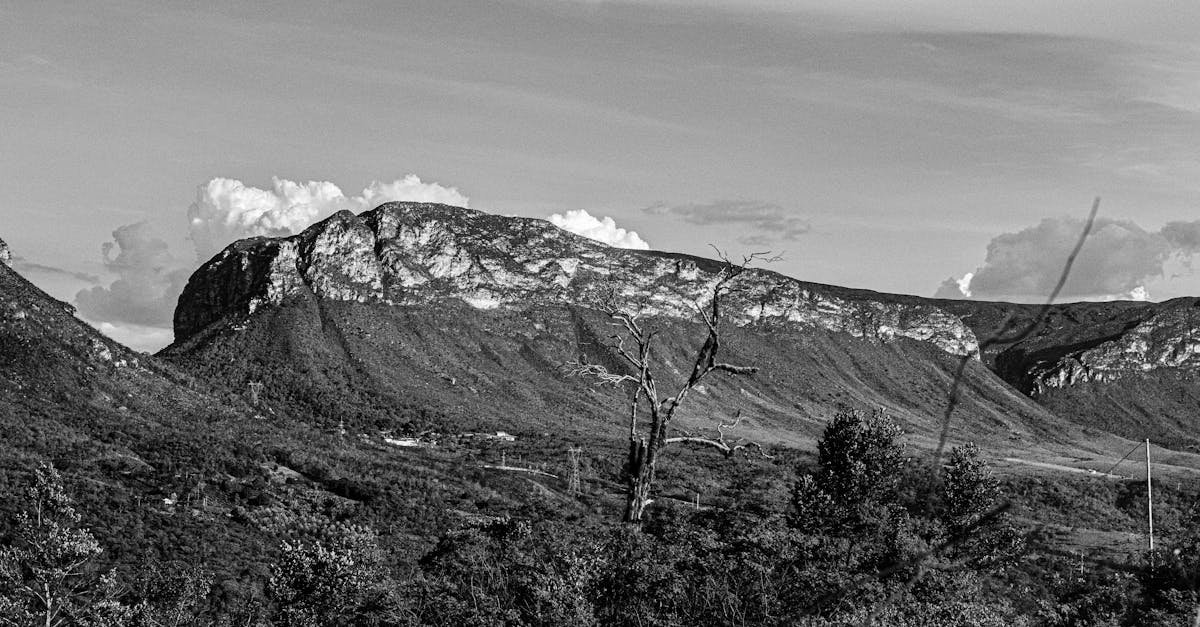
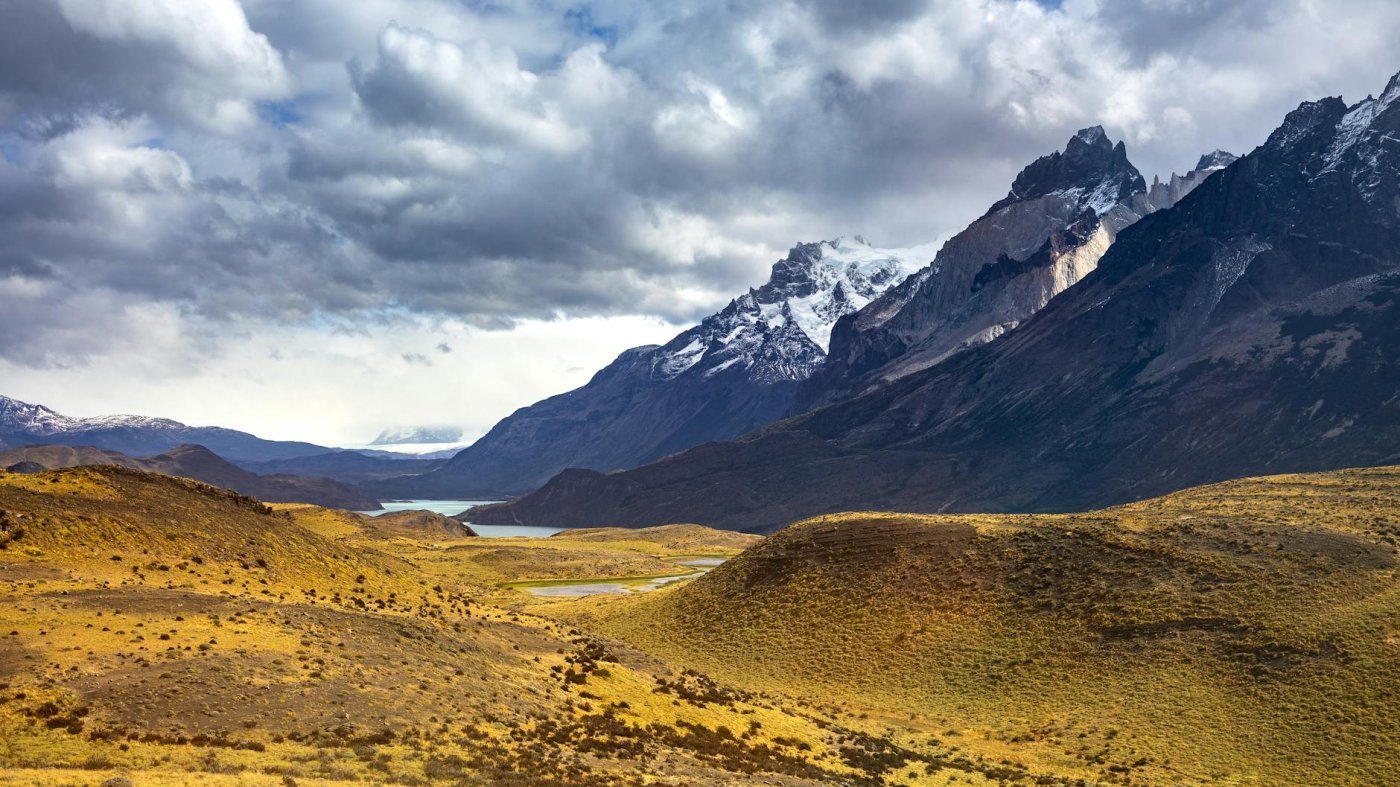
Bariloche Travel Guide — Argentina's alpine jewel where Andean peaks
⏱ 11 min read📅 Updated 2026💶 €€ Mid-range✈️ Best: May–Sep
€50–120/day
Daily budget
Jun–Sep (ski) / Dec–Feb (summer)
Best time
5–7 days
Ideal stay
ARS (Argentine Peso)
Currency
Bariloche rises from the southern shore of glacial Nahuel Huapi Lake like a postcard ripped from the Swiss Alps and planted firmly in Argentine Patagonia. The scent of artisan chocolate drifts through stone-and-timber streets, while the jagged silhouette of Cerro Catedral scratches the sky above town. In winter, powder-hungry skiers carve through South America's finest slopes; in summer, hikers and kayakers claim the same terrain under long Patagonian daylight. Bariloche is a place of relentless natural drama — cerulean lakes, ancient lenga beech forests, and volcanoes standing sentinel on the horizon — all within walking distance of a buzzing craft-beer scene.
Visiting Bariloche rewards travelers who want European alpine aesthetics without European crowds or prices. Unlike Queenstown in New Zealand or Chamonix in France, Bariloche still feels genuinely unhurried and locally rooted, where a single afternoon can move from ski gondola to lakeside fondue to a late-night cerveza artesanal without any sense of tourist-factory fatigue. Things to do in Bariloche span every season: trekking the Circuito Chico loop, sailing to the Victoria Island araucaria forests, or simply wandering the Centro Cívico's alpine architecture as the Andes turn pink at dusk. Few destinations on earth balance wilderness access and urban comfort so effortlessly.
✦ Find your perfect destination
Is Bariloche really your perfect match?
Answer 12 quick questions about your travel style, budget and dates — we match you with the destinations that fit you best, from 600+ worldwide.
Bariloche punches far above its modest size. It sits inside Nahuel Huapi National Park, Argentina's oldest protected wilderness, placing one of South America's most biodiverse landscapes directly on your doorstep. Cerro Catedral's ski area is genuinely world-class — 1,200 vertical metres, 120 kilometres of marked runs, and reliably dry powder from June through September. Off the mountain, Bariloche's chocolate-making tradition, inherited from early Swiss and German settlers, produces some of the finest confectionery in South America. The Ruta de los Siete Lagos — a legendary drive through seven mirrored lakes — starts just north of town and is reason enough alone to make the journey.
The case for going now: Argentina's recent currency stabilisation has made Bariloche extraordinary value for European visitors, with mid-range hotels and steak dinners costing a fraction of Alpine equivalents. The town's international airport now receives direct flights from Buenos Aires in under two hours, and a major gondola renovation at Cerro Catedral was completed in 2024, adding capacity and a sleek new summit restaurant. Infrastructure investment is accelerating ahead of Patagonia's growing profile on the global adventure-travel circuit — visit now before prices catch up with the scenery.
⛷️
Cerro Catedral Skiing
South America's largest ski resort delivers 120 km of runs and jaw-dropping views of Nahuel Huapi Lake from the summit. The season peaks July through August with reliable powder and lively après-ski.
🚢
Nahuel Huapi Cruises
Full-day boat excursions cross Nahuel Huapi Lake to Isla Victoria's ancient araucaria forests and the flower-carpeted Peninsula Quetrihué. The crossing itself, past glacier-carved fjords, is unforgettable.
🍫
Chocolate Trail
Bariloche's Swiss-German heritage lives on in dozens of artisan chocolaterías along Mitre Street. Tastings, factory tours, and elaborate window displays make this an unexpectedly serious gastronomic pursuit.
🥾
Circuito Chico Trek
This classic 25-kilometre loop circles Llao Llao Peninsula past viewpoints, glacial lakes, and dense coihue forest. The Cerro Campanario lookout offers arguably the best panoramic view in all of Patagonia.
Bariloche's neighbourhoods — where to focus
Historic Heart
Centro Cívico
Designed in the 1930s by architect Alejandro Bustillo, Centro Cívico clusters stone-and-timber civic buildings around a lakeside square that feels distinctly Tyrolean. This is where Bariloche's chocolate shops, souvenir stores, and main bus connections converge, making it the natural base for first-time visitors.
Lakeside Luxury
Llao Llao
Fifteen kilometres west of the centre, Llao Llao is home to the iconic Llao Llao Hotel & Resort and the trailheads for the Circuito Chico. The peninsula juts into the lake between Moreno and Perito Moreno bays, surrounded by old-growth forest and with views that stop conversation dead.
Craft Beer Strip
Barrio Belgrano
Belgrano is where Bariloche's young, creative energy concentrates — independent brewpubs, vinyl record shops, and patagonian lamb parillas line the streets just uphill from the lake. On weekend nights the neighbourhood hums with locals and travellers sharing long tables under corrugated-iron roofs.
Adventure Base
Catedral Base Village
At the foot of Cerro Catedral, this ski-resort village transforms entirely with the seasons. In winter it pulses with equipment rentals, slope-side bars, and ski schools; in summer the same infrastructure pivots to mountain biking, paragliding, and via ferrata. Staying here puts you first on the lifts.
Top things to do in Bariloche
1. Ski Cerro Catedral
Cerro Catedral is the undisputed centrepiece of any Bariloche itinerary between June and September. With 120 kilometres of marked runs spread across 1,200 metres of vertical drop, it is the largest ski area in the Southern Hemisphere and consistently ranks among South America's best. The mountain suits every level: wide groomed boulevards for beginners, technical mogul fields for experts, and off-piste couloirs for the adventurous. A renovated gondola system whisks skiers to 2,388 metres where the summit restaurant — rebuilt in 2024 — serves empanadas with a panoramic view of Nahuel Huapi Lake that makes you forget to eat. Non-skiers can ride the gondola purely for the spectacle. Après-ski at the base village is lively but not overwhelming — craft beers from El Bolsón microbreweries, hearty locro stew, and live folk music in wood-panelled bars. Book ski passes online at least a week ahead in peak July to avoid queues.
2. Sail Nahuel Huapi Lake
Nahuel Huapi is one of Patagonia's most spectacular glacial lakes — 550 square kilometres of deep blue water ringed by snow-capped peaks — and exploring it by boat is one of the finest things to do in Bariloche regardless of season. The classic full-day Puerto Pañuelo to Isla Victoria excursion threads through narrow fjord-like channels before arriving at the island's ancient arrayán myrtle groves and thousand-year-old araucaria pines. A short walk brings you to the Bosque de los Arrayanes, where reddish-cinnamon bark trees glow in afternoon light. The return crossing via Puerto Blest passes a thundering waterfall and the emerald waters of Laguna Fría. Catamarans depart Puerto Pañuelo at Llao Llao daily; book the morning departure to maximise time at each stop. Summer sailings add kayak rentals and swimming stops to the route.
3. Drive the Ruta de los Siete Lagos
The Seven Lakes Route — Ruta Nacional 234 north to San Martín de los Andes — is one of Patagonia's great road journeys and easily begun from Bariloche. The 110-kilometre drive passes Lago Nahuel Huapi, Lago Correntoso, Lago Espejo, Lago Falkner, Lago Villarino, Lago Machónico, and Lago Lacar in sequence, each with its own distinct colour and mountain backdrop. Pull-off viewpoints appear every few kilometres, and Patagonian condors frequently cruise overhead. The road is fully paved now apart from a short scenic gravel section that most hire cars handle without issue. Allow a full day from Bariloche if you want to explore properly — a picnic lunch beside Lago Falkner is a ritual among those who know the route. The town of San Martín de los Andes at the northern end makes an excellent overnight stop before returning, or you can loop back via the lakeside Correntoso route.
4. Hike to Refugio Frey
For serious trekkers, the hike to Refugio Frey is the definitive Bariloche mountain experience. The nine-kilometre trail climbs through lenga beech forest to a remote mountain hut perched beside the mirror-still Laguna Schmoll at 1,700 metres, surrounded by dramatic granite spires that attract rock climbers from across South America. The ascent takes three to four hours at a comfortable pace, with the final section crossing rocky scree and navigating short snowfields — crampons advised in winter. The refugio itself is wonderfully atmospheric: a stone hut serving hot soup, mate, and stew, staffed by mountaineers who winter alone at altitude. From Frey, experienced hikers can continue on a two-day traverse to Refugio San Martín via Laguna Jakob, passing through some of the most remote and beautiful terrain accessible from Bariloche. Start early from the Catedral car park to avoid afternoon cloud.
What to eat in Argentine Patagonia — the essential list
Cordero Patagónico
Whole Patagonian lamb roasted slowly on a cross over an open wood fire — the asado ritual elevated to high art. The meat is grass-fed on Andean steppe, yielding extraordinary flavour and tenderness that no European equivalent quite matches.
Trucha Ahumada
Nahuel Huapi's cold, clean waters produce exceptional rainbow trout. Smoked slowly over native woods and served with local cream cheese and pickled vegetables, it appears on almost every Bariloche menu and pairs perfectly with Patagonian white wine.
Chocolate Artesanal
Bariloche's Swiss-German settler heritage turned this mountain town into Argentina's chocolate capital. Dozens of artisan producers craft everything from bitter 80% cacao bars to dulce de leche truffles, all sold in elaborate alpine-style shop fronts along Mitre Street.
Cerveza Artesanal
El Bolsón, 130 kilometres south, is Argentina's craft-beer capital, and Bariloche reaps the rewards. Maltería Patagonia and local brewpubs pour hoppy IPAs, dark porters, and wheat beers brewed with glacier-fed water that give them a noticeably clean, crisp character.
Locro
A thick, hearty stew of white beans, corn, squash, and slow-cooked pork or beef that has warmed Argentines through Andean winters for centuries. Bariloche's version is particularly rich, often enriched with chorizo colorado and finished with a splash of chimichurri.
Fondue Patagónica
Inherited directly from the town's Swiss founders, cheese or chocolate fondue appears on dozens of Bariloche restaurant menus as both a nod to heritage and a practical warming dish after a day on the mountain. Many places serve both savoury and sweet versions in one sitting.
Where to eat in Bariloche — our top 4 picks
Fine Dining
Il Gabbiano
📍 Av. Bustillo Km 24, Llao Llao, Bariloche
Set inside the legendary Llao Llao Hotel, Il Gabbiano delivers Patagonian ingredients — lake trout, wild boar, Andean herbs — through a refined contemporary lens. Tasting menus change seasonally, the wine list leans heavily on Mendoza and Neuquén producers, and the lake views through floor-to-ceiling windows are nothing short of extraordinary.
Fancy & Photogenic
Casita Suiza
📍 Quaglia 342, Centro, Bariloche
A Bariloche institution since the 1950s, Casita Suiza serves traditional cheese fondue, rösti, and smoked meats inside a chalet interior of dark wood and alpine fabrics. Every surface looks hand-carved, the candlelight makes photos effortless, and the chocolate fondue dessert has its own devoted following.
Good & Authentic
La Fonda del Tío
📍 Morales 1120, Bariloche
Locals have been queuing for La Fonda's Patagonian lamb and enormous parilla platters for decades. The setting is unpretentious — tiled floors, mismatched chairs, a wood-burning grill visible from every table — but the quality of the asado is as serious as anywhere in Bariloche. Book ahead for weekends.
The Unexpected
Jauja
📍 Quaglia 366, Centro, Bariloche
Jauja is primarily Bariloche's most celebrated ice-cream parlour, but its savoury menu of empanadas, pastas, and Patagonian stews served alongside extraordinary artisan gelato makes it a genuinely complete meal destination. The dulce de leche and calafate berry ice cream are among the best in Argentina.
Bariloche's Café Culture — top 3 cafés
The Institution
Café de la Montaña
📍 Mitre 302, Centro, Bariloche
Running since the 1970s, this is where Bariloche's guides, ski instructors, and long-term residents start their mornings. Strong cortado coffee, warm medialunas, and a wall of black-and-white mountain photographs create an atmosphere that feels genuinely earned rather than designed for Instagram.
The Aesthetic Hub
Familia Weiss
📍 O'Connor 360, Centro, Bariloche
Part chocolatería, part café, part Bariloche heritage experience, Familia Weiss occupies a beautiful timber building where the aroma of freshly tempered chocolate is overwhelming in the best possible way. Excellent espresso drinks, homemade strudel, and a chocolate tasting counter make afternoon stops here obligatory.
The Local Hangout
El Boliche de Alberto
📍 Villanueva 347, Belgrano, Bariloche
A neighbourhood bar-café hybrid in Belgrano that doubles as Bariloche's unofficial community living room. Cheap chopp beer, long communal tables, live cuarteto music on Friday nights, and a sandwich menu that punches well above its price point make this the most authentic social space in town.
Best time to visit Bariloche
Jan
Feb
Mar
Apr
May
Jun
Jul
Aug
Sep
Oct
Nov
Dec
Peak Ski Season (Jun–Aug) — Best powder, liveliest après-ski, coldest temperatures (−5 to 5°C)Shoulder Season (May, Sep) — Quieter slopes, lower prices, first/last snow; also Dec for summer hikingSummer Season (Oct–Apr) — Hiking, kayaking, lake cruises; busy Dec–Feb with Argentine holiday crowds
Bariloche events & festivals 2026
Whether you're planning around a specific celebration or simply want to know what's happening, this guide covers the best events and festivals in Bariloche — from major annual traditions to cultural highlights worth timing your trip around.
July 2026culture
Festival Nacional de la Nieve
Bariloche's National Snow Festival is the ski season's social centrepiece, running for ten days each July with ski competitions, ice sculpture contests, and a celebrated Snow Queen coronation. It is one of the
August 2026culture
Fiesta de la Cerveza Artesanal
Bariloche's craft beer festival brings together dozens of Patagonian microbreweries for a long weekend of tastings, food pairings, and live music. Held at the lakefront grounds, it celebrates the region's extraordinary brewing tradition using glacier-fed water and locally grown hops.
May 2026culture
Semana de Bariloche
The city's founding anniversary week transforms the Centro Cívico with folk music performances, Mapuche cultural displays, and a giant community asado. This low-key celebration is a genuine window into Bariloche's multicultural settler heritage and is rarely mentioned in standard tourist itineraries.
September 2026culture
Festival Patagónico de Cine
The Patagonian Film Festival screens Argentine and international independent films across Bariloche's theatres and cultural centres for five days each September. Outdoor screenings with the Andes as backdrop attract a creative crowd and coincide perfectly with shoulder-season pricing.
October 2026music
Fiesta del Chocolate
Bariloche's most delicious annual event fills Mitre Street with artisan chocolatiers, live demonstrations, and tasting stalls over a long October weekend. The festival celebrates the Swiss-German heritage that made Bariloche Argentina's chocolate capital and is a genuine highlight for food-focused travellers visiting Bariloche in spring.
June 2026religious
Fiesta de San Juan
Midsummer bonfire celebrations mark the feast of San Juan in the surrounding rural communities, with traditional Mapuche ceremonies blending alongside Catholic traditions. Bonfires are lit on hilltops around Nahuel Huapi Lake, visible from the town, creating an atmospheric start to the ski season.
February 2026music
Festival de Música de Cámara Llao Llao
The prestigious Llao Llao Chamber Music Festival brings world-class classical musicians to perform inside the iconic Llao Llao Hotel each February. Intimate concerts set against lake and mountain views draw serious music lovers who combine the festival with Patagonian summer hiking.
November 2026market
Feria de Artesanos del Paseo de los Artesanos
Bariloche's permanent artisans market intensifies each November with a special seasonal edition featuring Mapuche textiles, hand-carved lenga beech woodwork, and Andean silver jewellery. It is the best place in Bariloche to buy meaningful, locally made souvenirs directly from their makers.
March 2026culture
Semana de las Rosas (Rose Week)
The municipal rose gardens near the lakefront burst into colour each March, and the city marks the moment with an open-air floral fair, guided botanical walks, and photography competitions. It is a quiet, local celebration that gives March visitors an unexpected and lovely slice of Bariloche life.
December 2026culture
Festival de Verano Nahuel Huapi
December kicks off Bariloche's summer tourism season with a lakefront festival of open-air concerts, kayak competitions, and twilight asados that run until nearly 10pm under long Patagonian summer daylight. Things to do in Bariloche in December centre on this vibrant celebration of outdoor lake life.
By air: Bariloche's Teniente Luis Candelaria International Airport (BRC) is served by frequent daily flights from Buenos Aires Aeroparque (AEP) and Ezeiza (EZE), taking approximately two hours. LATAM, Aerolíneas Argentinas, and JetSmart all operate competing routes, keeping fares reasonable. European visitors typically connect through Buenos Aires with no same-day onward flight required.
From the airport: The airport sits just four kilometres east of the city centre, making transfers quick and inexpensive. Registered taxis operate from the official rank outside arrivals and charge a fixed metered rate to Centro — approximately ARS 2,500–3,500 depending on season. Local bus line 72 also connects the airport to downtown for a fraction of the cost. Rideshare apps including Cabify function reliably in Bariloche and are the easiest option for independent travellers arriving with luggage.
Getting around the city: Bariloche's municipal bus network is efficient, inexpensive, and covers all key destinations including Llao Llao, Cerro Catedral, and the Circuito Chico route. Bus 20 runs the full lakeside road west to Llao Llao every 30 minutes. Taxis and Cabify are affordable by European standards. Renting a car unlocks the Seven Lakes Route and surrounding national park; international licences are accepted, and road conditions are generally excellent. Cycling is increasingly popular along dedicated lakefront paths.
Transport Safety & Scam Prevention:
Unofficial Taxi Touts: Avoid drivers approaching you inside the terminal building — always use the official rank or pre-book Cabify. Unofficial touts sometimes charge three to four times the metered rate to unsuspecting new arrivals.
Ski Hire Upselling: Rental shops near Cerro Catedral base frequently push premium equipment packages on beginners who don't need them. Confirm exactly what's included and inspect bindings yourself before heading to the slopes to avoid inflated return charges.
Currency Exchange Caution: Argentina's complex currency situation means blue-market rates sometimes exceed official bank rates significantly. Use certified exchange offices in Centro rather than street changers, and always count notes immediately — short-changing is the most common complaint among travellers in Bariloche.
Do I need a visa for Bariloche?
Visa requirements for Bariloche depend on your nationality. Select your passport below for an instant answer — based on the Passport Index dataset for entry into Argentina.
ℹ️ Indicative only. Always verify with the official consulate before booking. Data: Passport Index, April 2026.
For detailed requirements, documentation checklists and processing times by nationality: TravelDoc →
Search & Book your trip to Bariloche
Find the best flight routes and hotel combinations using our partner Kiwi.com.
Frequently Asked Questions
Is Bariloche safe for tourists?
Bariloche is considered one of Argentina's safest cities for tourists and consistently ranks well on safety indices compared to Buenos Aires or Mendoza. Petty theft can occur around the busy Centro Cívico market area and at the bus terminal, so standard precautions apply — keep valuables out of sight and use a crossbody bag. The mountain trails and national park zones are entirely safe during daylight hours. Solo female travellers report feeling comfortable throughout the city, and the local community is genuinely welcoming toward foreign visitors.
Can I drink the tap water in Bariloche?
Tap water in Bariloche is treated, clean, and safe to drink — it is sourced from the Nahuel Huapi watershed and is notably pure even by European standards. Most locals and long-term visitors drink it without filtration. Bottled water is widely available but essentially unnecessary and environmentally wasteful given the quality of the municipal supply. On mountain trails above the treeline, always purify stream water before drinking regardless of how clean it appears.
What is the best time to visit Bariloche?
The best time to visit Bariloche depends entirely on what you want to do. For skiing and winter sports, June through August delivers reliable powder, the liveliest après-ski scene, and the famous Snow Festival in July — though temperatures drop to −10°C at altitude. For hiking, lake cruises, and outdoor adventure, December through February offers long daylight hours and warm temperatures, though Argentine summer crowds peak in January. May and September are excellent shoulder months with fewer visitors, lower prices, and either the last or first snow of the season still dusting Cerro Catedral.
How many days do you need in Bariloche?
A minimum Bariloche itinerary should allow five days to cover the essential experiences without rushing: two days skiing or trekking, one full day on the lake, one day for the Circuito Chico loop, and time for the chocolate trail and evening restaurant scene. Ski enthusiasts will want seven to ten days to fully explore Cerro Catedral's 120 kilometres of runs and make a day trip to the Seven Lakes Route. Hikers planning the Refugio Frey to San Martín traverse need at least two nights in the backcountry on top of their Bariloche base stay. A week represents the ideal balance for most visitors.
Bariloche vs Queenstown — which should you choose?
Bariloche and Queenstown are the Southern Hemisphere's two great alpine adventure destinations, but they serve different travelers. Queenstown is slicker, more expensive, English-speaking throughout, and geared toward thrill-seekers who want bungee jumping and jet boats alongside their skiing. Bariloche is more culturally layered — the Swiss-German settler heritage, the Mapuche traditions, the artisan chocolate scene, and the raw Patagonian wilderness create a destination with genuine depth rather than packaged adventure. Bariloche is also substantially better value for European visitors, particularly given Argentina's favourable exchange rate. If you want a South American adventure with cultural substance and natural grandeur, Bariloche wins decisively.
Do people speak English in Bariloche?
English proficiency in Bariloche is basic compared to major European tourism destinations. In hotels, ski schools, tour operators, and upmarket restaurants, staff typically speak functional English and can handle bookings and basic requests without difficulty. On the street, in local cafés, and at markets, Spanish is overwhelmingly dominant and translation apps are genuinely useful. The good news is that Bariloche's tourism infrastructure is well-developed enough that non-Spanish speakers navigate successfully with minimal preparation, and most Argentines are patient and enthusiastic when helping visitors who make any attempt at Spanish.
★ Hotel guide
Where to stay in Bariloche
7+ hand-picked hotels across luxury, mid-range and budget — verified by Max.
Hand-picked and verified by Max, who founded Vacanexus from Luxembourg in 2026. No sponsorships, no paid placements. Every recommendation — restaurants, neighbourhoods, things to do — is selected for authenticity over popularity.