Bath Travel Guide — Honey-coloured crescents, ancient hot springs and timeless elegance
⏱ 11 min read📅 Updated 2026💶 €€€ Comfort✈️ Best: Apr–Aug
£100–210/day
Daily budget
Apr–Aug
Best time
3–4 days
Ideal stay
GBP (£)
Currency
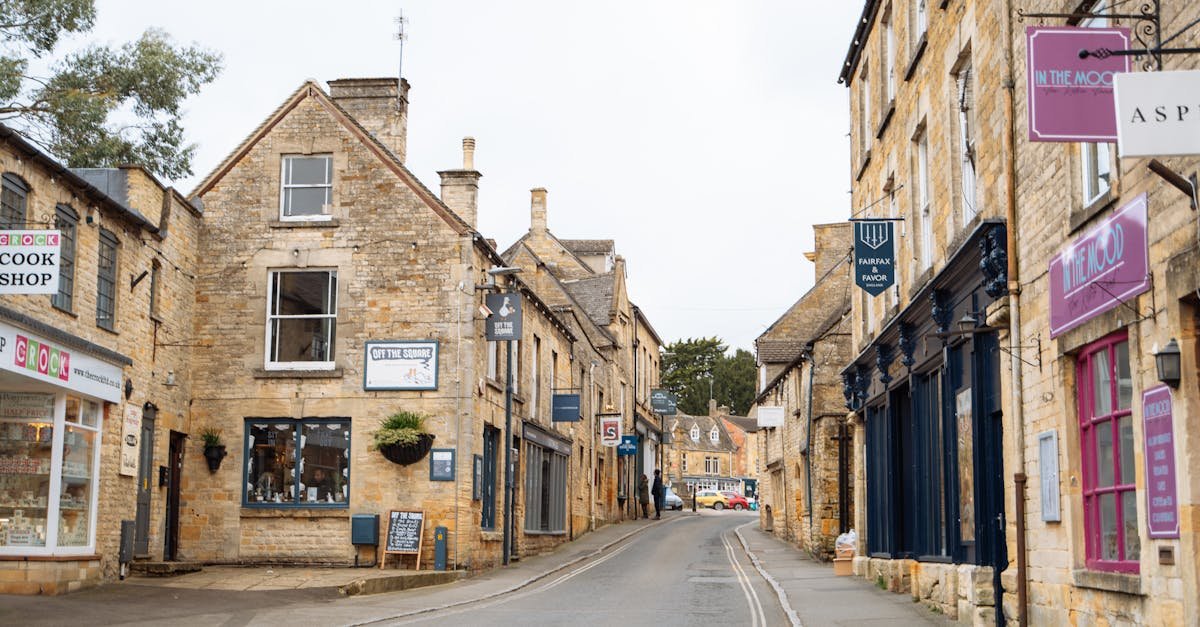
Bath announces itself slowly — a warm amber glow rising from hillsides draped in Georgian terraces, the faint mineral tang of ancient thermal waters drifting through colonnaded streets, and the satisfying click of stone underfoot as you round a corner to find yet another flawless Palladian facade. This compact Somerset city packs more architectural harmony into a single square mile than almost anywhere else in England. The honey-coloured oolitic limestone that gives Bath its signature palette catches the afternoon light in a way that makes every photograph feel effortless, every stroll feel curated.
Visiting Bath is an experience fundamentally different from London or Edinburgh — there is no sprawl to fight through, no neighbourhoods to write off. Things to do in Bath are stacked within comfortable walking distance: Roman engineering, Regency drawing rooms, a thriving independent food scene and the world's only naturally warm spa open to bathers since Georgian times. Where rival heritage cities can feel museum-like after dark, Bath sustains a surprisingly lively calendar of festivals, a resident university bringing youth energy, and a restaurant scene that punches well above the city's modest size.
✦ Find your perfect destination
Is Bath really your perfect match?
Answer 12 quick questions about your travel style, budget and dates — we match you with the destinations that fit you best, from 600+ worldwide.
Bath earns its UNESCO World Heritage status on two counts — the Roman Baths complex is one of the best-preserved ancient monuments in northern Europe, and the Georgian city built above it is a masterclass in town planning that has never been equalled. Bath rewards the slow traveller: linger in the Pump Room over a glass of spa water, cycle the Kennet & Avon Canal towpath at dusk, or spend an afternoon in the thermal waters of the Thermae Bath Spa with views across the rooftops. The city's compact scale means Bath delivers a full cultural itinerary without the exhaustion of a major metropolis.
The case for going now: Bath's independent hospitality scene has quietly matured into one of England's most interesting outside London, with a cluster of acclaimed restaurants earning serious attention in 2024–2025. The recently expanded Bath Spa train service from London Paddington now runs in under 75 minutes, making a long weekend more accessible than ever. Meanwhile, visitor numbers have not yet rebounded to pre-pandemic peaks at shoulder months, meaning spring 2026 offers genuine value and breathing room at the city's iconic sites.
🛁
Thermal Bathing
Slide into Britain's only naturally warm rooftop pool at Thermae Bath Spa, where 35°C mineral waters and panoramic views over Georgian rooftops create a genuinely otherworldly afternoon.
🏛️
Roman Baths Tour
Walk the same stone pavements as Roman legionaries around the sacred spring of Aquae Sulis, peering into steaming green waters that have flowed uninterrupted for 10,000 years.
📚
Jane Austen Trail
Follow the footsteps of England's most celebrated novelist through the Assembly Rooms, Sydney Gardens and the Jane Austen Centre on Gay Street, where costumed guides bring Regency Bath vividly to life.
🚴
Canal Cycling
Hire a bicycle and roll the flat Kennet & Avon Canal towpath east toward Bradford-on-Avon, passing stone lock-keepers' cottages, narrowboats and meadows dripping with wildflowers in spring.
Bath's neighbourhoods — where to focus
Historic Core
City Centre & Abbey Quarter
The beating heart of Bath, where the Abbey, Roman Baths and Pump Room cluster within a few hundred metres of one another. Stall Street and Bath Street are pedestrianised and lined with independent shops. This is where most first-time visitors to Bath spend the bulk of their time, and rightly so — the density of history per footstep is extraordinary.
Georgian Grandeur
Royal Crescent & Circus
The most architecturally ambitious quarter of Bath, where John Wood the Elder and Younger laid out sweeping crescents of matching limestone townhouses that still stun 250 years on. The Royal Crescent lawn is a beloved picnic spot, while the Circus — a perfect circle of Palladian facades — anchors a neighbourhood of boutique hotels and garden squares.
Indie & Artsy
Walcot Street & Larkhall
Bath's bohemian mile runs north along Walcot Street, packed with antique dealers, independent jewellers, ceramics studios and the long-running Saturday Artisan Market. Larkhall village beyond it has a proper local pub feel utterly removed from the tourist circuit — seek it out for lunch at one of the neighbourhood's beloved gastropubs.
Green Retreat
Bathwick & Sydney Gardens
Cross Pulteney Bridge into the graceful Bathwick estate and follow Great Pulteney Street — one of Europe's widest Georgian avenues — to Sydney Gardens, where Jane Austen herself once strolled. The neighbourhood offers quieter riverside walks along the Avon, the intimate Holburne Museum and some of Bath's most elegant B&B accommodation.
Top things to do in Bath
1. Explore the Roman Baths
The Roman Baths complex is the non-negotiable centrepiece of any Bath itinerary, and it rewards patience. The self-guided audio tour — narrated memorably by Bill Bryson — takes you around the Great Bath, the Sacred Spring where votive offerings still emerge from the mud, and the under-floor hypocaust systems that once heated the entire bathing complex. Arrive when it opens at 9am to beat school groups and experience the steam rising off the green thermal water in near-silence. The adjacent Pump Room offers morning coffee with a chamber trio — a peculiarly civilised way to transition from ancient Rome to Georgian England. The joint ticket including the Fashion Museum is excellent value.
2. Soak at Thermae Bath Spa
Britain's only natural thermal spa open for bathing is one of the most genuinely pleasurable experiences in England. The New Royal Bath building houses an indoor pool and a rooftop pool both fed by the same 10,000-year-old thermal spring that powered the Roman complex beneath your feet — the geological continuity alone is remarkable. Book the rooftop session for early evening when the Somerset light turns amber and the city's Georgian skyline silhouettes against the dusk. The spa also offers an extensive treatment menu; a warm stone massage after a day of sightseeing is an indulgence Bath practically demands. Book well in advance, especially for weekend slots.
3. Walk the Georgian Architecture Trail
No Bath travel guide can overlook the sheer ambition of the city's Georgian town planning, and the walk from the Circus up Brock Street to the Royal Crescent is one of the finest urban promenades in Britain. John Wood the Younger's Royal Crescent curves for 180 metres in a single unbroken facade of 30 townhouses — No. 1 Royal Crescent is now a museum dressed exactly as it would have appeared in 1776. Continue uphill to Lansdown Crescent for a quieter, equally dramatic perspective with fewer visitors. The whole circuit, including detours to the Assembly Rooms and Milsom Street shopping quarter, takes a comfortable half-day and costs nothing beyond museum entry.
4. Day Trip to Lacock & Stonehenge
Bath's position in the West Country makes it an ideal base for some of southern England's most compelling day trips. Lacock village, 13 miles south, is a near-perfectly preserved National Trust settlement that has doubled as a filming location for Pride and Prejudice and Downton Abbey — wandering its abbey cloisters and timber-framed streets feels like stepping directly onto a film set. Stonehenge is 30 miles east and easily reached by organised tour from Bath's bus station; combining both in a single day is ambitious but achievable. For those who prefer water, the Georgian village of Bradford-on-Avon lies just 8 miles down the canal and is utterly enchanting for a relaxed afternoon.
What to eat in Somerset & the West Country — the essential list
Sally Lunn Bun
Bath's most famous edible export is this large, brioche-like bun eaten hot with sweet or savoury toppings. The original Sally Lunn's bakehouse on North Parade Passage has operated since 1680 and is unmissable for breakfast.
West Country Cream Tea
A Somerset cream tea means scones served warm with clotted cream and strawberry jam — the Devon debate about order of application is fierce, but in Bath both versions appear. The Pump Room serves an especially elegant afternoon version.
Bath Oliver Biscuit
Thin, dry and slightly bitter, this plain cracker was invented by eighteenth-century Bath physician Dr William Oliver as a digestive aid. It remains the canonical vehicle for Somerset Cheddar and local artisan cheeses found throughout the city's delis.
Somerset Cheddar
The real thing — cave-aged Cheddar made within miles of Bath — bears no resemblance to its supermarket namesake. Look for Montgomery's or Westcombe Cheddar at the Saturday market or The Fine Cheese Co. on Walcot Street.
Bath Chaps
A traditional West Country cured product made from the cheeks of the Gloucestershire Old Spot pig, Bath Chaps are brined, rolled and slow-cooked to a yielding richness. Once common, they now appear as a considered charcuterie item in Bath's better restaurants.
Sparkling Elderflower Cordial
Somerset's hedgerows erupt in elderflower each May, and local producers bottle it into a delicately floral cordial that appears on almost every Bath café and restaurant menu through summer — the definitive seasonal drink of visiting Bath in late spring.
Where to eat in Bath — our top 4 picks
Fine Dining
Menu Gordon Jones
📍 2 Wellsway, Bath BA2 3AQ
Bath's most exciting dinner experience: a no-choice, six-course tasting menu that changes daily based on what Gordon Jones finds compelling that morning. The tiny room seats just 24 and the cooking is inventive, technically assured and bracingly personal. Book months ahead — this is one of England's cult reservation.
Fancy & Photogenic
The Pump Room Restaurant
📍 Stall Street, Bath BA1 1LZ
Lunch and afternoon tea beneath the chandeliers of Bath's most storied Georgian dining room, with a live string trio and views over the Roman Baths. The setting is unmatched anywhere in the city and the traditional British menu — potted shrimp, roast sirloin, trifle — plays elegantly to the room's grandeur.
Good & Authentic
Acorn Restaurant
📍 2 North Parade Passage, Bath BA1 1NX
Bath's leading plant-based restaurant has built a devoted following with genuinely sophisticated vegetable-forward cooking that shames the stereotype. The weekly-changing à la carte in a handsome stone dining room draws a knowing local crowd. An essential stop for anyone seeking the best of Bath's independent restaurant scene.
The Unexpected
Yak Yeti Yak
📍 12 Pierrepont Street, Bath BA1 1LA
A long-standing Bath institution in a cavernous basement serving authentic Nepali and Tibetan cooking — thukpa noodle soups, momos and slow-braised lamb — at prices that feel remarkable given the city's general cost level. Busy, chaotic, utterly unpretentious and a beloved antidote to Bath's sometimes relentless gentility.
Bath's Café Culture — top 3 cafés
The Institution
Sally Lunn's Historic Eating House
📍 4 North Parade Passage, Bath BA1 1NX
Operating from Bath's oldest house since at least 1680, Sally Lunn's is non-negotiable — you come for the legendary bun served in every configuration from cinnamon butter to smoked salmon. The basement museum reveals the original Tudor kitchen. Queue early on weekends; the wait is always worth it.
The Aesthetic Hub
Colonna & Small's
📍 6 Chapel Row, Bath BA1 1HN
One of the UK's most highly regarded specialty coffee destinations, run by three-time UK Barista Champion Maxwell Colonna-Dashwood. The tiny Queen Square-adjacent space serves rotating single-origin filter coffees with a rigour that attracts coffee pilgrims from across Europe. Exceptional flat whites and a thoughtful retail selection.
The Local Hangout
Bertinet Bakery
📍 6 New Bond Street Place, Bath BA1 1BH
Richard Bertinet's artisan bakery produces the finest sourdough and viennoiserie in Somerset, made using French techniques refined over decades. The café counter serves pastries still warm from the oven alongside excellent coffee. A genuinely beloved daily ritual for Bath residents and a revelation for visitors.
Best time to visit Bath
Jan
Feb
Mar
Apr
May
Jun
Jul
Aug
Sep
Oct
Nov
Dec
Peak Season (Apr–Aug) — long days, festival calendar, warmest weather and the city at its most aliveShoulder Season (Mar, Sep–Oct) — fewer crowds, crisp light, lower accommodation rates and excellent autumn colourOff-Season (Nov–Feb) — quieter and colder but the Christmas market in December is magical and hotels drop significantly
Bath events & festivals 2026
Whether you're planning around a specific celebration or simply want to know what's happening, this guide covers the best events and festivals in Bath — from major annual traditions to cultural highlights worth timing your trip around.
May 2026culture
Bath Festival
One of England's most prestigious literature and music festivals, the Bath Festival fills the city with author readings, chamber concerts and outdoor performances across ten days each May. It's among the
June 2026music
Bath Mozartfest
Running across late spring into early summer, the Bath Mozartfest celebrates the composer who visited the city in 1764 with chamber concerts in historically resonant Georgian venues. Intimate performances in the Pump Room and Assembly Rooms make this a highlight of the Bath itinerary for classical music lovers visiting in June.
July 2026culture
Jane Austen Festival
Every September Bath hosts its annual Jane Austen Festival, but summer previews and costumed events begin in July. Regency-costumed promenades through the city centre, drawing rooms recreated in period style and a Grand Regency Ball make this one of the most distinctive cultural events in England's heritage calendar.
September 2026culture
Jane Austen Festival (Main)
The full ten-day Jane Austen Festival in September is the centrepiece of Bath's autumn calendar, attracting Janeites from across Europe and North America. The opening costumed promenade through the city centre — hundreds of participants in Regency dress — is one of the most photographed spectacles in Somerset.
October 2026music
Bath Film Festival
The Bath Film Festival in late October screens independent and world cinema across the city's historic venues, including the Little Theatre Cinema and outdoor projections in Parade Gardens. A long-running fixture on Bath's cultural calendar that brings international cinema to an unmatched Georgian backdrop.
March 2026culture
Bath Literature Festival
The Bath Literature Festival in early March is one of the UK's leading book events, drawing novelists, poets and journalists for ten days of talks and readings. Abbey Church House and venues across the city centre host events; ticket demand is high for headline authors so book well into a Bath itinerary in advance.
December 2026market
Bath Christmas Market
Consistently voted one of Europe's best Christmas markets, Bath's December event fills the city centre with over 170 wooden chalets selling handmade gifts, mulled cider and Somerset produce.
April 2026culture
Bath Half Marathon
The Bath Half Marathon each spring draws thousands of runners through the city's most scenic streets — past the Royal Crescent, along the Avon riverside and beneath the Abbey — making it one of England's most beautiful race courses. Even non-runners enjoy the festive atmosphere along the route.
August 2026music
Komedia Bath Summer Programme
Bath's leading independent arts venue Komedia runs an intensive summer programme of comedy, cabaret and live music throughout August. Intimate 400-seat shows in the city's most beloved arts building provide an alternative evening option beyond the classical music circuit for visitors spending a week or more in Bath.
November 2026religious
Bath Abbey Remembrance Concert
Each November, Bath Abbey hosts a deeply moving Remembrance concert with full choir and orchestra beneath its extraordinary fan-vaulted ceiling. The concert is open to all and tickets are released months in advance; the acoustic experience in one of England's finest Perpendicular Gothic buildings is unforgettable.
Hostel dorm or budget B&B, self-catering breakfasts, market lunches, free museums and park walks
€€ Mid-range
£100–160/day
Boutique guesthouse, restaurant dinners, Thermae Spa entry and paid museum tickets included
€€€ Luxury
£200–350+/day
Five-star hotel such as the Royal Crescent Hotel, spa treatments, fine dining and private tours
Getting to and around Bath (Transport Tips)
By air: The closest major airport to Bath is Bristol Airport (BRS), located 23 miles to the west and served by most European low-cost carriers including easyJet and Ryanair. Heathrow (LHR) is also a popular arrival point given Bath's excellent onward rail connection from London Paddington, which takes under 90 minutes on a fast service.
From the airport: From Bristol Airport, the A4 Bristol Flyer bus connects to Bristol Temple Meads station, from where regular First Great Western trains reach Bath Spa in 11 minutes. A taxi from Bristol Airport directly to Bath costs approximately £50–60 and takes 40 minutes. From London Heathrow, the Elizabeth line to Paddington followed by a Great Western Railway express is often faster than flying into Bristol.
Getting around the city: Bath is an exceptionally walkable city — virtually every major attraction is within 20 minutes on foot of Bath Spa train station. Local First West of England buses serve outer neighbourhoods and the university. Cycling is practical on the flat canal towpath routes but hilly on city streets. A Park & Ride service operates from multiple sites on the city's edge; driving into Bath centre is discouraged by high parking costs and limited central spaces.
Transport Safety & Scam Prevention:
Unofficial Tour Guides: Unlicensed individuals occasionally approach tourists near the Roman Baths offering 'skip the queue' access or private tours. Always book Roman Baths tickets in advance online through the official Bath city council portal to guarantee entry and the correct price.
Taxi Overcharging: Metered taxis in Bath are regulated, but always confirm the meter is running at journey start. For airport runs, agree a fixed price in advance. Uber operates in Bath and is generally reliable; it provides useful price transparency before you commit to a ride.
Thermae Spa Booking: Thermae Bath Spa does not have authorised resellers — book only via the official Thermae website. Third-party sites sometimes list inflated packages. The standard two-hour swim session is best value; treatment packages should be compared directly on the official site before purchase.
Do I need a visa for Bath?
Visa requirements for Bath depend on your nationality. Select your passport below for an instant answer — based on the Passport Index dataset for entry into United Kingdom.
ℹ️ Indicative only. Always verify with the official consulate before booking. Data: Passport Index, April 2026.
For detailed requirements, documentation checklists and processing times by nationality: TravelDoc →
Search & Book your trip to Bath
Find the best flight routes and hotel combinations using our partner Kiwi.com.
Frequently Asked Questions
Is Bath safe for tourists?
Bath is one of the safest cities in the United Kingdom for visitors. Violent crime rates are extremely low, the city centre is well-lit and heavily pedestrianised, and tourist infrastructure is mature and well-organised. The usual urban precautions apply — keep valuables secure in busy areas such as the Roman Baths and Saturday markets — but Bath poses no meaningful safety concerns for solo travellers, families or couples visiting from Europe. The resident university population adds a generally young and welcoming atmosphere to the city's evening scene.
Can I drink the tap water in Bath?
Yes, tap water throughout Bath and the wider UK is safe, clean and of excellent quality — there is no need to purchase bottled water at any point during your visit. The thermal spring water served in the Pump Room is a different matter: it is safe but distinctly mineral-tasting and warm. Most visitors try a small glass for historical curiosity rather than hydration. Bath's cafés and restaurants serve filtered water freely on request.
What is the best time to visit Bath?
The best time to visit Bath is April through August, when long daylight hours, the warmest temperatures and the city's main festival season align. May is particularly special — the Bath Festival is in full swing, gardens are in bloom, and crowds have not yet reached peak summer intensity. September and October offer a compelling shoulder season with golden light, falling leaves in Sydney Gardens and considerably lower hotel rates. December is surprisingly magical thanks to the Bath Christmas Market, one of the finest in Europe.
How many days do you need in Bath?
A minimum of two full days allows you to cover the Roman Baths, Royal Crescent, one spa session at Thermae and a proper meal in the city's restaurant scene. Three to four days is the ideal Bath itinerary length — it allows a day trip to Lacock or Stonehenge, a full morning at the Fashion Museum, and time to explore less-visited spots like Walcot Street and Prior Park. A week or more suits those who want to use Bath as a base for the wider West Country, including the Cotswolds, Bristol and the Somerset Levels.
Bath vs Oxford — which should you choose?
Bath and Oxford are both compact English heritage cities accessible from London, but they offer fundamentally different experiences. Oxford is driven by its living university — you visit to absorb collegiate architecture, excellent museums and a buzzing student culture. Bath offers a more complete sensory experience: Roman history, Georgian town planning, a working thermal spa and a food scene that Oxford cannot match. If architecture and history are your priorities and you want to actually bathe in Roman waters rather than simply admire them, Bath wins decisively. Oxford suits those who want university atmosphere and slightly lower prices.
Do people speak English in Bath?
Bath is an entirely English-speaking city — this is not even a consideration for visitors. The local Somerset accent can occasionally sound musical to non-British ears but is entirely intelligible. Restaurant menus, museum signage and transport information are all in English, and staff throughout the city's hospitality sector are accustomed to welcoming French, German, Dutch and other European visitors. A few words of appreciation for the city's beauty go down extremely well with Bath locals, who are justifiably proud of their extraordinary home.
★ Hidden Gems Weekly
Like this? One place per week, in your inbox.
No spam, no fluff — just one underrated destination, every Tuesday.
Hand-picked and verified by Max, who founded Vacanexus from Luxembourg in 2026. No sponsorships, no paid placements. Every recommendation — restaurants, neighbourhoods, things to do — is selected for authenticity over popularity.