Bishkek Travel Guide — Where Soviet boulevards meet eternal snow
⏱ 11 min read📅 Updated 2026💶 € Budget✈️ Best: Jan–Apr
€20–45/day
Daily budget
Jan–Apr
Best time
3–5 days
Ideal stay
KGS (Kyrgyz Som)
Currency
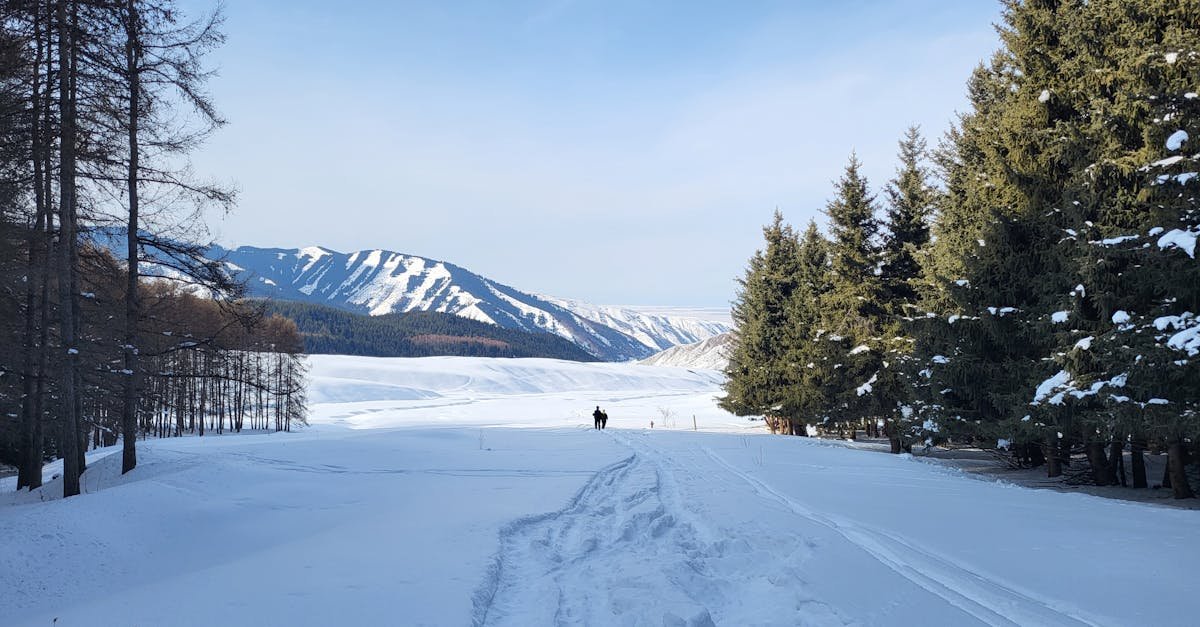
Bishkek is one of Central Asia's most disarmingly liveable capitals, a city where wide Stalinist boulevards are softened by an almost obsessive number of trees, and where the permanent white crown of the Tian Shan mountains looms at the end of every southward-facing street. Arrive in the morning and the air carries woodsmoke and the tang of lamb fat from a thousand grill stalls just warming up. The city's pace is unhurried yet purposeful: marshrutka minibuses weave through Soviet-era intersections, old men play chess in Panfilov Park, and the gold-roofed Osh Bazaar thunders into life before most European cities have poured their first coffee. Bishkek rewards visitors who slow down and pay attention to the texture of ordinary Kyrgyz life.
Compared to the polished tourist circuits of Almaty or Tashkent, visiting Bishkek feels genuinely unscripted. There are no velvet ropes around the monuments and no admission fees at the main squares — just locals going about their lives in a city that was purpose-built by Soviet planners but has since grown its own quiet character. Things to do in Bishkek range from digging through Soviet-era memorabilia at the Dordoi Bazaar to trekking into Ala-Archa gorge on a two-hour round trip from the city centre. Bishkek also functions as the ideal launchpad for Kyrgyzstan's spectacular mountain interior, making it far more than a transit stopover.
✦ Find your perfect destination
Is Bishkek really your perfect match?
Answer 12 quick questions about your travel style, budget and dates — we match you with the destinations that fit you best, from 600+ worldwide.
Bishkek belongs on your travel list because it delivers an authenticity that is rapidly disappearing elsewhere in the post-Soviet world. The city has not been theme-parked into a heritage trail; its Soviet mosaics, brutalist ministry buildings, and yurt-dotted periphery exist because they are still actively used. Budget travellers will find Bishkek extraordinary value — a filling bowl of laghman noodles costs under a euro, and a well-kept guesthouse bed rarely exceeds fifteen. For adventurers, no other capital city on earth places you so close to serious high-altitude wilderness: Bishkek sits at 800 metres and world-class trekking starts at 1,850 metres, just 45 minutes away.
The case for going now: Bishkek is experiencing a quiet infrastructure upgrade ahead of increased regional tourism investment: new boutique guesthouses are opening in the old micro-districts, a revamped domestic airport terminal improves onward connections to Lake Issyk-Kul, and the som remains extremely weak against the euro and pound, meaning your money stretches further in 2026 than it has in a decade. Go before the crowds discover what seasoned Central Asia travellers already know.
🏔️
Ala-Archa Gorge
A national park begins just 45 minutes south of the city centre, offering glacier walks, wild ibex sightings, and crisp Tian Shan air. Day hikers and serious alpinists share the same trailheads.
🛒
Osh Bazaar
Central Asia's most chaotic and thrilling open-air market sells everything from whole lamb carcasses to Soviet army surplus. Arrive early for the full sensory assault of colour, noise, and spice.
🏛️
Soviet Architecture
Bishkek's grid of Stalinist boulevards, heroic mosaics, and brutalist ministries forms one of the best-preserved Soviet urban landscapes in the former USSR — and it is all free to wander.
🍺
Craft Beer & Vodka Culture
Bishkek consistently ranks among the cheapest cities in the world for a cold beer. Local breweries and vodka-forward toasting culture make the city an unexpectedly convivial nightlife destination.
Bishkek's neighbourhoods — where to focus
Historic Core
Ala-Too Square Area
The ceremonial heart of Bishkek, anchored by the vast Ala-Too Square with its honour guard and the State History Museum's sweeping Soviet facade. Surrounding streets are lined with government buildings, the Philharmonia, and oak-shaded paths that fill with strolling families every evening.
Market & Grit
Osh Bazaar Quarter
A dense, sensory neighbourhood built around the sprawling Osh market where butchers, spice traders, and secondhand clothing stalls compete for space. The streets here feel closest to pre-Soviet Central Asia — chaotic, warm, and utterly unfiltered. Street food is at its cheapest and most rewarding.
Leafy & Residential
Chui Avenue Corridor
Bishkek's main artery is a wide, double-laned boulevard shaded by an almost continuous canopy of elms and poplars. This stretch hosts most of the city's better cafés, Soviet-era bookshops, the White House government building, and the pleasant Oak Park — ideal for an afternoon walk.
Bohemian & Emerging
Tokmok Street Microdistricts
Bishkek's slowly gentrifying fringe of Soviet-era apartment blocks where young Kyrgyz creatives have set up coffee roasters, co-working spaces, and natural-wine bars. It lacks the polish of Western hipster districts but offers a genuinely local atmosphere and the city's most interesting new restaurant openings.
Top things to do in Bishkek
1. Hike Ala-Archa National Park
No visit to Bishkek is complete without at least one morning in Ala-Archa National Park, a protected alpine reserve that begins just 45 kilometres south of the city. A shared taxi from the Osh Bazaar area costs around 200 som per seat, and the park entrance fee is negligible. The most popular route follows the Ak-Sai river valley to the Ratsek alpinist hut at around 3,400 metres — a challenging but achievable day hike for fit walkers. Even going just a few kilometres into the gorge rewards with views of jagged granite peaks, seasonal wildflowers carpeting the valley floor, and a near-total absence of other tourists. Snow lingers on the upper trails well into spring, making crampons advisable from January through March.
2. Explore the State History Museum
The State History Museum on Ala-Too Square is one of the most compelling and undervisited Soviet-era museums in Central Asia. Its exterior alone — a monumental 1980s facade decorated with vast abstract mosaics depicting Kyrgyz warriors, nomadic migrations, and socialist achievement — justifies the short walk from any central Bishkek hotel. Inside, seven floors trace human habitation in the Tian Shan region from the Bronze Age through the Manas epic period, the Silk Road, the Russian imperial conquest, and Soviet collectivisation, all the way to independence in 1991. Labels are in Kyrgyz and Russian only, so download a translation app before entering. The admission fee is under one euro and the museum is rarely crowded, giving you space to linger over genuinely extraordinary felt tapestries and yurt artefacts.
3. Lose a Morning in Osh Bazaar
Osh Bazaar is not a tourist attraction — it is the engine room of Bishkek's food economy, and that is precisely what makes it unmissable. Covering several city blocks near the western edge of the centre, the market is divided into rough zones: a deafening meat hall where whole sheep carcasses hang in neat rows, a spice corridor fragrant with cumin, barberries, and dried apricots, a dairy section piled with fresh kurut cheese balls, and an outer ring of Soviet-surplus junk stalls selling everything from canned condensed milk to Red Army belt buckles. The best strategy is to arrive before 9am, buy a cup of tea from a chaikhana stall, and walk every section without a shopping agenda. Budget around 500 som to buy ingredients for a picnic and you will eat magnificently for the rest of the day.
4. Day Trip to Burana Tower
An hour's drive east of Bishkek near the town of Tokmok, the Burana Tower is a solitary 11th-century minaret standing at roughly 25 metres — all that remains of the ancient Silk Road city of Balasagun. The surrounding steppe is dotted with balbals, stone funerary figures carved by the ancient Turkic peoples who inhabited this valley long before the Kyrgyz arrived. Climbing the narrow internal spiral staircase to the top of the minaret requires some nerve but delivers a sweeping panorama of the Chui Valley with the Tian Shan as backdrop. A small site museum provides context on the Karakhanid empire. Shared taxis to Tokmok leave from Bishkek's Eastern Bus Station and cost around 100–150 som. Combine with a stop at Tokmok's own modest bazaar for a full day out of the capital.
What to eat in the Chuy Valley and Central Asia — the essential list
Beshbarmak
Kyrgyzstan's ceremonial national dish — wide flat noodles topped with boiled lamb or horse meat and a rich onion broth. Traditionally eaten with the hands at festive gatherings. Bishkek's chaikhanas serve it daily.
Laghman
Hand-pulled noodles served in a spiced lamb and vegetable broth with Dungan (Chinese Muslim) roots. Bishkek's Dungan community makes the finest version in the country — thick, chewy noodles that absorb the broth beautifully.
Samsa
Flaky baked pastry parcels filled with minced lamb, onion, and cumin, cooked in a clay tandoor oven. Osh Bazaar's samsa stalls produce them fresh every 20 minutes — one costs about 30 som and makes the perfect street breakfast.
Shashlik
Skewered lamb or beef grilled over charcoal and served with raw onion rings and flatbread. Every Bishkek park and pavement has a shashlik grill; the smoke is the city's unofficial perfume from spring through autumn.
Kurut
Hard, salty dried yoghurt balls sold by the bagful in every bazaar. An acquired taste that Central Asian nomads developed as a long-preservation protein source — sharp, intensely sour, and oddly addictive after the third one.
Manti
Large steamed dumplings stuffed with seasoned lamb mince and onion, closer in spirit to Mongolian buuz than Chinese dim sum. Best eaten at a dedicated manti house where steamers arrive at the table scalding hot with sour cream on the side.
Where to eat in Bishkek — our top 4 picks
Fine Dining
Supara Ethno Complex
📍 Ata-Turk Microdistrict, Bishkek
Bishkek's most theatrical dining experience: a sprawling complex of traditional felt yurts set beside a stream just outside the city, serving elevated Kyrgyz cuisine including beshbarmak prepared tableside. The setting at dusk — with lanterns illuminating embroidered textiles — is genuinely spectacular for a city of this budget tier.
Fancy & Photogenic
Navigator Restaurant
📍 192 Chui Avenue, Bishkek
A Bishkek institution on the main boulevard offering a long menu spanning Kyrgyz, Russian, and European dishes in a smartly decorated interior. Popular with city professionals and visiting journalists alike. The slow-braised lamb ribs with pilaf is the dish that keeps regulars returning every week.
Good & Authentic
Café Faiza
📍 Near Osh Bazaar, Bishkek
A no-frills, family-run Dungan restaurant that has been feeding Bishkek's market workers for decades. The laghman here — hand-pulled to order, swimming in a deep-flavoured meat broth — is widely considered the best in the city. Lunch for two including tea costs under four euros.
The Unexpected
Furusato Japanese Restaurant
📍 Togolok Moldo Street, Bishkek
One of the most surprising restaurants in Central Asia: a genuine Japanese kitchen run by a long-resident Japanese community, serving precise sashimi and ramen in the middle of Bishkek. The quality is serious. A reminder that Bishkek has always been a crossroads city where unexpected things happen.
Bishkek's Café Culture — top 3 cafés
The Institution
Coffee Boom
📍 Multiple locations, Chui Avenue area, Bishkek
The original Bishkek specialty coffee chain before the third-wave movement arrived, Coffee Boom remains a local institution with reliable espresso, enormous pastries, and a loyal regulars crowd. Its Chui Avenue branches are the best places to observe Bishkek's professional class at leisure on a weekday morning.
The Aesthetic Hub
Dvenadtsat' Chairs (12 Chairs)
📍 Togolok Moldo Street, Bishkek
Named after the classic Soviet satirical novel, this compact café is a favourite of Bishkek's art and design community, with exposed-brick walls hung with rotating local artwork and a carefully curated menu of single-origin filter coffee. The slow weekend brunch here — with blini, smoked fish, and strong coffee — is unmissable.
The Local Hangout
Chaikhana Central
📍 Osh Bazaar perimeter, Bishkek
Not a café in the Western sense but a traditional teahouse where Bishkek's bazaar traders take their green tea and kymyz (fermented mare's milk) breaks. Low tables, felt cushions, and conversation conducted entirely in Kyrgyz and Russian. Visiting here feels like the most honest cultural experience the city offers.
Best time to visit Bishkek
Jan
Feb
Mar
Apr
May
Jun
Jul
Aug
Sep
Oct
Nov
Dec
Peak Season (Jan–Apr & Dec) — crisp mountain air, fresh snow for skiing at Kashka-Suu, low crowds, cheapest pricesShoulder Season (Oct–Nov) — pleasant autumn temperatures, golden foliage in the gorges, quieter bazaarsSummer & Autumn (May–Sep) — hot, dusty, and busy with domestic tourism heading to Issyk-Kul; still perfectly visitable but not Bishkek at its best
Bishkek events & festivals 2026
Whether you're planning around a specific celebration or simply want to know what's happening, this guide covers the best events and festivals in Bishkek — from major annual traditions to cultural highlights worth timing your trip around.
March 2026culture
Nooruz (Nowruz) Spring Festival
Kyrgyzstan's biggest public celebration marks the Persian New Year and spring equinox with street performances, traditional games, communal sumalak porridge cooking, and mass picnics across Bishkek's parks. Ala-Too Square hosts the main official ceremony. One of the
February 2026culture
World Nomad Games Torch Relay
A relay event building toward the biennial World Nomad Games passes through Bishkek each even year, with equestrian demonstrations, eagle hunting displays, and kok-boru (horseback polo) exhibitions held at the Hippodrome on the city's eastern edge. A spectacular window into nomadic heritage.
January 2026culture
Kyrgyz National Winter Festival
January's mountain resorts around Bishkek host traditional winter games including at-chabysh horse racing on snow and wrestling competitions. The best Bishkek itinerary in January combines a city cultural programme with a day at Kashka-Suu for these uniquely Central Asian winter spectacles.
April 2026music
Bishkek Jazz Festival
An annual spring festival bringing Central Asian and international jazz musicians to Bishkek's concert halls and outdoor stages. The Philharmonia on Chui Avenue is the main venue, with fringe performances in cafés across the centre. A surprisingly sophisticated event for a city of Bishkek's budget tier.
May 2026religious
Orozo Ait (Eid al-Fitr)
The end of Ramadan is celebrated across Bishkek with early morning prayers at the Central Mosque, family gatherings, and the sharing of traditional sweets including boorsok fried dough balls. Osh Bazaar is particularly lively in the days preceding the holiday with celebratory food shopping.
June 2026culture
Manas Epos Anniversary
Annual celebrations commemorating Kyrgyzstan's epic oral poem — one of the longest in world literature — include storytelling (manaschi) competitions, theatrical performances, and exhibitions at the State History Museum. A fascinating glimpse into the cultural identity that underpins modern Kyrgyz nationhood.
August 2026culture
Independence Day Celebrations
Kyrgyzstan's August 31st independence anniversary transforms Ala-Too Square into a vast open-air celebration with military parades, folk dance troupes in traditional dress, yurt exhibitions, and free concerts. Hotels book up fast — plan your Bishkek itinerary in late August well in advance.
October 2026market
Bishkek Autumn Craft Fair
A seasonal open-air craft market held in Oak Park brings together Kyrgyzstan's finest felt workers, embroiderers, and jewellers. Shyrdak rugs, ak-kalpak hats, and silver jewellery are sold directly by the artisans. An ideal opportunity to buy quality Kyrgyz crafts at honest prices before the winter season.
November 2026culture
Kyrgyz National Cinema Days
An annual film festival celebrating Kyrgyz cinema at Bishkek's main theatres, screening both classic Soviet-era Kyrgyz films and contemporary independent productions. English subtitles are available for select screenings, and admission is minimal — rarely above 150 som.
December 2026culture
New Year and Chrismas Markets
Bishkek celebrates Soviet-tradition New Year (January 1) with enormous enthusiasm: the city centre installs a massive decorated fir tree on Ala-Too Square, outdoor ice rinks appear in the parks, and street food vendors sell hot samsa and mulled drinks in sub-zero temperatures that feel bracingly festive.
Guesthouse dorm, laghman and samsa meals, marshrutka transport, free park sights, local beer under one euro.
€€ Mid-range
€30–50/day
Private guesthouse room, restaurant dinners, taxi transport, Ala-Archa day trip, museum entry and a craft purchase.
€€€ Comfort
€60+/day
Boutique hotel, Supara Ethno Complex dining, private driver for day trips, guided trekking, quality felt rug shopping.
Getting to and around Bishkek (Transport Tips)
By air: Bishkek's Manas International Airport is served by Turkish Airlines (via Istanbul), Pegasus, Air Arabia, and several Central Asian carriers. Direct connections from European cities are limited; most travellers route via Istanbul, Dubai, or Moscow. Low-cost options from Istanbul have improved significantly since 2023, making Bishkek more accessible than ever for budget European travellers.
From the airport: Manas Airport sits 25 kilometres northwest of central Bishkek. The cheapest option is bus 380, which runs to the main Bishkek bus station for around 30 som. Taxis are plentiful: agree a price before getting in — the fare to the city centre should not exceed 600–800 som (roughly €6–8). Ride-hailing app Yandex Go works reliably and eliminates negotiation entirely.
Getting around the city: Bishkek is a highly walkable city for its core sights, with Ala-Too Square, Osh Bazaar, and the main museums all within 2–3 kilometres of each other. For longer distances, marshrutka minibuses cost 15–20 som per ride and cover the entire city grid. Yandex Go taxis are safe, metered, and extremely cheap by European standards — a cross-city ride rarely exceeds 200 som. Cycling is possible on wide Chui Avenue but traffic elsewhere is unpredictable.
Transport Safety & Scam Prevention:
Agree Taxi Fares in Advance: Unmetered taxis at the airport and near major hotels will quote inflated prices to arriving foreigners. Always use Yandex Go or agree a firm fare before entering any unmarked private taxi. The correct airport-to-centre fare is 600–800 som, not the 2,000 som sometimes quoted.
Use Official Money Changers: Currency exchange booths along Chui Avenue offer legitimate and excellent rates for euros, dollars, and British pounds. Avoid street money changers who may shortchange with sleight of hand or pass counterfeit notes — always count your som carefully before leaving any exchange booth.
Watch Your Belongings at Osh Bazaar: Bishkek is a genuinely safe city but Osh Bazaar's dense crowds make it the most common setting for opportunistic pickpocketing. Keep phones in front pockets, carry a crossbody bag rather than a backpack, and avoid displaying expensive cameras in the deepest, narrowest market corridors.
Do I need a visa for Bishkek?
Visa requirements for Bishkek depend on your nationality. Select your passport below for an instant answer — based on the Passport Index dataset for entry into Kyrgyzstan.
ℹ️ Indicative only. Always verify with the official consulate before booking. Data: Passport Index, April 2026.
For detailed requirements, documentation checklists and processing times by nationality: TravelDoc →
Search & Book your trip to Bishkek
Find the best flight routes and hotel combinations using our partner Kiwi.com.
Frequently Asked Questions
Is Bishkek safe for tourists?
Bishkek is broadly safe for tourists and significantly safer than many cities of comparable size. Street crime is low and violent incidents involving foreign visitors are rare. The main risks are opportunistic pickpocketing in crowded markets like Osh Bazaar, and poorly lit streets in outer residential micro-districts after dark. Solo female travellers report few serious problems in the city centre, though conservative dress is appreciated when visiting mosques or traditional neighbourhoods. Local people are notably hospitable toward foreign visitors, and the general atmosphere is welcoming and curious rather than predatory.
Can I drink the tap water in Bishkek?
The tap water in Bishkek is technically treated but is not recommended for drinking by most travel health sources, particularly for short-stay visitors whose stomachs are not acclimatised to local mineral content. Bottled water is extremely cheap — around 20–30 som for 1.5 litres — and widely available. In cafés and restaurants, always specify bottled water if you have a sensitive stomach. The ice served in drinks is generally safe in established restaurants but worth avoiding in very basic streetside stalls.
What is the best time to visit Bishkek?
The best time to visit Bishkek is January through April, when the city is at its most photogenic under fresh Tian Shan snowfall and the air is crisp and clear. January and February are ideal for skiing at nearby Kashka-Suu, while March brings the spectacular Nooruz spring festival. April offers warming days and the first wildflowers in Ala-Archa gorge. Summer months (June–August) are hot, dusty, and see heavy domestic tourism heading toward Lake Issyk-Kul, making the city feel more transient. October and November offer pleasant shoulder-season temperatures with autumn colour in the gorges.
How many days do you need in Bishkek?
Three days is the absolute minimum to do justice to Bishkek's core highlights: one day for the city centre including Ala-Too Square, the State History Museum, and Osh Bazaar; one day for a hike in Ala-Archa National Park; and one day for the Burana Tower steppe day trip. Five days allows for a much more relaxed pace with time for museum visits, the Dordoi Bazaar, and deeper exploration of the city's Soviet architecture. For those using Bishkek as a base for wider Kyrgyzstan exploration — Lake Issyk-Kul, the Naryn Valley, or trekking the Tian Shan — ten days or more is ideal, returning to the capital between excursions.
Bishkek vs Almaty — which should you choose?
Bishkek and Almaty are both ex-Soviet Central Asian capitals within four hours of each other by road, but they offer quite different experiences. Almaty is larger, wealthier, and more polished — a modern Central Asian metropolis with higher prices, better international restaurants, and a more cosmopolitan social scene. Bishkek is rawer, cheaper, and less curated, with a more authentically Central Asian character that many independent travellers find more compelling. Bishkek also has the edge for mountain access: Ala-Archa is closer to the city centre than any comparable Almaty gorge. Budget travellers will find Bishkek dramatically better value. Most seasoned visitors recommend combining both cities on a single trip via the scenic A2 highway.
Do people speak English in Bishkek?
English is spoken at a basic level in Bishkek's hotels, upmarket restaurants, and tourism-facing businesses, but should not be assumed outside these contexts. The city's working language is Russian, with Kyrgyz used increasingly in official settings since independence. Younger Bishkek residents — particularly university students and those working in the emerging tech and creative sectors — often have reasonable English. Learning ten words of Russian (hello, thank you, how much, water, where) will transform your experience at markets and local eateries. Translation apps work well with both Russian and Kyrgyz in offline mode, which is advisable given variable data connectivity in some areas.
★ Hidden Gems Weekly
Like this? One place per week, in your inbox.
No spam, no fluff — just one underrated destination, every Tuesday.
Hand-picked and verified by Max, who founded Vacanexus from Luxembourg in 2026. No sponsorships, no paid placements. Every recommendation — restaurants, neighbourhoods, things to do — is selected for authenticity over popularity.