Bodrum Travel Guide — Sun-bleached, salt-kissed and effortlessly glamorous
⏱ 11 min read📅 Updated 2026💶 €€€ Comfort✈️ Best: Apr–Sep
€120–250/day
Daily budget
Apr–Sep
Best time
5–7 days
Ideal stay
TRY (Turkish Lira)
Currency
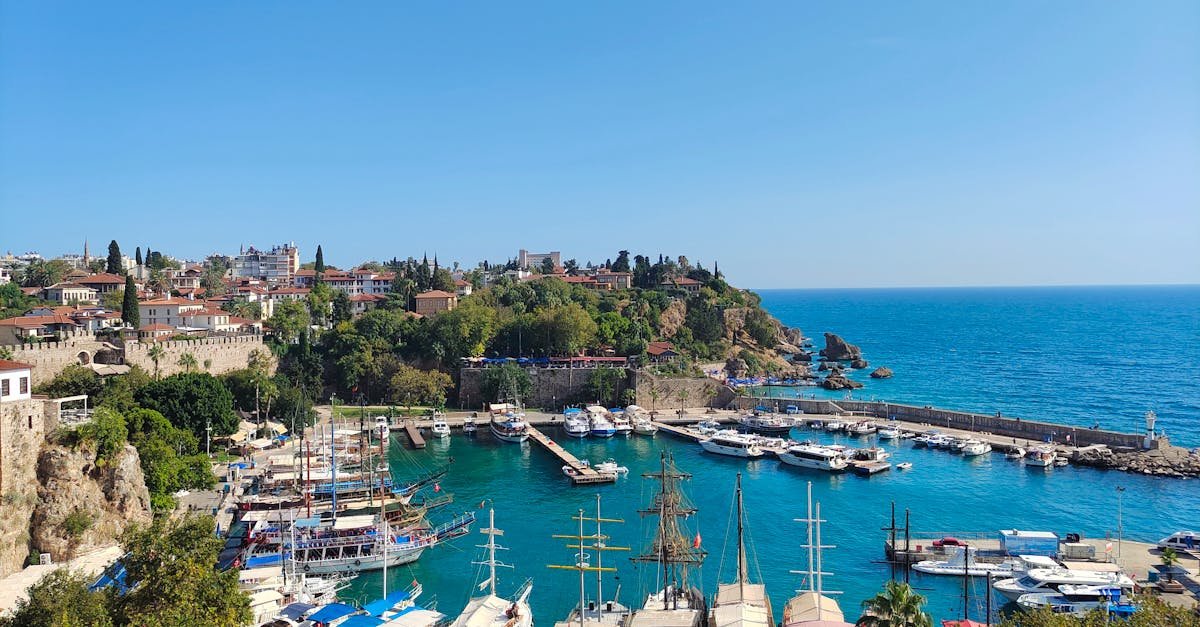
Bodrum curves around its twin bays like a crescent moon, its whitewashed houses stacked in tiers above an Aegean so blue it looks digitally enhanced. The scent of bougainvillea mingles with grilled sea bass, mastic liqueur, and the low diesel hum of wooden gulets preparing to cast off at dawn. This is the corner of Turkey where the country's intellectual elite, Istanbul socialites, and sharp-eyed European travellers converge — not to tick sights off a list, but to slow down, stretch out on a sun lounger, and let the peninsula's unhurried rhythms take hold. Bodrum's charms are architectural, culinary, nautical and hedonistic all at once.
Visiting Bodrum feels categorically different from, say, the mass-market bustle of Marmaris or the historical density of Ephesus. Where Santorini sells a postcard, Bodrum delivers a lifestyle — and at a fraction of the cost. Things to do in Bodrum stretch from dawn swims in untouched coves to late-night sets at open-air clubs that rival Ibiza's finest. A working fishing harbour still sits beside a 15th-century Crusader castle, and the twice-weekly bazaar is as local as it gets. This duality — genuinely authentic yet comfortably cosmopolitan — is precisely what keeps well-travelled Europeans returning season after season.
✦ Find your perfect destination
Is Bodrum really your perfect match?
Answer 12 quick questions about your travel style, budget and dates — we match you with the destinations that fit you best, from 600+ worldwide.
Bodrum sits at the intersection of antiquity and hedonism in a way few destinations manage. The Castle of St Peter — a Crusader fortress built from the stones of Halicarnassus, one of the Seven Wonders of the Ancient World — rises directly from the harbour, reminding you that this peninsula has been fought over for millennia. Yet Bodrum is equally a place of pure pleasure: turquoise water, long lunches of fresh meze, and the freedom of a private gulet slipping between sea caves at sunset. Add world-class Turkish cuisine, a thriving arts scene centred on the Bodrum Museum of Underwater Archaeology, and genuinely warm hospitality, and the case writes itself.
The case for going now: The Turkish lira's sustained weakness means Bodrum delivers exceptional value for euro and sterling holders right now — luxury villas, private boat charters, and tasting menus all come at prices that feel almost unreasonable. New boutique hotels have opened across quieter villages like Türkbükü and Gündoğan over the past two years, raising the accommodation game beyond the old formula of large resort complexes. Meanwhile, direct routes from major European hubs have expanded for 2026, making a Bodrum itinerary more accessible than ever.
⛵
Gulet Cruising
Charter a traditional wooden gulet and island-hop the Bodrum peninsula's secret coves, swimming off the boat's stern in water so clear you count the pebbles below. Full-day private charters start around €150.
🏰
Castle of St Peter
The Crusader castle dominating Bodrum harbour houses a world-class Museum of Underwater Archaeology. Bronze Age shipwrecks, Byzantine treasure, and amphora rooms fill towers with genuine medieval atmosphere.
🌅
Peninsula Villages
Rent a scooter and ride the peninsula's spine from Türkbükü to Gümüşlük, stopping at whitewashed villages where cats sleep on café chairs and fishermen mend nets at midday.
🎶
Beach Club Nights
Bodrum's beach clubs — from Sandima to Macakizi — transform at sunset into open-air venues with international DJs, lantern-lit terraces, and cocktails served as the Aegean breeze cools the dance floor.
Bodrum's neighbourhoods — where to focus
Town Centre & Harbour
Bodrum Town
The peninsula's beating heart: narrow bazaar lanes, the great castle, and a harbour lined with restaurants and gulets. Stay here for maximum convenience — you can walk from a Crusader fortress to a rooftop cocktail bar in under ten minutes. Lively but never overwhelming.
Glamour & Calm
Türkbükü
Dubbed the 'St Tropez of Turkey', Türkbükü is where Istanbul's fashion and media crowd unpack their linen shirts. The village wraps around a sheltered bay with excellent fish restaurants on stilted terraces above the water, boutique hotels, and a notably sophisticated beach scene.
Bohemian & Local
Gümüşlük
Built over the ancient city of Myndos, Gümüşlük is Bodrum's most relaxed corner: barefoot restaurants on the sand, sunken ruins visible through shallow water, and an evening classical music festival each summer. Ideal for travellers who prefer authenticity over gloss.
Beaches & Nightlife
Gümbet & Bitez
These twin bays just west of Bodrum town attract a younger, more energetic crowd with wide sandy beaches, windsurfing schools, and a string of beach bars that stay animated well past midnight. Budget-friendlier accommodation than central Bodrum, still within easy reach.
Top things to do in Bodrum
1. Explore the Castle of St Peter
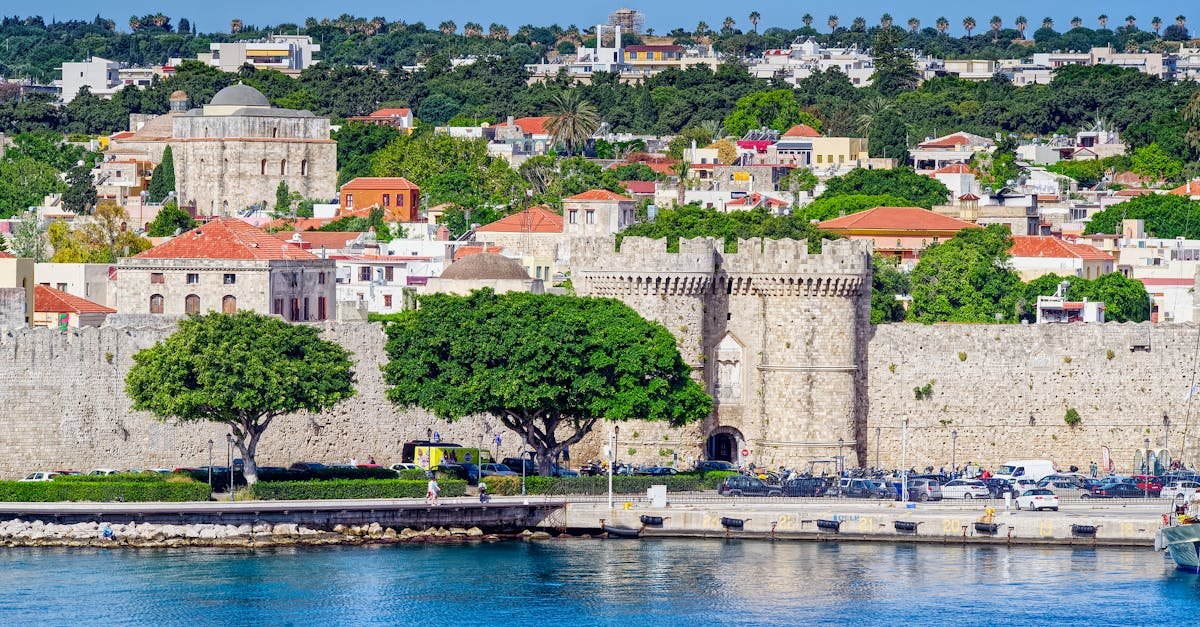
Bodrum's most iconic landmark, the Castle of St Peter was constructed by the Knights Hospitaller in the early 15th century using stones quarried directly from the Mausoleum of Halicarnassus — one of antiquity's Seven Wonders. Today it houses the Bodrum Museum of Underwater Archaeology, widely considered one of the finest maritime museums in the world. Wander through the English, French, and German towers, each converted into atmospheric gallery spaces displaying Bronze Age shipwreck cargo, Carian princess jewellery, and a Byzantine glass hall that stops visitors in their tracks. Allow at least three hours; the rooftop ramparts offer a panorama over the twin bays that alone justifies the entrance fee. Go early morning to beat tour groups and catch the light on the Aegean at its most painterly.
2. Charter a Gulet to Hidden Coves
No Bodrum itinerary is complete without at least a day aboard a wooden gulet, Turkey's iconic two-masted sailing vessel. Full-day private charters depart Bodrum harbour each morning, threading through the peninsula's jagged coastline to coves inaccessible by road: Çökertme, Değirmen Bükü, the vivid turquoise of Aquarium Bay near Gökova. Most charters include a simple lunch of grilled fish, melon, and cold Efes beer served on the deck. If you prefer a social setting, shared group charters departing from the harbour steps are bookable the evening before for around €35–50 per person. A week-long 'Blue Voyage' — the full gulet experience from Bodrum to Fethiye — is one of the most celebrated sailing routes in the Mediterranean and books out fast for peak summer months.
3. Drive the Bodrum Peninsula Loop
Renting a scooter or small car and looping the Bodrum peninsula is one of the most rewarding things to do in Bodrum for independent travellers. The circular route — roughly 100 kilometres — passes through a string of distinct villages each with its own character. Start in Bodrum town, head north through the upmarket enclaves of Gündoğan and Türkbükü, swing west along windmill-dotted ridgelines to Yalıkavak (now home to the eye-catching Palmarina superyacht marina), then down to the ancient-ruins-meets-fish-taverna atmosphere of Gümüşlük before returning along the southern coast. Factor in two or three swimming stops — pull off at any unmarked track leading to the water and you will almost certainly find a clear, uncrowded cove. The round trip takes a full day with leisure stops built in.
4. Experience the Bodrum Bazaar
Twice weekly (Tuesdays and Fridays), Bodrum's central bazaar transforms the streets around the market hall into one of Turkey's most colourful and genuine trading scenes. Unlike the tourist-facing souvenir strips along the harbour, this is where Bodrum locals shop: stalls overflow with dried figs, hand-pressed olive oil from Muğla groves, Aegean herbs, fresh goat cheese, and bolts of fabric sold by the metre. Arrive before 10am to navigate freely and engage with vendors before the crowds build. This is also the best place to buy saffron, sumac, and the peppery dried chillies that define Aegean-Turkish cooking — all sold loose, by weight, at a fraction of supermarket prices. The bazaar is free, requires no planning, and delivers an hour of sensory pleasure that no museum can replicate.
What to eat in the Bodrum Peninsula & Aegean Muğla — the essential list
Çökertme Kebabı
Bodrum's signature dish: thin strips of beef tenderloin layered over crisp fried potatoes and flat pita, blanketed with garlicky yoghurt and tomato-butter sauce. Rich, comforting and entirely impossible to share.
Midye Tava
Battered and deep-fried Black Sea mussels served with a sharp tarator walnut sauce. Street vendors along Bodrum's harbour sell them piping hot by the skewer; eat them standing up for the full local experience.
Aegean Meze Spread
A proper Bodrum meze begins with cold plates: creamy haydari yoghurt with mint, citrus-dressed octopus, wild sea purslane in olive oil, and smoked aubergine. Arrive hungry — the meze alone can comfortably constitute a full meal.
Lüfer Izgara
Bluefish grilled over charcoal, at its peak between August and October as the fish migrate south through the Aegean. Simply dressed with lemon and flat-leaf parsley, it is one of the purest pleasures of eating by the sea in Bodrum.
Bodrum Mandalin Reçeli
The peninsula's mandarin orchards produce a notably sweet, fragrant fruit that local producers turn into thick breakfast preserves. Served with kaymak (clotted cream) and simit at any proper Bodrum breakfast table.
Rakı & Balık
The definitive Aegean ritual: anise-flavoured rakı poured over ice, turning cloud-white, sipped slowly alongside a grilled whole fish. This is less a dish than a philosophy — the correct way to spend a Bodrum evening.
Where to eat in Bodrum — our top 4 picks
Fine Dining
Orfoz Restaurant
📍 Türkbükü Mahallesi, Türkbükü, Bodrum
Arguably the finest table on the Bodrum peninsula, Orfoz sits on a wooden deck above Türkbükü Bay with extraordinary Aegean views. The menu pivots around ultra-fresh local catch — sea bass ceviche with pomegranate, lobster in butter and mastic — executed with technical precision and genuine warmth.
Fancy & Photogenic
Kanka Restaurant
📍 Yalıkavak Marina, Yalıkavak, Bodrum
Perched above the Palmarina superyacht dock at Yalıkavak, Kanka serves sophisticated Turkish-Mediterranean plates in a setting that feels genuinely cinematic at sunset. The chargrilled octopus and wood-fired lamb ribs draw a well-heeled crowd who linger long after the plates are cleared.
Good & Authentic
Meyhane Güllüoğlu
📍 Kıbrıs Şehitleri Caddesi, Bodrum Town
A proper old-school meyhane where the meze trolley arrives loaded and the rakı is poured generously. Frequented by Bodrum locals, Turkish summer regulars, and a smattering of travellers savvy enough to find it. The fried courgette flowers stuffed with feta are not to be skipped.
The Unexpected
Gümüşlük Pazarı Fish Stalls
📍 Gümüşlük Village, Bodrum Peninsula
Not a restaurant but an experience: buy your fish directly from the morning boats, hand it to one of the adjacent simple grill stalls, and eat at a plastic table a metre from the water while ruins of ancient Myndos poke through the shallows. Arguably the best meal on the peninsula for under €15.
Bodrum's Café Culture — top 3 cafés
The Institution
Café Kemeraltı
📍 Kale Meydanı, Bodrum Town
Tucked into the lanes below the castle walls, this long-standing café is where Bodrum's writers and artists have been drinking strong Turkish tea since the 1970s. Mismatched furniture, walls of framed photographs, and a cat that has been asleep on the windowsill for what appears to be years.
The Aesthetic Hub
Salt & Pepper Bodrum
📍 Neyzen Tevfik Caddesi, Bodrum Town
A sleek, design-conscious café along the harbour promenade serving third-wave espresso alongside Turkish pastries, avocado toasts, and freshly pressed pomegranate juice. The terrace faces directly onto the bobbing gulets — prime morning people-watching territory in high season.
The Local Hangout
Gündoğan Çay Evi
📍 Gündoğan Village Centre, Bodrum Peninsula
A simple village tea house in Gündoğan where retired fishermen and young families share tulip glasses of çay beneath a sprawling plane tree. No WiFi, no menu beyond tea and simit — just the quiet satisfaction of sitting exactly where the locals sit on a warm Aegean afternoon.
Best time to visit Bodrum
Jan
Feb
Mar
Apr
May
Jun
Jul
Aug
Sep
Oct
Nov
Dec
Peak season (May–Sep) — hot sun, warm water, full beach clubs; book well in advanceShoulder season (Mar–Apr & Oct) — quieter, comfortable temperatures, great valueOff-season (Nov–Feb) — mild but wet; most beach clubs closed, excellent for culture
Bodrum events & festivals 2026
Whether you're planning around a specific celebration or simply want to know what's happening, this guide covers the best events and festivals in Bodrum — from major annual traditions to cultural highlights worth timing your trip around.
June 2026culture
Bodrum Ballet Festival
One of the The dramatic backdrop of the illuminated Crusader walls makes this among Turkey's most atmospheric cultural events.
July 2026music
Gümüşlük International Classical Music Festival
Held in the natural stone amphitheatre near the ancient ruins of Myndos each July, this acclaimed festival has attracted soloists and chamber ensembles from across Europe for over two decades. Arriving by boat at dusk to find a string quartet playing above the sea is a particular Bodrum travel highlight.
August 2026culture
Bodrum Cup Yacht Race
The iconic Bodrum Cup, held each October, draws classic wooden yachts from across the Mediterranean to race the peninsula's bays. An extraordinary spectacle from the harbour or headland, the race encapsulates everything Bodrum loves: tradition, the sea, and friendly international competition.
May 2026culture
Bodrum Uluslararası Müzik Festivali
International Music Festival held across Bodrum venues each May, when the shoulder season crowd is culturally engaged and temperatures are ideal for visiting Bodrum. Concerts span jazz, classical, and contemporary Turkish music in venues from castle courtyards to harbour-side open stages.
September 2026music
Sandima Jazz Nights
The beach club Sandima hosts a late-summer jazz and world music series as the high-season intensity subsides but the warmth lingers.
April 2026religious
Hıdırellez Spring Festival
On the night of 5–6 May (celebrated in April preparations across the region), Hıdırellez marks the Aegean spring with bonfires on beaches, wish papers tied to rose bushes, and communal food. A genuinely folkloric Turkish tradition still observed enthusiastically in Bodrum's villages.
October 2026culture
Bodrum Cup Classic Regatta
The full Bodrum Cup Regatta week each October is a sophisticated gathering of traditional gulets, gaff-rigged schooners, and vintage motor yachts. Parties, prize ceremonies, and harbour dinners run parallel to the racing, creating a convivial atmosphere that rewards non-sailors equally.
July 2026market
Yalıkavak Thursday Market
Every Thursday the village of Yalıkavak hosts its legendary weekly market — one of the finest artisan and produce markets on the entire Bodrum peninsula. Local olive oil, hand-printed textiles, Aegean herbs, and village cheeses draw both expat residents and visiting travellers.
June 2026culture
Bodrum Art Week
Galleries across Bodrum town open late and new installations appear in castle courtyards during Bodrum Art Week each June. Turkish contemporary artists exhibit alongside international names, and the event has built a reputation as one of the Aegean coast's most forward-thinking cultural moments.
August 2026culture
Halikarnassos Open-Air Cinema
Summer screenings beneath the stars in Bodrum's amphitheatre-style open-air cinema, named after the ancient city. Turkish and international films are shown against a backdrop of illuminated castle walls — a quietly magical late-August evening option away from the beach club circuit.
Guesthouse or hostel, shared gulet trip, bazaar lunches, local gözleme and kebab spots
€€ Mid-range
€90–150/day
Boutique hotel, private cove day trips, seafood dinners, beach club entry included
€€€ Luxury
€200+/day
Design hotel in Türkbükü, private gulet charter, Orfoz dinners, spa treatments daily
Getting to and around Bodrum (Transport Tips)
By air: Bodrum Milas Airport (BJV) receives direct flights from London, Amsterdam, Frankfurt, Paris, and most major European hubs, with frequency peaking June through September. Budget carriers including Pegasus and Turkish Airlines serve the route, with flight times of approximately 3 hours from Central Europe. Booking several months ahead is strongly recommended for July and August.
From the airport: Bodrum Milas Airport sits approximately 36 kilometres from Bodrum town centre. Havabüs airport shuttles run to the central bus terminal (otogar) for around €4–6, with journey times of 45–60 minutes. Licensed taxis and pre-booked private transfers take 35–40 minutes and cost €25–40. Avoid unlicensed drivers at arrivals, and always agree the fare before departure if using a meter-less taxi.
Getting around the city: Within Bodrum, dolmuş minibuses are the essential tool for budget and independent travellers — fixed-route shared minibuses connect Bodrum town to all major peninsula villages (Gümüşlük, Türkbükü, Gündoğan, Yalıkavak) for €1–3 per trip. Taxis are plentiful but negotiate the fare first. Renting a scooter (from €25/day) or small car gives freedom to explore the peninsula's less-served coves and villages on your own schedule.
Transport Safety & Scam Prevention:
Agree Taxi Fares in Advance: Bodrum taxis frequently operate without functioning meters in practice. Always agree the price before you get in, or use the GetTaxi or BiTaksi apps for transparent metered pricing. The airport to Bodrum town should never exceed €40.
Book Gulets Through Your Hotel: Harbour touts selling 'private' gulet charters can significantly overcharge or deliver a very different boat from the one shown in photos. Book through your hotel concierge or a registered agency, and inspect the vessel before paying any deposit.
Check Currency Exchange Rates: Exchange booths near the harbour offer variable rates with sometimes hidden commissions. Use ATMs from major Turkish banks (Garanti, İş Bankası) for the most reliable interbank rate, and avoid exchanging large sums at airport kiosks where margins are widest.
Do I need a visa for Bodrum?
Visa requirements for Bodrum depend on your nationality. Select your passport below for an instant answer — based on the Passport Index dataset for entry into Turkey.
ℹ️ Indicative only. Always verify with the official consulate before booking. Data: Passport Index, April 2026.
For detailed requirements, documentation checklists and processing times by nationality: TravelDoc →
Search & Book your trip to Bodrum
Find the best flight routes and hotel combinations using our partner Kiwi.com.
Frequently Asked Questions
Is Bodrum safe for tourists?
Bodrum is considered one of Turkey's safest resort destinations for international tourists. The peninsula has a well-established tourism infrastructure, a visible police presence in town and along the harbour, and a culture of hospitality that extends to solo travellers and families alike. Standard urban precautions apply — keep an eye on belongings in crowded bazaar areas and be aware of your surroundings at night in busy bar districts. The Foreign Office advisory for the Bodrum region is broadly favourable, and incidents targeting tourists are rare. Thousands of European visitors travel to Bodrum annually without incident.
Can I drink the tap water in Bodrum?
Tap water in Bodrum is technically treated but most locals and long-term visitors choose not to drink it directly due to variable mineral content and taste, particularly in summer when demand spikes. Bottled water is cheap and widely available — around €0.50 for a 1.5-litre bottle from any market. Hotels universally provide bottled water, and restaurants serve bottled water as standard. Using tap water for brushing teeth is generally fine; drinking unfiltered tap water on a short visit is not recommended.
What is the best time to visit Bodrum?
The best time to visit Bodrum depends on what you're after. May and June offer warm temperatures (24–28°C), calm seas ideal for gulet sailing, and dramatically fewer crowds than peak summer — making this arguably the sweet spot for a Bodrum itinerary. July and August are peak season: hot, busy, and expensive, but the beach clubs are in full swing and the social energy is electric. September is beloved by experienced travellers — the sea is at its warmest, crowds thin out, and prices drop. October brings excellent conditions for the Bodrum Cup sailing regatta and cultural events, while the peninsula is largely quiet and local-feeling.
How many days do you need in Bodrum?
A minimum of five days allows you to experience Bodrum at a proper pace: one day for Bodrum town and the Castle of St Peter, one full day on a gulet, one day looping the peninsula by scooter, and two days to slow down in a village like Gümüşlük or Türkbükü. A full week is the ideal Bodrum travel duration for most visitors — enough time to add a day trip to the Greek island of Kos, attend an evening festival or beach club event, and genuinely decompress. Ten days or more suits those planning a Blue Voyage gulet cruise combined with the peninsula's cultural attractions.
Bodrum vs Santorini — which should you choose?
Both are Aegean icons, but the experience differs significantly. Santorini delivers a more instantly photogenic volcanic landscape with caldera views that Bodrum cannot match — but it comes with intense crowds, very limited beaches, and prices that have escalated sharply in recent years. Bodrum offers superior swimming and sailing, a more authentic local culture with genuine working villages and markets, and better value across accommodation and food. If you want the famous blue-dome photograph, Santorini wins. If you want a week of sailing, eating exceptional seafood, and mixing with stylish locals in a destination that hasn't been entirely conquered by mass tourism, Bodrum is the more rewarding choice for most European travellers.
Do people speak English in Bodrum?
English is spoken to a good standard across most of Bodrum's tourism-facing businesses — hotels, restaurants, boat charter operators, and tour companies all communicate comfortably in English, and many staff speak German and Dutch as well given the strong Central European visitor base. In the main resort areas, navigating Bodrum in English presents no practical difficulty. In smaller inland villages and at the local bazaar, interactions may require patience and gesture, but Turkish hospitality more than compensates. Learning a handful of Turkish phrases — teşekkür ederim (thank you), lütfen (please) — is appreciated and often rewarded with warmth.
★ Hotel guide
Where to stay in Bodrum
7+ hand-picked hotels across luxury, mid-range and budget — verified by Max.
Hand-picked and verified by Max, who founded Vacanexus from Luxembourg in 2026. No sponsorships, no paid placements. Every recommendation — restaurants, neighbourhoods, things to do — is selected for authenticity over popularity.