⏱ 11 min read📅 Updated 2026💶 € Budget✈️ Best: Apr–Sep
€25–45/day
Daily budget
Apr – Sep
Best time
3–5 days
Ideal stay
RON (Romanian Leu)
Currency
Step into Brașov and you step into a city that feels carved from a fairy tale — Gothic spires rising above a cobbled square, forested Carpathian peaks pressing in on every side, and the crisp mountain air carrying the faint scent of pine resin and chimney smoke. The medieval heart of Brașov, known as the Piața Sfatului or Council Square, is a stage-set of pastel baroque facades, centuries-old guild towers and the looming silhouette of Tampa Mountain overhead. As the sun drops behind the peaks, the square fills with the clink of local beer glasses, and the Gothic black limestone of the Black Church catches the last amber light — a moment that stays with travelers long after they've left Brașov behind.
Unlike Bucharest's sprawling urban energy, Brașov rewards slow exploration on foot, offering a compact, walkable old town that punches far above its size in history and drama. Things to do in Brașov range from hiking forest trails alive with brown bears to driving mountain passes to Bran Castle, the fortress most associated with the Dracula legend. Visiting Brașov also puts you within easy reach of the Saxon fortified churches of Prejmer and Hărman, the ski slopes of Poiana Brașov in winter, and the wild meadows of the Bucegi and Piatra Craiului National Parks. Compared to Prague or Krakow, Brașov delivers equally atmospheric medieval streets at a fraction of the cost, with a fraction of the crowds — making it one of Central Europe's most underrated city-break destinations.
✦ Find your perfect destination
Is Brașov really your perfect match?
Answer 12 quick questions about your travel style, budget and dates — we match you with the destinations that fit you best, from 600+ worldwide.
Brașov sits at the intersection of Transylvanian Saxon heritage and raw Carpathian wilderness, a combination found almost nowhere else in Europe. The city's medieval fortifications, Gothic churches and merchant squares were built by German Saxon colonists in the 13th century, creating an architectural character that feels distinctly Central European yet unmistakably Romanian. Brașov also delivers extraordinary value — a full restaurant meal with wine rarely exceeds €12, and a cable car ride to the top of Tampa Mountain costs less than a London coffee. Add a UNESCO-listed fortified church within 20 kilometres and a genuine brown bear population in the surrounding forests, and Brașov becomes one of the most compelling reasons to explore Romania.
The case for going now: Brașov is in the middle of a quiet renaissance — boutique guesthouses are replacing tired communist-era hotels, the old town's restaurant scene has levelled up dramatically, and direct budget flights from Western Europe to nearby Sibiu and Bucharest have multiplied. The Romanian leu remains exceptionally favourable against the euro, pound and Swiss franc, meaning your travel budget goes significantly further here than almost anywhere else in Europe right now. Go before the crowds catch up.
🏰
Bran Castle Visit
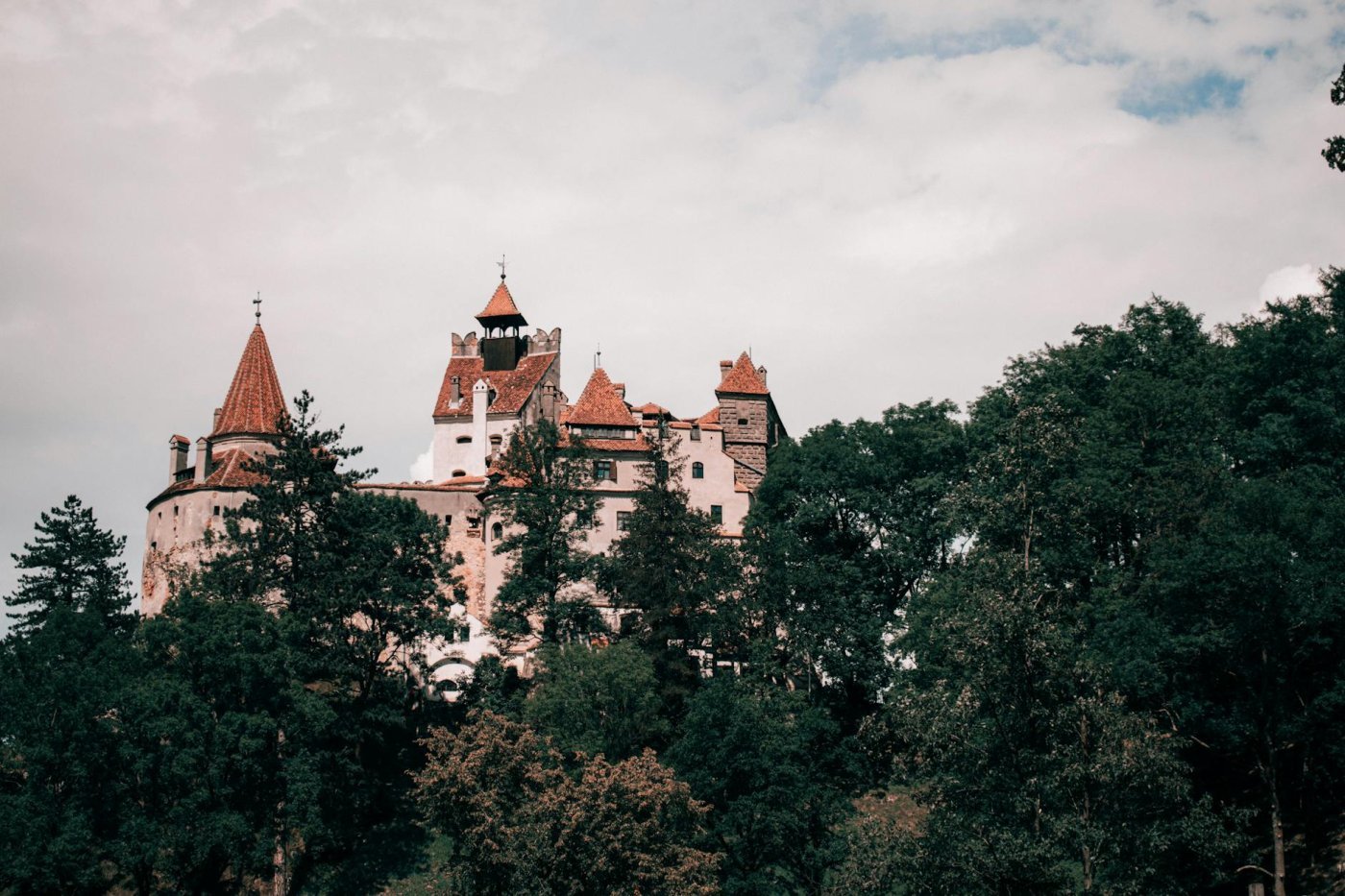
Perched on a rocky crag 30 km from Brașov, Bran Castle is Transylvania's most dramatic fortress. Its Gothic towers, steep staircases and Dracula mythology make it the region's unmissable day trip.
⛪
Black Church Tour
The Black Church of Brașov is the largest Gothic church in Romania, scarred black by a 17th-century fire. Its Anatolian carpet collection and thunderous pipe organ are genuinely extraordinary.
🌲
Tampa Mountain Hike
A cable car or forest trail leads to the summit of Tampa Mountain directly above Brașov's old town. The hilltop panorama over the medieval rooftops and surrounding Carpathian peaks is breathtaking.
🎿
Poiana Brașov Skiing
Romania's premier ski resort sits just 12 km from the city centre. Poiana Brașov offers reliable winter snow, wide groomed pistes and après-ski at prices that make Alpine resorts look absurd.
Brasov's neighbourhoods — where to focus
Historic Core
Centru Vechi (Old Town)
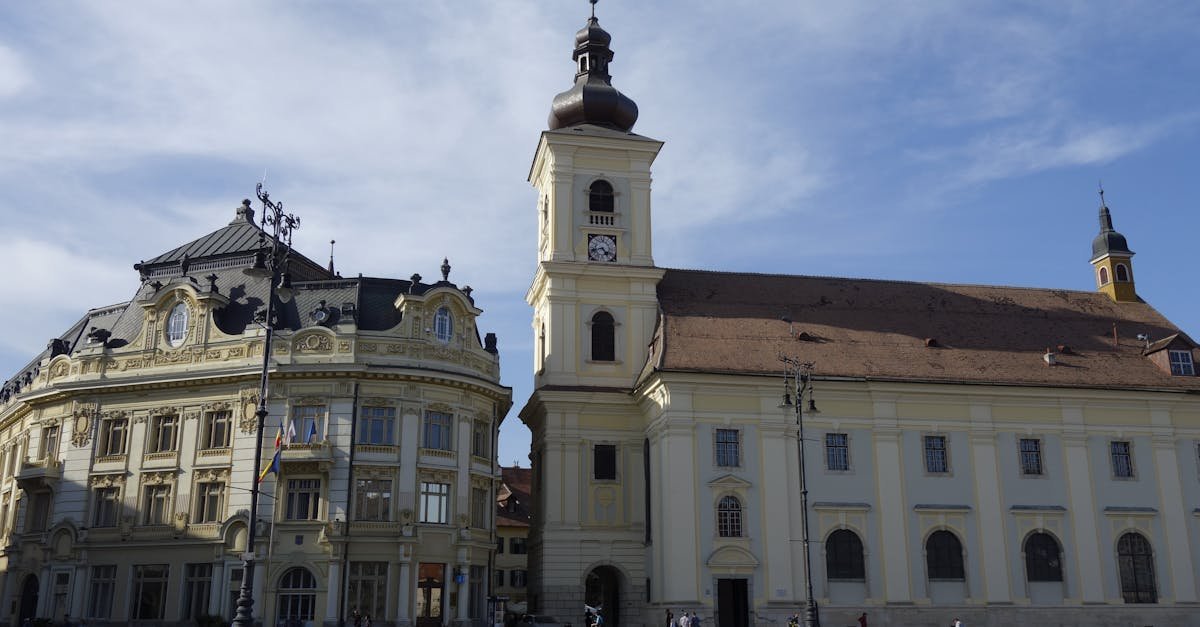
The medieval old town of Brașov is where every visit begins and ends. Piața Sfatului anchors the quarter with its Renaissance Council House, outdoor terraces and the commanding façade of the Black Church. Wander the narrow alleys branching off the square — Strada Republicii is the main pedestrian spine — and you'll find boutique shops, cellar wine bars and medieval gate towers at every turn.
Saxon Heritage
Șchei District
Tucked behind Ecaterina's Gate, Șchei is the oldest Romanian-inhabited quarter of Brașov, predating the city's Saxon founding. The neighbourhood's 15th-century Orthodox church, First Romanian School museum and low-slung traditional houses create a quieter, more intimate atmosphere than the tourist-facing old town — perfect for an unhurried morning walk.
Local Life
Astra & Bartolomeu
The residential neighbourhoods of Astra and Bartolomeu are where Brașov's working population actually lives — block apartment buildings softened by tree-lined streets, neighbourhood bakeries, and local cafes where nobody will hand you an English menu. Venture here for an authentic slice of contemporary Romanian urban life away from the camera-wielding crowds in the centre.
Mountain Gateway
Poiana Brașov
The mountain suburb of Poiana Brașov, perched at 1,030 metres above sea level, doubles as a ski resort in winter and a hiking and mountain-biking hub in summer. Chalets, guesthouses and fondue restaurants line the slopes, and the cooler temperatures make it a favourite escape even on hot summer days when the city below bakes.
Top things to do in Brasov
1. #1 Explore Bran Castle & Its Legend
No Brașov itinerary is complete without a visit to Bran Castle, the Gothic fortress that inspired — or at least embodies — the global legend of Dracula. Perched dramatically on a rocky promontory in the Bran Pass, the castle is only 30 kilometres from Brașov city centre by road, making it an easy half-day excursion by bus or organised tour. Inside, the labyrinthine rooms display Queen Marie of Romania's eclectic art collection, medieval weapons and period furniture, while the castle's warren of steep internal staircases and hidden passages lend it a genuinely theatrical atmosphere. The grounds below contain an open-air village museum of traditional Transylvanian architecture that most visitors overlook. Arrive early — before 9 am — to beat the tour buses and experience Bran Castle in relative tranquillity, with morning mist still clinging to the forested hillside.
2. #2 Hike Tampa Mountain from City Centre
One of the great pleasures of visiting Brașov is that the Carpathian wilderness begins essentially at the city limits, and Tampa Mountain is the most immediate example. A well-marked forest trail departing from behind the Black Tower climbs steeply through oak and beech forest to the 960-metre summit, where a large Hollywood-style 'BRAȘOV' sign marks the viewpoint — a quirky city landmark beloved by locals. The hike takes around 45 minutes at a steady pace. Alternatively, the Tampa cable car provides the same panoramic reward for those with less time or energy. From the summit, the view sweeps across the entire old town's terracotta roofscape, the factory districts beyond, and the full arc of the surrounding Carpathian peaks — one of the finest urban-mountain panoramas in Eastern Europe.
3. #3 Visit the Black Church & Council Square
The Black Church of Brașov — Biserica Neagră — is the largest Gothic church in Romania and the spiritual centrepiece of Transylvanian Saxon culture. Construction began in the 14th century and was nearly completed before a catastrophic 1689 fire scorched its limestone walls black, giving the church its memorable name. Inside, the nave is unexpectedly vast and serene, its walls hung with an extraordinary collection of 119 Anatolian carpets donated by Transylvanian merchants in the 17th and 18th centuries — a unique cultural crossroads visible nowhere else in Europe. The church's pipe organ, one of the largest in Romania, hosts regular concert evenings that are among the best cultural things to do in Brașov. Directly outside, Piața Sfatului buzzes with café life from early morning until midnight, with the 15th-century Council House — now a history museum — presiding over the square's north side.
4. #4 Day Trip to Piatra Craiului National Park
For travellers who want more than medieval squares, Piatra Craiului National Park — reachable in under an hour from Brașov — delivers some of the most spectacular ridge hiking in the Carpathians. The park is named for its 25-kilometre limestone ridge, whose razor-backed crest tops out at 2,238 metres and offers vertiginous views over deep gorges and forested valleys. Trails are well-marked and range from easy valley walks through wildflower meadows to challenging technical ridge scrambles requiring equipment and experience. The park is also one of the best-protected habitats for Eurasian lynx, brown bear and wolf in Romania — wildlife sightings are not guaranteed but entirely plausible on a quiet weekday morning. The village of Zărnești at the park's entrance offers charming guesthouses and basic restaurants, making an overnight stay well worth considering as part of your Brașov itinerary.
What to eat in Transylvania — the essential list
Mici (Grilled Minced Rolls)
Romania's beloved street food — spiced cylinders of minced pork, beef and lamb grilled over charcoal and served with mustard and fresh bread. The name means 'small ones' and they are utterly addictive eaten hot from the grill.
Ciorbă de burtă
Tripe soup enriched with sour cream and a sharp vinegar finish — Romania's fiercest hangover cure and a staple of every traditional restaurant in Brașov. Confronting on paper, deeply satisfying in a bowl with fresh bread on the side.
Sarmale
Cabbage rolls stuffed with spiced minced pork and rice, slow-cooked in tomato sauce until falling-soft. Sarmale is Transylvania's definitive comfort food, served at every family celebration and most traditional restaurants in Brașov year-round.
Papanași
Fried dough dumplings topped generously with sour cream and sour cherry jam — Romania's most beloved dessert and absolutely unmissable in Brașov. The contrast of hot, crispy dough with cold cream and sharp cherry is extraordinary.
Kürtőskalács (Chimney Cake)
A legacy of Transylvania's Saxon and Hungarian past, kürtőskalács is a spiral of sweet dough cooked on a rotating spit over open flame, caramelised outside and soft within. Sold by street vendors across Brașov's old town.
Palincă
Transylvania's ferocious double-distilled plum or pear brandy — served in small ceramic cups at the start of any serious Romanian meal. Local varieties from the Brașov region hit 50–60% alcohol and are emphatically not for the faint-hearted.
Where to eat in Brasov — our top 4 picks
Fine Dining
Restaurant Cerbul Carpatin
📍 Piața Enescu 1, Brașov
Housed in a historic building beside the Black Church, Cerbul Carpatin has served traditional Transylvanian cuisine since the 1950s. Game dishes — venison stew, roast wild boar — dominate a menu that takes Romanian culinary heritage seriously. The atmospheric vaulted interior matches the quality of the food.
Fancy & Photogenic
Alb Negru Restaurant
📍 Strada Politehnicii 1, Brașov
Alb Negru blends a sleek modern aesthetic with serious cooking, earning a loyal following among Brașov's food-conscious residents. The menu bridges contemporary Romanian and European influences with genuine skill. The black-and-white interior photographs beautifully and the service is notably polished for the price point.
Good & Authentic
Sergiana Restaurant
📍 Strada Mureșenilor 28, Brașov
Sergiana is the Brașov institution where locals take family celebrations — a folk-decorated dining room, enormous portions of sarmale and ciorbă, and prices so low you'll double-check the bill. The lamb stew and stuffed peppers are perennial favourites. Reserve ahead on weekend evenings.
The Unexpected
Belvedere Restaurant
📍 Tampa Mountain Cable Car Station, Brașov
Perched at the Tampa Mountain cable car summit, Belvedere offers standard Romanian grill fare elevated by an extraordinary panoramic terrace. The food is secondary to the view — eating lunch above Brașov's medieval rooftops with the Carpathians behind is an experience few restaurants anywhere can match.
Brasov's Café Culture — top 3 cafés
The Institution
Cafeneaua din Cetate
📍 Strada Cetății 1, Brașov
A beloved Brașov coffee house tucked into the old town's fortification walls, Cafeneaua din Cetate serves serious espresso in a setting that feels genuinely historic. Locals have been meeting here for decades. The outdoor terrace against the medieval stone walls is one of the city's finest quiet-morning spots.
The Aesthetic Hub
Beans & Dots Specialty Coffee
📍 Strada Republicii 39, Brașov
Brașov's specialty coffee movement is real, and Beans & Dots is its standard-bearer — single-origin pour-overs, precise espresso and a minimalist interior that could hold its own in Vienna or Amsterdam. The avocado toast and homemade pastries make it the city's best breakfast stop before a day of sightseeing.
The Local Hangout
Festival39 Bar & Café
📍 Strada Mureșenilor 23, Brașov
Equal parts café, cocktail bar and cultural venue, Festival39 draws Brașov's students, artists and young professionals from mid-morning through to midnight. Local craft beer from Transylvanian microbreweries sits alongside decent coffee. Live music and art exhibitions make it the best place in Brașov to feel the city's contemporary pulse.
Best time to visit Brasov
Jan
Feb
Mar
Apr
May
Jun
Jul
Aug
Sep
Oct
Nov
Dec
Peak season (Apr–Sep) — warm days, long daylight hours, ideal for hiking and outdoor explorationShoulder season (Mar & Oct) — quieter crowds, dramatic autumn colours or spring blossoms, cool but pleasantOff-season (Nov–Feb) — cold Carpathian winters, ski season at Poiana Brașov, festive Christmas market in December
Brasov events & festivals 2026
Whether you're planning around a specific celebration or simply want to know what's happening, this guide covers the best events and festivals in Brasov — from major annual traditions to cultural highlights worth timing your trip around.
June 2026music
Golden Stag International Music Festival
The Golden Stag (Cerbul de Aur) is Romania's most celebrated pop and folk music competition, held periodically in Brașov's Council Square. When staged, it transforms Piața Sfatului into an open-air arena attracting major international artists. Among the
July 2026culture
Brașov International Film Festival
Brașov's growing film festival screens independent and arthouse cinema across multiple venues in the old town, including open-air screenings against medieval fortress walls. A celebration of Romanian and European independent film that draws cinephiles from across the country.
May 2026culture
Medieval Festival Brașov
One of the Locals and visitors dress in medieval costume for a weekend that genuinely transports you to the 15th century.
August 2026culture
Transylvania International Film Festival (TIFF)
TIFF, Romania's flagship film festival, is primarily based in Cluj-Napoca but hosts satellite screenings in Brașov each August. European premieres and Romanian new wave films screen against Transylvania's dramatic mountain backdrop, drawing a young, cosmopolitan crowd.
September 2026music
Untold Festival Satellite Events
While the main Untold festival takes place in Cluj-Napoca, Brașov's clubs and outdoor venues host satellite events and warm-up parties through September, making visiting Brașov during this period a lively, music-filled experience particularly appealing to younger European travellers.
Easter 2026religious
Romanian Orthodox Easter Celebrations
Orthodox Easter in Brașov is deeply atmospheric — midnight processions by candlelight wind through the old town streets, church bells ring across the Carpathian valley and families gather for lamb feasts. A profoundly local experience that reveals Transylvanian culture at its most sincere.
October 2026culture
Harvest Festival — Octombrie Brașovean
Brașov's October harvest festival celebrates Transylvanian agricultural traditions with wine tastings, artisan food markets and folk music performances across the old town. Local producers from the surrounding Carpathian villages bring cheese, honey, sausages and seasonal produce to Piața Sfatului.
December 2026market
Brașov Christmas Market
Consistently ranked among Eastern Europe's most beautiful Christmas markets, the Brașov Christmas Market transforms Council Square from late November through late December. Wooden stalls sell kürtőskalács, mulled wine, handmade ornaments and Saxon crafts beneath the Gothic Black Church.
April 2026culture
Junii Brașovului — Horsemen Parade
The Junii parade is one of Romania's oldest and most spectacular folk traditions, taking place on the first Sunday after Orthodox Easter. Seven companies of costumed horsemen ride through Brașov's streets in a ceremony dating to the 17th century, watched by thousands of locals lining the route.
November 2026culture
Brașov Jazz & Blues Festival
Held in intimate old-town venues each November, the Brașov Jazz & Blues Festival brings Romanian and international jazz musicians to perform in atmospheric settings including basements of medieval buildings. A low-key, high-quality cultural event ideal for shoulder-season visitors.
Hostel dorm bed, market lunch, mici street food, free walking tours and public bus to Bran.
€€ Mid-range
€35–70/day
Guesthouse double room, restaurant dinners, cable car, day-trip transport and museum entries included.
€€€ Luxury
€70+/day
Boutique hotel in old town, fine dining at Cerbul Carpatin, private guided Bran Castle tour and spa.
Getting to and around Brasov (Transport Tips)
By air: The nearest major airports to Brașov are Henri Coandă International Airport in Bucharest (OTP), approximately 166 kilometres south, and Sibiu International Airport (SBZ), around 140 kilometres west. Bucharest receives the widest range of European budget and full-service carriers including Wizz Air, Ryanair and TAROM, with frequent connections from London, Paris, Amsterdam, Brussels and Cologne. Flight times from Western Europe average 2.5 to 3 hours.
From the airport: From Bucharest's Henri Coandă Airport, the most comfortable option to Brașov is the direct express train from Bucharest Gara de Nord, reached from the airport by the express train A1. Total journey time from airport to Brașov railway station is approximately 3 to 3.5 hours by fast InterRegio train. Shared minibus services (maxi-taxis) also run directly between Bucharest and Brașov for around €8 per person and are faster at around 2.5 hours depending on traffic. Taxis and private transfers are available but cost significantly more.
Getting around the city: Brașov's medieval old town is compact enough to explore entirely on foot — most major attractions are within a 15-minute walk of Piața Sfatului. The city operates an affordable bus network covering outer neighbourhoods and the Poiana Brașov mountain resort, with a single ticket costing under €0.50. For Bran Castle, public buses depart from Brașov Bus Station (Autogara 2) every 30 minutes and cost under €2 each way. Taxis within the city centre are inexpensive — a typical cross-town ride rarely exceeds €3-4 — but always ensure the meter is running from the start.
Transport Safety & Scam Prevention:
Unlicensed Taxis at Brașov Station: Unlicensed taxi drivers congregate at Brașov railway station and may quote flat rates far above meter prices. Use the official taxi rank or order via the Clever app — Romania's equivalent of Uber — to guarantee transparent, metered fares.
Bran Castle 'Dracula Attraction' Diversions: Along the road to Bran Castle, unofficial roadside 'Dracula museums' and gift stalls aggressively redirect visitors before they reach the actual castle. Ignore them entirely and proceed directly to the official Bran Castle ticketing entrance to avoid overpriced imitations.
Currency Exchange Commission Traps: Some exchange bureaux in tourist areas of Brașov advertise zero-commission but apply unfavourable rates. Always check the actual buy/sell rate displayed on the board rather than relying on promotional signage, and use ATMs from major Romanian banks — BRD, BCR or Raiffeisen — for reliable exchange rates.
Do I need a visa for Brasov?
Visa requirements for Brasov depend on your nationality. Select your passport below for an instant answer — based on the Passport Index dataset for entry into Romania.
ℹ️ Indicative only. Always verify with the official consulate before booking. Data: Passport Index, April 2026.
For detailed requirements, documentation checklists and processing times by nationality: TravelDoc →
Search & Book your trip to Brasov
Find the best flight routes and hotel combinations using our partner Kiwi.com.
Frequently Asked Questions
Is Brașov safe for tourists?
Brașov is a very safe destination for tourists, including solo travellers and families. The city has a low violent crime rate and the compact old town is well-lit and lively until late evening throughout the summer season. Petty theft such as pickpocketing can occur in crowded areas like Piața Sfatului during peak summer, so standard precautions apply — keep valuables in inner pockets and remain alert at transport hubs. The surrounding forests are safe for hiking on marked trails, though bear awareness guidance is worth reading before venturing into Piatra Craiului or Bucegi National Parks.
Can I drink the tap water in Brașov?
Tap water in Brașov is technically treated and safe to drink according to Romanian municipal standards, and locals do drink it. However, many visitors find the taste somewhat chlorinated, and a number of travellers with sensitive stomachs prefer bottled water during their first few days as a precaution. Still and sparkling mineral water is widely available, inexpensive — under €0.50 for a 1.5-litre bottle — and Romania produces some excellent natural spring waters from Carpathian sources. Restaurants routinely serve bottled water without any pressure to upgrade.
What is the best time to visit Brașov?
The best time to visit Brașov is between April and September, when daytime temperatures are reliably pleasant — ranging from 15°C in April to around 26°C in July — and outdoor activities including hiking, cycling and day trips to Bran Castle are at their most enjoyable. June and September are particularly ideal, combining warm weather with fewer crowds than peak July and August. Winter visits from December to February offer a completely different experience — the Brașov Christmas market is genuinely enchanting, and Poiana Brașov ski resort operates just 12 kilometres from the city centre, making Brașov one of Europe's most affordable winter ski city-breaks.
How many days do you need in Brașov?
A minimum of 3 days in Brașov allows you to cover the old town thoroughly, visit Bran Castle on a day trip and hike Tampa Mountain — a satisfying introduction to the city. Four to five days opens up deeper exploration: the fortified churches at Prejmer, the Piatra Craiului National Park ridgeline and the mountain resort of Poiana Brașov. Travellers who want to combine Brașov with the wider Transylvanian itinerary — adding Sibiu, Sighișoara and the Saxon villages of the Apuseni foothills — should allocate a full week or more. Brașov also works exceptionally well as a base for the surrounding region, since most key Transylvanian sights fall within a 90-minute drive.
Brașov vs Sibiu — which should you choose?
Both Brașov and Sibiu are outstanding Transylvanian Saxon cities, but they offer noticeably different experiences. Brașov is larger, more energetic and better positioned for dramatic mountain activities — Bran Castle, the Piatra Craiului ridgeline and Poiana Brașov ski resort are all within easy reach. Sibiu is smaller, quieter and arguably better preserved architecturally, with a refined café culture and the exceptional ASTRA open-air museum on its doorstep. If you prioritise outdoor adventure and the Dracula mythos, choose Brașov. If you prefer a more intimate, leisurely Saxon town with slightly fewer tourists, Sibiu wins. Ideally, allocate three days to each — they are just 140 kilometres apart by road.
Do people speak English in Brașov?
English is spoken well in Brașov's tourist-facing businesses — hotels, restaurants, tour operators and most old-town shops employ English-speaking staff without difficulty. Younger Romanians in the city generally speak good to excellent English, reflecting a well-educated population and strong exposure to international media. Outside tourist zones and among older residents, English proficiency drops considerably, and some basic Romanian phrases — vă rog (please), mulțumesc (thank you), cât costă? (how much?) — are warmly appreciated. German is also occasionally useful given Brașov's Saxon heritage, and some older residents still speak it as a second language.
★ Hotel guide
Where to stay in Brasov
7+ hand-picked hotels across luxury, mid-range and budget — verified by Max.
Hand-picked and verified by Max, who founded Vacanexus from Luxembourg in 2026. No sponsorships, no paid placements. Every recommendation — restaurants, neighbourhoods, things to do — is selected for authenticity over popularity.