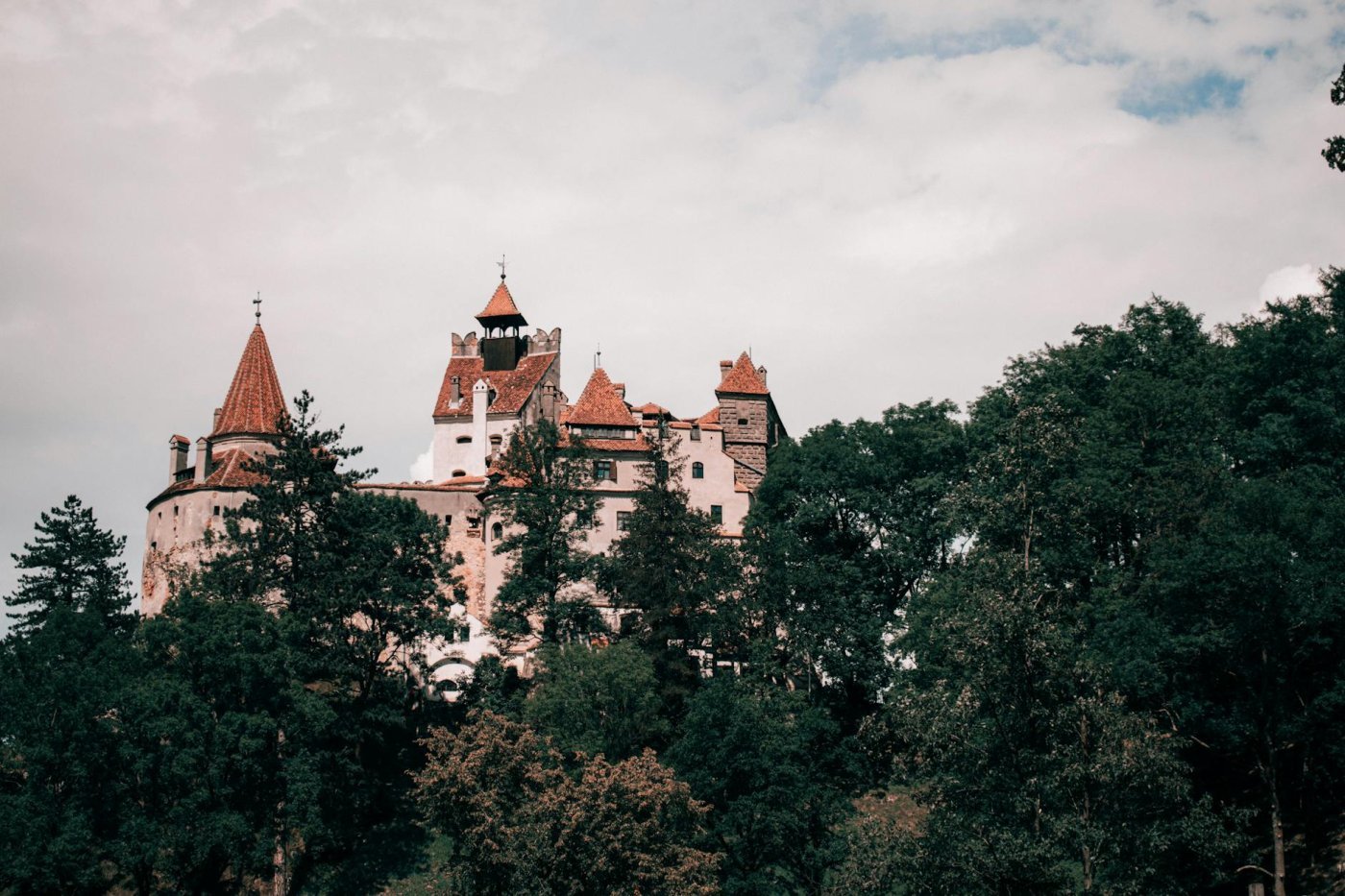
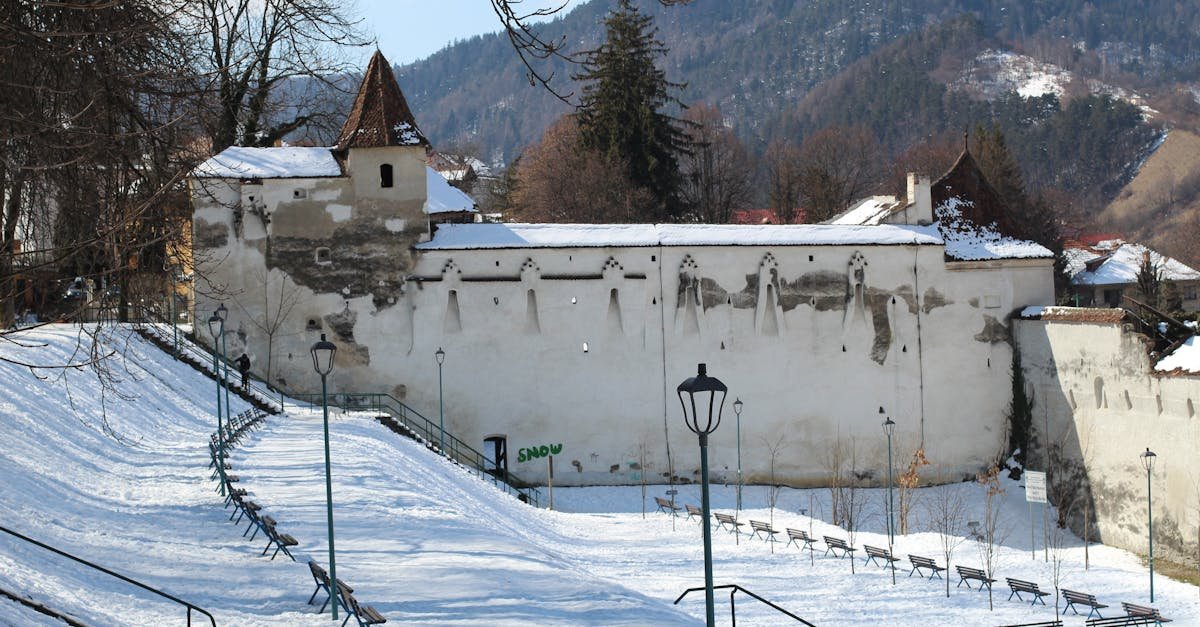
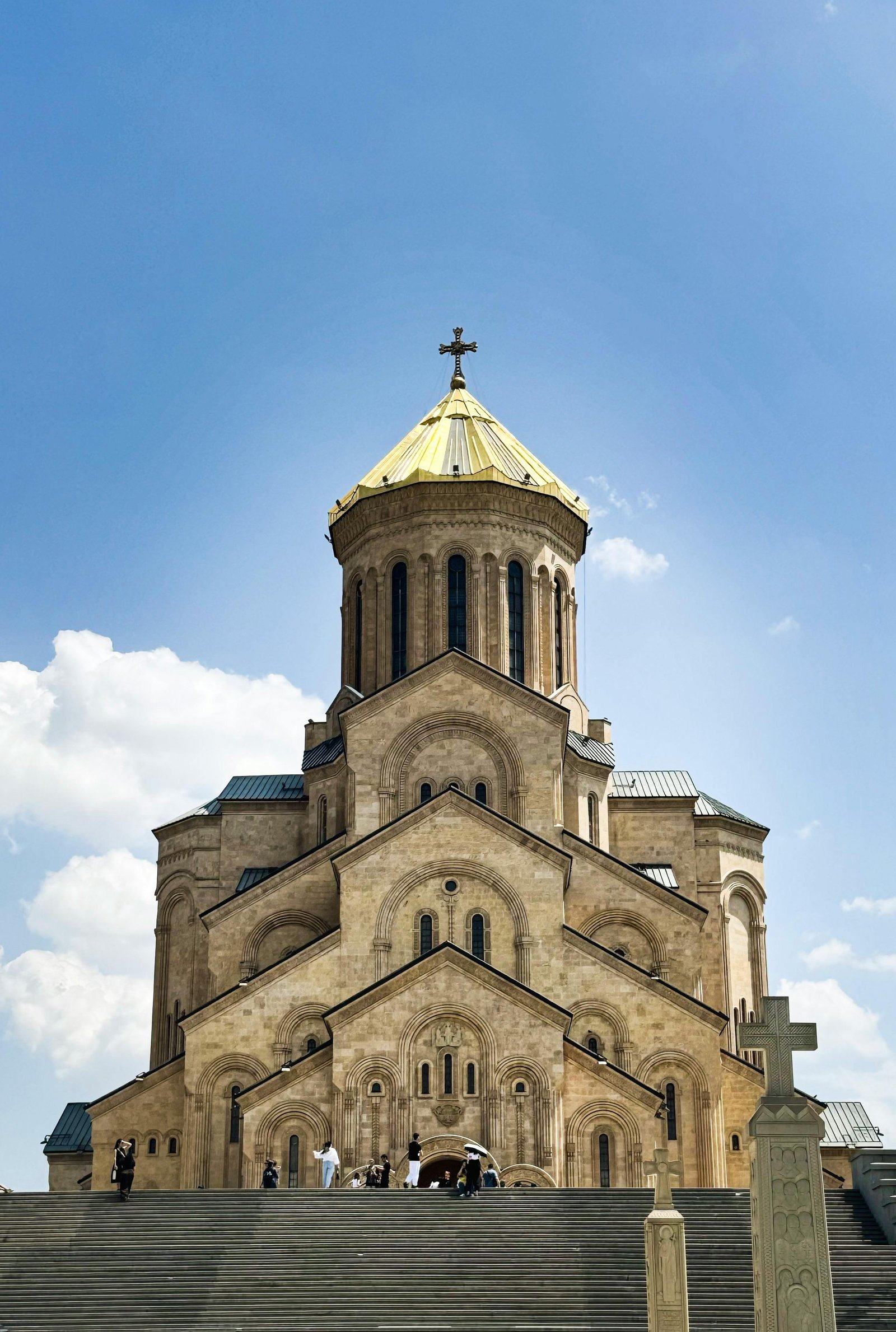
Sibiu Travel Guide — Sibiu is Transylvania's most perfectly preserved
⏱ 11 min read📅 Updated 2026💶 € Budget✈️ Best: Apr–Sep
€25–45/day
Daily budget
Apr–Sep
Best time
3–5 days
Ideal stay
RON (Romanian Leu)
Currency
Step through the tunnels beneath Sibiu's pastel-painted houses and you'll feel the centuries fold around you like a coat. This compact Saxon city in the heart of Transylvania rewards every sense: the smell of woodsmoke drifting from chimneys, the clatter of swallows circling the terracotta rooftops, and the uncanny gaze of the owl-like dormer windows — called Augen or 'eyes' — that stare down from almost every roofline. Sibiu was founded by Saxon colonists in the 12th century, and the careful stewardship of subsequent generations has left behind one of Central Europe's most cinematically intact medieval streetscapes. Few cities of fewer than 150,000 people carry this much architectural and cultural weight.
Visiting Sibiu sets it apart from Romania's better-known draws — Bucharest's grand boulevards or Bran Castle's tourist hordes — by offering depth without the crowds and authenticity without the performance. The city served as European Capital of Culture in 2007 alongside Luxembourg, a distinction that catalysed a wave of museum restorations, jazz festivals, and pedestrianised squares that still define daily life here today. Things to do in Sibiu range from browsing one of Europe's oldest pharmacies to hiking through the Făgăraș Mountains an hour south, or cycling the Olt Valley towards medieval fortified churches that have stood since the 14th century. Unlike Bruges or Český Krumlov, Sibiu has not been polished into a theme park: real people still live, argue, and drink coffee on the very squares that once hosted medieval merchants.
✦ Find your perfect destination
Is Sibiu really your perfect match?
Answer 12 quick questions about your travel style, budget and dates — we match you with the destinations that fit you best, from 600+ worldwide.
Sibiu belongs on your travel list because it delivers old-world Europe at a fraction of the cost of its Western counterparts. The upper and lower towns are connected by atmospheric stone staircases and vaulted passageways — the famous Passage of Stairs dates to the 13th century — and you can walk between them in under ten minutes. Sibiu's restaurant scene punches well above the city's size, drawing on Saxon, Ottoman, and Dacian culinary traditions in ways that feel genuinely local rather than curated for Instagram. The surrounding Transylvanian countryside, dotted with fortified Saxon churches and bear-inhabited forests, means the city doubles as an outstanding base for adventure travel in Romania.
The case for going now: Sibiu is enjoying a quiet renaissance as budget-conscious European travellers discover that the Saxon Triangle — Sibiu, Sighișoara, and Brașov — offers more medieval authenticity per euro than almost anywhere in the EU. The Sibiu International Jazz Festival has expanded its programme for 2026, new boutique guesthouses are opening in restored patrician houses on Strada Cetății, and direct low-cost flights from Vienna, Budapest, and Munich are making the city easier to reach than ever before.
🏛️
Medieval Squares
Piața Mare and the adjacent Piața Mică form a linked theatrical set of pastel façades, baroque fountains, and watchful dormer windows. Spend a morning tracing the iron bridge between them.
🎭
FITS Festival
The Sibiu International Theatre Festival is one of Europe's largest, transforming every plaza, courtyard, and alleyway into an open-air stage for ten extraordinary days each June.
🌲
Făgăraș Hiking
The highest ridgeline in Romania rises just 90 minutes south of Sibiu, offering day hikes past glacial lakes, meadows full of wildflowers, and the chance to spot lynx and chamois.
🎻
Saxon Heritage
The ASTRA National Museum Complex is Europe's second-largest open-air ethnographic museum, with over 300 vernacular buildings relocated from across Romania into a forested lakeside park.
Sibiu's neighbourhoods — where to focus
Historic Heart
Upper Town (Orașul de Sus)
The elevated plateau enclosed by three rings of medieval walls is where Sibiu's grandest architecture clusters around Piața Mare. Patrician merchants built their wide-fronted houses here; today the square is lined with café terraces, and the Council Tower offers a bird's-eye view over the entire tiled roofscape.
Artisan Quarter
Lower Town (Orașul de Jos)
Reached by the ancient Stairs Passage or the Bridge of Lies, the Lower Town was historically home to craftsmen and traders. Today it's Sibiu's most bohemian neighbourhood, with independent ceramics studios, second-hand bookshops, and the lively Saturday market on Piața Cibin where farmers sell cheese and honey.
Romantic Promenade
Parcul Sub Arini
Sibiu's beloved city park, planted with centuries-old chestnuts and linden trees, stretches southwest of the walls and is where locals come to cycle, push prams, and escape the summer heat. The park hosts open-air concerts in July and August, and a vintage funfair sets up along its eastern edge every autumn.
Village Escape
Șelimbăr & Suburbs
Just ten minutes from the centre by bike, the suburban village of Șelimbăr preserves a working Saxon church and traditional farmhouses converted into agrotourism guesthouses. It was the site of a decisive 1599 battle led by Mihai Viteazul; a small but informative memorial museum marks the spot.
Top things to do in Sibiu
1. #1 — Explore the Two Squares
Piața Mare (Great Square) and Piața Mică (Small Square) are the twin heartbeats of any Sibiu itinerary. Piața Mare is dominated by the Brukenthal National Museum, housed in the former residence of Habsburg governor Samuel von Brukenthal and considered the oldest public museum in southeastern Europe, opened to the public in 1817. The collection spans Flemish and German Old Masters, Romanian painters, and a remarkable decorative arts wing. Cross the narrow iron footbridge — the so-called Bridge of Lies, where local legend insists the bridge groans whenever someone tells an untruth while crossing it — and you enter Piața Mică, a more intimate cobbled space ringed by medieval guild towers. Together they form a sequence of architectural drama that very few European cities of comparable size can rival.
2. #2 — Climb the Council Tower
The medieval Council Tower (Turnul Sfatului) rises above Piața Mică and has guarded Sibiu's upper town since the 13th century. Climb the steep internal staircase — 141 steps in total — and the reward is one of Transylvania's finest urban panoramas: a sea of terracotta and grey-slate rooftops punctuated by the watching eyes of a hundred dormers, the twin spires of the Lutheran Cathedral, and, on clear autumn days, the white line of the Făgăraș peaks to the south. The tower was used for centuries as a watchtower, granary, and even a prison; interpretive panels inside explain each successive era. Admission costs just a few lei and the tower is rarely crowded, making it one of the most rewarding viewpoints in all of Romania.
3. #3 — Wander ASTRA Museum
The ASTRA National Museum Complex in Dumbrava Forest is extraordinary in scale and ambition. Spread across 96 hectares around an artificial lake just 4 kilometres from the city centre, it contains over 300 authentic vernacular structures — watermills, windmills, farmsteads, churches, and workshops — relocated from villages across Romania and reassembled in their correct regional groupings. A Sibiu itinerary of any length should include at least a half-day here, ideally on a weekday when visitor numbers are modest and the forest paths feel genuinely peaceful. Horse-drawn carriages carry visitors between the more distant exhibits, and costumed demonstrators show traditional crafts including pottery-throwing, basket weaving, and blacksmithing. It is far more engaging than any indoor ethnographic collection.
4. #4 — Day Trip to Fortified Churches
Transylvania's Saxon communities built fortified churches from the 13th to 16th centuries as combined places of worship and refuge, and the concentration around Sibiu is unmatched anywhere in Europe. The UNESCO-listed village of Biertan, about 40 kilometres northeast of Sibiu, has the finest example: a triple-walled fortress enclosing a late Gothic church with a remarkable 1483 sacristy door fitted with a 19-bolt locking mechanism so ingenious that it was displayed at the Vienna World Exhibition. Nearby Viscri — famously championed by King Charles III — and Cisnădie each offer a different flavour of the same tradition. Rent a car or join a small-group tour from Sibiu, and combine two or three villages in a single day for an unforgettable glimpse of a vanishing world.
What to eat in Transylvania & the Saxon Lands — the essential list
Ciorbă de burtă
Romania's cult tripe soup is silky, sharply soured with vinegar, and finished with egg yolk and sour cream. Locals swear it cures everything from a cold morning to a big night out — order it at any traditional restaurant in Sibiu.
Mici (Mititei)
These skinless grilled minced-meat rolls — a blend of beef, pork, and lamb seasoned with garlic, thyme, and bicarbonate — are the informal national snack of Romania. In Sibiu they appear at every market grill and pair perfectly with cold Ursus beer.
Tochitură ardeleană
A Transylvanian pork stew braised with onions, garlic, tomatoes, and white wine, served over a mound of polenta and topped with a fried egg. Rich, warming, and the size of a small mountain — it is the defining comfort dish of the region.
Kürtőskalács
This spiral chimney cake of Saxon and Hungarian origin is wound around a wooden cone, grilled over charcoal, and rolled in sugar and walnuts. Street vendors near Piața Mare sell them year-round; the smell of caramelising dough is unmistakable.
Papanași
Deep-fried cottage-cheese doughnuts topped with a mountain of sour cream and sour cherry jam — papanași are the dessert Sibiu visitors most frequently order twice. Light on the inside, caramelised on the outside, and almost offensively good.
Cozonac
A braided sweet bread enriched with eggs, butter, and milk, rolled around a filling of ground walnuts or cocoa, cozonac is Romania's festive loaf. Bakeries in Sibiu's Lower Town bake it weekly, not just at Christmas, and it makes an outstanding breakfast with strong Turkish-style coffee.
Where to eat in Sibiu — our top 4 picks
Fine Dining
Restaurant Hermania
📍 Piața Mică 22, Sibiu
Hermania occupies a graceful vaulted space on Small Square and is widely regarded as Sibiu's most accomplished kitchen. The menu interprets Transylvanian and Saxon culinary traditions through modern technique — expect venison with juniper, pickled wild garlic, and aged plum brandy reductions. Booking essential on weekends.
Fancy & Photogenic
Crama Sibiul Vechi
📍 Strada Papiu Ilarian 3, Sibiu
Descend into a cavernous brick wine cellar dating to the 17th century and you're in Sibiu's most atmospheric dining room. The menu leans into Romanian peasant classics — whole-roasted meats, clay-pot beans, smoked sausages — all washed down with Transylvanian Fetească Neagră. A theatrical experience that photographs magnificently.
Good & Authentic
Vatra cu Specific Ardelenesc
📍 Strada Filarmonicii 2, Sibiu
A no-frills family tavern beloved by locals for its outsized portions and fair prices. The tochitură comes bubbling in an earthenware pot, the bread is baked in-house, and the waitstaff have been here long enough to remember when the walls were last repainted. Essential for understanding how Sibiu actually eats.
The Unexpected
Prompt Restaurant
📍 Strada Nicolae Bălcescu 9, Sibiu
Prompt defies the Transylvanian comfort-food template with a menu that shifts seasonally between Vietnamese, Lebanese, and Nordic influences depending on what the kitchen finds at the week's market. It sounds gimmicky but the execution is impressive — locals in the know treat it as a genuine destination restaurant.
Sibiu's Café Culture — top 3 cafés
The Institution
Café Wien
📍 Piața Mare 9, Sibiu
On Sibiu's grandest square, Café Wien has been serving Viennese-style coffee and pastries since the Habsburg era and has been the setting for more literary debates, business deals, and lazy Sunday mornings than any other café in the city. The window seats overlooking Piața Mare are the most coveted in Sibiu.
The Aesthetic Hub
Beans & Dots Specialty Coffee
📍 Strada Avram Iancu 3, Sibiu
The leading specialty-coffee shop in Sibiu, Beans & Dots sources single-origin beans from Ethiopia and Colombia, roasts them in-house, and pulls them through a precision espresso machine to a clientele of architects, students, and visiting food writers. The clean Scandinavian interior feels genuinely contemporary in this medieval setting.
The Local Hangout
Kulinarium
📍 Strada Turnului 2, Sibiu
Tucked beside the medieval Craftsmen's Tower, Kulinarium is where Sibiu university students come to nurse a latte over textbooks and locals meet after work for a glass of local wine. The courtyard terrace is shaded by an enormous chestnut tree and buzzes with conversation from opening until midnight.
Best time to visit Sibiu
Jan
Feb
Mar
Apr
May
Jun
Jul
Aug
Sep
Oct
Nov
Dec
Peak Season (Apr–Sep) — warm days, festivals, ideal hiking conditionsShoulder Season (Mar, Oct) — fewer crowds, lower prices, crisp golden lightOff-Season (Nov–Feb) — cold and often snowy, but Christmas markets add winter magic
Sibiu events & festivals 2026
Whether you're planning around a specific celebration or simply want to know what's happening, this guide covers the best events and festivals in Sibiu — from major annual traditions to cultural highlights worth timing your trip around.
June 2026culture
Sibiu International Theatre Festival (FITS)
One of the largest performing arts festivals in the world, FITS transforms every corner of Sibiu into a stage for ten days each June. Street theatre, classical productions, and experimental performances draw over 100 theatre companies from more than 70 countries — making it the unmissable cultural thing to do in Sibiu in June.
June 2026music
Sibiu International Jazz Festival
This beloved annual festival brings jazz musicians from across Europe and North America to perform in the atmospheric squares and cellars of Sibiu's old town. With most concerts free or cheaply priced, it represents extraordinary value and is one of the best Sibiu festivals for spontaneous evening exploration.
August 2026culture
Transylvania International Film Festival (TIFF) Sibiu Edition
Romania's leading film festival, based in Cluj-Napoca, traditionally extends screenings and events to Sibiu each summer. Outdoor cinema nights in Piața Mare's medieval setting are among the most magical film-watching experiences in the country.
July 2026music
ARTmania Festival
This rock and metal festival held in Piața Mare is one of Romania's most distinctive live music events — imagine headbanging in a 13th-century square surrounded by watching dormer windows. International acts headline alongside Romania's best-known rock bands every summer.
December 2026market
Sibiu Christmas Market
Consistently rated among the most beautiful Christmas markets in Central Europe, Sibiu's market fills Piața Mare and Piața Mică with handcrafted wooden stalls selling cozonac, vin fiert (mulled wine), ceramics, and Saxon embroidery from late November through December.
April 2026culture
Astra Film Festival
A documentary film festival with a social conscience, Astra Film has screened important international documentaries in Sibiu since 1993. The spring edition brings filmmakers and audiences together for screenings, debates, and master classes in venues across the historic centre.
May 2026culture
Crafts Fair at ASTRA Museum
Artisans from across Romania gather at the open-air ASTRA Museum each May to demonstrate and sell traditional crafts: hand-painted pottery, woven rugs, carved wooden furniture, and embroidered blouses. One of the most authentic folk-culture events in Transylvania, and completely free to browse.
September 2026culture
Sibiu Gastronomic Festival
Celebrating Transylvanian culinary heritage, this September gathering brings chefs, producers, and food artisans to Piața Mare for three days of tastings, live cooking demonstrations, and regional wine pairings. It is the best single occasion to eat your way through Saxon, Romanian, and Hungarian food traditions in Sibiu.
October 2026religious
Saxon Lutherfest
Each autumn the German-speaking Lutheran community of Sibiu — a small but vital cultural presence — marks the Reformation with concerts, lectures, and open-church events inside the great Gothic Lutheran Cathedral on Piața Huet. The choral performances inside the medieval nave are deeply moving.
March 2026culture
Mărțișor Spring Celebrations
On the 1st of March, Romanians exchange mărțișoare — small red-and-white talisman trinkets symbolising the arrival of spring. In Sibiu, street markets spring up overnight across the Upper Town, selling handmade versions alongside snowdrop flowers; it is one of Romania's most charming annual folk traditions.
Hostel dorms, market lunches, free museum days, and local buses cover all bases comfortably.
€€ Mid-range
€35–70/day
Boutique guesthouse, restaurant dinners, day-trip car hire, and paid museum entries included.
€€€ Luxury
€70+/day
Boutique hotel in a restored patrician house, fine-dining tasting menus, and private guided tours.
Getting to and around Sibiu (Transport Tips)
By air: Sibiu International Airport (SBZ) receives direct flights from Munich, Vienna, London Luton, Brussels, and Budapest, mostly operated by Lufthansa, Wizz Air, and TAROM. Flight times from Western Europe are typically 2–3 hours, making Sibiu one of the most accessible secondary Romanian cities for European travellers.
From the airport: Sibiu Airport sits just 5 kilometres west of the city centre. City bus line 11 connects the terminal to the central bus station in about 20 minutes for roughly 3 RON. Taxis cost 30–50 RON and take 10 minutes; always use the official metered rank inside the terminal. Ride-hailing apps Bolt and Uber also operate reliably from the airport.
Getting around the city: Sibiu's historic centre is almost entirely walkable — Piața Mare to the ASTRA Museum is a comfortable 30-minute stroll through the Dumbrava parkland. The city operates a clean tram and bus network for outer districts, with fares under 5 RON per journey. Cycling is increasingly popular thanks to new dedicated lanes; rental bikes are available at several guesthouses and from the central cycle-hire point near Parcul Sub Arini. Taxis and Bolt are inexpensive for evening returns.
Transport Safety & Scam Prevention:
Use Metered Taxis Only: Unofficial taxi drivers occasionally approach arriving passengers at Sibiu Airport. Always use the marked taxi rank inside the terminal building or book via the Bolt app, which shows pricing upfront and eliminates negotiation entirely.
Validate Your Bus Ticket: Sibiu's city buses require you to validate your ticket in the onboard machine after boarding — holding an unvalidated ticket counts as fare evasion and inspectors do issue fines. Buy tickets at kiosks near major stops rather than from the driver.
ATM Currency Choices: When withdrawing cash from Romanian ATMs, always choose to be charged in local currency (RON) rather than your home currency. The 'dynamic currency conversion' option offered by many machines applies a significantly worse exchange rate that benefits the bank, not you.
Do I need a visa for Sibiu?
Visa requirements for Sibiu depend on your nationality. Select your passport below for an instant answer — based on the Passport Index dataset for entry into Romania.
ℹ️ Indicative only. Always verify with the official consulate before booking. Data: Passport Index, April 2026.
For detailed requirements, documentation checklists and processing times by nationality: TravelDoc →
Search & Book your trip to Sibiu
Find the best flight routes and hotel combinations using our partner Kiwi.com.
Frequently Asked Questions
Is Sibiu safe for tourists?
Sibiu is one of the safest cities in Romania for tourists and ranks as very safe by European standards. Violent crime targeting visitors is extremely rare, and the compact old town is well-lit and busy with locals until late evening throughout the warmer months. Standard urban precautions apply — keep an eye on bags in crowded market areas and avoid poorly lit back streets late at night — but the overall atmosphere is relaxed, friendly, and welcoming to international travellers. Solo female travellers report feeling comfortable here.
Can I drink the tap water in Sibiu?
Tap water in Sibiu is treated and technically safe to drink by Romanian national standards, and locals do drink it. However, many visitors find the taste unremarkable due to chlorination levels, and bottled mineral water is very inexpensive — well under 1 RON for a 500ml bottle at any supermarket. If you're travelling with a sensitive stomach or visiting during summer when pipes can warm up, sticking to bottled water for drinking is a perfectly reasonable precaution that won't cost you much.
What is the best time to visit Sibiu?
The best time to visit Sibiu is from late April through September, when the weather is reliably warm, the café terraces on Piața Mare are full, and the surrounding Transylvanian countryside is at its greenest. June is particularly exceptional because it coincides with both the International Theatre Festival and the Jazz Festival, making it the richest month culturally. July and August bring peak temperatures around 28°C, ideal for combining city sightseeing with day hikes in the Făgăraș Mountains. December is worth considering for the renowned Christmas market, despite cold temperatures averaging around 2°C.
How many days do you need in Sibiu?
Three days is the comfortable minimum for a Sibiu itinerary that covers the two squares, the Brukenthal Museum, the ASTRA open-air museum, and at least one day trip to a fortified Saxon village. Four to five days allows you to add a drive along the Transfăgărășan Highway, visit Viscri or Biertan more thoroughly, and eat your way through the restaurant scene without rushing. A full week is ideal if you plan to combine Sibiu with Brașov or Sighișoara — both are within 1.5 hours by car — turning the Saxon Triangle into a cohesive regional road trip through Transylvania.
Sibiu vs Brașov — which should you choose?
Both cities are outstanding, but they suit different traveller profiles. Brașov is larger, more touristically developed, and positioned right beside the Bucegi Mountains and Peles Castle, making it the better base if outdoor adventure or castle-hopping is your primary focus. Sibiu is quieter, more intimate, and architecturally more coherent — the two-square medieval core and the vaulted passageways feel genuinely lived-in rather than stage-managed. Sibiu also has the superior museum offering (Brukenthal, ASTRA, Pharmaceutical Museum) and a more nuanced restaurant scene. If you have time for only one, cultural travellers almost always prefer Sibiu; active outdoor travellers often lean towards Brașov. Ideally, visit both.
Do people speak English in Sibiu?
English is spoken well in Sibiu, particularly among younger residents, hotel and restaurant staff, museum workers, and anyone in tourism-adjacent roles. Sibiu's status as a former European Capital of Culture and its international festival calendar mean the city has substantial experience hosting non-Romanian visitors. In local markets, smaller family taverns, and outer neighbourhoods, English levels drop and a few words of Romanian — mulțumesc (thank you), vă rog (please), un bere/un vin (a beer/a wine) — will be warmly appreciated and sometimes rewarded with better service or a complimentary pălincă.
★ Hotel guide
Where to stay in Sibiu
7+ hand-picked hotels across luxury, mid-range and budget — verified by Max.
Hand-picked and verified by Max, who founded Vacanexus from Luxembourg in 2026. No sponsorships, no paid placements. Every recommendation — restaurants, neighbourhoods, things to do — is selected for authenticity over popularity.